Growing flowers in pots at home is genuinely one of the most rewarding things you can do with a balcony, patio, windowsill, or tiny backyard. Pick a container-friendly variety like petunias, marigolds, geraniums, or calibrachoa, plant them in a well-draining potting mix in a pot with drainage holes, give them the right amount of sun, water consistently, and feed them every one to two weeks with a liquid fertilizer. Do that, and you'll have blooms all season long. The sections below walk through every step in order so you can get it right from day one.
How to Grow Flowers in Pots at Home: Step-by-Step Guide
Marcus Whitley
23 May 2026
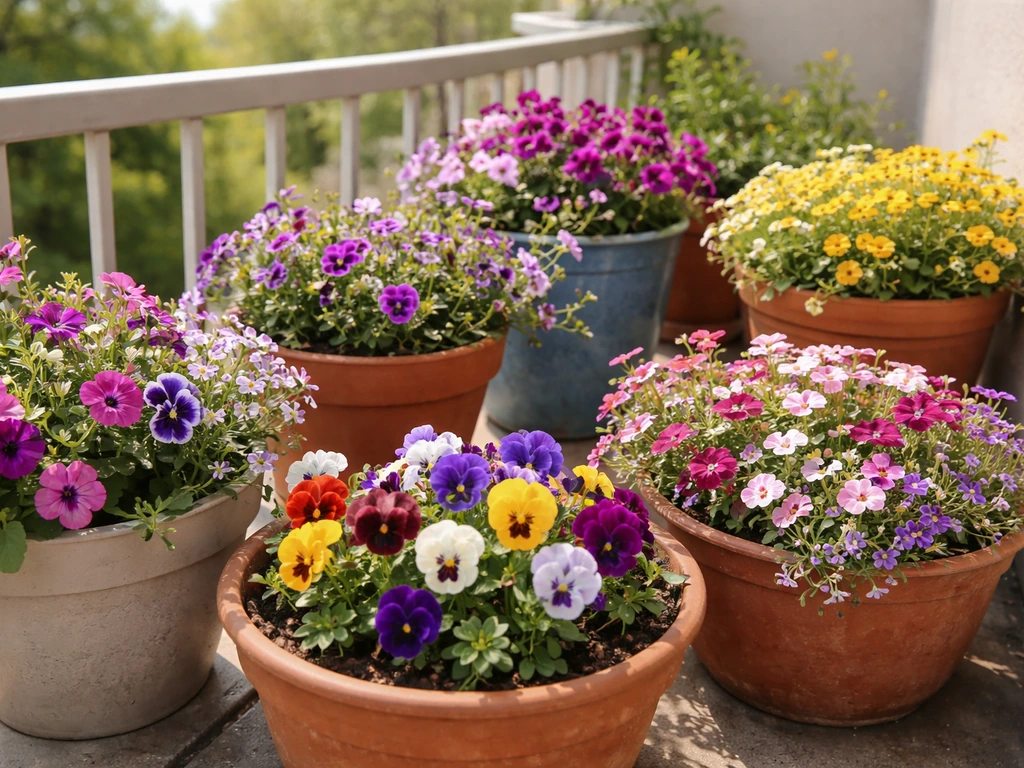
Pick container-friendly flowers for your conditions
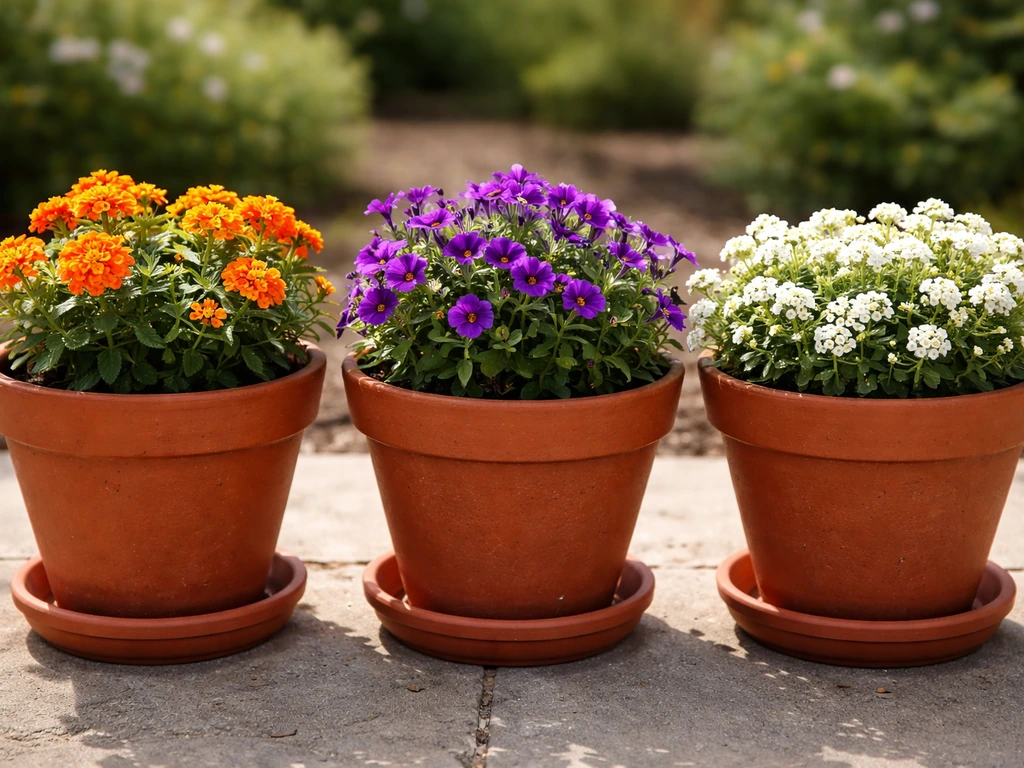
Not every flower thrives in a pot. The ones that do best are varieties that naturally have compact root systems, tolerate the heat that builds up in containers, and keep flowering over a long season rather than blooming once and stopping. Before you buy anything, think about two things: how much sun your spot gets, and whether you're starting from seed or buying young plants from a nursery.
Best flowers for full sun pots (6+ hours of direct sun per day)
- Marigolds: incredibly easy, almost fail-proof, and they need full sun all day to deliver nonstop blooms all season. Great first-timer flower.
- Geraniums: classic container performers, long-blooming, and they tolerate some dryness between waterings. Full sun, well-drained soil.
- Calibrachoa (million bells): tiny bell-shaped flowers that absolutely pack containers and hanging baskets with color. They actually prefer containers over garden beds.
- Petunias: one of the most popular container flowers for good reason. They bloom prolifically and come in dozens of colors.
- Zinnias: heat-loving, drought-tolerant once established, and easy to grow from seed.
- Lantana: thrives in heat, handles dry spells well, and attracts pollinators.
Best flowers for shade or part-shade pots (fewer than 6 hours of direct sun)
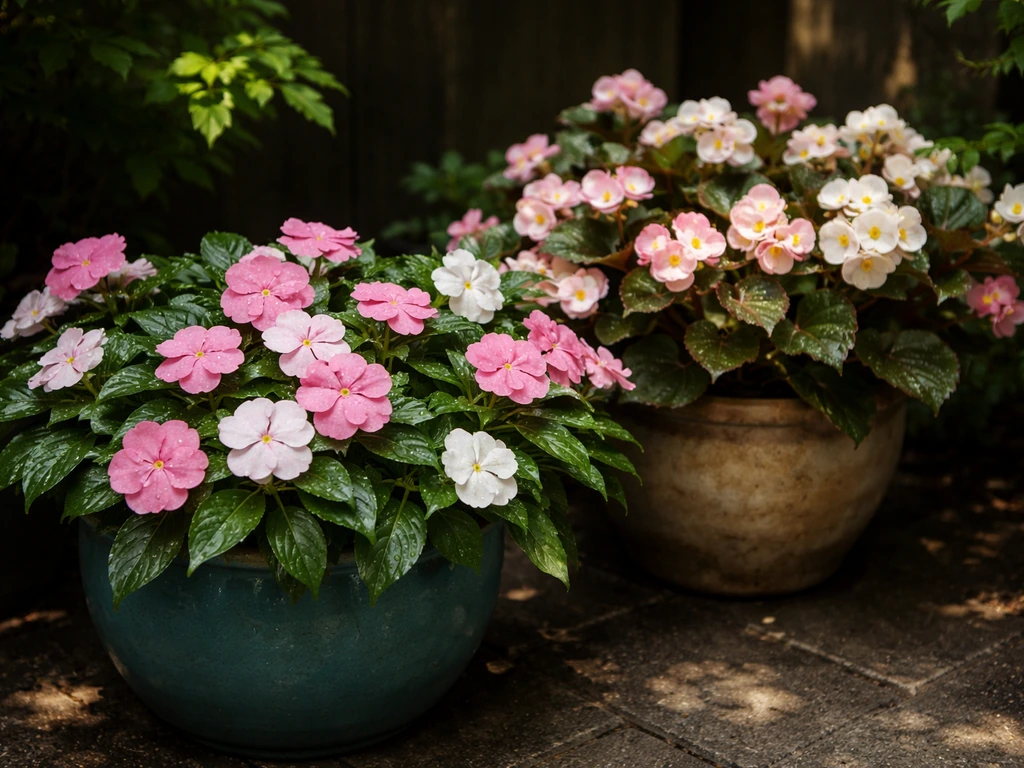
- Impatiens: the go-to shade flower for containers, soft colors, constant blooms.
- Begonias (wax or tuberous): handle low light well and produce waxy, long-lasting flowers.
- Fuchsia: stunning in hanging baskets in a shaded spot, especially in cooler climates.
- Pansies and violas: perfect for cool-season containers in spring or fall, tolerate light frost.
Seeds vs. seedlings: which is easier?
If this is your first season growing flowers in pots, buying young seedlings or plug plants from a nursery is the fastest route to success. You skip the germination stage and get blooms weeks sooner. That said, marigolds and zinnias are genuinely easy to start from seed directly in the pot once temperatures are warm enough (above 60°F at night). Cornflowers are another good option to sow directly, and you can read more about that in a dedicated cornflower container guide. Cornflowers also do well when you treat them as a container plant, so follow the steps for growing cornflowers in pots to help them get established. For everything else, especially begonias, petunias, and calibrachoa, buy seedlings.
Choose the right pots, drainage, and location
Pot size matters more than most people think
A pot that's too small stresses plants, dries out in hours, and stunts roots. For most flowering annuals, a 10- to 12-inch diameter pot is the minimum for a single plant, and a 14- to 16-inch pot works well for mixed plantings of two or three varieties. Hanging baskets are usually 10 to 14 inches and suit calibrachoa, petunias, and fuchsia beautifully. If you want to grow flowers in small pots, stick to compact single-variety plants and expect to water more frequently since smaller volumes of soil dry out fast. If you are specifically wondering how to grow fluxweed without a large pot, focus on compact growth habits and use a smaller container with excellent drainage.
Drainage is non-negotiable
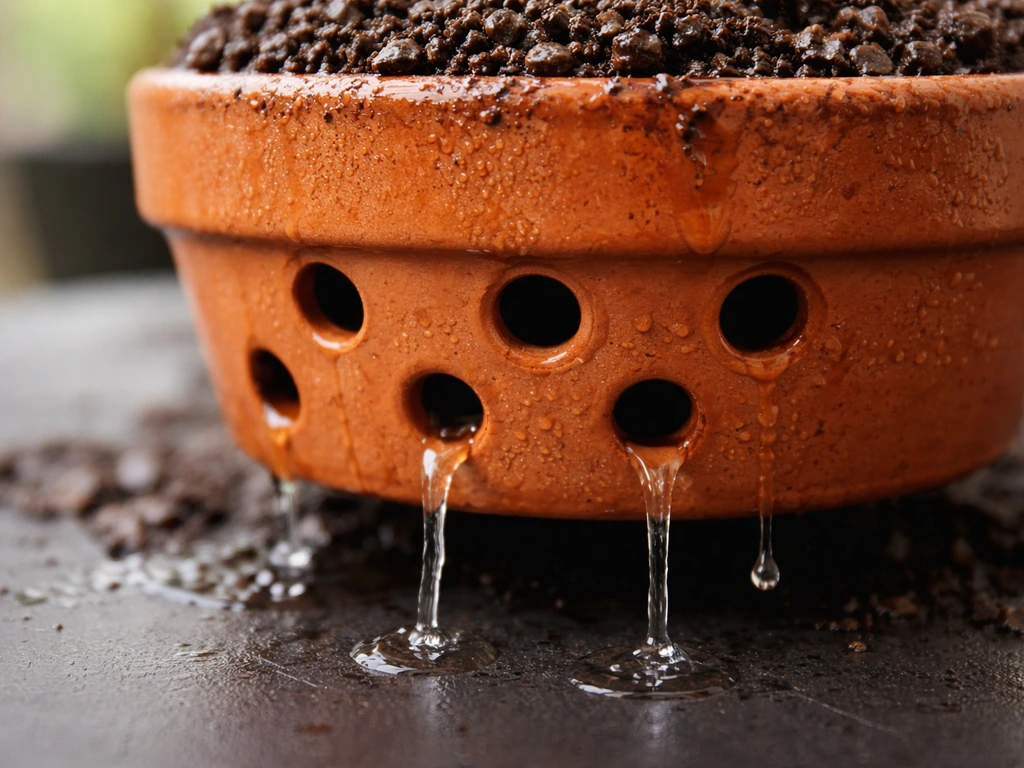
Every pot must have drainage holes. This is the single most important structural rule in container gardening. Roots sitting in waterlogged soil rot quickly, and most flowering plants will die before you even realize something is wrong. OSU Extension is clear on this: containers need holes at the bottom so excess water can drain away. Oklahoma State University recommends that the drainage hole area at the bottom of your pot should cover at least 20% of the base. If you love a decorative pot that has no holes, use it as an outer sleeve and drop a holed plastic nursery pot inside.
One common mistake: adding a layer of gravel to the bottom of the pot to "improve drainage." It sounds logical, but Oklahoma State University Extension research shows it actually hinders water movement away from the roots. Skip the gravel. Just use a quality potting mix and make sure the holes aren't blocked.
Pot materials: what to choose
| Material | Best for | Downside |
|---|---|---|
| Plastic | Beginners, lightweight setups, balconies | Heats up fast in full sun; roots can cook in summer |
| Terracotta (clay) | Plants that like to dry out between waterings (geraniums, marigolds) | Heavy, breaks in frost, dries out quickly |
| Glazed ceramic | Display pots, mixed plantings | Heavy; check it has drainage holes |
| Fabric grow bags | Roots stay healthier due to air pruning; great for large plants | Dries out fast, needs more frequent watering |
| Foam/resin | Lightweight alternative to ceramic with similar look | Less breathable than terracotta |
Choosing your location
Match your flower choice to the light your spot actually gets, not the light you wish it got. Walk outside and count the hours of direct sun on your chosen spot on a clear day. Six or more hours means full sun; three to six means part shade; fewer than three means shade. NC State Extension emphasizes that container success depends on getting light, temperature, air movement, and humidity right together. Avoid putting pots in spots that get intense reflected heat from walls in summer unless you're growing heat-lovers like lantana or zinnia.
Planting setup: potting mix, timing, and spacing
Always use potting mix, never garden soil
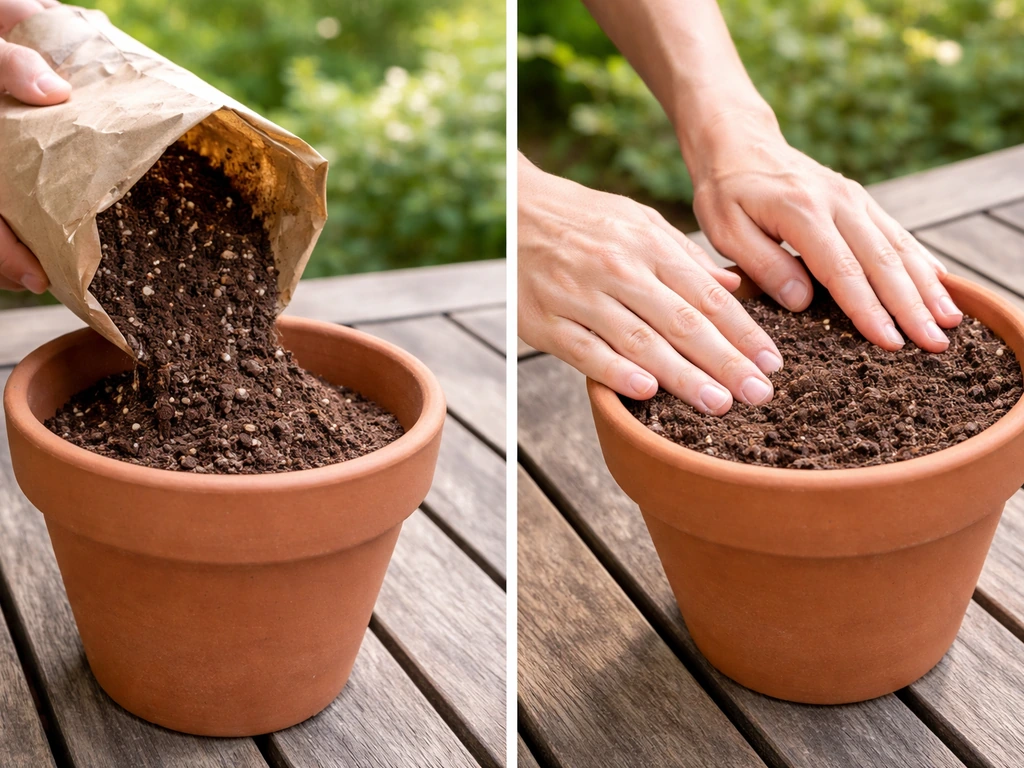
Garden soil compacts in containers, blocks drainage, and can introduce pests and diseases. Use a bagged potting mix specifically labeled for containers or pots. These are formulated to stay loose, drain well, and hold just enough moisture. Many already contain a slow-release fertilizer, which gives your plants a head start. UMN Extension recommends choosing a potting mix appropriate for container gardening and combining the built-in slow-release fertilizer with liquid fertilizer applied during the growing season.
When to plant
Timing depends on your climate and the flower type. For warm-season flowers like marigolds, petunias, zinnias, geraniums, and calibrachoa, wait until nighttime temperatures are consistently above 50°F (ideally 55 to 60°F) and the risk of frost has passed. In most of the US, that's mid-April through late May. For cool-season flowers like pansies and violas, you can plant much earlier in spring (or in fall), since they tolerate light frost down to about 28°F.
Step-by-step planting process
- Clean your pot and check that drainage holes are clear.
- Fill the pot about two-thirds full with fresh potting mix. Don't pack it down.
- If your potting mix doesn't contain fertilizer, mix in a slow-release granular fertilizer following the package rate.
- Make a hole in the center (or space multiple holes) large enough to fit your plant's root ball.
- Remove the plant from its nursery container gently. If roots are tightly wound in a circle (root-bound), loosen them slightly with your fingers.
- Set the plant in the hole so the top of its root ball sits about an inch below the rim of the pot.
- Fill in around the roots with more potting mix and press gently to remove air pockets.
- Water thoroughly until water runs out the drainage holes.
- Place in the appropriate sun or shade location.
Spacing in mixed containers
A classic container recipe uses a "thriller, filler, spiller" approach: one tall dramatic plant in the center, lower bushy plants to fill around it, and trailing plants near the edges. For a 14-inch pot, three to five plants is usually right. Give each plant a bit of room to grow because crowding leads to poor air circulation and disease problems. It always looks sparse at first, but within three to four weeks the pot will be full.
Watering and feeding schedule for nonstop blooms
How often to water
Container plants dry out much faster than garden beds, so checking daily during summer is a real habit you need to build. The easiest test: push your finger an inch into the soil. If it feels dry at that depth, water. If it's still moist, wait. Most flowering containers in full sun during summer will need watering every one to two days. In cooler weather or shade, every two to three days is more typical. Morning watering is ideal because it gives foliage time to dry before evening, reducing disease risk.
When you water, water deeply. Pour slowly until you see water coming out the drainage holes, then stop. This ensures the entire root zone gets moisture. Light, quick watering only wets the top inch and encourages roots to stay shallow, making the plant less resilient. Avoid letting pots sit in saucers full of standing water for more than 30 minutes, as this recreates the soggy conditions that cause root rot.
Feeding: the schedule that keeps flowers coming
Flowers in pots need regular feeding. Here's why: every time you water, some nutrients get washed out through the drainage holes. UMN Extension notes that blank" rel="noopener noreferrer">even slow-release fertilizers in potting mixes get depleted by repeated watering, so they recommend starting regular fertilizer applications somewhere between two and six weeks after planting, depending on your mix, how often you water, and how fast the plants are growing.
The simplest reliable approach is to use a liquid balanced fertilizer (look for something like 10-10-10 or a "bloom booster" formula with higher middle and last numbers, like 15-30-15) every one to two weeks from early summer through late summer. Mix it into your watering can at the rate on the label. If you forget liquid feeding, slow-release granules scratched into the top inch of soil every six to eight weeks also work well as a backup.
Sunlight, deadheading, pruning, and staking basics
Getting the light right
Once you've matched your flower to its light requirement, your main job is making sure nothing blocks that light over time. Nearby trees leaf out in summer, furniture gets moved, and shade patterns shift. If a previously sunny spot becomes shadier, your sun-loving flowers (like marigolds, which UMN Extension says need full sun all day for season-long blooms) will get leggy and stop flowering well. Rotate pots occasionally if one side of the plant is stretching more than the other.
Deadheading: the most impactful five-minute task
Deadheading means removing spent (faded or dead) flowers before they go to seed. When a plant produces seeds, it thinks its job is done and slows down flowering. Removing those spent blooms tricks it into producing more. UMN Extension calls deadheading a must for flowering annuals in containers, and recommends pinching or cutting faded flowers back to the point where seeds would have developed, not just pulling off petals. For petunias and calibrachoa, this means going back to the first set of leaves below the flower. Do this every few days and you'll be amazed how much longer your containers keep blooming.
Pruning and pinching for bushy growth
Some plants, especially petunias, get long and straggly by midsummer. Don't be afraid to cut them back by a third. It looks brutal for a week, but the plant responds with a flush of new bushy growth and fresh blooms within two to three weeks. Pinching the growing tips of young plants when they're small (before they flower) encourages branching and a fuller shape from the start. Just use your fingers to pinch off the top inch or two of each stem.
Staking taller flowers
Taller container flowers like some zinnias, dahlias, or snapdragons may need support. Push a thin bamboo cane or wire stake into the pot close to the main stem and tie loosely with soft twine or a stretchy plant tie. Do this early, when the plant is young, so you don't damage established roots later. Flame vine, if you're growing it in a pot, also needs a structure to climb, but that's a different project than most annual flower containers. Flame vine can also be grown in pots if you give it strong support, lots of sun, and consistent watering.
Pests, diseases, and common flowering problems (with fixes)
Fungus gnats
Fungus gnats are tiny flies that hover around pots and lay eggs in damp soil. The larvae damage roots. They're almost always caused by keeping the soil too wet. Purdue Extension recommends the simple fix: let the top of the soil dry out before watering, and always check by touching the surface before adding more water. UMN Extension suggests bottom-watering as a useful strategy: place the pot in a tray of water for 15 to 30 minutes so the soil draws up moisture from below, then remove the pot. This keeps the top layer of soil drier, where gnats want to lay eggs. Yellow sticky traps near the pots catch the adults and help you monitor the problem.
Powdery mildew
Powdery mildew shows up as a white, powdery coating on leaves, usually in warm days combined with cool humid nights. It's common on zinnias, dahlias, and begonias. Improve air circulation by not overcrowding pots. WVU Extension says neem oil or horticultural oil sprays can be effective by creating a film on leaf surfaces that fungal spores can't penetrate. One important caution from WVU Extension: don't spray horticultural oils when temperatures are above 80°F, or you risk burning the leaf tissue. Spray in the early morning or evening on cooler days.
Root rot
Root rot happens when soil stays wet for too long. The roots literally suffocate and decay. Signs are wilting that doesn't improve after watering, yellowing lower leaves, and a musty smell from the soil. The fix is to check drainage holes first (they may be blocked), let the soil dry out more between waterings, and repot the plant into fresh potting mix if the roots look brown and mushy. Prevention is much easier than cure.
Common problems and quick fixes
| Problem | Likely cause | Fix |
|---|---|---|
| Leggy, stretched stems | Not enough light | Move to a sunnier spot; cut back by one-third to encourage bushier regrowth |
| Yellowing leaves | Overwatering, nutrient deficiency, or rootbound plant | Check drainage, resume fertilizing, or repot into a larger container |
| Bud drop (buds forming but falling off) | Sudden temperature change, underwatering, or low humidity | Keep watering consistent and avoid moving pots during bud formation |
| No flowers despite healthy foliage | Too much nitrogen fertilizer or not enough sun | Switch to a bloom-booster fertilizer and increase sun exposure |
| Wilting despite moist soil | Root rot from overwatering | Let soil dry, check for blocked drainage holes, consider repotting |
| Aphids or spider mites | Dry conditions or stressed plants | Spray with insecticidal soap or a strong stream of water; repeat weekly |
NC State Extension makes a point worth remembering: remove dead, damaged, or diseased leaves, stems, and flowers quickly. Don't leave decaying plant material sitting in or on the pot. It harbors pests and disease spores and makes problems worse fast in the contained environment of a container.
Seasonal care and what to do next
Spring: getting started
Spring is the time to refresh potting mix (replace at least half the old mix, or use it all), check pots for cracks, and start cool-season flowers like pansies and violas early. Once frost risk passes, shift to warm-season varieties. Feed with a slow-release granular fertilizer at planting time and start liquid feeding after two to four weeks.
Summer: peak blooming maintenance
This is your busiest season. Water daily (or check daily), deadhead every few days, and feed every one to two weeks with liquid fertilizer. Watch for pests in the heat. If pots dry out so fast that you can't keep up, move them to a slightly shadier spot or group them together to reduce moisture loss. Mid-summer is also when petunias often need that hard cutback to revive them.
Fall: winding down and overwintering
As nights cool below 50°F, most warm-season annuals will naturally start to slow down. You can either let them finish and compost them, or try overwintering certain plants like geraniums indoors. Penn State Extension recommends watering containers well before the soil freezes if you're keeping pots outside. Illinois Extension adds that the key to overwintering container plants successfully is preventing the soil from freezing solid, which you can do by moving pots to an insulated, protected space like an unheated garage or shed.
End-of-season and next-steps checklist
- Empty and clean pots after annuals finish; scrub with diluted bleach solution to kill lingering disease spores.
- Replace or refresh potting mix each spring rather than reusing old mix, which becomes compacted and depleted.
- Note what worked and what didn't: flower varieties, pot sizes, locations. Write it down.
- For overwintering perennials or tender plants, move pots to a frost-free protected area and water sparingly through winter.
- Order or buy seeds in late winter for next season so you have the best selection.
- Plan your container recipes in advance: decide on thriller-filler-spiller combinations for each pot location.
- Check pots for cracks and replace damaged ones before spring planting.
- Start cool-season flowers (pansies, violas) as early as late February or March in mild climates for early color.
Container flower gardening has a genuinely short learning curve. The first season teaches you more than any guide can, so try a few different flowers, accept that not everything will be perfect, and keep notes on what thrived. Next season you'll plant with real confidence. If you want to go deeper on specific plants, there's a lot more to explore on growing flowers in small pots for tight spaces, or on particular varieties like cornflowers, which are wonderful, low-maintenance container plants worth trying once you have the basics down.
FAQ
Can I reuse the same potting mix from last year when I’m growing flowers in pots at home?
You can reuse it, but only if you refresh it. Replace at least half with new container mix (not garden soil), remove visible roots and dead plant matter, and consider sterilizing the old mix if you had disease. If you had root rot or persistent fungus, start with fresh mix to reduce repeat problems.
How do I know if my potting mix is drying out too fast or staying too wet?
Use both a finger test and a weight check. If it feels dry 1 inch down, water deeply, but if it stays heavy for days, you likely have drainage or watering issues. Also confirm that water runs through quickly when you water, otherwise the soil may be hydrophobic or the holes may be blocked.
Should I use a saucer under my container flowers?
Yes, but manage it carefully. Empty the saucer 15 to 30 minutes after watering so the pot is not sitting in standing water. If you have trouble staying on top of this, use a saucer with a stand that keeps the pot slightly elevated.
What’s the best way to fertilize if my potting mix already has slow-release fertilizer?
Start by reading the label, then adjust your schedule. If the mix has slow-release included, you can usually delay liquid feed until growth accelerates and the plants begin to pale. When in doubt, use half-strength liquid fertilizer at first to avoid salt buildup and leaf burn.
Why do my container flowers look healthy but stop blooming?
Common causes are insufficient light, over-fertilizing with too much nitrogen, and crowding that reduces air flow. Confirm you are getting the minimum hours of direct sun for that plant, switch to a bloom-focused or balanced fertilizer, and deadhead consistently so the plant does not go to seed.
How do I prevent fertilizer burn in potted flowers?
Never fertilize dry soil. Water first, then apply fertilizer, and follow the label rate instead of “extra for faster growth.” If you notice leaf edge browning or crusty white residue on the soil surface, flush the pot with clean water until it runs freely from the drainage holes.
Can I grow flowers in pots indoors or on a balcony that gets less than full sun?
Yes, but choose shade-tolerant or partial-sun varieties and expect different bloom timing. Even indoors, windows may not provide enough direct sun, so rotate pots regularly and consider supplementing light with a grow light. Without adequate brightness, plants often get leggy and bloom less.
What container size should I use if I’m combining multiple flower types in one pot?
Aim for enough volume for the biggest plant in the mix. For a typical 14-inch pot, that often means 3 to 5 plants total, depending on their mature size. If you see stems stretching and soil drying extremely fast, you likely need fewer plants or a larger pot.
Is deadheading enough, or do I also need to remove leaves and old stems in pots?
Deadheading helps with blooms, but you should also remove spent foliage that is yellow, damaged, or diseased. Cleaning out dead material improves airflow and reduces pests. Focus on the worst leaves first, then keep the container tidy throughout the season.
What should I do if I see fungus gnats in my potted flowers?
Let the top layer dry before watering, and bottom-water if they persist. Use sticky traps to reduce adults, and avoid repeatedly keeping the top inch constantly damp. If the problem continues after a couple of weeks, replace the top 1 to 2 inches of mix (or repot) to remove larvae habitat.
How can I tell the difference between powdery mildew and simple leaf dust or stress?
Powdery mildew forms a whitish, powder-like coating that spreads and can thicken over time, usually on older leaves first. Stress symptoms from watering or nutrition are often more uniform discoloration, not a powdery film. Improve airflow and treat early if the pattern matches mildew.
When should I repot container flowers because of root problems?
Repot when roots are circling the pot, water runs straight through without wetting the whole container, or the plant wilts quickly even right after watering. Use fresh potting mix and a pot that is only one size larger to prevent excess water holding.
How do I overwinter potted flowers without losing them to freezing?
Do not let the soil freeze solid. Move pots to an insulated, protected spot like an unheated garage or shed, water sparingly so the mix does not fully dry out, and wrap pots if needed for temperature stability. For plants like geraniums, plan for indoor adjustment and reduce watering until growth resumes in spring.