Coleus is one of the easiest and most rewarding plants you can grow in a pot. Pick up a transplant from your local nursery after the last frost date, drop it into a well-draining container with rich potting mix, give it bright indirect light, water it consistently, and pinch the growing tips every couple of weeks.
How to Grow Coleus in Pots: Step-by-Step Container Guide
Marcus Whitley
3 May 2026

If you are specifically growing callaloo in pots, use the same approach for container size, drainage, light, and watering, then adjust timing to your local weather so the plants thrive. Do those things and you'll have a lush, colorful plant all season long. The common mistakes, soggy roots, too much shade, and letting it get leggy, are all easy to avoid once you know what to watch for.
Choosing the right pot and drainage
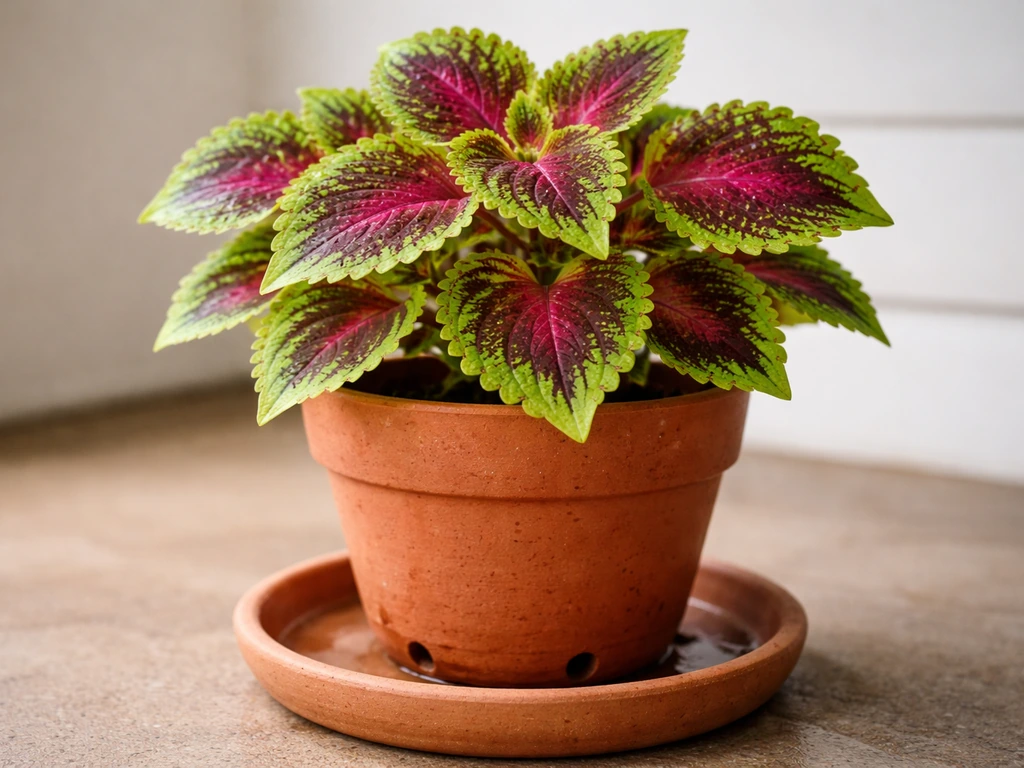
Drainage is the single most important thing to get right with coleus in pots. Coleus roots hate sitting in water, and a pot without drainage holes is basically a recipe for root rot. Always use a container with at least one drainage hole at the bottom, and make sure it isn't blocked.
For pot size, a single coleus plant does well in a 6 to 8 inch pot. If you're grouping two or three plants together for a fuller display, step up to a 12 to 14 inch pot. Bigger containers hold more soil, which means more stable moisture and temperature, which is actually a good thing for coleus.
One thing worth calling out: skip the gravel or rocks in the bottom of the pot. It's a popular idea, but research from NC State Extension confirms it actually makes drainage worse, not better. The water pools right above the gravel layer instead of moving through. Just use good potting mix all the way down and let the drainage hole do its job.
Material-wise, plastic and glazed ceramic pots hold moisture longer, which can work in your favor during hot summer months when coleus can dry out fast. Terracotta is beautiful but dries out much more quickly, so you'd need to water more often. Either works, just factor that into your watering routine.
Light, temperature, and where to place coleus
Coleus is famous for being a shade plant, but that's only half the story. Modern varieties actually span a wide range, from deep-shade tolerant to sun-loving types. What I've found in practice is that most coleus performs best in bright indirect light or morning sun with afternoon shade. The color tends to be most vivid when the plant gets some light rather than sitting in deep, dark shade all day.
The science backs this up. Light intensity directly affects the concentration of anthocyanins, which are the pigments responsible for those rich reds, purples, and pinks. Too little light and those colors fade toward green. Too much harsh direct afternoon sun and you risk scorching. A spot that gets a few hours of gentle morning sun is usually the sweet spot.
Temperature is where coleus can catch beginners off guard. Coleus is very cold sensitive and is often the first container plant to show damage when overnight temperatures dip. Keep it outdoors only after your last frost date has safely passed, and bring it inside or protect it any time temperatures drop toward 50°F or below. Even a single cold, damp night can cause significant leaf drop.
One advantage of growing coleus in pots is that you can move it. If a heat wave hits or the spot you chose turns out to be too sunny, you can simply relocate the container. I've done this more than once mid-season and the plant adjusts fine within a few days.
Best soil mix and container fertilizing
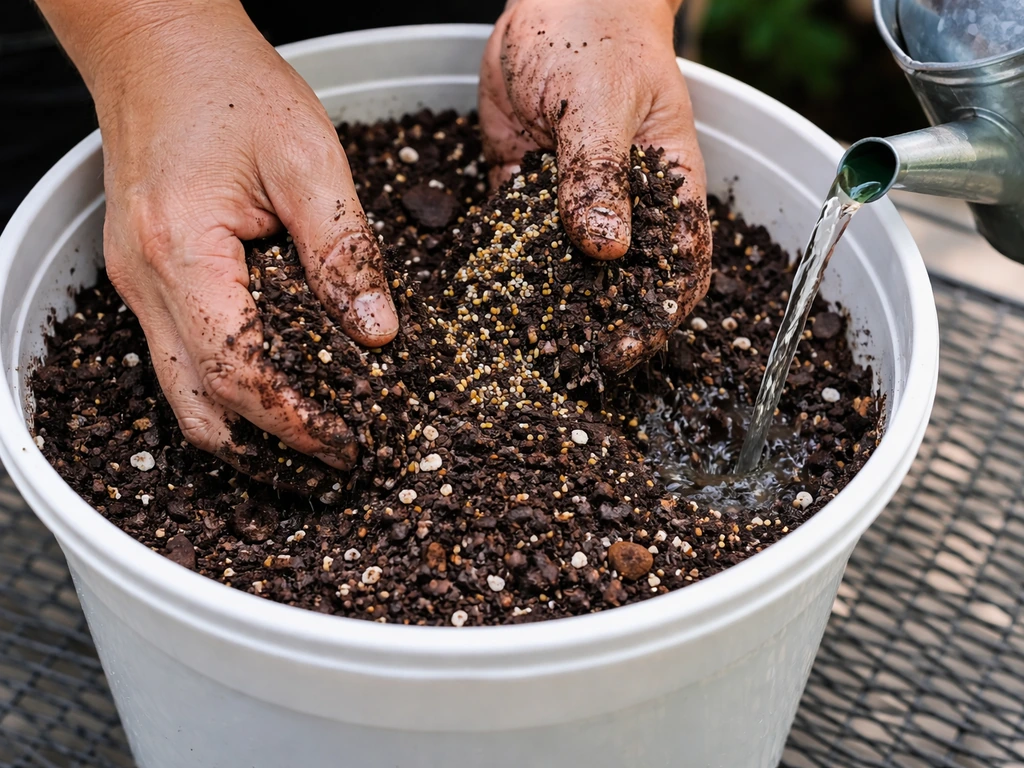
Don't use garden soil in a container. It compacts, doesn't drain well, and can introduce diseases. You want a good quality commercial potting mix, and for coleus specifically, you want one that holds some moisture while still draining freely. Adding a small amount of vermiculite and compost to your potting mix helps increase water retention without making the soil soggy, which is exactly what coleus needs.
For fertilizing, the goal with coleus is to feed the foliage, not push it toward flowering. When you're filling your pot before planting, mix in a granular general-purpose fertilizer with equal N-P-K numbers (something like 10-10-10). After planting, switch to a monthly liquid feeding using a balanced fertilizer with equal ratios. Avoid high-phosphorus bloom boosters, those encourage flowering, and once coleus flowers it starts to decline.
If you're using a slow-release granular fertilizer blended into the mix at planting time, you can often go six to eight weeks before needing to supplement. But by midsummer, especially if you're watering frequently and nutrients are leaching out through the drainage hole, monthly feeding becomes more important.
Planting coleus: transplants vs cuttings
For most people, buying a transplant from a nursery is the easiest starting point. You get a plant that's already established, you can see the exact color and pattern before you buy, and it will fill out quickly once planted. Look for compact, bushy transplants rather than tall, leggy ones. Pot them up after your last frost date, water them in well, and they'll take off. If you want the same easy start, the steps for how to grow dipladenia in pots are similar: choose a pot with drainage, use quality potting mix, and match light to the plant’s needs.
Starting from cuttings
Cuttings are a great option if you already have a coleus you love, or if a friend has one you want to clone. Take a cutting about 3 to 4 inches long, just below a leaf node. Remove the lower leaves so you have a clean stem, then place it in a glass of water. Coleus roots remarkably fast this way, often within one to two weeks. You don't need rooting hormone; coleus is one of those plants that roots so readily it's optional at best.
Once roots are an inch or two long, pot the cutting into your prepared soil mix. Keep it in a warm, bright spot and don't let it dry out in those first few days while it adjusts. I've started dozens of coleus cuttings in water on a windowsill and it almost always works.
Starting from seed
Seeds are the slowest route but the cheapest. Coleus seeds need light to germinate, so press them onto the surface of moist seed-starting mix rather than burying them. Keep them warm (around 70 to 75°F) and in a bright spot. Germination usually takes 10 to 14 days. One honest note: seed-grown coleus can be variable in color and pattern, so if you've got a specific look in mind, cuttings or transplants give you more control.
Spacing and timing
Space plants about 10 to 12 inches apart in larger containers. Plant outdoors only after frost risk has passed for your area. In most of the US, that means late April through May, but check your local last frost date to be sure.
Watering correctly in pots
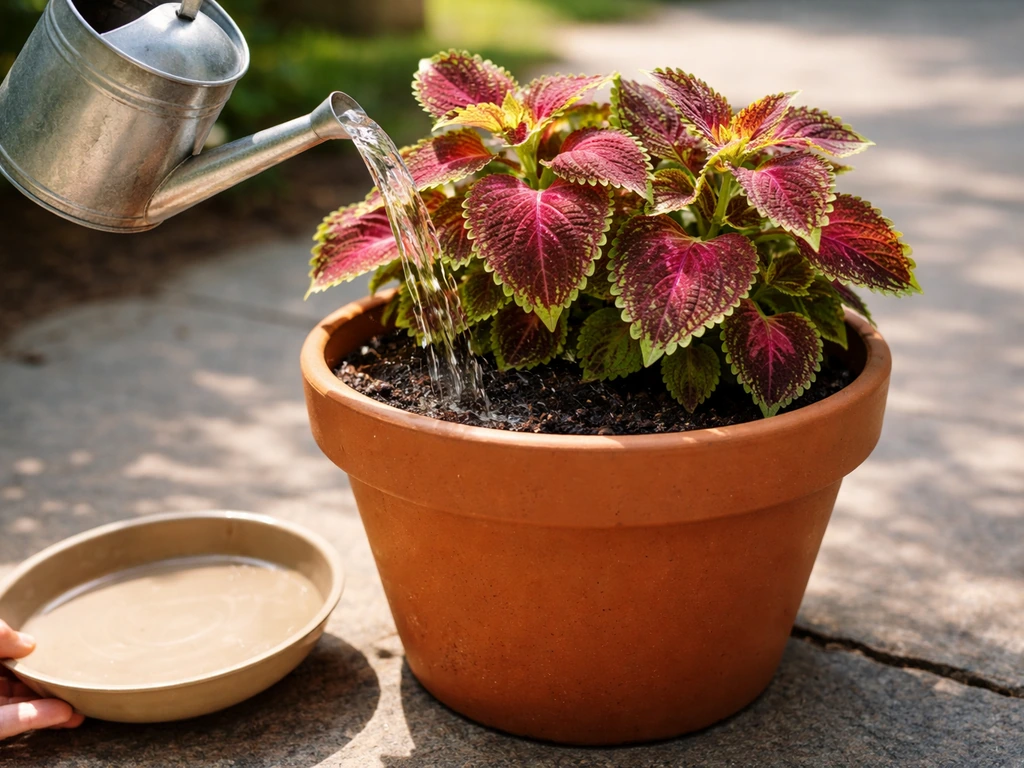
Container-grown coleus can dry out quickly, especially in summer heat. University of Minnesota Extension recommends watering daily for container coleus during active growing season, but the key is always checking the soil first rather than following a rigid schedule blindly. Stick your finger an inch into the soil. If it feels dry at that depth, water thoroughly until it runs out the drainage hole. If it still feels moist, wait another day.
The flip side is just as important: don't let it sit in soggy soil. Empty saucers under pots after watering so the roots aren't sitting in standing water. Cold, wet soil is particularly damaging and can lead to leaf drop almost overnight. The combination of cool temperatures and waterlogged soil creates the exact conditions that rot-causing pathogens like Pythium thrive in.
During a cool, overcast stretch, you might only need to water every two or three days. During a heat wave, you may be watering twice a day for very small pots. UMN Extension notes that container plants may need watering more than once per day depending on container size and temperature, and usually at least once daily. The plant will tell you if it's thirsty: leaves start to droop slightly before they wilt hard. Catching it at the early droop stage is fine; letting it fully wilt repeatedly will stress the plant.
Pinching and pruning to keep it bushy
Pinching is the single best thing you can do to keep a coleus full and bushy rather than tall and leggy. It sounds scary if you haven't done it before, but it's just using your fingers (or small scissors) to remove the growing tip of a stem, right above a set of leaves. The plant responds by sending out two new shoots from that spot instead of one, and the result is a denser, more compact plant.
Start pinching when your plant is young, around 4 to 6 inches tall, and repeat every two to three weeks through the season. It only takes a few minutes and makes a massive difference in the final shape of the plant. I usually do a quick pinch whenever I water, just working my way around the plant and nipping any stems that are getting ahead of the rest.
Coleus will also try to flower, especially as days get longer in summer. The flowers are small and not particularly attractive, and once the plant puts energy into flowering it tends to get leggy and the foliage quality drops. Pinch flower spikes off as soon as you see them. It feels counterintuitive at first but it keeps the plant looking its best all season.
Common problems: leggy plants, color fading, and leaf drop
These are the three issues I hear about most from people growing coleus in pots, and all three have clear causes and fixes.
| Problem | Likely Cause | Fix |
|---|---|---|
| Leggy, stretched stems | Not enough light, or skipping pinching | Move to brighter spot; pinch tips every 2 to 3 weeks |
| Color fading to green | Too little light, or too much heat/sun for the variety | Adjust light; match variety to your sun conditions |
| Leaf drop | Cold temperatures, cold wet soil, or sudden stress | Keep above 50°F; improve drainage; avoid cold water on roots |
| Wilting despite wet soil | Root rot from overwatering | Let soil dry, check roots, repot if roots are brown and mushy |
Leggy growth is almost always a light or pinching problem. If your coleus is stretching toward a window or growing tall with big gaps between leaves, it needs more light. Move the pot, or start pinching more aggressively to force branching. Color fading is similarly a light issue, though some varieties genuinely do need more sun to hold their color. If you planted a sun-loving variety in deep shade, the colors will wash out no matter what you do.
Leaf drop is the one that surprises people the most. Coleus drops leaves when it's stressed, and the two most common stressors in containers are cold and wet roots. Even a single night below 50°F can trigger significant leaf drop. If your plant suddenly sheds leaves for no obvious reason, think back to the last cold night or whether you've been overwatering.
Pests, diseases, and how to overwinter
Common pests and how to deal with them
The pests most likely to show up on potted coleus are aphids, mealybugs, whiteflies, and spider mites. Aphids and mealybugs cluster on new growth and undersides of leaves. Spider mites are tiny and often cause stippled, faded-looking foliage with fine webbing underneath. Whiteflies fly up in a cloud when you disturb the plant.
For all of these, insecticidal soap spray is the first and most practical solution. It works well on soft-bodied insects like aphids, mealybugs, and mites, and it's safe to use around the home garden. For spider mites specifically, a strong blast of water from a hose can knock them off, and keeping humidity up around the plant helps deter their population growth. Apply insecticidal soap or horticultural oil at dusk rather than in full sun to avoid leaf burn and improve effectiveness.
Check your plants weekly, especially the undersides of leaves. Catching pests early makes them much easier to manage. A small infestation you catch in week one is a five-minute job. A heavy infestation in week four is a much bigger headache.
Disease problems
The main disease issues with coleus in pots are fungal: downy mildew, stem rot, and root rot. Root rot is almost always caused by consistently wet, poorly draining soil. Pythium, the most common culprit, thrives in cool, wet conditions. Prevention is simple: make sure your pot drains well, don't let roots sit in water, and let the top inch of soil dry between waterings. If you catch root rot early (brown, mushy roots, wilting despite wet soil), you can sometimes save the plant by repotting into fresh dry mix and cutting away the damaged roots.
Downy mildew shows up as yellowing leaves with grayish fuzz on the underside. It spreads in humid conditions with poor air circulation. If you see it, remove affected leaves immediately, improve airflow around the plant, and reduce overhead watering. Severe cases may require a fungicide.
Overwintering coleus
Coleus is a tender perennial, meaning it can live for years in warm climates but will die at the first frost in cooler ones. The great news is that because it's in a pot, you have options. When nighttime temperatures start consistently dropping toward 50°F in fall, you have two choices: bring the whole pot indoors, or take cuttings.
Bringing the pot inside works if you have a bright window with good light. Place it in the sunniest spot you have, cut back watering (the plant grows more slowly indoors), and keep it away from cold drafts and heating vents. It may lose some of its outdoor lushness but will survive until spring.
Taking cuttings is often the easier route, especially if the plant has gotten large. Take 3 to 4 inch cuttings from healthy stems before frost hits, root them in water on a bright windowsill, and pot them up once roots develop. These small plants overwinter beautifully indoors and you can pot them up and move them back outside the following spring after your last frost date. I usually take several cuttings of my favorite varieties in late September so I have backups. It takes maybe fifteen minutes and it's the best insurance policy against losing a plant you love.
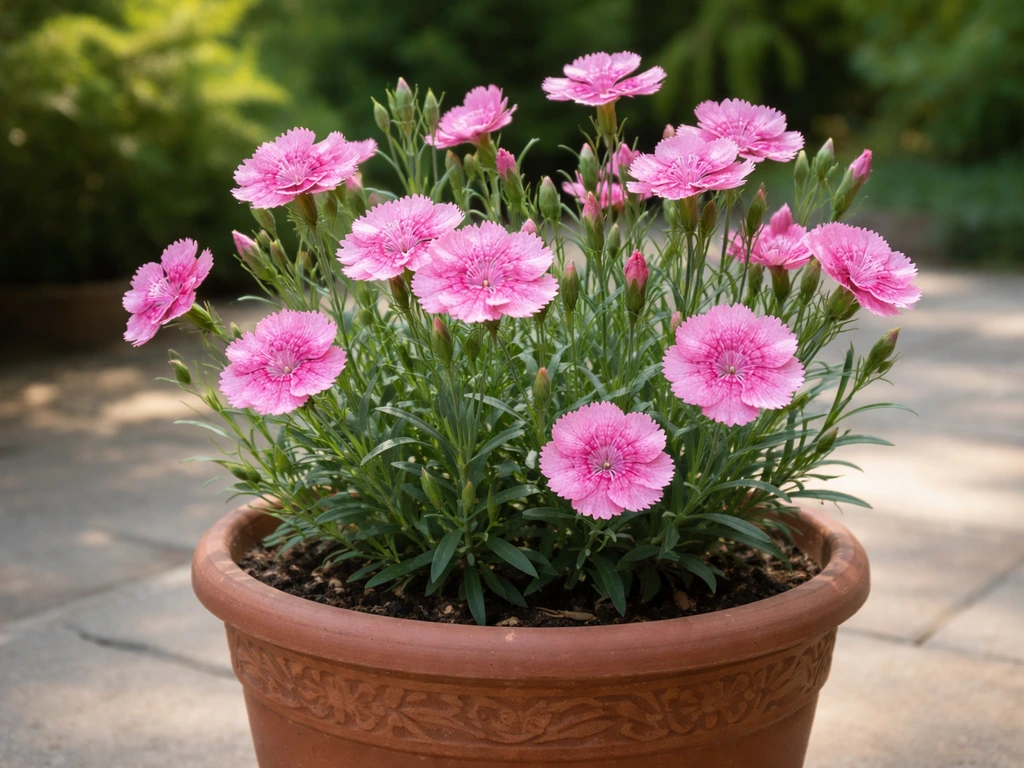
If you enjoy growing other bold foliage plants in pots alongside your coleus, caladiums make excellent companions with a similar light preference and love of warm temperatures. If you want another colorful container plant to grow alongside coleus, see how to grow chrysanthemums in pots for similar pot-focused tips and care checkpoints. If you want to grow caladiums in pots, focus on warm temperatures, consistent moisture, and bright shade so they keep putting out fresh leaves.
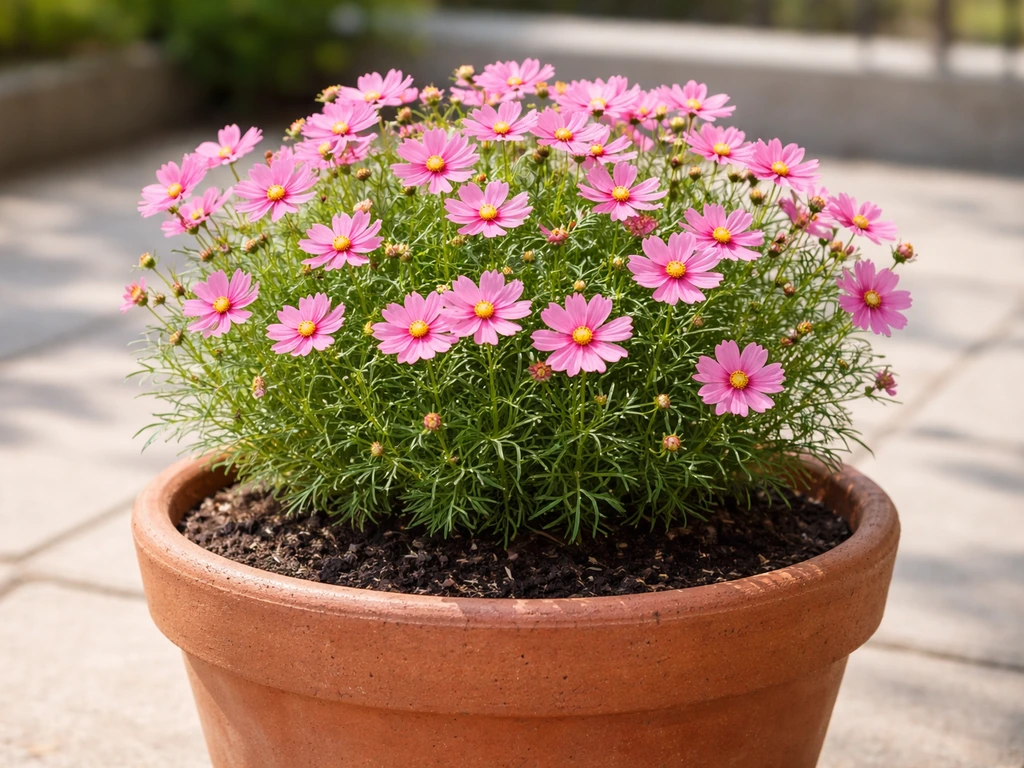
Colocasia is another dramatic option for larger containers if you want a tropical feel. And if you're building out a full container garden display, calibrachoa and portulaca both make great complementary plants for sunnier spots nearby. If you want a pop of low-growing color, you can also learn how to grow portulaca in pots for reliable blooms in bright sun.
If you also want blooms like calibrachoa, focus on full sun, well-draining potting mix, and consistent watering in containers.
FAQ
Can I start coleus from a seed and still get the exact colors I see in stores?
You can, but expect variation. Coleus seedlings often differ in leaf pattern and color from the parent, even when grown with the same conditions. If you want a specific look, use cuttings or nursery transplants instead.
What pot size is best if my coleus keeps drying out too fast?
If you are constantly watering, move up in size. A single plant in a 6 to 8 inch pot dries quickly in heat, while a 10 to 14 inch container holds moisture longer and buffers temperature swings, which can reduce stress.
How do I tell if my coleus is getting too much sun versus too little?
Too little light usually shows up as faded colors and leggy growth with wide gaps between leaves. Too much harsh sun tends to cause leaf scorch, crispy edges, or a dull washed look. If you see scorch, shift to bright shade or morning sun with afternoon protection.
Should I water coleus in the morning or evening?
Either can work, but morning is often safer because leaves dry faster and the pot surface is less likely to stay wet overnight. If you water late, make sure the top inch dries between waterings and do not leave water sitting in saucers.
Is it okay to keep water in the saucer under my coleus pot?
No. Empty the saucer after watering so the roots are not sitting in standing water. Even if the plant perks up temporarily, constant contact with wet soil increases the risk of root rot and rapid leaf drop.
How much should I pinch back coleus without ruining its growth?
Pinch only the growing tip of each stem above a leaf pair, not the whole plant. Start when the plant is young, then repeat every couple of weeks. If you miss a round and it gets tall, you can pinch more aggressively on the longest stems to encourage branching.
Why is my coleus still leggy even though I pinch it?
Pinching helps fullness, but light drives whether the plant stays compact. If it is stretching toward the brightest window or growing with long internodes, move it to brighter indirect light or add a spot with a few hours of gentle morning sun, then pinch again after repositioning.
Do I need to fertilize coleus every month?
Monthly feeding is a practical default, but how often you fertilize depends on how long nutrients last in your mix and how frequently you water. If you used a slow-release fertilizer at planting, you may only need supplemental liquid feeding after several weeks, especially by midsummer when leaching increases.
What should I do if my coleus gets leaf drop after a cool night?
First check temperatures and watering. If nights dipped toward 50°F or lower, leaf drop is common and usually triggered by cold stress plus damp roots. Move the pot to a more protected spot, keep the soil slightly on the drier side (top inch dry before watering), and expect new growth after it warms up.
How can I prevent fungal problems like root rot in containers?
Focus on drainage and airflow. Use a pot with clear drainage holes, fill with quality potting mix, and water only when the top inch is dry. If you tend to overwater, choose a slightly larger pot and avoid wetting the foliage during cool humid periods.
What are the quickest first steps if I see aphids, whiteflies, or spider mites?
Isolate the pot if possible, then inspect undersides of leaves. Start with insecticidal soap applied at dusk, and repeat after a few days if needed. For mites, a strong spray of water can knock them back, then keep checking weekly so you catch the next wave early.
Can I bring coleus indoors for winter, and what window conditions do I need?
Yes, but it needs bright light. Use the sunniest window you have, keep it away from cold drafts and hot vents, and reduce watering because growth slows indoors. If light is weak, expect some leaf loss, but new growth should return in spring.
How do I overwinter coleus without risking the whole plant?
Take cuttings before frost, root them in water on a bright windowsill, then pot them once the roots are 1 to 2 inches long. This spreads risk, so if the original plant struggles indoors or drops leaves, your rooted backups can carry you through to spring.