Yes, kangaroo paw grows really well in pots, and in some ways it actually prefers container life. If you want to grow pine cones in pots, you will need different soil, moisture, and temperature conditions than for typical container flowers like kangaroo paw how to grow pine cones in pots. You get full control over drainage, soil quality, and sun exposure, which are the three things that make or break this plant. Give it a large pot with excellent drainage, a gritty well-draining mix, at least 6 hours of direct sun daily, and water only when the soil is dry, and you will get those incredible fuzzy flower spikes year after year.
How to Grow Kangaroo Paw in Pots: A Step-by-Step Guide
Marcus Whitley
18 May 2026
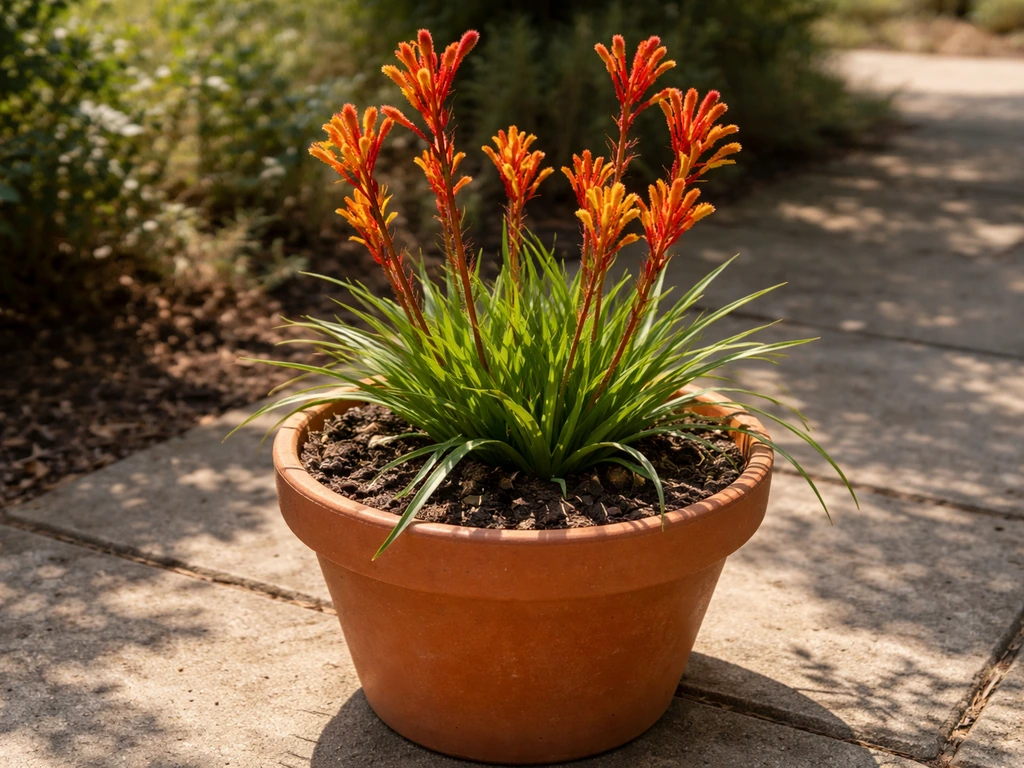
Can kangaroo paw grow in pots?
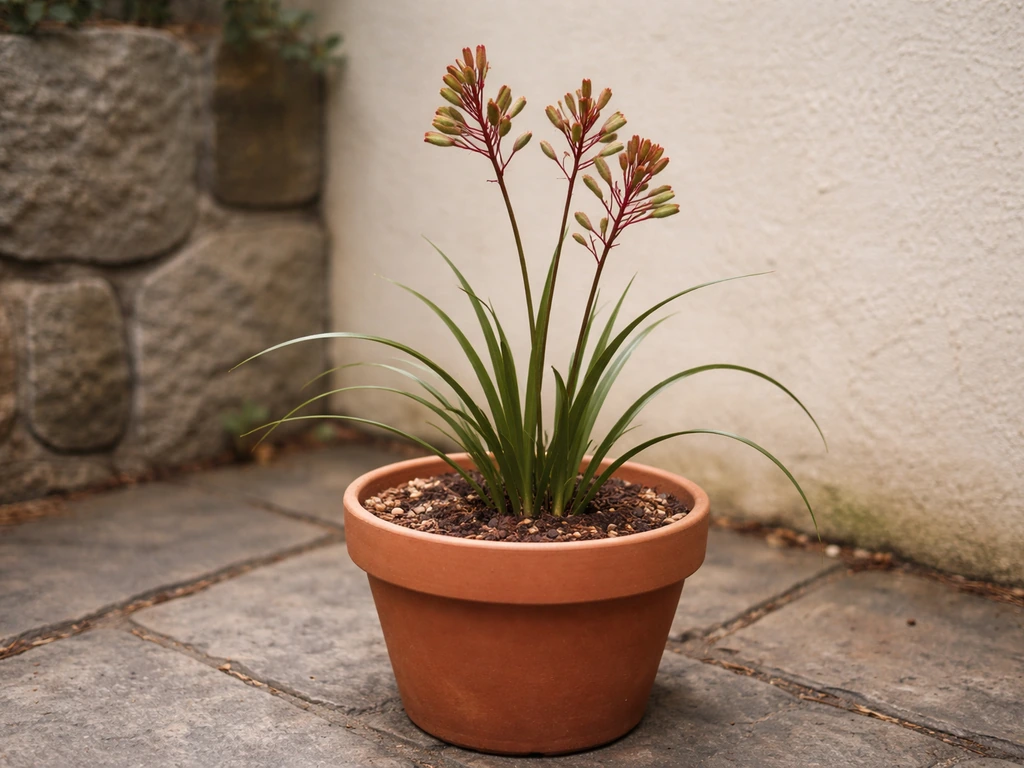
Absolutely. Kangaroo paw (Anigozanthos) is one of those plants that container gardeners often overlook because it looks so dramatic and structural that people assume it must need a garden bed. It does not. Growers in Australia routinely recommend positioning potted kangaroo paw wherever you want a standout display while it is in flower, and the plant takes very naturally to life in a container as long as you do not smother its roots with soggy soil. Love The Garden notes that kangaroo paw may also be grown in large pots positioned so the plants can be admired while in flower standout display while it is in flower.
One of the genuine perks of growing it in a pot is flexibility. If you live somewhere with cold winters, you can bring the container indoors to overwinter the plant rather than losing it to frost. That alone makes pot growing the smarter choice for gardeners outside of warm climates like coastal California, Australia, or the Mediterranean.
Best pot and drainage setup
Pot choice matters more for kangaroo paw than for most container plants because root and crown rot is the number one killer of this plant, and it is almost always caused by poor drainage. The soil around the base of the plant must never stay wet for prolonged periods, so your setup needs to make drainage genuinely easy, not just technically possible.
Go for a pot that is at least 30 to 40 cm (12 to 16 inches) across. Compact or dwarf varieties like the Kanga series can manage in a 30 cm pot, but taller species such as Anigozanthos flavidus will be much happier in something larger. A wider pot also means more airflow around the crown of the plant, which helps prevent the damp, stagnant conditions that rot loves.
- Choose terracotta or a breathable material over solid plastic if possible, as these allow moisture to evaporate through the walls.
- Make sure there are multiple large drainage holes at the base, not just one small one.
- Place the pot on feet or risers so water can flow freely out the bottom and the pot is not sitting in a saucer of standing water.
- Avoid placing a saucer under the pot during wet seasons, or empty it within an hour of watering.
- Add a layer of coarse gravel or broken terracotta pieces at the base of the pot before filling with mix, to keep drainage holes clear.
Soil and planting for container kangaroo paw
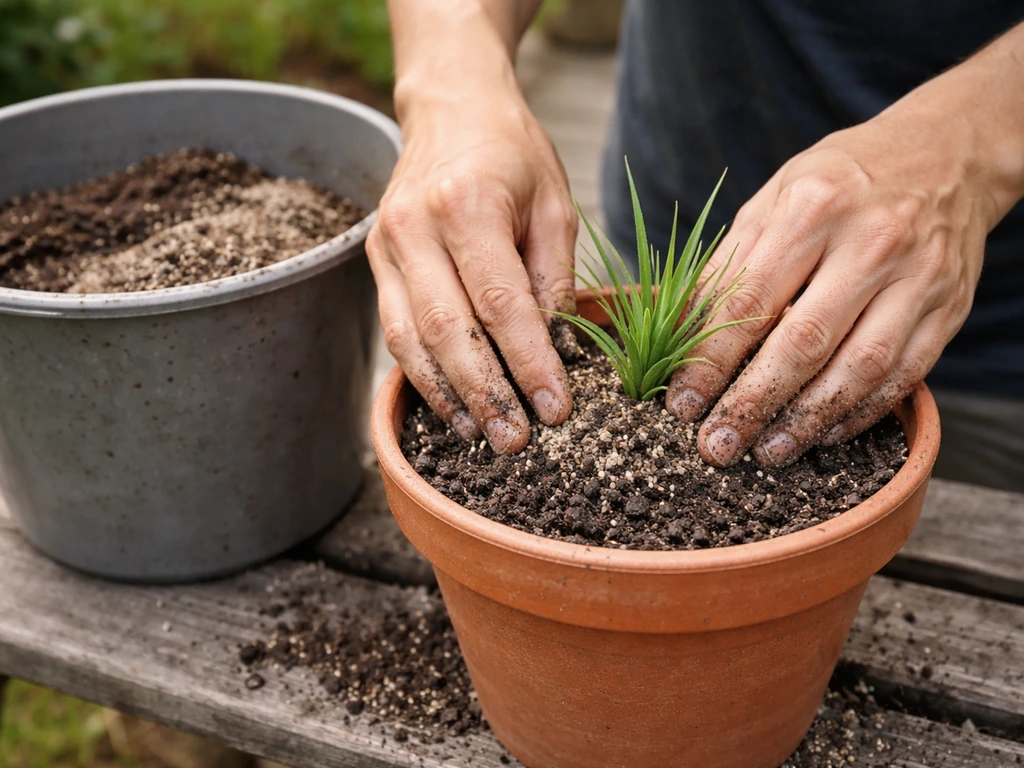
Kangaroo paw is a native of Australian sandy soils that are low in nutrients and drain almost instantly. In a pot, you want to replicate that as closely as you can. A standard all-purpose potting mix on its own is usually too water-retentive and too high in fertiliser, which can actually burn the roots. The sweet spot for soil pH is around 5.5 to 6.5, which is mildly acidic.
The best approach is to use a quality premium potting mix and cut it with coarse sand or perlite, roughly 70% potting mix to 30% coarse grit. In Australia, a potting mix blended with a slow-release organic component works well. In the US or UK, look for a mix labelled for Australian natives or cacti and succulents, or simply amend a standard premium mix with plenty of coarse perlite.
When you are ready to plant, fill the pot with your amended mix, position the plant so the crown (where the leaves meet the roots) sits just at or slightly above soil level, never buried below it, then firm the mix gently around the roots and water in well. Planting in spring gives the roots the whole growing season to settle in before any cold or dry stress hits.
Light and watering routine
Getting the light right
Kangaroo paw is a full sun plant. It needs at least 6 hours of direct sunlight every day to grow well and flower reliably. Sunpatiens do well in pots too, as long as you use a high-quality potting mix, provide plenty of sun, and keep the container from drying out completely between waterings how to grow sunpatiens in pots. Anything less and you will get weak, floppy growth and disappointing flower spikes, if you get flowers at all. This is one of the reasons pots are actually useful here: you can move the container to wherever the sun is best on your balcony, deck, or patio. South-facing or west-facing spots in the northern hemisphere are usually ideal.
Watering without overwatering
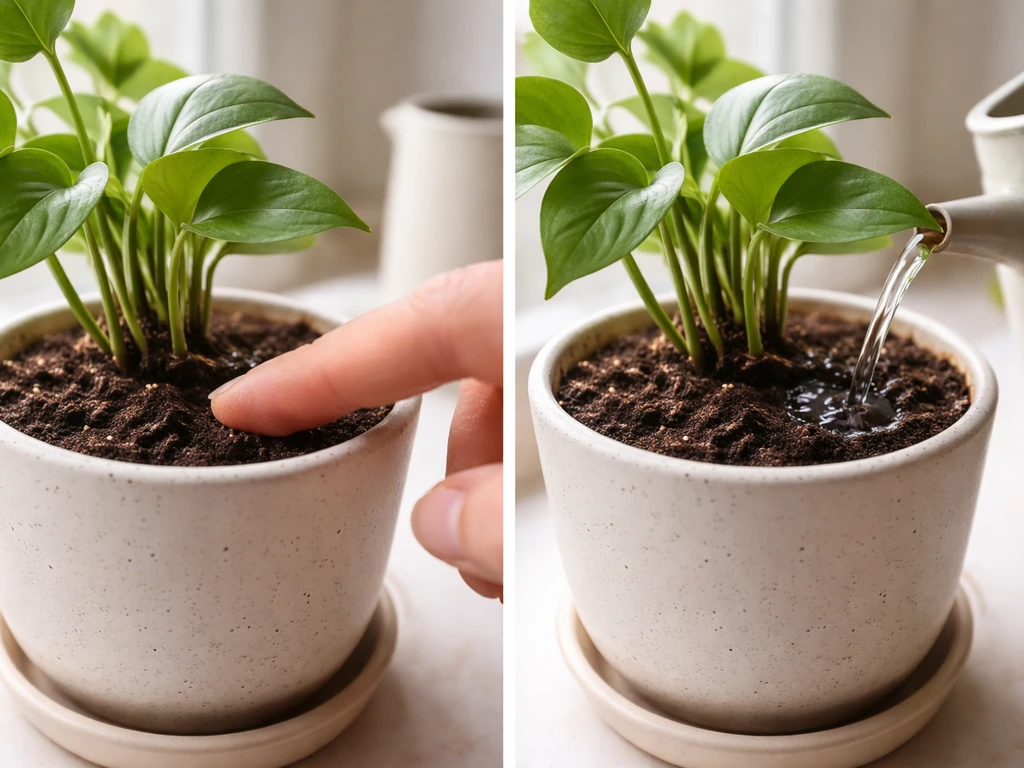
Overwatering is the most common mistake beginners make, and it is almost always fatal in a pot because there is nowhere for the excess moisture to go. Once the plant is established (usually 4 to 6 weeks after planting), water it once a week during warm growing months. Lowe’s product listing for this 1-gallon kangaroo paw planter recommends full sun with 6+ hours of direct sunlight per day and watering once a week once established water it once a week during warm growing months.. Before you water, stick your finger an inch or two into the soil. If it still feels damp, wait another day or two.
During cool weather or winter, when light levels drop and the plant is growing slowly, reduce watering significantly. Let the soil dry out completely before watering again. This is not neglect, it is exactly what the plant needs. Wet soil plus cold temperatures is a fast track to root rot. When in doubt, underwater rather than overwater.
Feeding and flowering care
Kangaroo paw does not want to be fed heavily. Its natural habitat is nutrient-poor soil, so too much fertiliser, especially phosphorus, can damage or even kill it. Stick to a low-phosphorus fertiliser formulated for Australian native plants or a slow-release native plant food applied in spring and again in midsummer. If you are using a liquid fertiliser, aim for around 150 to 200 ppm nitrogen, which is a moderate feed, and flush the pot with plain water every few weeks to prevent salt buildup from accumulating in the soil.
For flowers, the single most useful thing you can do is prune. After a flower spike finishes, cut it back at the base. When the plant is not actively blooming, you can prune the whole clump back by about a third to encourage fresh growth and the next flush of flowers. Do not be nervous about this, the plant responds well to cutting and will bounce back vigorously.
Remove any dead, blackened, or tatty leaves as you spot them. This is not just cosmetic. Clearing dead material from the base of the plant improves airflow and removes potential hiding spots for fungal problems.
Seasonal care and temperature considerations
| Season | What to do |
|---|---|
| Spring | Repot or refresh the top layer of soil if needed. Begin regular feeding. Move pot into full sun position. Start weekly watering as temperatures rise. |
| Summer | Water consistently once a week (or more in extreme heat). Monitor for salt buildup and flush with plain water occasionally. Deadhead spent flower spikes regularly. |
| Autumn | Gradually reduce watering as temperatures drop. Hold off on fertiliser once growth slows. Prune back after the last flowers fade. |
| Winter | Water only when soil is completely dry. In frost-prone areas, move the pot to a sheltered spot or bring indoors. Do not feed. Protect crown from prolonged wet conditions. |
Kangaroo paw handles mild frost briefly but sustained freezing temperatures will damage or kill it. The container advantage here is real: if a cold snap is forecast, you can simply bring the pot inside a garage, shed, or any frost-free space until the worst passes. A plant in the ground has no such luck.
In very hot summers, particularly above 35°C (95°F), watch for the pot heating up on hard surfaces. Light-coloured pots or placing the pot where its sides are shaded while the foliage gets sun can help keep root temperatures from soaring.
Troubleshooting common pot-grown problems
Yellowing or blackening leaves
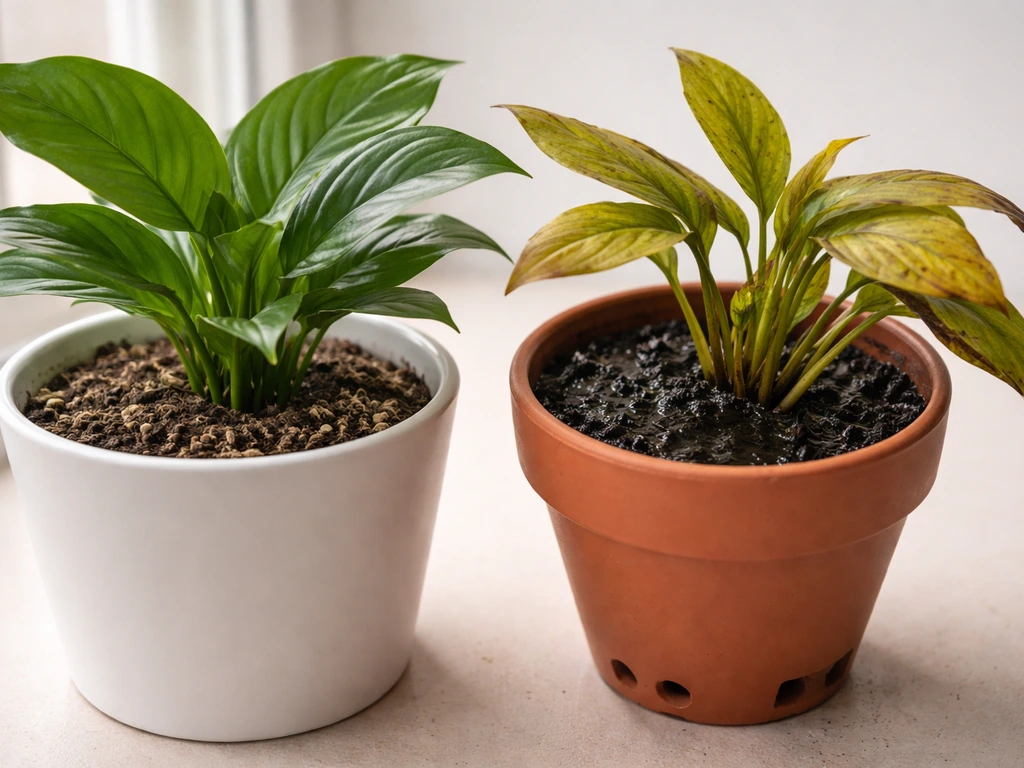
This is the most common complaint and almost always points to overwatering or waterlogged soil. Check the drainage holes immediately. If they are blocked or if the soil feels wet and heavy, ease off watering completely until things dry out, and consider repotting into a drier, grittier mix if the problem keeps coming back. Some older outer leaves naturally yellow and die back, which is normal, but if the newer growth is yellowing, watering is the first thing to look at.
No flowers or very few flowers
Nine times out of ten, this comes down to not enough direct sunlight. Make sure the pot is in a genuinely sunny position for a minimum of 6 hours per day. To keep penstemon thriving in containers, match it with a bright spot and a fast-draining potting mix so it does not sit wet penstemon in pots. The second possibility is too much fertiliser, particularly too much phosphorus, which pushes leafy growth at the expense of flowers. Switch to a native-plant or low-phosphorus feed. Also check whether the plant is pot-bound (roots circling tightly at the base of the pot), which can stress it into survival mode rather than flowering mode.
Root rot and mushy crown
Root and crown rot caused by Phytophthora or Pythium fungi is the most serious container problem for kangaroo paw. It happens when soil around the base of the plant stays wet for extended periods. Prevention is everything here: good drainage, the right gritty mix, and disciplined watering. If you catch it early, removing the plant, trimming away any dark mushy roots, letting them air dry briefly, and repotting into fresh dry mix in a clean pot with improved drainage can sometimes save the plant. If the crown itself is rotten, the plant is generally beyond saving.
Leaves look burnt or scorched
Paradoxically for a sun-loving plant, leaf scorch can happen if a plant that was grown in low light is suddenly moved into intense full sun, or if roots are drying out too fast in summer heat. Acclimate the plant gradually if you are moving it to a sunnier spot. Make sure you are watering deeply when you do water in summer, not just a light splash that dampens only the top centimetre of soil.
Salt buildup in the soil
If you see a white crust forming on the soil surface or on the outside of a terracotta pot, that is mineral or fertiliser salt accumulation. It is more common in containers than in garden beds because salts have nowhere to flush through. Every few weeks, water the pot thoroughly until water runs freely out the drainage holes, using plain water with no fertiliser added. This flushes salts down and out before they reach damaging levels.
Kangaroo paw in a pot rewards the gardener who pays attention to water more than anything else. Get the drainage right from day one, keep the crown dry between waterings, park the pot in full sun, and give it a light feed in the growing season. Do those things consistently and you will have one of the most striking flowering plants a container garden can offer.
FAQ
Can I propagate kangaroo paw in pots by division or cuttings, and when should I do it?
Yes, but timing and method matter. Take cuttings or divide only when the plant is actively growing (spring into early summer). Use a clean pot, keep the mix gritty and barely moist, and avoid full sun for the first 1 to 2 weeks while new roots establish, otherwise the crown can desiccate and die back.
How often should I repot kangaroo paw grown in containers?
Repotting helps prevent root problems and improves drainage performance. Plan on refreshing the mix about every 2 to 3 years, or sooner if you see roots circling tightly, water running straight through without soaking, or the plant repeatedly showing stress soon after watering.
How do I know exactly when to water kangaroo paw in a pot?
Use the “finger test” plus pot weight. If the top looks dry but the pot is still heavy, wait. If the top is dry and the pot feels light, water thoroughly until excess drains out. Expect a bigger watering interval in winter (often much less frequent) because evaporation and growth slow down.
My pot drains fast, but the plant wilts. Is that under-watering, and what should I adjust?
If water runs out immediately but the plant still wilts, the soil may be hydrophobic or the mix may be too coarse for your conditions. Remedy by watering slowly in a few cycles so the mix can re-wet evenly, and consider mixing in a small amount of fine grit-free potting mix to improve moisture buffering (without losing drainage).
What should I do if I see salt crust on the soil or terracotta pot?
A pH around 5.5 to 6.5 is best, but the bigger issue in containers is fertilizer salts building up. If you see crusting, flush the pot thoroughly with plain water every few weeks, and avoid frequent liquid feeds. If yellowing persists after flushing and light is adequate, do a fresh gritty repot rather than trying to “fix” it with more fertilizer.
What pot size is best for how to grow kangaroo paw in pots, and does depth matter?
Aim for a pot diameter that gives breathing space, and prioritize wide, stable containers over very tall ones. For tall species, upsizing improves airflow around the crown and reduces the chance of waterlogging after deep watering. Too-small pots often lead to stress, fewer flowers, and faster drying that can trigger leaf scorch.
What if my balcony or patio does not get 6 hours of direct sun?
Kangaroo paw can tolerate light shade, but it typically flowers poorly with less than a true full-sun location. If your balcony only gets short sun bursts, rotate the pot periodically so the same side does not get stuck in lower light, and move it to the brightest available spot during peak flowering.
Why are the leaves browning in hot weather, and how can I prevent it in a container?
Brown tips alone do not always mean watering trouble. Check whether the crown stays dry between waterings and whether the pot is heating up on a hot surface. In extreme heat, use a light-colored pot or shade the pot’s sides, and water deeply when you do water, so moisture reaches below the top layer.
How should I overwinter potted kangaroo paw indoors or in a garage?
Yes, but protect the crown and the roots from prolonged wet. Before bringing indoors, remove dead leaves near the base, keep the pot in a frost-free cool area, and water only when the mix is dry, not on a calendar. Also reduce feeding to zero or very minimal amounts until spring growth resumes.
What causes poor flowering in a pot, even when I water and prune?
If stems weaken and flowers are sparse, first verify sun exposure, then check nutrition. Kangaroo paw generally wants low-phosphorus feeding, and too much fertilizer can push leafy growth and reduce blooms. If light is correct and it still struggles, flush salts and switch to a low-phosphorus or native-plant fertilizer applied sparingly.
What’s the quickest way to save kangaroo paw if I think it has root or crown rot?
If you suspect rot, act quickly because soggy crown conditions escalate fast. Remove the plant from the pot, discard clearly mushy tissue, let roots air dry briefly, and repot into completely fresh dry, gritty mix in a sanitized container. Keep it on the dry side and provide bright light without soaking the mix again until you see renewed growth.
How do I acclimate kangaroo paw to stronger sun without burning the leaves?
For indoor or shaded spots, introduce sun gradually over 7 to 14 days. Sudden full-sun exposure after low light often causes leaf scorch, and it is worse if roots are also stressed from irregular watering. When acclimating, water deeply when you do water, and stop increasing sun if you see rapid tip burn.