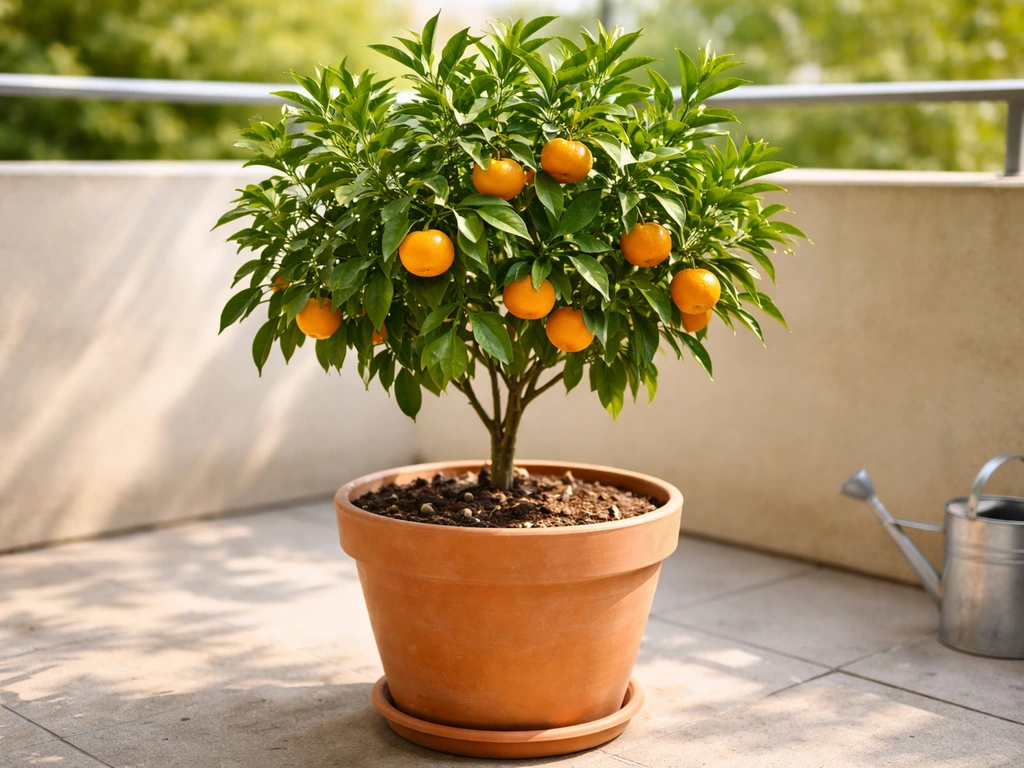
Yes, you can absolutely grow tangerines in a pot, and they do surprisingly well in containers when you get the basics right. A dwarf tangerine in a good-sized pot on a sunny patio or balcony can fruit reliably every year. You don't need a yard or a warm climate year-round. What you do need is the right variety, enough sun, decent citrus soil, and a consistent watering and feeding routine. I've grown citrus in pots for years, made plenty of mistakes along the way, and this guide covers everything I wish someone had told me upfront.
How to Grow Tangerines in a Pot: Complete Beginner Guide
Marcus Whitley
13 May 2026
Can you grow tangerines in a pot? What to actually expect
Growing tangerines in containers is genuinely achievable for a beginner, but it helps to set realistic expectations. A potted tangerine tree won't reach the size of an orchard tree, which is actually the point. Container life keeps the tree compact and manageable, and the right dwarf variety will start producing fruit within two to three years from a young nursery plant, sometimes even in the first year if you buy a grafted tree that's already a few years old.
The trade-off compared to in-ground growing is that pots dry out faster, nutrients flush out with every watering, and the roots are more exposed to temperature swings. That means your tree depends on you more than an in-ground tree would. Get the watering and feeding dialed in and the tree will reward you. Neglect either for too long and you'll see yellowing leaves and dropped fruit pretty quickly. Don't let that scare you off though. Once you find your rhythm, it becomes second nature.
Pick the right tangerine variety and container size
Best tangerine varieties for pots
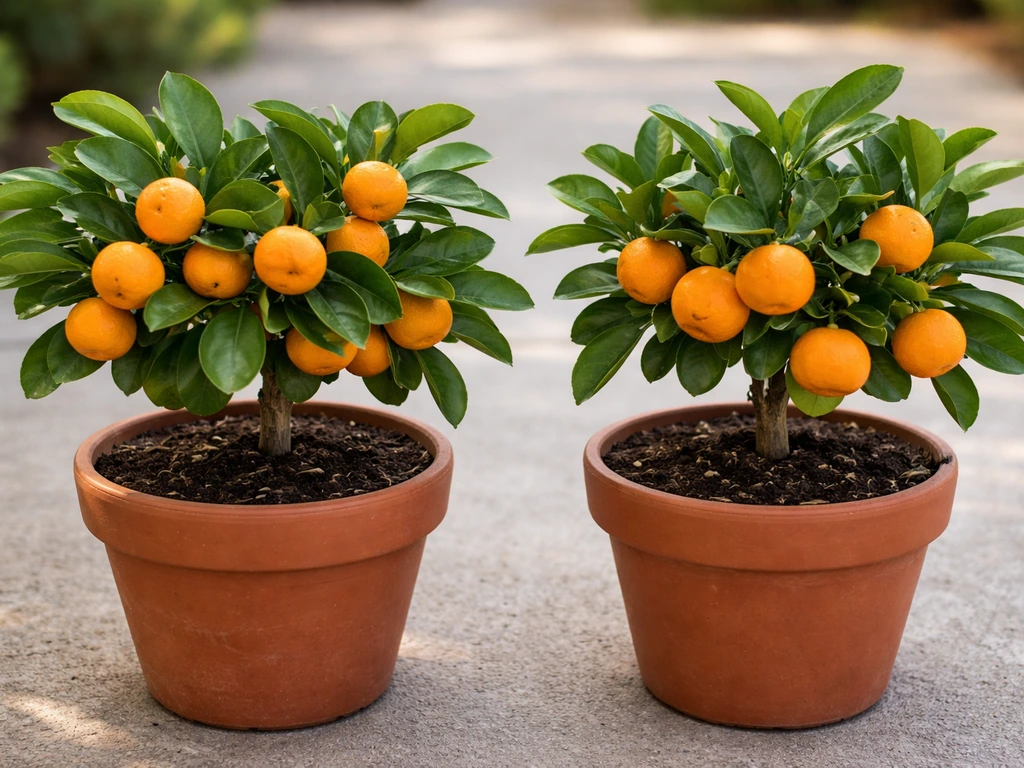
Variety choice is the single biggest factor in whether your potted tangerine thrives or struggles. You want a dwarf or semi-dwarf variety grafted onto dwarfing rootstock, which keeps the tree naturally smaller without sacrificing fruit quality. Here are the varieties I recommend most:
- Clementine: One of the best for containers. Compact, sweet, nearly seedless fruit, and it handles pot life very well. Great starting point for beginners.
- Satsuma: Cold-hardier than most citrus, making it an excellent choice if you're in a cooler climate or plan to overwinter outdoors in mild frost areas. Fruit ripens early in autumn.
- Dancy Tangerine: A classic, aromatic variety that grows well in a pot when kept on dwarfing rootstock. Produces around the Christmas season.
- Minneola Tangelo: Technically a tangerine-grapefruit hybrid, but behaves like a tangerine in a pot. Larger fruit, excellent flavor.
- Pixie Tangerine: A true compact variety with seedless, easy-peel fruit. Naturally smaller tree, perfect for tight spaces.
If you're also interested in growing other citrus relatives in containers, mandarin oranges are closely related to tangerines and follow nearly identical care requirements in a pot. Worth considering if you want variety.
Choosing the right pot size
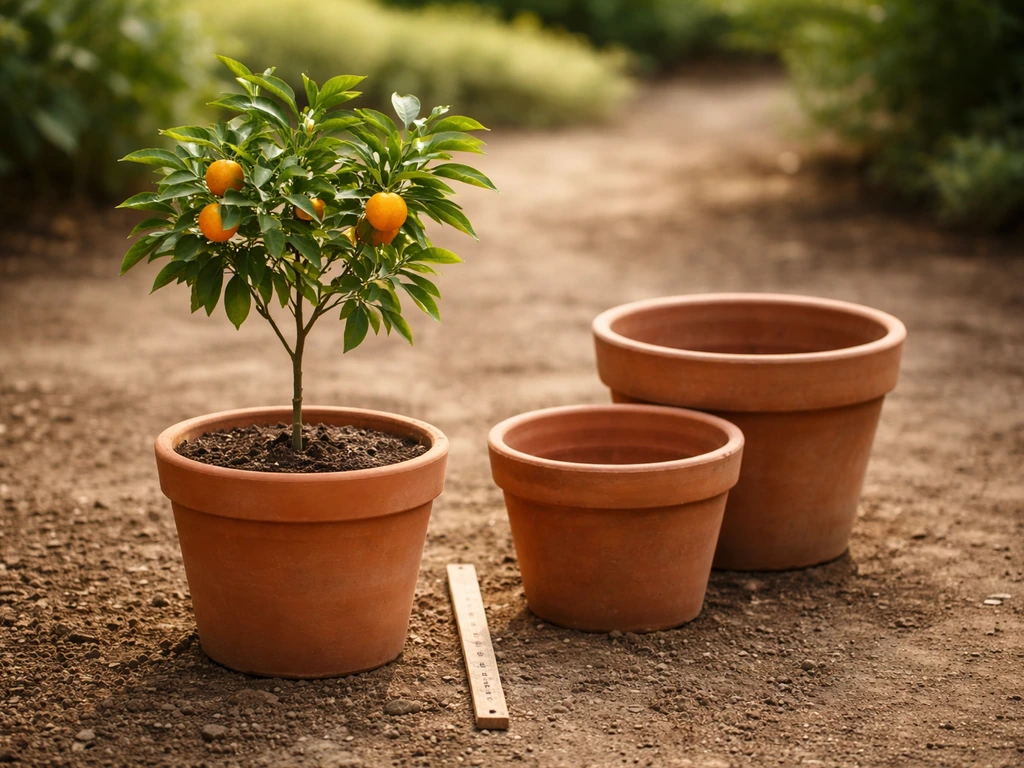
Start a young nursery tangerine (typically sold in a 1 to 3-gallon nursery pot) in a 5 to 7-gallon container. As the tree grows, you'll step it up every two to three years. A mature dwarf tangerine will eventually need a 15 to 25-gallon pot to thrive and fruit well. I know that sounds big, but undersizing the pot is one of the most common mistakes people make with container citrus. A cramped root system means stressed fruit production and more frequent watering headaches.
For the pot material, terracotta looks great and breathes well, but it dries out fast and is heavy once filled. Plastic or fiberglass pots retain moisture longer and are much easier to move when you need to bring the tree indoors for winter. If you're on a balcony or planning to move the pot seasonally, go with a lightweight material. Whatever you choose, drainage holes at the bottom are non-negotiable.
Potting mix, drainage, and planting basics
Never use regular garden soil in a container. It compacts, holds too much water, and suffocates citrus roots. You want a mix that drains fast but still holds enough moisture and nutrients. A high-quality citrus or cactus potting mix works well on its own, or you can improve a standard potting mix by mixing in about 20 to 30 percent perlite by volume. Perlite is those small white pellets that open up the soil structure and improve drainage. The goal is a mix that feels loose and gritty, not dense or clay-like.
When planting or repotting, cover the drainage holes loosely with a small piece of mesh or a coffee filter to stop soil washing out without blocking water flow. Place a few inches of fresh mix in the bottom, set the tree in so the graft union (the bumpy knob near the base of the trunk) sits about an inch above the soil line, then fill in around the roots and firm gently. Don't bury the graft union, and don't pile soil against the trunk or you risk rot. Water thoroughly right after planting until it drains freely from the bottom.
Repot every two to three years, or when you see roots circling the bottom of the pot or pushing out of the drainage holes. Spring is the best time to repot, right before the growing season kicks off. Move up only one pot size at a time, typically adding two to four inches in diameter. Going too large too fast fills the pot with soil the roots haven't reached yet, which stays wet too long and invites root rot.
Sunlight, temperature, and where to place the pot
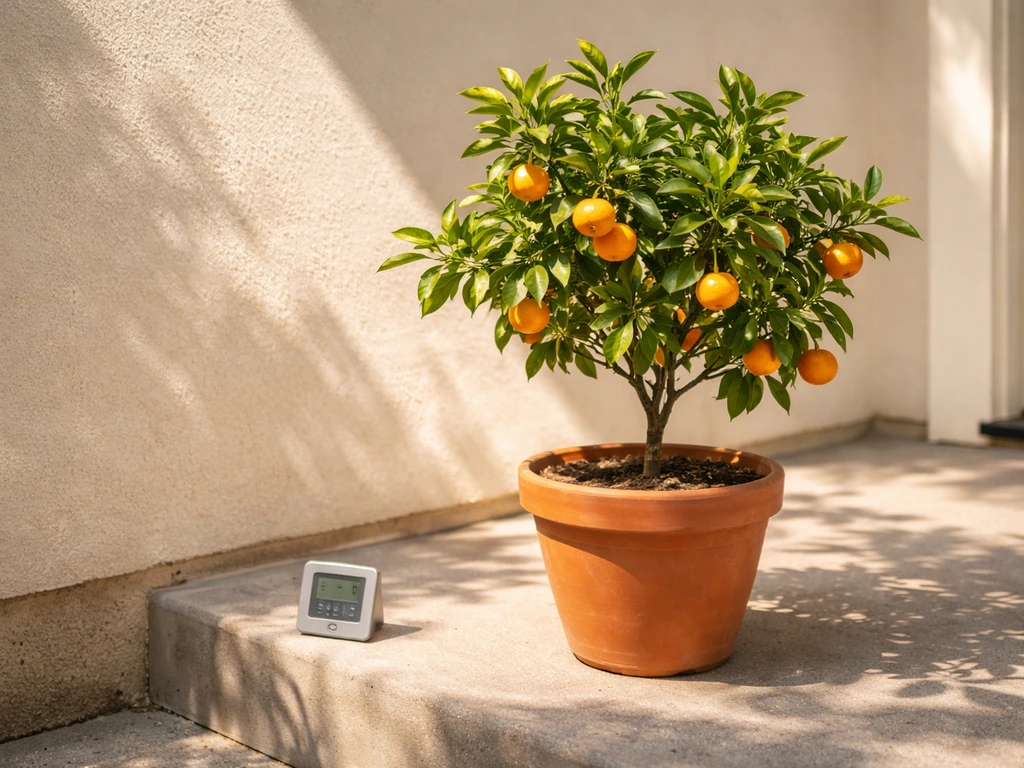
Tangerines need a lot of sun. At least eight hours of direct sunlight per day is the standard recommendation for container citrus, and more is better. A south-facing or west-facing spot is ideal in the northern hemisphere. If you're working with a balcony that only gets five or six hours, the tree will survive but fruit production will be noticeably lower and the fruit may not sweeten up properly. This is one area where you genuinely can't cut corners.
Temperature matters just as much. Tangerines are tropical to subtropical trees and grow best between 55°F and 95°F. They can tolerate brief dips into the low 30s, but sustained freezing temperatures will damage or kill the tree. If temperatures are forecast to drop to 28°F or below, move your pot inside or into a protected space. One thing worth knowing: on cold, clear nights, leaf temperature can drop three to four degrees below the actual air temperature due to heat radiating away from the leaves. So if your forecast says 31°F and you think you're just above freezing, your tree's leaves may actually be experiencing 27°F or colder. Don't gamble on it.
During the growing season (spring through early autumn), keep the pot outdoors in that full-sun spot. You can move it around to follow the best light. One benefit of container growing that in-ground gardeners don't get is that flexibility.
Watering routine for potted citrus
Getting watering right is probably the area where most beginners struggle, and I've definitely killed a citrus plant or two by being inconsistent early on. The rule for potted tangerines is: water deeply and infrequently. When you water, soak the pot until water flows freely from the drainage holes, then wait until the top two inches of soil are dry before watering again. Stick your finger in the soil up to the second knuckle. If it feels dry at that depth, water. If it still feels damp, wait another day or two.
In summer, you might be watering every three to five days for a smaller pot, or once a week for a larger one. In winter, when the tree slows down, you might only water every ten to fourteen days. The key is reading the soil, not following a fixed schedule, because sun, wind, pot size, and temperature all affect how fast the soil dries out. Yellow leaves are often the first sign of overwatering, while dry, curling, or dropping leaves point to underwatering.
Always use room-temperature water if possible. Cold water from a tap in winter can shock citrus roots. And avoid letting the pot sit in a saucer full of standing water after watering, as this keeps the roots waterlogged and is a quick route to root rot.
Fertilizing and feeding schedule
Potted citrus is a hungry plant. Because you're watering regularly and nutrients flush out of the pot with each watering, you need to feed consistently throughout the growing season. Use a slow-release granular citrus fertilizer in spring (look for one with a roughly balanced NPK ratio plus added micronutrients like iron, manganese, and zinc, which citrus specifically needs). Apply it to the soil surface according to the package rate, typically every six to eight weeks from early spring through late summer.
In addition to granular feeding, a liquid citrus fertilizer or fish emulsion every two to four weeks during the growing season gives the tree a quick nutrient boost and helps fill in any gaps. During autumn, taper off on nitrogen (the first number in the NPK ratio) and switch to a fertilizer higher in potassium and phosphorus to help harden the tree before winter. Stop fertilizing entirely in winter when the tree is resting, as pushing new growth in cold weather leaves the tree more vulnerable to frost damage. Stop fertilizing in winter when the tree is resting, since UC ANR’s Publication 8100 discusses frost-related considerations for tender growth and why timing fertilizer and pruning to avoid stimulating new growth before cold matters Stop fertilizing entirely in winter when the tree is resting.
If you notice yellowing between the leaf veins (the veins stay green but the area between turns yellow), that's usually a sign of iron or magnesium deficiency, which is common in container citrus. A foliar spray of chelated iron or an Epsom salt solution (one tablespoon of Epsom salts dissolved in a gallon of water, sprayed on the leaves) will usually correct this within a few weeks.
Pruning, training, and getting the tree to fruit
Pruning a potted tangerine serves two purposes: keeping the tree at a manageable size for your space, and directing the plant's energy toward fruit production rather than endless leafy growth. The good news is that citrus doesn't need heavy pruning. I'd describe it as light shaping rather than hard cutting.
In late winter or very early spring, before new growth starts, remove any dead or crossing branches, any shoots sprouting from below the graft union (these grow fast and are a different plant entirely, so they have to go), and any branches that are growing inward or making the canopy too dense. Aim for an open, airy center that lets light and air reach the interior. After that, just pinch back any overly long shoots during the growing season to keep the shape tidy.
If your tree is leafy and healthy but not flowering or fruiting, the likely culprits are too little sun, too much nitrogen fertilizer (which pushes leaves at the expense of flowers), or a pot that's too large and the roots haven't filled in yet. Try moving the pot to a sunnier spot, cutting back on nitrogen, and being slightly more conservative with watering for a few weeks. A mild stress response can actually trigger flowering in citrus.
Pests, diseases, and overwintering troubleshooting
Common pests to watch for
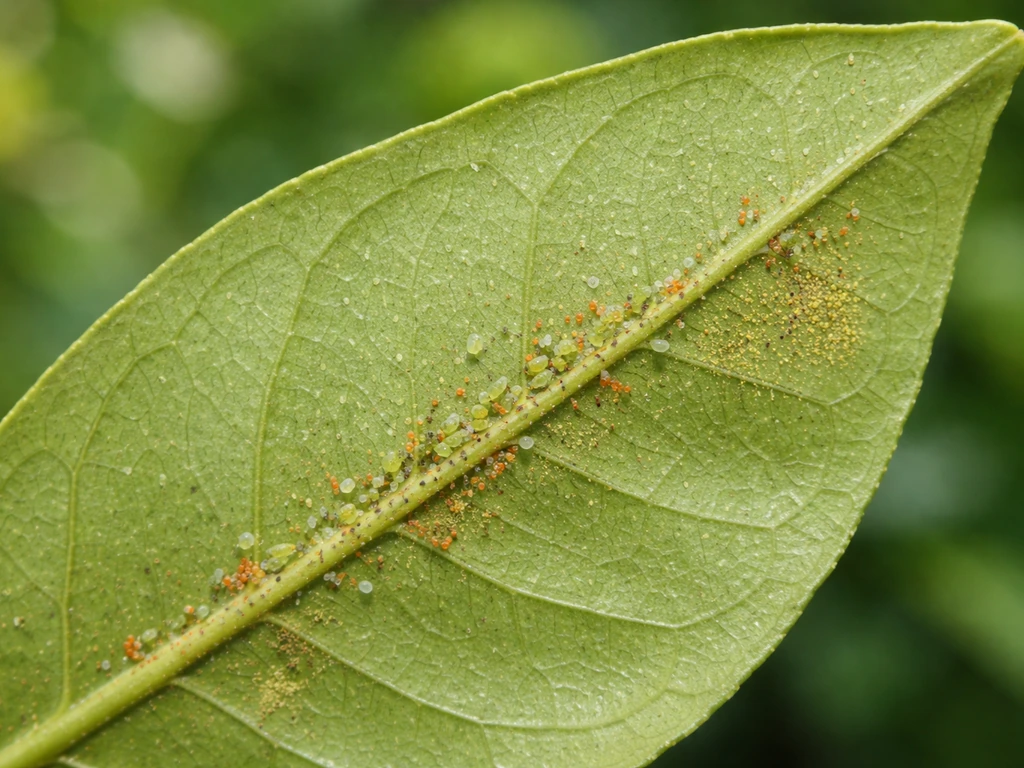
Container citrus faces the same pest threats as in-ground trees, but being in a contained space actually makes it easier to spot and treat problems early. Check the undersides of leaves regularly, especially during warm months.
- Spider mites: Tiny dots on leaf surfaces, sometimes with fine webbing underneath. Thrive in hot, dry conditions. Fix with a strong spray of water or insecticidal soap.
- Scale insects: Small, brown, flat bumps on stems and leaf undersides that look almost like part of the bark. Scrape off by hand or treat with horticultural oil.
- Aphids: Clusters of small soft insects, usually green or black, on new growth. Dislodge with water spray. Neem oil works well for persistent infestations.
- Citrus leaf miner: Silvery squiggly trails on new leaves left by tiny larvae. Affects young growth mainly. Remove affected leaves and apply neem oil to deter adult moths.
- Mealybugs: White, fluffy-looking insects at leaf joints and stem bases. Dab individual insects with rubbing alcohol on a cotton swab, or spray with insecticidal soap.
Disease and common problems
Root rot from overwatering is the disease I see most often with container citrus. Symptoms are yellowing leaves, sudden wilting despite moist soil, and mushy roots when you unpot the tree. If caught early, trim the rotted roots, let them dry for an hour, dust with a fungicide powder, and repot in fresh well-draining mix. Cut back on watering going forward. Prevention is much easier than treatment, so always let the soil dry out between waterings.
Sooty mold is a black coating that grows on the sticky residue left by aphids, scale, and mealybugs. It's unsightly but not directly harmful. Clear it by dealing with the underlying pest infestation, then wipe leaves with a damp cloth.
Overwintering your potted tangerine
This is where the real advantage of container growing shines. When cold weather arrives, you can simply move the tree indoors, which in-ground growers cannot do. If you're in a climate where winter temperatures stay above 35°F consistently, the tree can usually stay outdoors year-round in a sheltered spot. In colder climates, bring it inside before the first frost.
Indoors, place the tree in the brightest window you have, ideally a south-facing one. If natural light is insufficient through winter, a full-spectrum grow light running for 12 to 14 hours a day will keep the tree healthy. Reduce watering significantly indoors and stop fertilizing entirely until you move it back outside in spring. Watch for spider mites and scale insects, which tend to flare up on citrus brought indoors into dry heated air. A monthly rinse under a lukewarm shower does wonders for both pests and dust.
Don't be alarmed if the tree drops some leaves when you first move it indoors. It's adjusting to lower light levels. As long as new growth eventually appears and the remaining leaves look healthy, the tree is fine. Bring it back outside gradually in spring once nighttime temperatures are reliably above 45°F, starting with a few hours of outdoor time per day to re-acclimate before leaving it out full time.
Quick troubleshooting reference
| Problem | Likely Cause | Fix |
|---|---|---|
| Yellow leaves all over | Overwatering or nutrient deficiency | Check soil moisture, adjust watering, feed with citrus fertilizer |
| Yellow between leaf veins | Iron or magnesium deficiency | Foliar spray of chelated iron or Epsom salt solution |
| Leaves dropping | Overwatering, cold stress, or moving the plant | Check roots for rot, keep above 45°F, let tree adjust to new location |
| No flowers or fruit | Insufficient sun or too much nitrogen | Move to sunnier spot, reduce nitrogen fertilizer |
| Stunted new growth | Root-bound pot or nutrient depletion | Repot into larger container, resume regular feeding |
| Sticky leaves or sooty mold | Pest infestation (aphids, scale, mealybugs) | Identify and treat with neem oil or insecticidal soap |
Your next steps and ongoing care schedule
If you're just getting started, here's a simple action plan to follow right now: To get the best results when growing custard apple in a pot, focus on a sunny spot, fast-draining soil, and a consistent watering routine.
- Buy a grafted dwarf tangerine (Clementine or Satsuma are great starting choices) from a reputable nursery.
- Choose a pot at least five to seven gallons with drainage holes, and fill it with a citrus or cactus potting mix blended with perlite.
- Plant the tree with the graft union above the soil line, water it in thoroughly, and place it in your sunniest outdoor spot.
- Water when the top two inches of soil are dry, and begin a regular feeding routine with slow-release citrus fertilizer in spring.
- Check leaves weekly for pests, especially under the leaves.
- Plan your overwintering strategy now: know where you'll move the pot when temperatures approach 30°F.
On an ongoing basis, think of it in seasons: spring means repotting if needed and resuming fertilizing; summer means consistent watering and watching for pests; autumn means tapering off nitrogen and preparing for cold; winter means reduced watering, no feeding, and keeping the tree warm enough to survive. Follow that rhythm and a healthy potted tangerine will give you fruit year after year. If you're interested in other container fruit trees that follow a similar care pattern, mango trees and sapota can both be grown in pots with many of the same principles, though each has its own quirks worth knowing about. If you want faster results with a mango tree in a pot, focus on strong light, a warm environment, and consistent feeding and watering mango tree faster in pots.
FAQ
Can I grow a tangerine tree from seed in a pot and still get fruit like the nursery tree?
Yes, but only if you start with a true grafted dwarf or semi-dwarf variety and keep the graft union above the soil line, like you would with a nursery tree. Citrus grown from seed usually will not come true to type, and you can end up with a much larger, less reliable tree that takes longer to fruit, often many years.
How long does it really take for a potted tangerine to flower and fruit?
With most potted dwarf tangerines, expect their first meaningful flowering and fruit set about 2 to 3 years after you buy a young grafted plant, if it gets at least 8 hours of direct sun. If you bought a very young tree or it is underlit, flowering can be delayed a full season or more.
Why is my potted tangerine dropping flowers or tiny fruit?
If your tree drops blossoms or small fruit, the most common causes are inconsistent watering, a sudden heat or cold snap, or letting the pot dry out too far. Use the finger test, water deeply until drainage, and try to avoid moving the pot during peak bloom unless the light is drastically better.
When I move my tangerine back outside in spring, how do I prevent leaf burn?
Move it gradually. Start in late spring, increasing outdoor time over a week or two, and avoid placing it immediately in full sun all day if it just came from winter indoors. A sudden switch can cause leaf scorch or heavy leaf drop.
What should I change if my tree is very leafy but never flowers?
Aim for balanced citrus fertilizer, but do not overshoot on frequency. If leaves turn very lush and dark green yet flowering stops, reduce nitrogen and switch to a formula that is higher in potassium and phosphorus in autumn. Also ensure the pot is not vastly oversized, because excess wet soil can delay flowering.
Is terracotta or plastic better for potted tangerines?
Terracotta is fine if you can keep up with watering, but it can dry out fast on hot balconies. A practical approach is using a lightweight pot if you need mobility for cold snaps, then checking moisture daily during heat waves, every few days in mild weather, and using the “top two inches dry” rule.
How do I tell if my pot is too big versus my soil is holding too much water?
A large pot can be a problem, but even in the “right” size you can run into issues if the mix is too dense or drainage is poor. Look for yellow leaves paired with consistently damp soil, or sudden wilting while soil is wet. Fix by improving drainage mix, confirming holes are unobstructed, and repotting into fresh gritty citrus mix if needed.
When is the best time to prune, and should I prune if frost already damaged branches?
Do not keep pruning small twigs off right before a cold event or during winter indoor dormancy. Do light shaping in late winter or early spring before new growth, then only pinch long shoots during the growing season. For any frost-affected branches, wait until you see new growth before deciding what to cut back.
My leaves are yellow between veins. What should I do first, water or fertilizer?
Start with irrigation consistency, then adjust feeding. Too much nitrogen is a common reason for citrus with yellowing leaves that do not improve, and iron or magnesium deficiency can also show up as yellowing between veins. If the leaf veins remain green, try chelated iron or an Epsom solution as described, and confirm you are not overwatering.
Can I leave water in the saucer under my potted tangerine?
You generally should not use a saucer for long-term indoor drainage. If you do use one, empty it after watering every time. Persistent standing water encourages root rot, especially indoors where evaporation is slower.
What is the safest way to protect a potted tangerine from an unexpected cold snap?
Yes, but treat it like a climate-control job. If your nighttime lows approach the mid-to-high 20s, move the pot inside earlier than you think, because leaf temperature can run several degrees colder than the air. Put it near the brightest window available, reduce watering, and avoid fertilizing until it goes back outside.
How do I manage spider mites and scale when my tangerine is indoors for winter?
When you are indoors, pests can flare in dry heat, especially spider mites and scale. Rinse the plant monthly with lukewarm water, inspect undersides of leaves weekly, and wipe off visible scale or sooty mold after you address the underlying pests. If you only remove the mold and ignore the insects, it returns.