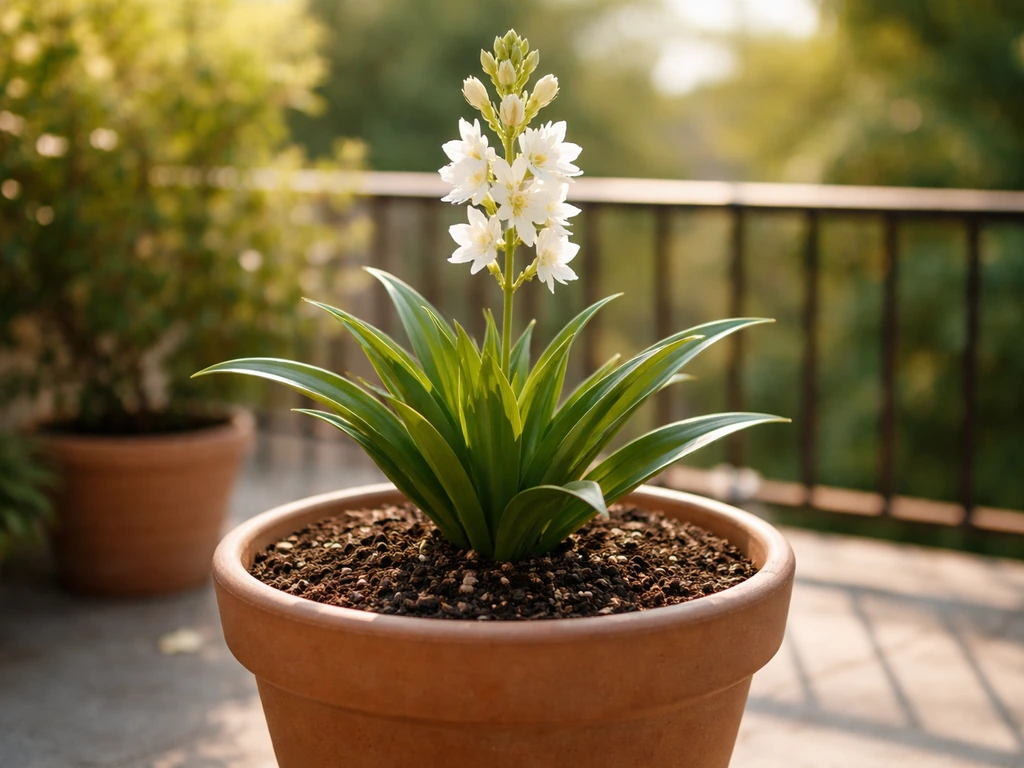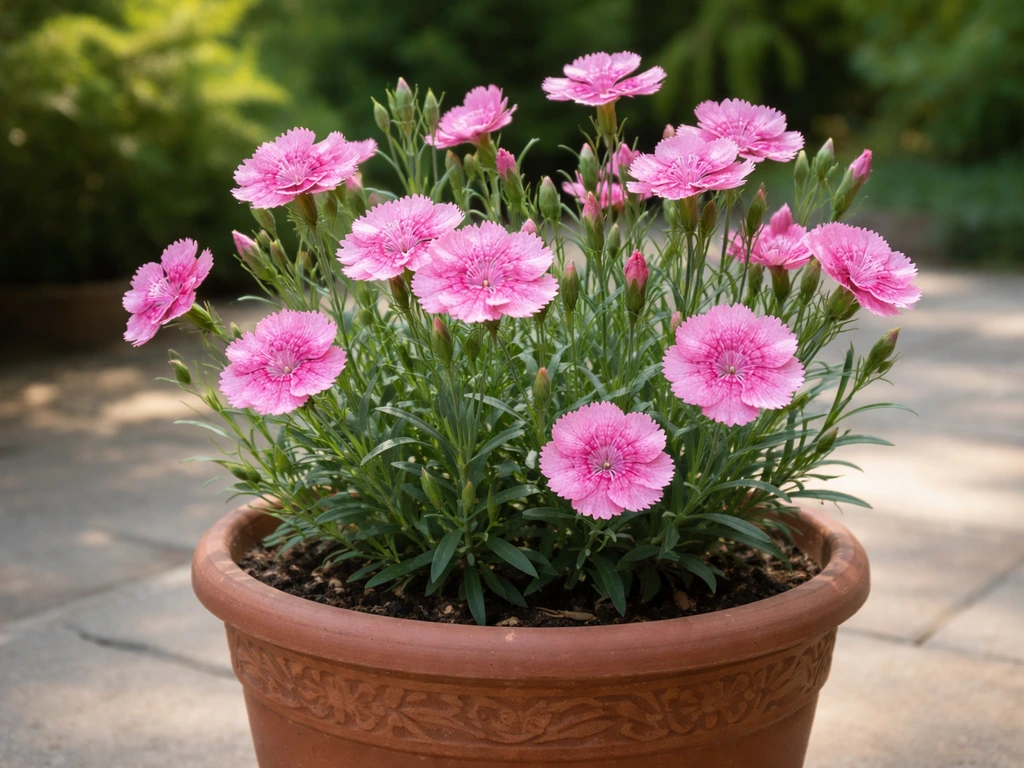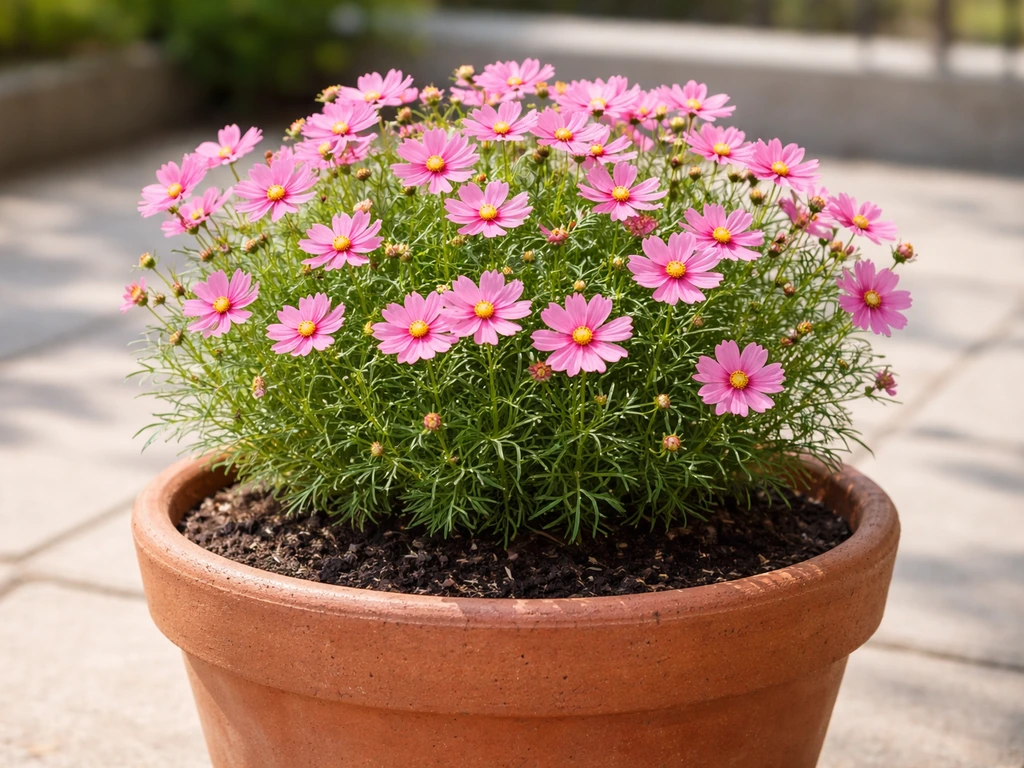
Yes, you can grow tamarind in a pot, and it can even fruit eventually. It is not the easiest container fruit tree out there, but with a big enough pot, plenty of direct sun, and a little patience, a potted tamarind is very achievable for a home or urban gardener. Tigridia plants can also be grown in pots if you give them lots of light and a well-draining mix grow tigridia in pots. The main things that trip people up are undersized pots, not enough light, and cold winters without a plan to bring the tree indoors. Get those three things right and the rest falls into place.
Can You Grow Tamarind in a Pot? Full Container Guide
Marcus Whitley
22 May 2026
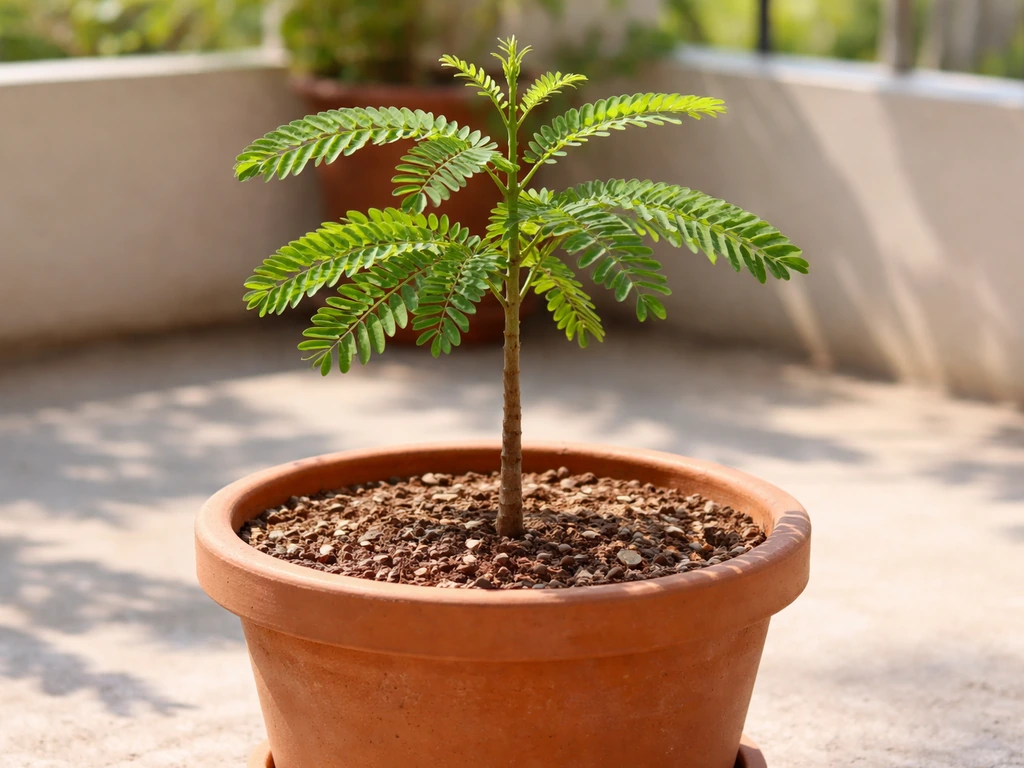
Is tamarind actually suited to growing in a container?
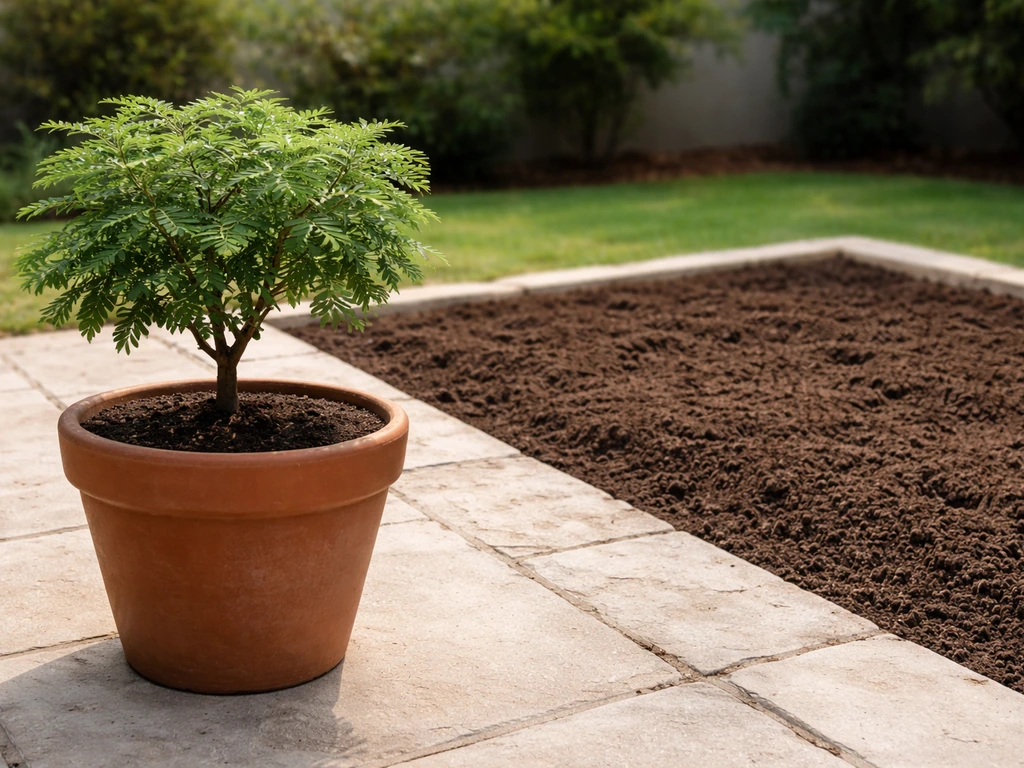
Tamarind (Tamarindus indica) is a tropical evergreen tree that, in the ground, can eventually grow enormous. If you are also curious about tapioca, the same container principles like drainage and warmth can help you learn how to grow tapioca in pots successfully. In a pot, growth slows down significantly and you can keep it at a manageable size for years. It is genuinely frost-sensitive.
The plant can tolerate a brief, light dip close to freezing but it does not like sustained cold, and anything below about 15°C (59°F) will stress it. If you are in USDA zones 9b through 11, you can keep tamarind outdoors year-round. Anywhere colder than that, you need to treat it as a container plant that spends winters inside, frost-free.
One thing that confuses new growers is seeing tamarind drop a lot of leaves and assuming the tree is dying. It is not. Tamarind sheds leaves during dry or cool spells as a normal stress response, not unlike a brief dry-season dormancy. As long as the roots are healthy and you bring it back into warmth and consistent watering, new leaves will push out. Think of the leaf drop as the tree hitting a pause button, not switching off permanently.
For urban gardeners, a rooftop, south-facing balcony, or sunny courtyard is ideal in warmer months. The main challenge in colder climates is logistics: tamarind can get heavy in a large pot, so plan your move-in strategy before the tree gets too big to lift comfortably.
Choosing the right tamarind type and where to get your plant
Not all tamarind plants are equally suited to container life. If you want fruit in a reasonable timeframe and want to keep the tree manageable, look for compact or dwarf varieties. A type like 'Pakistani Dwarf' stays around 2.5 to 3 meters even in a pot and can start fruiting in roughly 3 to 4 years under good conditions. Standard tamarind from seed can take 8 to 10 years to fruit and will push hard against whatever container you put it in. For a pot grower, variety selection is genuinely one of the most impactful choices you make upfront.
Seed vs nursery tree: which is better?
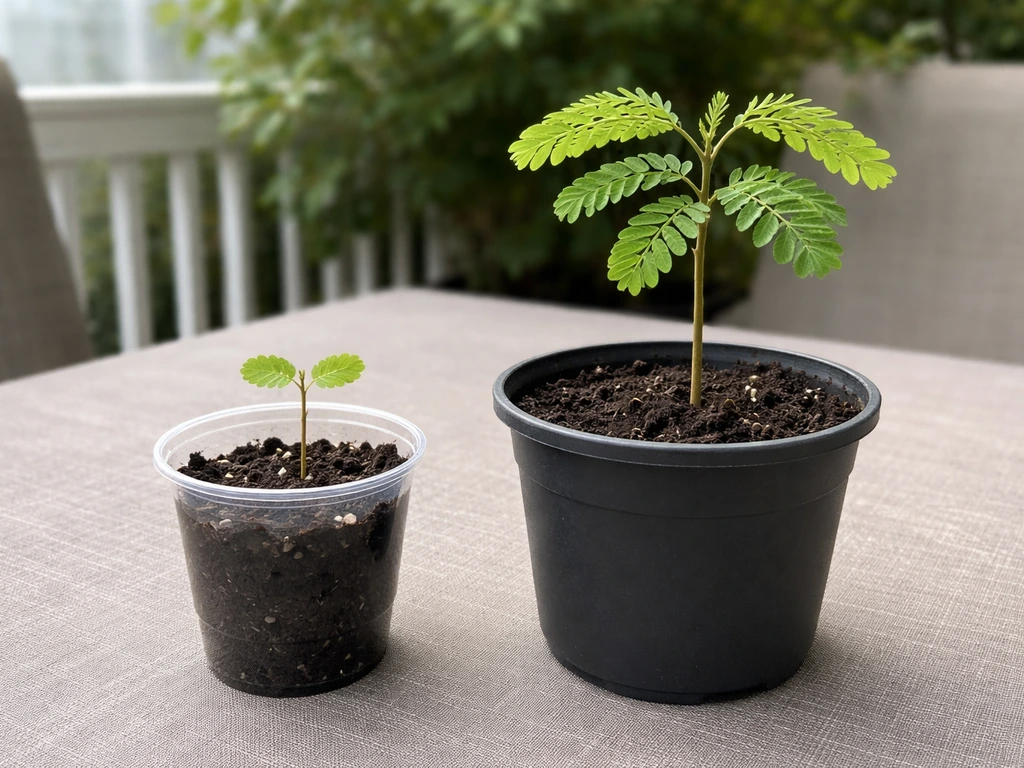
Seeds are cheap and fun to germinate, but they come with two downsides: genetic unpredictability (the fruit quality of a seedling tree is a lottery) and a much longer wait for fruit. Tamarind seeds also have a hard outer coat that slows germination. You can speed things up by nicking the seed coat lightly with a nail file or soaking seeds in warm water for 24 hours before planting. With that treatment, germination can happen within a couple of weeks. Seeds are available from specialist online suppliers like Trade Winds Fruit if you cannot find them locally.
A nursery-grown tree is the better option for most container gardeners. It saves you years of waiting and you know what you are getting. Some nurseries sell tamarind as live plants in 3-gallon containers at 2 to 3 feet tall, which is a great starting size. If you can find a grafted or cutting-grown tree from a named variety, even better. Vegetative propagation takes several weeks before rooting establishes, so nursery-grown plants in this size range are usually well-rooted and ready to move up into a larger container.
Pot size, drainage, and setting up your container
Container size is where a lot of people go wrong, and it is almost always because they go too small. A newly purchased 2 to 3 foot tamarind can start in a 12 to 15 litre (roughly 12 to 16 inch diameter) pot, but plan to move it up within a year or two. For a tree you want to actually fruit, you are eventually looking at a 50 to 100 litre container, something in the range of a half-barrel planter or a large nursery pot. That sounds intimidating but it is the reality with a tree this size.
Drainage is non-negotiable. Tamarind hates sitting in water and root rot is one of the fastest ways to lose a potted tree. Every container you use must have multiple drainage holes at the base. Do not use a pot tray that holds standing water underneath unless you are actively emptying it after every watering. Unglazed terracotta is a nice choice because it breathes and dries out more evenly, but heavy plastic or fabric pots work well too. Fabric pots, in particular, promote excellent air pruning of the roots, which keeps the root system healthier in the long run.
When you pot up, put a layer of coarse gravel or broken pot pieces over the drainage holes to stop the soil washing out, but do not fill the bottom with a thick gravel layer. That old advice actually creates a perched water table and keeps the lower soil wetter, not drier. Just a thin covering of the holes is enough.
The right soil mix and how to fertilize in a pot
Soil mix
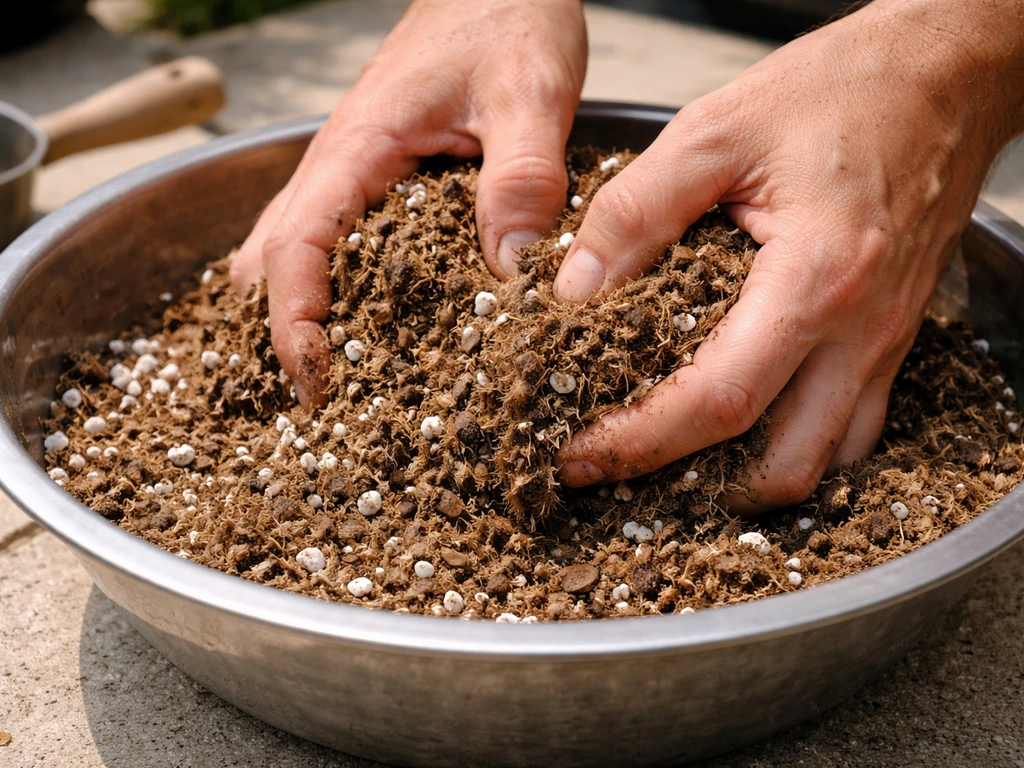
Tamarind needs a well-draining, moderately fertile mix. A heavy, dense potting soil will stay too wet between waterings and suffocate the roots. Here is a simple mix that works well: roughly 40% coconut coir (a sustainable alternative to peat moss that holds moisture without getting waterlogged), 35% good compost or aged organic matter, 20% perlite or pumice for drainage and aeration, and 5% fine bark or coarse sand. Perlite is the key ingredient here because it creates air pockets in the mix and does not hold water itself, so the roots get oxygen between waterings.
If you are using coconut coir, rinse it thoroughly before mixing. Coir can carry residual salts from processing and those salts will stress the roots over time if you skip this step. Mix your components well, moisten the mix slightly before potting, and make sure the soil is loose enough that water drains through within a few seconds of pouring it on top.
Fertilizing schedule
Tamarind in a container needs regular feeding because nutrients leach out every time you water. During the active growing season (spring through summer), feed every 3 to 4 weeks with a balanced fertilizer, something like a 10-10-10 NPK or a slow-release granular suitable for fruit trees. Avoid going heavy on high-nitrogen fertilizers because excess nitrogen pushes lots of leafy growth at the expense of flowers and fruit, and it can create an imbalance that weakens the tree. Think of nitrogen as the engine and phosphorus and potassium as the steering: you need all three.
In autumn, taper off feeding as growth slows. Stop fertilizing entirely over winter when the tree is resting. Resume in early spring when you see new buds and leaves pushing out. One additional thing to watch: if leaves turn yellow between the veins while the veins themselves stay green, that is a classic sign of iron deficiency (interveinal chlorosis), which is common in container trees. A foliar spray or soil drench with chelated iron usually sorts it out within a few weeks. Iron deficiency can look similar to magnesium deficiency, so if the chelated iron does not help, try a dose of Epsom salts as a follow-up.
Sun, temperature, and moving your tree through the seasons
Tamarind is a full-sun tree. It wants at least 6 to 8 hours of direct sunlight daily and will grow noticeably slower and weaker if it gets less than that. The one catch is that if your tree has been growing under lower light (as nursery trees often are, sometimes under 20 to 40% shade cloth) and you suddenly move it into blazing direct sun, the leaves can scorch and burn. Acclimate it gradually: start with a few hours of morning sun, then increase exposure over 2 to 3 weeks until it is in full sun all day.
Temperature-wise, tamarind likes warmth. Keep it above 15°C (59°F) as a minimum. A light frost for a few hours will not immediately kill a healthy established tree, but repeated cold snaps will cause serious damage. In zones colder than 9b, bring your tree indoors before night temperatures drop below 10°C (50°F) in autumn. Indoors, a bright south-facing window is your best option, or supplement with a grow light if your space is dark. A cool, dimly lit garage is not suitable for overwintering tamarind.
When moving back outdoors in spring, wait until night temperatures are reliably above 15°C before leaving the tree outside overnight. The transition from indoors to outdoors is a stress point, so do it gradually: a few hours outside in a sheltered spot for the first week, building up to full outdoor exposure over 10 to 14 days.
Watering, pruning, and keeping the tree a manageable size
Watering
Tamarind is more drought-tolerant than most tropical trees once established, but in a container it dries out faster than in the ground. During warm, active growing months, water thoroughly when the top 2 to 3 cm of soil feel dry. Water until it flows freely from the drainage holes, then do not water again until the soil has dried down again.
In cooler months or when the tree is inside for winter, water much less frequently, maybe once every 10 to 14 days, just enough to keep the roots from drying out completely. The biggest watering mistake with potted tamarind is watering on a fixed schedule rather than checking the soil. Stick your finger in the top of the pot before every watering. That habit alone prevents most overwatering problems.
Pruning and shaping
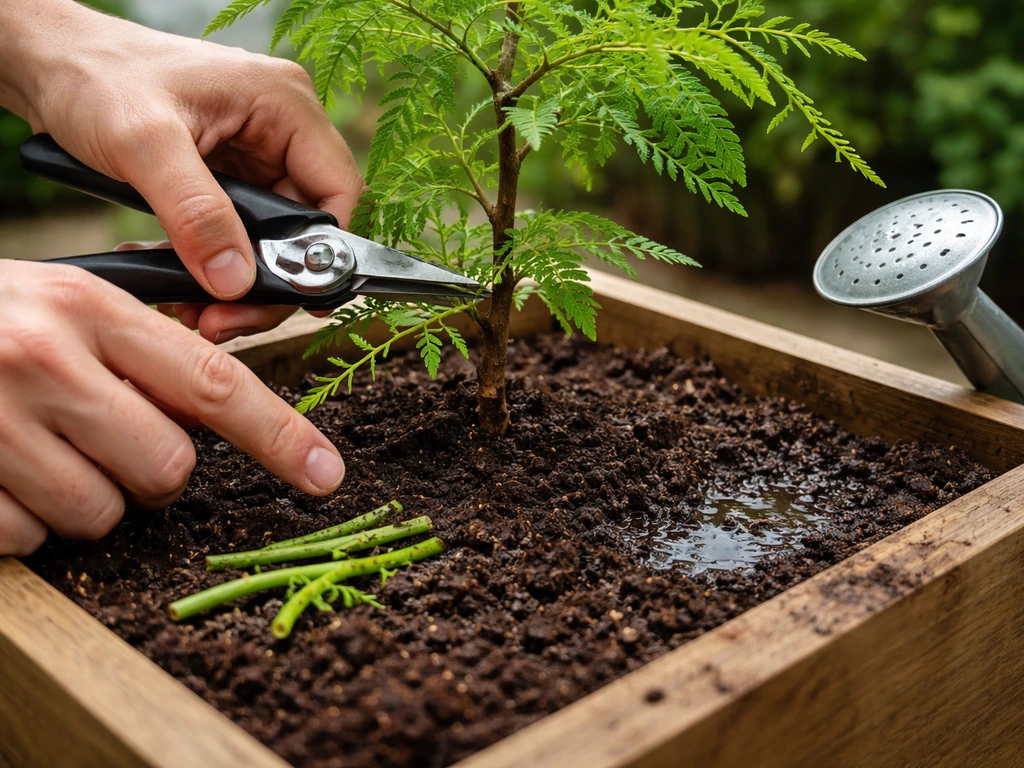
Left unpruned, tamarind will try to grow into a large tree regardless of the pot. Regular pruning is how you keep it container-friendly and also how you build a good structure. Start shaping early: once your tree is 50 to 60 cm tall, pinch or cut the growing tip to encourage branching rather than a single tall trunk. From that point, use a clip-and-grow approach, which basically means cutting back a branch to redirect energy, then letting the resulting new shoots grow before cutting again. This gradual shaping creates a bushier, more compact tree that is easier to manage and more likely to flower.
Do your main pruning in late winter or very early spring before the tree puts out new growth. Avoid heavy pruning in autumn or winter when the tree is resting. Always use clean, sharp tools and cut just above a node (the point where a leaf or branch joins the stem). Removing crossing or crowded branches also improves airflow, which helps prevent fungal issues. If you are interested in bonsai-style culture, tamarind takes to it well, but root pruning should always be done gradually over several sessions rather than all at once to avoid shocking the tree.
Troubleshooting problems and what to expect for growth and fruit
Common problems and fixes
| Problem | Likely Cause | What to Do |
|---|---|---|
| Yellow leaves (veins stay green) | Iron or magnesium deficiency | Apply chelated iron drench; if no improvement, try Epsom salts foliar spray |
| Yellowing all over, soft stems | Overwatering or root rot | Check drainage holes, reduce watering, repot if roots smell rotten |
| Leaf drop (lots of leaves falling) | Dry-season stress, cold snap, or move to lower light | Normal if temporary; improve conditions, maintain consistent watering |
| Slow or no new growth | Too little light, cold temperatures, or root-bound | Move to brighter spot, check temperature, repot up one pot size |
| White cottony patches or sticky residue | Mealybugs or scale insects | Wipe off manually, spray with neem oil or insecticidal soap |
| Brown leaf tips or edges | Low humidity, salt buildup, or sunburn | Flush soil to clear salts, increase humidity, acclimate to sun gradually |
When can you expect fruit?
Be honest with yourself about the timeline here. A compact or dwarf variety started from a nursery tree can flower in 3 to 4 years under good conditions. A standard tamarind grown from seed may take 8 to 10 years. Tamarind typically flowers around January through April (in the northern hemisphere) when it reaches maturity.
Even once it flowers, fruit set can be variable, with open pollination rates documented as low as 4% in some studies. Indoors, where bees and other pollinators cannot reach the flowers, you will almost certainly need to hand-pollinate. Use a small soft paintbrush to transfer pollen from one flower to another, working your way gently across all the open blooms. It takes only a few minutes and makes a real difference in how much fruit sets.
Fruiting is also more likely when the tree is slightly root-restricted (which a container naturally provides), gets strong direct sun, and is not over-fertilized with nitrogen. A tree that is pushing lots of lush new leaves is probably not channelling energy into flowers. Ease off nitrogen, make sure it gets maximum sun, and let it experience a slightly drier period before the expected flowering season to help trigger blooms.
Your ongoing care checklist
- Check soil moisture before every watering by pressing a finger 2 to 3 cm into the soil.
- Feed with a balanced fertilizer every 3 to 4 weeks from spring through summer; stop feeding over winter.
- Move the tree to its sunniest outdoor spot in warm months and bring it indoors before temperatures drop below 10°C.
- Acclimate the tree gradually whenever moving between different light conditions to avoid leaf burn.
- Prune and shape in late winter, cutting just above a node to encourage bushy growth.
- Hand-pollinate flowers with a soft paintbrush if the tree blooms indoors without access to pollinators.
- Repot up one container size every 2 to 3 years or when roots start circling the pot or poking out of drainage holes.
- Watch for yellowing leaves or pest signs at each watering check and address them early before they escalate.
Growing tamarind in a pot is genuinely satisfying, even before the tree fruits. It is a striking, elegant plant that carries itself well on a balcony or patio, and the process of learning to read its needs is a lot of what makes container gardening rewarding.
If you enjoy the challenge of tropical fruit trees in containers, you might also find growing tapioca or sugar cane in pots an interesting comparison, since both are large, warm-climate plants that can be adapted to container life with the right approach. If you are comparing options beyond tamarind, learning how to grow sweetgrass in pots can be a great way to add a hardy, fast-growing grass to your container garden.
If you are wondering how to grow sugar cane in pots, the key is matching its warm, sunny conditions and managing moisture so the stalks can establish. If you want to try tapioca next, focus on warmth, bright light, and a well-draining potting mix so it can establish quickly growing tapioca in pots. If you want a different container-flower goal, learning how to grow tuberose in pots is a great next step for a sunny patio.
Start with the best nursery tree you can find, get the pot and soil setup right from the beginning, and the rest is mostly about consistency and patience. Tinda is much smaller than tamarind, so the potting steps you use for container tropical trees can also be applied when you are planning how to grow tinda in pots. If you want similar results with tuberose, follow a container-focused approach that matches its light, drainage, and watering needs how to grow tinda in pots.
FAQ
What pot size should I buy if I want tamarind to actually fruit, not just survive?
If you want fruit within a reasonable timeframe, plan to up-pot quickly but start bigger than “minimum survival.” A 12 to 15 liter pot is fine for a small nursery tree for 1 to 2 years, but you should target roughly 50 to 100 liters once the tree is shaped to stay container-friendly. If you jump straight to a huge pot too early, the mix can stay wet longer, increasing root-rot risk.
Can I keep a potted tamarind outside all year in cooler areas if I use a cover or greenhouse?
A cover helps with wind and short-term frost, but it does not reliably prevent prolonged cold stress. Tamarind is frost-sensitive, anything near or below about 10°C (50°F) during nights in autumn is the danger period, and below 15°C (59°F) it can start to suffer. In areas colder than your outdoor zone, the safest plan is to bring the pot indoors to a bright, warm, frost-free spot.
How do I tell whether leaf drop is normal stress or something like root rot?
Normal stress leaf drop usually happens after cooler weather or a drier interval, and the stem and roots remain firm. With root rot, you often see ongoing yellowing, a lingering droop, and a decline that does not rebound after you correct watering. A practical check is to gently feel the potting mix, if it is constantly soggy and smells sour, that suggests rot rather than normal dormancy.
How often should I water potted tamarind?
Use soil moisture, not a calendar. Water thoroughly only when the top 2 to 3 cm of mix dry out, then wait until the mix dries down again before watering. In winter indoors, watering often becomes much less frequent, typically every 10 to 14 days, but only if the top layer is dry, because “inside” conditions vary a lot.
Do I need to mist tamarind to increase humidity indoors?
Usually, no. Tamarind is more sensitive to cold and soggy roots than to low humidity, and frequent misting can encourage fungus if airflow is limited. Instead, focus on consistent warmth, plenty of bright light (a south-facing window), and correct watering intervals based on the mix drying.
Should I prune right after I bring the tree home?
It is better to prune based on your timing, not immediately after purchase. Your main structural pruning is best done late winter or very early spring before active growth starts. If you must remove dead or obviously damaged tips, do light cleanup, but avoid heavy cutting right after moving the plant because it is already under transplant stress.
What fertilizer should I use, and when should I stop?
During active growth (spring through summer), use a balanced fertilizer and feed every 3 to 4 weeks, then taper off as growth slows in autumn and stop entirely during the resting winter period. If your tree keeps producing lush leaves but refuses to flower, reduce nitrogen emphasis, because excess nitrogen can suppress blooming even when the tree looks healthy.
My tamarind leaves are yellow between veins. What’s the most likely cause?
Interveinal chlorosis in containers commonly points to iron deficiency. If new growth shows yellowing while the veins stay greener, try chelated iron via soil drench or a foliar spray, and give it a few weeks. If it does not improve, magnesium deficiency can look similar, so the next step is usually adjusting nutrients rather than adding more general fertilizer.
Will tamarind fruit if I grow it from seed?
Yes, but seed-grown trees are the most variable option. They can take far longer to fruit, often 8 to 10 years, and the fruit quality is unpredictable because genetics differ. If faster, more reliable fruit is your goal, a named nursery tree (grafted or cutting-grown) is usually the better choice.
Do I need to hand-pollinate potted tamarind indoors?
If your flowers are not reaching outdoor pollinators, hand-pollination is strongly recommended. Even outdoors, fruit set can be low, and indoors it is often near zero without assistance. Use a small soft brush to move pollen from flower to flower across the open blooms, and do it when flowers are fresh and open.
How do I avoid transplant shock when moving tamarind outdoors in spring?
Acclimate gradually because sudden full sun and outdoor wind can scorch leaves, even if the tree is healthy. Start with a few hours of morning sun in a sheltered spot, then increase exposure over 2 to 3 weeks. Also wait until nights are reliably above about 15°C (59°F) before leaving it out overnight.
Is root pruning safe for tamarind in a container?
Root pruning can work, especially for bonsai-style culture, but it should be done gradually over multiple sessions. Doing it all at once can shock the plant and slow growth for a long time, particularly if the tree is also recovering from repotting or is kept in suboptimal light.