Yes, you can absolutely grow tuberose in pots, and honestly it might be the best way to do it. Polianthes tuberosa is a tender bulb that loves warmth and hates wet feet, so growing it in a container gives you total control over drainage, soil temperature, and where it spends the winter. I've had much better luck with potted tuberose than trying to manage it in a garden bed where I couldn't regulate any of those things. Expect blooms roughly 90 to 120 days after planting, with flowers lasting about 20 to 25 days once they open. The fragrance is extraordinary and absolutely worth the wait.
How to Grow Tuberose in Pots: Step-by-Step Guide
Marcus Whitley
27 Apr 2026
Can you grow tuberose in pots (and what to expect)
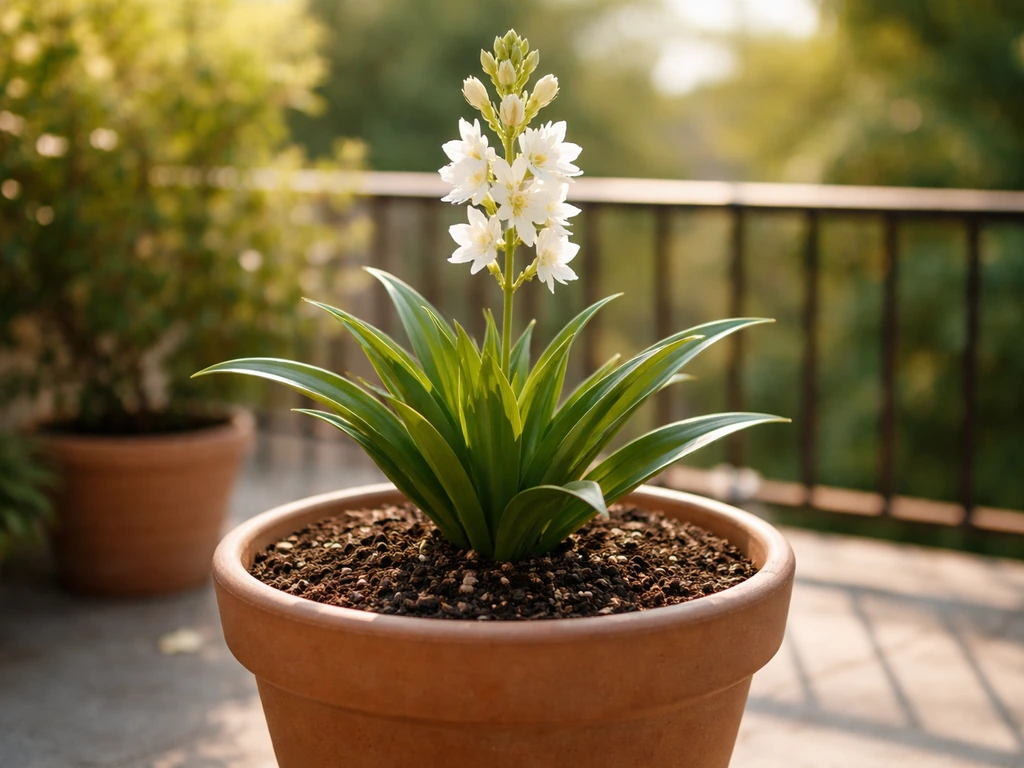
Tuberose is actually one of those plants that thrives in containers once you understand what it wants. It's native to Mexico, so it craves heat, long warm days, and soil that drains fast. In the ground, those conditions can be tricky to deliver reliably. In a pot, you set the terms. You can move the container to the sunniest spot on your balcony or patio, you can use a soil mix that drains exactly right, and when the season ends you can bring the whole thing inside without digging anything up.
The one honest thing to know upfront: tuberose is not a quick-payoff plant. You plant the bulbs in spring, and you'll likely wait three to four months before the first flower spike appears. If you're in a short-summer climate, timing really matters. But when those tall, waxy white spikes finally bloom and fill your space with that heavy, sweet scent, it feels completely worth the patience. I'd also manage expectations on rebloom: tuberose bulbs typically bloom once per season per bulb, so you're not getting repeat flushes like you would from a rose.
Choose the right pot, drainage, and bulb quality
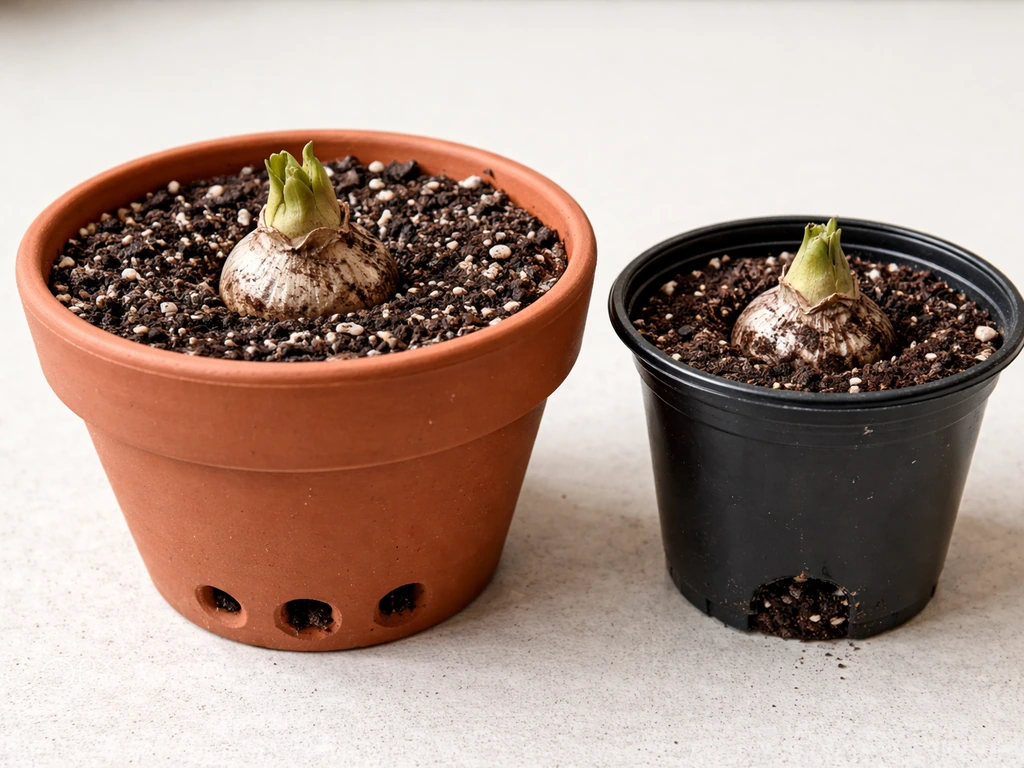
Pot size matters more than people realize with tuberose. The bulbs (technically they're tubers, not true bulbs, but everyone calls them bulbs so let's roll with it) need room to develop offsets and send down roots. I recommend at least a 12-inch wide pot for a single bulb, or a 16-inch pot if you want to plant three bulbs together for a fuller display. Depth should be at least 12 inches so the roots have somewhere to go. A terra cotta pot is a great choice because it's porous and lets excess moisture escape through the sides, which is huge for rot prevention. Plastic pots work fine too, just be extra careful not to overwater.
Whatever pot you use, drainage holes are non-negotiable. Tuberose bulbs will rot in standing water faster than almost any other bulb I've worked with. If your pot has just one small hole, add more with a drill. I also like to place a layer of coarse gravel or broken pottery pieces over the holes before adding soil, not to "stop drainage" (a common myth) but just to keep the soil from washing out over time.
When it comes to bulb quality, buy the biggest, firmest bulbs you can find. Bigger bulbs almost always mean faster blooming and stronger plants. Look for bulbs that feel solid and heavy, not soft or shriveled. Avoid anything with visible mold, mushiness, or a hollow feel when you squeeze gently. Many garden centers sell tuberose bulbs in spring, but specialty mail-order sources often have better selection and larger sizing. Single-flowered varieties like 'The Pearl' are more fragrant and tend to perform better in pots than the double-flowered types, which can get top-heavy.
Best soil mix and planting depth and timing
Standard potting mix straight from the bag is usually too moisture-retentive for tuberose. I mix my own by combining two parts good-quality potting mix with one part perlite and one part coarse horticultural sand. That ratio gives you something that holds just enough moisture to feed the roots but dries out quickly enough to prevent rot. If you want to go a step further, add a small handful of compost to the bottom third of the pot before planting. That slow-release nutrition gets the bulb off to a strong start without burning it.
Plant tuberose bulbs with the pointed growing tip facing up, about 2 inches deep, measured from the top of the bulb to the soil surface. If you're planting multiple bulbs in one pot, space them about 4 to 6 inches apart. After planting, water gently to settle the soil, then hold back on watering until you see the first sprouts emerging. This is counterintuitive but important: the bulb doesn't need moisture until it's actively growing, and wet dormant bulbs rot easily.
Timing is everything. In most of the US, you want to plant tuberose bulbs after your last frost date, when nighttime temperatures are consistently above 60°F. For most gardeners, that's April through May. If you have a short summer, you can get a head start by potting up your bulbs indoors 4 to 6 weeks before your last frost, keeping them somewhere warm (60 to 75°F is ideal) and dry until sprouts appear, then moving them outside once the weather cooperates. This trick can add weeks to your growing season and make the difference between blooms or no blooms if you live somewhere like the upper Midwest or Pacific Northwest.
Sunlight, watering, and fertilizing in containers
Tuberose wants full sun, meaning at least 6 to 8 hours of direct sunlight per day. The more heat and light you can give it, the better it performs. On a south- or west-facing balcony or patio, it'll be very happy. If you have a spot that gets less than 6 hours, you can still try it but expect slower growth and possibly weaker flower spikes. One advantage of containers here: you can physically move the pot to chase the sun as the season changes.
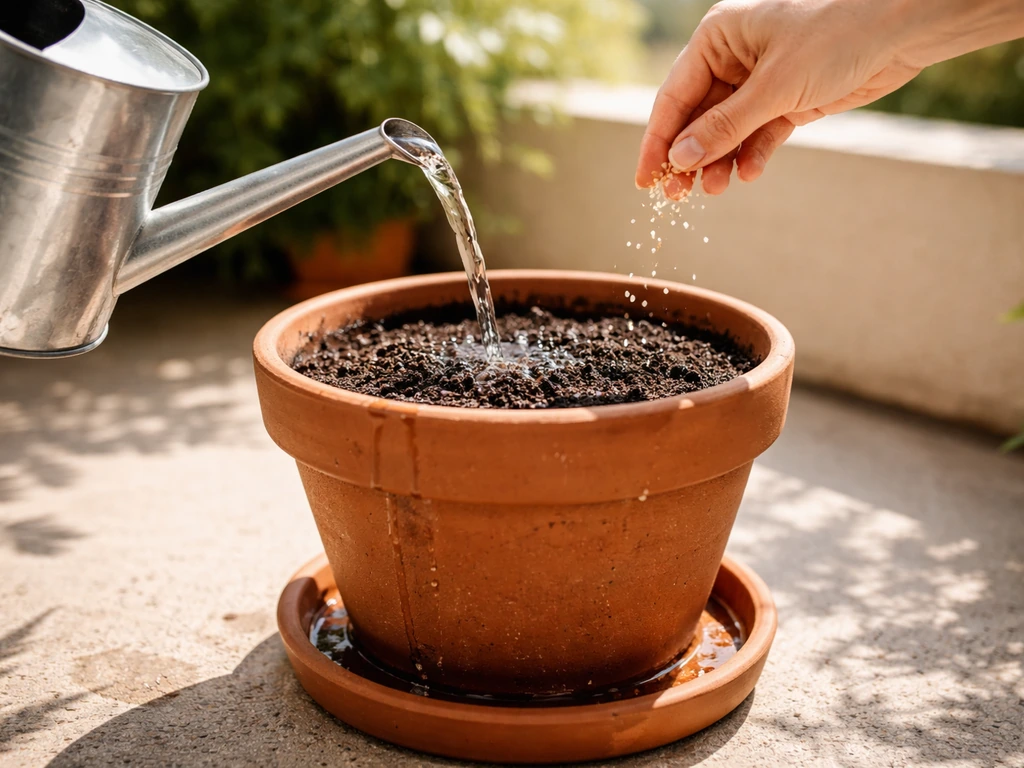
Watering in pots requires a balance you'll develop a feel for quickly. While the bulbs are just getting established (the first few weeks after planting), water sparingly, just enough to keep the soil from being bone dry. Once you see active green growth, shift to watering when the top inch of soil feels dry. Calyx Flowers also notes that [managing the number of open flowers at harvest](https://www.
calyxflowers. com/floral-library/tuberose/) (and handling spikes and buds appropriately) can affect vaselife. In the heat of summer, that might mean watering every two to three days. Always water at the base of the plant, not over the leaves, and make sure water drains freely from the pot each time.
If your pot sits in a saucer, empty the saucer after watering so the pot isn't sitting in standing water.
For fertilizing, I use a balanced liquid fertilizer (something like a 10-10-10 or similar) every two weeks from the time growth is a few inches tall through the time the flower buds start to form. Once buds appear, I switch to a low-nitrogen, high-phosphorus fertilizer (something marketed for blooming plants, like a 5-10-10) to push energy into flowers rather than leaves. Stop fertilizing entirely once the plant finishes blooming and the foliage starts to yellow naturally.
Care during flowering and getting more blooms
Tuberose flower spikes can reach 2 to 4 feet tall, so staking is often necessary in a pot, especially in any wind. Use a thin bamboo stake and some soft garden twine. Insert the stake close to the base of the plant and tie loosely, leaving room for the stem to move slightly. I've snapped a flower spike before by not staking and then having a gust catch it, which was genuinely heartbreaking, so don't skip this step.
Each flower spike opens from the bottom up, and blooms last roughly 20 to 25 days in total. As individual florets finish blooming and fade, pinch them off to keep things tidy and to keep energy moving up the spike to the remaining buds. Once an entire spike has finished, cut it down to the base. The plant may occasionally produce additional side shoots with smaller secondary spikes, but don't count on a big rebloom from the same bulb in the same season. If you planted multiple bulbs at two-week intervals (called succession planting), you can extend your overall blooming window significantly over the summer.
Troubleshooting common problems: no flowers, yellow leaves, and rot
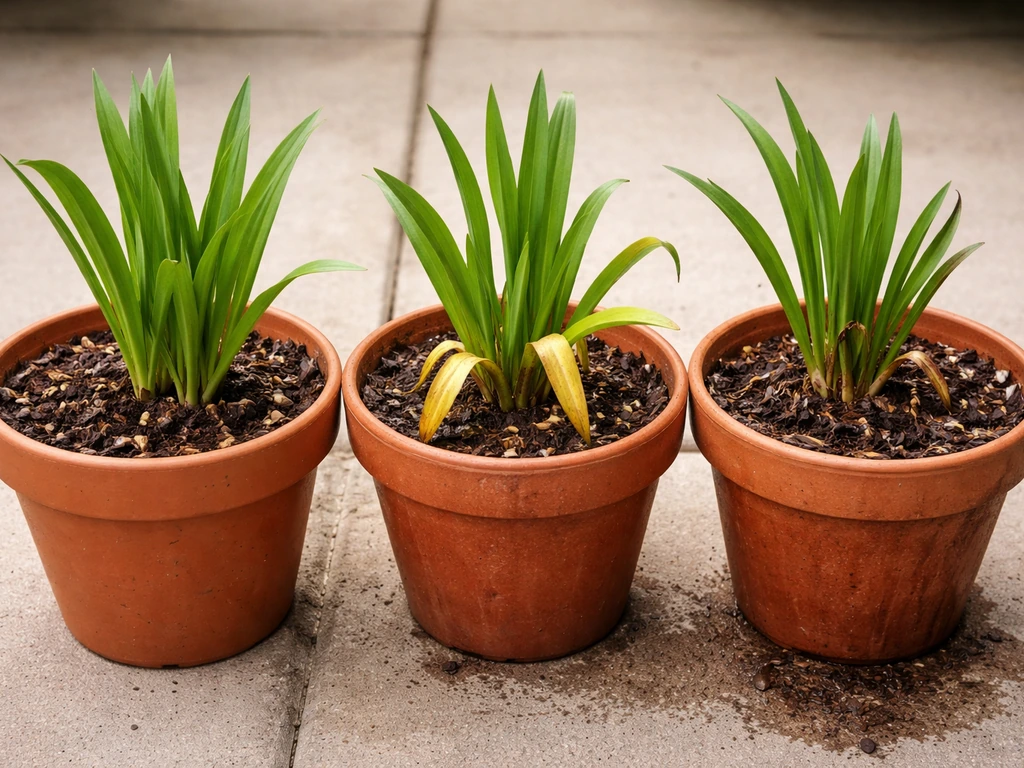
The most common complaint I hear from first-time tuberose growers is "it never bloomed." Nine times out of ten, this comes down to one of three things: the bulb was too small to begin with, the season wasn't warm or long enough, or the plant didn't get enough sun. If your bulbs didn't bloom this year, it doesn't mean you failed. Bulbs that are still developing offset bulblets sometimes skip flowering in their first season. Store them properly (more on that below) and try again next year with larger, more mature bulbs.
Yellow leaves can mean a few different things. If the lower leaves yellow after blooming is complete, that's totally normal, the plant is going dormant. If leaves yellow early in the season, check your watering first. Overwatering is the usual culprit. If the soil has been staying wet, back off and let it dry out more between waterings. If the pot is sitting in a saucer full of water, fix that immediately. Yellowing can also signal a nitrogen deficiency if the plant hasn't been fertilized, so if the soil is dry and drainage is fine, try a dose of balanced fertilizer.
Bulb rot almost always comes from too much moisture, either overwatering, poor drainage, or cold soggy soil early in the season before the bulb is actively growing. If you dig up a bulb and it's mushy or smells bad, it's rotted and unfortunately there's no saving it. Prevention is the whole game here: well-draining soil, drainage holes you've actually verified are working, and restraint with the watering can early in the season. Pests are usually not a major problem with tuberose, but keep an eye out for aphids on flower spikes and spider mites in hot dry conditions. Both respond well to a strong spray of water or an insecticidal soap solution.
| Problem | Likely Cause | What to Do |
|---|---|---|
| No flowers | Bulb too small, not enough sun, or season too short | Use larger bulbs next year, maximize sun exposure, start indoors earlier |
| Yellow leaves (early season) | Overwatering or poor drainage | Reduce watering, check drainage holes, let soil dry between waterings |
| Yellow leaves (post-bloom) | Natural dormancy | Normal, stop fertilizing and reduce watering |
| Soft or rotting bulb | Too much moisture, soggy soil | Improve drainage, water less, ensure pot has adequate holes |
| Aphids on flower spikes | Common summer pest | Blast with water or apply insecticidal soap |
| Floppy or fallen flower spike | Wind damage, no staking | Stake with bamboo and soft twine when spike reaches 12 inches |
Overwintering and replanting for next season
Tuberose bulbs are cold-hardy only to USDA Zone 8 (where winter lows stay above 10 to 20°F). Wikipedia also notes that tuberose is winter-hardy in USDA hardiness zones 8 to 10 when overwintering outdoors blank" rel="noopener noreferrer">cold-hardy only to USDA Zone 8. If you're in Zone 8 or warmer, you can leave potted bulbs outside through winter with some protection, or even leave them in the ground if you garden in-ground. In Zone 7 (lows of 0 to 10°F), heavy mulching can help them survive outside, but it's risky. Anywhere cooler than that, and you need to bring them inside for winter. The good news is that container growing makes this really easy.
Once the foliage has died back naturally in fall (don't cut it early, the leaves are feeding the bulb until then), stop watering completely. Let the soil dry out fully.
At this point you have two options: you can bring the entire pot inside and store it in a cool, dry spot like a basement or garage where temperatures stay around 50 to 60°F, or you can dig the bulbs out, brush off the soil, and store them loose in a paper bag or mesh bag.
These same pot-focused tips also apply when you are learning how to grow tapioca in pots, since container plants depend on warmth and well-draining soil to thrive bring the entire pot inside. If you store them loose, keep them somewhere that stays between 60 and 75°F to give them the warmth they prefer during dormancy. If you want, you can use the same pot setup and care steps to figure out how to grow tinda in pots successfully.
Don't store tuberose bulbs in the refrigerator, the cold and moisture will damage them.
When spring comes around again, inspect your stored bulbs. The original bulb that flowered last season will likely have produced small offset bulblets attached to its base. You can gently separate these offsets and pot them up individually. They may not bloom in their first season (they need to reach a certain size first), but they'll grow on and eventually become flowering bulbs. The mother bulb might or might not rebloom depending on its condition. Replant everything fresh in new or refreshed soil mix, follow the same planting steps from above, and you're back in business for another season.
If you enjoy growing tender bulbs in pots, the same overwintering principles apply to other plants in this category. Tigridia, for example, is another tender Mexican bulb that's handled very similarly to tuberose when it comes to container growing, lifting, and storage. Tigridia, for example, is another tender Mexican bulb that's handled very similarly to tuberose when it comes to container growing, lifting, and storage how to grow tigridia in pots.
And if you're building out a container garden with more exotic or tropical plants, it's worth knowing that some other tropical species like tamarind and sugarcane can also be managed in pots with the right setup, though their overwintering needs are quite different from a dormant bulb like tuberose. If you want the specifics, learn how to grow sugar cane in pots, including container size, watering, and overwintering tips sugarcane can also be managed in pots.
If you’re wondering can you grow tamarind in a pot, focus on warmth, well-draining soil, and regular watering while it’s actively growing.
Your next steps based on the season
Since it's late April, you're in a great window to act right now for most of the US. Here's what to do based on where you are today:
- If you're in USDA Zone 7 or warmer and nights are above 60°F: plant your bulbs directly into pots outside now, following the depth and soil guidelines above.
- If you're in a cooler zone or still seeing cold nights: pot up your bulbs indoors in a warm spot (60 to 75°F) and wait until nighttime temps stabilize above 60°F before moving outside.
- If you haven't bought bulbs yet: order from a reputable mail-order source or check local garden centers now. Availability runs out by late May or early June in most areas.
- If your bulbs are already in storage from last year: check them now for firmness, discard anything soft or moldy, and get the healthy ones potted up in fresh mix this week.
- If you're starting completely fresh: grab a 16-inch pot, mix your soil with extra perlite, source the largest bulbs you can find, and plant by early May for summer blooms.
Tuberose rewards patience and a little attention to detail at the start of the season. Get the drainage right, give it full sun, don't overwater early on, and you'll be cutting fragrant flower spikes by midsummer. It's one of those container plants that genuinely impresses once you crack the code, and once you do it the first time, you'll be growing it every year. To learn the full process for container planting, check out how to grow sweetgrass in pots.
FAQ
Can I grow tuberose in a pot indoors year-round, or does it need outdoor conditions?
You can start it indoors, but full-time indoor growing is harder because tuberose needs strong light (at least 6 to 8 hours of sun outdoors, or an equivalent grow-light setup). If you keep it indoors during spring, place it near the sunniest window or under grow lights, and move it outside once nights are consistently warm to improve bloom reliability.
What’s the best way to prevent rot if I’m not sure how often to water?
Use the “dry-down” rule: in the early weeks, water only enough to stop the mix from drying completely, then switch to watering only when the top inch dries. Also confirm drainage by doing a one-time test before planting (water the empty pot and verify it drains quickly, with no puddling in the saucer).
Should I soak tuberose bulbs before planting in a pot?
In most cases, soaking is unnecessary and can increase rot risk. Plant dry bulbs into your pre-mixed, fast-draining potting medium, then water gently just to settle the soil after planting. Save extra moisture for when you see active sprouts.
Why are my tuberose leaves growing but I’m not getting flower spikes?
The most common causes are insufficient sun and bulbs that are too small or immature. If the pot stays under about 6 hours of direct light, growth may be lush but flowering weak. If you suspect bulb size, prioritize buying larger, firm bulbs next season and ensure warmth lasts long enough after planting.
How do I know whether I should separate the offsets, or leave the bulbs together?
If offsets are small and only lightly attached, separating can slow them down because they need time to build size. Wait until spring when you can see distinct offsets, and consider potting offsets separately in a slightly smaller pot with the same drainage mix, then be patient for eventual flowering (often not in the first season).
Do tuberose need deadheading in pots, and does it improve blooming?
Yes, pinching off spent florets helps tidy the spike and keeps the plant directing energy toward remaining buds. Once the entire spike finishes, cut it down to the base to prevent the plant from spending energy on leftover tissue.
How can I keep flower spikes from toppling if my pot is on a balcony?
Stake early, when flower stems are first forming, and use a thin stake placed close to the base with soft twine tied loosely. Wind is the biggest issue in containers, so avoid waiting until stems are fully tall, and consider moving the pot to the most sheltered spot during gusts.
What should I do if my pot sits in a saucer, and water keeps collecting?
Don’t allow the pot to sit in pooled water. After every watering, empty the saucer immediately, and if water is pooling repeatedly, increase drainage performance by ensuring multiple open holes and using a mix with enough perlite and coarse sand.
When should I stop watering for dormancy, and should I cut the foliage?
Stop watering after the foliage has yellowed and died back naturally, since the leaves continue feeding the bulb. Avoid cutting early, then let the mix dry fully before storing the pot or lifting bulbs.
Is it okay to leave the pot outside for winter in a colder area?
Only in warmer zones with minimal frost risk. If your winters drop near or below 0 to 10°F, expect to lift and store indoors or risk loss. For safer storage, keep bulbs or the pot in a cool, dry place around 50 to 60°F, and avoid refrigeration.
Can I fertilize tuberose the whole season like other flowering plants?
No. Continue balanced fertilizer only while growth is establishing, then switch to a low-nitrogen, high-phosphorus formula once buds begin to form. Stop fertilizing entirely after blooming when foliage starts yellowing, because continuing late feeding can delay dormancy and increase rot risk.