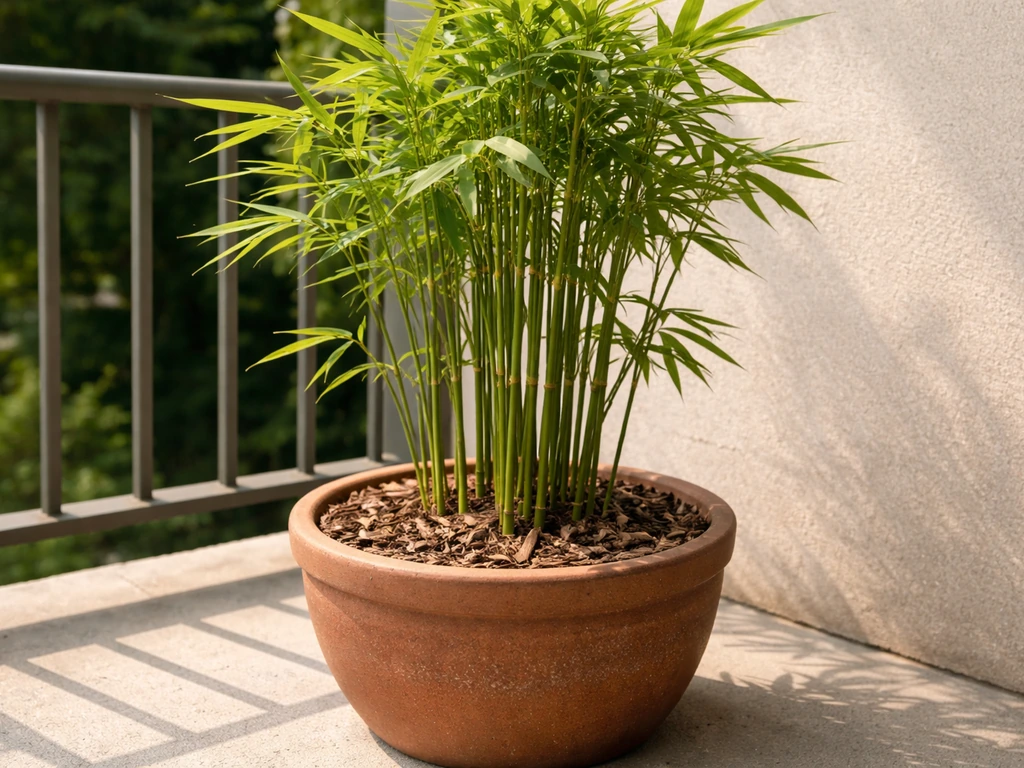
You can absolutely grow bamboo in a pot, and it can look stunning. The key is starting with a clumping bamboo variety instead of a running one, putting it in a container at least 20 gallons in size with excellent drainage, and committing to consistent watering. Get those three things right, and you'll have a healthy, dramatic bamboo "tree" in a container without it escaping into your yard or dying on you in the first summer.
How to Grow Bamboo Tree in Pot: Step-by-Step Guide
Marcus Whitley
14 May 2026
Choose the right bamboo type for containers
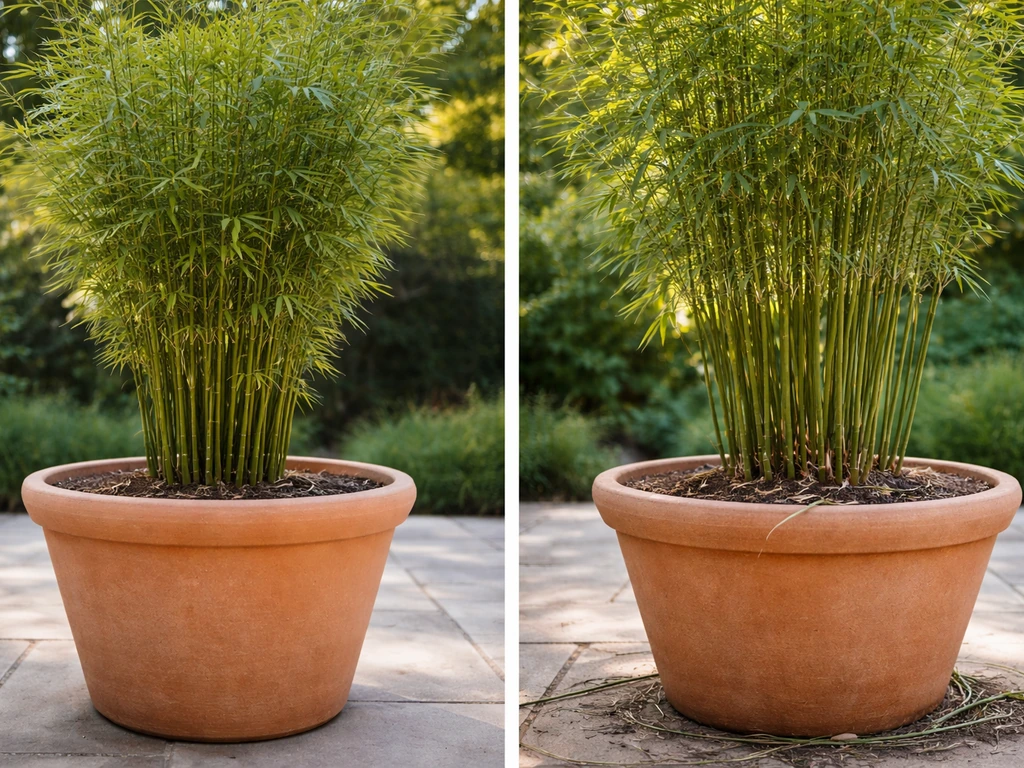
This is the single most important decision you'll make. There are two broad categories of bamboo: clumping and running. Clumping bamboos grow outward slowly and predictably from a central root mass. Running bamboos send out horizontal underground stems (called rhizomes) that can travel several feet in a season. In a container, running bamboo is a long-term nightmare. Those rhizomes will eventually escape through drainage holes and can literally crack a pot from the inside. The University of Maryland Extension is pretty blunt about it: growing running bamboo in a container is not a viable long-term option. Stick with clumping.
For most container gardeners, two clumping species stand out as the best starting points. Bambusa multiplex is the classic choice, with lots of cultivars ranging from compact to mid-sized. It's the "safe" workhorse of container bamboo. Fargesia rufa (often called Rufa clumping bamboo) is another excellent pick, especially if you're in a cooler climate. It's cold-hardy, typically tops out around 6 to 10 feet tall, and forms a tidy clump about 5 to 6 feet wide at maturity. In a pot, both species will stay somewhat smaller than their in-ground counterparts, so don't be alarmed if your bamboo ends up 10 to 20 percent shorter than the tag promises.
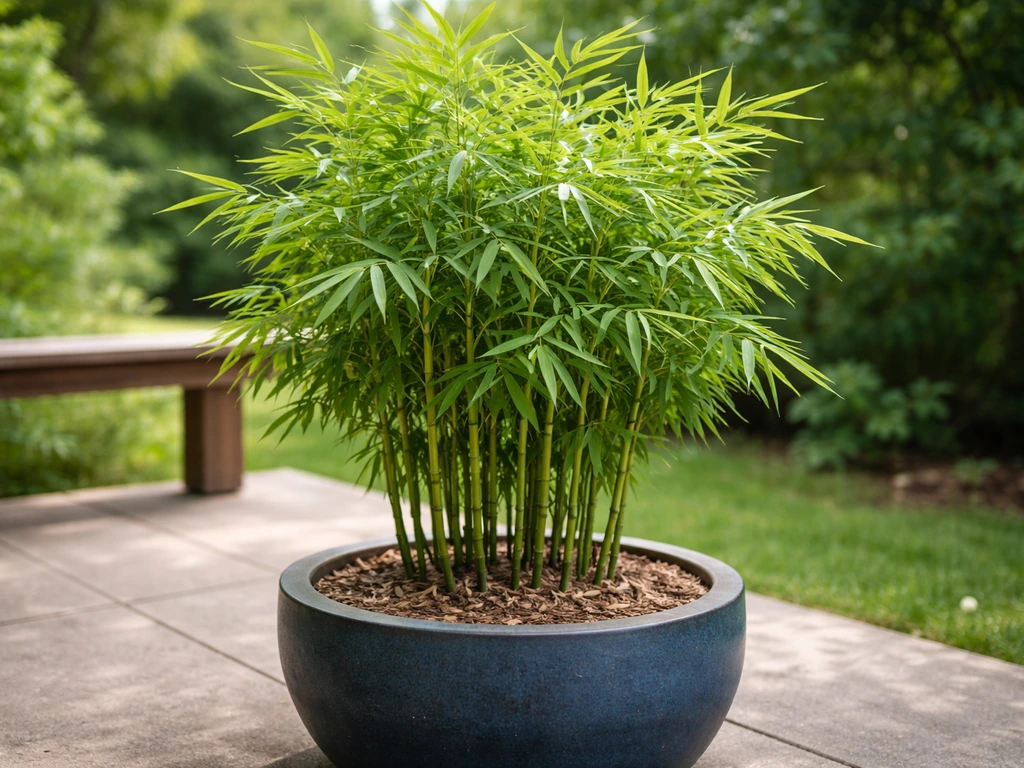
One bonus of growing clumping bamboo in a container: as the plant matures, the lower third of the culms (that's just the fancy word for the canes or stems) naturally shed their branches. If you clean those up intentionally through pruning, you get that classic "bamboo tree" look with tall, bare canes below and a leafy canopy on top. It's a great look on a patio or deck.
If you're planning to grow indoors, or specifically want privacy screening from a container, or are curious about lucky bamboo (which is actually a different plant entirely, not a true bamboo), those topics deserve their own deep dives and have some different care considerations. If you're using bamboo in containers specifically to block sight lines, the key is choosing a tall clumping variety, spacing pots correctly, and placing them where privacy light hits best privacy screening from a container. If you meant lucky bamboo, treat it differently than true bamboo: it usually needs bright, indirect light and water-based or pebble-based setups rather than outdoor pot culture.
Pick the best pot, drainage, and setup
Size matters more than material when it comes to pots for bamboo. The practical minimum to start most bamboo species is about 20 gallons, which translates roughly to a container around 24 inches wide and 18 inches deep. Anything smaller and the roots will hit the walls too fast, growth will stall, and you'll be repotting constantly. A container this size also gives you two to three years of solid growth before you need to think about moving up in size or dividing the plant.
Drainage is non-negotiable. Bamboo rots quickly if the roots sit in soggy soil, and excess water is the number one cause of root rot in container bamboo. Your pot needs drainage holes, and more than one is better. Aim for at least three or four holes, each about half an inch to an inch in diameter. If you find a pot you love but it only has one small hole, drill more before you plant anything. If you use a saucer underneath (which is handy on a deck or balcony), check it after watering and empty it if water is pooling there more than an hour later.
Material-wise, wooden planters and large resin containers both work well for container bamboo. Heavy ceramic and concrete pots look beautiful but make repotting a serious workout. Terracotta is fine but dries out quickly, which means more frequent watering. Whatever you choose, make sure the pot is stable, because a mature bamboo in a big container can catch the wind and tip over.
Soil and fertilizer for potted bamboo
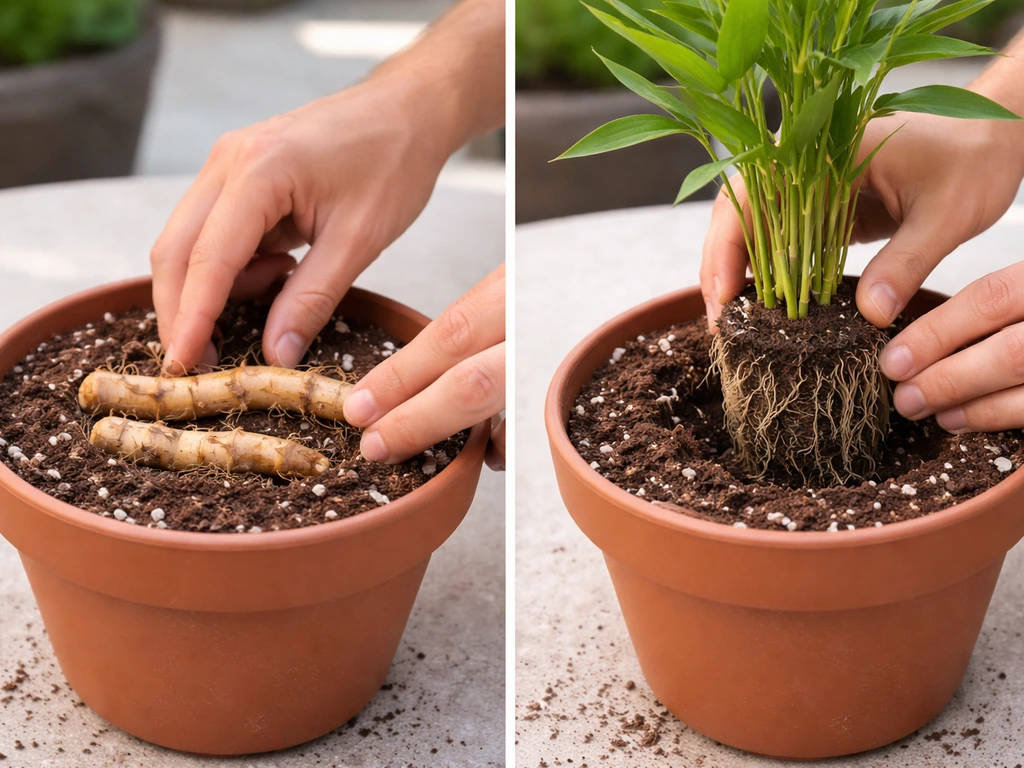
For soil, skip garden soil entirely. It compacts in containers, drains poorly, and will stress your bamboo. You want a quality potting mix: light and loosely textured, nutrient-rich, and one that stays moist without becoming waterlogged. A standard premium potting mix is a good base. You can improve drainage and aeration by mixing in about 20 to 25 percent perlite. This is especially worthwhile if your climate is wet or you tend to overwater (most of us do at some point).
For fertilizer, a balanced slow-release granular fertilizer works best for container bamboo. A formula like 14-14-14 (equal parts nitrogen, phosphorus, and potassium) is a solid go-to. Apply it at the start of spring when new growth is pushing, and again in midsummer if the plant looks like it needs a boost. One important caution: don't overdo nitrogen. High nitrogen in the leaves encourages aphid populations, which is a headache you don't need. WSU Hortsense notes that aphids are common on bamboo and that high nitrogen in foliage encourages aphid reproduction High nitrogen in the leaves encourages aphid populations. Follow the label rate or go slightly under, especially for a young plant in its first year.
Planting steps: rhizomes vs starter plants
Most home gardeners will start with a potted starter plant from a nursery, not bare rhizomes. If that's you, the process is straightforward. Here's the step-by-step:
- Fill your container about one-third full with your prepared potting mix.
- Remove the bamboo from its nursery pot gently, and loosen the root ball slightly if it's tightly compacted.
- Place the plant in the center of the new container so the top of the root ball sits about 1 to 2 inches below the rim of the pot (this leaves room for watering).
- Fill in around the root ball with potting mix, pressing lightly to eliminate air pockets.
- Water thoroughly until water runs freely from the drainage holes.
- Place the pot in its final location before it gets too heavy to move.
If you're planting from a rhizome division, the process is similar but with one extra step: lay the rhizome sections horizontally in the pot, just a few inches below the soil surface. Clumping bamboo rhizomes don't travel far, so you don't need to worry much about placement precision. Cover them, water well, and be patient. Rhizome divisions can take several weeks to show visible new growth, so don't panic if nothing seems to be happening above ground at first.
Watering schedule and humidity care
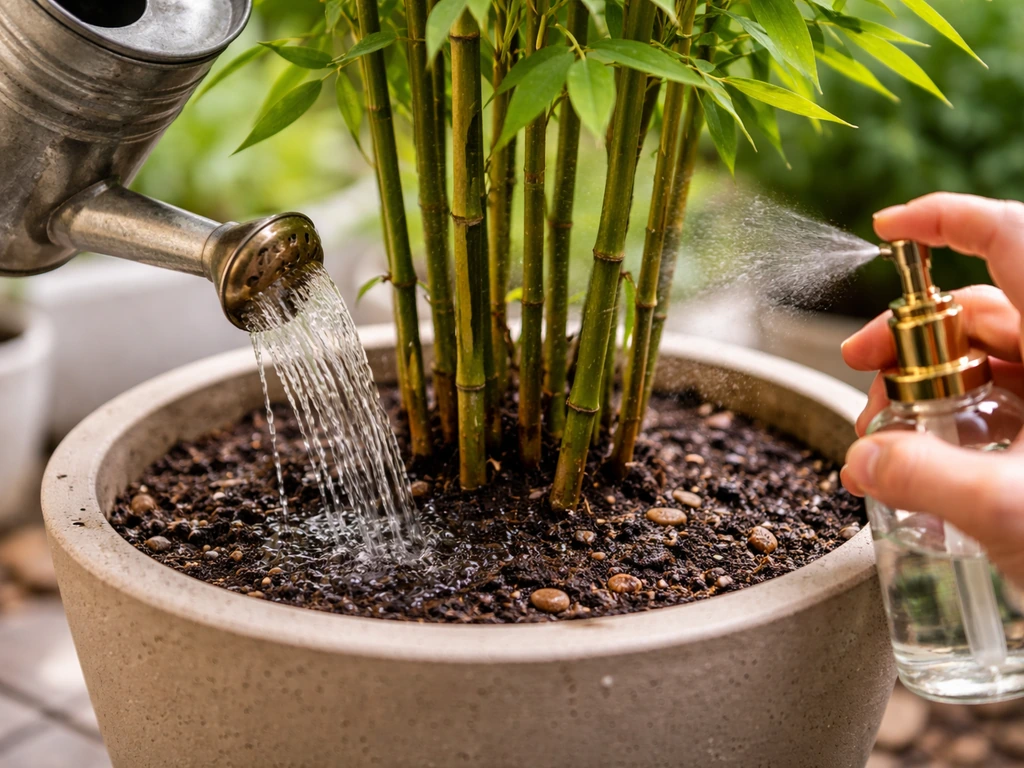
Container bamboo dries out much faster than in-ground bamboo, so consistent watering is one of the most critical parts of keeping it alive and thriving. The general principle: water deeply, then let the soil dry out slightly before watering again. You're not aiming for wet soil or bone-dry soil. Somewhere in the middle, leaning toward the moist side, is the sweet spot.
In practical terms, during summer in normal weather, most container bamboos need watering two to three times per week. In extreme heat, that can go up to daily. In cooler weather or a shadier spot, you might only need to water once or twice a week. The best way to know when it's time is to push your finger about 4 inches into the soil. If it's dry at that depth, water now. In summer, especially if the pot is in full sun, you may need to check every two to three days. Lack of water during hot or windy weather is one of the leading causes of new bamboo plants failing, so don't let this one slip.
For a bamboo you've just moved or recently transplanted, misting the foliage once a day for the first two to four weeks really helps. Bamboo loses moisture through its leaves, and while the roots are still settling in, that overhead misting reduces stress and gives the plant a better chance to establish. This is especially helpful in hot, dry, or windy conditions.
Light, temperature, and outdoor vs indoor placement
Most clumping bamboos prefer full sun to partial shade outdoors. Aim for at least four to six hours of direct sunlight daily for best growth. If your patio only gets partial sun, bamboo will still grow, just a bit slower and possibly a little leaner. Indoors is a different story: true bamboos (not lucky bamboo) are challenging to keep healthy indoors long-term because they need more light than most homes can provide. If you’re still figuring out how to grow bamboo in a pot indoors, focus on light, consistent watering, and protecting the roots from temperature swings growing bamboo inside. If you're set on growing bamboo inside, place it directly in front of your brightest window, ideally south-facing. Indoor-specific container bamboo is a topic worth researching on its own.
Temperature is where container bamboo has a real vulnerability compared to in-ground plants. Pots don't insulate roots from cold the way the ground does. A bamboo that would survive just fine in-ground in your zone can get root damage or die in a container during a hard freeze, because the roots are surrounded by a relatively small volume of soil that chills quickly. This is especially true for bamboo in its first one to three years, when it's most vulnerable. If you're in a climate with frost, plan to move your container into a sheltered spot (an unheated garage, shed, or covered porch) once temperatures start dropping below freezing. Wrap the pot with burlap or bubble wrap if you can't move it. Fargesia rufa handles cold better than many bamboos, which is one reason it's a smart choice for gardeners in cooler climates.
Ongoing maintenance: pruning, thinning, and pot-bound roots
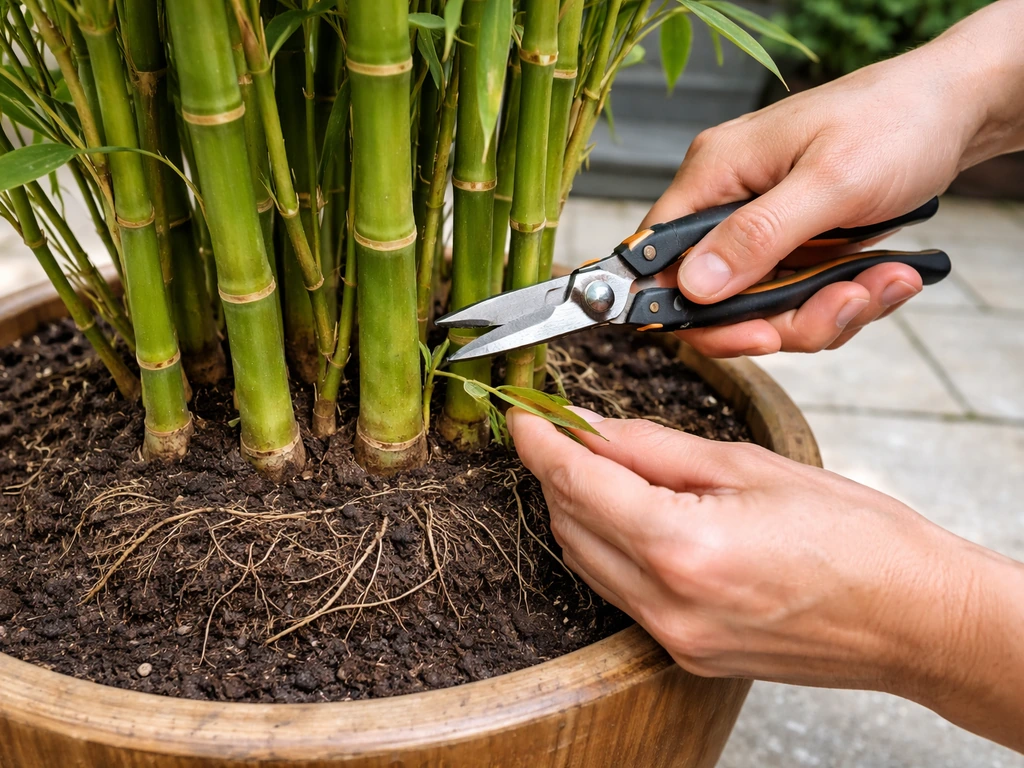
Container bamboo is lower maintenance than a lot of plants, but it does need some regular attention to stay looking its best and to avoid becoming root-bound.
Pruning is mostly about keeping the plant looking the way you want it. Remove dead or yellowing culms at the base with clean pruners at any time of year. If you want that "bamboo tree" aesthetic with clear canes at the bottom, remove the lower branches from the culms in late winter or early spring. This is also a good time to remove any thin or weak canes that crowd the center of the plant. Thinning out older culms every year or two encourages the plant to put energy into strong new growth.
Root management is the bigger long-term task. When bamboo roots fill a container completely, the plant slows down and eventually stalls. You'll notice this when growth seems sluggish even though you're doing everything right, or when water runs straight through the pot very fast instead of soaking in. At that point, you have two options: divide the plant and repot each division into a fresh container with new soil, or move the whole plant up to a larger pot. Dividing is more work but keeps the plant manageable. Repotting up is easier if you have the space. Plan on doing one or the other roughly every two to three years for a healthy, fast-growing clumping bamboo.
How to prevent spread, handle pests and diseases, and troubleshoot problems
Stopping the spread
If you've chosen a clumping bamboo, spread is not a big concern. Clumpers expand slowly and stay contained fairly naturally. Just keep an eye out for new shoots at the edges of the container and remove any that are heading somewhere you don't want them.
If you've already planted a running bamboo in a container (or inherited one), the only real way to prevent escape is a physical rhizome barrier. This means a thick, high-density polyethylene liner installed around the root zone to stop horizontal rhizome travel. Even with a barrier, check the drainage holes regularly, because rhizomes are surprisingly good at finding an exit. To be honest, if you're starting fresh, just choose a clumping species and save yourself the ongoing management.
Common pests
Container bamboo is relatively pest-resistant, but three insects show up regularly. Aphids are small, soft-bodied insects that cluster on new growth. They're more of a problem when you've over-fertilized with nitrogen. A strong spray of water knocks them off, and insecticidal soap handles heavier infestations. Bamboo scale insects look like tiny brown bumps on the culms and leaves. They sap plant energy and leave a sticky residue. Treat with horticultural oil or neem oil. Spider mites are the sneaky one: they cause a distinctive yellow-patchy, stippled damage pattern on leaves. You might not see the mites themselves (they're tiny), but you'll see the damage. Increase humidity around the plant and treat with miticide or neem if it's a serious outbreak.
Disease and drainage problems
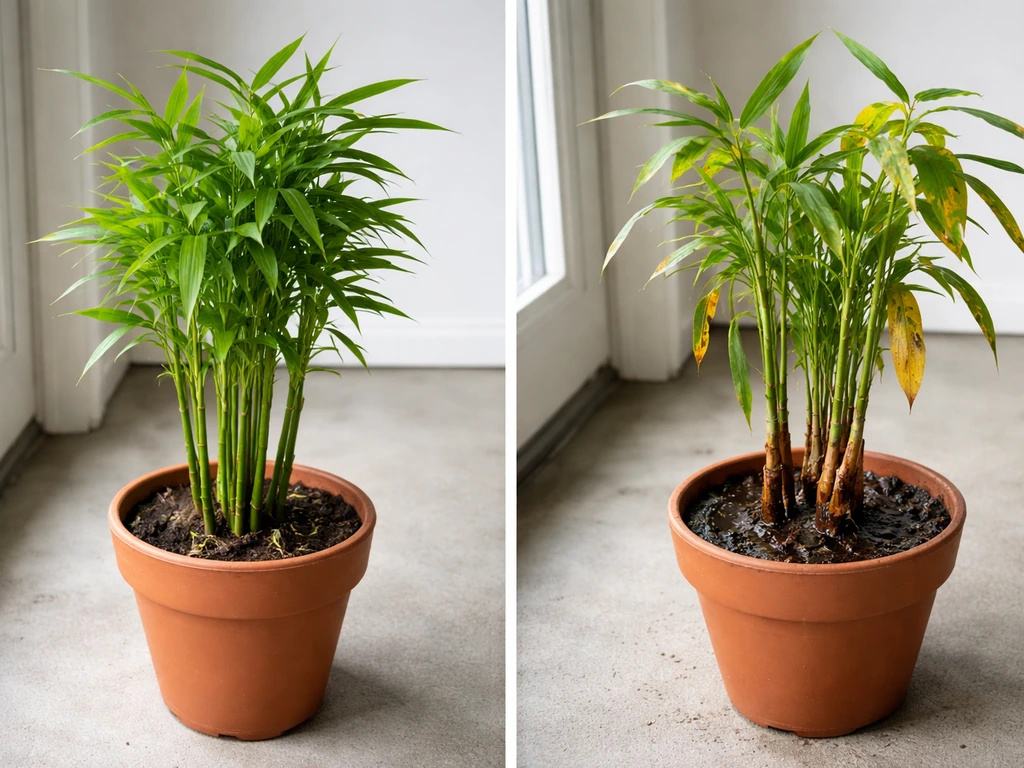
Most disease issues in container bamboo come back to one cause: poor drainage. Leaf spots, stem rot, and root decay are all typically triggered by soggy conditions or overcrowded roots. If you see brown or black mushy areas at the base of canes, that's usually root rot from overwatering or a pot sitting in standing water. Remove the affected canes, let the soil dry out more between waterings, and make sure your drainage holes aren't blocked. Fungus gnats (the annoying little flies that hover around your pot) are another sign of consistently wet soil. Let the top layer of soil dry out more between waterings and they'll usually go away on their own.
Troubleshooting common problems
| Symptom | Likely cause | What to do |
|---|---|---|
| Yellowing leaves | Overwatering, poor drainage, or nutrient deficiency | Check drainage holes, let soil dry out more, or apply balanced fertilizer |
| Leaf curl or rolling | Underwatering or low humidity (especially in heat) | Water immediately, mist foliage, move out of direct midday sun |
| Leaf drop (lots of it) | Transplant stress, temperature shock, or severe underwatering | Increase watering frequency, shelter from temperature extremes, be patient |
| Stunted or no new growth | Root-bound pot, low nutrients, or low light | Check if roots are circling the container; repot or divide, fertilize |
| Mold on soil surface | Overwatering and poor air circulation | Reduce watering, improve drainage, remove mold layer and replace top inch of soil |
| Brown leaf tips | Dry air, underwatering, or fluoride/salt buildup in soil | Flush soil with water thoroughly, increase humidity, use filtered water if possible |
The most reassuring thing I can tell you is that bamboo is a resilient plant. If you get the variety right (clumping), the pot right (big enough, excellent drainage), and the watering consistent, most of the common problems just don't show up. And if something does go wrong, it's almost always fixable once you identify the cause. Start with a Fargesia rufa or a Bambusa multiplex, a 20-plus gallon container, good potting mix, and a watering routine, and you'll be in great shape from day one.
FAQ
Can I grow bamboo in a pot smaller than 20 gallons and still have success?
You can start smaller, but plan on faster root binding and more frequent repotting. If you go under about 20 gallons, growth often stalls because roots hit the walls quickly, and bamboo in tight quarters is more prone to drying out or staying too wet, both of which stress the plant.
How can I tell if my container bamboo is getting too much water versus too little?
Check the soil depth, not just the surface. If the top is dry but the lower few inches stay wet, you are likely overwatering or the mix is holding too much moisture. Mushy black or brown bases and fungus gnats also point to excess water. If the pot is lightweight, the mix is dry all the way down (around 4 inches), and leaves look dull or crispy, it is usually underwatering.
Do I need a specific potting mix, or will any potting soil work?
Use a quality container potting mix, not garden soil, because garden soil compacts and drains poorly in containers. If you commonly overwater or live in a wet climate, add perlite (about 20 to 25 percent) to improve aeration and reduce root-rot risk.
What is the right fertilizer schedule for container bamboo if I want to avoid pests?
Apply a balanced slow-release fertilizer in spring when new growth begins, then again mid-summer only if the plant is actively growing and shows nutrient need. Avoid high-nitrogen feeding because it can increase aphids on tender new shoots. When in doubt, use a slightly lower rate than the label, especially during the first year.
Should I prune my bamboo right after planting in a pot?
Avoid heavy pruning immediately after transplanting. Focus first on establishing the roots with consistent watering and light. If you need to prune, remove clearly dead or yellow culms, and postpone shaping or thinning until the plant shows stable new growth.
How do I get the classic “bamboo tree” look if my culms don’t naturally shed lower branches?
Timing and variety matter, clumping bamboos usually develop that look as they mature and shed lower culms. For faster shaping, remove lower branches in late winter or early spring with clean pruners, but do it gradually so you are not stripping too much foliage from a freshly established plant.
What should I do when my bamboo becomes root-bound in its container?
Watch for slow growth, water running straight through, or soil staying wet on the surface without soaking properly. When that happens, either divide the clump into smaller sections and repot with fresh mix, or move to a larger container. Dividing is more work but keeps the plant size manageable, repotting up is easier if you have the space.
Is it safe to grow bamboo on a patio with a saucer under the pot?
A saucer can work, but you must empty it after watering if water pools there longer than about an hour. Long pooling keeps the root zone soggy and can trigger rot or fungus gnats. If you cannot reliably check and empty it, skip the saucer.
How should I protect my pot bamboo from freezing temperatures?
In frost-prone areas, container roots can be damaged even when the same bamboo would survive in the ground. Move the pot to a sheltered spot such as a covered porch, shed, or unheated garage once temperatures drop below freezing. If you cannot move it, insulate the container by wrapping with burlap or bubble wrap and keep the soil from repeatedly thawing and refreezing.
Can I bring container bamboo indoors for the winter?
It can be done, but indoor light is often the limiting factor. If you move it indoors, place it directly in front of the brightest window you have, ideally a south-facing one, and keep watering consistent without letting the pot stay wet. Expect slower growth indoors, and consider spring acclimation outdoors to avoid shock.
My bamboo looks droopy after repotting. Is it dying or just stressed?
Droop is common right after transplanting because roots are adjusting. Help it recover by misting foliage daily for the first couple of weeks in hot or dry weather, and keep the soil evenly moist (not soggy) as it settles. If droop is paired with mushy bases or a strong sour smell from the soil, stop and correct drainage immediately.
What is the difference between true bamboo and lucky bamboo in a pot?
Lucky bamboo is not a true bamboo, it typically performs best with bright, indirect light and a water-based or pebble-based setup. Treating lucky bamboo like outdoor container bamboo, especially using outdoor soil and frequent direct sun, often leads to decline.
Do I need to worry about bamboo spreading if I choose clumping bamboo?
Clumping bamboo is much more contained than running bamboo, but it is not entirely impossible for new shoots to emerge at the container edges. Check the perimeter periodically and remove any shoots heading where you do not want them, especially if the pot is lifted and the soil is disturbed.
If I already have running bamboo in a container, is there any way to stop it escaping?
Yes, but it requires ongoing physical control. Use a thick rhizome barrier liner installed around the root zone to block horizontal rhizome travel, and still check drainage holes regularly because rhizomes can find exits. Practically, clumping varieties are far easier for long-term container growing.
How do I treat the most common pests on container bamboo?
For aphids, a strong water spray can knock them off, and insecticidal soap works for heavier outbreaks. For scale, use horticultural oil or neem. For spider mites, the key is catching the early stippled yellow damage, increasing humidity, and treating with miticide or neem if the infestation is significant.
What diseases are most likely in container bamboo and how do I prevent them?
Most issues trace back to drainage and root crowding. Ensure your pot has adequate holes and that water does not pool in a saucer. If you notice mushy, dark bases, remove affected culms, let the soil dry more between waterings, and confirm the drainage holes are not blocked.