Yes, you can absolutely grow sitaw in pots, and it produces surprisingly well in containers as long as you give it a big enough pot, full sun, and something tall to climb. Once you know how to grow sitaw in pots, the same container basics can help you grow labanos in pots too Sitaw (yardlong beans). Sitaw (yardlong beans) is a fast-growing, warm-weather vine that will reward you with long, tender pods in as little as 7 weeks from planting if you get the basics right. Here is exactly how to do it, from choosing your pot to picking your first harvest.
How to Grow Sitaw in Pots: Beginner Container Guide

Marcus Whitley
29 Apr 2026
Choosing the right sitaw variety and pot size
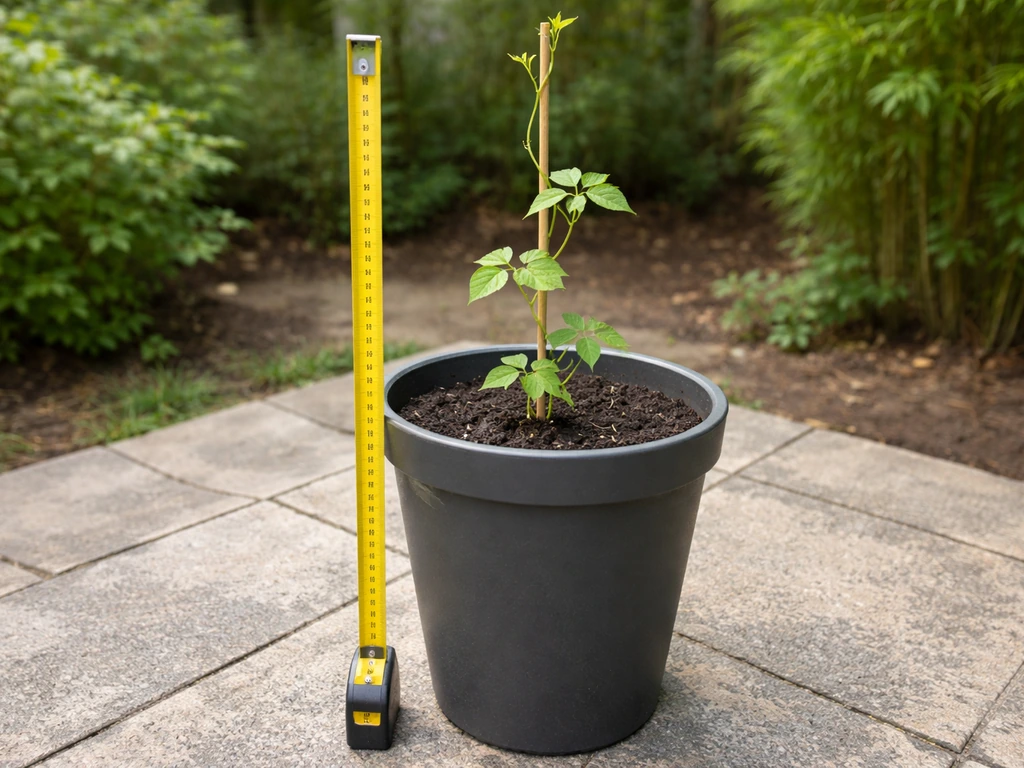
Most sitaw sold in the Philippines and in Asian seed shops is the climbing type (Vigna unguiculata subsp. sesquipedalis), and that is the one you want for pots because it is the most productive. Look for varieties labeled 'sitaw pula' (red-podded), 'sitaw puti' (white or pale green pods), or simply 'yardlong bean.' All of them grow well in containers. If you want a slightly more compact option, some seed packs are labeled as 'bush sitaw' or 'dwarf sitaw,' which do not climb as aggressively and work well in smaller pots or balconies with limited vertical space.
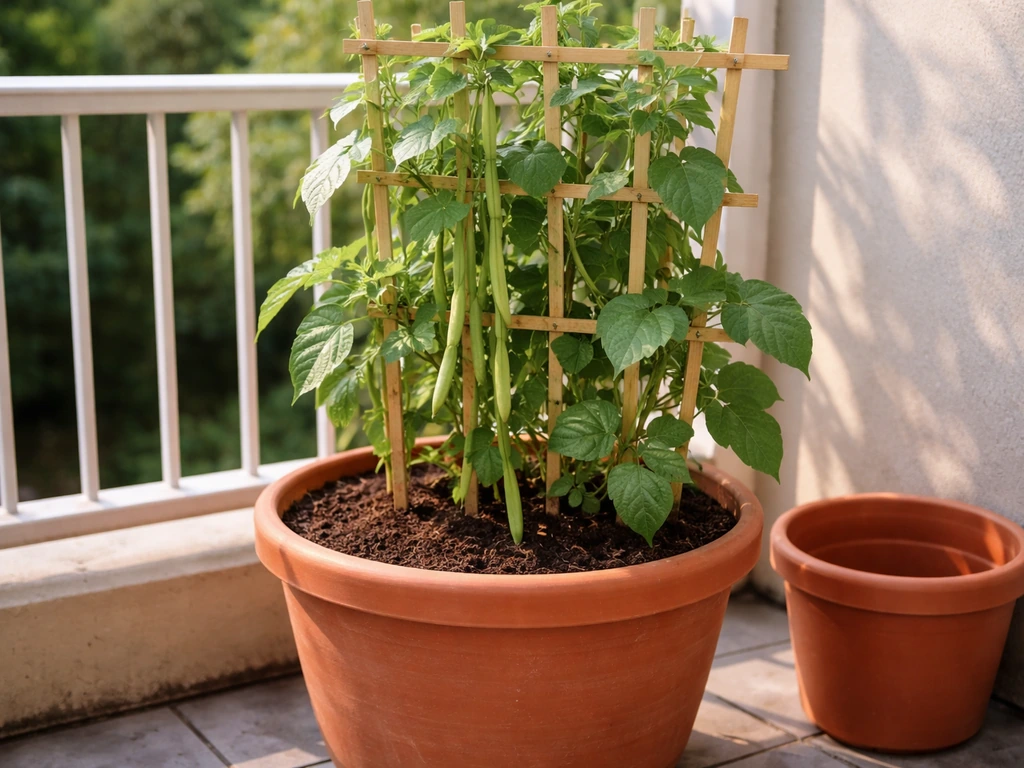
Pot size is where a lot of people go wrong. Sitaw has a deep, vigorous root system and the vines get heavy once they start climbing and producing. Use a pot that is at least 12 inches (30 cm) wide and 12 inches (30 cm) deep per plant. For a small trellis setup, a 15 to 20-liter container is ideal and lets you plant 2 to 3 seeds (thinned to 2 plants) without crowding.
Fabric grow bags in the 15- to 20-liter range work very well because they drain fast and air-prune the roots, which prevents the waterlogging that sitaw hates. If you are working with whatever containers you have at home, large recycled plastic drums, deep crates lined with plastic, or even big rice sacks all work fine.
Potting mix and fertilizer setup
Do not use garden soil straight from the ground in your pot. It compacts, drains poorly, and often brings pests and disease. Instead, build a simple potting mix using 2 parts garden soil or loam, 1 part compost or well-aged manure, and 1 part coarse sand or rice hull (ipa). This gives you a light, well-draining mix that still holds enough moisture and nutrients for the plant's fast growth. If you can get commercial potting mix, blend it 50/50 with compost for the best results.
Sitaw is a legume, which means it can fix nitrogen from the air through its roots, so it does not need as much nitrogen fertilizer as other vegetables. Overfeed it with nitrogen and you will get lots of beautiful leaves but very few pods. Here is a simple fertilizing schedule that works well in containers:
- At planting: Mix a handful of complete fertilizer (like 14-14-14) or a generous amount of compost into the potting mix before filling the pot.
- Weeks 2 to 3: Apply a diluted liquid fertilizer (like fish emulsion or any 10-30-10 flower and fruit formula) once a week to support early root and vine development.
- Weeks 4 to 6 (pre-flowering): Switch to a low-nitrogen, high-phosphorus and potassium feed (look for formulas with higher second and third numbers, like 5-30-20). This encourages flowering and pod set rather than leaf growth.
- Once pods appear: Feed lightly every 10 to 14 days with the same bloom formula to keep the plant productive through the harvest period.
One thing I have learned the hard way: always water your container before fertilizing. Adding fertilizer to dry soil can burn the roots and stress the plant at the worst possible time.
Planting sitaw in containers: seeds vs. seedlings
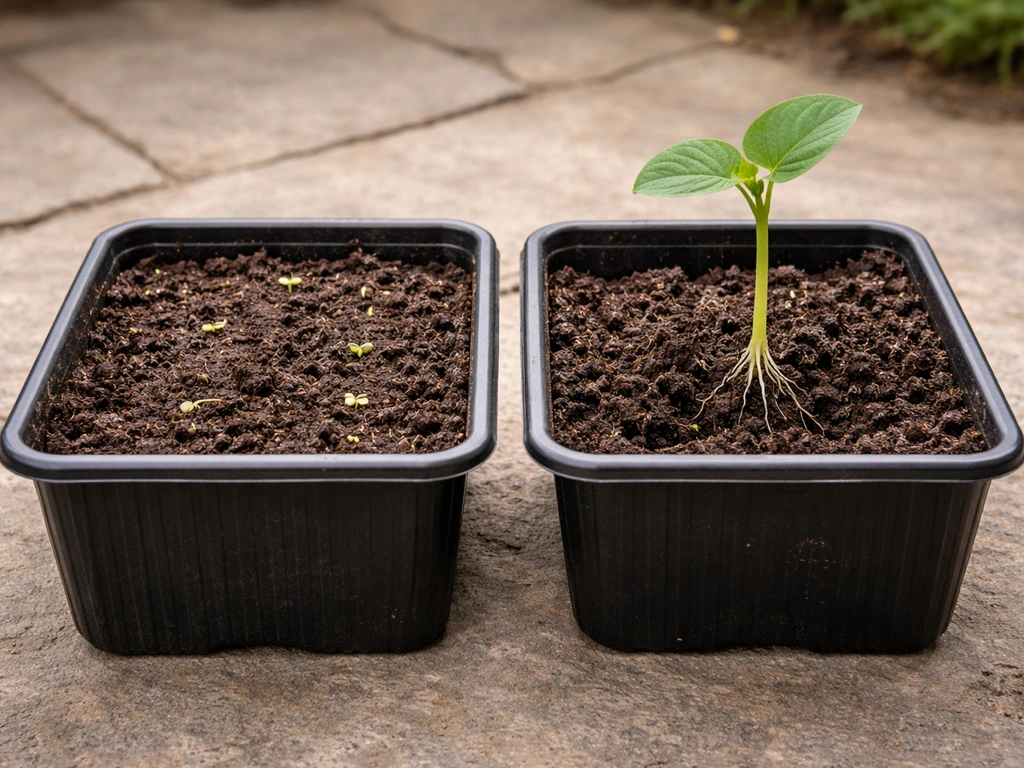
Sitaw is best grown directly from seed. Unlike some vegetables, it does not transplant well because the roots are sensitive and transplant shock can significantly delay growth or kill young plants. Sowing seeds directly into your final container is the easiest and most reliable approach.
Here is how to plant sitaw seeds in a pot. Fill your container to about 1 inch below the rim. Poke holes about 1 inch (2. 5 cm) deep, spacing them at least 4 to 6 inches apart.
Drop 1 to 2 seeds per hole, cover lightly with soil, and water gently. Direct sow yardlong bean seeds after frost danger has passed, sow about 1 to 2 inches deep, and space seeds around 4 to 6 inches apart [Poke holes about 1 inch (2. 5 cm) deep, spacing them at least 4 to 6 inches apart. ](https://nicholsgardennursery.
com/products/red-noodle-yard-long-asparagus-bean). In warm weather (25 to 35°C), sitaw seeds germinate in 4 to 7 days. Once seedlings emerge and reach about 3 to 4 inches tall, thin to the strongest 1 to 2 plants per pot by snipping the weaker seedlings at soil level with scissors. Do not pull them out, as this disturbs the roots of the seedling you want to keep.
If you already have seedlings (from a nursery or a neighbor), transplant them only when they are very young, ideally under 2 weeks old, and handle the roots as gently as possible. Water immediately after transplanting and give them some shade for the first 2 to 3 days to reduce transplant stress. Most of the time, though, just start from seed. It is faster, cheaper, and more reliable.
Light, watering, and temperature needs
Sitaw needs full sun, meaning at least 6 to 8 hours of direct sunlight per day. This is the single most important factor. A pot placed in partial shade will give you a leafy plant that barely flowers. If you are growing on a balcony or rooftop, find the sunniest spot you have and put your sitaw there. The ideal temperature range for sitaw is 77 to 95°F (25 to 35°C), which makes it perfectly suited to the Philippine climate and similar tropical or subtropical environments. It will slow down noticeably if temperatures drop below 20°C, so avoid planting during the coolest months if you are in a cooler highland area.
Watering is where container gardening gets tricky. Pots dry out much faster than garden beds, and sitaw is sensitive to both drought and waterlogging. A good rule of thumb: water when the top inch of soil feels dry to the touch. In hot, sunny weather, this might mean watering once a day, especially for smaller pots.
In cooler or cloudier weather, every other day may be enough. Always water deeply (until water runs out the drainage holes) rather than just wetting the surface. Make sure your pot has drainage holes. If water sits at the bottom of the pot, the roots will rot and the plant will look wilted even when the soil is wet, which is confusing until you know what to look for.
Trellising, training, and spacing in pots
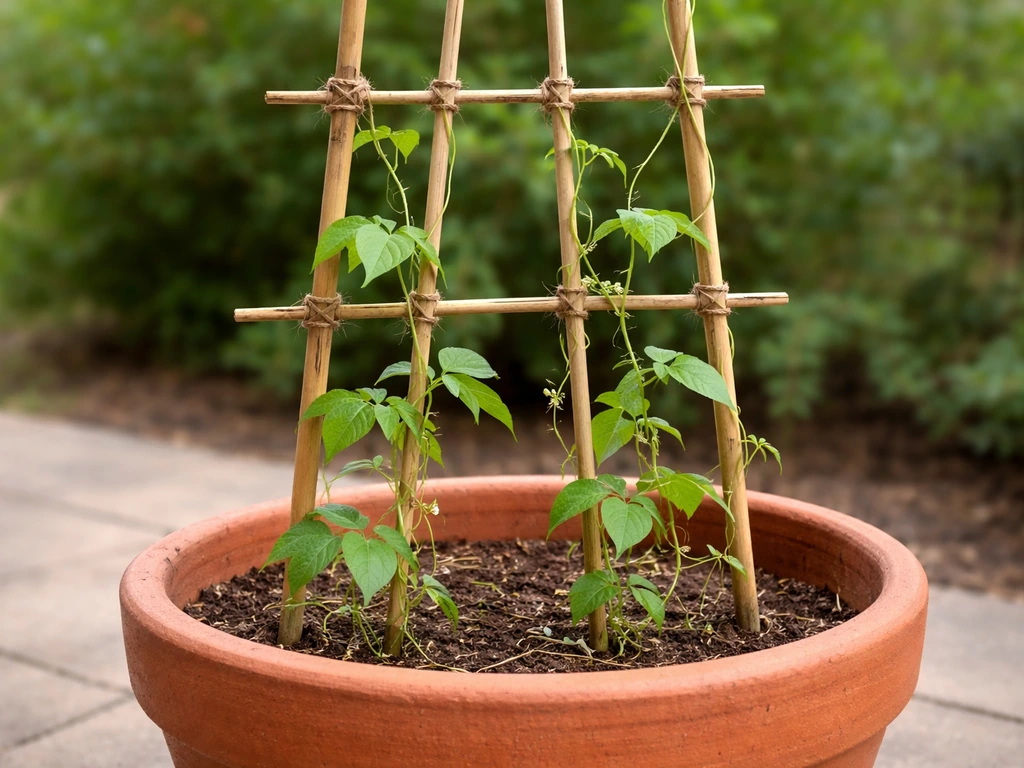
This step is non-negotiable for climbing sitaw. Without a trellis, your vines will sprawl everywhere, get tangled, and produce far fewer pods. Set up your support structure before or at the same time as planting so you do not disturb the roots later.
Sitaw vines can grow 8 to 10 feet (2.5 to 3 meters) long, so you need a trellis that is at least 6 to 7 feet (about 1.8 to 2 meters) tall. For a single pot, a simple A-frame made from bamboo sticks works perfectly. Push two or three bamboo poles into the pot soil at an angle so they meet at the top, and tie them together with twine. You can also use a single vertical stake or a lightweight metal trellis panel leaned against a wall. For a balcony setup, tying string or wire between two fixed points above the pot and letting vines climb the strings is a space-efficient solution.
Once the vines reach about 6 inches tall, gently guide the growing tip toward the trellis. Sitaw tendrils will grip and climb on their own from that point, but you may need to loosely tie the main stem to the support with soft twine every week or so to keep it growing in the direction you want. For multiple pots, space them at least 12 to 18 inches apart so the plants get enough airflow, which also reduces the risk of fungal disease.
Ongoing care: pest and disease control, and pruning
Container-grown sitaw is generally easier to manage for pests than garden beds, but a few common problems do show up. The most frequent are aphids (small clusters of soft insects on new growth), pod borers (small caterpillars that tunnel into the pods), and white flies. For aphids and whiteflies, a spray of diluted dish soap and water (about 1 teaspoon of soap per liter of water) applied in the early morning is effective and safe.
For additional whitefly control options, Mississippi State University Extension recommends considering systemic and foliar insecticide approaches For aphids and whiteflies, a spray of diluted dish soap and water (about 1 teaspoon of soap per liter of water) applied in the early morning is effective and safe. .
For pod borers, inspect pods regularly and remove affected ones immediately. Neem oil spray (diluted as per the product instructions) works well as a preventive measure and can be applied once a week once the plant starts flowering.
The most common disease in container sitaw is powdery mildew (a white powdery coating on leaves) and root rot (which causes sudden wilting). Powdery mildew is usually a sign of poor airflow or overhead watering. Fix this by spacing pots properly, watering at the base of the plant rather than the leaves, and removing badly affected leaves. Root rot almost always traces back to poor drainage, so if you see it, check that your drainage holes are not blocked. Baking soda spray (1 teaspoon per liter of water) can help slow powdery mildew if caught early.
Pruning sitaw in pots is simple but useful. Once the main vine reaches the top of your trellis, pinch off the growing tip. This encourages the plant to put more energy into side shoots and pods rather than continuing to grow taller. Remove any yellowing or dead leaves regularly to keep the plant tidy and reduce disease pressure. If a vine is getting extremely tangled or crossing into neighboring pots, trim it back to a manageable side branch.
Harvesting sitaw from containers and troubleshooting common problems
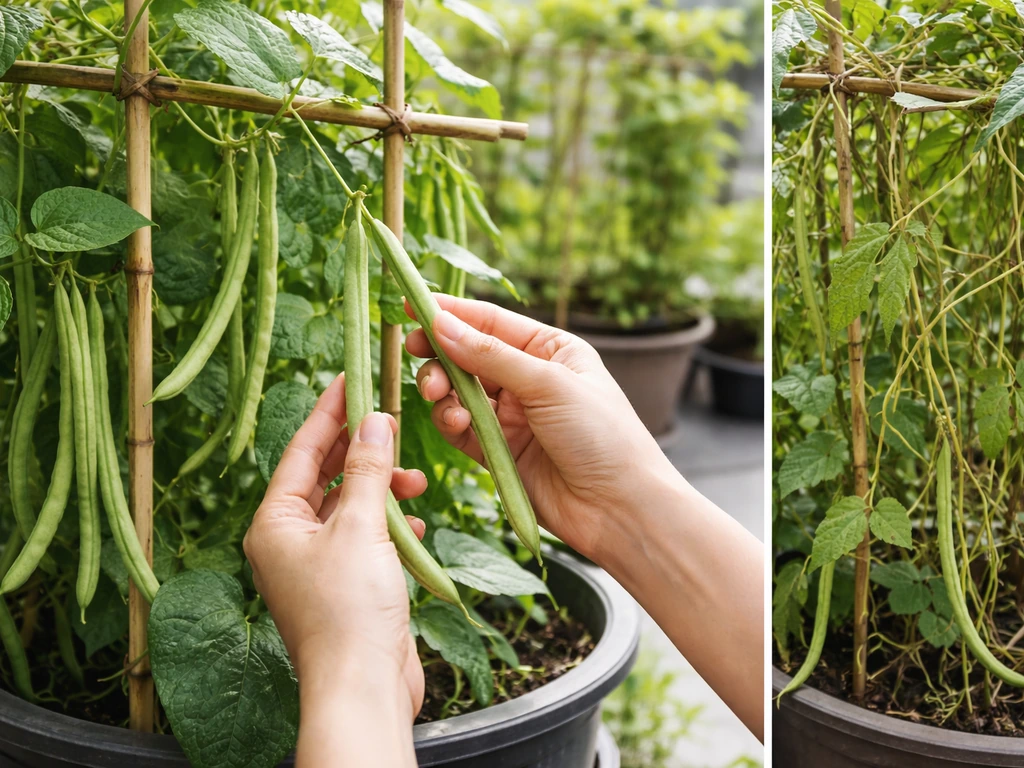
Sitaw generally starts flowering about 5 weeks after planting, and pods are ready to pick about 2 weeks after flowering, so you can expect your first harvest around 7 weeks from sowing. Pods are ready when they are long (about 30 to 45 cm), firm, and still tender. Do not wait until they look fat or lumpy, because that means the seeds inside have developed and the pods become tough and stringy. Pick pods every 2 to 3 days once they start coming in. This is important: regular picking signals the plant to keep producing. If you leave pods too long, the plant stops flowering and production drops significantly.
To harvest, hold the vine steady with one hand and snap or cut the pod off with the other. Pulling hard can damage the vine or even uproot the plant in a smaller pot. A container-grown sitaw plant kept in good condition can continue producing for 6 to 10 weeks once harvest starts.
Troubleshooting the most common sitaw problems in pots
| Problem | Likely Cause | What to Do |
|---|---|---|
| Seeds not germinating after 10 days | Old seeds, soil too wet, or temperature too low | Use fresh seeds, improve drainage, and move pot to a warmer spot |
| Slow or leggy growth | Not enough sunlight | Move the pot to a location with 6 to 8 hours of direct sun |
| Flowers dropping without forming pods | Daytime temps above 35°C, water stress, or low phosphorus | Water more consistently, shade during peak afternoon heat, and switch to a bloom fertilizer |
| Yellow leaves | Overwatering, nutrient deficiency, or root rot | Check drainage first, then apply diluted balanced fertilizer if soil is draining well |
| Wilting despite wet soil | Root rot from waterlogging | Improve drainage, check for blocked holes, reduce watering frequency |
| Pods short or thin | Underwatering or low potassium | Water more consistently and feed with a potassium-rich fertilizer |
| White powder on leaves | Powdery mildew | Improve airflow, water at the base, and spray diluted baking soda solution |
If your plant is struggling and you cannot immediately figure out why, the first thing to check is always sunlight and watering. About 80 percent of container sitaw problems come down to one of those two. Move the pot somewhere sunnier, fix your watering routine, and give the plant a week before assuming something else is wrong.
Once you are comfortable growing sitaw in pots, it is worth trying other Filipino vegetables in containers alongside it. If you are learning how to grow sorrel in a pot next, you can use the same container-gardening routine as you scale up from sitaw try other Filipino vegetables in containers. Siling labuyo, saluyot, and patola (potol) are all well-suited to container gardens and pair naturally with sitaw in a small-space setup.
If you want to add more greens, learn how to grow saluyot in pot as well, since it follows similar container-care basics. If you want a spicy second crop, you can also learn how to grow siling labuyo in pots and give it similar container care. Each one has its own quirks, but the core skills you build growing sitaw, getting drainage right, managing sunlight, and setting up supports, carry over well to the rest of your container garden.
FAQ
What pot size should I choose if I only want one plant, but I’m using recycled containers of different shapes?
Go by both width and depth, aim for about 30 cm (12 in) deep as well as wide per plant. A narrow but very tall container usually underperforms because roots spread out and dry unevenly. If your container is only 20 to 25 cm wide, plan for just one plant and consider using a fabric grow bag or drilling extra drainage holes to prevent waterlogging.
Can I grow sitaw in a pot indoors or in a shaded porch if I use a grow light?
Sitaw needs the equivalent of at least 6 to 8 hours of strong direct sun. If you use grow lights, you must give long, consistent light hours and keep the light close enough for real leaf growth. Without strong light, you will get lots of vines and leaves but delayed or weak flowering, so outdoor or balcony light is still the easiest route.
How many seeds should I sow per pot, and what if all seeds germinate?
Start with 1 to 2 seeds per hole (with holes spaced 4 to 6 inches apart) and thin after seedlings reach about 3 to 4 inches tall. If more than one seedling is healthy, keep only the strongest 1 to 2 plants per pot to avoid competition for water and trellis support. Do not leave extra plants “just to be safe,” crowded sitaw is more prone to mildew and poor pod set.
Should I fertilize sitaw if it’s already growing well and the leaves look green?
If growth is lush and you see early flowering, you can reduce feeding or hold off until pods start forming. Because sitaw is a legume, excess nitrogen pushes vegetative growth and delays pods, even if leaves look great. Use the fertilizing schedule as a guideline, then adjust by pod formation rather than by leaf color alone.
What’s the best way to water container sitaw to avoid root rot?
Water slowly until excess drains out, then empty any tray or catch basin so the pot never sits in runoff. If the potting mix stays wet for many days, increase drainage by switching to a coarser mix (more sand or rice hull) or add more holes. Wilting with wet soil is a common sign of root stress from poor drainage.
Do I need to soak sitaw seeds before planting in a pot?
Soaking is optional and not required for normal germination. In warm weather, you can sow directly and expect sprouts in about a week. If you want faster, soak briefly (for a few hours) and plant immediately, but avoid long soaking because seeds can rot if the mix is too wet.
How do I support sitaw so it doesn’t snap or tangle once pods start weighing the vines down?
Set the trellis up before the vines get long, then guide the main tip to the support once seedlings reach roughly 6 inches. Tie loosely every so often with soft twine so the vine is not constricted. As pods grow heavy, check ties weekly and add an extra string line or a second support level to prevent the vine from bowing or breaking.
When should I pinch the top, and will pinching reduce my harvest?
Pinch only after the main vine reaches the top of the trellis. This encourages side shoots to form pods closer to the support, it usually improves total picking duration in containers. If you pinch too early, you can delay flowering because the plant spends more time rebuilding vine structure.
What should I do if my sitaw flowers but no pods form?
First check whether sunlight is adequate, weak light can cause poor pod set. Next, review watering consistency, irregular drought or waterlogging can prevent successful pollination. Finally, avoid high-nitrogen feeding, and instead focus on potassium-leaning or balanced feeding once flowering begins (per your container schedule).
My pods look thin early on. Is it a watering problem or nutrient problem?
Thin, short pods most often point to inconsistent watering, especially during hot midday periods when pots dry fast. Nutrient issues usually show more clearly as slow overall vine growth or leaf color changes. Confirm that you are watering deeply until runoff, not just wetting the surface, and pick pods regularly to keep the plant in production mode.
How often should I harvest, and how do I know a pod is past its best?
Harvest every 2 to 3 days once production starts. Pick when pods are long and still tender, you want them flexible and easy to snap rather than stiff or “lumpy.” If you leave pods to mature longer, flowering slows and the plant shifts energy into seeds, which reduces future harvests.
Can I re-use potting mix after one sitaw crop?
It’s better to partially refresh rather than reuse unchanged mix. Remove roots and debris, then mix in fresh compost and replace a portion of the old soil. Reusing without refreshing can lead to nutrient imbalance and increased disease carryover, especially for powdery mildew issues.