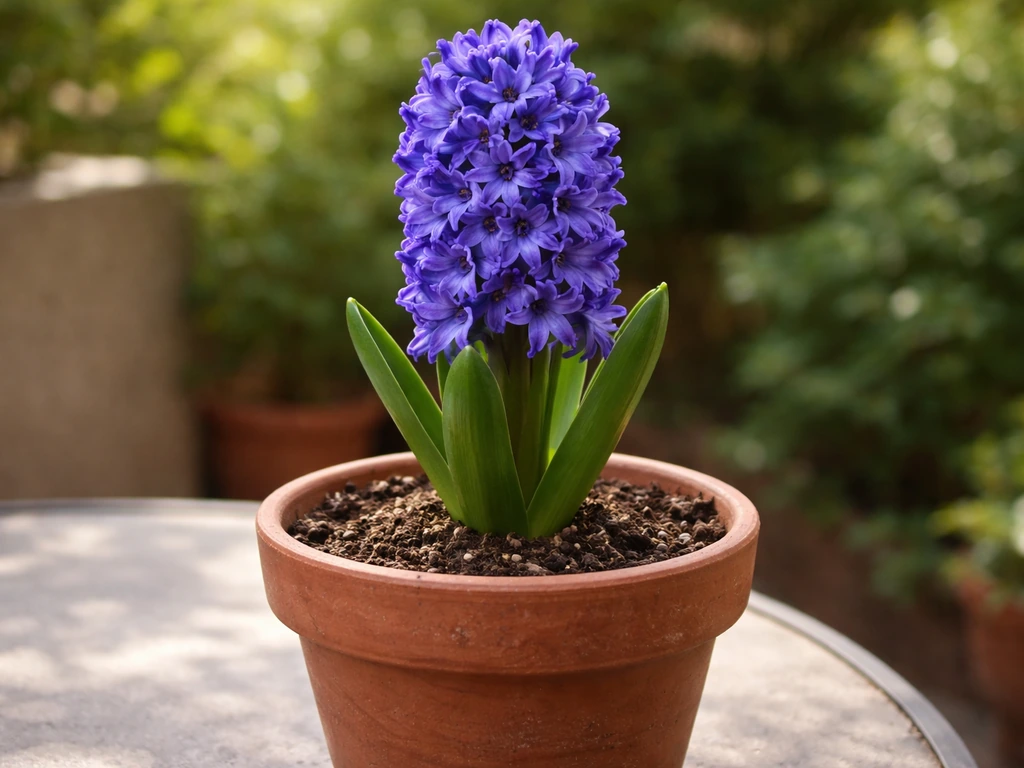
You can absolutely grow hyacinth bulbs in pots, and the process is more forgiving than most people expect. Plant your bulbs in autumn (September to November in the Northern Hemisphere), give them a cold period of at least 10 to 12 weeks, then bring them into warmth and light, and you'll have fragrant flower spikes in late winter or early spring. Indoors or out, the basic steps are the same: right bulb, right pot, right chill, and a little patience.
How to Grow Hyacinth Bulbs in Pots: Step by Step Guide
Marcus Whitley
25 Apr 2026
Choosing your hyacinth bulbs and setting up the pot
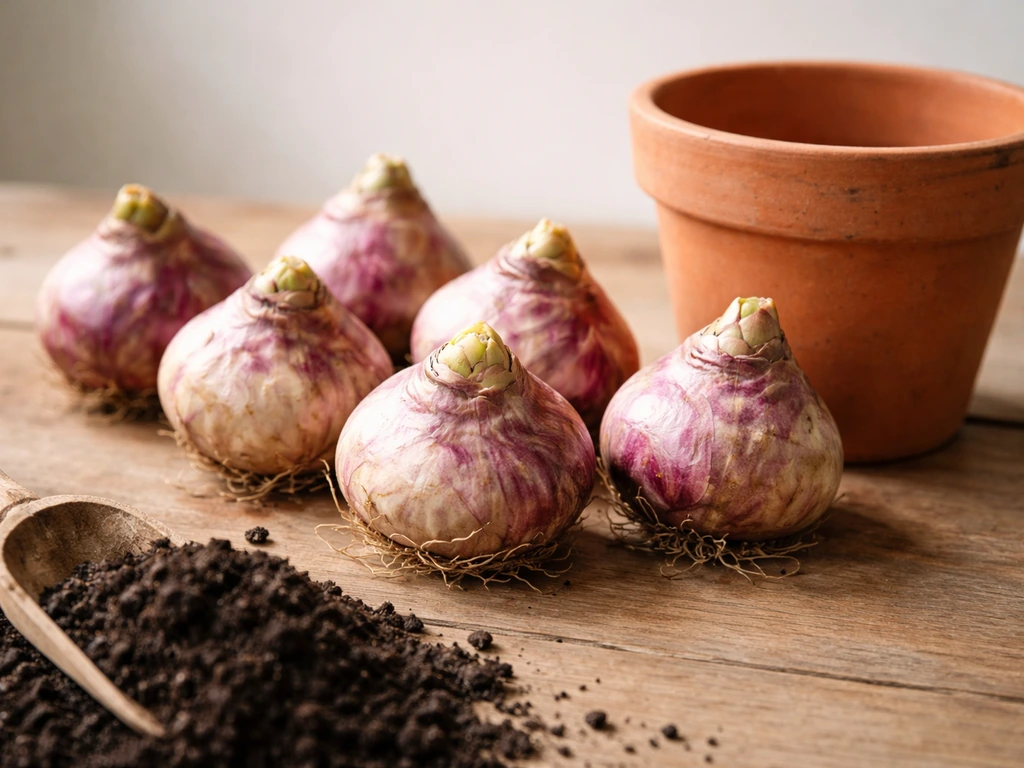
Start with the biggest, firmest bulbs you can find. Larger bulbs (often labeled 'top size' or 'exhibition grade') produce the tallest, fullest flower spikes in their first year. Avoid any that feel soft, look shriveled, or have visible mold. For pots, almost any variety works well, but classic picks like 'Delft Blue', 'Pink Pearl', 'City of Haarlem' (yellow), and 'Carnegie' (white) are reliable and widely available.
Pot size matters more than people realize. A container around 20 cm (8 in) in diameter is a practical minimum for a small grouping and is enough to fit 3 to 5 bulbs comfortably. You can go bigger if you want a denser, showier display. The single non-negotiable is drainage holes. Hyacinth bulbs will rot in standing water, full stop. If you fall in love with a pot that has no drainage hole, either drill one or use it as a decorative outer sleeve around a plain nursery pot with drainage.
- Choose firm, top-size bulbs with no soft spots or mold
- Use a pot at least 20 cm (8 in) wide to fit 3 to 5 bulbs
- Drainage holes are essential, no exceptions
- Terracotta, plastic, and glazed ceramic all work fine
- Deeper pots (at least 15 to 20 cm / 6 to 8 in deep) give roots room to establish
Indoor vs outdoor container growing: what actually changes
Growing hyacinths in pots outdoors is the simpler route. You plant in autumn, leave the pots somewhere sheltered but cold, and nature handles most of the chilling for you. The main job is making sure pots don't sit in waterlogged saucers over winter. Once shoots emerge in late winter, move the pots somewhere you can actually enjoy the blooms, like a porch, doorstep, or balcony.
blank" rel="noopener noreferrer">Indoor growing (often called 'forcing') is the approach most people want when they see potted hyacinths for sale in January. The goal is to trick the bulbs into thinking they've experienced a real winter. You do this yourself by putting the planted pots in a cold, dark spot, typically a garage, garden shed, unheated basement, or even your refrigerator. This manufactured cold period is what makes indoor blooming possible. Without it, the bulbs either won't flower at all or will produce stunted, floppy spikes. Grape hyacinth in pots follows a very similar forcing process if you're curious about that close relative.
| Factor | Outdoor pot growing | Indoor forced growing | |
|---|---|---|---|
| Chilling source | Natural cold weather | Garage, shed, or fridge | |
| Planting time | September to November | September to November (or later for staggered blooms) | |
| Bloom timing | Late winter to spring outdoors | Controlled, 12 to 16 weeks from planting | |
| Main risk | Waterlogging in wet winters | Warmth too early, causing floppy growth | |
| Effort level | Low | Moderate (temperature monitoring needed) |
Soil, drainage, and planting depth
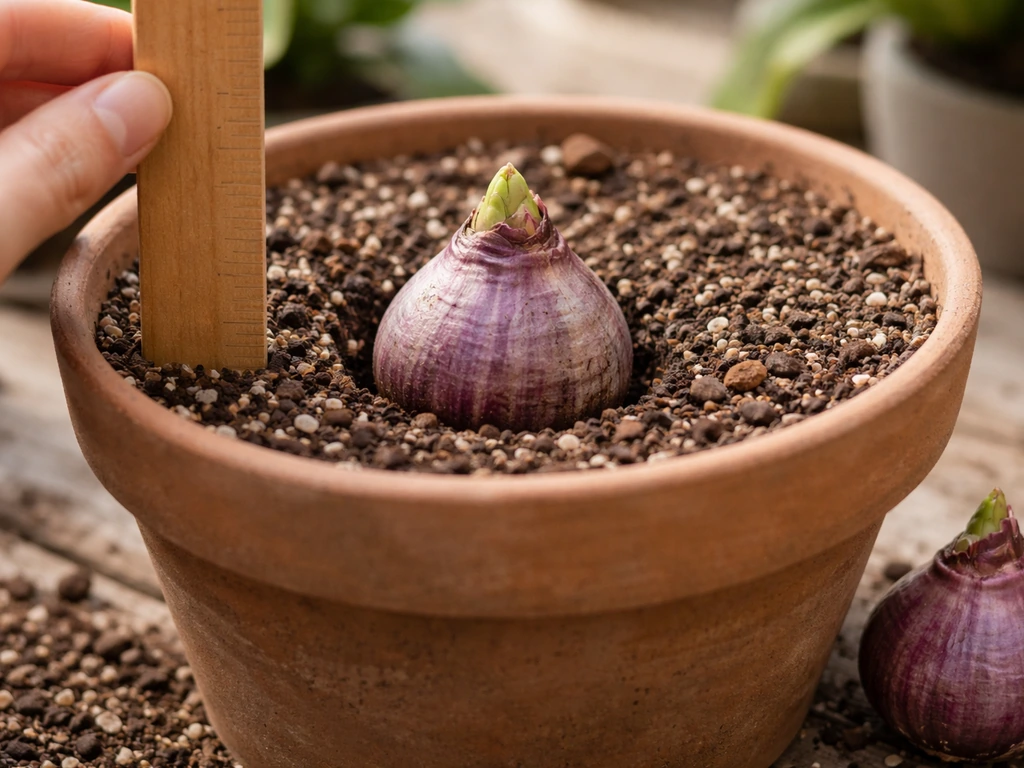
Hyacinth bulbs hate sitting in wet soil, so your potting mix needs to drain well. A standard multipurpose potting compost works, but I always mix in about 20 to 30% horticultural grit or perlite to open it up. This is the single most effective thing you can do to prevent rot. Before adding any soil, put a layer of crocks (broken pot pieces) or coarse gravel at the bottom of the pot, roughly 2 to 3 cm deep, to stop the drainage holes from clogging. This old trick really does make a difference, especially if you're growing in a pot with only one or two small holes.
Planting depth is 10 cm (about 4 in) deep, measured from the base of the bulb. The tip of the bulb should sit just at or slightly below the soil surface. Space bulbs about 8 cm (3 in) apart from one another. In a pot, you can pack them a little closer than in the ground because you're going for impact, not long-term garden planting. Fill around the bulbs with your grit-mix compost, firm it down gently, and water once to settle everything in.
- Add 2 to 3 cm of crocks or coarse gravel to the bottom of the pot
- Fill with a mix of multipurpose compost and 20 to 30% horticultural grit or perlite
- Plant bulbs at 10 cm (4 in) depth, tips just at or just below the soil surface
- Space bulbs roughly 8 cm (3 in) apart
- Water once after planting to settle the compost, then hold off until the cold period is done
Chilling, forcing, and getting the timing right for blooms
This is the step most beginners skip, and it's exactly why their hyacinths fail to flower well indoors. Hyacinth bulbs need a sustained cold period of at least 10 to 12 weeks at temperatures between 1°C and 9°C (roughly 35°F to 48°F) before they'll produce a proper flower spike. Room temperature is far too warm during this phase. A cold garage, a garden shed, an unheated spare room, or a sheltered outdoor spot all work. Some people use the refrigerator (away from fruit, which releases ethylene gas that damages bulbs) if they have no other option.
Here's a realistic timeline to work from today (April 2026): you've missed the main autumn planting window for this season, so your next opportunity is September to October 2026. Plant then, chill from roughly October through to December or January, and you'll have flowers in late January to February 2027 if you bring them in at the right moment. If you want to stagger your display, plant two or three pots a few weeks apart. The chilling period is the runway, not something you can cut short.
To move from chilling to flowering, wait until you see pale shoots about 2 to 5 cm tall emerging from the bulbs. At that point, bring the pot into a cool, bright room (around 10°C to 15°C / 50°F to 59°F) for a week or two. This gradual transition stops the flower spike from shooting up too fast and flopping over. After that hardening-off period, you can move it into a normal room at around 18°C to 20°C (65°F to 68°F) and watch it bloom over the following two to three weeks.
Light, temperature, and watering while the plant grows
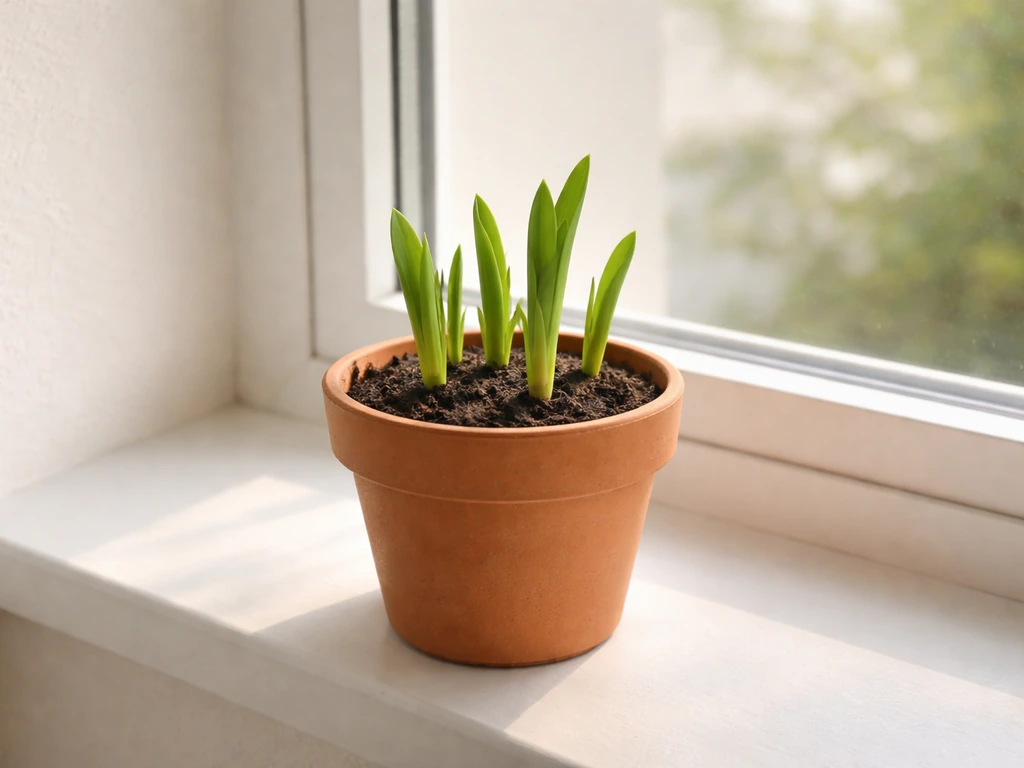
Once the pot is out of its cold period, bright indirect light is ideal. A south- or west-facing windowsill is perfect. Direct harsh sun isn't needed and can actually shorten the flowering period by warming the flowers too fast. If you notice the stems leaning dramatically toward the light, rotate the pot a quarter turn every day or two to keep growth upright.
Temperature is something a lot of people overlook. Cooler rooms (10°C to 15°C / 50°F to 59°F) extend the blooming period significantly. I've had hyacinths last nearly three weeks in a cool hallway versus under ten days in a warm living room. If you want to enjoy the flowers as long as possible, keep them on the cooler side. Move them somewhere warmer for a party or when guests are over, but put them back in the cool spot the rest of the time.
Watering needs to be consistent but not heavy. Keep the compost just moist, not soggy. A good rule: push your finger about 3 cm into the soil. If it feels dry at that depth, water gently.
If it still feels damp, wait another day or two. Always empty saucers after watering so the pot never sits in standing water. Poinsettias also do best in a pot when you use well-draining soil and keep watering consistent without letting the roots sit in soggy conditions how to grow poinsettias in a pot.
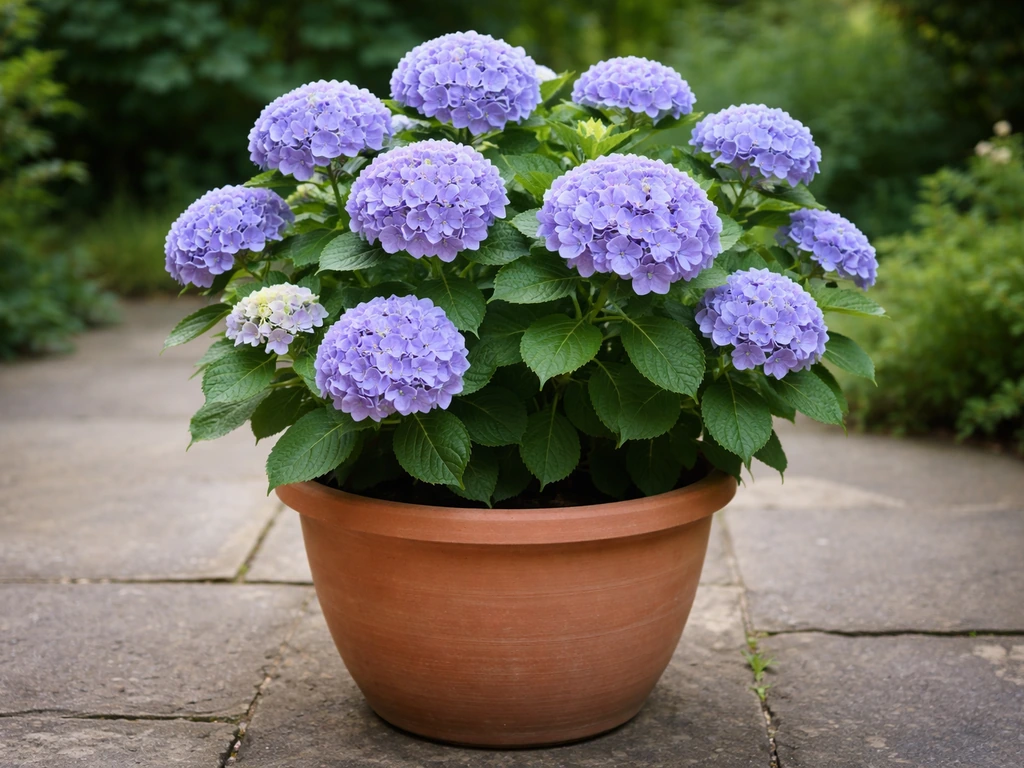
If you want to apply the same container approach to hydrangeas, focus on choosing a large pot with drainage and keeping the soil evenly moist. Overwatering is the number one killer of potted hyacinths, and it typically shows up as yellowing lower leaves and a soft, mushy base on the bulb.
Fertilizing, after-bloom care, and whether to try for a re-bloom
Hyacinth bulbs don't need feeding while they're flowering. The bulb itself has stored enough energy to produce the bloom. Once the flowers fade, that's when feeding becomes worthwhile. Cut off the spent flower spike but leave all the leaves intact. The leaves are doing the important work now: photosynthesizing and recharging the bulb for next year. Apply a liquid bulb fertilizer (high in potassium, like a tomato feed) every two weeks until the leaves yellow and die back naturally. This takes about 6 to 8 weeks.
Here's the honest truth about re-blooming potted hyacinths: they can re-bloom, but they're rarely as spectacular in their second year as their first. The first-year bloom is powered by the energy packed into the bulb at the nursery, grown over two or three seasons. Your pot conditions are good but rarely match a professional bulb field. Most second-year pots produce thinner, sometimes smaller spikes. That's completely normal, not a failure on your part.
To give re-blooming the best chance, after the leaves die back, either lift the bulbs, let them dry out for a few days, and store them in a cool dry place (a paper bag in a shed or cupboard) until autumn replanting, or simply leave them in the pot in a sheltered spot over summer. Either way, they'll need to go through the chilling process again before they'll flower. If you'd rather skip all that and just buy fresh bulbs each autumn, that's a perfectly reasonable and popular choice, especially for indoor forcing where fresh top-size bulbs genuinely give you the best results. Think of it like buying seasonal bedding plants: the fresh ones always perform best.
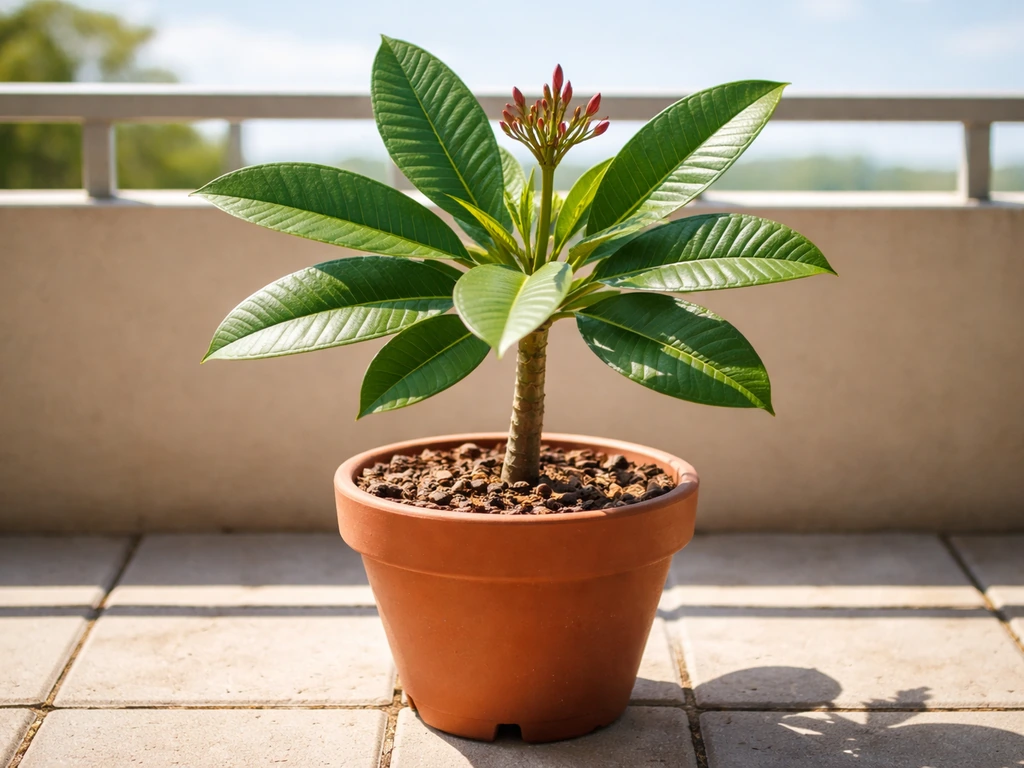
If you enjoy growing other bulbs and fragrant flowers in containers, hippeastrums (amaryllis) follow a somewhat similar bulb-and-bloom cycle and are fantastic in pots indoors. If you want to expand beyond bulbs, learning how to grow plumeria in pots can help you pick the right container and care routine for warmer-weather success fantastic in pots indoors.
If you want another warm-weather container plant, learning how to grow frangipani in pots can help you choose the right pot size and care routine. Anthurium plants are another brilliant option if you want long-lasting indoor color without the seasonal timing pressure. If you want to try them, follow these tips on how to grow anthurium plants in pots for healthy foliage and steady blooms.
Each has its own rhythm, but the core logic of pots, drainage, and respecting what the plant naturally needs stays the same across all of them.
FAQ
Can I grow hyacinths in pots if I missed autumn planting?
Yes, but you will need to follow the next planting window and still provide a full cold period. If it is already spring where you live, plan on planting bulbs in September to October and chilling roughly October through December or January, then expect blooms late winter or early spring. Buying “in-season” bulbs for that timeline gives you the most reliable results.
Why did my potted hyacinth flower short or not at all after forcing?
Most failures come from an insufficient chill, bulbs that were not firm and healthy at planting, or warming up too quickly after the shoot appears. Make sure the bulbs experience at least 10 to 12 weeks at about 1°C to 9°C, and when moving to light, do it gradually (cool bright room first, then warmer later).
Is refrigerator chilling for hyacinths safe, and what should I avoid?
It can work well if the bulbs are kept in their pot in a cold, stable spot away from produce. Keep them out of fruit areas because fruits release ethylene gas, which can damage the bulbs and reduce flowering. Do not store them near chemicals or strong odors, and keep the potting mix slightly moist, not wet.
How do I know if my watering is correct during the cold-chill phase?
Aim for evenly moist, not soggy. A simple check is to press your finger about 3 cm into the compost; if it feels damp, wait, if it feels dry, water gently. Always empty any drainage water from saucers, because even brief standing water can cause bulb rot.
What if my pot has only one drainage hole or the hole is small?
Use extra prevention: keep drainage holes clear, avoid compacted or heavy compost, and increase the grit or perlite portion so water moves through quickly. The bottom layer of crocks or coarse gravel (2 to 3 cm) is especially helpful for pots with one or two small holes to reduce clogging.
Can I plant hyacinths closer than 8 cm apart for a bigger display?
You can pack them a bit closer for impact, but avoid overcrowding that prevents good airflow and makes the bulbs touch each other. If bulbs crowd tightly, you may get shorter spikes and higher risk of mold or rot. A practical target is still roughly 7 to 8 cm between bulb centers in a pot.
Should I remove the leaves after flowering, or leave them?
Leave the leaves until they naturally yellow and die back. They are rebuilding the bulb for next year, cutting them early reduces energy storage and usually leads to weaker or no flowering on a re-chilled bulb.
How long can I expect the flowers to last, and what helps them last longer?
Flower duration is strongly temperature-dependent. Cool conditions around 10°C to 15°C typically extend the display to nearly three weeks, while warmer living rooms can shorten it to around ten days. Also keep them in bright indirect light and avoid direct harsh sun that warms the flowers too fast.
Do potted hyacinths need fertilizer while they are blooming?
No, the bulb energy is enough during bloom. If you feed during flowering, it usually does not improve the spike. Start fertilizing after bloom when you still have healthy leaves, using a potassium-leaning liquid bulb or tomato-type feed every two weeks until the leaves fade.
Can I deadhead hyacinths, and what exactly should I cut?
Yes, remove the spent flower spike to prevent seed formation. Cut the flower stem but do not remove the leaves at that time. Let the foliage continue photosynthesizing until it yellows and dies back on its own.
Why are my hyacinth stems flopping over even though the bulbs sprouted?
Often this happens when the pot is moved into warmth too fast, or when light is too dim so growth stretches. After chilling, move to a cool, bright room for about one to two weeks, then increase warmth gradually. Rotate the pot a quarter turn every day or two if stems lean toward the window.
Will my hyacinths rebloom next year in the same pot?
They can, but the second-year show is usually smaller or less full. To give the best chance, lift and dry the bulbs briefly after leaves die back, then store them cool and dry until autumn replanting, or leave them in a sheltered spot over summer. Either way, they still need a proper chilling period to re-flower.