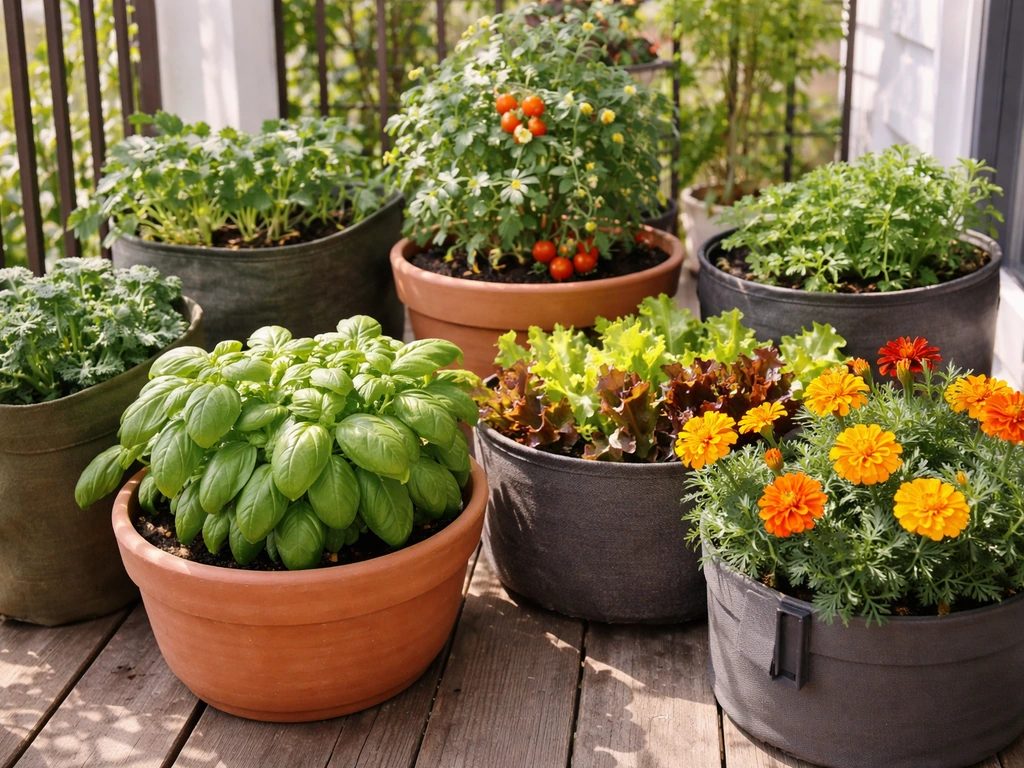
Yes, you can absolutely grow a real garden in pots, and it works better than most people expect. Tomatoes, peppers, herbs, lettuce, beans, strawberries, even small cucumbers, all of them do just fine in containers if you match the pot size to the plant, use a quality potting mix, and stay consistent with watering. The catch is that container gardening asks a bit more of you than an in-ground bed: pots dry out faster, nutrients wash out with every watering, and there's less buffer when you miss a day of care. But the trade-off is total flexibility. You can garden on a balcony, a patio, a front step, or a rooftop. If this is your first time, start with two or three pots, pick easy crops, and build from there.
How to Grow a Garden in Pots: Step-by-Step Guide
Marcus Whitley
28 Apr 2026
Can you really grow a full garden in pots?
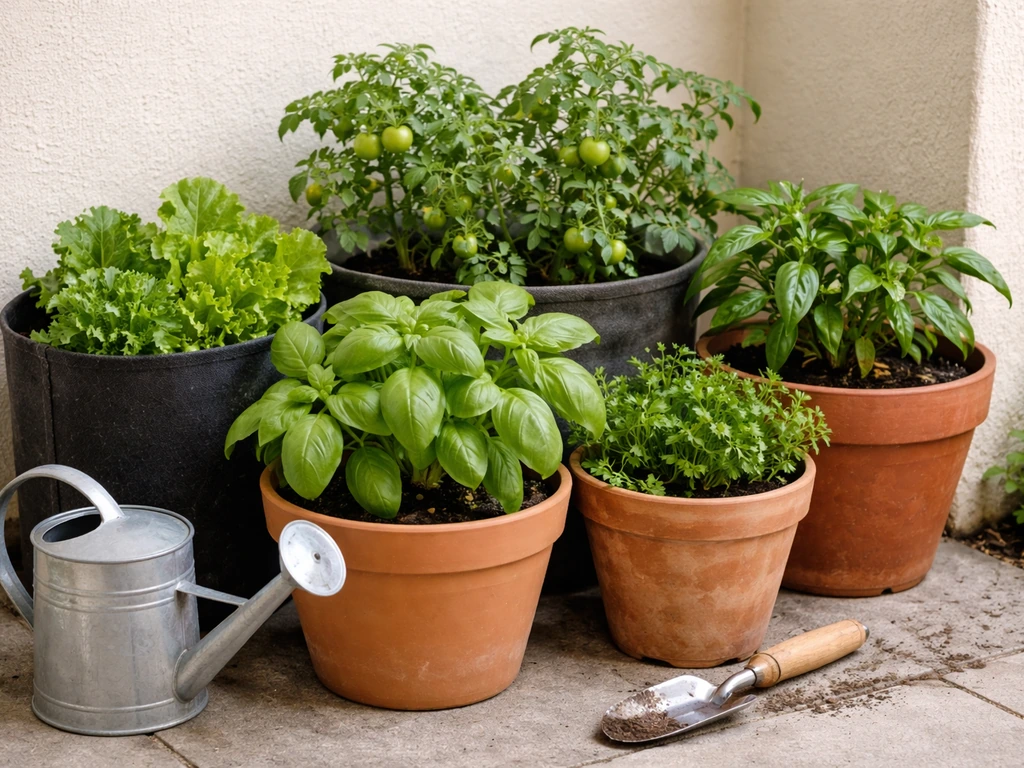
The honest answer is: most things, yes. University extension programs consistently point out that just about any vegetable or herb can be grown in a container with the right setup. What changes is scale and maintenance. A single 5-gallon bucket will grow one good tomato plant. A row of 12-inch pots can give you a full salad garden on a balcony. What doesn't translate well to pots are large sprawling plants like pumpkins or full-size corn, not because they physically can't grow there, but because the yield per pot isn't worth the space. Compact and dwarf varieties were practically invented for container life, and they're what I'd steer you toward.
The real difference between container gardening and in-ground gardening is care intensity. Your pots are a closed system. The plant can only use what you give it, and the soil volume is limited. That means more frequent watering, regular feeding, and closer attention to problems before they spiral. It's not hard, it just asks you to check in more often. Think of it less like farming and more like keeping a pet.
Choose containers: sizes, materials, and drainage
Size matters more than anything else when picking a container. Most vegetables do best in pots that hold at least 2 to 5 gallons of soil and are at least 12 inches deep. That's the practical minimum for roots to develop properly and for the soil to hold enough moisture between waterings. Go too small and you'll be watering twice a day in summer and wondering why your plants look stressed.
For specific crops, here's what the research actually recommends: tomatoes need at least 12 inches deep and 2 to 5 gallons per plant, with larger indeterminate varieties needing even more room. Peppers are similar, doing well at 8 inches deep and 2 to 5 gallons. Greens, herbs, and flowers are the easiest and can thrive in containers as shallow as 10 inches. If you're eyeing tomatoes or peppers specifically, aim for pots at least 16 to 20 inches across.
| Crop | Minimum Depth | Container Size | Notes |
|---|---|---|---|
| Tomatoes | 12 inches | 2–5+ gallons | Larger for indeterminate varieties |
| Peppers | 8 inches | 2–5 gallons | Compact varieties easiest |
| Lettuce/greens | 10 inches | 1–2 gallons | Thin to 3 inches apart |
| Herbs (basil, parsley) | 10 inches | 1–2 gallons | Can share a pot |
| Cucumbers | 12 inches | 5+ gallons | Need vertical support |
| Strawberries | 8 inches | 1–2 gallons per plant | Great for hanging baskets |
Material is where people get stuck overthinking. Plastic pots are lightweight, affordable, and hold moisture well, which is actually a bonus in containers where drying out is a constant battle. Terracotta looks great and breathes well, but it's porous, meaning water evaporates through the walls. You'll water terracotta pots more often than plastic ones, sometimes noticeably so in hot weather. Ceramic sits in the middle: less porous than terracotta, heavier, often more expensive. If you're growing plants indoors or on a weight-sensitive balcony, plastic or lightweight fabric pots are the practical choice. Whatever material you pick, drainage is non-negotiable. Every container needs at least one hole in the bottom. No hole, no garden, just a slow death from waterlogged roots.
Self-watering containers are worth a mention here, especially if you travel or tend to forget to water. These have a reservoir at the bottom that the plant draws from as needed, which smooths out the feast-and-famine watering cycle a lot of beginners struggle with. Desert Planters describes their self-watering planters as introducing water from the bottom so it soaks upward through the soil to the root system. They change how roots interact with moisture, but for herbs, greens, and even peppers, they work really well.
Pick plants and plan your pot garden
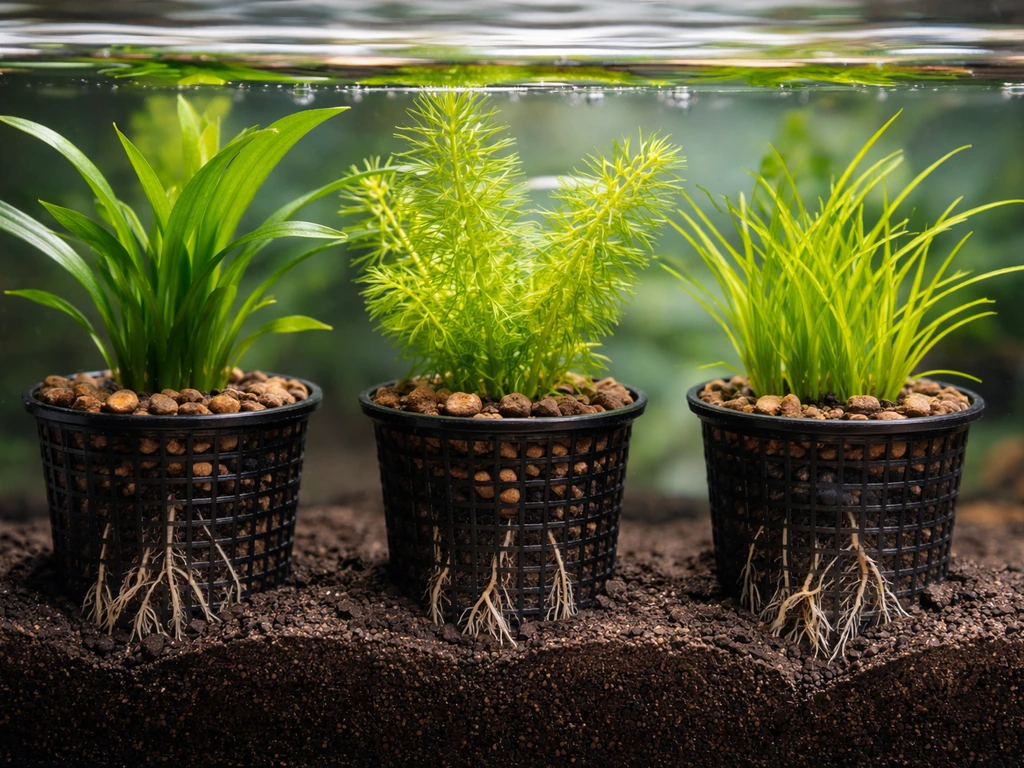
Before you buy a single seed or seedling, look at where your pots are going to live and count the sunlight hours honestly. If you are trying to grow aquarium plants in pots instead of in water, treat them like moisture-loving plants and match the potting setup to their light and humidity needs how to grow aquarium plants in pots. Most fruiting vegetables (tomatoes, peppers, cucumbers, beans) need 6 to 8 hours of direct sun per day. Greens and herbs are more forgiving and can get by on 4 to 6 hours. If your space gets less than 4 hours of direct sun, stick to leafy greens, mint, and shade-tolerant herbs. The seed packet or plant tag will tell you exactly what the plant needs. Use that information and don't fight it. I've made the mistake of trying to grow tomatoes in a shady corner and ended up with spindly plants and almost no fruit.
Start with one to two crops that match your light level and the pot sizes you already have or plan to buy. Great beginner combinations include a large pot of cherry tomatoes plus a smaller pot of basil, or a window box of mixed salad greens alongside a pot of bush beans. Keep it manageable so you can actually pay attention to each plant.
Some plants will need support structures in their pots: cucumbers, pole beans, peas, okra, and tall tomato varieties all get top-heavy and need a stake or small trellis. Plan for this before you plant, not after the thing has flopped over. A bamboo stake pushed into the pot at planting time costs almost nothing and saves a lot of frustration.
If you're interested in growing smaller varieties in compact pots or you want to grow climbing plants vertically in containers, both of those approaches can dramatically expand what you grow in a tight space without needing more floor area.
Potting mix and soil setup for container success
Do not use garden soil from your yard or a bag labeled 'topsoil' in your containers. Garden soil compacts in pots, blocks drainage, and often brings in pests and diseases. What you want is a proper potting mix, sometimes labeled potting soil or planting mix. Look for a bag that lists ingredients like sphagnum peat moss or coconut coir, perlite or vermiculite, and composted bark or compost. The perlite or vermiculite (those little white or silver bits) are what keep the mix airy and draining well, even after repeated watering.
An all-purpose potting mix that already contains perlite or vermiculite is the safest starting point for most vegetables and herbs. If you're growing moisture-loving plants, you can mix in a little extra compost to help hold water. If drainage is your concern (or you're using a non-draining decorative pot with a plastic liner), lean toward a mix with more perlite.
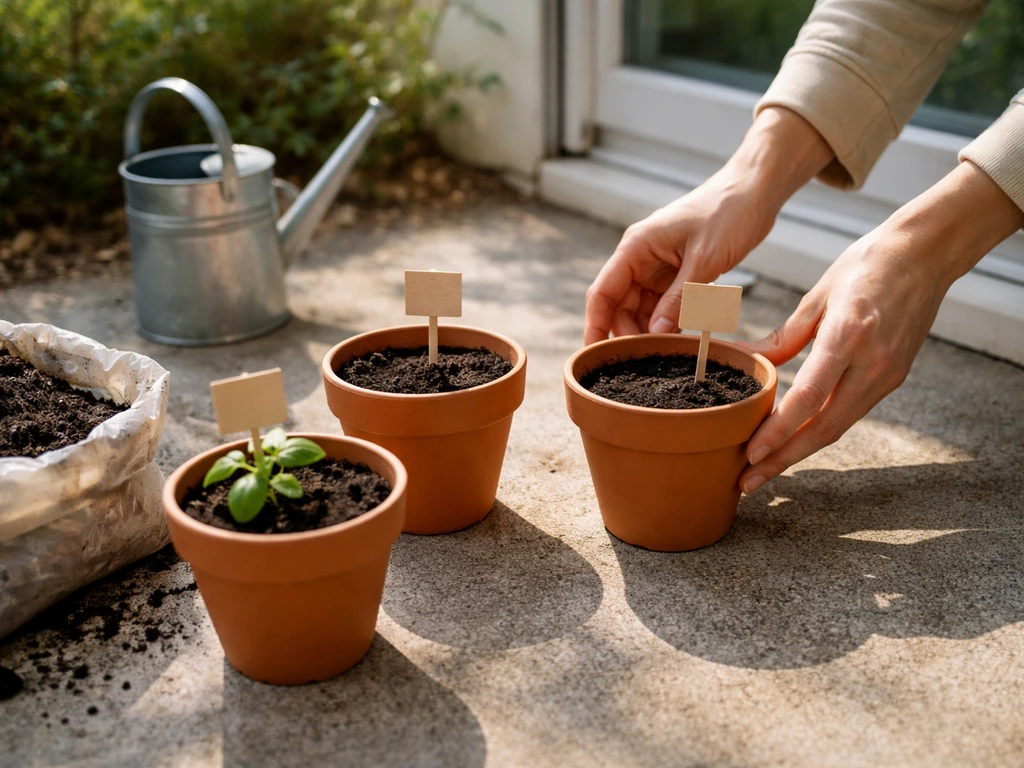
When you fill your container, leave about 1 inch of space between the soil surface and the top rim of the pot. This gap lets you water without immediately overflowing, and it gives roots the full depth of the pot. Pack the soil gently but don't compress it hard, just firm enough that there aren't big air pockets around the roots.
Light, placement, and watering routines
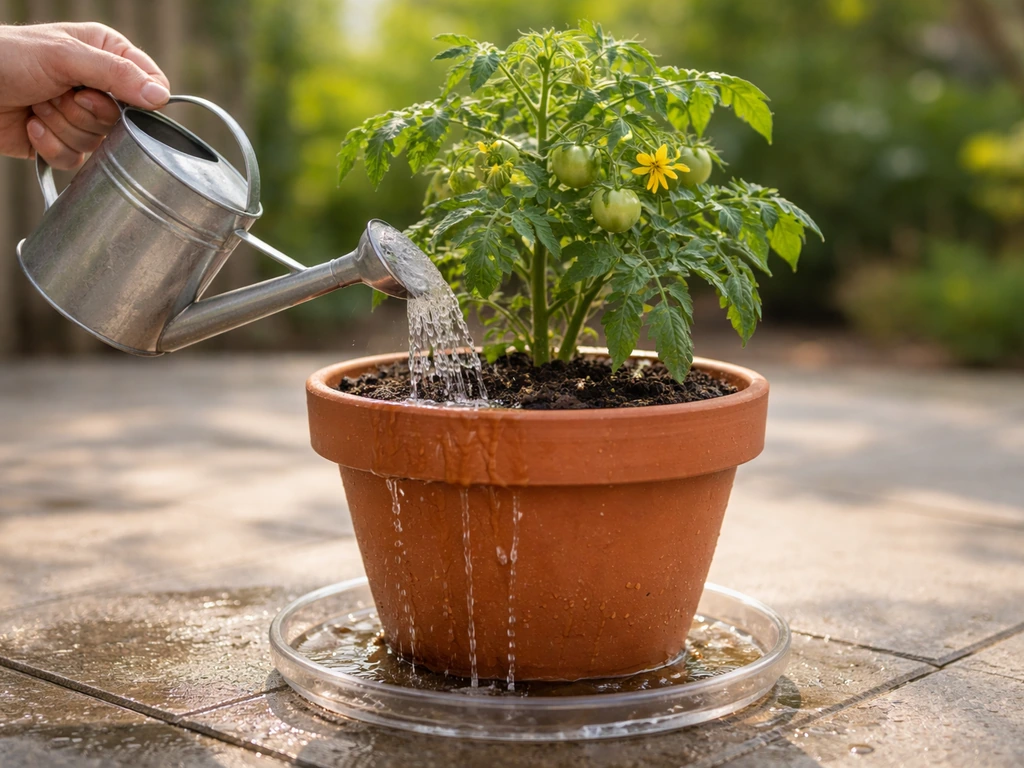
One of the great advantages of container gardening is that you can move your pots. If a spot isn't working, you can try somewhere else. Put your highest-sun-need crops (tomatoes, peppers, cucumbers) in the sunniest spot you have, and position your shade-tolerant herbs and greens where they'll get morning sun but afternoon shade in midsummer heat.
Watering is where most container garden problems start. If you want a simple routine to follow, learning how to grow healthy plants in pots starts with nailing watering, light, and feeding early. how to grow small plants in pots. Pots dry out much faster than in-ground beds, especially in summer heat, because there's simply less soil volume holding moisture. Container plants generally need watering more often than in-ground plants, sometimes every day in hot weather, particularly in smaller or terracotta pots. If your goal is quicker results, you can also use proven pot-specific speed tips to help your plants grow faster how to grow plants faster in pots. The right method: push your finger an inch or two into the soil. If it feels dry at that depth, water. Water slowly and thoroughly until water runs out the drainage hole at the bottom. That tells you moisture has reached the root zone. Don't just sprinkle the surface.
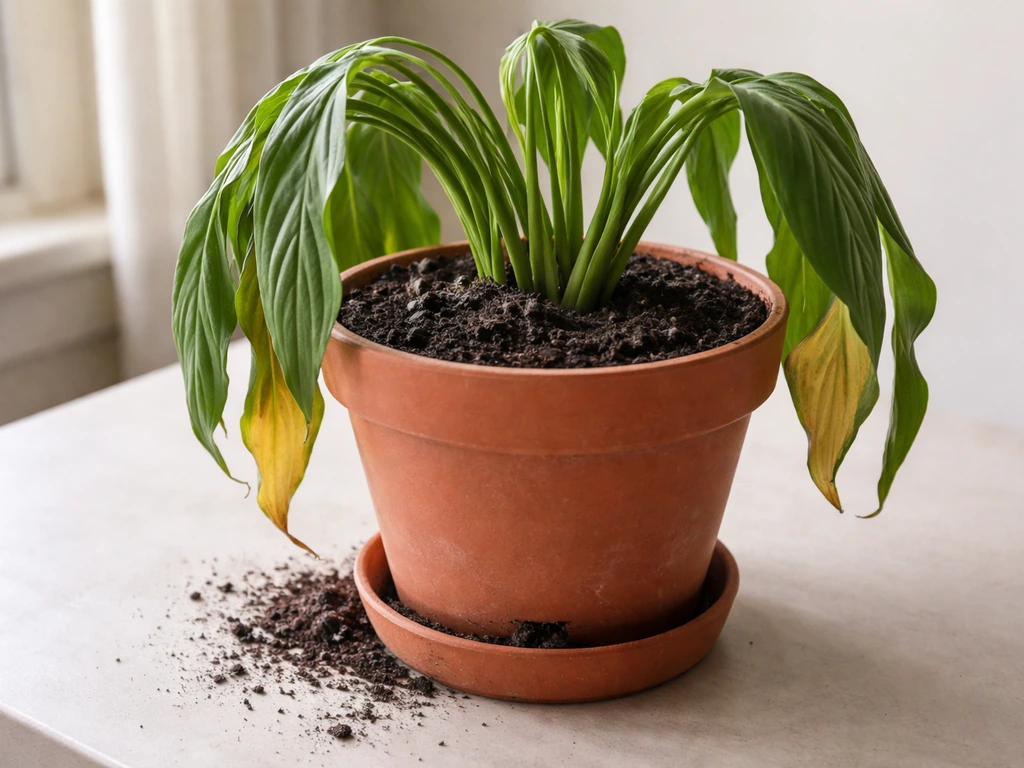
The flip side of underwatering is overwatering, which is just as damaging. If the soil still feels moist an inch down, wait. Soggy, constantly wet soil leads to root rot, which looks like a wilting plant even though the soil is wet. If you see that, check the roots. Healthy roots are white or tan. Rotten roots are brown, slimy, and smell bad. The fix is to let the soil dry out more between waterings and make sure the drainage hole is actually working.
Heat stress is a real issue in summer. When temperatures spike, plants wilt even if they're well-watered because they lose water faster than roots can replace it. If your pots are in full afternoon sun during a heat wave, a shade cloth or even a light sheet propped over the plants during the hottest hours can prevent wilting and sun scald on fruit.
Feeding and fertilizer schedule for container plants
Every time you water a container, you flush a little bit of nutrients out the bottom along with the drainage water. This is why container plants need regular fertilizing in a way that in-ground plants don't. Most potting mixes have some starter nutrients, but they're typically used up within 2 to 6 weeks after planting. That's when you need to start feeding.
You have two practical options: slow-release granular fertilizer, or a liquid fertilizer applied on a schedule. Slow-release fertilizer comes as small coated pellets that you mix into the soil or scatter on the surface. They break down gradually with each watering, releasing a small amount of nutrients each time. This is the low-maintenance approach and works well for most container gardens. Liquid fertilizers work faster and let you control the dose more precisely, which is useful for fruiting crops like tomatoes once they start flowering.
For fruiting crops, choose a fertilizer with higher phosphorus and potassium relative to nitrogen. These nutrients support flower and fruit development rather than just leafy growth. Products labeled 'tomato food' or 'bloom booster' are built for this. For greens and herbs, a balanced fertilizer works fine. As a rough starting guide, about half a tablespoon of granular fertilizer per gallon of container capacity is a common baseline recommendation, though always follow the product's own label.
Ongoing maintenance and troubleshooting common problems
Once your container garden is up and running, your job is regular check-ins rather than major interventions. Walk through your pots every day or two and look at the leaves, the soil moisture, and the overall plant posture. Most problems signal themselves early if you're paying attention.
Common problems and what they mean
| Symptom | Likely Cause | Fix |
|---|---|---|
| Wilting despite moist soil | Root rot from overwatering | Reduce watering, check drainage hole is clear |
| Yellowing lower leaves | Nitrogen deficiency or overwatering | Feed with balanced fertilizer; check watering frequency |
| Leggy, stretched growth | Not enough light | Move pot to sunnier spot or switch to shade-tolerant crops |
| Wilting in afternoon heat | Heat stress | Add shade cloth during hottest hours; water in morning |
| White crust on soil surface | Mineral buildup from tap water or fertilizer | Flush pot thoroughly with extra water; reduce fertilizer dose |
| Pests on leaves (aphids, etc.) | Pest infestation, often stress-related | Remove by hand, spray with water, or use insecticidal soap |
| Stunted growth overall | Poor drainage, wrong soil, or nutrient deficiency | Check drainage, switch to quality potting mix, start feeding schedule |
Weeds are less of a problem in containers than in garden beds since you're using sterile potting mix, but they do show up occasionally from wind-blown seeds. Pull them as soon as you spot them so they don't compete for nutrients and water. Inspect the undersides of leaves for insects regularly, since pests like aphids tend to hide there. Plants that are stressed from inconsistent watering, poor drainage, or overfeeding are much more vulnerable to disease and pest problems, so solid basic care is your best prevention.
At the end of each growing season, empty your containers, discard the old potting mix (or compost it if it's disease-free), and clean the pots before reusing. Old potting mix compacts over time and loses its structure. Starting with fresh mix each season makes a noticeable difference.
A starter plan: what to do today and what to buy
If you want to get started right now, this is the shortest path from zero to a working container garden. It doesn't require a big budget or a lot of space.
- Check your light: Stand outside or look out your window and count how many hours of direct sun your intended spot gets. This single decision determines which crops are realistic for you.
- Choose 1 to 2 crops: Pick crops that match your light. Good beginner choices for full sun: cherry tomatoes, bush beans, or peppers. Good beginner choices for partial sun: lettuce, spinach, kale, basil, or parsley.
- Buy your pots: For tomatoes or peppers, get at least one 5-gallon container (about 12–14 inches across). For greens and herbs, a 10–12 inch pot works. Make sure it has drainage holes.
- Buy potting mix: Get a bag of all-purpose potting mix that lists perlite or vermiculite in the ingredients. One 2-cubic-foot bag fills about three to four 5-gallon pots.
- Buy seedlings or seeds: Seedlings from a garden center are faster and more reliable for beginners. Seeds are cheaper and fine for greens and herbs.
- Plant up your containers: Fill to 1 inch below the rim, plant your seedling or seeds, water thoroughly until it drains from the bottom.
- Set a watering reminder: Check soil moisture daily, especially in warm weather. Water when the top inch feels dry.
- Start feeding at 2 to 4 weeks: Add a slow-release granular fertilizer at planting, or start liquid feeding 2 to 4 weeks after you plant.
That's genuinely it for the first week. You don't need a complicated setup. One good pot, one quality bag of potting mix, one plant that matches your light, and a consistent eye on soil moisture will get you further than any amount of extra gear. If you are wondering how to grow indoor plants in pots, focus on matching light levels to the plants and keeping the watering routine consistent. Once you've got those basics dialed in, you can scale up, try growing climbing plants vertically, experiment with plastic versus ceramic containers, or explore growing a wider range of plants in smaller pots. Each new pot you add teaches you something. Start with one today.
FAQ
Can I grow aquarium plants in pots (out of water), and should I use the same potting mix and watering as regular vegetables?
Yes, but only if you treat them like a container planting. Watering and fertilizing need to match their specific cycle, and aquarium-related setups are usually moisture-humidity dependent. Also, make sure your container drains freely so roots do not sit in water, and double-check the plant tag for light requirements (many aquarium plants still need strong light to grow well out of water).
How do I know if I’m watering too much or too little in a container garden?
For most vegetables, you want the potting mix to feel evenly moist down at least 1 to 2 inches, but not swampy. A simple check is to lift the pot (wet pots feel much heavier), then do the finger test before adding more water. If the surface dries quickly but the bottom stays wet, your issue is usually drainage or mix structure, not just watering frequency.
What should I do if my plants look wilted but the soil feels wet?
When a plant is wilting but the soil is already wet, first suspect root problems from poor drainage, compacted mix, or a clogged drainage hole. Lift the container, confirm water exits the bottom, and inspect roots if you can (healthy roots are firm and light-colored). If the container has no hole, switch plants to a properly draining pot, because daily “extra water” will worsen root rot.
Why do I keep getting aphids or other pests in my potted plants, and does fertilizer affect it?
In containers, pests often follow stress patterns. If you use slow-release fertilizer, it can help, but overfeeding (especially high nitrogen) can make soft growth that attracts aphids. If you see recurring aphids, start with consistent watering, then rinse with water, prune heavily infested growth, and consider spot-treating rather than changing the whole fertilizer plan midstream.
Can I reuse potting mix from last season, and when is it worth replacing it completely?
No, you should not reuse the same potting mix indefinitely. Over a season, it loses structure and nutrients, and it can carry disease organisms if plants were infected. A practical approach is to refresh each year with a portion of new mix (for mild, disease-free growth), or fully replace if you had fungal issues, wilting that suggested root rot, or heavy pest pressure.
When should I start fertilizing potted vegetables, and how do I avoid overfeeding?
If your pots have good drainage, use the “capacity” your container provides to guide fertilizer timing. Most mixes have a short starter window, commonly a few weeks, then you must feed. For beginners, a reliable routine is to start feeding right after that initial period, and adjust based on growth (slow growth and pale leaves often mean you need more, lush leafy growth with few flowers often means too much nitrogen).
What’s the best fertilizer strategy for tomatoes or peppers in containers, especially around flowering and fruiting?
For fruiting crops, timing matters as much as the formula. Switch to a fertilizer leaning toward phosphorus and potassium once you see flower buds forming, then maintain regular feeding through fruit set. For greens and herbs, stick to a balanced fertilizer to avoid excessive leaf growth at the expense of taste and texture.
Why are my potted tomatoes or peppers flowering but not producing much fruit?
Two common causes are light mismatch and root crowding. If plants get 3 to 4 hours less sun than they need, tomatoes and peppers often grow tall and sparse with low yield. If pots are too small, they can flower but drop fruit. Fix it by relocating pots to the sunniest available spot, and if needed, upsize to the larger pot size range for your crop.
Do self-watering containers mean I can water less, and what mistakes still cause root problems?
Plastic, ceramic, and fabric choices change how often you need to water, but they do not remove the need for drainage. If you use any decorative pot or planter liner, keep the inner planting container draining freely, and do not let the saucer sit full. For self-watering systems, still check the reservoir level because some plants draw faster during heat waves or as they size up.
How do I choose a stake or trellis for container cucumbers or pole beans, and when should I install it?
Yes, but design the supports before planting if the crop gets heavy or top-heavy. A clear sign is when stems start leaning or leaves touch the soil. Use stakes or a trellis sized for the variety (indeterminate tomatoes and vigorous cucumbers need more structure), and avoid driving stakes too late because you can damage developing roots in a confined pot.