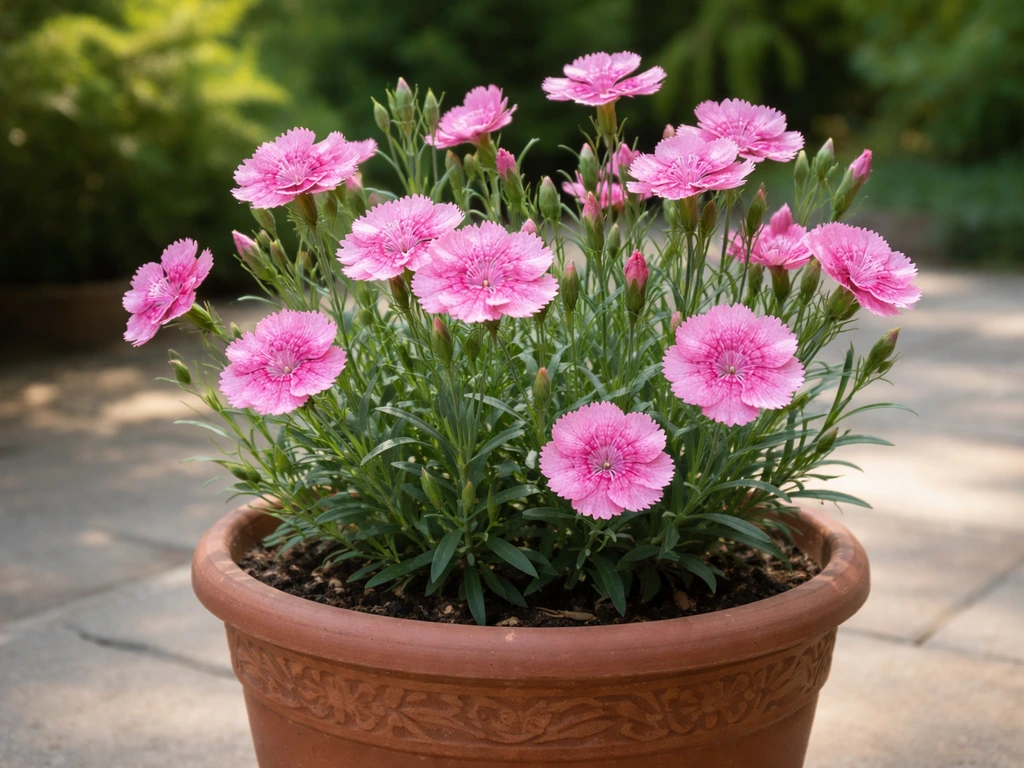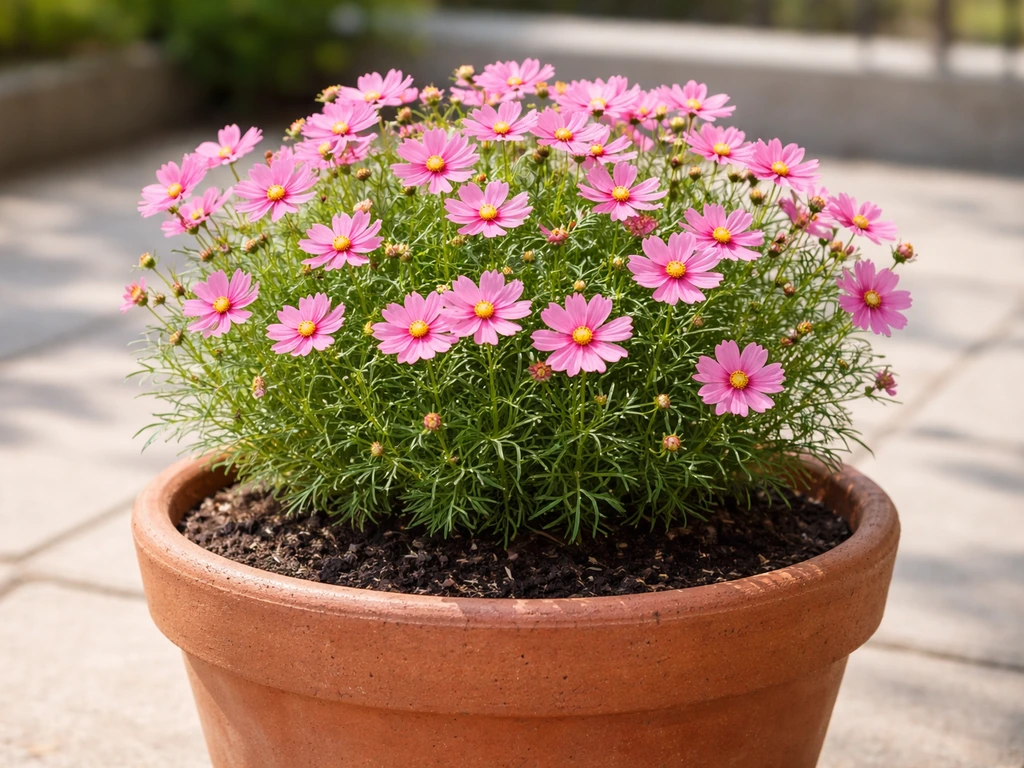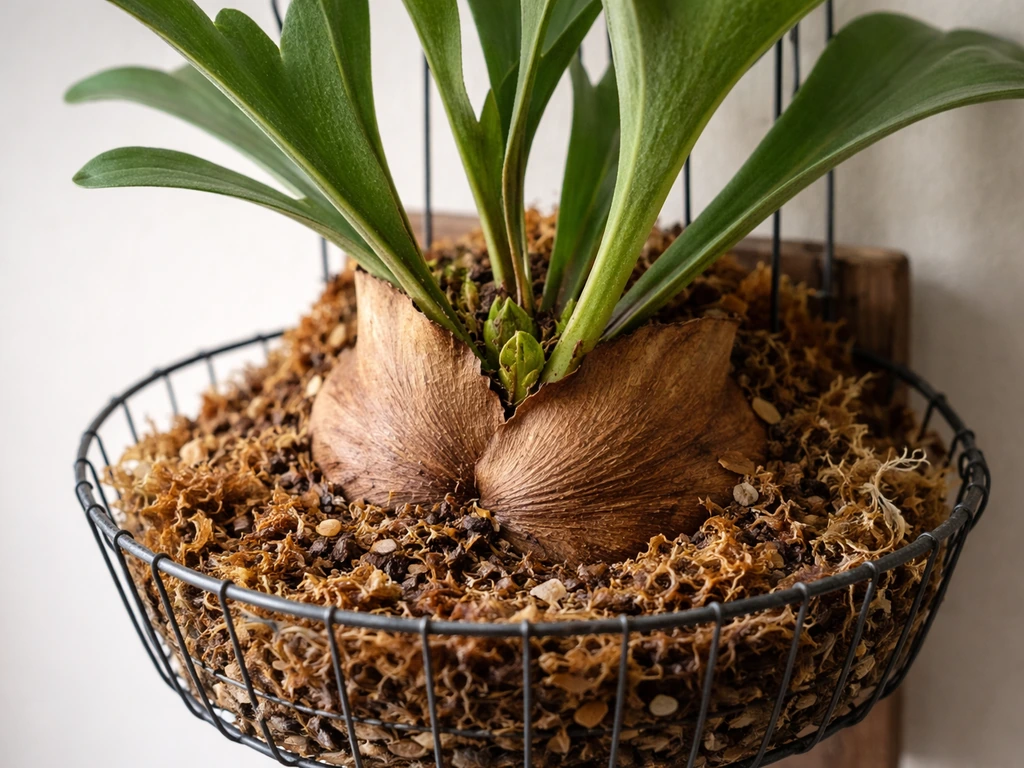
You can absolutely grow aquarium plants in pots or baskets inside your tank, and it's actually one of the smarter ways to manage a planted aquarium. It’s a bit like learning how to grow indoor plants in pots, where you match light, container choice, and a consistent care routine to the plant. If you want to grow a garden in pots, you can apply similar container principles like choosing the right container, media, light, and a consistent watering routine grow aquarium plants in pots. If you want to grow plants in plastic pots as a land-garden comparison, the same ideas about choosing the right container, media, and consistent care still apply. The basic approach is this: use a small mesh basket or net pot, fill it with aquarium-safe substrate (not garden potting mix), plant your aquatic plant inside it, and set or bury that basket in your tank. The plant roots grow through the mesh, the water flows freely around them, and you can lift the whole thing out for trimming or replanting without tearing up your entire aquascape. It sounds simple because it is, once you know the few things that can go wrong.
How to Grow Aquarium Plants in Pots: Setup to Care
What people actually mean by 'aquarium plants in pots'
This phrase means two pretty different things depending on who's asking, so let's sort that out first. If you're coming from a container gardening background (like growing vegetables or indoor plants in pots), you might be wondering whether you can just pot up an aquatic plant in a regular plastic pot and submerge it. The short answer is yes, with the right setup. But in the aquarium hobby, 'potted plants' usually refers to one of two scenarios.
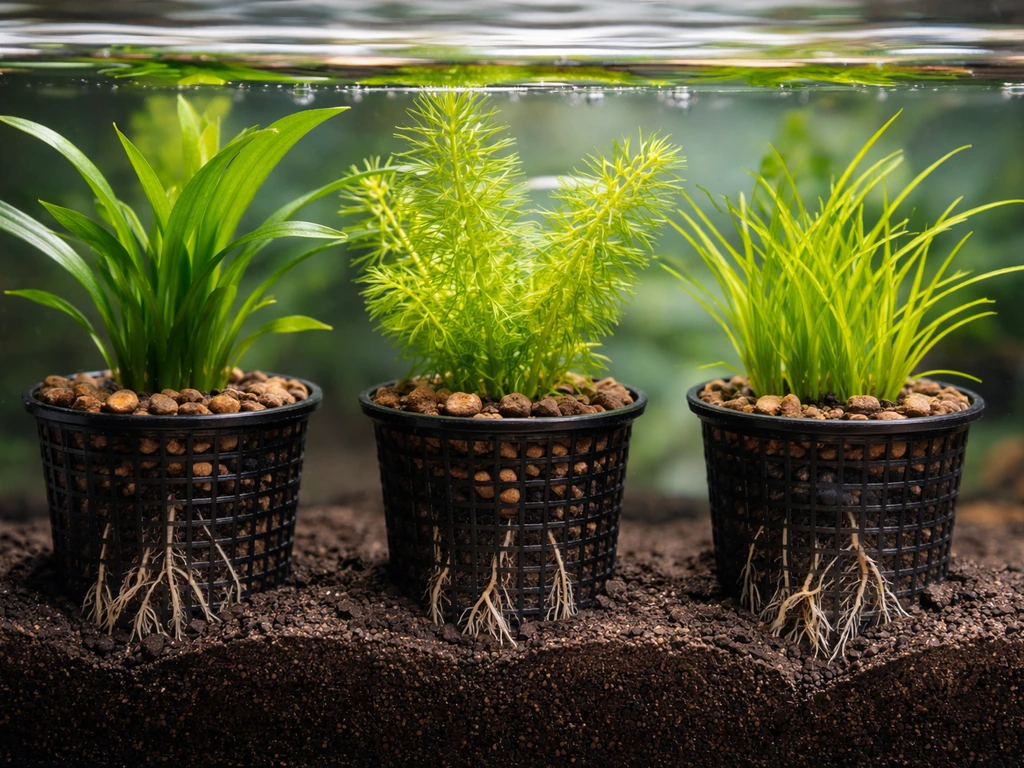
Scenario A is leaving the plant in its nursery grow pot and dropping the whole thing into your tank, letting the roots eventually grow down through the pot's openings into the surrounding substrate. Scenario B is removing the plant from the nursery pot and transplanting it into an aquarium-specific basket or net pot that you then place inside the tank. Both work, but Scenario B gives you much more control and is what most experienced hobbyists actually do. The basket becomes a planting tool, not a permanent jail for the plant. Roots grow out through the mesh sides and into the gravel or substrate beyond, anchoring the plant naturally over time.
If you're a container gardener curious about growing aquatic plants as a decorative water feature indoors, the same principles apply. If you want to grow climbing plants in pots instead of aquarium baskets, you can use the same container mindset but choose climbing-friendly supports and potting needs. You're still choosing a container, a growing medium, and managing nutrients. The main difference from growing, say, herbs in ceramic pots is that the environment is fully submerged and the plants pull nutrients through the water column as much as through their roots. If you are wondering how to grow plants in ceramic pots, the same container basics apply, but you will need drainage and a suitable potting mix for land conditions.
Choosing the right plants and containers for your tank
Not all aquarium plants are equally forgiving, and matching the plant to your light level is the single biggest factor in whether things go well or badly. Here's a practical breakdown.
Low-light tanks (basic LED, no CO2)
If you have a standard aquarium light and no CO2 system, stick with low-demand plants. These are genuinely hard to kill and do fine in baskets or pots without any extra fuss.
- Java fern (Microsorum pteropus): attach to a small piece of driftwood or lava rock inside the basket rather than burying the rhizome in substrate
- Anubias species: same rhizome rule as Java fern, never bury the rhizome itself
- Java moss: pack loosely into an open mesh basket or tie to décor inside one
- Cryptocoryne (crypt) species: excellent root feeders that do beautifully in baskets filled with substrate
- Amazon sword: gets large, so use at least a 4-inch diameter basket
Medium to high-light tanks (with CO2 or good lighting)
If you have a quality LED with higher PAR output or a CO2 injection system, you can grow stem plants and carpet plants that reward you with fast, lush growth. These include plants like Rotala rotundifolia, Ludwigia repens, Bacopa caroliniana, and dwarf hairgrass. Stem plants are best planted as bunches in a single basket, while carpeting plants like dwarf hairgrass need shallow, wide baskets so the runners spread out.
What container or basket to use
Skip standard garden pots entirely. The solid sides block water flow to the roots, and that stagnant water around the root zone is a recipe for rot and algae. What you want are aquatic mesh baskets or net pots, which are purpose-built with slotted or open sides that let water and nutrients flow freely through. These are the same style of container used in hydroponics, and they're inexpensive. Sizes to know: use 2-inch net pots for smaller plants like crypts and anubias, 3 to 4-inch for medium plants, and 4 to 6-inch for larger root feeders like Amazon swords. Black-colored baskets are less visible in a tank than white ones.
| Plant Type | Basket Size | Light Requirement | CO2 Needed? |
|---|---|---|---|
| Java fern / Anubias | 2–3 inch | Low | No |
| Cryptocoryne species | 2–3 inch | Low to medium | No |
| Amazon sword | 4–6 inch | Medium | Optional |
| Stem plants (Rotala, Ludwigia) | 3–4 inch per bunch | Medium to high | Recommended |
| Dwarf hairgrass | Wide, shallow 4 inch | High | Yes for carpeting |
| Java moss | 2–3 inch open mesh | Low | No |
Substrate and nutrients: what goes inside the basket
This is where most beginners make a costly mistake. Do not use regular potting soil or garden soil in an aquarium basket. Standard potting mixes contain fertilizers, peat, and additives that leach into the water, causing ammonia spikes, pH swings, and immediate algae blooms. I've seen tanks turn green within 24 hours from a single scoop of regular potting mix. It's not worth the experiment.
What works well in aquarium baskets is aquarium-specific substrate. The best options are nutrient-rich aquasoils like ADA Aqua Soil Amazonia, Fluval Stratum, or similar capped substrates. These are pH-neutral, plant-safe, and designed to release nutrients slowly without polluting the water. You can also use plain washed gravel or sand if you plan to supplement with root tabs. Fill the basket about 80% full, leaving a little room at the top so substrate doesn't spill out when you lower the basket into the tank.
Root tabs and fertilizing schedules
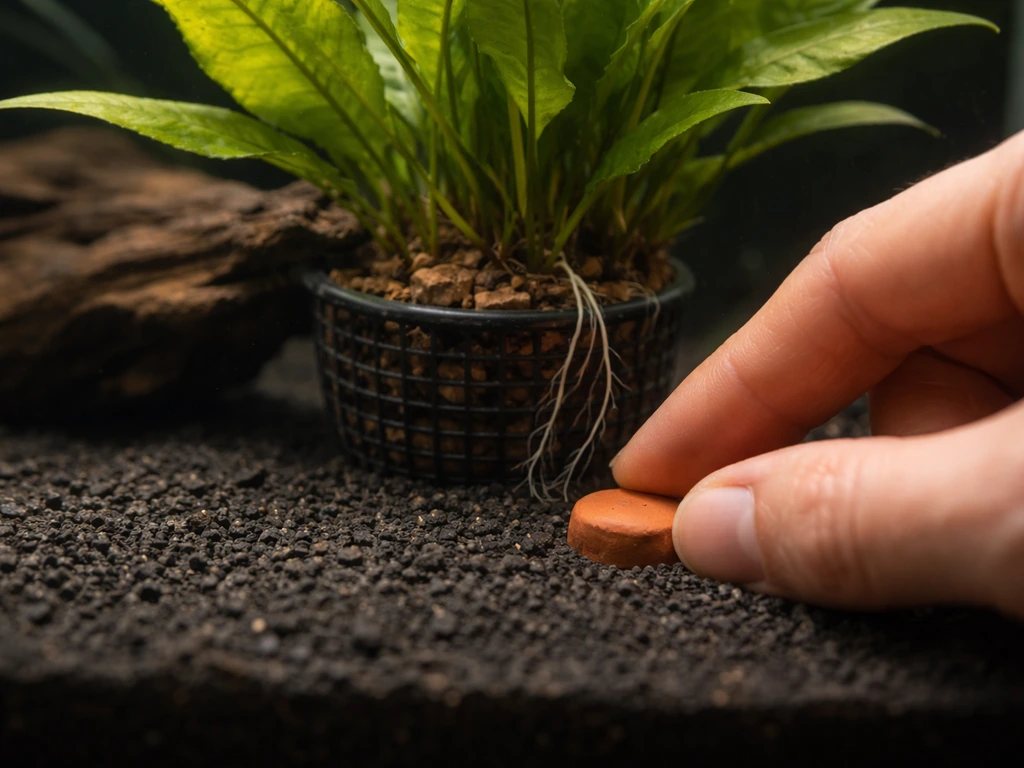
Root tabs are small fertilizer capsules you push into the substrate inside the basket, right next to the plant's root zone. They're the easiest way to feed heavy root feeders like Amazon swords and crypts without dosing the whole water column excessively. Push one tab about an inch from the plant's base every 4 to 6 weeks. For stem plants and floaters, liquid fertilizers dosed into the water column work better since these plants feed more through their leaves. A simple approach: use root tabs for your basket plants plus a low-dose liquid fertilizer like Seachem Flourish dosed once or twice a week according to the bottle for the rest of the tank. The goal is to match fertilizer input to plant uptake so algae doesn't get the leftover nutrients.
Step-by-step setup from first prep to filling the tank
Here's exactly how to go from a bare tank and a handful of plants to a properly potted setup. Take your time on prep. If you’re preparing potted or bunched aquatic plants before placing them in the tank, Aquasabi recommends keeping them sufficiently moist and separating/preparing them for several days to weeks if your animals may be sensitive to foreign substances Take your time on prep.. The first 24 to 48 hours in a new tank are the most stressful for aquatic plants, and a good start makes a real difference.
- Prepare your plants: Most aquarium plants sold at shops arrive in a small plastic nursery pot packed with rock wool (a fibrous growing medium). Remove the plant from the pot gently. Then carefully tease the rock wool away from the roots with your fingers and a bowl of lukewarm water. Get as much rock wool out as you can because it breaks down in the tank and creates detritus. Be especially careful with rhizome plants like Java fern and Anubias: never cut or bruise the rhizome (the thick horizontal stem). If a few roots snap during cleaning, that's fine.
- Rinse the roots under cool, dechlorinated water to remove any nursery chemicals or residue.
- Fill your mesh basket about two-thirds full with your chosen aquarium substrate. Make a small hole or depression in the center for the plant's root ball.
- Place the plant in the basket, spreading the roots outward and downward into the substrate. For rhizome plants, lay the rhizome horizontally across the top of the substrate in the basket and let the roots hang into it. Do not bury the rhizome itself — just the roots go below the surface.
- Top up with a little more substrate to hold the plant in place. The crown of the plant (where stem meets roots) should sit just at or slightly above the substrate surface. Burying the crown causes rot.
- Optional: push one root tab into the substrate inside the basket, about an inch from the root zone, for root-feeding species.
- Set up your tank: add your base layer of substrate (gravel, sand, or aquasoil) to the tank bottom, then position your baskets where you want them. You can partially bury baskets in the tank substrate to hide them, or place them on the tank floor as-is. Partially burying helps with stability.
- Add water slowly: pour water over a plate or your hand to avoid blasting the substrate and disturbing your planted baskets. Fill to about halfway, check that all baskets are stable, then fill the rest of the way.
- Start your filter and light on a timer. Do not run lights for 12+ hours to 'help plants' right away. Start with 7 to 8 hours per day and adjust from there.
Light, CO2, and water conditions your plants actually need
Get these three factors reasonably right and your plants will grow. Get them wrong and no amount of fertilizer will help.
Light
For low-light plants, aim for a photoperiod of 7 to 8 hours per day. For medium to high-light setups, 8 to 10 hours is the target. More isn't better. Longer photoperiods feed algae more than they help plants. Use a simple outlet timer for your aquarium light so it's consistent every day. In terms of intensity, low-light plants need around 10 to 20 PAR (a measure of usable light energy) at the substrate level. Medium-light plants want 20 to 50 PAR, and high-light plants need 50 PAR or above. Budget LED lights from brands like Nicrew or Hygger cover low to medium plants well. For high-light plants, you'll need a quality LED like the Fluval Plant 3.0 or similar.
CO2
CO2 is carbon dioxide dissolved in the water. Plants use it to photosynthesize, the same way land plants use CO2 from the air. In a low-tech tank with no CO2 injection, the natural CO2 from fish respiration is usually enough for slow-growing, low-demand plants. For fast-growing stem plants and carpeting plants, pressurized CO2 injection (a canister, regulator, and diffuser setup) makes a huge difference. A target of 20 to 30 ppm dissolved CO2 is the sweet spot for most planted tanks. If you're not ready to invest in CO2 equipment, just stick to low-demand plants and you'll still get a beautiful tank.
Water parameters
Most common aquarium plants are flexible. A temperature of 72 to 78 degrees Fahrenheit suits the majority of tropical aquatic species. For pH, a range of 6.5 to 7.5 works for almost everything, with softer, slightly acidic water (6.5 to 7.0) being ideal for demanding plants. Make sure your filter creates gentle circulation that moves water through and around your baskets: stagnant zones around the containers allow detritus to accumulate, which depletes oxygen at the root zone and encourages algae. If you notice gunk collecting in and around your baskets, your flow rate is too low.
Keeping your potted plants healthy over time
Trimming and replanting
Stem plants grow fast. Trim them by cutting the top third off with sharp aquarium scissors, then replanting the trimmed tops back into the basket as cuttings. They'll root within a week or two. Over time, stem plant baskets get crowded. Every 3 to 4 months, lift the basket out, pull the plants, dispose of the old root mass, refresh the substrate, and replant the best stems. For rhizome plants like Java fern and Anubias, trimming means removing dead or yellowing leaves at the base and occasionally dividing the rhizome if it gets too large. Crypts rarely need trimming but may eventually outgrow their basket: just divide and repot into a fresh basket with new substrate.
Algae control
Algae in a planted tank is almost always a sign of imbalance: too much light, too few plants, too many nutrients, or inconsistent CO2 levels. The fastest fixes are reducing your photoperiod by an hour, adding more fast-growing plants to compete with algae for nutrients, and doing a 50% water change to dilute excess nutrients. Green spot algae on leaves is normal and usually means phosphate levels are slightly low. Black beard algae (BBA) is a sign of CO2 fluctuation. Increase CO2 consistency before anything else if you see BBA. Keeping your baskets clean of detritus buildup helps too: during weekly water changes, use a turkey baster or small siphon to gently vacuum around the basket openings.
Troubleshooting common problems
Plant melt is probably the most alarming thing beginners encounter. You put a healthy-looking plant in the tank and within a week the leaves turn to mush. This is completely normal for crypts and some other plants that were grown above water (emersed) at the nursery. The plant is shedding its above-water leaves and will regrow with new underwater-adapted leaves from the roots. Don't throw the plant away. Leave the basket in place, wait 3 to 4 weeks, and new growth will appear from the crown or rhizome. Just remove the melting leaves with tweezers so they don't rot in the tank.
If plants aren't growing at all, the cause is almost always insufficient light or nutrients. Check your photoperiod and light intensity first. Then consider whether your root tab schedule is keeping up: root tabs last about 4 to 6 weeks, and if you haven't refreshed them, your plants are running on empty. If leaves are yellowing with green veins, that's a classic iron deficiency: dose a liquid iron supplement like Seachem Flourish Iron.
Floating or unstable plants are a basket problem, not a plant problem. If a plant keeps floating up out of its basket, the roots haven't established into the surrounding tank substrate yet. Use a small rock, a piece of driftwood placed next to the basket, or stainless steel plant weights wrapped gently around the base of the stem to hold things down temporarily. Once roots push through the basket mesh and into the tank floor, the plant anchors itself naturally and you can remove the weights.
The basket approach to growing aquarium plants is genuinely beginner-friendly. You get the flexibility of being able to rearrange or remove plants without disturbing everything else, cleaner maintenance, and the confidence of knowing exactly what substrate each plant is sitting in. Start with a couple of low-demand plants in mesh baskets, get your light and feeding routine dialed in, and then expand from there. It's a lot like other container gardening: the fundamentals are simple, and the plants will show you what they need as you go. It’s also a helpful way to learn how to grow a garden in pots, since the same container-first mindset applies to feeding, placement, and maintenance. If you’re also interested in land gardening speed tricks, you can compare these tank variables to how to grow plants faster in pots using better light, richer soil, and a tighter watering routine. If you want the same kind of step-by-step routine for land plants, see how to grow healthy plants in pots for light, watering, and feeding basics. If you want the same kind of step-by-step routine for land plants, see how to grow healthy plants in pots for light, watering, and feeding basics, and if you are specifically growing small plants in pots, use the same container, light, and care principles how to grow small plants in pots.
FAQ
Can I just use a regular clay or plastic “land” pot inside the aquarium instead of a mesh basket?
You generally should not. Solid pot sides block water movement at the root zone and create stagnant, low-oxygen pockets that increase rot and algae. If you want the pot look, use a decorative container and keep the plant itself in a true aquarium net pot or mesh insert inside the tank.
What should I do if my aquarium basket plants are getting detached or drifting upward?
That usually means roots have not established into the tank substrate yet. Keep the basket positioned and temporarily weigh the plant down (small rock or plant weights around the base). Avoid crushing leaves, and remove the weights once the plant holds its position on its own.
How do I prevent ammonia and algae when I’m new to aquarium substrates in pots?
The safest approach is to avoid any garden or potting mix and use either capped aquasoil or washed gravel/sand plus root tabs. Also rinse new gravel or sand before use, and if you switch substrates, do it gradually when possible because sudden changes can trigger an algae phase during the first few weeks.
Should I cap aquasoil/substrate inside the basket, or can I use it loose?
Use the product as intended. Many aquasoils are designed to be capped with gravel or sand in open systems, but inside a basket they can compact or disperse depending on how it is filled. If your basket material is washing out, reduce the free water turbulence around it, fill to the recommended level, and consider using a finer cap layer to keep loose particles from escaping.
How often should I add root tabs for plants in baskets, especially after trimming and replanting cuttings?
Root tabs usually last about 4 to 6 weeks, but cuttings often have reduced root mass initially, so they can benefit from being closer to the base at planting time. When you replant stem cuttings, start the first tab slightly nearer the cutting roots, then follow the same refresh cycle for the established plant.
Do I still need to dose liquid fertilizer if I’m using root tabs in baskets?
Often, yes, but in a controlled, low-dose way. Root tabs mainly target root feeders inside the basket, while other plants in the water column (stem plants that are still feeding through leaves, floaters) can take up nutrients from the water. If algae blooms, reduce water-column dosing and extend the interval between liquid fertilizer doses rather than increasing root tabs.
Why are my leaves melting but new growth eventually starts, and how long should I wait before troubleshooting?
Melting is common for plants transitioned from emersed nursery growth to fully submerged conditions. Give it about 3 to 4 weeks before making major changes. During that time, remove soft, rotting leaves so they do not decay and add nutrients to the tank.
If I’m seeing black beard algae, what’s the first change I should make with plants in pots?
Improve CO2 stability first, because BBA often correlates with carbon fluctuations. At the same time, vacuum detritus gently around basket openings during water changes. Do not over-scrub leaves aggressively, and avoid adding extra nutrients while you are correcting CO2.
How can I tell whether my problem is light versus nutrients for basket-grown plants?
Check light schedule and intensity before adding more fertilizer. If growth stalls or plants look pale, confirm your photoperiod and approximate PAR at substrate level. Then assess feeding timing, because expired root tabs and irregular dosing can mimic a light deficiency. A quick diagnostic is to adjust only one variable for a week, then observe new leaf formation.
What’s a good starter mix of plant types for learning how to grow aquarium plants in pots?
Start with 1 to 2 low-demand plants in net pots (for example, rhizome plants or hardy medium plants) and keep lighting and feeding simple. Once growth is stable, add a fast stem plant in its own basket for faster competition against algae, then only try carpet plants if you can provide the higher light and stable feeding they need.