You can grow almost anything in a small pot as long as you match the pot size to the plant, use the right potting mix, water carefully, and feed consistently. Start with container-friendly plants like herbs, leafy greens, and compact varieties, then match the pot size to the root system container plants. The biggest mistake I see beginners make is either going too big on the pot (which keeps soil soggy and causes root rot) or cramming a plant into something way too small and wondering why it stalls. Get those two things right and everything else is manageable, even for a first-time grower with a tiny balcony.
How to Grow Small Plants in Pots: Step-by-Step Guide
Marcus Whitley
15 May 2026
Pick the right small pot (size, material, and drainage)
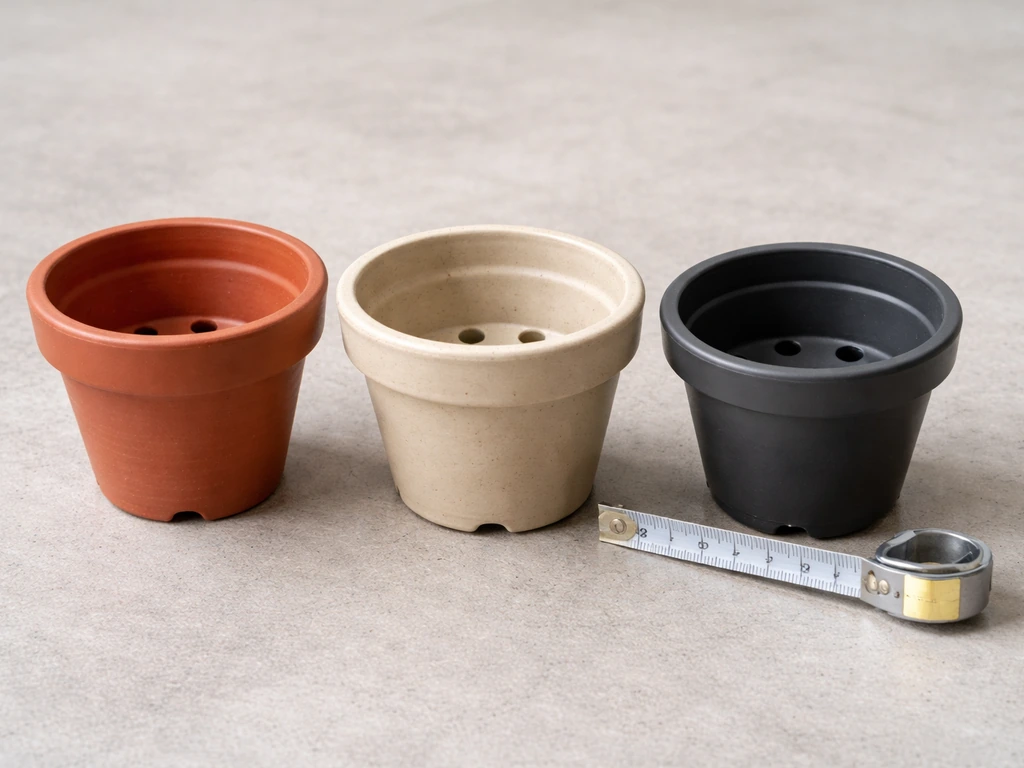
Pot size is the single most important decision you'll make. Illinois Extension points out that a container much larger than the plant holds more soil than the roots can use, which keeps moisture around the roots longer than it should be and invites rot. The flip side is equally true: too small and the plant runs out of room, dries out within hours in summer heat, and eventually stops growing altogether. The sweet spot is a pot that gives the roots maybe an inch or two of space beyond the current root ball.
For practical reference, a 6-inch (quart-size) pot is genuinely only suited to herbs and compact succulents. Anything larger, like a dwarf pepper or a patio tomato, needs at least a 5-gallon container. Potatoes, kale, and full-size tomatoes are happiest in bucket-sized containers of 10 gallons or more. If you're specifically trying to grow something naturally big in a small pot, choosing a compact or dwarf variety is non-negotiable, and I'll get into that below.
| Pot Size | Volume | Best For |
|---|---|---|
| 6-inch / quart pot | 1 qt | Herbs, succulents, seedlings |
| 8–10 inch pot | 2–3 qt | Small flowers, lettuce, compact herbs |
| 1-gallon pot | 1 gal | Dwarf annuals, small vegetables |
| 3-gallon pot | 3 gal | Dwarf pepper, strawberries, compact shrubs |
| 5-gallon pot | 5 gal | Patio tomatoes, cucumbers, dwarf citrus |
| 10+ gallon / bucket | 10+ gal | Full-size tomatoes, potatoes, kale |
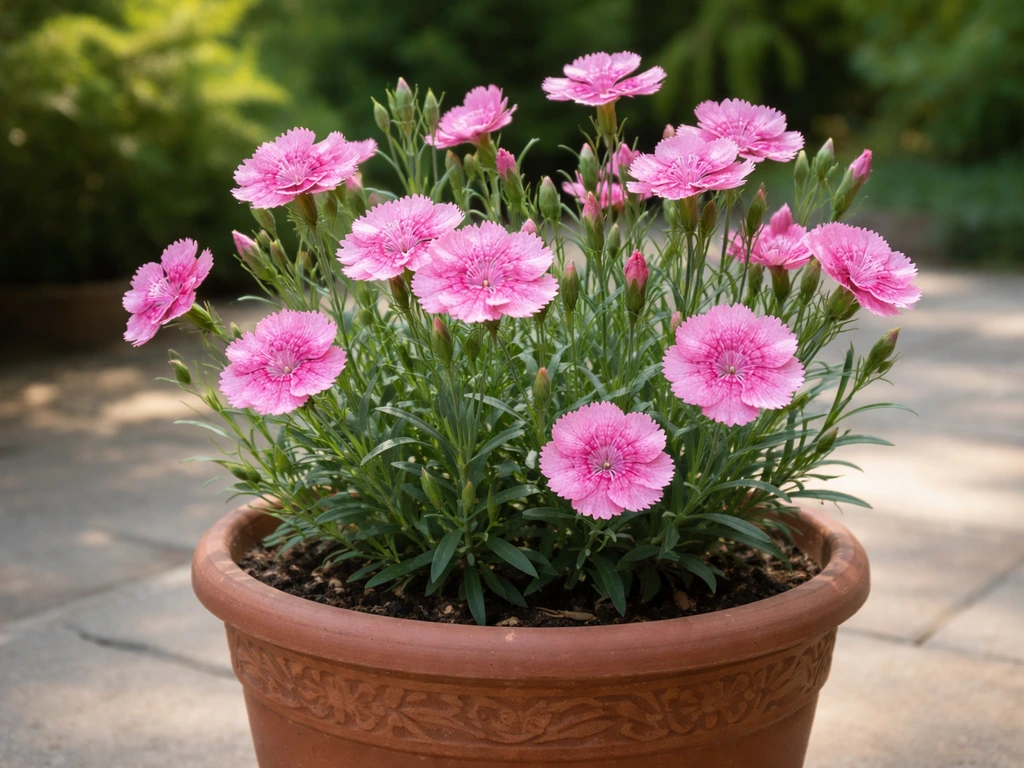
Material matters more than most people realize. Terracotta pots are breathable and forgive overwatering because they wick moisture through the walls, but they dry out fast in summer and crack in freezing temps. Plastic pots hold moisture longer, weigh less, and survive temperature swings well, which makes them a smart pick for urban gardeners moving things around a lot. Ceramic sits somewhere in the middle: beautiful, heavier, and decent at regulating moisture, but worth checking seasonal durability if you're leaving them outside year-round. Ceramic pots work well for container plants, but you should still prioritize drainage and match the pot size to the plant grow plants in ceramic pots.
Whatever material you choose, drainage holes are not optional. If your pot doesn't have them, drill at least two holes in the base before planting anything. Skipping drainage is the fastest route to root rot I know of. Skip the gravel layer at the bottom too, by the way. It's a persistent myth that gravel improves drainage. It actually creates a saturated zone right above it that does the opposite of what you want. Just use well-draining potting mix all the way down.
Plants that actually thrive in small containers (including some surprisingly big ones)
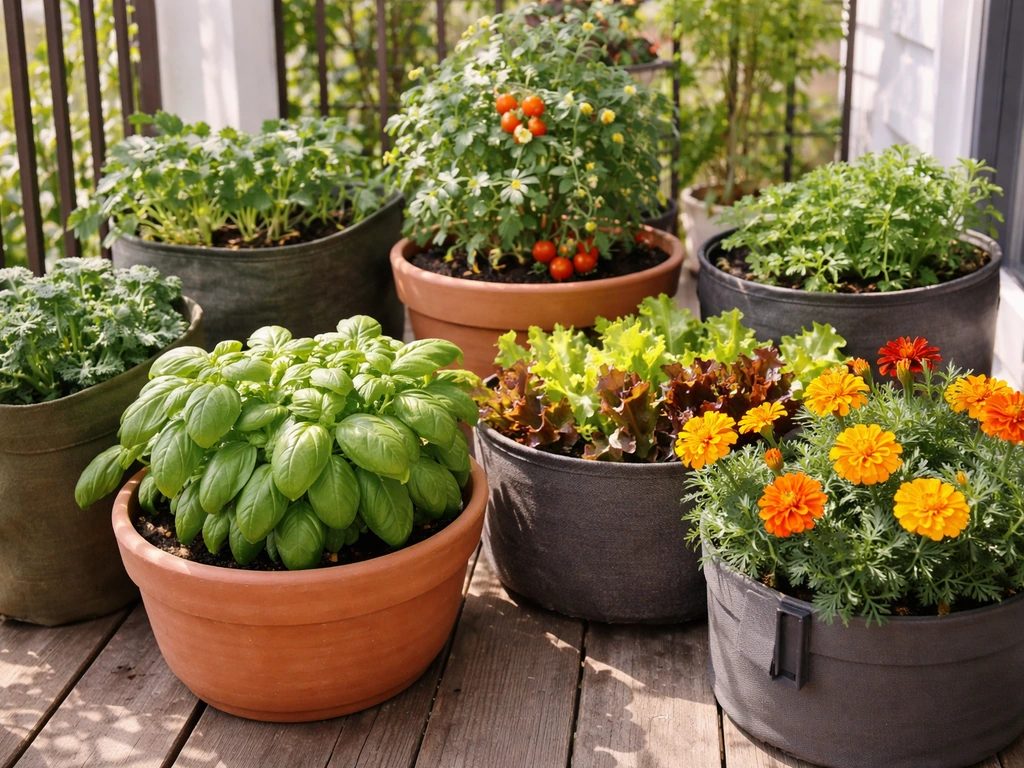
Most herbs are natural small-pot performers. Basil, thyme, chives, parsley, mint (keep mint in its own pot or it takes over), and cilantro all do well in 6-inch to 1-gallon containers. For flowers, petunias, marigolds, pansies, and calibrachoa are compact, floriferous, and forgiving for beginners. For food crops, lettuce, radishes, spinach, and strawberries are excellent small-pot choices.
Now for the fun part: you can grow plants that seem too big for pots if you choose the right variety. 'Patio' and 'Tumbling Tom' tomatoes were bred for containers. 'Lemon Drop' and 'Shishito' peppers stay compact but produce well. 'Bush Pickle' cucumbers, dwarf kale varieties, and 'Minuette' roses are all designed for limited root space. The key is looking for words like 'dwarf,' 'patio,' 'compact,' or 'container variety' on the seed packet or plant tag. Standard full-size varieties planted in small pots will stunt, and NC State Extension confirms that stunting in containers often means the plant has outgrown its root space during its most active growth phase.
- Herbs: basil, thyme, chives, cilantro, parsley, mint (solo pot)
- Salad greens: lettuce, spinach, arugula, radishes
- Compact vegetables: dwarf peppers, bush cucumbers, patio tomatoes, strawberries
- Flowers: marigolds, petunias, pansies, calibrachoa, dwarf zinnias
- Small shrubs and perennials: dwarf roses, lavender, compact ornamental grasses
Potting mix and soil setup for limited root space
Do not use garden soil in pots. I've seen beginners do this and it always ends the same way: the soil compacts into a brick, roots suffocate, and the plant slowly declines. Garden soil is too heavy and dense for containers. What you need is a purpose-made potting mix, which is lighter, holds air around roots, and drains properly while still retaining enough moisture between waterings.
For small pots specifically, I like to add about 10–20% perlite to a standard potting mix. Perlite is those small white pellets you see in bagged soil. They keep the mix from compacting over time and improve drainage, which is critical when root space is already limited. For succulents or cacti in small pots, use a cactus-specific mix or go 50/50 potting mix and perlite. For herbs or vegetables, a good-quality all-purpose potting mix with perlite added works extremely well.
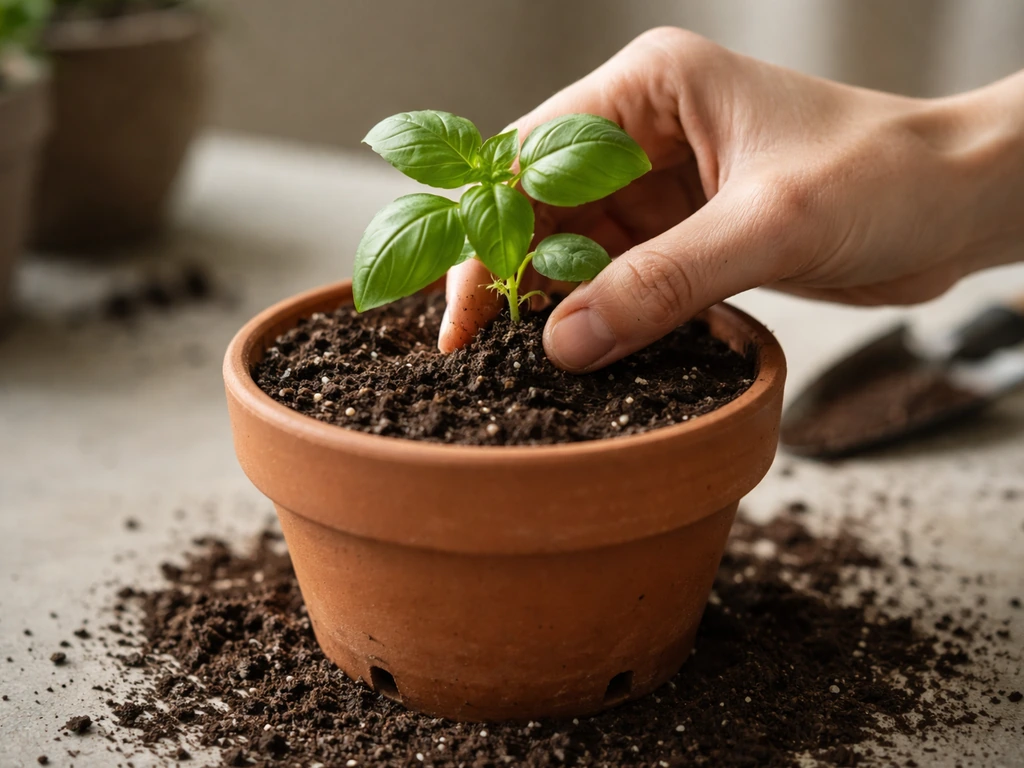
One more tip: fill the pot to about an inch below the rim. That gap lets water pool briefly when you water rather than running straight off the surface. When potting up, gently loosen the roots if they're circling the root ball before you place the plant. Circling roots that aren't loosened will keep growing in that circular pattern and eventually strangle the plant from within.
Light and placement for healthy, fast growth
Most vegetables and flowering plants need a minimum of 6 hours of direct sunlight per day to grow well. If you're on a balcony or patio, put your pots in the sunniest spot you have. South-facing or west-facing spots tend to get the most light in the Northern Hemisphere. The beauty of containers is that you can move them to chase the light, which is something fixed garden beds can't do.
For indoor small pots, a bright south-facing windowsill works for many herbs and succulents. If your windows are north-facing or partially shaded, a simple grow light set for 12–14 hours a day makes an enormous difference. You don't need an expensive setup: a basic LED grow light on a timer is enough for herbs, lettuce, or a small pepper plant on a kitchen counter.
One thing small pots have going against them outdoors is heat absorption. Dark plastic pots in full sun can get hot enough to cook roots in peak summer. Plastic pots are a helpful option for container gardening because they weigh less and keep moisture longer, but you still need to manage heat and watering carefully. If that's your situation, double-pot by placing the growing pot inside a larger decorative pot with some air gap, or wrap the pot in a light-colored cover. Terracotta stays cooler by nature, which is another reason it's a classic choice for hot climates.
Watering strategy for small pots
Small pots dry out fast, sometimes within 24 hours in summer heat. This is where most beginners struggle. The trick is not to water on a fixed schedule but to check the soil every day and water when the top inch is dry. Stick your finger an inch into the soil. If it feels dry at that depth, water thoroughly until water runs freely from the drainage holes. If it still feels moist, leave it another day.
Thoroughly means thoroughly. Giving plants a little splash every day encourages shallow roots and leads to salt buildup in the soil. Watering deeply but less frequently, until water drains out the bottom, pushes roots deeper and flushes out any accumulated mineral salts from tap water and fertilizer.
Signs you're underwatering: soil pulling away from the pot edges, wilting leaves in the morning (not just in hot afternoon sun), dry and crusty soil surface. Signs of overwatering: yellowing lower leaves, soggy soil that stays wet for more than two days, and a musty smell from the pot. Overwatering is actually more common than underwatering and harder to fix, because root rot sets in quickly in compact soil volumes. When in doubt, wait a day before watering.
Feeding and boosting growth in small containers
Potting mix comes with some starter nutrients built in, but those are typically used up within 4–6 weeks. After that, the plant is completely dependent on you for nutrition. This is one of the main reasons container plants stall or look pale and weak: people assume the soil handles it and never feed.
For most small-pot plants, a balanced liquid fertilizer (look for roughly equal N-P-K numbers like 10-10-10 or similar) applied every two weeks during the growing season is a solid starting point. Dilute it to half the recommended strength if you're using it frequently. For flowering plants and fruiting vegetables, switch to a fertilizer higher in phosphorus and potassium once buds form. This encourages flowers and fruit rather than just leafy growth.
Micronutrients matter more in containers than most people know. Because you're watering frequently and the soil volume is small, minerals like iron, magnesium, and calcium leach out faster than in garden beds. Yellowing between the leaf veins (while the veins themselves stay green) is a classic sign of iron or magnesium deficiency. A liquid seaweed or kelp supplement every few weeks, or an occasional dose of a micronutrient-complete fertilizer, keeps this from becoming a problem. I personally add a diluted seaweed feed once a month through the growing season and it makes a noticeable difference in leaf color and overall plant health.
Maintenance, pruning, and knowing when to repot
Pruning and training
Regular pruning is what separates a pot that looks lush all season from one that gets leggy and sparse by midsummer. Pinching out the growing tips of herbs and annual flowers (just snip or pinch off the top inch of each stem) encourages the plant to branch out instead of growing tall and thin. Do this every couple of weeks and you'll get a bushier, fuller plant.
For climbing plants in small pots, a small bamboo stake or a compact trellis keeps things manageable and keeps the plant growing upward rather than flopping over neighbors. If you are growing climbing plants in pots, make sure they have solid support, enough root space, and consistent watering so they keep growing upward grow climbing plants in pots.
Root management
Roots coming out of the drainage holes or circling visibly at the soil surface are your clearest sign that the plant has outgrown its pot. NC State Extension notes that stunting during a plant's active growth phase is often a sign it needs more root room.
When you see roots escaping the bottom, it's time to either size up to a pot one or two inches larger in diameter or, for plants you want to keep compact, do a root trim. Root trimming sounds intimidating but it's straightforward: remove the plant, trim the outer roots back by about a third with clean scissors, refresh the potting mix, and repot into the same container. Do this in early spring before the main growth push.
Troubleshooting the most common small-pot problems
| Problem | Likely Cause | Fix |
|---|---|---|
| Slow or stalled growth | Rootbound, low light, or no fertilizer | Check roots, move to brighter spot, start feeding |
| Wilting despite wet soil | Root rot from overwatering | Reduce watering, improve drainage, check roots |
| Yellowing lower leaves | Nutrient deficiency or overwatering | Feed with balanced fertilizer, check drainage |
| Yellowing between leaf veins | Micronutrient deficiency | Apply seaweed/kelp or micronutrient supplement |
| Leggy, stretched growth | Not enough light | Move to sunnier spot or add grow light |
| Plant drying out daily | Pot too small for plant size | Upsize pot or water more frequently in summer |
When to refresh potting mix
Even if your plant isn't rootbound, old potting mix breaks down over time, loses its structure, and holds less air. Once a year in spring, or every time you repot, replace at least half the old mix with fresh potting mix. This single habit does more for long-term container plant health than almost anything else. Think of it as resetting the conditions that made the plant healthy in the first place.
Your practical next steps this week
If you're just getting started, do these things first: choose one or two compact plants from the list above that suit your light conditions, pick a pot with drainage holes that's appropriately sized (not too big), fill it with a quality potting mix plus a handful of perlite, and place it in the best light spot you have. For more specific guidance, follow this guide on how to grow indoor plants in pots, from light to watering. Water only when the top inch of soil is dry, and set a reminder to start feeding after the first 4–6 weeks.
- Check your light situation today and pick a location with at least 6 hours of sun (or set up a grow light indoors)
- Choose a plant variety labeled 'compact,' 'dwarf,' or 'patio' if you want bigger plants in smaller pots
- Buy a bag of quality potting mix and some perlite to blend together before planting
- Select a pot with drainage holes that gives roots 1–2 inches of space beyond the current root ball
- Water the day after planting and then check daily, watering only when the top inch of soil is dry
- Mark your calendar to start fertilizing 4–6 weeks after planting, then every two weeks through the growing season
- Check roots monthly and watch for signs of the pot being too small: roots escaping drainage holes, daily drying out, or stalled growth
Container gardening in small pots is genuinely forgiving once you get the basics right. If you want a full walkthrough, use this guide on how to grow healthy plants in pots container gardening in small pots. You'll make mistakes early on (I killed plenty of herbs by overwatering before I learned to just check the soil first), but every pot you grow teaches you something.
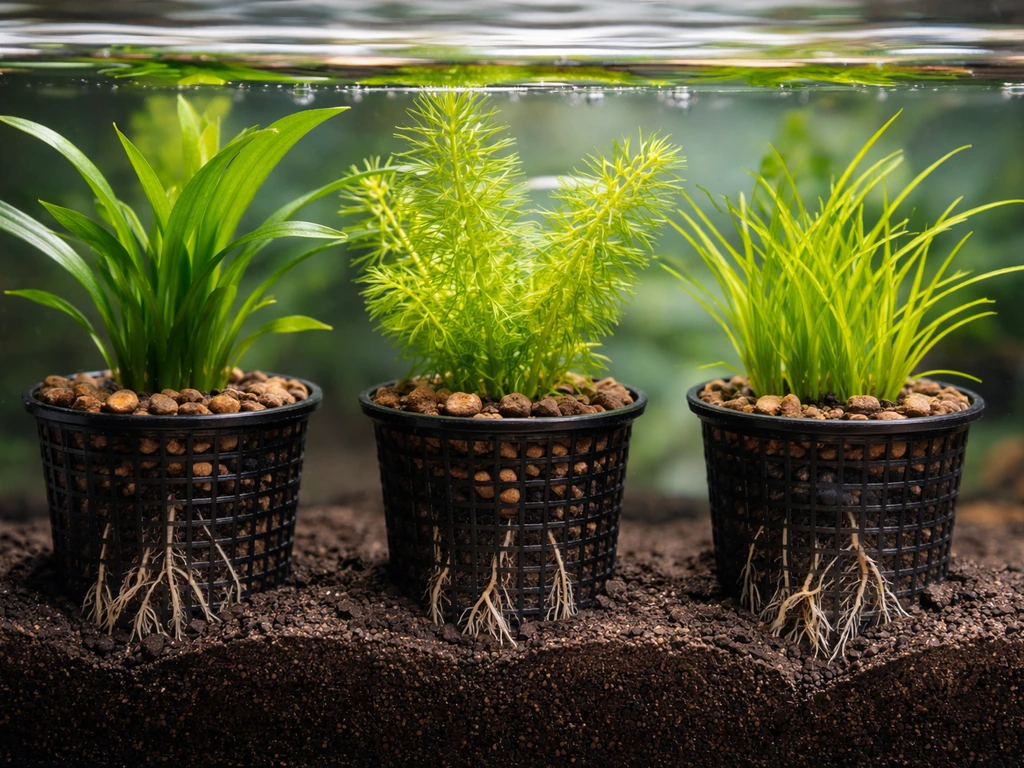
If you want to take this further, it's worth exploring how to grow plants faster in pots by dialing in fertilizer timing, or looking into how specific pot materials like ceramic or plastic affect watering frequency and root health in different climates. If you also want the plants to look healthy underwater, check the basics of how to grow aquarium plants in pots how to grow plants faster in pots.
FAQ
If my potting mix already has fertilizer in it, when should I start feeding my small potted plants?
Yes, but treat it like a “startup” mix. Plant food in most bagged potting mixes lasts about 4 to 6 weeks, so if you’re starting from seed or transplanting into a fresh pot, plan to begin fertilizing around week 5 to avoid pale, slow growth.
How do I water small potted plants without drowning them, especially when I use a saucer?
For small pots, aim for frequent, complete watering that drains out the bottom, then wait until the top inch is dry again. If you’re using a saucer, empty any runoff after 10 to 20 minutes, because letting pots sit in water reintroduces root-rot risk in compact containers.
My small plant looks stressed, how can I tell whether it needs water or better drainage?
Check the roots and the drain. If the plant looks thirsty but the soil stays wet, it’s often poor drainage or root damage, not “just more water.” Another sign to troubleshoot immediately is a musty smell or persistently dark, soggy soil more than two days after watering.
What should I do if my pots dry out within a day in summer heat?
Yes, and it can be a helpful fix for very hot spots. Move to morning sun with afternoon shade, use a light-colored cover, or double-pot with an air gap. If you notice the soil drying in hours, switch to a larger container size within your space limits.
Can I keep a plant in the same small pot indefinitely, or should I always upsize?
Start with a plant that matches your pot size and lighting, then “scale up” gradually. If you must keep the same pot, choose a compact or dwarf variety and use pruning or root trimming in early spring rather than repeatedly forcing it with extra fertilizer.
What’s the best response when roots start circling the pot or showing from the drainage holes?
If roots are circling and you see roots coming from the holes, size up by about 1 to 2 inches in diameter if you want more growth. If you want it to stay compact, root trim in early spring (trim about a third of outer roots, refresh potting mix, repot) instead of simply adding more fertilizer.
My plant wilts, how can I know if it’s underwatered or suffering from overwatering?
Use a finger test (top inch dry) and also observe leaf behavior. Wilt that improves after watering usually means underwatering, while yellowing leaves, soggy soil, and persistent droop despite wet soil point toward overwatering or root stress.
How strong should fertilizer be for small pots, and how do I avoid nutrient burn?
Begin with half-strength liquid fertilizer and increase only if growth is steady and the plant looks healthy. Too-strong feeding in small pots can build up salts and burn roots, especially when watering is frequent but not deeply draining.
How do I manage salt buildup from frequent watering and fertilizing in tiny containers?
If you want to reduce the chance of salt buildup, water thoroughly until it drains, then occasionally “flush” by running extra clean water through the pot. Replace at least half the potting mix yearly (or at repotting) to restore structure and prevent chronic fertilizer residue.
Are the same potting-mix and watering rules apply to indoor plants in small pots?
Yes, but choose carefully. Use cactus mix for succulents, and consider a pot material that matches your indoor conditions, like plastic for slower drying or terracotta if your home is bright and airflow is good. Always check dryness by depth since indoor pots can stay wet much longer in winter.
The top of my potting mix looks fresh, do I still need to replace old mix in small pots?
Avoid “topping off” with fresh soil only. Small pots need a structural refresh, so yearly replace at least half the mix and inspect drainage. If the mix has compacted, stir or break up the top layer can help temporarily, but a partial repot with fresh mix is more reliable.