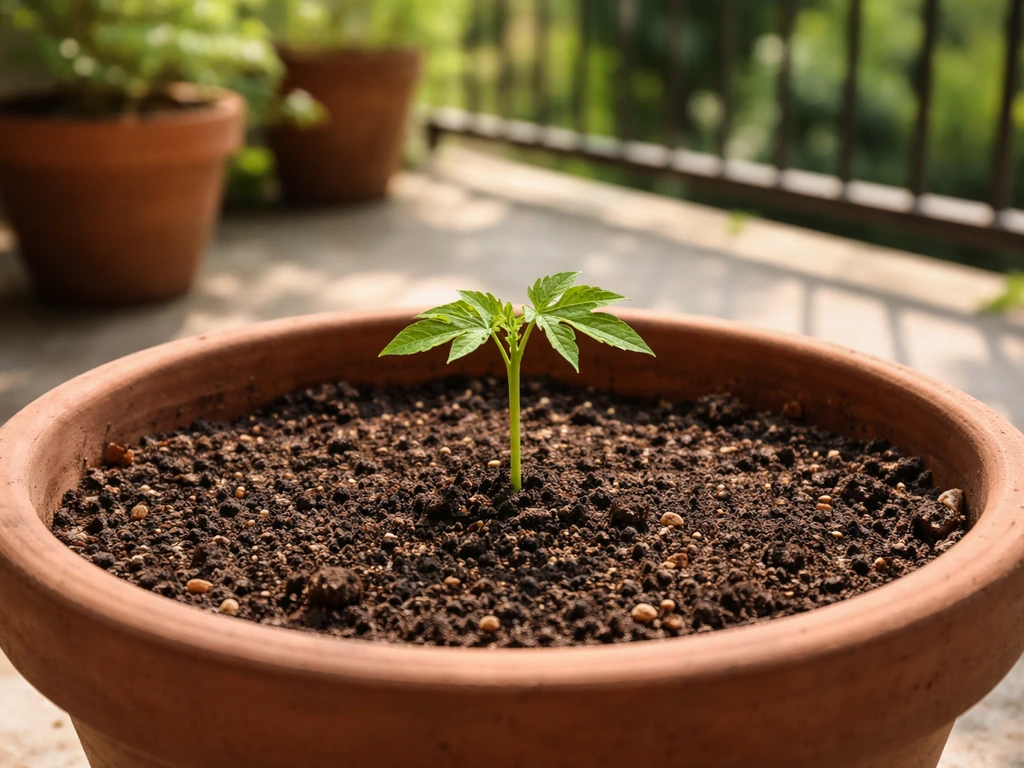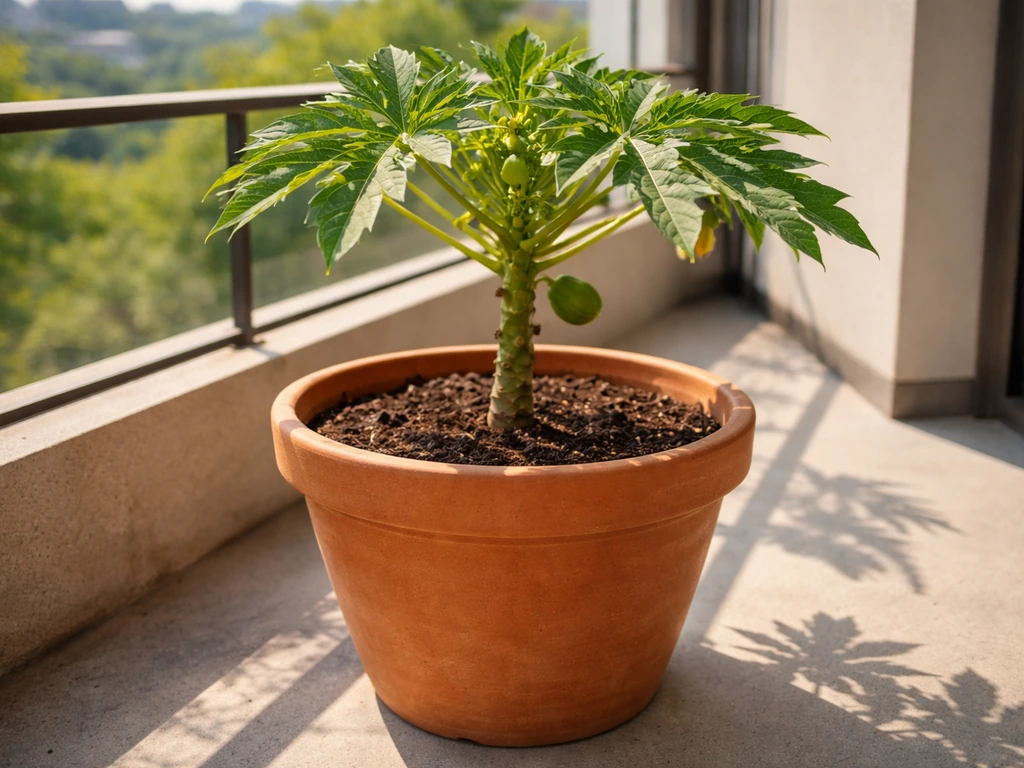
You can absolutely grow an orange tree in a pot, and it can fruit reliably on a balcony, patio, or even indoors near a sunny window. If you want a similar setup for a tropical fruit, you can also learn how to grow papaya in a pot with the right light and container size growing inside near a sunny window. The key is picking a compact variety, giving it a large enough container with good drainage, and committing to a consistent watering and feeding routine. Do those three things and you are most of the way there.
How to Grow Oranges in a Pot: Step-by-Step Guide
Marcus Whitley
28 Apr 2026
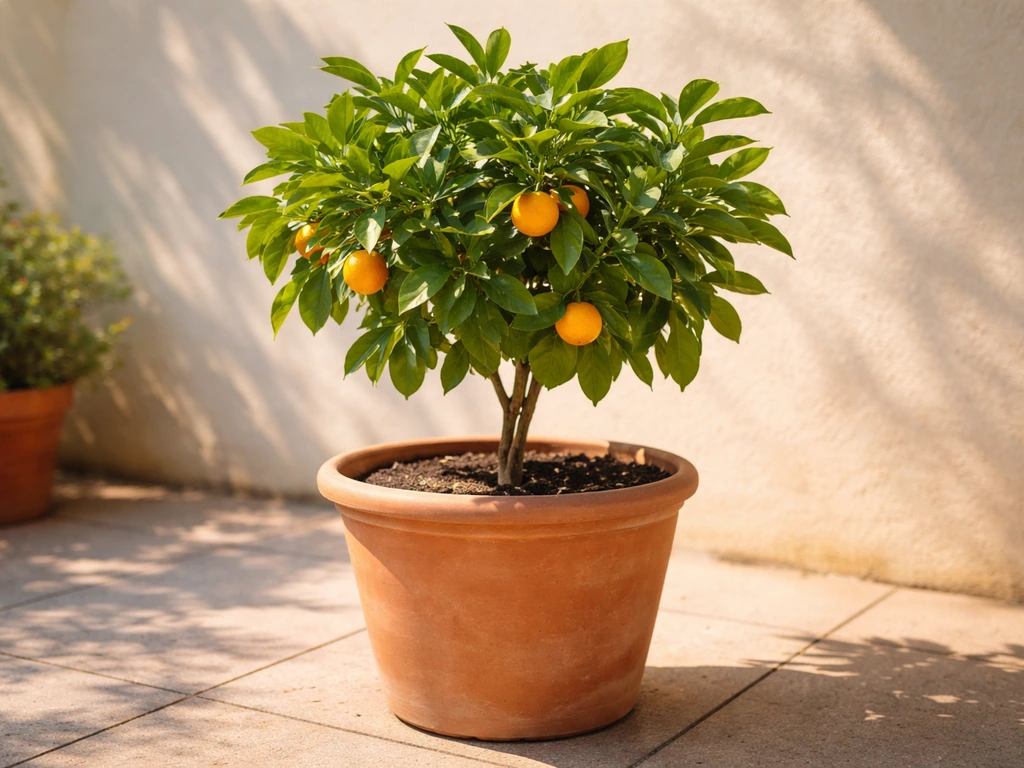
Best orange varieties for container growing
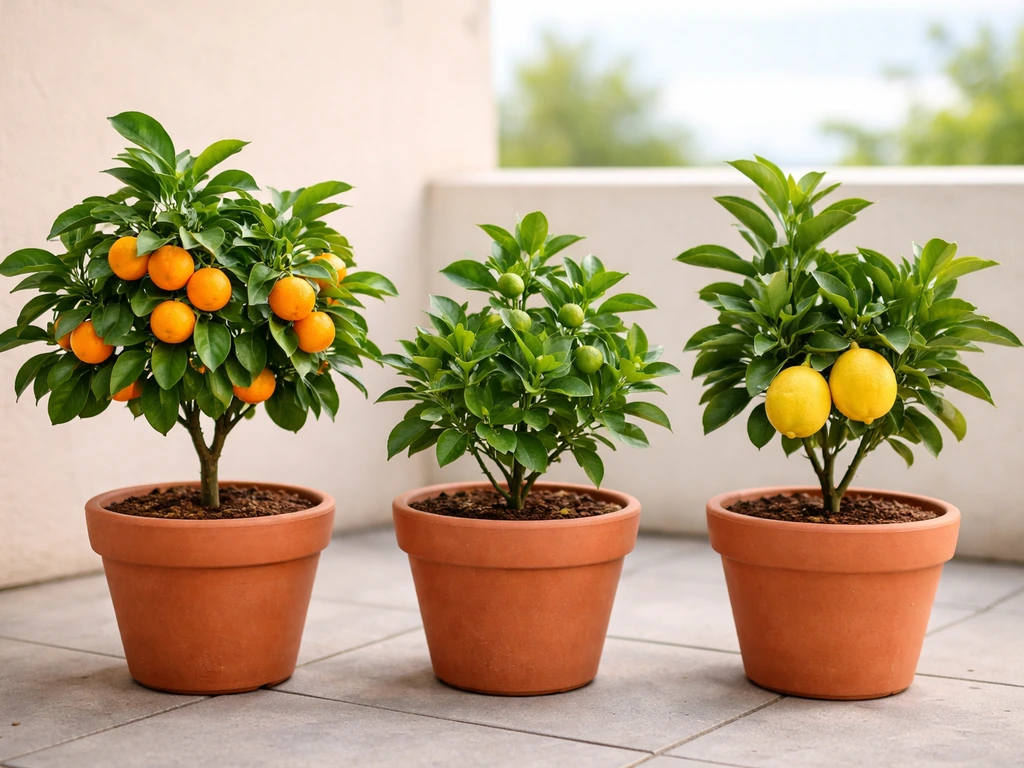
Not every orange tree belongs in a pot. Standard orchard trees can hit 20 to 30 feet, which is obviously a problem when your 'garden' is a fire escape. What you want are naturally compact or dwarf varieties that stay manageable, produce real fruit, and tolerate the temperature swings that come with container life.
Calamondin is probably the most forgiving choice for beginners. It is a small ornamental orange relative that handles cold down to about 22°F, blooms almost year-round indoors, and stays naturally compact. The fruit is tart rather than sweet, but the tree is practically indestructible and gives you a genuine confidence boost. If you want sweeter eating oranges, look at Satsuma mandarins, which are cold-tolerant sweet orange types and a popular recommendation in the American South for container growing. Washington Navel on dwarfing rootstock and Trovita are also good picks for pots because they fruit well without needing extreme heat to ripen.
One practical note: always buy a grafted tree from a nursery rather than trying to grow one from seed (more on that below). Grafted trees stay smaller, fruit years earlier, and keep the characteristics of the parent variety reliably.
| Variety | Size in pot | Cold tolerance | Fruit flavor | Best for |
|---|---|---|---|---|
| Calamondin | Compact, 3–5 ft | Hardy to 22°F | Tart/sour | Beginners, indoor growing |
| Satsuma mandarin | Medium, 4–6 ft | Good cold tolerance | Sweet, seedless | Cold climates, patios |
| Washington Navel (dwarf) | Medium, 5–7 ft | Moderate | Sweet, classic | Warm patios, sun rooms |
| Trovita | Medium, 4–6 ft | Moderate | Sweet, mild | Low-heat climates |
| Dwarf Valencia | Medium, 5–7 ft | Moderate | Sweet, juicy | Warm climates, summer fruit |
Choosing the right pot, drainage, and potting mix
Container size matters more than almost anything else. A tree that is cramped in too small a pot gets stressed, stops growing, and struggles to fruit. Start with a container that is at least 2 inches wider than the nursery pot your tree came in, typically moving from a 3-gallon nursery pot into a 5-gallon container first. Over the following years, you will work up to a 15 to 25-gallon container for a mature tree. Yes, that is a big pot, but orange trees have substantial root systems and need the room.
Material is less critical than people think. Plastic, metal, wood, and ceramic all work fine as long as the container has adequate drainage holes. Plastic is lighter and easier to move indoors in winter, which is a real practical advantage. Terra cotta looks great but dries out fast and is heavy once filled. Whatever you use, make sure water can actually escape freely from the bottom. If your pot has a saucer, be careful: water sitting in that saucer can wick back into the soil and keep roots too wet.
For potting mix, skip regular garden soil entirely. It compacts in containers and kills drainage. You want a lightweight mix that does two opposite things at once: holds enough moisture to keep roots hydrated between waterings, but drains freely so roots never sit in soggy conditions. The formula that works well is a quality commercial potting mix blended with inorganic amendments like perlite, vermiculite, or coconut coir.
A rough starting ratio is about 70% potting mix to 30% perlite or similar gritty material. Target a soil pH of 6. 0 to 6. 5, which is slightly acidic.
Most good citrus or all-purpose potting mixes land in that range, but it is worth checking with an inexpensive pH meter if your tree starts showing signs of nutrient trouble.
Planting options: sapling vs. seed, and when to repot
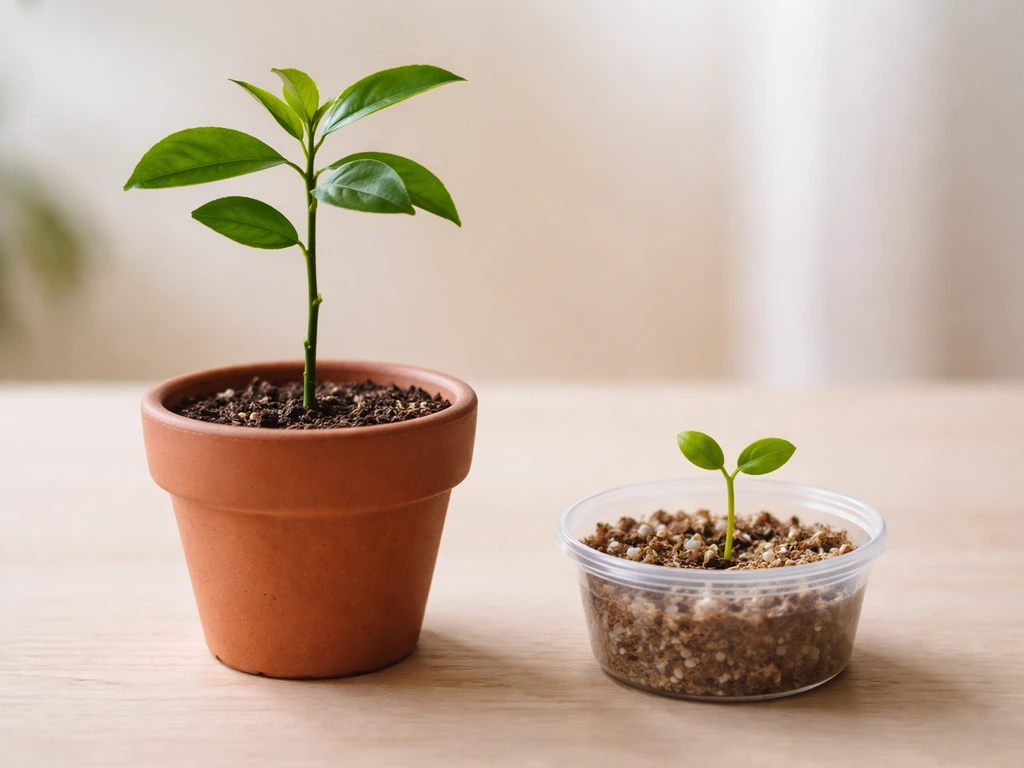
Should you start from seed or buy a tree?
Growing an orange from seed is genuinely fun as an experiment, but be honest with yourself about expectations. Seed-grown trees can take 7 to 15 years to produce fruit, and they often grow much larger than grafted dwarf varieties. For anyone who actually wants to eat oranges from their pot within a few years, buying a grafted sapling from a nursery is the smarter move. Grafted trees can start flowering and fruiting in as little as 2 to 3 years after purchase, sometimes sooner if you buy a tree that is already a couple of years old.
When and how to repot
Repot your orange tree when you notice roots circling inside the container, poking out of drainage holes, or when growth slows noticeably despite good care. The general timing rule is late winter or early spring just before the tree pushes its new flush of growth. When you repot, move up to a container 2 to 4 inches wider than the current one. Avoid the temptation to jump to a giant pot all at once as too much extra soil volume stays wet too long and increases root rot risk. At each repotting, gently tease apart any circling roots and trim any that look dead or mushy.
Light, placement, and temperature protection
Orange trees are sun-hungry. They need at least 6 to 8 hours of direct sun each day to grow well and produce fruit. If you are growing outside, put the pot in the sunniest spot available, ideally south or west-facing. On a shaded balcony, a calamondin or Satsuma will struggle through, but a Navel orange will just sit there looking miserable and refuse to fruit.
If you are growing indoors or bringing your tree inside for winter, place it directly in front of your largest, brightest south-facing window. A grow light on a timer can supplement if natural light is weak. Indoors, aim to keep temperatures between 55°F and 65°F during winter rest. The trees do not love dry indoor air either, so mist the foliage occasionally or run a small humidifier nearby.
Cold and frost protection
The big advantage of container growing is that you can move your tree. If you are in a climate that gets frost, move the pot indoors or into a garage before nighttime temperatures drop toward the freezing mark. For young trees especially, cold protection is critical until they are well established.
If a cold snap catches you off guard and your tree is too heavy to move quickly, cover it with a frost cloth or old bedsheet to trap ground heat. Remove the covering as soon as temperatures climb back above freezing so you do not cook the foliage.
When temperatures warm back above freezing, take the covering off promptly to prevent heat stress or overheating, as recommended by Texas A&M AgriLife Extension Remove the covering as soon as temperatures climb back above freezing so you do not cook the foliage. .
Watering the soil thoroughly before an expected freeze also helps, because moist soil releases stored heat overnight and keeps root zone temperatures slightly warmer.
On the other end of the spectrum, on extremely hot summer days above 100°F, move your pot to a spot with afternoon shade. Container roots have no ground insulation and can overheat fast in a small black plastic pot sitting in full sun all day.
Watering, fertilizing, and soil amendments in pots
How and when to water
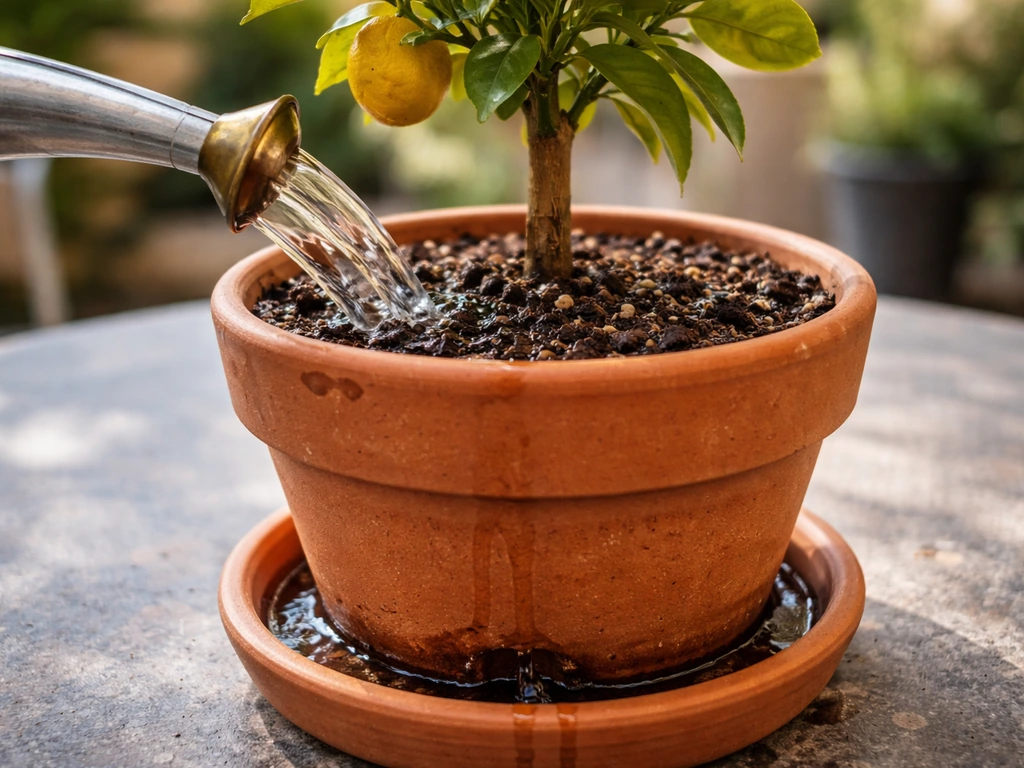
The most common way people kill container citrus is overwatering. The rule is simple: water when the top inch of soil feels dry to the touch. When you do water, go slowly and thoroughly until water runs freely out of the drainage holes. That flush-through method ensures the entire root zone gets moisture and also prevents fertilizer salt buildup. Then wait. Do not water again just because the surface looks dry on top after a warm afternoon. Stick your finger an inch into the soil. If it still feels damp, leave it alone.
Watch out for saucers. They are useful for protecting floors and decks, but if water pools in there and the soil wicks it back up, your roots stay wet for too long. Either empty the saucer after watering or use pot feet to lift the container slightly.
Fertilizing your container orange
Container trees need more regular feeding than in-ground trees because nutrients wash out every time you water. For young trees, feed lightly but frequently from spring through early fall with a fertilizer formulated for citrus, or a balanced fertilizer like 10-5-5. A slow-release granular fertilizer blended into the potting mix at planting time gives a steady baseline. Supplement that with a water-soluble acidic fertilizer every 4 to 6 weeks during the growing season. Clemson recommends slow-release formulations such as 12-6-6 or 12-4-6 as good all-around options for container citrus. Stop feeding in late fall and winter when growth naturally slows.
If your tree develops yellowing leaves, the cause is often an iron deficiency, especially if your water is hard or your mix has drifted alkaline. Chelated iron products (labeled as Fe-EDTA or Fe-EDDHA) applied as a foliar spray or soil drench are the most effective fix. A general citrus micronutrient spray once or twice a year also heads off most deficiency problems before they start.
Pruning, training, and encouraging flowering and fruit
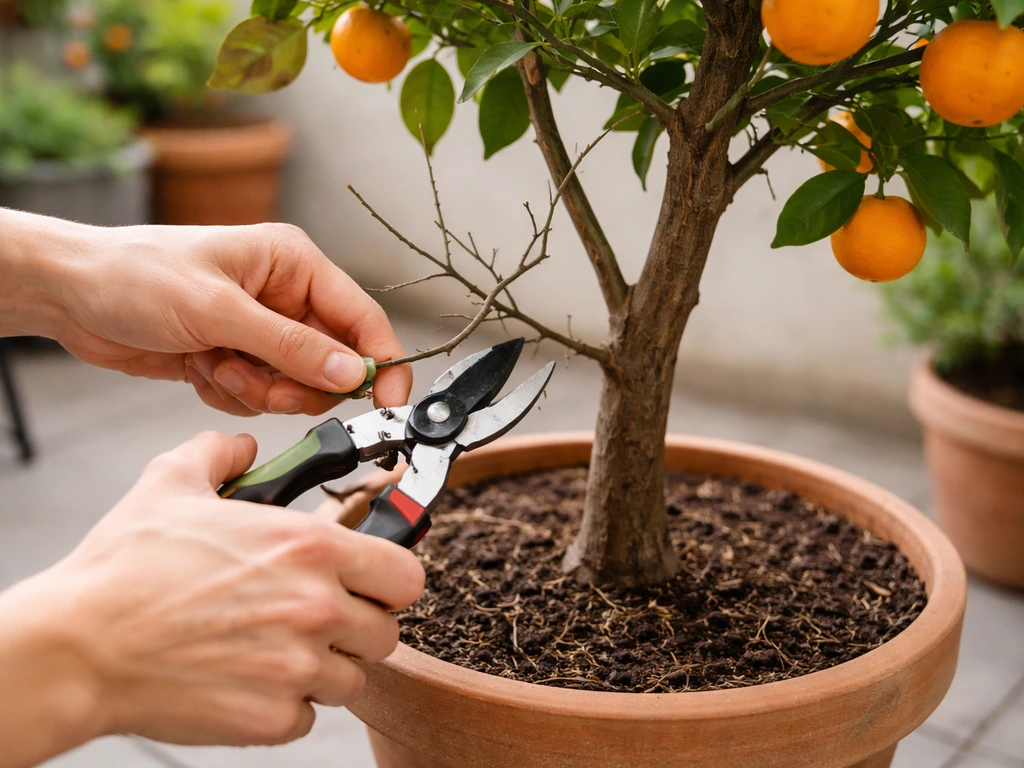
Container orange trees do not need heavy pruning, but a little shaping goes a long way toward keeping the tree manageable and well-fruiting. The best time for any significant pruning is late winter, around February, before the spring growth flush begins. Doing it then minimizes disruption to flowering and fruiting and gives new foliage time to harden before summer heat hits the exposed wood.
Focus your cuts on these priorities: remove any dead or broken branches, take out branches that cross and rub against each other, remove any shoots growing straight up from the center (called water sprouts), and clip off any growth touching the ground or the rim of the pot. The goal is an open canopy that lets light and air into the middle of the tree.
For fruit production, timing expectations matter. Most container citrus moves into active growth in late winter and early spring, followed by flower production. That flowering gives way to fruit that develops through summer and ripens in fall and winter. So if your tree blooms in spring, you are typically looking at fruit 6 to 9 months later. First-year trees often drop their flowers or tiny fruitlets, which is normal and not a reason to panic. Consistent care, adequate light, and avoiding stress during the flowering window are the levers you can pull to improve fruit set.
One tip that catches people off guard: orange trees sometimes need a mild stress signal to trigger flowering. A slight dry-down period in late winter, before you resume heavy watering and feeding in spring, can encourage flower bud formation. Do not let the tree wilt severely, but allowing the soil to dry out a bit more than usual for a couple of weeks in January or February often prompts a nice flush of blooms.
Common problems and how to fix them
Yellow leaves
Yellow leaves are the most common complaint and have several possible causes. Uniform yellowing of older lower leaves usually means nitrogen deficiency, so feed the tree. Yellowing between green veins on new growth (called interveinal chlorosis) usually points to iron or manganese deficiency, often triggered by high pH in the potting mix. Check your pH and apply chelated iron if needed. Widespread yellowing with soggy soil almost certainly means overwatering or root rot. Let the soil dry out and improve drainage.
Pests to watch for
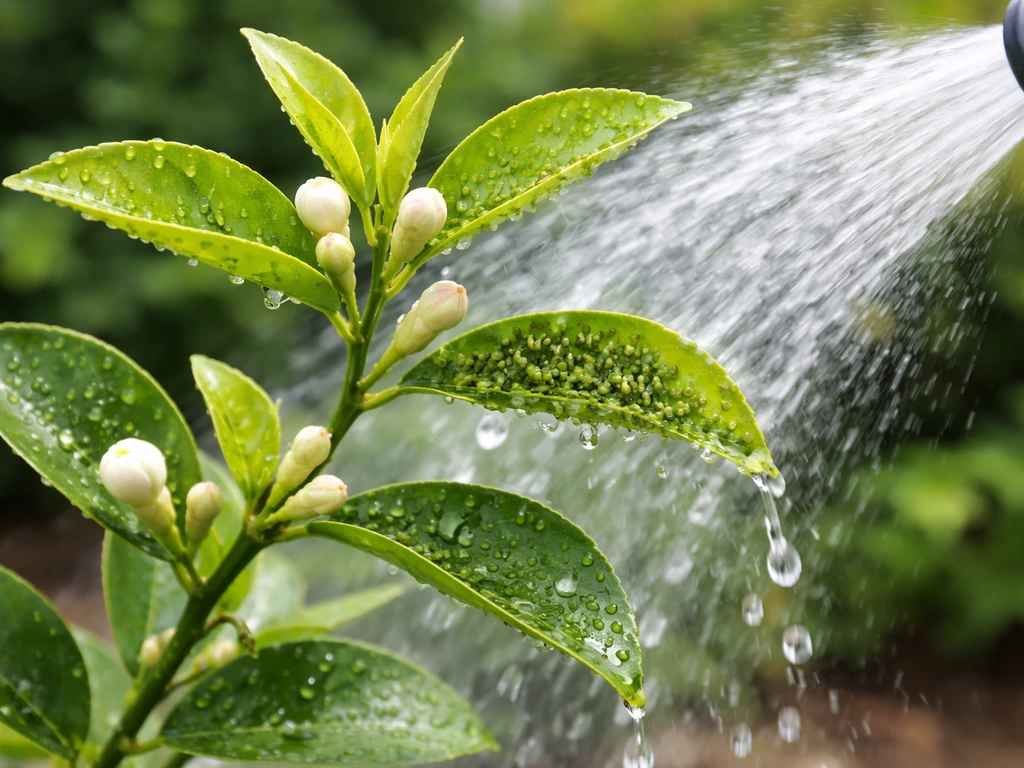
- Aphids: small soft-bodied insects clustering on new growth and flower buds. Knock them off with a strong water spray or apply insecticidal soap.
- Spider mites: look for fine stippling on leaves and light webbing on the undersides of foliage, especially in hot dry conditions. Increase humidity around the tree and use a miticide or insecticidal soap spray.
- Scale insects: brown or tan shell-like bumps on stems and leaf undersides. Scrape off manually and treat with horticultural oil.
- Citrus leafminer: a small moth larva that tunnels through new leaves, leaving squiggly silver trails. Damage looks alarming but rarely kills the tree. Spray new growth flushes with spinosad or neem oil if infestations are heavy.
Root rot and Phytophthora
Phytophthora root rot is a soil-borne disease that attacks citrus roots and the base of the trunk and is almost always triggered by overwatering or poor drainage. Symptoms include yellowing leaves, wilting despite moist soil, and dark discolored patches near the soil line on the trunk. Prevention is the best medicine: good drainage, correct watering habits, and never burying the trunk graft union under soil or mulch. If you catch early root rot, remove the tree from the pot, trim away any black mushy roots, let the roots air dry briefly, then repot in fresh well-draining mix.
Tree won't fruit
The most common reasons a container orange tree does not fruit are: not enough direct sunlight, the tree is too young, it is getting too much nitrogen fertilizer (lots of leafy growth, no flowers), or it experienced temperature stress during the flowering window. Colorado State University Extension notes that insecticidal soap sprays can be effective against small, soft-bodied arthropods such as aphids and mites Insect Control. Run through those four checkpoints before assuming something is seriously wrong. Most healthy, well-lit trees will reward patience.
Simple seasonal care checklist
| Season | Key tasks |
|---|---|
| Late winter (Jan–Feb) | Prune dead/crossing branches and water sprouts. Allow soil to dry slightly to encourage flower bud set. Begin preparing for spring feeding. |
| Spring (Mar–May) | Resume regular watering as new growth appears. Start fertilizing with citrus fertilizer every 4–6 weeks. Watch for aphids and leafminer on new flushes. Repot if needed before growth accelerates. |
| Summer (Jun–Aug) | Water more frequently as temperatures rise. Move pot to afternoon shade on days above 95–100°F. Continue fertilizing. Monitor for spider mites in hot dry spells. Fruit is developing on the tree. |
| Fall (Sep–Nov) | Reduce fertilizing as growth slows. Watch fruit approaching ripeness. Begin planning cold protection if frost is possible in your climate. Move pot closer to shelter if needed. |
| Winter (Dec–Feb) | Bring indoors or protect from frost. Keep indoor temps between 55–65°F. Water sparingly. No fertilizing needed. Give the tree its rest period before the spring cycle begins again. |
If you are also interested in growing other citrus relatives in containers, many of the same principles here apply to kumquat trees and broader citrus container growing, which share similar soil, light, and care requirements. Tropical fruit like papaya has a different growth habit and care regime, but the container-sizing logic is surprisingly similar. Tropical fruit like papaya has a different growth habit and care regime, but if you want the full step-by-step for containers, use this guide on how to grow papaya plants in pots as a related option. Tropical fruit like papaya will do best with a warm spot, a well-draining potting mix, and steady watering as the container dries slightly between waterings.
The best thing you can do today is pick your variety and order or source a grafted tree from a reputable nursery. While you wait for it to arrive, gather a 5-gallon pot with drainage holes, a bag of quality potting mix, and a bag of perlite. Mix those together and you will be ready to plant the day your tree shows up. From there it really is just consistent watering, regular feeding, and a sunny spot.
If you want a complete walkthrough beyond potting and sunlight, follow this guide on how to grow citrus trees in pots. If you are looking for a non-citrus container project too, this guide on how to grow citronella in a pot covers the light, soil, and watering basics you need. Give it a full growing season and you will likely see your first flowers.
Give it two or three seasons and there is a very good chance you will be eating oranges you grew yourself.
FAQ
Can I keep one orange tree in a pot forever, or will I need to keep repotting it?
You should plan on repotting as the tree grows. In practice, you keep stepping up container size (usually just a little each time) until you reach a final large pot, then you switch to “top-dressing” and occasional partial root work. If you never repot, roots become pot-bound, growth slows, and nutrient balance becomes unreliable even with regular feeding.
What size pot should I use for a dwarf orange, and when do I stop increasing the container size?
Start around 5 gallons if your nursery tree is in a 3-gallon pot, then move up gradually (about 2 to 4 inches wider each repot). Many container citrus are effectively “final pot” candidates around 15 to 25 gallons, depending on the variety and how vigorous the tree is. If the tree has slowed despite correct light and watering, it is often time to go one step wider or do corrective root work.
How do I know if my potting mix is draining correctly before I plant?
Do a simple fill test. Water the empty pot thoroughly, then check how fast it drains and whether any water remains pooled for hours. If drainage is slow or inconsistent, the mix, potting mix amount, or pot drainage holes are likely the issue. Also confirm the pot is not sitting airtight in a tray that blocks runoff.
Is it better to grow oranges from seed or buy a grafted tree for container fruiting?
For eating oranges within a reasonable timeframe, buy a grafted nursery tree. Seed-grown trees often take many years to fruit (commonly 7 to 15) and can grow larger than you want in a container. Seed trees also vary in traits, so you might not get the flavor or cold tolerance you expected.
How often should I water an orange in a pot if the weather changes a lot?
Base the schedule on soil moisture, not the calendar. The reliable method is watering when the top inch feels dry, then watering slowly until it runs freely from the drainage holes. In hot weather the intervals shrink, in cool weather they stretch. If you consistently water on a fixed schedule, overwatering becomes much more likely during cool, cloudy weeks.
What should I do if my tree blooms but drops flowers or tiny fruitlets?
Some drop is normal, especially on first-year trees. To improve retention, keep the tree stable during flowering by avoiding major light changes, avoiding letting the pot dry out too far, and stopping late-season nitrogen-heavy feeding. Temperature swings around flowering can also increase drop, so protect from cold snaps and overheating.
Do orange trees in pots need pollination, or will one tree set fruit on its own?
Most common container orange types are self-fertile, meaning they often set fruit without a second tree. However, stress and poor flowering conditions can still prevent fruit. If your variety is unusual or you have very low bloom, adding another compatible citrus may help, but first confirm you are meeting the light, watering, and temperature needs for flowering.
Should I prune my potted orange tree to increase fruiting, and how much is too much?
Light shaping is usually enough. Save major pruning for late winter before the spring growth flush so you do not remove the wood that will flower. Avoid heavy summer pruning, because it can reduce leaf area, weaken the tree, and disrupt energy storage needed for fruit development.
My orange leaves are yellow. How do I tell nitrogen deficiency from iron or root problems?
Look at the pattern and the soil conditions. Older lower leaves turning uniformly yellow often points to nitrogen shortage, while yellowing between green veins on new growth often suggests iron or manganese issues tied to high pH. If yellowing comes with wilting or a soggy pot, root problems from overwatering or poor drainage become more likely.
What is the fastest way to fix iron deficiency in a potted orange?
Check or at least consider mix pH first, then use chelated iron labeled for citrus (for example Fe-EDDHA or Fe-EDTA). A foliar spray can show response faster than waiting for a soil drench to work through the root zone. If your water is very hard or the mix has drifted alkaline, you may need repeat treatments during the growing season.
How can I tell if Phytophthora root rot is happening, and should I try to save the tree in the pot?
Root rot signals often include yellowing with wilting despite moist soil, and dark, mushy tissue near the soil line or trunk base. If you see early signs, act quickly. The most effective salvage is removing the tree, trimming away black mushy roots, briefly air-drying the healthy roots, and repotting into fresh, well-draining mix. Continuing to water in the same pot typically worsens the damage.
Is a saucer under the pot always a problem for container oranges?
A saucer is not automatically harmful, but standing water is. If water pools and the potting mix wicks it back up, roots can stay too wet and nutrient uptake suffers. Either empty the saucer after watering or lift the pot slightly using pot feet so runoff cannot accumulate at the base.
What should I do with my orange tree during winter indoors, especially if the air is very dry?
Provide the brightest location possible, typically a south-facing window, and supplement with a grow light if natural light is limited. Keep winter temperatures moderate and steady, and manage indoor humidity because dry air can stress foliage. If you mist, do it lightly and avoid leaving leaves wet overnight, and prioritize good airflow to reduce fungus risk.
How do I protect a potted orange tree from frost without damaging it?
Move indoors or into an unheated garage before nighttime temperatures near freezing if you can. If you must cover it, use breathable frost cloth or an old bedsheet, and remove it as soon as temperatures rise above freezing to prevent overheating under the cover. Water the soil thoroughly before an expected freeze to buffer root-zone temperature, but never do this if drainage is questionable.
In extreme heat, do container oranges need special care beyond moving to shade?
Yes. Containers overheat faster than ground soil, especially in dark pots. Move to afternoon shade, and consider insulating the sides of the pot from direct sun if you cannot fully relocate it. Still follow the watering test method, because even when the tree looks dry on top, the root zone may stay damp longer than expected after a brief cool period.