Yes, you can absolutely grow papaya in a pot, and it works better than most people expect. Papaya is naturally fast-growing and does not develop a massive root system in its early years, which makes it genuinely well-suited to container life. The catch is that it is one of the most temperature-sensitive fruits you can grow, so your climate and your ability to move the plant around matters a lot. Get those basics right, and you can have a papaya flowering within five or six months of planting and fruiting within a year.
How to Grow Papaya in a Pot: Step by Step Guide
Marcus Whitley
21 Apr 2026
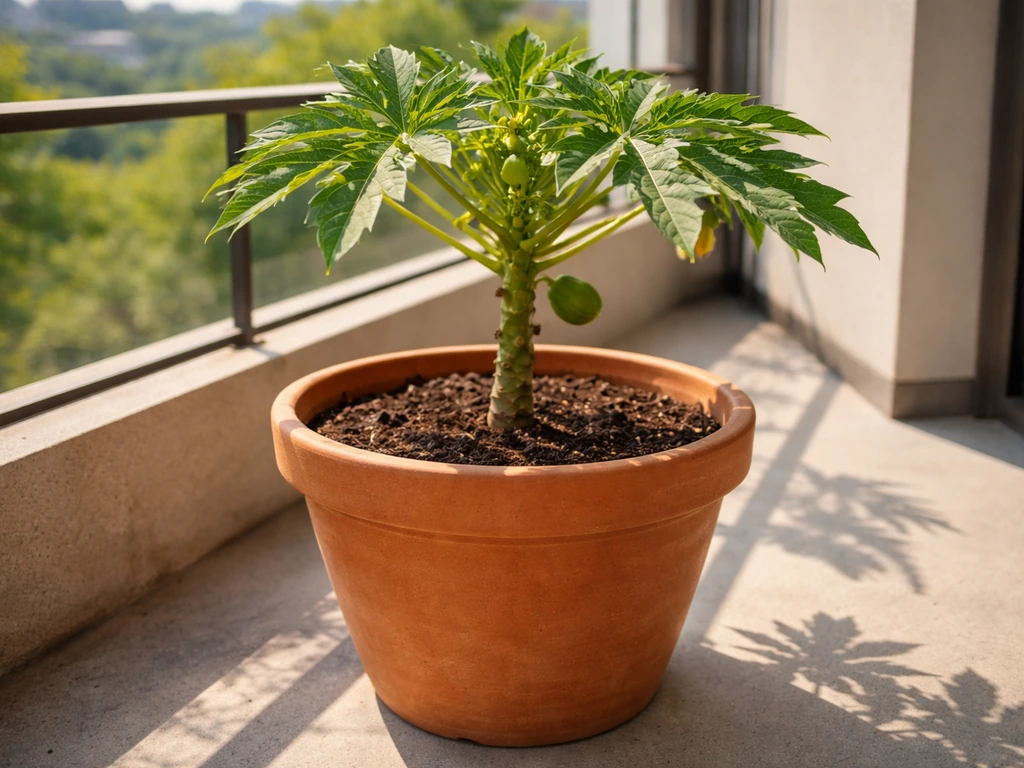
Can you actually grow papaya in a pot?
Papaya is not just container-friendly as a last resort. It is genuinely one of the better tropical fruit trees for pots because it stays manageable in size during its productive years, it grows fast enough that you see results quickly, and the container setup gives you control over soil quality and drainage that you simply do not have in the ground. One of the most compelling reasons to grow papaya in a pot is pest management: if your garden soil has nematode problems, growing papaya in a container sidesteps that issue entirely, since nematodes are notoriously hard to control in papaya otherwise.
The real limitation is cold. Papaya thrives in USDA Hardiness Zones 9B through 11, where temperatures stay between 70 and 90°F. Below 59°F, flowering stalls. Below 31°F, foliage gets damaged, and at 28°F the plant suffers serious damage. In colder climates, growing in a pot is actually the smarter move because you can bring it inside before a freeze hits. Gardeners in Zone 9A and colder often treat papaya as an annual, starting fresh each year. That is a perfectly valid strategy, and one of the things I like about papaya is that even an annual crop can reward you with fruit.
Picking the right pot, spot, and papaya variety
Pot size
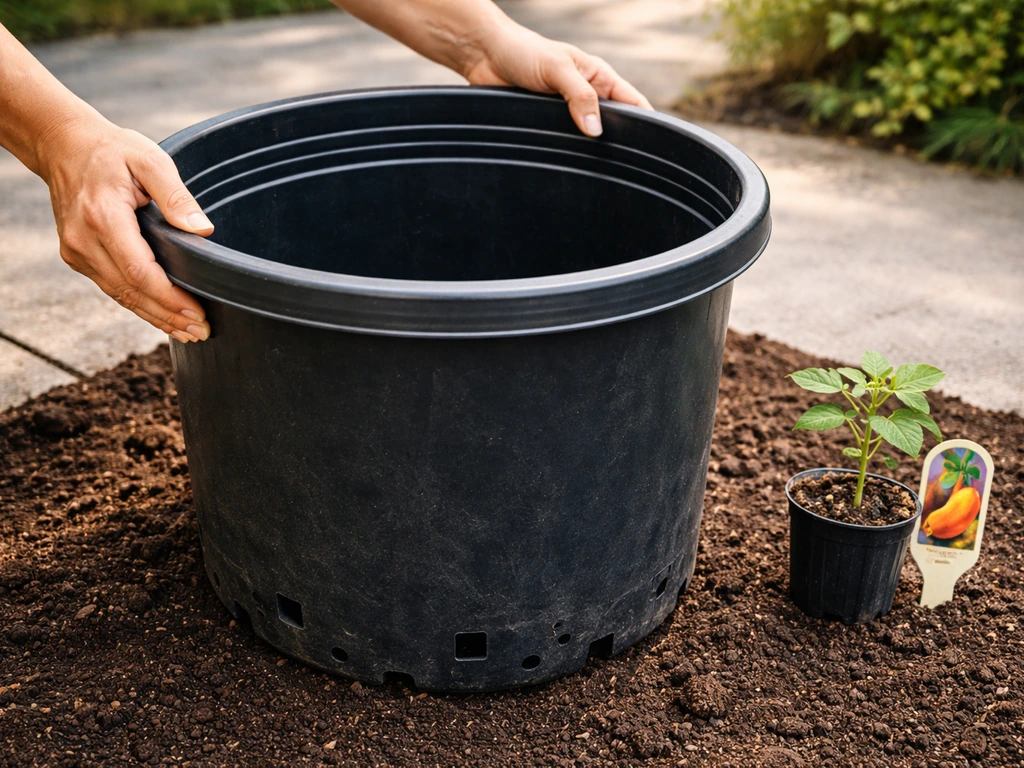
Start with at least a 15-gallon container, and a 20 to 25-gallon pot is better if you want the plant to fruit reliably. Papaya roots need room to spread, and a cramped root system translates directly to stunted growth and poor fruiting. The pot needs to be deep, at least 18 to 24 inches, because papaya taproots go straight down. Whatever you choose, make sure there are multiple large drainage holes at the bottom. This plant will not tolerate sitting in wet soil, and that is not an exaggeration.
Location
Papaya needs at least six hours of direct sun per day, and more is better. Put it in the sunniest spot you have. If you are on a balcony or patio, a south-facing or west-facing position is ideal. Avoid placing the pot in a wind tunnel because strong winds can damage the broad leaves and increase disease risk by drying the plant unevenly. That said, some gentle air movement is actually beneficial because it reduces the humidity around the foliage that encourages fungal disease. Think breezy, not gusty.
Which papaya variety to grow in a container
For container growing, you want a compact, smaller-fruited variety. The Hawaii 'solo' types are excellent choices because the fruit is small enough to be eaten by one person and the plants stay more manageable in size. Good options include 'Sunrise', 'Sunset', 'UH SunUp', and 'UH Rainbow' (also sold as 'Waimanalo'). Most of these produce fruit in roughly 10 to 12 months after planting. 'Kapoho' takes closer to 14 months, so factor that into your planning. If you are in a colder climate and treating papaya as an annual, stick with the fastest-maturing variety you can find.
Setting up the soil and container
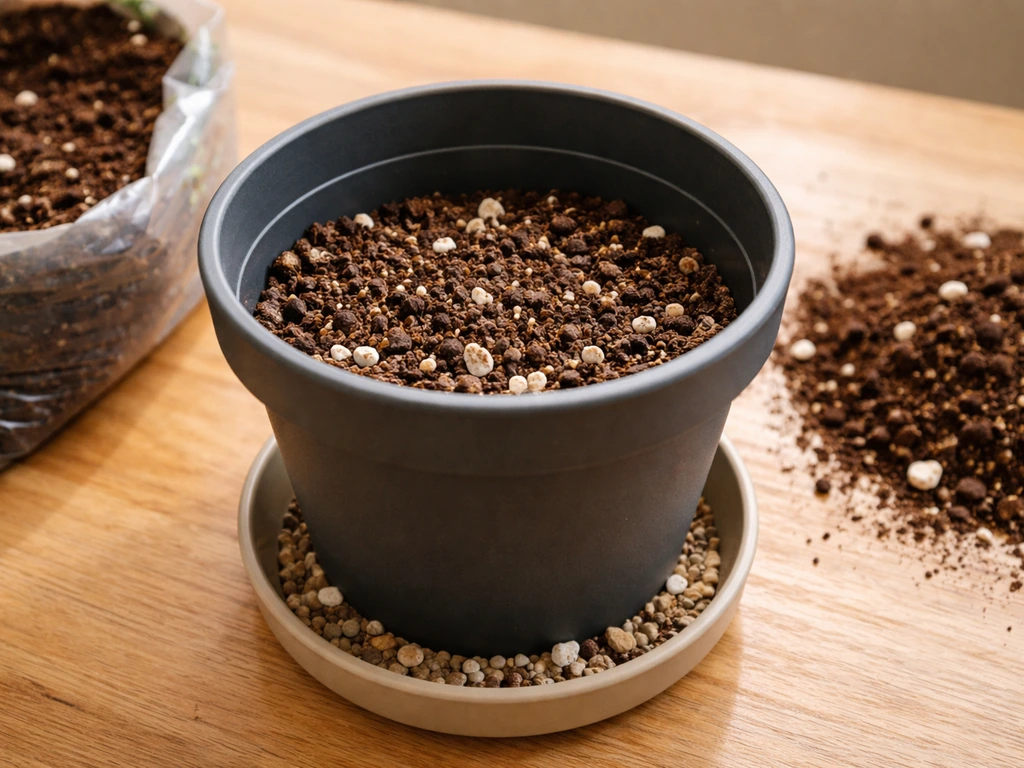
Drainage is the single most important thing to get right. Papaya roots rot quickly in waterlogged soil, and this kills more potted papayas than anything else. Use a well-draining mix: a good base is two parts high-quality potting mix combined with one part perlite or coarse sand. You want water to flow through freely when you pour it in, not pool on the surface. Avoid heavy garden soil or mixes designed for moisture retention.
Soil pH matters more than most people realize. Papaya grows best at a blank" rel="noopener noreferrer">pH between 5.5 and 6.5. If the pH drops below that range, it increases soluble aluminum in the soil, which damages root development and slows the whole plant down. Pick up a basic pH meter or test strips and check your mix before planting. Most commercial potting mixes land around 6.0 to 6.5, which is fine, but it is worth confirming.
At the bottom of your container, add a layer of gravel or broken pottery pieces about one to two inches deep before filling with soil mix. This keeps the drainage holes clear and prevents the fine soil particles from blocking them over time. Fill the pot to about three inches below the rim to leave watering space.
Planting your papaya: seeds vs. seedlings
You have two options here and both work, but they come with different trade-offs. Starting from seed is cheap and satisfying, but it introduces real uncertainty about the sex of the plant you end up with (more on that in the fruiting section). Starting from a seedling or nursery transplant is faster and, if you can find a named variety from a reputable source, gives you more predictability.
Starting from seed
Fresh seeds from a ripe papaya germinate reliably, usually within about two weeks under full sunlight and warm conditions. Rinse the seeds, let them dry for a day, then plant them about half an inch deep in small pots or seed trays filled with the same well-draining mix. Keep them warm, ideally above 70°F, and in a bright spot. Once seedlings have two or three true leaves and are three to four inches tall, transplant the strongest one into your main container. Do this gently because papaya seedlings do not love having their roots disturbed.
Here is the honest part about starting from seed: you will not know the sex of your plant until it flowers. Plant several seeds and start multiple seedlings so you have options. Once they flower, you can identify what you have and keep the right combination for fruiting.
Starting from a seedling or transplant
If you can find a papaya seedling at a nursery, especially one that is already a few inches tall and from a known variety, grab it. UF/IFAS specifically recommends starting with the largest papaya plant possible to increase your odds of harvesting fruit. Transplant it into your container at the same depth it was growing in the nursery pot. Do not bury the stem deeper than it was, and do not let the root ball sit above the soil line either. Water it in well immediately after planting.
Timing your planting
If you are in a cooler climate, start your papaya indoors during winter in the sunniest, warmest spot you have, then move it outside once temperatures consistently stay above 60°F in spring. This gives you a head start on the growing season without risking cold damage to a young plant.
Watering and feeding your potted papaya
Watering
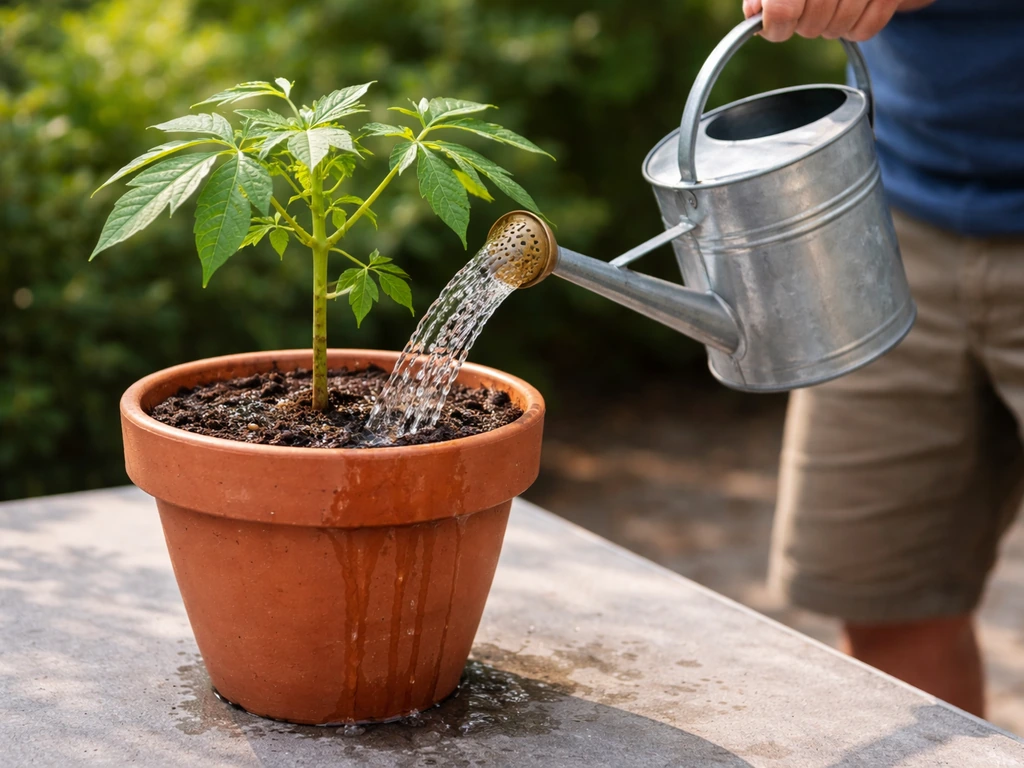
Papaya in a pot needs consistent, even moisture, but it absolutely cannot sit in soggy soil. The rule I follow is to water when the top inch of soil feels dry, then water thoroughly until it drains freely from the bottom. In warm summer weather, that might mean watering every one to two days. In cooler or cloudy periods, you might only water every three to four days. The key word is even: irregular watering (flooding then forgetting) causes leaf drop, flower drop, and fruit drop. UF/IFAS is explicit that papaya will drop leaves, flowers, and fruit if watering is not frequent and even.
Do not let water pool in a saucer under the pot. Empty any standing water within an hour of watering. This sounds fussy, but root rot is the fastest way to lose a potted papaya, and it is entirely preventable.
Fertilizing
Papaya is a hungry plant and rewards regular feeding. For a young plant getting established, apply roughly a quarter pound of a balanced nitrogen fertilizer (such as a 21-0-0 or similar) per month. At around six months, you can increase that to about half a pound monthly. The better approach for container growing is to use frequent, small applications rather than big occasional doses. A slow-release granular fertilizer combined with regular liquid feeding every two to three weeks works well.
Do not overlook micronutrients. Papaya needs more than just nitrogen, phosphorus, and potassium. Add a general minor-element fertilizer blend a few times a year, especially if you notice unusual leaf discoloration that does not respond to regular feeding. Container soil depletes trace elements faster than garden soil, so this step matters more in pots than it does in the ground.
Light, temperature, pollination, and when to expect fruit
Light and temperature
Six hours of direct sun is the minimum. Eight or more is what you really want for good fruiting. If your papaya is not getting enough sun, it will grow leggy and tall but produce few or no flowers. Temperature is equally critical: the plant thrives between 70 and 90°F. Below 60°F at the soil level, growth slows noticeably. Below 59°F, flowering stops. This is why container growing is such an advantage in marginal climates: you can move the plant to a protected spot or bring it indoors when temperatures drop.
Pollination and fruiting in a pot
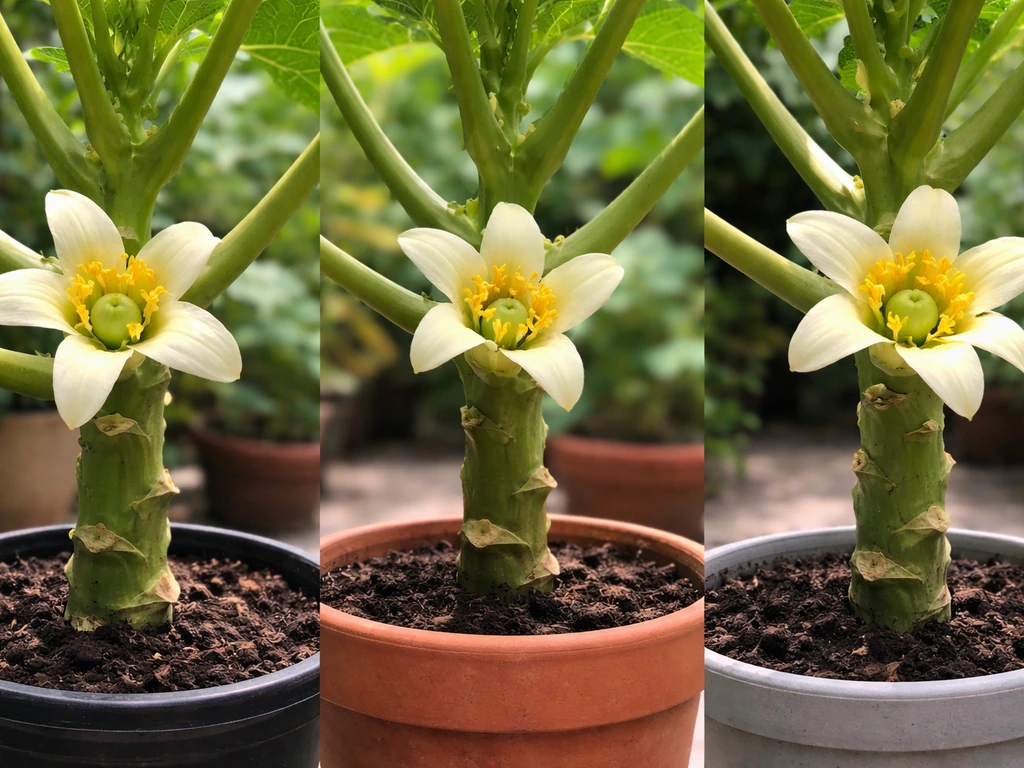
This is where a lot of first-time papaya growers get confused. Papaya plants come in three types: female (which produces fruit but needs pollen), male (which produces pollen but no fruit), and bisexual (which can self-pollinate and produce fruit on its own). If you grow from seed, you will not know which type you have until the plant flowers, usually at five to six months.
Bisexual plants are the goal for container growing because a single plant can fruit without a partner. Female plants need a male nearby, and the general guidance is one male for every eight to ten females. In a small space, growing multiple plants just for pollination is impractical, which is why bisexual varieties like 'Sunrise' or 'UH Rainbow' are the smarter pick.
If you end up with a female plant and want to hand-pollinate, there is a reliable method: cover an unopened female flower with a paper bag before it opens. Once the flower opens, transfer pollen from a male or bisexual flower onto the stigma of the protected flower, then recover it with the bag for several days. It takes some patience, but it works.
Realistic timeline for potted papaya
| Stage | Expected Timeframe |
|---|---|
| Seed germination | About 2 weeks in warm, sunny conditions |
| First flowering | 5 to 6 months after planting |
| Fruit production begins | Within 12 months of planting |
| Harvest for most solo varieties | 10 to 12 months after planting |
| Harvest for 'Kapoho' variety | About 14 months after planting |
These timelines assume the plant is getting consistent warmth, sun, water, and food. A cold snap, prolonged shade, or irregular watering will push these dates out. In a container, you have more control over those variables than most in-ground growers do.
Pruning, pest prevention, and seasonal care
Pruning
Papaya does not need heavy pruning the way many fruit trees do. Remove dead or yellowing leaves as they appear, cutting them cleanly at the base of the stem. If your plant is getting very tall and you want to keep it manageable in a container, you can cut the main stem to encourage branching, but this delays fruiting and stresses the plant. For most home growers, I recommend letting it grow naturally and focusing energy on keeping it healthy rather than shaping it.
Pests to watch for
The most common insect pest on potted papaya is the green peach aphid, which clusters on new growth and under leaves. Check regularly and knock them off with a strong spray of water or treat with insecticidal soap if the infestation is heavy. In areas where fruit flies are present, they can damage developing fruit. Covering fruit with paper bags after pollination helps. Spider mites can also appear in hot, dry conditions, especially when the plant is indoors: keep humidity up around the plant and check the undersides of leaves regularly.
Disease prevention
Most papaya diseases in containers come down to two things: too much moisture and too little airflow. Phytophthora root rot, damping-off in seedlings (caused by Pythium and Phytophthora), and anthracnose on fruit all thrive in wet, humid, stagnant conditions. The best prevention is good drainage, consistent (not excessive) watering, and placing your container where there is some air movement around the plant. Do not crowd the pot against a wall or other containers. If you see white or gray fungal growth on the soil surface, reduce watering frequency and improve airflow immediately.
Seasonal care and overwintering
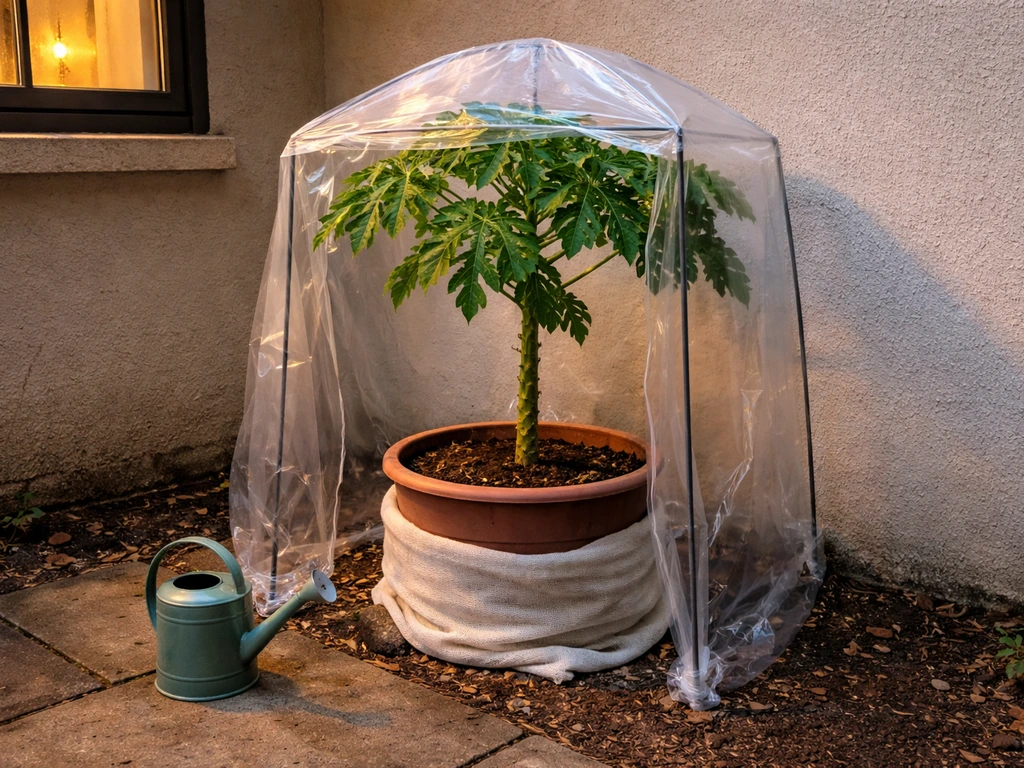
As temperatures start to drop in fall, reduce watering slightly and stop heavy fertilizing about six weeks before your expected first cold night. If you are in a zone where frost is possible, have a plan to move your container before the temperature hits 31°F. Foliage damage starts around 31°F and becomes serious at 28°F. Even in USDA Zone 9B, an unusual cold snap can cause significant damage to a papaya that has been left outside unprepared. Indoors during winter, place the plant near your brightest window and supplement with a grow light if needed to maintain at least six hours of light. Cut back on water and skip fertilizer until you move it back outside in spring.
Solving common problems with pot-grown papaya
Even when you do most things right, potted papaya can throw you some curveballs. Here are the most common issues and what to do about each one.
| Problem | Most Likely Cause | What to Do |
|---|---|---|
| Yellowing leaves | Overwatering or nutrient deficiency | Check soil drainage and watering frequency; apply a balanced fertilizer with micronutrients |
| Leaves dropping | Inconsistent watering or temperature stress | Establish a regular watering routine; move plant away from cold drafts or direct A/C |
| No flowers after 6+ months | Insufficient light or temperature too low | Move to a sunnier spot; ensure nighttime temps are consistently above 59°F |
| Flowers dropping before fruiting | Poor pollination, heat stress, or water stress | Hand-pollinate; check watering consistency; shade slightly if temps exceed 95°F |
| Slow or stunted growth | Root-bound pot, poor soil, or low nutrients | Repot into a larger container; refresh soil; increase fertilizing frequency |
| Stem or root rot at soil line | Overwatering or poor drainage | Reduce watering immediately; improve drainage; consider repotting with fresh mix |
| Fruit not developing or dropping early | Unpollinated flowers, water stress, or cold | Hand-pollinate; maintain consistent watering; protect from temperatures below 60°F |
| White or gray mold on soil surface | Overwatering and poor airflow | Reduce watering; move pot to a spot with better air circulation; scrape off surface mold |
The single most common mistake I see with potted papaya is overwatering. Because papaya loves warmth and sun, people assume it loves lots of water too. It does need consistent moisture, but the soil must dry out slightly between waterings. When in doubt, stick your finger an inch into the soil. If it still feels moist, wait. That one habit will save your plant more than almost anything else.
Your next steps
If you are ready to start, the simplest path is to get a 20-gallon container with good drainage holes, fill it with a well-draining potting mix cut with perlite, and either plant fresh papaya seeds or pick up the biggest seedling you can find from a local nursery. Put it in your sunniest spot, water when the top inch of soil dries out, and feed it every two to three weeks. In five to six months you should see flowers, and within a year you could be harvesting fruit. Container growing gives you more control than most people expect, and papaya rewards that attention faster than almost any other fruit tree you can grow in a pot. If you want the full walkthrough, follow these steps to grow papaya plants in pots from pot size and soil to watering and fruiting.
If you enjoy growing tropical and subtropical fruits in containers, the same approach applies to other fruiting trees that do surprisingly well in pots, including oranges, kumquats, and other citrus. If you want the same container success with kumquats, the steps are slightly different, so it helps to follow a dedicated guide on how to grow kumquat trees in pots. Citronella is another option that does well in a pot, as long as you use a well-draining mix and give it plenty of sun other fruiting trees that do surprisingly well in pots. If you are wondering how to grow oranges in a pot, focus on a large container, excellent drainage, and plenty of sun so your citrus stays healthy and productive. If you are also thinking about how to grow citrus trees in pots, use the same container principles of drainage, sunlight, and seasonal temperature control. The fundamentals of drainage, sunlight, and temperature management carry across all of them.
FAQ
My potted papaya is growing tall but not flowering, what should I check first?
If your papaya is leggy but not flowering, the usual causes are too little sun (less than 8 hours), cooler soil temperatures, or excess nitrogen. Move it to the sunniest spot you have, warm the pot if nighttime temps are cool, and shift to lighter feeding (frequent small doses but do not push high-N after it starts growing actively).
Why did my papaya flowers drop even though I watered it?
Papaya can drop flowers and even fruit when conditions swing. Start by confirming the top inch of soil is drying slightly between waterings, then check for cold nights (near or below the high-50s can stall flowering). Also make sure the pot is not drying out on one side from hot sun, rotate it every week so moisture and light are even.
How can I tell if my papaya pot is draining too slowly?
Empty the saucer after watering, and also ensure the pot has multiple large drainage holes. If you see water sitting on top after watering or the soil stays soggy for more than a day, your mix is too heavy or the pot is too large for its current root mass, and you should repot into a lighter, faster-draining mix (potting mix plus perlite or coarse sand).
Can I grow papaya outdoors year-round if I protect it from cold?
Yes, but only if you do it safely. If you move the plant back outside in spring, harden it off over 7 to 10 days by gradually increasing time outdoors and reducing sun shock (start in partial sun). Avoid moving it out during nights that are consistently below about 60°F.
When is the best time to repot a potted papaya, and how much can I disturb the roots?
Re-potting is risky for papaya because it can disturb the taproot. If you must change containers, do it while the plant is actively growing and handle the root ball gently. Keep the planting depth the same as before, water in well, and avoid pruning the main stem until it settles.
Do I need more than one papaya plant in a container to get fruit?
Choose based on your pollination plan. If you want one-plant fruiting, select a bisexual variety. If you end up with a female only, you will need another plant of the compatible type nearby for pollen, or you can hand-pollinate individual flowers using pollen from a male or bisexual flower.
I tried hand-pollinating once, how do I improve my odds of setting fruit?
Hand-pollinating works best when done early in the day and when pollen is fresh from a male or bisexual flower. Use a paper bag method for the female flower to prevent unwanted pollen. Expect some misses, so pollinate multiple female flowers over a few days rather than relying on just one.
What fertilizer mistakes most commonly hurt papaya in pots?
For container papaya, a single fertilizer type is usually not enough. If growth is slow and leaves pale, increase feeding frequency rather than doubling the dose, and include a micronutrient blend a few times per year. If you see excessive lush growth with fewer flowers, cut back nitrogen slightly and keep the sun and warmth as consistent as possible.
How do I balance “consistent moisture” with not overwatering my papaya?
Yes, but prevent it from turning into chronic stress. Overwatering causes rot and recurring leaf loss, while underwatering causes drop as well. Use the finger test, water thoroughly until it drains, and let the top inch dry slightly, then re-check after 24 to 48 hours to confirm the soil is not staying constantly wet.
What should I do if a freeze warning comes in for my potted papaya?
For outdoor cold snaps, have a move plan. If frost is possible, bring the pot under cover or fully indoors before temperatures approach the mid-30s, and never rely on a light sheet or tarp alone for papaya leaves. If you cannot move it, use a heavy insulated wrap plus wind protection, but movement is still the most reliable option.
Should I mulch the top of my papaya pot to reduce drying?
Mulch can help with evaporation, but keep it away from the stem. Use a thin layer on the soil surface only, and ensure it does not block airflow or trap water after rain or indoor watering. If you see mold or fungal growth on top of the soil, remove the mulch and improve ventilation.
I’m seeing white or gray growth on the potting mix surface, what should I do right away?
If fungus appears on the soil surface, reduce watering frequency immediately and improve airflow around the plant. Avoid crowding the pot against walls, and make sure it is drying to the point where the top layer is not constantly damp. In seedlings, also check that you are not using a water-retentive mix and that drainage holes are clear.