Yes, you can absolutely grow passion fruit in a pot and get fruit from it. It takes a reasonably large container, the right variety, a sturdy trellis, and a bit of patience with pollination, but it is genuinely doable at home even if you only have a balcony or a small patio. The vines are vigorous, the flowers are spectacular, and once you understand what the plant needs in a container, the whole thing is surprisingly manageable.
How to Grow Passion Fruit in Pots: Step-by-Step Guide
Marcus Whitley
24 Apr 2026
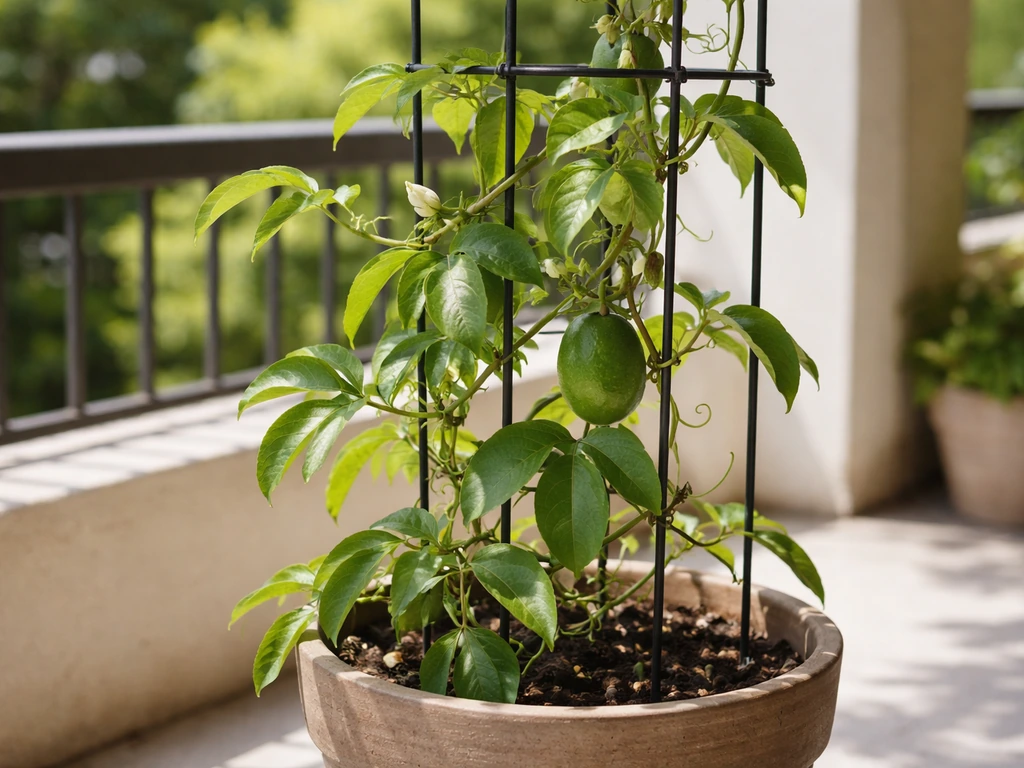
Can passion fruit actually grow and fruit in a pot?
The short feasibility answer is yes, with a couple of honest caveats. Passion fruit (Passiflora edulis) is a tropical vine, so in cold climates one of the main reasons to grow it in a container is the ability to move it indoors before frost. The RHS confirms that fruiting is possible in containers but notes you may only get a handful of fruits rather than the bumper harvests you see from in-ground vines in warm climates.
One source puts it plainly: fruiting will be rarer in a pot than in the ground, but it does happen. Passion flowers have different care needs than passion fruit, but you can still grow them successfully in a pot if you match the light, watering, and container size grow passion flower in a pot. So go in expecting a modest harvest and you will be pleasantly surprised rather than disappointed.
The bigger practical issue is pollination. There are two main forms of Passiflora edulis: the purple-fruited form (P. edulis f. edulis), which is self-compatible, meaning one plant can set fruit on its own, and the yellow-fruited form (P. edulis f. flavicarpa), which is self-sterile and needs pollen from a compatible second plant to fruit reliably. If you only have one pot and one vine, go for a purple-fruited variety. It will save you a lot of frustration.
Picking the right variety and pot size
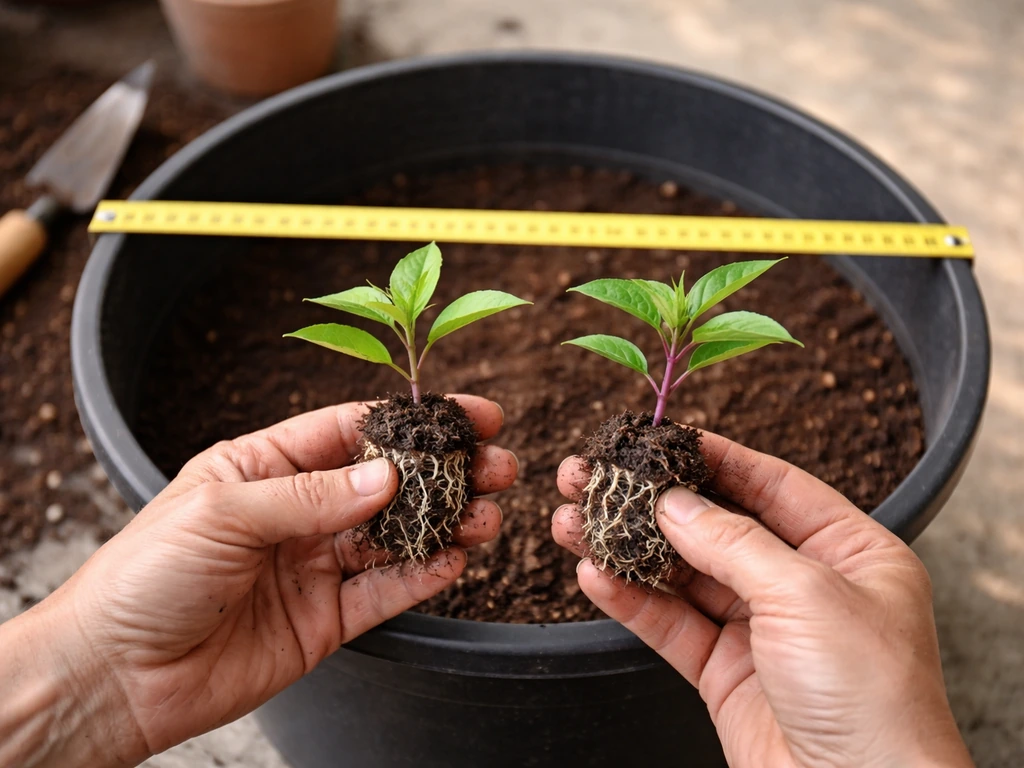
For container growing, the purple passion fruit is the obvious first choice because it is self-compatible and slightly more tolerant of cooler conditions than the yellow form. The RHS also notes that Passiflora edulis requires winter temperatures no lower than about 10, 16°C (50, 61°F) self-compatible and slightly more tolerant of cooler conditions. If you are in a warm, frost-free climate and want to grow the yellow-fruited type, just plan on having two pots with compatible plants side by side. There are also some genuinely cold-hardy Passiflora species that can survive down to around minus 18 degrees Celsius (0°F), but those are ornamental rather than reliably edible, so stick with P. edulis for fruit.
For pot size, bigger is better and I would not go smaller than 60 centimetres (about 24 inches) wide and deep for a mature plant. That is the practical minimum for a vine that wants to run several metres. The RHS suggests starting a young plant in a 30 cm pot and potting up as it grows, which is a sensible approach if you are starting from seed or a small seedling. But if you are buying a more established plant, skip straight to the large container. A cramped root zone is one of the fastest ways to stall growth and flower production.
| Variety type | Self-fertile? | Fruit colour | Cold tolerance | Best for containers? |
|---|---|---|---|---|
| Purple passion fruit (P. edulis f. edulis) | Yes | Purple | Moderate (not frost-hardy) | Yes, first choice |
| Yellow passion fruit (P. edulis f. flavicarpa) | No (needs second plant) | Yellow | Less tolerant of cold | Yes, but grow two plants |
| Hardy Passiflora species (e.g. P. incarnata) | Varies | Not typically edible | Very hardy (to -18°C) | Ornamental use only |
Setting up the pot: soil, drainage, and container prep
Passion fruit roots hate sitting in water. Root rot is one of the most common ways container-grown passion fruit dies, and it is entirely preventable with good setup. Start with a pot that has multiple drainage holes at the base, not just one. If the pot only has one hole, drill a few more before you use it.
For the soil mix, you want something that drains fast but still holds enough moisture and nutrients to keep a vigorous vine fed. A good container mix for passion fruit combines medium-grade bark, quality potting compost, and a generous addition of perlite for aeration. A workable ratio is roughly two parts potting compost, one part medium bark, and one part perlite. Avoid heavy garden soil entirely as it compacts badly in pots and suffocates roots. When you fill the pot, leave about 3 to 5 centimetres of headspace at the top so water does not simply run off the sides when you irrigate.
- Use a pot at least 60 cm wide and deep with multiple drainage holes
- Mix: 2 parts quality potting compost, 1 part medium bark, 1 part perlite
- Avoid compacting the mix when filling the pot
- Leave 3 to 5 cm of headspace at the top of the container
- Place the pot on feet or risers so water can drain freely from the base
Planting: seeds vs cuttings, and getting the trellis right from the start
Seeds vs cuttings
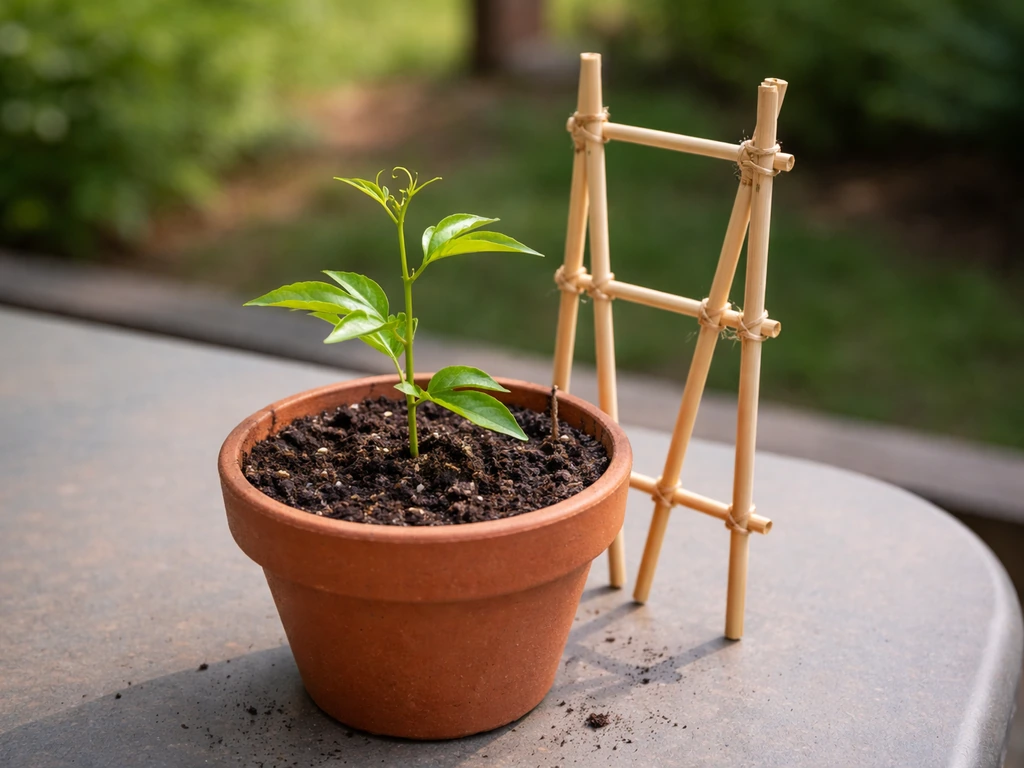
Both methods work, but they have very different timelines. Starting from seed is satisfying but slow. Passion fruit seeds have a hard coat and notoriously variable germination: you might see sprouts in six weeks or you might be waiting up to six months. Research on purple passion fruit genotypes confirms germination can take anywhere from about six weeks to three and a half months. To speed things up, soak fresh seeds in warm water for 24 hours before sowing, then sow them about 1 cm deep in moist seed-raising mix and keep them somewhere warm (around 20 to 25 degrees Celsius). Use seeds as fresh as possible since older seeds lose viability quickly.
Cuttings and nursery seedlings are the faster, more reliable route if you want fruit sooner. A semi-hardwood cutting taken in late spring or early summer, treated with rooting hormone and kept in a warm humid spot, will usually root within a few weeks. Buying a healthy seedling from a nursery cuts even more time off. Either way, once your plant is established and growing, you will move it up through pot sizes as it grows until it reaches that final large container.
Installing the trellis
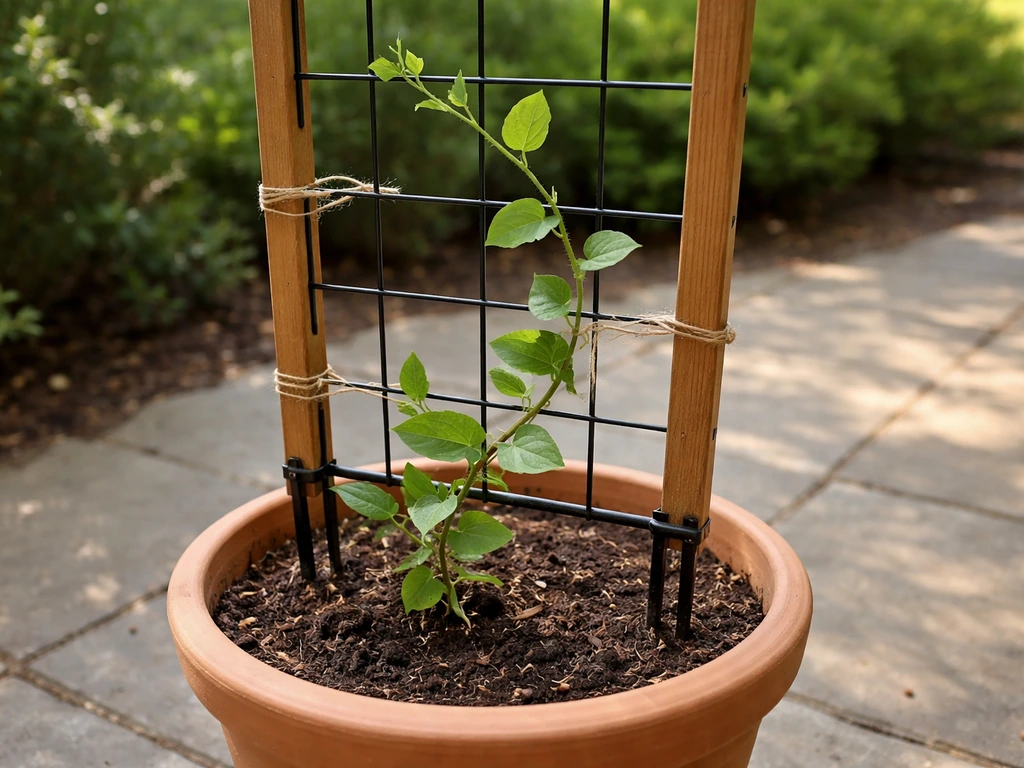
Set up your trellis before or right when you plant, not after, because disturbing roots later is a pain and the vine grows faster than most people expect. In a pot, a sturdy timber or metal frame that slots into the container works well, or you can position the pot directly against a wall or fence with horizontal wires stretched across it.
The classic training method is to guide one main leader stem straight up to the top of the trellis, then allow the lateral (side) shoots to hang down from that top wire like a fruiting curtain. All the fruit develops on those lateral shoots and the secondary growth coming off them. Tying the main stem loosely to the support as it climbs helps it stay on track without cutting into the vine.
Light, watering, and feeding your container vine
Light
Passion fruit needs as much direct sun as you can give it, ideally six or more hours of full sun per day. In a pot you have the advantage of being able to move it to the sunniest spot on your balcony or patio. In cooler climates, a south-facing wall that absorbs and radiates heat works brilliantly. If you are growing it through winter indoors, a very bright conservatory or greenhouse position is ideal.
Watering
The RHS recommendation for container passion flowers is to water as soon as the surface of the soil looks dry. In practice during summer this might mean watering every one to two days during hot weather. In cooler months, cut back significantly and let the top few centimetres dry out between waterings. The classic mistake is overwatering in autumn and winter when the plant is not actively growing, which leads to root rot. Overwatering is the most common cause of container plant loss, so keep compost moist but never soggy Overwatering is the most common cause of loss of container plants. Check the soil with your finger rather than watering on a fixed schedule, and you will get it right.
Feeding
Container plants need more regular feeding than in-ground plants because nutrients leach out with every watering. During the active growing season (spring through summer), feed your passion fruit every two weeks with a balanced liquid fertiliser. Once flower buds start forming, switch to a fertiliser with a higher potassium content to support flowering and fruiting. Ease off fertilising in autumn and stop through winter. Do not overfeed with high-nitrogen fertiliser thinking it will speed things up: excess nitrogen pushes leafy growth at the expense of flowers.
Looking after your vine as it grows and fruits
Pollination
If you have a self-compatible purple variety and bees or other pollinators are visiting your flowers, you may get fruit without doing anything extra. But if you are on a balcony several floors up, or your plant is indoors, or you are growing the self-sterile yellow form, hand pollination is your best friend. It sounds technical but it is genuinely easy.
Wait for a flower to open fully, then use a clean cotton swab or small paintbrush to collect the yellow pollen from the anthers (the little club-shaped structures). Dab that pollen directly onto the sticky tips of the stigmas (the three curved structures at the top of the flower's centre). Do this on multiple flowers on the same day they open, and ideally repeat it across a few days.
If you have two compatible plants, swap pollen between them for the best results.
Pruning
Passion fruit flowers and fruits on new and recent growth, so pruning is about encouraging a constant supply of fresh productive shoots. The main pruning session happens in late winter or early spring before the new growing season kicks off. Cut back old, tired, or congested stems to tidy the structure and let light into the centre of the vine.
During the growing season, nip back overly long or unproductive side shoots to keep things manageable in your container and redirect the plant's energy toward flowering. Avoid hard pruning everything at once because it will delay flowers in the following season. If frost has damaged the top growth, cut back to healthy wood in spring, even down to about 30 cm if necessary, and the vine will typically reshoot vigorously.
Pests to watch for
Container passion fruit is generally tough but a few pests do target it. Spider mites are a common issue, especially in hot, dry conditions indoors or in a greenhouse. You will notice fine webbing and speckling on leaves. Blast them off with water, increase humidity around the plant, and use an appropriate miticide if the infestation is heavy.
Root mealybugs are trickier because they live in the soil and are easy to miss. Watch for white powdery wax near the base of the stem or around the root ball when you water or repot. If you find them, a soil drench with a suitable insecticide is the usual management route. Root rot from overwatering can look similar to pest damage from above (wilting, decline) so always check the roots if the plant is struggling despite good watering practice.
Troubleshooting common problems and what to do today
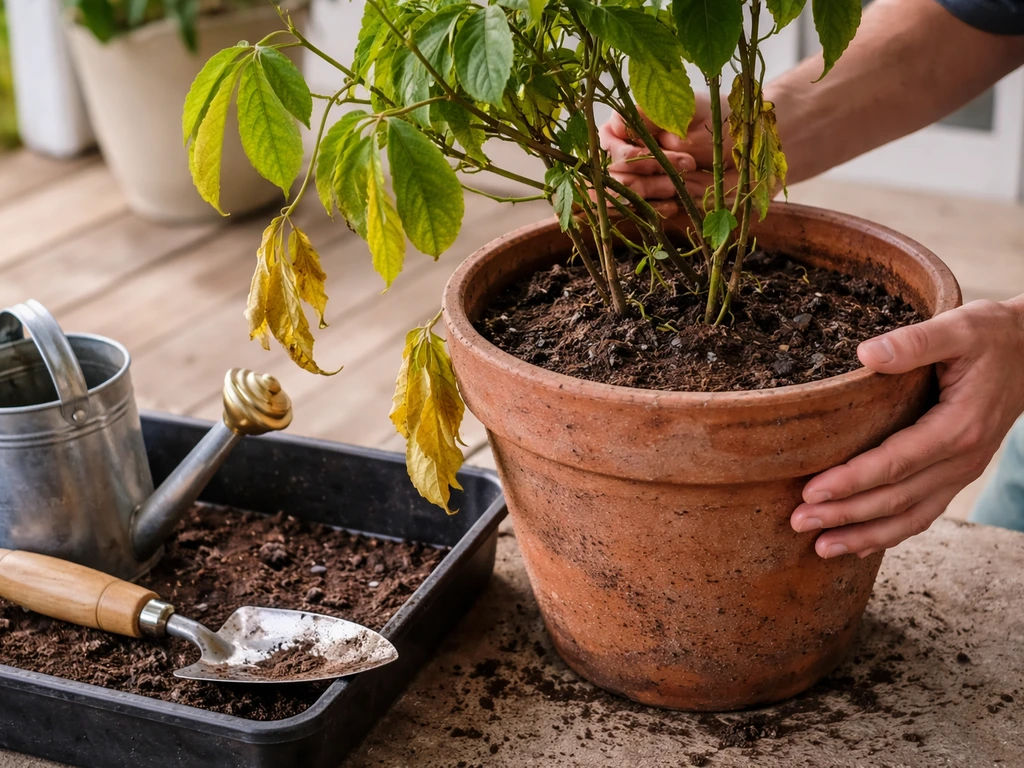
Most problems with container passion fruit come down to a handful of recurring issues. Here is a quick-reference guide to the most common ones and what to adjust right now.
| Problem | Likely cause | What to do |
|---|---|---|
| Wilting leaves despite watering | Root rot from overwatering, or root mealybugs | Check drainage, let soil dry out, inspect roots for rot or white waxy residue |
| Yellowing leaves (new growth) | Iron or manganese deficiency (yellow between green veins) | Use a chelated iron or micronutrient feed; check soil pH is not too high |
| Yellowing leaves (older/general) | Nitrogen, magnesium, or potassium deficiency | Apply a balanced liquid fertiliser; consider a magnesium sulphate foliar spray |
| Lots of flowers but no fruit | Pollination failure, especially with yellow variety | Hand pollinate with a cotton swab; grow a second compatible plant if using yellow form |
| Slow or stunted growth | Pot too small, poor soil, or insufficient feeding | Repot into a larger container with fresh mix; increase feeding frequency |
| Leaves with webbing or speckling | Spider mites | Increase humidity, hose down foliage, treat with miticide if severe |
| Plant not flowering at all | Too much nitrogen, insufficient light, or plant too young | Switch to a high-potassium feed, move to fullest sun position, be patient |
If you are starting out today, the single most impactful thing you can do is get the container and soil setup right before you plant. If you are also planning a pot garden with snapdragons, the key is choosing a container with good drainage and keeping the soil evenly moist passion fruit. A large pot with genuinely free-draining mix prevents the most common failure modes from the very beginning.
From there, commit to a self-compatible purple variety, set up a trellis on day one, and keep on top of feeding through the growing season. It genuinely is one of the more rewarding fruiting vines you can grow in a container, and once the first flowers appear, fruiting usually follows.
If you enjoy growing exotic fruiting climbers in pots, it is worth looking at how kiwifruit and dragon fruit handle container life too, as many of the drainage and feeding principles overlap. These same container principles also apply when you plan how to grow kiwifruit in pots how kiwifruit and dragon fruit handle container life.
These tips for container care also translate well to dragon fruit, so you can focus on the right pot, drainage, and light to get it growing. For full guidance, follow a dedicated plan for how to grow dragon fruit in pots, including the best cactus soil, light level, and watering schedule.
FAQ
If I’m growing passion fruit in pots in a cold climate, how do I overwinter it indoors without killing it?
To grow passion fruit in pots indoors, aim for a very bright spot (bright conservatory or greenhouse is best) and keep the vine supported even while inside. Water only when the top few centimetres dry, and avoid fertilizing during low-light winter months, because the plant will stall and then be more prone to root problems.
My passion fruit vine is growing well, but it isn’t flowering or fruiting. What should I check first?
A clear sign it needs more light in a pot is lots of leafy growth with few or no flowers. Before changing anything else, move it to the sunniest available position, or relocate to a south-facing wall outdoors when temperatures allow, then wait for the next flowering cycle.
I have a self-compatible purple passion fruit, but I’m still not getting fruit. Why?
If you have a purple self-compatible plant and still get poor fruit set, hand pollination can help, especially if pollinators are absent. Also check that you are not overdoing nitrogen-heavy fertilizer, because that often creates foliage at the expense of blossoms.
Is it normal to only get a handful of fruits from a pot passion fruit vine?
Space fruiting can be reduced in pots, but you can improve your odds by keeping the vine vigorous (large pot, fast-draining mix, consistent feeding in spring through summer) and by keeping pruning light so productive shoots are present. Expect a smaller harvest than in-ground vines, not zero.
Can I keep my potted passion fruit outdoors and move it in and out through the seasons?
Yes, but do not force it. Bring the plant inside before frost, protect it from cold drafts, and keep watering minimal indoors. When spring arrives and nights are reliably warmer, harden it off by moving it gradually to more sun over 7 to 14 days to prevent leaf scorch.
What’s the biggest mistake that causes root rot in potted passion fruit?
Don’t. Even if the vine looks okay above soil, wet, oxygen-poor conditions can trigger root rot. Use a pot with multiple drainage holes, never let the pot sit in a saucer of water, and if you see persistent wilting despite correct watering, inspect roots or refresh the mix.
How do I prune a potted passion fruit so it keeps fruiting instead of turning into a tangled mess?
You usually do not need to remove every older branch, but you should remove congested or tired growth that blocks light in the centre. Tie and train the main leader, then let laterals form the fruiting curtain, so pruning focuses on structure and new productive shoots.
What’s the best technique and timing for hand pollinating passion fruit flowers?
For hand pollination, pollinate several flowers on the day they fully open, then repeat for consecutive opening days if you can. Use the same pollen you collected freshly, and dab onto the sticky stigma tips, not onto the petals.
How can I tell whether my pest problem is spider mites or root mealybugs?
If leaf speckling and fine webbing show up, treat early for spider mites by rinsing the leaves thoroughly and raising humidity around the plant. For root mealybugs, focus on the root zone by checking for white waxy deposits at the base or in the root ball, then address with a soil drench rather than just spraying foliage.
When should I repot my passion fruit, and how do I do it without shocking the plant?
When moving up pot sizes, try to disturb roots as little as possible, and keep the vine supported immediately after repotting. Repot when the plant is actively growing or shortly before the main growth spurt, because disturbed roots recover faster in warm conditions.