Snapdragons grow really well in pots, and they're honestly one of my favorite container flowers for spring. They're cool-season plants, which means they thrive in mild weather (roughly 40–75°F), produce those gorgeous spiky blooms from late winter through early summer, and then fade once the heat kicks in. UC ANR notes that snapdragons are cool-season plants, which is why cultivation is best planned for mild temperatures rather than hot weather. For container gardeners working with a balcony, patio, or small yard, that cool-season window is actually a perfect match, because you can move the pots around, time them with your local climate, and swap them out when the season ends. Here's exactly how to do it.
How to Grow Snapdragons in Pots: Container Care Guide
Marcus Whitley
24 Apr 2026
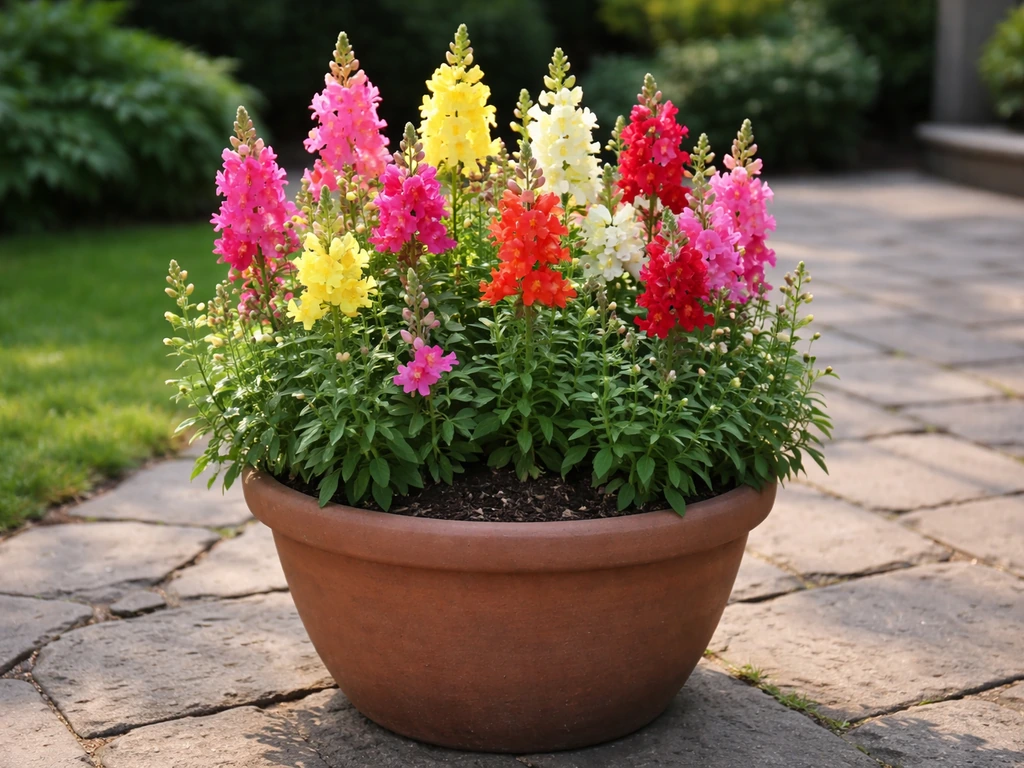
Do snapdragons actually do well in pots?
Yes, genuinely. Snapdragons are listed as suitable for containers and above-ground planters, and in practice they perform beautifully in them because you can control their drainage, soil quality, and placement in a way you simply can't in the ground. The one honest caveat: they don't like heat, so if you're in a warm climate (think USDA zones 8–11), you're growing them as a cool-season annual from fall through spring, not a summer flower. In cooler zones (4–7), you'll enjoy them in spring and early summer before the heat ends their run. Either way, pots are a fantastic way to grow them.
Picking the right pot, drainage, and location
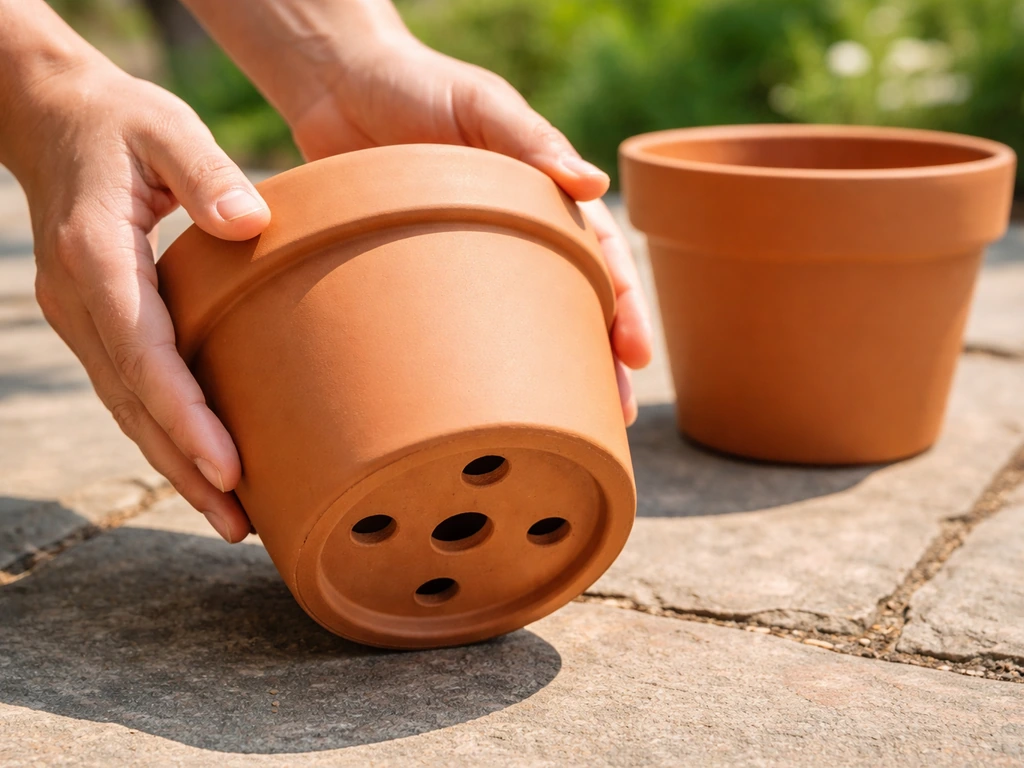
Pot size matters more than most people think. For dwarf or compact snapdragon varieties, a pot that's at least 6–8 inches wide works for one or two plants. For standard or tall varieties, go bigger: a 12-inch pot is a good starting point for a small grouping, and a 14–16 inch pot gives you room for a proper display. A good rule of thumb I follow is giving each tall single-stem variety about 4 inches of diameter space per plant, which keeps them from competing for nutrients and gives each stem room to develop strong blooms.
Drainage is non-negotiable. Snapdragons hate sitting in waterlogged soil, and that's the number one reason they fail in containers. Whatever pot you choose, make sure it has at least one large drainage hole at the bottom (ideally several). Terracotta pots are great because they're porous and help prevent overwatering, but plastic and glazed ceramic work fine as long as the drainage is solid. Skip saucers or empty them after rain if you're using them. I've lost more than one pot of snapdragons to sitting water, so I don't skip this step anymore.
For location, find the sunniest spot you have. Snapdragons want full sun (6+ hours a day) for the best blooms. A south- or west-facing balcony or patio is ideal. Because they're cool-season plants, that spring sun won't overheat them in most climates, but watch out as temperatures climb into the high 70s and 80s°F, because that's when they start to struggle.
The best potting mix and fertilizer
Don't use garden soil in pots. It compacts, drains poorly, and often carries disease. Use a high-quality peat or coco coir-based potting mix, ideally one that includes perlite for extra drainage. Snapdragons prefer a slightly acidic to neutral pH, somewhere in the range of 6.0–7.0. Most quality container mixes fall right in that range. If your mix feels dense, add 20–25% extra perlite by volume before planting.
For fertilizer, snapdragons are moderate feeders. Before planting, mix a slow-release granular fertilizer (something like a 10-10-10 or similar balanced formula) into the top few inches of potting mix. Once plants are established and blooming, supplement with a liquid balanced fertilizer every two weeks. Avoid going heavy on nitrogen once buds start forming, as too much nitrogen pushes leafy growth at the expense of flowers. If you see lots of green but no blooms, that's often the culprit.
Seeds vs. nursery plugs, and how to space them
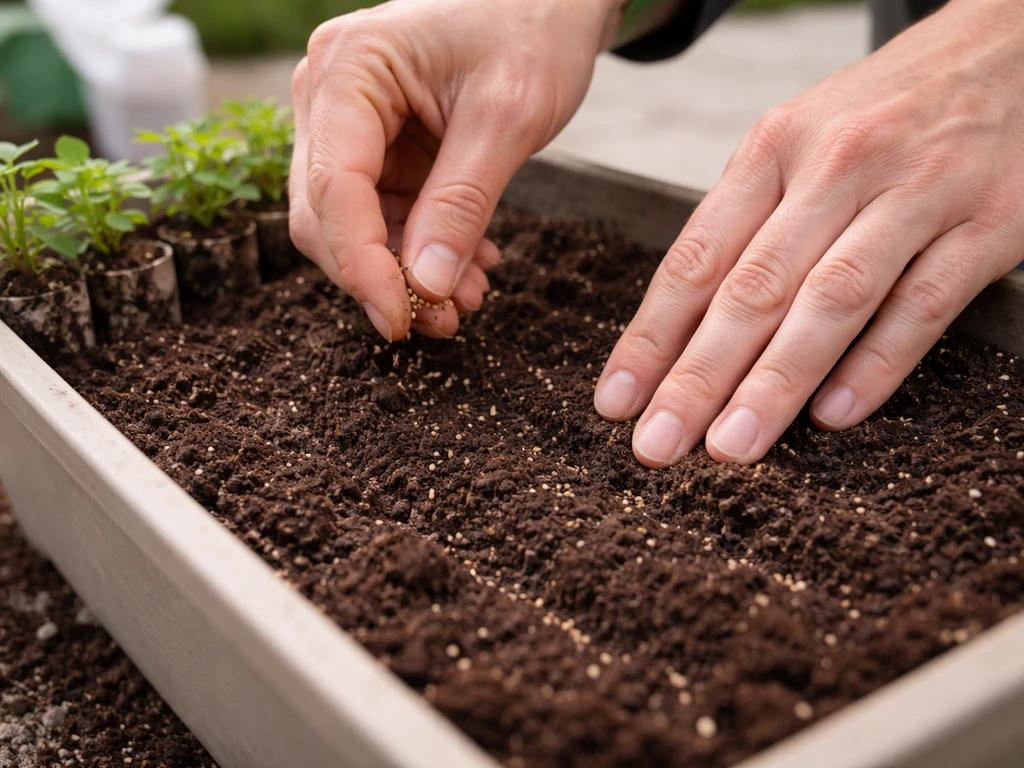
You have two practical options: starting from seed or buying nursery transplants (sometimes called plugs or starter plants). Here's the honest comparison:
| Method | Cost | Time to bloom | Difficulty | Best for |
|---|---|---|---|---|
| Seeds | Very cheap (a packet costs $2–4) | 10–14 weeks from sowing | Moderate (needs attention early on) | Patient gardeners, budget-conscious, want variety selection |
| Nursery plugs/transplants | Higher per plant ($3–6 each) | 4–6 weeks after planting | Easy | Beginners, those who want blooms fast, limited time |
If you're starting from seed, sow them indoors 8–10 weeks before your last frost date, pressing the tiny seeds onto the surface of moist seed-starting mix (they need light to germinate, so don't bury them). Keep them at around 65–70°F and they'll germinate in 10–14 days. Transplant seedlings into their final container once they have two sets of true leaves and outdoor temps are consistently above 40°F at night.
If you're buying nursery transplants, timing is simpler. Plant them out in spring once your last frost has passed, or in fall (zones 8–11) for a winter and spring display. Either way, give each plant about 4–6 inches of spacing in the pot. For tall varieties, lean toward that 4-inch-per-plant guideline per stem, which keeps them from crowding and promotes better bloom quality. For compact or dwarf types, you can cluster them a bit more closely for a fuller look.
Watering and day-to-day care
Snapdragons like consistent moisture but not soggy roots. In a container, I water when the top inch of soil feels dry, which in mild spring weather often means every 2–3 days, and more frequently (sometimes daily) when it's warmer and windier. Stick your finger into the soil: if the top inch is dry, water thoroughly until it runs freely from the drainage holes. Then let the pot drain fully. Never let the pot sit in standing water.
One practical tip: water at the base of the plant, not overhead. Wet foliage encourages fungal issues like powdery mildew, which snapdragons are prone to. Morning watering is also better than evening because any splashed leaves have time to dry before nightfall.
Sunlight, temperature, and when to plant
Snapdragons are happiest between 40°F and 75°F. They can tolerate a light frost (down to about 28°F for short periods) once they're established, but a hard freeze will damage or kill them. Above 80°F, they stop blooming, go to seed, and often look tired. This temperature sensitivity is the single most important thing to understand about growing them, because it dictates your entire planting calendar.
In zones 4–7, plant outdoors in early to mid spring, a week or two after your last frost date. You'll get blooms from roughly April through June or early July depending on your summer heat. In zones 8–11, plant in fall (September to November) and enjoy blooms through winter and into spring, pulling or replacing plants before summer arrives. Snapdragons are also described as facultative long-day plants, meaning longer days encourage and enhance flowering, so your spring display benefits naturally from lengthening daylight hours.
Full sun is ideal: at least 6 hours of direct sun daily. In lower light, plants get leggy (tall and floppy with sparse blooms), which is one of the most common complaints I hear from container gardeners. If your plants are reaching toward the light and falling over, they need more sun, not just a stake.
Deadheading, pruning, and fixing common problems
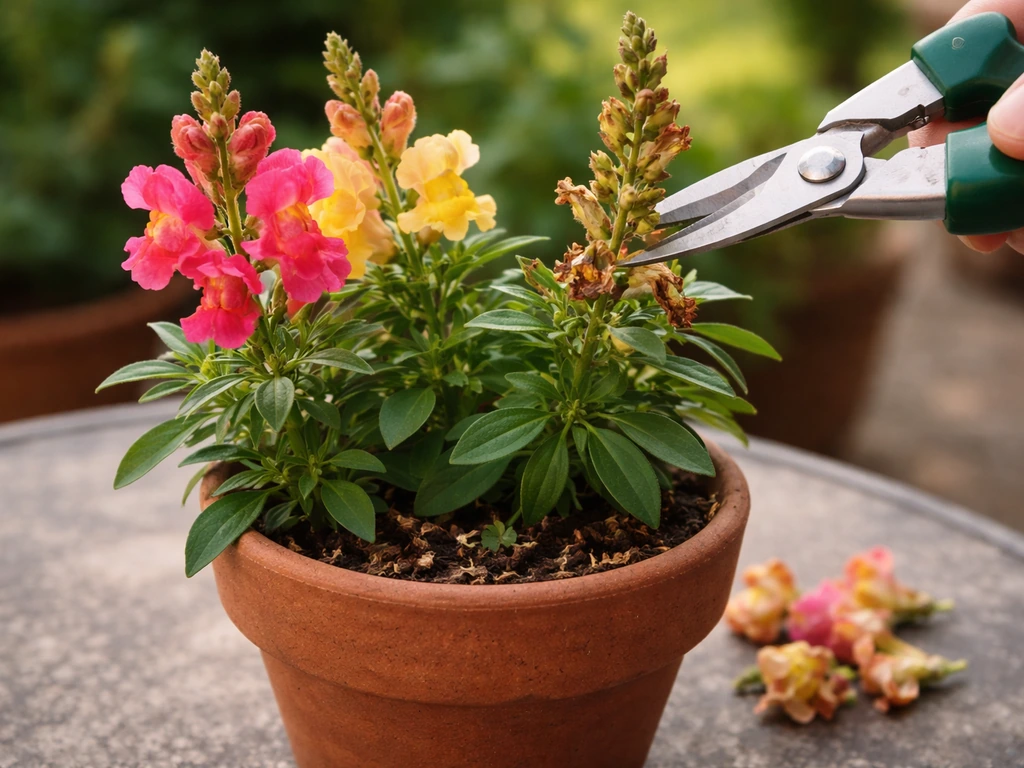
Deadheading (removing spent flowers) is the single best thing you can do to keep snapdragons blooming longer. Once a flower spike finishes, snip it off just above the next set of leaves. This signals the plant to push out new flower spikes instead of setting seed, and it can extend your bloom window by weeks. I do a quick deadheading pass every few days during peak season.
If plants get leggy or top-heavy mid-season, pinch them back by about one-third. Yes, you'll lose some current blooms, but the plant will branch out and come back bushier with more flowering stems. It feels counterintuitive the first time, but it works.
Here are the most common problems and what to do about them:
- Leggy, floppy growth: almost always means insufficient light. Move the pot to a sunnier spot. If you're at maximum sun and still seeing this, try a more compact variety next time.
- Wilting despite watering: check the drainage holes first. If roots are sitting in water, the plant may have root rot. Repot into fresh, well-draining mix and ease off on watering.
- No blooms: could be too much nitrogen fertilizer, too little sun, or heat stress. Check temperatures, reduce nitrogen, and ensure at least 6 hours of sun.
- Powdery mildew (white coating on leaves): improve air circulation around the pot, water at the base only, and remove affected leaves. In bad cases, a diluted neem oil spray helps.
- Aphids: common on new growth. A strong jet of water knocks most of them off. Neem oil or insecticidal soap handles heavier infestations.
- Rust (orange pustules on leaves): a fungal issue that's common in snapdragons. Remove affected leaves promptly, avoid overhead watering, and space plants with enough airflow.
What to do at season's end: overwintering or replanting
Snapdragons are technically short-lived perennials in mild climates (zones 7–11), but they're almost always grown as annuals because heat and humidity wear them out. At the end of the cool season, you have a few realistic options depending on your climate.
If you're in a mild climate (zones 8–11) and your plants are still looking healthy as summer approaches, move the pot to a cooler, shadier spot and cut plants back by about half. Some gardeners manage to carry them through a mild summer this way, though they won't bloom. When fall temperatures drop back below 75°F, move them back into full sun and they may rebloom. Honestly, results vary and it's easier to just pull them and replant fresh in fall.
In cooler zones (4–7), snapdragons won't survive a hard winter outside in containers because pot-grown roots freeze much faster than in-ground roots. If you want to try overwintering, bring the pot into an unheated garage or cool greenhouse before hard frost. Keep the soil barely moist and give them any available light. They may survive to rebloom in spring, but I find it's usually not worth the effort compared to buying fresh transplants in spring.
The simplest and most reliable approach for most container gardeners: treat snapdragons as seasonal annuals. Plant fresh each cool season, enjoy the blooms, then compost the spent plants and refresh the potting mix. It's low-stress, you can try new varieties each time, and you'll consistently get the best possible display. Once you've got the rhythm down, snapdragons in containers become one of those reliable seasonal pleasures you'll look forward to every year.
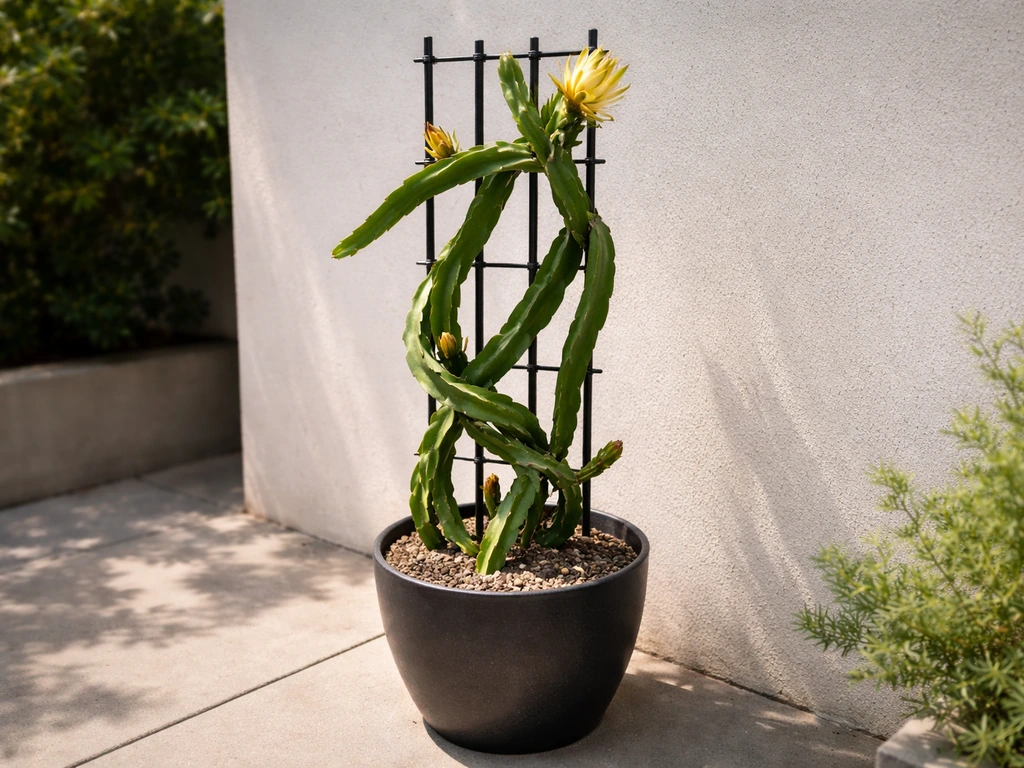
If you want another exciting container project, here’s how to grow dragon fruit in pots for fruiting plants and bright, climbing blooms. If you want another climbing container fruit to try, learn how to grow passion fruit in pots and get vines that produce tropical flavor. If you want to try another flowering climber in containers, you may be wondering can you grow passion flower in a pot.
If you want to try a fruit vine next, you might also like how to grow kiwifruit in pots.
FAQ
My snapdragons are growing a lot of leaves but not blooming. What should I change in my pot?
Use a balanced liquid fertilizer after plants start blooming, then pause or dilute it if the buds stall. Heavy nitrogen often shows up as lots of lush leaves with few or no flowers, so switch to a lower-nitrogen blend once you see the first flower spikes forming, and do not fertilize during heat stress when temperatures stay above about 80°F.
How can I tell if my potted snapdragons need water, especially in windy weather?
A quick check is to feel weight, not just the surface. Wind and sun dry pots from the outside in, so the top inch may look dry while deeper soil is still damp. Water only when the top inch truly dries, then water thoroughly until drainage runs freely, and empty any runoff from the saucer after 10 to 20 minutes.
Can I mulch snapdragons in pots to keep the soil from drying out?
Yes, but it is usually a bad tradeoff. Snapdragons prefer cooler roots, and mulch can trap heat and keep the surface wet, which increases mildew risk on wet foliage. If you must use mulch, use a thin layer and keep it away from the base, or skip it and rely on a well-draining potting mix and correct watering.
What should I do if my snapdragons in pots get powdery mildew?
If you see powdery mildew or grayish, fuzzy spots, remove the worst-affected leaves promptly and water at the base. Then increase airflow by spacing plants correctly and avoiding overcrowded pot groupings. For containers, sunlight and leaf dryness do the most good, and fungicide is most effective when used early.
My snapdragons are getting tall and floppy. Should I stake them or adjust something else?
If the plant looks floppy, it is often a sun issue, not a staking issue. First, move the pot to maximize direct light, then stake only after you have enough bloom stems supported. Stake gently to avoid wounding the stems, and remove stakes after the plant firms up so it does not get girdled.
Is it worth overwintering snapdragons in pots, and how do I do it without losing them?
Overwintering in pots is difficult because root balls freeze faster than ground soil. For the best odds, bring the pot into an unheated but protected space before hard freezes, keep the soil barely moist (not wet), and place it in the brightest available spot. Even then, treat it as a gamble, not a reliable spring rebloom.
Do I need to add slow-release fertilizer to my potting mix when it is already pre-fertilized?
It depends on the type of mix. Many peat or coco mixes already have fertilizer, so you can go lighter on the initial slow-release dose. If your mix is already enriched, add less than the full recommended amount, then switch to a light liquid feed only after you see active growth and flowering.
My snapdragons look stressed and roots are filling the pot. Can I transplant them mid-season?
When grown in small pots, snapdragons can get rootbound and collapse faster in heat. The fix is to upsize the pot early, not after the collapse. Move to a larger container with proper drainage, and refresh the potting mix at transplant time so the roots get loose, airy media again.
How do I keep flower spikes coming instead of stalling or turning brown?
Deadhead helps most, but spacing and airflow matter too. If you pack too many plants together, flower quality declines and disease risk rises. Use the recommended per-plant spacing in the pot, and during peak bloom check every few days so spent spikes do not linger.
What is the biggest seed-starting mistake to avoid when growing snapdragons in pots?
Yes, but timing is everything. If you try to sow too early, seedlings can outgrow their first containers and get leggy before it is warm enough. Aim to start indoors about 8 to 10 weeks before your last frost, then transplant when nights are consistently above roughly 40°F to reduce shock and improve early bloom.