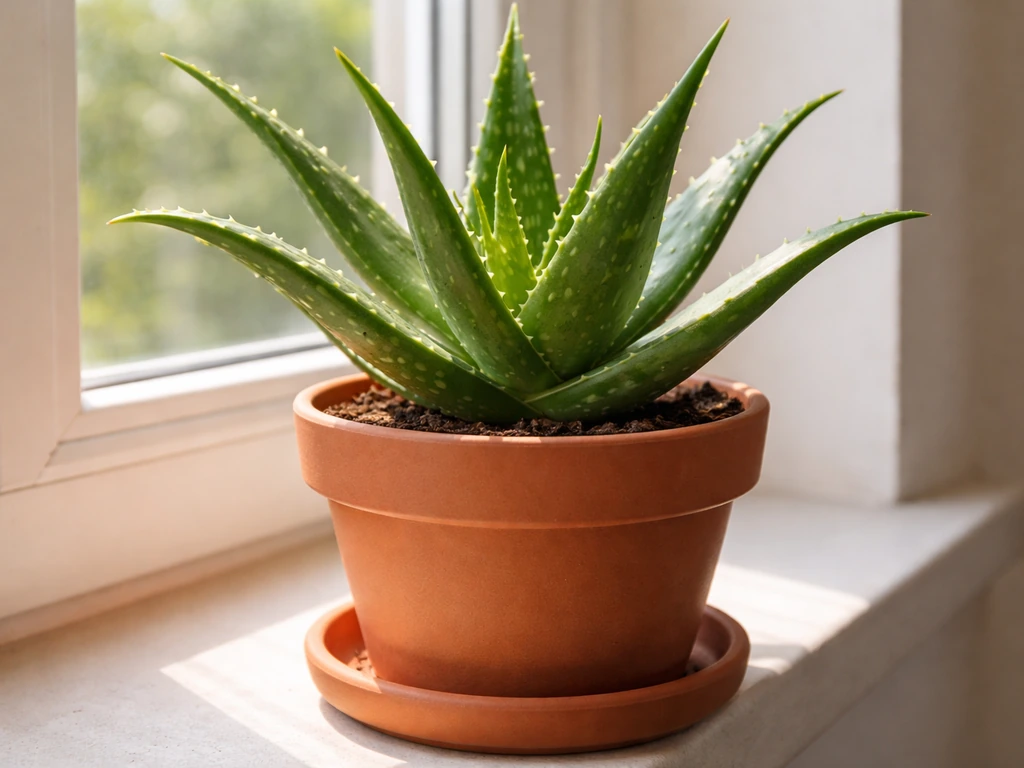
Yes, agapanthus grow really well in pots. In fact, the RHS describes them as 'blank" rel="noopener noreferrer">perfect potted plants' when you give them regular water and feed through the summer. They actually tend to flower better with their roots slightly restricted in a container than when planted straight into open ground, which makes them a great choice if you're gardening on a patio, balcony, or anywhere with limited space. Aloe vera is a different plant from agapanthus, but the same pot-growing principles like drainage and bright light still apply how to grow aloe vera plant in pot. The catch is that in a pot they rely entirely on you for water, food, and winter protection, so there are a few things worth knowing before you get started.
How to Grow Agapanthus in a Pot: UK Step by Step Care
What to expect from agapanthus in a pot
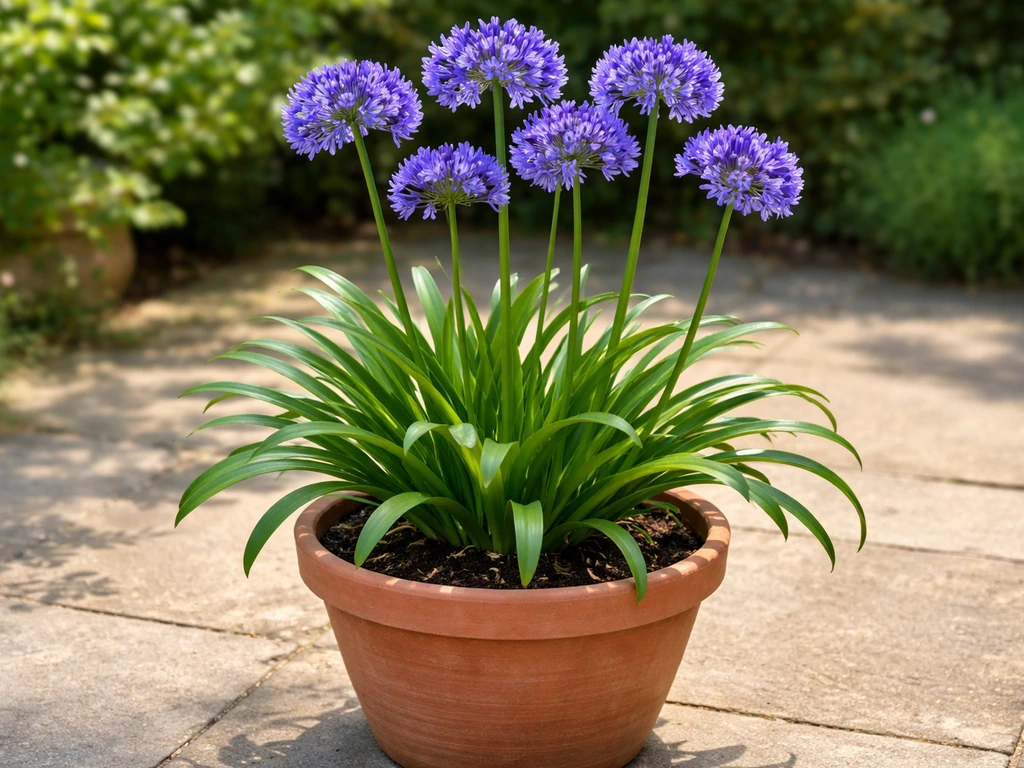
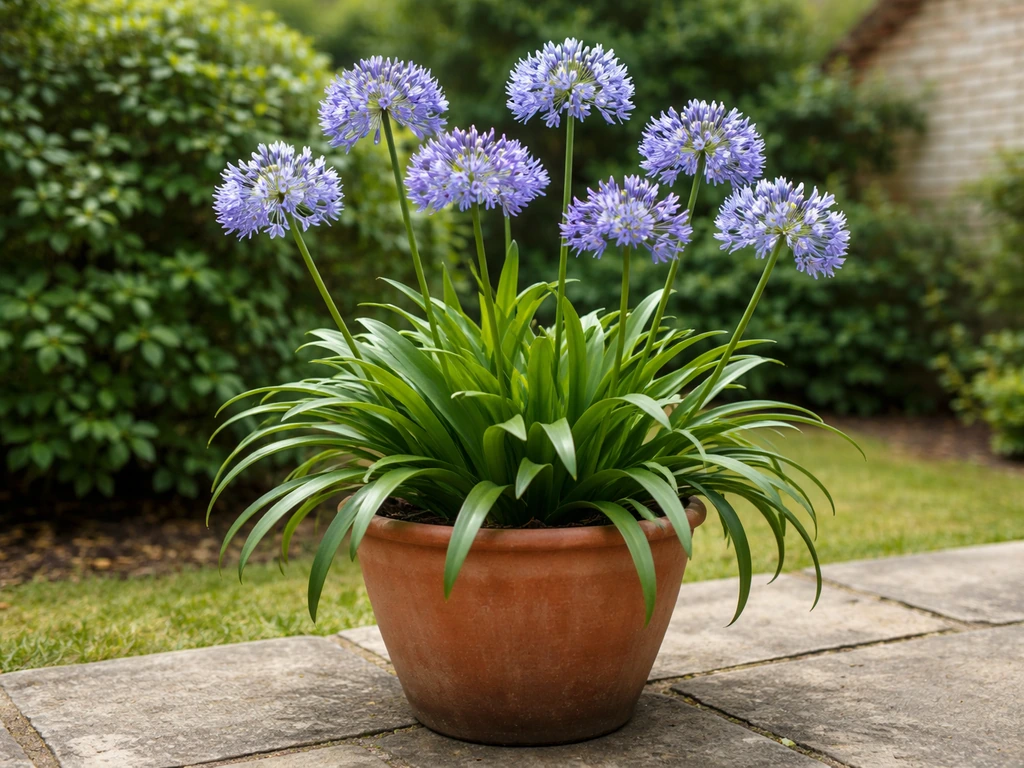
Agapanthus are striking plants with strap-like leaves and tall stems (usually 60–90cm) topped with globe-shaped clusters of blue, purple, or white flowers. Most flower from midsummer into early autumn, typically July to September in the UK. If you're planting from bare rhizomes or a small starter plant this spring, be patient: first-year plants often focus on establishing roots rather than flowering. You'll likely get your best display from year two onwards.
Growing in a pot changes a few things compared to open ground. The soil dries out faster, so watering becomes more critical. Roots are also more exposed to cold air in winter, which means frost damage is a real risk even for varieties labelled as 'hardy.' The good news is that both of these things are easy to manage once you know what to do.
Choosing the right pot, location, and drainage
Pot size and material
Start with a pot that fits the plant snugly rather than one with loads of empty space around the roots. A single agapanthus plant (or a clump divided from a larger one) does well in a pot roughly 30–40cm in diameter. Going too large too soon can actually delay flowering, because the plant puts energy into filling all that extra soil with roots instead of producing blooms. Once your plant is established and the roots are clearly filling the pot, you can move up to a slightly bigger container.
As for material, terracotta looks beautiful with agapanthus and is my personal preference, but it dries out faster than plastic or glazed ceramic. Plastic pots hold moisture longer, which can be useful during hot summers. If you go with terracotta, just expect to water more often. Heavy containers are worth the effort here because agapanthus get tall and top-heavy when in flower, and a lightweight pot can tip over easily in wind.
Drainage and saucers
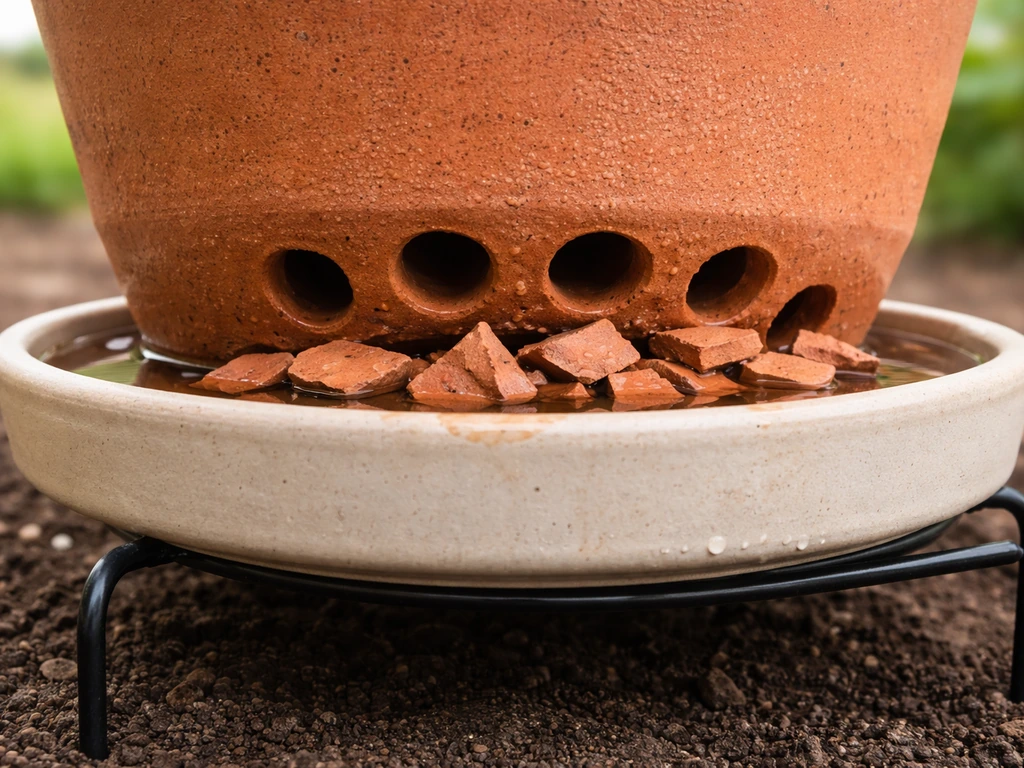
Good drainage is non-negotiable. Make sure your pot has at least one generous drainage hole in the base. Adding a layer of crocks or broken pot fragments over the hole before you add compost helps stop it getting blocked. If you're using a saucer underneath (handy on a patio or indoors), tip it out after watering so the pot isn't sitting in standing water, especially over winter. Waterlogged roots are the most common way agapanthus die in containers.
Where to put the pot
Agapanthus need as much sun as you can give them. A south- or west-facing spot is ideal in the UK. They'll tolerate partial shade, but too much shade is one of the main reasons they fail to flower, so if you've got a choice, always go for the sunnier position. A sheltered spot also helps protect them from strong winds snapping those tall flower stems.
The best soil mix and how to plant
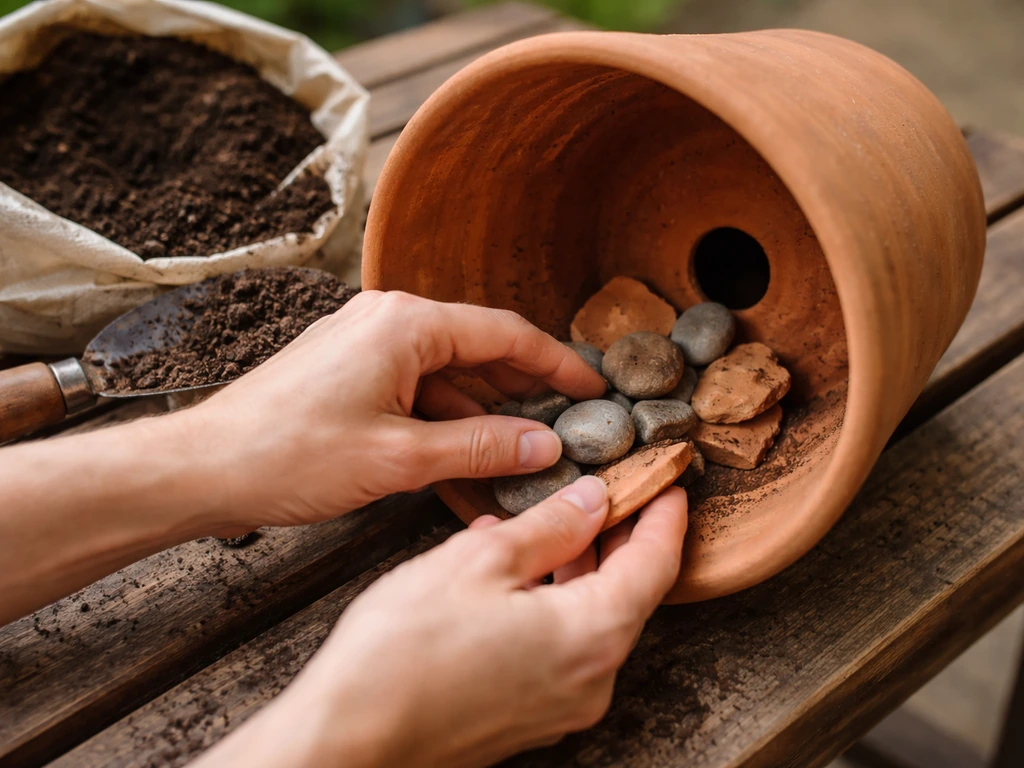
Don't use standard multi-purpose compost on its own as it holds too much moisture and can turn soggy. The best mix for container agapanthus is a loam-based compost, like John Innes No. 2 or No. 3, with extra drainage material mixed in. Roughly a two-thirds to one-third ratio of John Innes to horticultural grit, coarse sand, or gravel works well. This gives the roots something to grip onto, holds some nutrients, but drains freely so water doesn't pool around the roots.
Planting step by step
- Put a layer of crocks or stones over the drainage hole, then add a few centimetres of your compost mix to the bottom of the pot.
- If planting a bare rhizome (the chunky root section), set it just below the surface, roughly 5–7cm deep, with any visible growing tips pointing upward.
- If planting from a pot-grown plant, remove it from its nursery pot, tease out any tightly circling roots, and position it so the top of the root ball sits about 2–3cm below the rim of the new pot.
- Fill around the roots with your compost mix, firming it gently to remove air pockets.
- Water thoroughly until water drains from the bottom, then let the pot drain completely before moving it to its final position.
- Spring (March to May) is the best time to plant or repot agapanthus in the UK.
When to repot
Agapanthus don't need repotting often, which is part of what makes them low-maintenance. Every two to three years is usually enough, and when you do move them up, choose a pot that's only 2.5–5cm larger all round than the current one. A dramatic jump in pot size can actually set flowering back, so resist the urge to go straight to a much bigger container.
Watering and feeding through the seasons
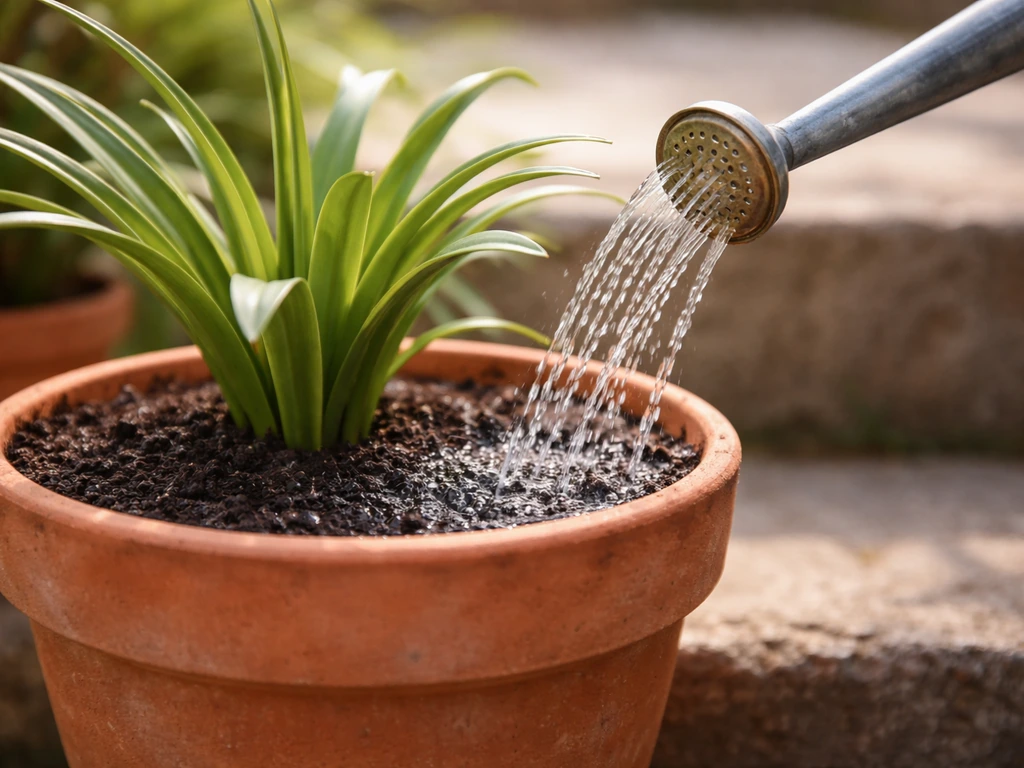
Getting the watering right is probably the single most important factor for getting agapanthus to flower in a pot. The key rule: never let the compost dry out completely from spring through to early autumn. This is the period when flower buds are developing, and if the roots dry out during this window, you'll lose next year's blooms. That said, you also don't want the pot sitting in soggy compost, so water thoroughly and then let the top few centimetres dry out a little before watering again.
| Season | Watering | Feeding |
|---|---|---|
| Spring (March–May) | Water moderately as growth resumes; increase as temperatures rise | Start feeding with a balanced liquid fertiliser every two weeks |
| Summer (June–August) | Water regularly, checking every 1–2 days in hot weather; do not let the pot dry out completely | Switch to a high-potash feed (like tomato fertiliser) every two weeks to encourage flowering |
| Early autumn (September–October) | Continue watering but reduce frequency as temperatures drop; do not let roots dry out completely yet | Stop feeding once flowering has finished |
| Late autumn and winter (November–February) | Minimal watering; just enough to stop the compost drying out completely | No feeding needed |
High-potash feeds are the secret weapon here. Tomato fertiliser is cheap, widely available, and works perfectly. Start using it in June when flower buds are forming and continue until flowering is over. It encourages blooms rather than just leafy growth, and I've noticed a real difference in the number of flower stems when I switch from a balanced feed to a tomato feed mid-season.
Light, temperature, and overwintering your pot
Agapanthus are tougher than many people think, but a pot changes the equation significantly. When a plant is in the ground, the surrounding soil insulates the roots from temperature extremes. In a pot, the roots are surrounded by a thin layer of compost and a pot wall, which means they can freeze solid in a hard winter even if the same variety would survive fine in open ground. This is especially true in the north of England and Scotland, where winters are colder and wetter.
Hardy vs. tender varieties
There are two main groups: hardy agapanthus (mostly deciduous types that die back in winter) and tender agapanthus (mostly evergreen types that keep their leaves year-round). Hardy types can usually stay outdoors with some protection in milder parts of the UK. Tender types really need to come into a frost-free greenhouse, conservatory, or cool indoor space over winter. If you're not sure which type you have, check the label when buying, or choose a named hardy variety like 'Headbourne Hybrids' if you want something more forgiving outdoors.
Overwintering step by step
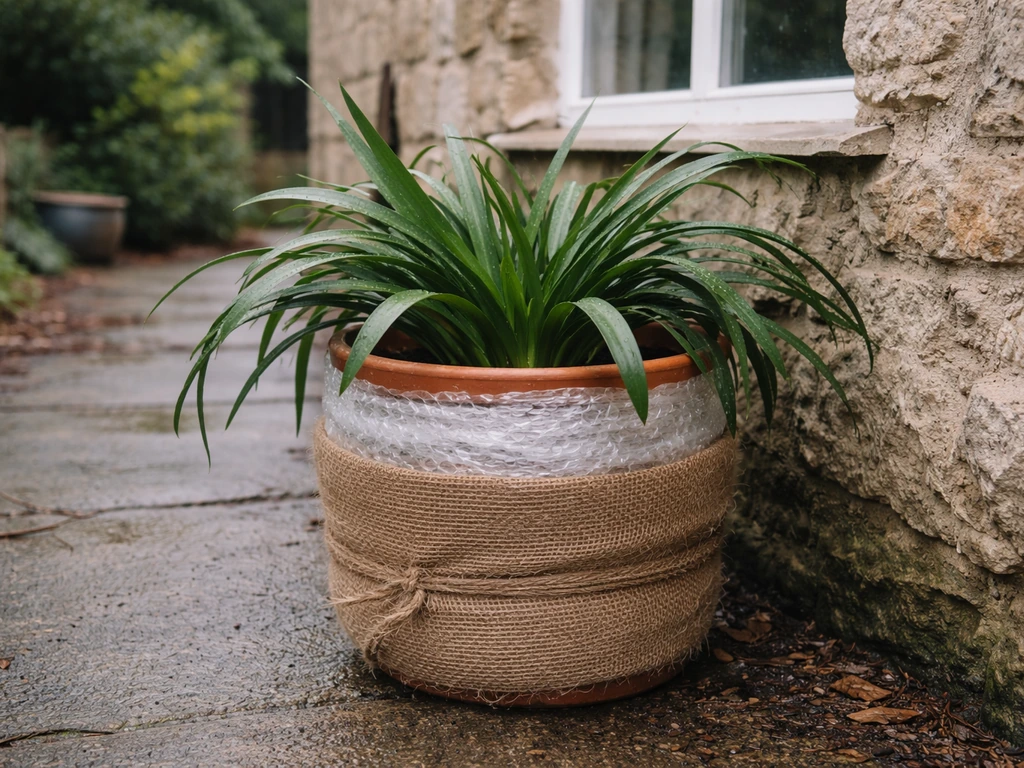
- From October onwards, move pots to a sheltered spot against a warm wall or into a cold greenhouse if you have one.
- Wrap the outside of the pot in bubble wrap, hessian, or old compost sacks to insulate the roots from freezing temperatures.
- For deciduous types, remove dead foliage in autumn after it has died back naturally.
- For evergreen (tender) types, bring the whole pot inside to a frost-free space: an unheated greenhouse, garage with a window, or cool conservatory all work.
- Water very sparingly over winter, just enough to stop the compost from becoming bone dry. Soggy compost in cold temperatures is a recipe for root rot.
- Move pots back outside in late March or April once the risk of hard frosts has passed.
Lack of winter protection is one of the most common reasons potted agapanthus fail to flower the following year. Even for hardy varieties, a bit of insulation around the pot over winter can make a real difference to the display you get in summer.
Deadheading, pruning, and getting more blooms
Once a flower head has finished and the petals have faded, cut the whole stem off at its base, right down near the leaves. This is called deadheading, and it stops the plant putting energy into producing seeds (which it doesn't need to do in a pot). It also keeps the plant looking tidy and can sometimes encourage a second flush of flower stems in warmer years.
For deciduous types (the ones that die back in autumn), wait until the leaves have gone yellow and died back naturally, then cut them off cleanly at the base. Don't be too hasty, because the plant is still drawing energy back through those leaves before they die. Evergreen types just need any tatty or yellowed outer leaves removed as they appear throughout the year.
If your plant is producing lots of leaves but no flowers, the usual suspects are too much shade, not enough feed, letting the pot dry out in summer, or skipping winter protection. Going through that checklist and correcting the issue usually sorts things out within a season or two.
Troubleshooting common problems in pots
No flowers
This is the most common complaint with potted agapanthus. Work through these likely causes: too much shade (move the pot to a sunnier spot), pot dried out during summer (water more consistently and never let it dry completely), no winter protection last year (sort that out this autumn), or insufficient feeding (add a high-potash fertiliser from June). New plants often take a year or two to settle in before flowering, so if yours is brand new, it may just need more time.
Yellowing leaves
Yellow leaves have a few possible causes. If it's autumn and the plant is a deciduous type, this is completely normal, it's just dying back for winter. If it's summer, check the roots: if the compost is waterlogged and smells musty, you may have root rot, and the fix is to repot into fresh, free-draining compost and ease off the watering. If the compost is very dry, water thoroughly and more consistently going forward. Occasionally yellowing can indicate a nutrient deficiency, in which case a balanced liquid feed will help.
Root rot and soggy compost
Root rot happens when roots sit in wet compost for too long, particularly in winter. If you tip the plant out and the roots are brown, slimy, and mushy, cut away the damaged sections with clean scissors, let the remaining roots air dry for an hour, and repot into fresh compost with extra grit added. Going forward, make sure the pot drains freely and water is never sitting in a saucer underneath.
Agapanthus gall midge
This is currently the most serious pest problem for agapanthus in the UK, and it's now well established here. The gall midge is a tiny fly that lays its eggs inside flower buds. The larvae feed on the developing bud tissue, causing buds to become deformed, discoloured, and swollen. Affected buds often fail to open at all, or produce distorted growth instead of proper flowers. Defra’s Plant Health Portal factsheet explains that gall midge larvae feed on developing flower bud tissue, which can cause flower distortion or abortion, and that the damage is confined to Agapanthus flowers gall midge larvae feed on the developing bud tissue. If you notice buds that look swollen, bent, or just wrong compared to normal ones, gall midge is the likely culprit. Unfortunately there's no pesticide available to home gardeners that reliably controls it. The best approach is to remove and bin (not compost) any affected buds as soon as you spot them, to reduce the number of larvae completing their cycle.
Other pests
- Slugs and snails: they target new growth in spring. Use copper tape around the base of the pot, or try organic slug pellets.
- Vine weevil: if you find the plant collapsing despite adequate water, tip it out and check for small white grubs eating the roots. Repot into fresh compost and treat with a biological control (nematodes) watered into the soil in spring or early autumn.
- Aphids: occasionally appear on flower stems. A strong jet of water or an organic insecticidal soap spray sorts these out quickly.
A few final thoughts
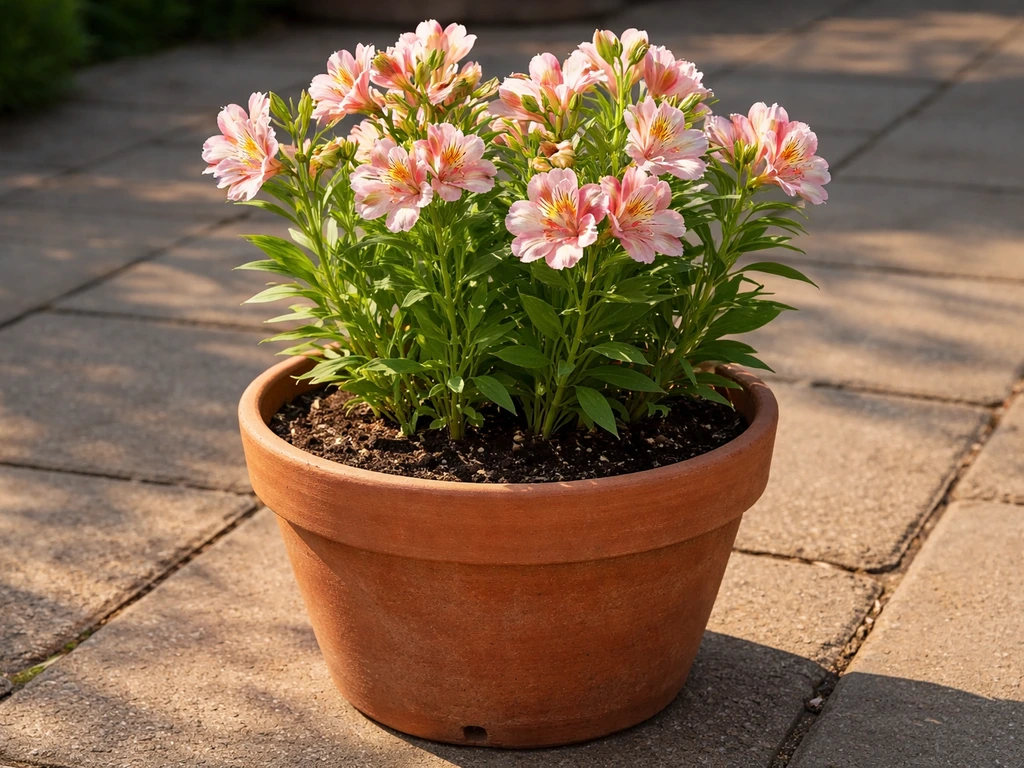
Agapanthus are genuinely one of the most rewarding plants you can grow in a pot. Get the basics right (a snug pot, free-draining compost, consistent summer watering, a high-potash feed, and some winter protection) and they'll reward you with those stunning flower heads year after year. If you're also wondering how to grow alyssum in pots, the key overlap is getting the containers and drainage right so the roots do not sit in soggy compost in a pot. If you enjoy growing plants in containers, you might also find alstroemeria and alyssum worth exploring as companions or alternatives for a summer patio display. And if you're building out a collection of drought-tolerant container plants, blue glow agave is another striking option that shares the love of good drainage and full sun.
FAQ
What pot size should I use if I’m starting with rhizomes or a very small plant?
Aim for a snug container, not oversized. A good rule is to choose a pot only slightly larger than the rhizome root mass, roughly in the 25 to 35 cm diameter range for a starter plant. If the pot is too large, the plant often spends the first season building roots instead of flowering.
How can I tell if my agapanthus has root restriction or if it’s struggling for another reason?
Root restriction usually shows as vigorous growth and steady bud formation once it’s mature. If you see lots of soft, pale leaf growth but no buds, the problem is more likely low light, insufficient potash feeding, or summer dryness, rather than being “too small a pot.”
Should I prune agapanthus roots when it grows too tightly in the pot?
Avoid root pruning unless you are repotting. Instead, lift and divide every two to three years, then return sections to a similar or only slightly larger pot. This keeps flowering on track and reduces the shock that can delay buds.
Can I keep potted agapanthus outdoors year-round in the UK?
It depends on whether it is hardy or tender and your microclimate. Even hardy types benefit from protection, for example wrapping the pot with bubble wrap and insulating the base. Tender evergreen types should be moved to a frost-free greenhouse or cool indoor spot to prevent leaf and root damage.
What’s the best way to water in hot weather without drowning the plant?
Water thoroughly until excess drains, then let the top few centimetres dry before watering again. In peak heat, you may need more frequent watering, but always empty saucers after watering to avoid the “wet feet” conditions that lead to rot, especially once temperatures drop at night.
Is morning or evening watering better for pot-grown agapanthus?
Morning watering is generally safer because it allows excess moisture to evaporate through the day. Evening watering can leave compost wetter overnight, increasing risk of fungal issues and root rot, particularly in autumn and winter.
Do agapanthus need deadheading in pots, and should I leave the seedheads if I want more plants?
Deadhead to encourage tidier growth and to stop seed production the plant would otherwise invest in. If you want seed, leave selected heads, but expect reduced flowering from that plant the following season because energy is diverted to seed rather than buds.
Why are my buds swollen or deformed, and what should I do immediately?
Swollen, bent, or distorted buds often indicate gall midge. Remove and bin affected buds as soon as you notice them, do not compost them. This reduces the number of larvae that complete their cycle and helps protect later bud development.
My leaves are yellowing in summer, what should I check first?
First check the compost moisture and smell. Yellowing in summer often points to root problems from either drying too far (leaves flagging then yellowing) or staying waterlogged (musty smell). If it smells bad or feels soggy, repot into fresh free-draining compost rather than just watering differently.
How do I over-winter agapanthus in a pot if I don’t have a greenhouse?
Use a sheltered spot against a wall, keep the pot as dry as possible, and insulate the container (bubble wrap or horticultural fleece) plus protect the base from direct cold. For tender types, a cool conservatory or frost-free indoor room is usually safer than an exposed patio.
Should I feed year-round or only during certain months?
In pots, focus feeding on the active growth and bud period. Start using high-potash tomato-type fertiliser in June, continue through flowering, and then pause feeding as growth slows in late autumn to avoid encouraging soft growth that is vulnerable to cold.
Can I move my potted agapanthus between locations to get more sun?
Yes, but avoid frequent drastic moves. Sudden changes from bright sun to shade, or indoors to outdoors, can stress the plant and delay bud formation. If you need to move it, do so gradually over several days and keep the final position very sunny.