Geraniums do really well in pots. In fact, a container is often the best place to grow them because you control the drainage, the soil, and exactly where the plant sits in the sun. You can use the same container approach to learn how to grow bromeliads in pots with bright light and well-draining mix. With the right setup, a potted geranium will bloom from late spring through the first frost, and some types will keep going even longer if you bring them indoors for winter.
How to Grow Geraniums in Pots: Step-by-Step Care
Marcus Whitley
23 Apr 2026
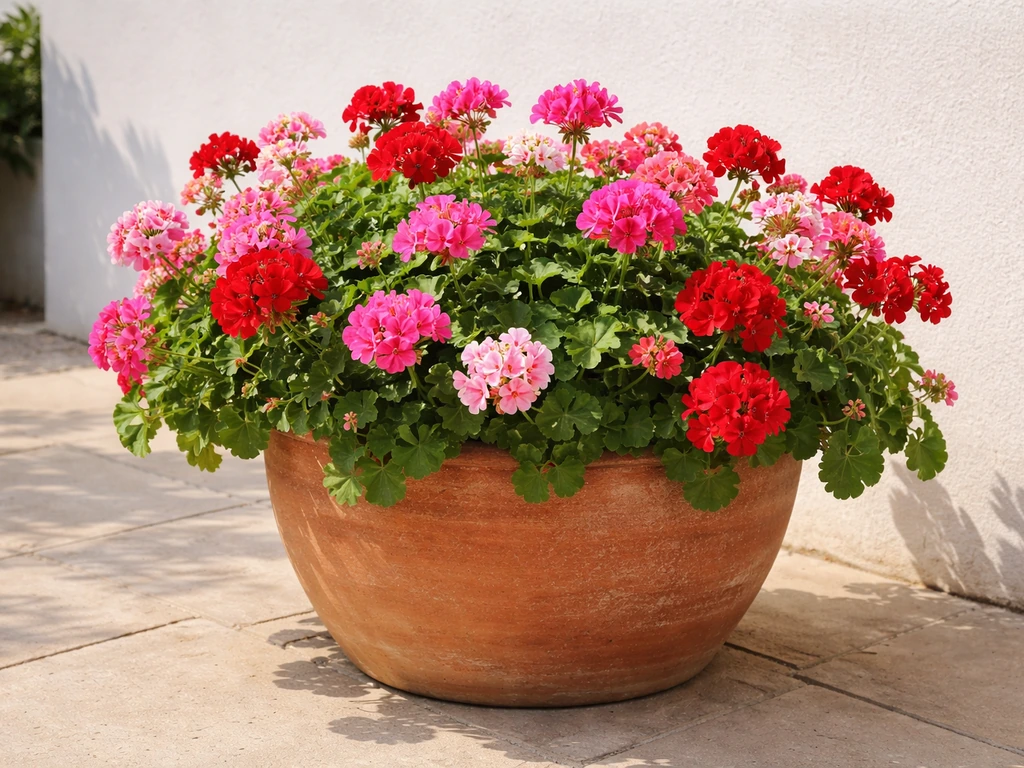
Do geraniums actually thrive in containers?
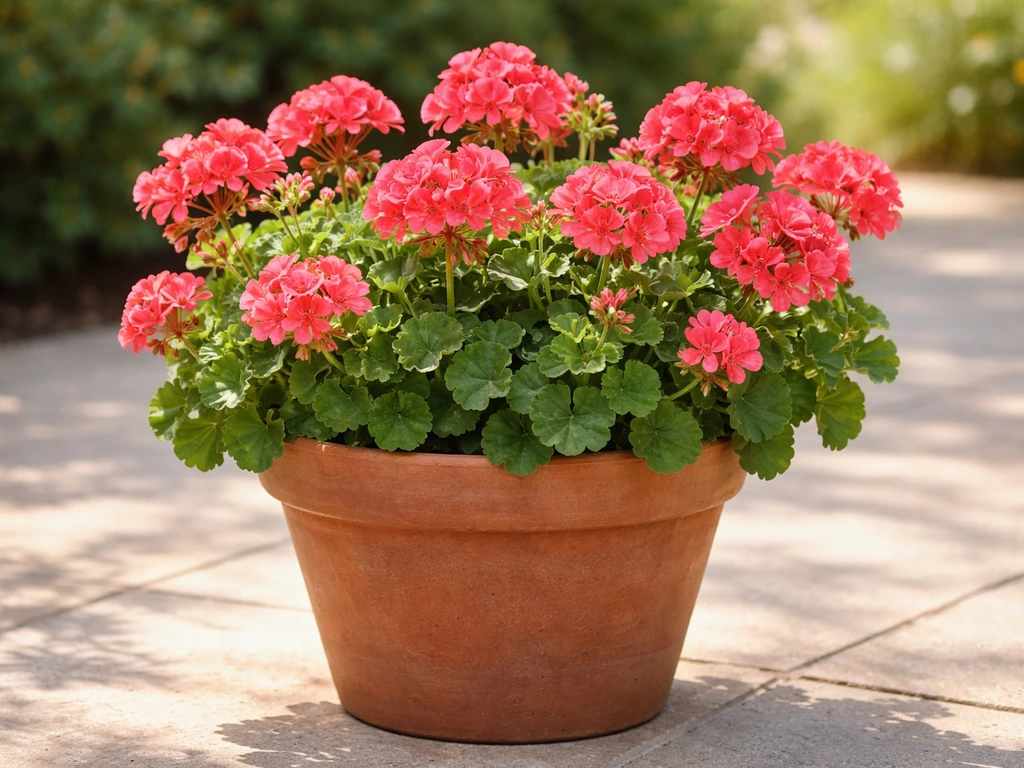
Yes, and genuinely so. Geraniums (the tender Pelargonium types most people picture when they say 'geranium') were practically made for pot life. They like their roots slightly snug, they need excellent drainage that a well-set-up container can provide easily, and they respond well to the consistent conditions you can create in a pot. I've grown them on a third-floor balcony with nothing but a south-facing wall behind them and they put on a better show than the ones I planted in the ground the same year. The key is getting the basics right from day one rather than hoping they sort themselves out.
Picking the right type of geranium for a pot
The word 'geranium' covers two very different groups of plants, and it matters which one you're working with before you buy a pot or a bag of soil.
Tender geraniums (Pelargonium)
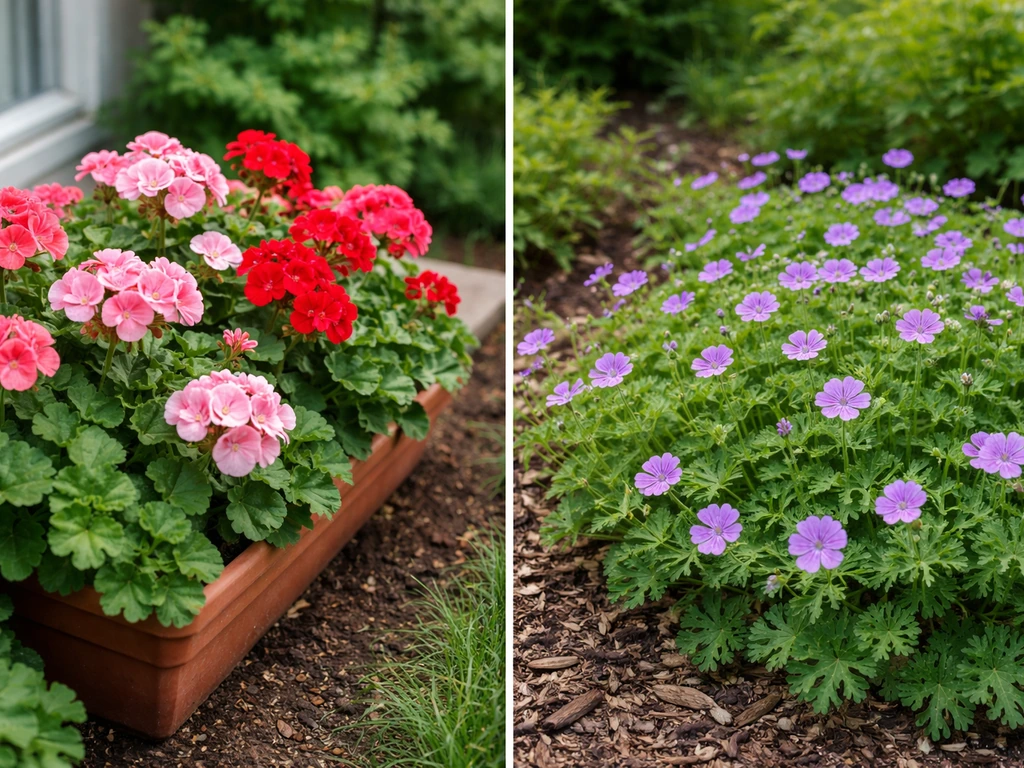
These are the classic bedding and patio geraniums you see filling window boxes and hanging baskets from May onward. They're not frost-hardy, which is why they're usually sold as annuals, but they can be kept alive indoors over winter and replanted the following year. The main types to know about are zonal geraniums (the upright, bushy ones with round flower heads in reds, pinks, salmon, and white), ivy geraniums (trailing stems that spill beautifully over the edges of containers), regal geraniums (larger, more dramatic blooms but fussier), and scented-leaf geraniums (grown as much for fragrance as flowers). All four do well in pots. For a beginner, zonal geraniums are the most forgiving and the most reliably floriferous.
Hardy geraniums (Cranesbill)
Hardy geraniums are a completely different plant, despite sharing the name. These are true Geranium species, fully frost-hardy perennials that survive winter outdoors in most climates. They can absolutely grow in pots, but they have different needs. They prefer cooler conditions than Pelargoniums, tend to have a more sprawling habit, and go dormant or die back in late autumn. Good compact varieties for containers include Geranium 'Rozanne', Geranium sanguineum, and Geranium 'Biokovo'. The rest of this guide focuses on tender Pelargonium-type geraniums, but most of the container setup advice applies to hardy types too, just with less fussing about overwintering since they handle cold on their own.
Choosing the right pot, drainage, and spot to place it
Pot size
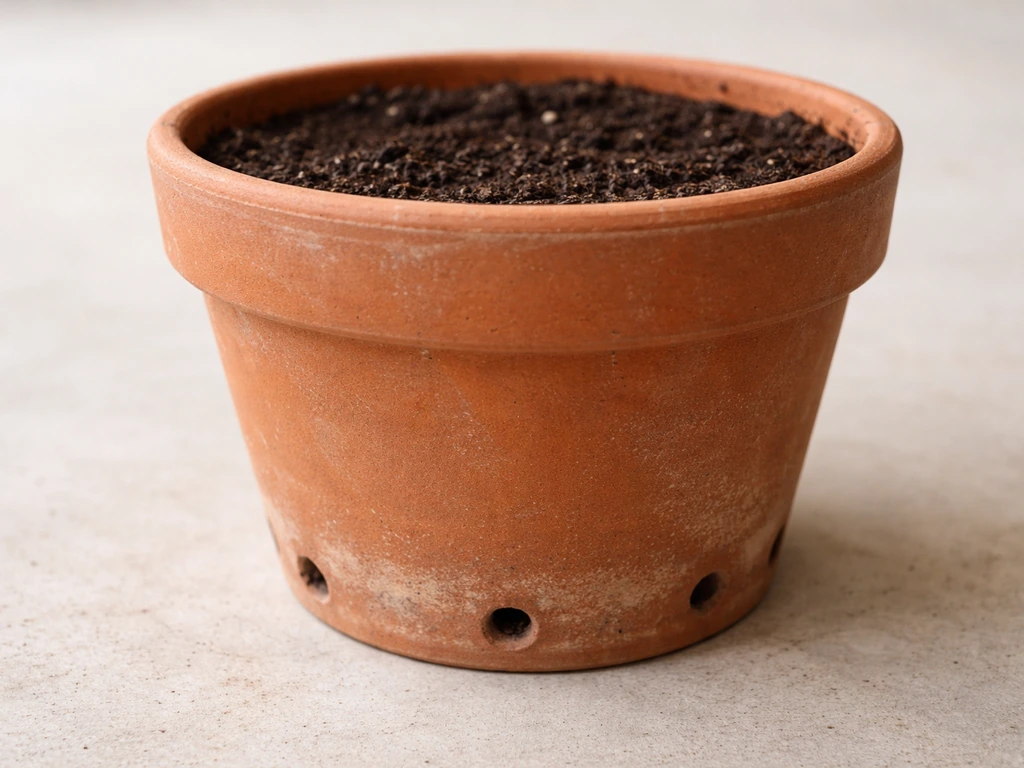
University of Georgia Extension recommends an 8 to 12 inch diameter pot as the sweet spot for a single geranium plant. That's roughly the size of a standard terracotta pot you'd find at any garden center. Go smaller and the soil dries out too fast in hot weather, leaving the plant wilting between waterings. Go much bigger and the plant sits in excess wet soil that can cause root problems before its roots have spread enough to use all that moisture. For a group planting or a window box, space plants about 10 to 12 inches apart and choose a container that allows that spacing comfortably.
Drainage is non-negotiable
Every pot you use must have at least one drainage hole, and ideally several. Geraniums are prone to root rot and a fungal disease called blackleg when their roots sit in waterlogged soil, and no amount of good watering habits will fix a pot that can't drain. If a pot you love doesn't have drainage holes, drill them yourself or use it as a decorative outer sleeve with a plain nursery pot inside. Avoid saucers that hold standing water unless you're in very hot, dry conditions and emptying them regularly.
Sunlight and placement
Geraniums need at least 6 hours of direct sun per day to flower well. A south or west-facing spot is ideal. If you want to grow gazania in pots, match the same principles: a sunny spot, a well-draining mix, and watering only when the soil dries slightly how to grow gazania in pots. They'll survive in less sun but the flowers become sparse and the stems get leggy as the plant reaches for the light. One of the big advantages of growing in containers is that you can move them as the season changes. In early spring when the sun is lower, push them to the sunniest spot you have. In midsummer if temperatures push past 30°C (86°F) consistently, a bit of afternoon shade will stop the blooms from frying. Watch out for very exposed windy spots too, especially for taller zonal varieties that can snap.
Weather and seasonal timing
Don't put tender Pelargonium geraniums outside until the risk of frost has passed in your area. In most of the UK that's mid-May. In the US, it depends on your zone, but after your last frost date is the rule. They can tolerate cool temperatures down to about 5°C (41°F) but a frost will kill the foliage and can kill the plant outright. Hardy geraniums can go out much earlier and stay out through winter.
Getting the soil mix right
Do not use garden soil straight from the ground in a pot. Garden soil compacts in containers, drains poorly, and introduces pests and diseases. You want a good-quality peat-free multipurpose compost or a specialist container/potting mix. I usually mix in about 20 to 30 percent perlite (the small white granules you see in commercial potting mixes) to improve drainage and aeration. Some people add a small amount of horticultural grit for the same reason. The goal is a mix that holds enough moisture to keep roots hydrated but drains freely so roots never sit in wet conditions for long.
You can add a slow-release granular fertilizer to the mix at planting time, following the packet rate. This gives the plant a steady background feed without you needing to remember to liquid-feed constantly in the first few weeks. That said, don't overdo it. Geraniums that are overfed with high-nitrogen fertilizer produce lush leaves at the expense of flowers.
Planting your geranium step by step
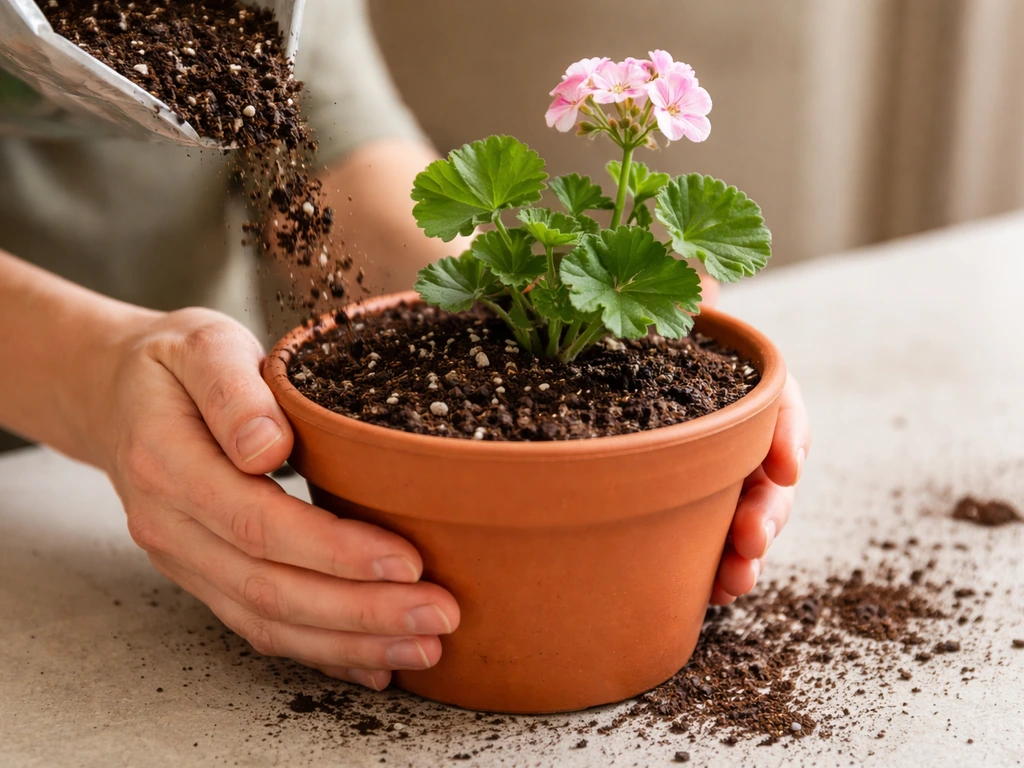
- Choose your pot (8 to 12 inches diameter, drainage holes present) and clean it out if it's been used before.
- Add a layer of crocks, gravel, or broken polystyrene to the base of the pot over the drainage holes to stop the soil from washing out and to aid drainage.
- Fill the pot about halfway with your prepared potting mix.
- Remove the geranium from its nursery pot gently. If the roots are tightly wound around the base (root-bound), tease them apart gently with your fingers to encourage them to spread out.
- Place the plant in the center of the pot so the base of the stem sits about 2 to 3 cm below the rim of the pot.
- Fill in around the rootball with more potting mix and firm it down lightly. There should be no air pockets around the roots.
- Water the plant thoroughly until water runs freely out of the drainage holes. This settles the soil and makes first contact between roots and fresh compost.
- Place the pot in its chosen sunny spot. Don't feed for the first two to three weeks if you've already added slow-release fertilizer to the mix.
Day-to-day care through the growing season
Watering
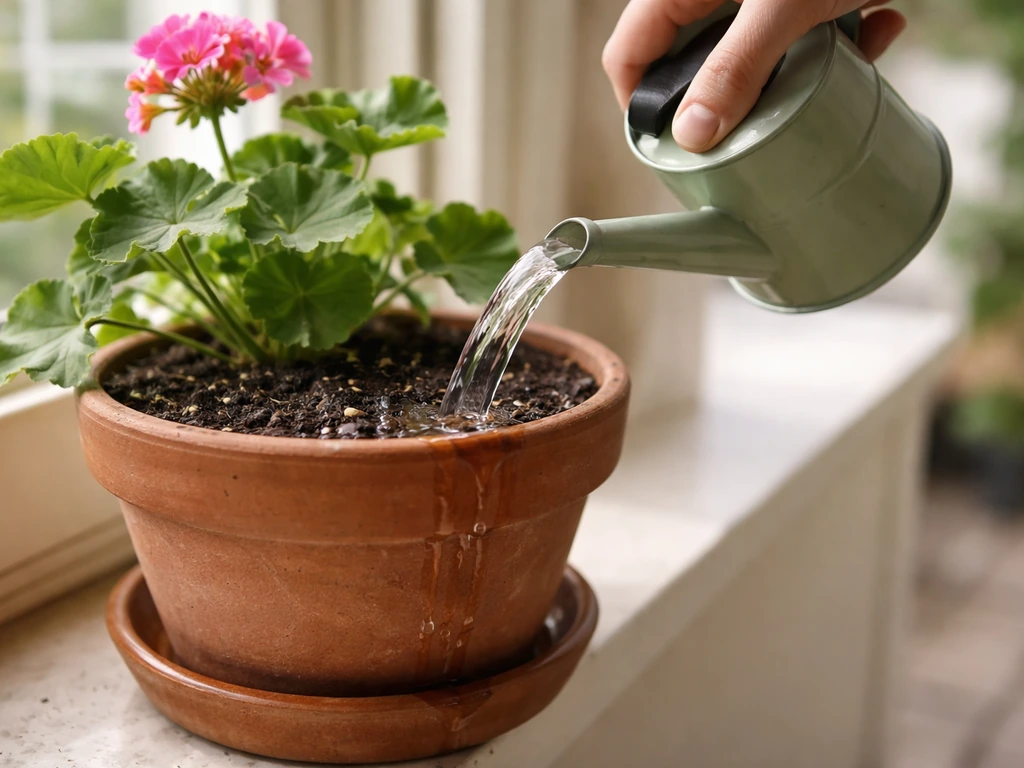
Geraniums want to dry out slightly between waterings. The most common mistake is overwatering, not underwatering. Push your finger about an inch into the soil: if it feels dry at that depth, water thoroughly. If it still feels damp, wait another day. When you do water, water until it flows out of the drainage holes. This does two things: it makes sure the whole rootball is hydrated, and it flushes out soluble salts that can build up in potting mix over time and damage the fine feeder roots. In hot summer weather you may be watering every day or two. In cooler, overcast periods, every three to five days might be enough.
Feeding
Once the plant is established and actively growing (usually about three to four weeks after planting), start feeding with a liquid fertilizer high in potassium, like a tomato feed. Apply this every one to two weeks through the growing season. Potassium encourages flowering. Avoid high-nitrogen feeds that push leafy growth. If you notice yellowing leaves despite good watering, a liquid feed usually helps. Stop feeding in early autumn when growth slows down.
Deadheading and pruning
Remove spent flower heads as soon as the blooms fade. You do this by snapping or cutting the whole flower stalk off at its base, not just pinching off the petals. This encourages the plant to produce more flowers rather than setting seed, and it keeps the plant looking tidy. Remove any dead or yellowing leaves at the same time as part of basic sanitation.
Dead plant material left on or around the plant creates conditions where fungal diseases like Botrytis (gray mold) can develop, especially in damp weather. A light trim of the whole plant in midsummer, cutting back by about a third, can rejuvenate a plant that's starting to look tired or leggy and often triggers a second flush of flowers.
Overwintering tender geraniums
When temperatures start dropping toward 5°C (41°F) in autumn, it's time to bring your Pelargonium geraniums in. Don't wait for frost. You have a few options depending on your space. The easiest approach is to bring the whole pot indoors to a cool, frost-free spot with some light, like a greenhouse, porch, conservatory, or even a bright spare room.
[Water very sparingly through winter, just enough to stop the compost drying out completely. ](https://chippewa. extension. wisc.
edu/files/2020/10/Overwintering-Geraniums. pdf) The plant will look a bit sad and may drop leaves, but that's normal. In spring, bring it back into warmth and light, give it a water and a feed, cut it back by about a third, and it will regrow. Alternatively, take cuttings in late summer (August to September) and root them in fresh compost, overwintering the young plants instead.
They root easily and give you fresh, compact plants for the following year.
When things go wrong: common problems and fixes
Leggy stems with few flowers
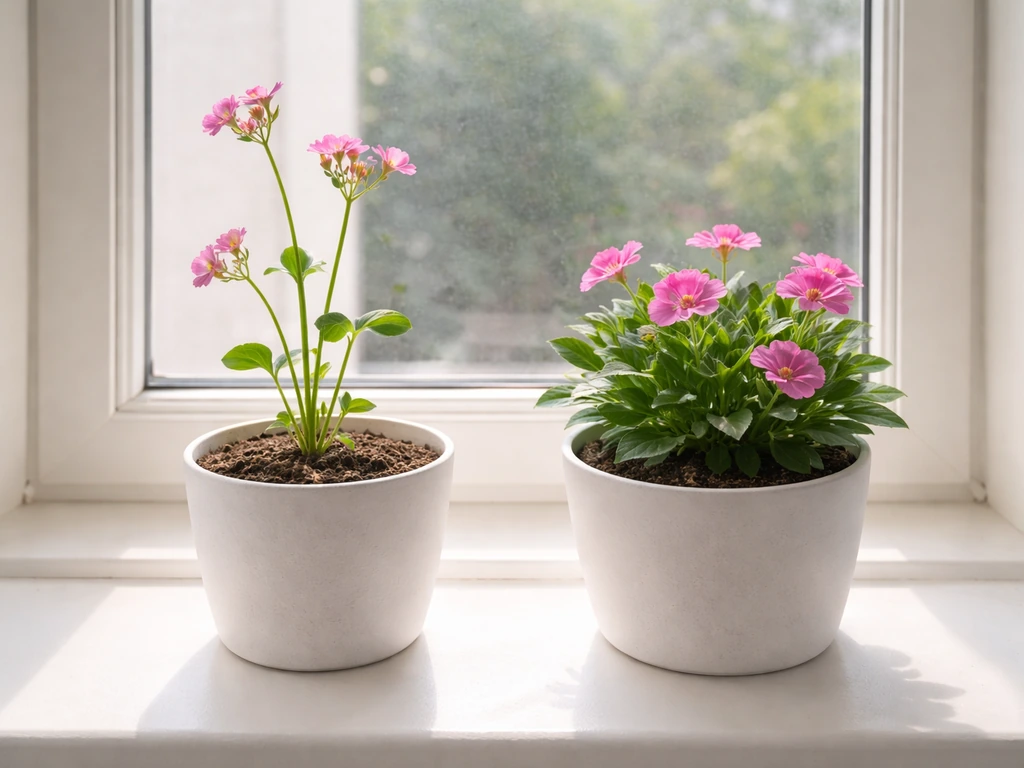
This almost always means the plant isn't getting enough sun. Move it to a sunnier position. Also check if you've been over-feeding with a high-nitrogen fertilizer, which promotes leaf growth at the expense of blooms. Switch to a tomato-type feed. Pinching out the growing tips in early summer also encourages a bushier habit.
Yellowing leaves
Yellow leaves can mean several things. If the lower leaves are yellowing and dropping, it can simply be normal ageing and nothing to worry about. If lots of leaves are yellowing at once, check the watering first: both overwatering and underwatering cause this. Feel the soil. Overwatered plants often have soft, mushy stems at the base. If the soil is fine and the plant looks healthy otherwise, a liquid feed usually resolves yellowing caused by nutrient depletion.
Root rot and blackleg
Root rot and blackleg (where the base of the stem turns black and mushy) are caused by overwatering and poor drainage. The Pacific Northwest Pest Management Handbooks also notes that blackleg and damping-off are soilborne in geranium and pelargonium and are promoted by overwatering and poor drainage. If you catch it early, remove the plant from its pot, cut away any rotten roots with clean scissors, let the plant dry out for a day, and repot it into fresh, dry compost in a clean pot with good drainage. If the stem base is blackened, unfortunately that plant is unlikely to recover. Prevent both problems by never letting pots sit in standing water and always using a free-draining potting mix.
Gray mold (Botrytis)
Gray mold appears as fuzzy gray patches on leaves, stems, or flowers, usually in cool, damp, humid conditions. Remove and bin (don't compost) any affected parts immediately. Improve airflow around your plants by spacing pots further apart. Keep water off the foliage when you're watering and clear away any dead plant material regularly, since decaying organic matter is where Botrytis starts. In most cases, improving conditions and removing affected growth is enough to stop it spreading.
Pests
Geraniums are relatively pest-resistant but not immune. Aphids can cluster on soft new growth, particularly in spring. Blast them off with water or use an insecticidal soap spray. Vine weevil is a bigger concern in containers: the grubs live in the soil and eat roots, and you often don't notice until the plant suddenly wilts and collapses. Check the root zone of any plant that looks unexpectedly stressed. Biological controls (nematodes applied to the compost) work well for vine weevil and can be applied from spring to early autumn.
Virus symptoms
Geraniums can carry viral infections including Pelargonium Flower Break Virus (PFBV), which causes distorted, mottled, or streaked flowers and foliage. If a plant shows these symptoms despite good care, it's worth considering a virus rather than a care problem. Viruses can't be treated, so the affected plant should be removed and replaced with fresh, healthy stock from a reputable supplier. Buy geraniums from known sources and avoid swapping cuttings from plants with unexplained symptoms.
A quick comparison: geranium types for pots
| Type | Best for | Sun needs | Frost hardy? | Container verdict |
|---|---|---|---|---|
| Zonal Pelargonium | Upright displays, window boxes | Full sun | No | Excellent, easiest for beginners |
| Ivy Pelargonium | Hanging baskets, trailing over edges | Full sun | No | Excellent, great for height |
| Regal Pelargonium | Show-stopping blooms | Full sun, some shelter | No | Good, needs more attention |
| Scented-leaf Pelargonium | Fragrance, foliage interest | Full sun | No | Good, compact varieties best |
| Hardy Geranium (Cranesbill) | Year-round container, perennial | Sun to part shade | Yes | Good, choose compact varieties |
Your next steps right now
If it's past your last frost date, you can start today. Pick up a zonal Pelargonium geranium from a garden center (go for a healthy, compact plant, not the biggest one in the display), grab an 8 to 10 inch pot with drainage holes, a bag of peat-free multipurpose compost, and some perlite.
Mix three parts compost to one part perlite, pot it up following the steps above, water it in well, and put it somewhere that gets at least six hours of sun. Feed it with tomato fertilizer every two weeks once it's settled in, deadhead the flowers as they fade, and you'll have a plant that blooms reliably all summer.
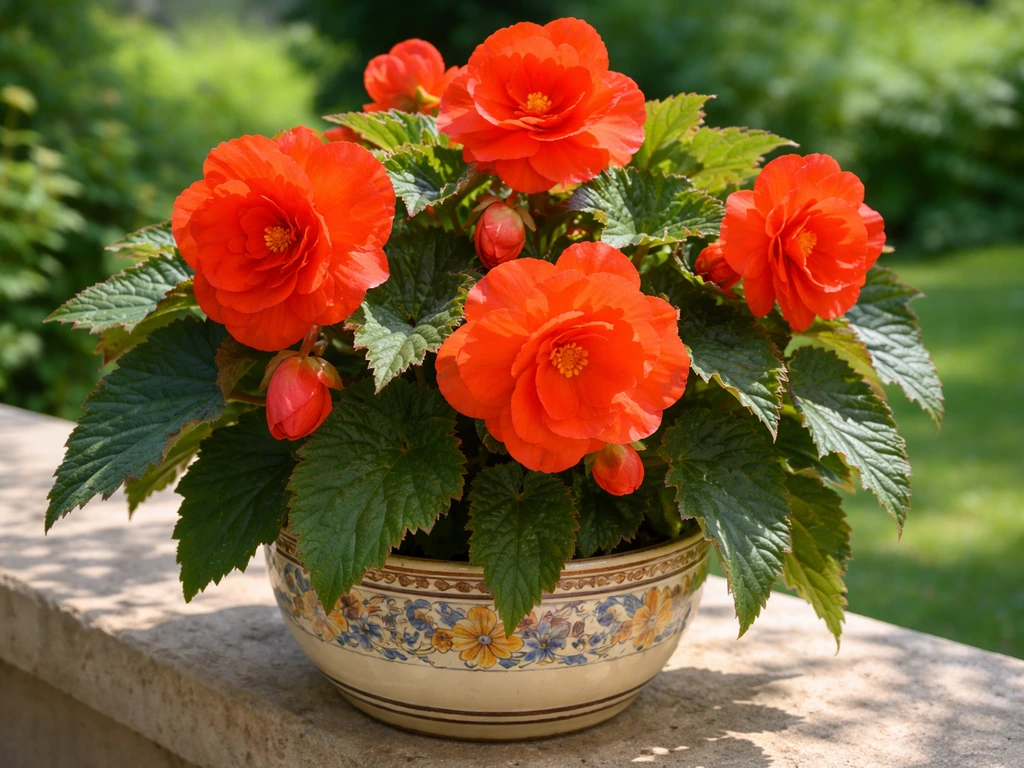
If you enjoy growing flowers in containers, geraniums are a great starting point, and the same container principles apply to other flowering plants like begonias, gerbera daisies, and gazanias, all of which can be grown in pots in much the same way. If you’re also interested in edible container growing, you can use a similar pot-and-care approach for pickles by learning how to grow pickles in a pot.
If you want to grow gazanias too, follow these steps on how to grow gazania in pots for the best blooms in containers. To grow begonias in pots successfully, use a quality potting mix, give them bright light, and keep the soil evenly moist without letting pots sit in water begonias, gerbera daisies, and gazanias.
FAQ
Can I grow geraniums from seed in pots, or is it easier with nursery plants?
Yes, but choose seedlings or small plants that are already “fit” for outdoors in your temperatures. If you start seed indoors, use a lightweight, sterile seed mix (not multipurpose compost), keep surface moisture with gentle misting, then harden plants off for 7 to 10 days before putting them in full sun. Container-sized plants from seed also need more frequent feeding once they start flowering, because nutrients wash out faster in pots than in the ground.
What should I do if my potted geranium seems to be drying out fast even though I’m watering?
It helps more than you might think. If water runs straight through and the pot feels light, the mix may be hydrophobic or too coarse. Water slowly until it drains out, then wait a few minutes and water again once the top has re-saturated. Also make sure you are using the same potting mix type each time, since garden soil often repels water and dries unevenly in containers.
My geranium wilts on sunny afternoons. Is that always a watering problem?
Avoid large swings. In heat, the plant can wilt during the hottest part of the day even when the compost is still a bit damp, so check the soil first with your finger. If the compost is dry at about 1 inch down, water thoroughly, then move the pot to dappled afternoon shade. If the compost is damp, delay watering and focus on airflow and sun timing rather than adding more water.
How do I prevent nutrient salt buildup in my geranium pot?
Yes, but only if you treat it as a “nutrient reset,” not a casual top-up. When salts build up, the compost can look normal but the plant stops thriving. A practical approach is to flush the pot every few weeks (run water through until it drains for a good minute), and at least once per year replace the top few inches of compost with fresh potting mix (and refresh fertilizer only after the plant shows steady growth).
What’s the best way to overwinter potted geraniums indoors without them rotting?
If you bring Pelargoniums indoors, do it gradually. Move the pot to brighter indoor light before lowering temperatures, then reduce watering as the days shorten. A common mistake is keeping the pot warm and wet, which encourages rot. If possible, aim for a cool, bright spot, and let the top inch of compost dry before watering again.
Can I take cuttings to save my geranium plants for next year, and how should I root them?
Use it for zonal, ivy, and many scented-leaf types, but do not expect every type to overwinter exactly the same way from cuttings. Take cuttings with clean scissors, remove lower leaves so they do not sit in compost, and root in fresh, sterile potting mix. Keep warmth consistent and avoid waterlogging, since cuttings rot easily in overly wet compost.
Do hardy geraniums need the same pot care and feeding as Pelargonium geraniums?
Hardy geraniums (true Geraniums) are different, and they often survive outdoors with less fuss, but they may still suffer in pots if drainage is poor. In containers, give them a free-draining mix, protect pots from prolonged waterlogging, and expect dieback or dormancy in cold weather. If your climate has freezing and wet winters, overwintering by moving the pot under cover can be more important than extra fertilizer.
When should I repot my geranium, and what pot size should I move to?
Repot timing matters. A good rule is to repot when roots circle the pot or water runs through immediately without staying in the root zone. Early spring is usually best for Pelargoniums, because they are about to restart growth. If you repot mid-season, handle the rootball gently, do not oversize the pot, and pause fertilizing for about two to three weeks.
How often should I fertilize if my geranium is producing leaves but not many flowers?
A “tomato feed” (potassium-forward) is a good flowering boost, but dosing still matters. Follow the label rate, and never add fertilizer into dry compost. If your plant is flowering heavily, you may need more consistent feeding, but if it’s mostly leafy, scale back or switch to the lower-nitrogen option. For quick correction, a light liquid feed after watering is safer than heavy granular feeding.
What are the quickest checks to tell whether yellow leaves are from watering, fertilizer, or something else?
Not always. Yellowing leaves can be natural aging, but if yellowing is paired with a soft stem base, it points to root rot and you need to act quickly. If leaves yellow while soil remains soggy, improve drainage, repot into fresh mix, and remove any blackened or mushy tissue. If the soil is dry and the plant looks crisp, switch to a consistent watering rhythm rather than just increasing feed.
My balcony is windy, and my geraniums dry out and struggle. What can I change?
Try separating watering from sun timing. In very windy spots, plants can dry through the compost faster than you expect, and stems can also lose moisture through leaf movement. Use a wind-sheltered spot if possible, stake taller types, and water thoroughly at the base in the morning so the pot can rehydrate before the day heats up.
How can I confirm vine weevil damage in a potted geranium, and what should I do right away?
Vine weevil grubs are hard to detect above ground, so look for sudden wilting with no clear heat or dryness, plus chewed roots at the pot’s edge. Early action is easiest, check the root zone when a plant collapses, and remove and discard heavily damaged compost. In the future, a preventative soil treatment (nematodes during the active season) works better than trying to cure damage after it’s advanced.