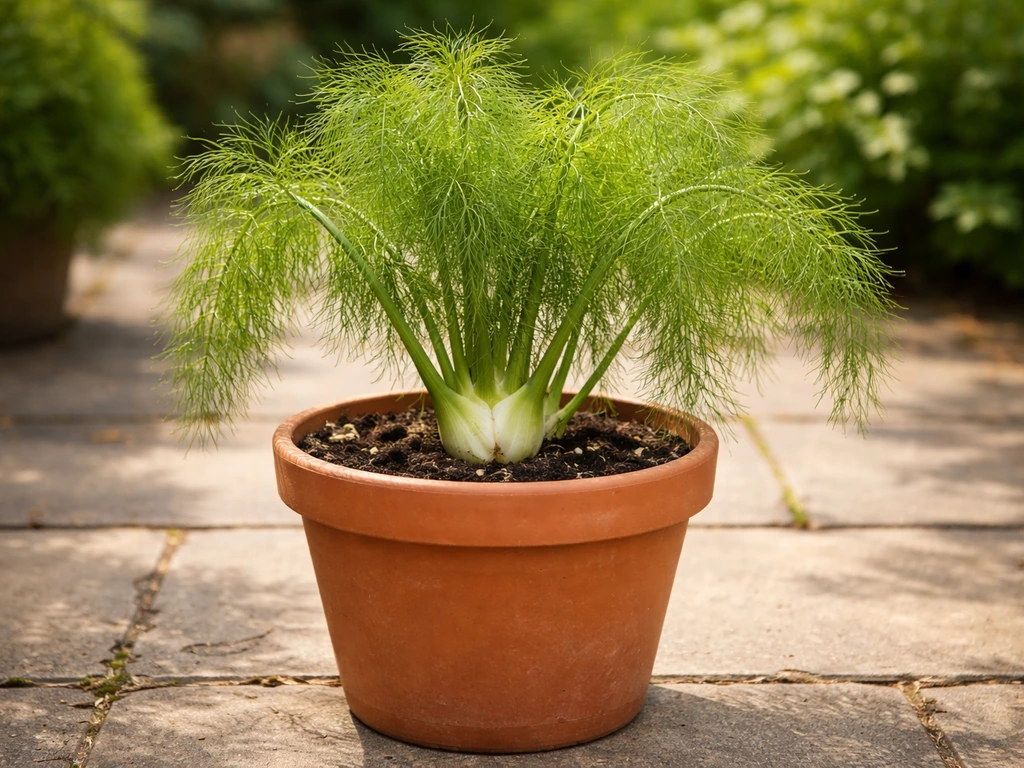
Yes, you can absolutely grow fennel in a pot, and it does surprisingly well in containers as long as you give it enough root space and keep it consistently watered. For a practical step-by-step guide on growing cosmos in pots, follow the same container basics like good drainage, consistent watering, and the right pot size cosmos pinkie how to grow in pots. The two main things that trip people up are choosing a pot that's too small and letting the plant dry out, both of which send fennel bolting (flowering and going to seed) before you ever get a decent harvest. Get those two things right and fennel is one of the more rewarding herbs and vegetables you can grow on a balcony, patio, or doorstep.
How to Grow Fennel in a Pot: Step-by-Step Guide
Marcus Whitley
29 Apr 2026
Can you actually grow fennel in a pot?
Fennel has a reputation for being fussy, but most of that fussiness is about its relationship with other plants in the ground (it's famously bad company in a mixed vegetable bed). In a container on its own, that problem disappears entirely. The RHS confirms fennel is easy to grow in containers using potting compost, and in practice it handles pot life well provided its basic needs are met. The real challenge with container fennel isn't germination or growth, it's preventing the plant from bolting prematurely. That said, plenty of home gardeners grow beautiful fennel in pots every year, so don't let the warnings put you off.
Choosing the right fennel type and pot size
Which type of fennel should you grow?
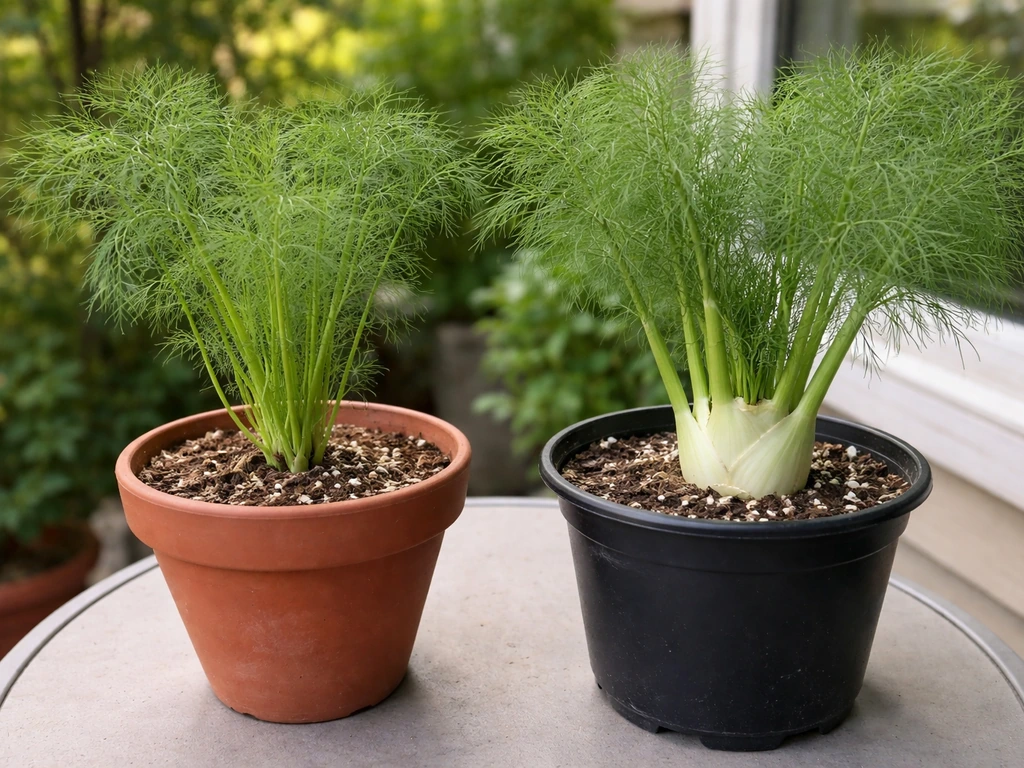
There are two main types of fennel worth knowing about. Common fennel (sometimes called herb fennel or sweet fennel) is grown mainly for its feathery leaves and seeds, and it's the more forgiving of the two. Florence fennel (also called finocchio or bulbing fennel) is the one with the swollen white bulb at the base that you use in cooking.
Florence fennel is the trickier type for containers because it's much more sensitive to heat stress and water fluctuations, both of which trigger bolting before the bulb has a chance to swell up. If you're new to growing fennel, starting with herb fennel is a gentler introduction. If you want the bulb, go for a slow-bolting Florence variety like 'Orion' or 'Romanesco', which have been bred specifically to resist bolting under stress.
What size pot does fennel need?
Fennel has a long taproot and doesn't like being cramped. For herb fennel, aim for a pot that's at least 30 cm (12 inches) deep and 30 cm wide. For Florence fennel, go bigger: at least 40 cm (16 inches) deep and wide, ideally more. Growing one plant per container is the safest approach for Florence fennel. You can fit two or three herb fennel plants in a larger pot, but they'll compete for space and moisture, which increases bolting risk. I've made the mistake of squeezing Florence fennel into a too-shallow pot and watched the whole thing bolt in a heatwave before the bulb formed. A deep pot with room to grow makes a real difference.
| Fennel Type | Minimum Pot Depth | Minimum Pot Width | Plants Per Pot | Best For |
|---|---|---|---|---|
| Herb/Common Fennel | 30 cm (12 in) | 30 cm (12 in) | 1 to 3 | Leaves, fronds, seeds |
| Florence/Bulbing Fennel | 40 cm (16 in) | 40 cm (16 in) | 1 | Bulb harvest |
| Florence (slow-bolt variety) | 40 cm (16 in) | 45 cm (18 in) | 1 | Bulb harvest with less risk |
Pot setup: drainage, soil, and placement
Drainage
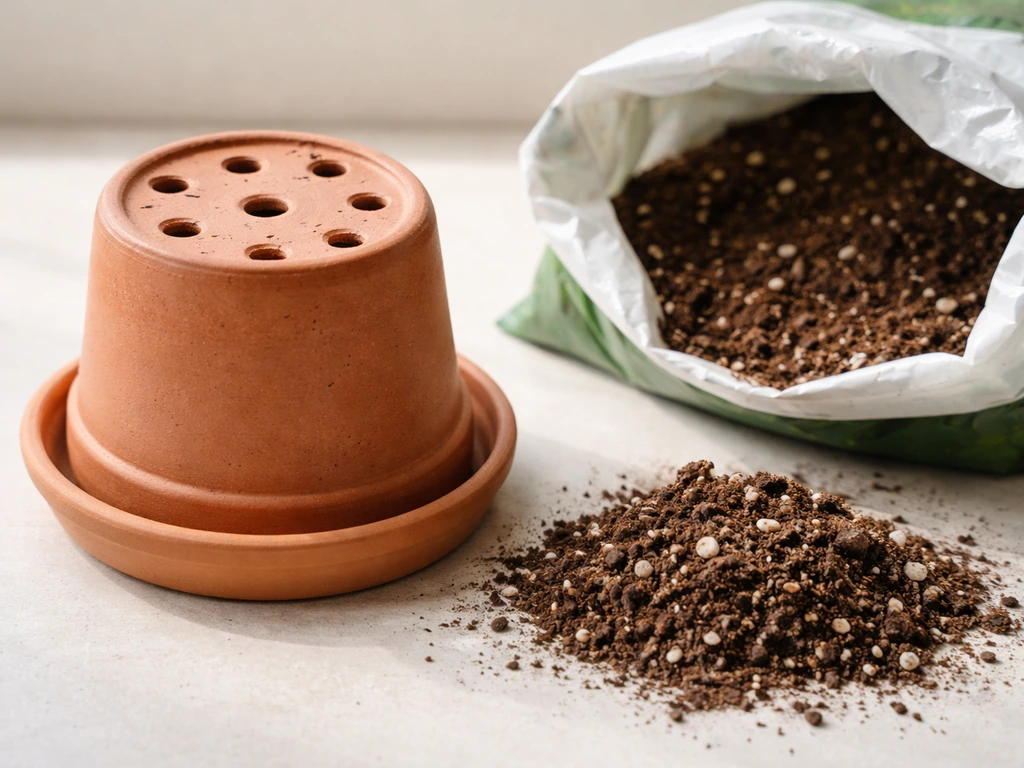
Fennel hates sitting in waterlogged soil. Make sure your pot has at least one good drainage hole at the bottom, ideally several. If you're using a decorative outer pot or a saucer, don't let water pool in it for more than an hour after watering. I like to raise my pots slightly off the ground using pot feet or a couple of bricks, which keeps the drainage holes clear and stops roots from getting trapped in standing water.
Soil
Use a good quality multipurpose potting compost as your base, then mix in about 20 to 30 percent perlite or coarse horticultural grit to improve drainage and aeration. Fennel prefers a slightly alkaline to neutral soil, roughly pH 6.5 to 7.0, so standard multipurpose compost is usually fine without amendment. Avoid using heavy garden soil in your container, it compacts quickly and suffocates the roots. The RHS recommends potting compost specifically for container fennel, and in my experience that's the right call.
Placement and airflow
Fennel needs a spot with good airflow around the leaves, which helps prevent fungal issues and keeps the plant growing steadily. If you want the same pot-friendly approach for fuchsia, grow it in a well-draining container, keep the soil evenly moist, and protect blooms from harsh afternoon heat airflow. Tucking it into a sheltered corner with no air movement can cause problems over time. OSU Extension's container gardening guidance highlights airflow as a key factor for container vegetables, and fennel is a good example of why that matters. OSU Extension’s container-gardening guidance also emphasizes blank" rel="noopener noreferrer">airflow as a key factor for container vegetables. A spot on an open balcony railing or near the edge of a patio works well.
Planting fennel in containers: seeds vs seedlings
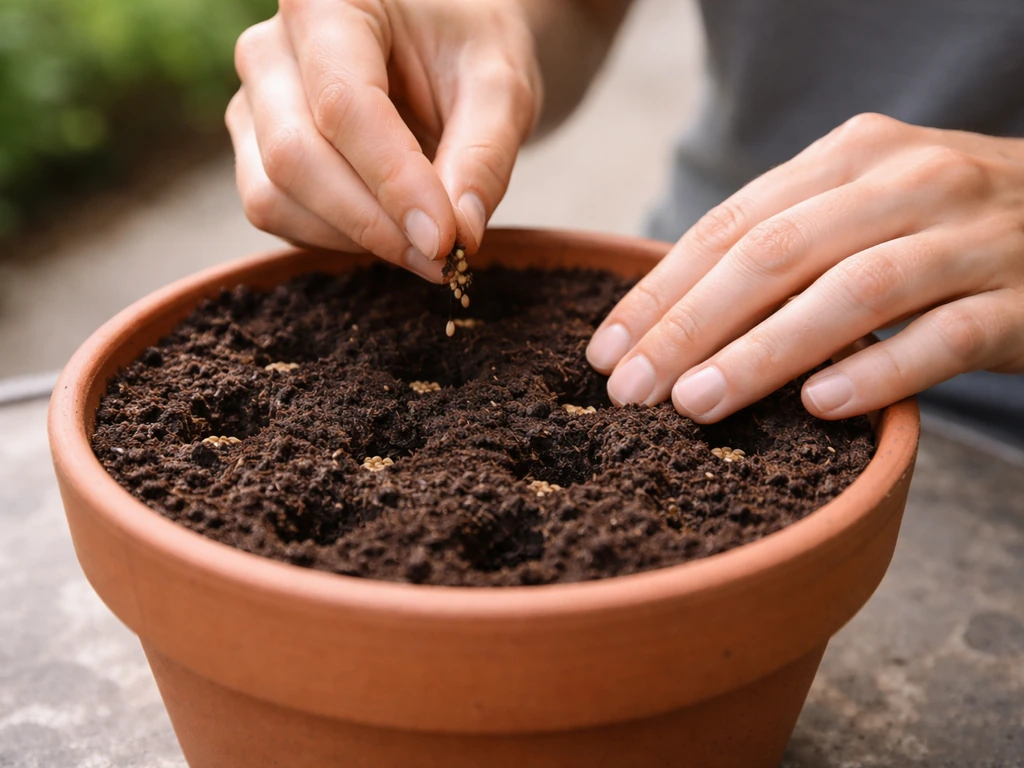
Starting from seed
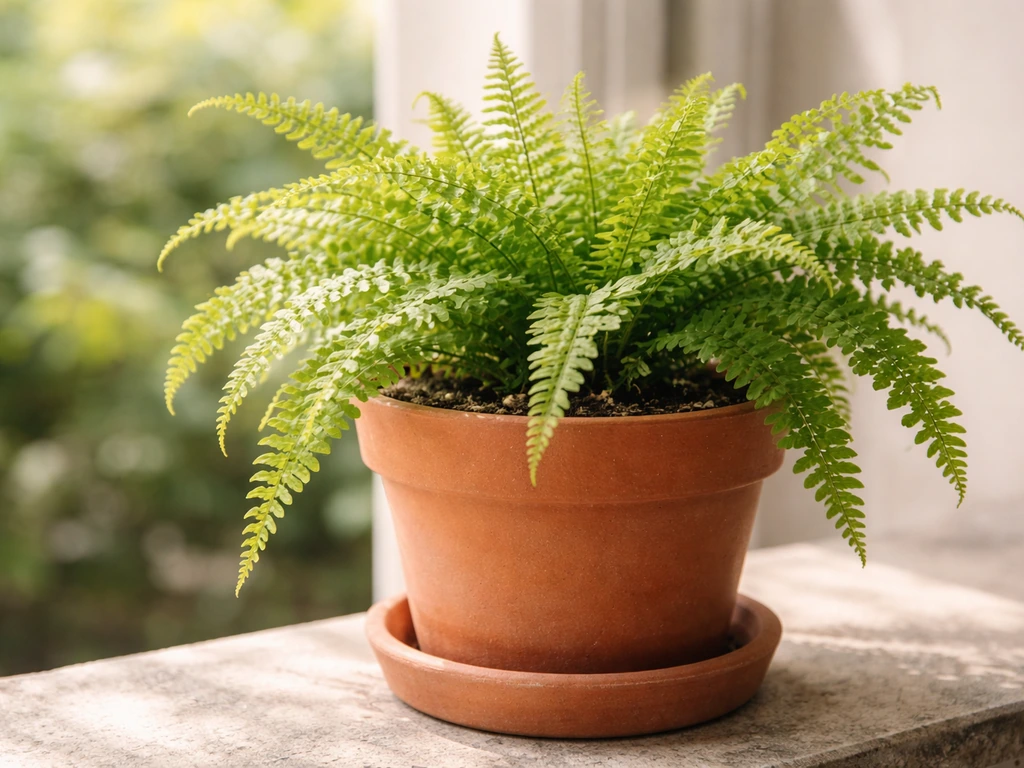
Fennel doesn't transplant well because of its taproot, and this is where a lot of beginners go wrong. If you're starting from seed, sow directly into the final container rather than starting in a small tray and transplanting later. If you are figuring out how to grow staghorn fern in a pot, focus on keeping the crown stable and using a chunky, fast-draining mix so excess moisture does not build up sow directly into the final container.
Disturbing the taproot, even once, can stress the plant enough to trigger bolting. Sow seeds about 1 cm (half an inch) deep, two or three seeds per pot, and then thin to the strongest single seedling once they're a few centimetres tall. Seeds germinate in around 7 to 14 days in warm conditions.
Using seedlings or transplants
If you're buying seedlings from a garden centre, handle them extremely carefully. Move them into their final pot as soon as possible, disturbing the root ball as little as you can. Plant them at the same depth they were growing at in their original container. Water gently straight after planting and keep the pot in a shadier spot for a few days to reduce transplant stress before moving it into full sun.
When to plant
Timing is everything with fennel, especially Florence fennel. Johnny's Selected Seeds specifically recommends planting so the crop matures during shortening days and cooler temperatures, because long days and heat are the two biggest triggers for bolting. In practice, that means sowing in late spring for a late summer harvest, or sowing in midsummer for an autumn harvest. Avoid sowing in the peak of summer heat if you're growing Florence fennel for the bulb. Herb fennel is more flexible, but it still does better with a cool finish.
Watering and feeding for container fennel
Watering
Consistent moisture is probably the single most important factor in preventing fennel from bolting in a container. Pots dry out much faster than garden beds, especially terracotta pots or pots in a sunny spot. Check the soil every day during warm weather by pushing your finger about 2 cm (an inch) into the compost. If it feels dry at that depth, water thoroughly until it drains out of the bottom.
In hot weather, this might mean watering daily. USU Extension specifically flags that water stress is a key bolting trigger for Florence fennel, so don't let the pot dry out completely between waterings. A layer of mulch on top of the compost (like a thin layer of bark chips or even just a piece of hessian) can slow moisture loss significantly.
Feeding
Container fennel will need regular feeding because nutrients wash out of pots much faster than in garden soil. Start with a balanced slow-release granular fertiliser mixed into the compost at planting time, following the packet instructions for the pot size. Then, once the plant is actively growing, supplement with a liquid feed every two weeks. For herb fennel (grown for leaves), a general balanced liquid feed works well. For Florence fennel where you're building a bulb, switch to a low-nitrogen, higher-potassium feed once you see the bulb beginning to swell, which encourages bulb development rather than excessive leaf growth.
Light, temperature, and daily care
Fennel wants full sun, which means at least six hours of direct sunlight per day. A south or west-facing spot is ideal in the northern hemisphere. That said, during the peak of summer (especially in July and August), too much afternoon heat baking the container can stress the roots and trigger bolting. If you're growing through summer, positioning the pot where it gets morning sun but some shade from around 2pm onwards can actually help Florence fennel stay calmer. One advantage of container growing is that you can move the pot, so use that flexibility. If a heatwave is forecast, shifting the pot to a slightly shadier spot for a few days is a perfectly valid strategy.
Fennel is a cool-season plant at heart. It grows happily in temperatures between 15 and 20 degrees Celsius (60 to 68 degrees Fahrenheit) and starts to struggle when temperatures regularly push above 25 degrees Celsius (77 degrees Fahrenheit). In colder climates, fennel can tolerate a light frost, but hard frosts will damage or kill it. In a pot, roots are more exposed to temperature swings than in the ground, so if overnight temperatures are forecast to drop below minus 3 or minus 4 degrees Celsius, bring the container indoors or into a sheltered spot.
Harvesting, preventing bolting, and keeping things going
Harvesting herb fennel from a pot
For herb fennel, you can start snipping the feathery fronds as soon as the plant is well established and growing vigorously, usually six to eight weeks after sowing. Harvest in the morning when the essential oils are strongest, cutting stems back to just above a leaf node (a junction where leaves meet the stem).
If you are growing pinks in pots, the same idea applies: water and sunlight consistency help blooms come in well and keep the plants healthy Harvest in the morning. Never take more than a third of the plant at one time. This encourages bushy regrowth and keeps the plant productive for months.
If you want fennel seeds, let a few flower heads develop and go to seed, then snip the seed heads into a paper bag when they begin to dry on the plant.
Harvesting Florence fennel bulbs
Florence fennel bulbs are ready to harvest when they've swollen to roughly the size of a tennis ball, which typically takes 90 to 115 days from sowing depending on the variety. Don't wait too long once the bulb has reached that size, because the plant will bolt if left. Cut the bulb off at soil level with a sharp knife. You can leave the root and base in the pot: it will often throw up new feathery fronds that you can harvest as herb fennel, even if it won't produce another full bulb. Some gardeners get two or three rounds of fronds from a single Florence fennel plant after the bulb is cut.
Preventing bolting
Bolting is when fennel throws up a tall flower spike and goes to seed prematurely, which makes leaves bitter and stops the bulb from forming properly. The main triggers in containers are heat stress, water stress, and root disturbance. To prevent it: choose slow-bolt varieties, keep the compost consistently moist, avoid transplanting once established, time your planting so the plant matures in cooler weather, and move the pot out of extreme afternoon heat during heatwaves.
If you want a different container flower, learning how to grow freesias in a pot will help you get reliable blooms without the fuss. These same container care steps are also key for anyone looking for how to grow ferns in pots without letting them get stressed move the pot out of extreme afternoon heat.
Pinching out any flower spikes as soon as they appear can buy you a little extra time, but once a plant has decided to bolt it usually keeps trying.
Common pests to watch for
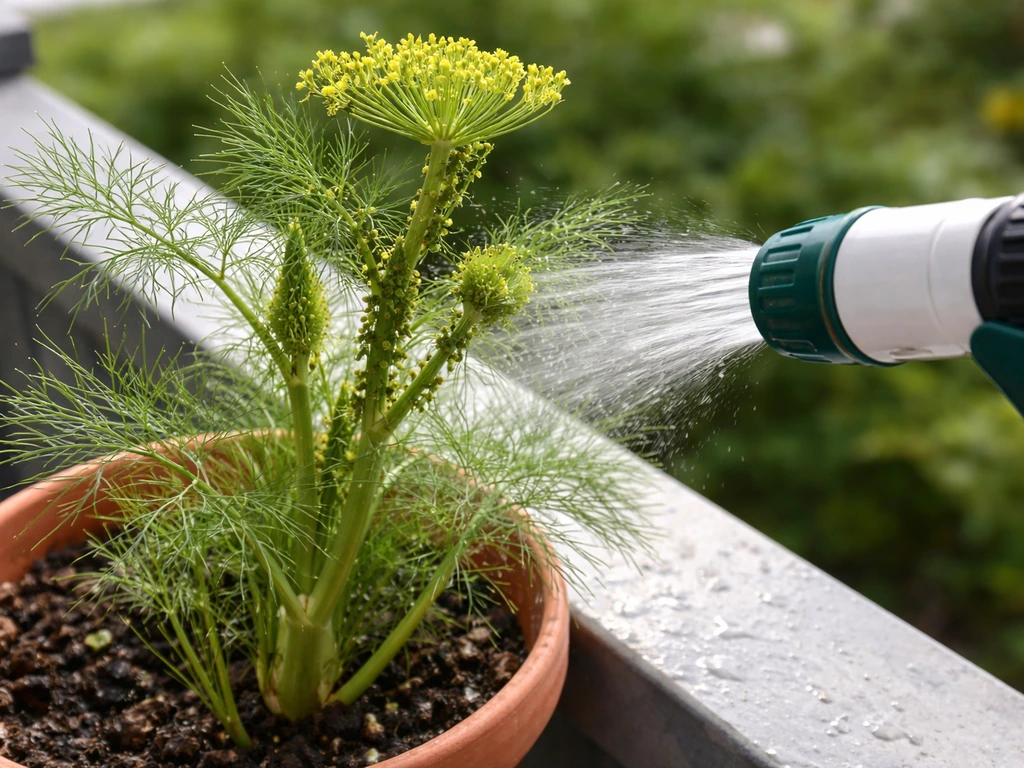
Container fennel is relatively pest-resistant, but a few visitors are worth knowing about. Aphids can cluster on new growth and flower heads, especially in warm weather. A blast of water from a hose or a spray of diluted neem oil handles them well. Fennel is a magnet for caterpillars of the swallowtail butterfly, which are spectacular looking but can strip a plant fast. If you spot striped green and black caterpillars, you can pick them off by hand and relocate them to a wild fennel plant if you prefer not to kill them. Slugs can be a problem in damp conditions, particularly on young seedlings; copper tape around the pot rim is an effective and non-toxic deterrent.
What to do after harvest
After cutting a Florence fennel bulb, decide whether to keep the root for secondary frond production or start fresh. If you're going into autumn, leaving the root in can give you a few more weeks of herb fennel harvests before the frosts arrive. For a new bulb harvest, start a fresh sowing in a clean container with fresh compost. Fennel grown in the same compost for a second season will appreciate a refresh of slow-release fertiliser or a complete compost change. Rotating the compost every season keeps the soil healthy and reduces any build-up of soil-borne issues.
FAQ
Can I grow more than one fennel plant in the same pot?
Yes, but use a separate growing point. For Florence fennel, you can place several pots close together, just avoid planting multiple Florence plants in one pot. With one plant per pot (deep and wide), you reduce competition for water and root space, which are two common causes of early bolting.
My fennel is starting to bolt. What should I do right now in a pot?
If you see it, treat it as a warning sign immediately rather than waiting. Move the pot to cooler light, keep moisture steady (water thoroughly when the top couple centimeters start to dry), and avoid any further root disturbance. Pinching a forming flower spike can delay full seeding, but it often cannot reverse a bolting plant.
Is it better to sow fennel directly or transplant seedlings when growing in containers?
Start with direct sowing into the final container, especially for Florence fennel. If you must buy seedlings, handle the root ball gently and plant at the same depth, then keep the pot slightly shaded for a few days before moving to full sun. Disturbing the taproot, even once, increases the odds of bolting.
How can I tell if my potting mix is drying out too much or staying too wet for fennel?
Check both the soil and the container. A pot that dries on the surface but stays wet underneath can still cause stress, so ensure drainage holes are clear and avoid letting water sit in a saucer. In hot weather, you may need daily watering for Florence, but in cooler spells, watering too often can create the opposite stress (waterlogging).
What’s the best way to mulch a fennel pot without causing fungal problems?
Use a mulch that stays thin and airy, not a thick, soggy layer. A light top-dressing helps slow evaporation, but keep it off the stem base so airflow remains good. Mulch is especially useful in sun-baked spots where terracotta or dark pots heat up fast.
When should I switch from regular fertilizer to bulb-focused feeding for Florence fennel in a pot?
Reduce stress before and after feeding. In pots, sudden changes in moisture can trigger bolting, so only fertilize on a schedule with consistent watering. For Florence, switch to a low-nitrogen, higher-potassium liquid once the bulb begins to swell, and stop heavy feeding as you near harvest size.
Can I grow fennel in a pot indoors, and if so, what are the biggest limits?
No, fennel generally does not perform well indoors in winter without careful conditions. The key issue is light, you need strong direct light for at least several hours, plus stable temperatures. If you can provide a bright window plus ventilation, herb fennel is more forgiving than Florence.
What causes a Florence fennel bulb to stay small or not swell in containers?
If the bulb fails to size up, review three things: pot depth and width (Florence needs more root room), heat during long sunny afternoons, and moisture consistency. Also confirm you are growing a slow-bolting variety if you are planting into warmer months.
How should I thin fennel seedlings in a pot, especially for Florence varieties?
Don’t ignore seedling timing and thinning. Sow only shallowly, then thin to the single strongest seedling per pot for Florence. Keeping extra seedlings competing too long reduces airflow and increases moisture competition, which can push plants toward bolting.
How do I protect container fennel from cold snaps and frost?
For winter, temperature swings are the bigger problem than average temperature. If nights drop below about minus 3 to minus 4 C, protect the pot by moving it under cover or into an insulated sheltered spot, not just against a wall. Also keep watering minimal during frozen periods but do not let the pot fully dry out when temperatures are mild.
Why are my fennel fronds bitter in a pot, and how can I improve harvest quality?
Light damage and stress can make leaves bitter. Harvest herb fennel fronds in the morning, and only take up to about one-third of the plant at a time so it can regrow. Avoid letting the pot dry out between snips, and keep afternoon heat under control, since both contribute to bitterness.
What pests should I watch for on potted fennel, and what’s the safest control method?
Common choices are aphids, caterpillars (swallowtail larvae), and slugs. For quick aphid control, rinse with water or use diluted neem, and for slugs consider copper tape around the pot rim. If you want to preserve butterfly habitat, relocate caterpillars to a wild fennel stand instead of removing them permanently.