A Serenitea pot is a decorative ceramic or glazed container planter, often inspired by traditional Asian teapot or tea vessel aesthetics, used for growing small plants, herbs, or flowers in a compact space. Growing plants in one successfully comes down to four things: picking plants that fit the pot's limited root space, making sure drainage is sorted before you add a single scoop of soil, placing the pot where your plants actually get the light they need, and watering by feel rather than by calendar. Get those four right and you'll have a thriving little container garden. Get them wrong and you'll be troubleshooting wilting and root rot within weeks.
How to Grow Plants in a Serenitea Pot Step by Step
Marcus Whitley
26 Apr 2026
What a Serenitea pot is and what makes it different
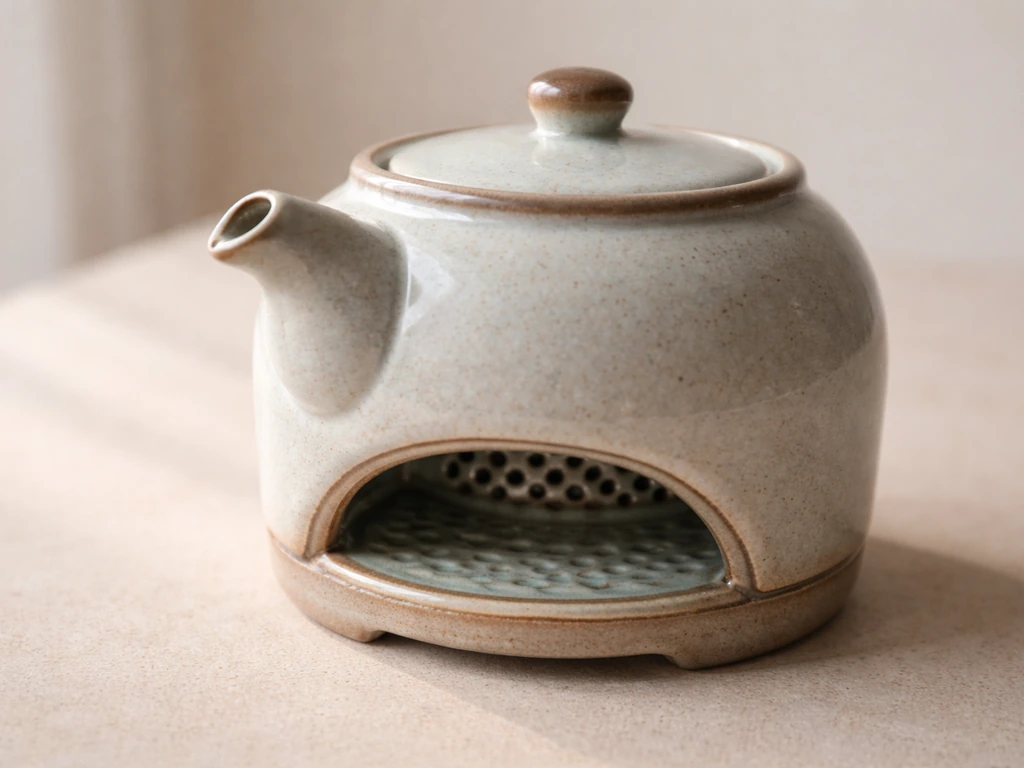
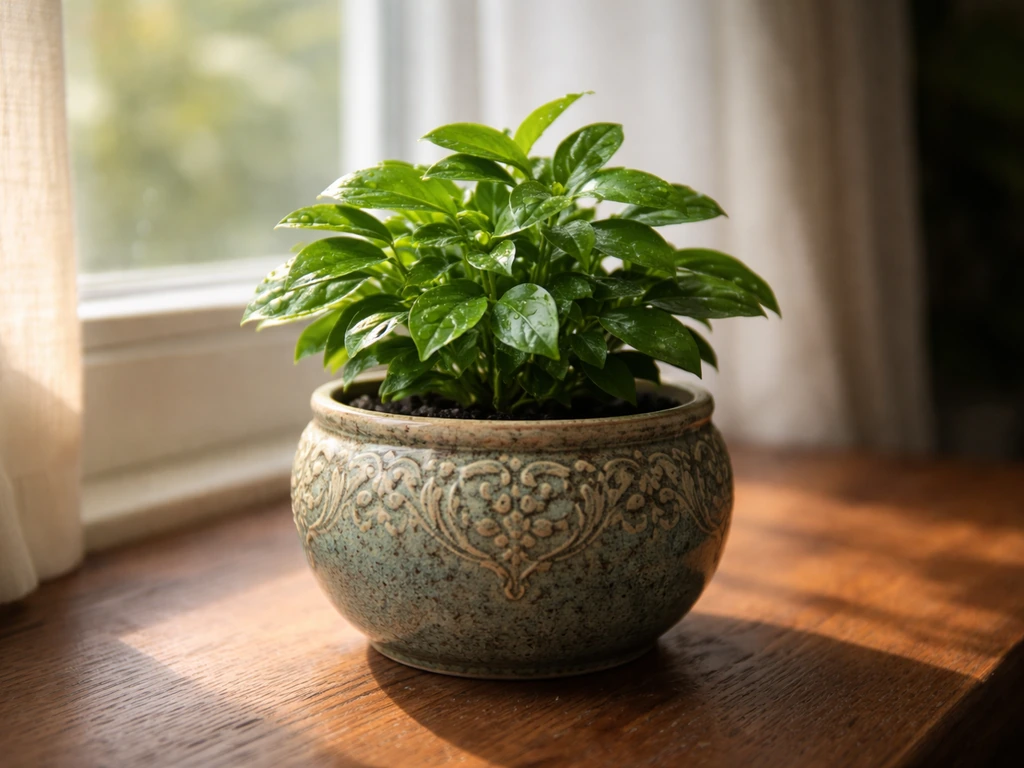
A Serenitea pot (sometimes spelled Serinetea or Serene Tea pot) is a compact decorative planter, typically ceramic or stoneware, styled after traditional East Asian tea vessels or teapots. They range from roughly 4 to 10 inches across and are used as feature pots on windowsills, tabletops, patios, or shelves. What sets them apart from a standard nursery pot isn't the material, it's the combination of size and style. They're small, they look beautiful, and they're often gifted or bought as a design piece first and a functional planter second.
That last point is where most people run into trouble. Because Serenitea pots are decorative, many of them either have no drainage hole at all or have a single small hole that gets clogged easily. That matters enormously for plant health. Without drainage, water sits at the bottom of the pot, roots stay wet, oxygen gets cut off from the root zone, and root rot follows quickly. Before you plant anything in yours, flip it over and check. If there's no hole, you have two choices: drill one carefully with a masonry or tile bit, or use the pot as a cache pot (meaning you grow your plant in a plain nursery pot with drainage, then drop that inner pot inside the Serenitea pot for display and remove it when watering).
The other thing that makes these pots different is thermal behavior. Ceramic heats up and cools down faster than thick plastic or fabric pots, which means roots can experience temperature swings if the pot is sitting in direct afternoon sun or on a cold stone surface in winter. Keep that in mind when you choose your placement and your plant.
Picking the right plants for the pot's size and drainage
The single biggest mistake people make with a small decorative pot is planting something that outgrows it in a month. A 4 to 6 inch Serenitea pot has maybe half a liter of usable root space. That rules out tomatoes, peppers, large herbs like rosemary in full growth, or anything that says 'needs a 12-inch pot or larger' on the tag. What works well are plants with naturally compact or shallow root systems.
- Compact herbs: basil (single plant, not a cluster), thyme, chives, mint (contained, since mint spreads aggressively in larger spaces), and cilantro for a short seasonal run
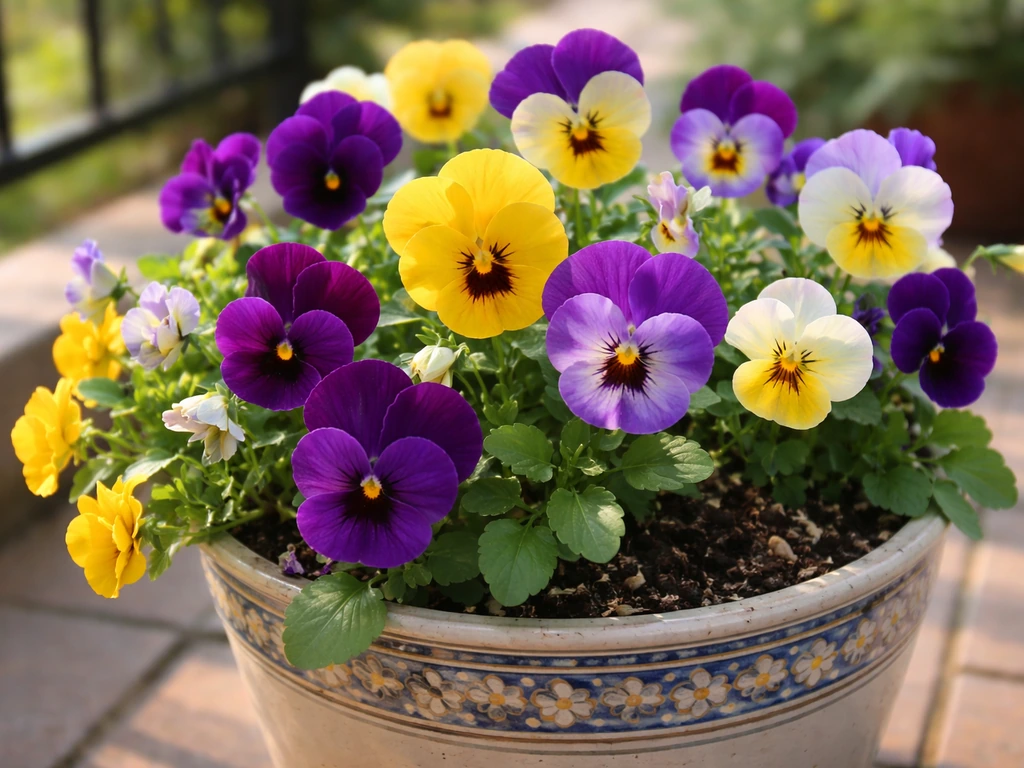
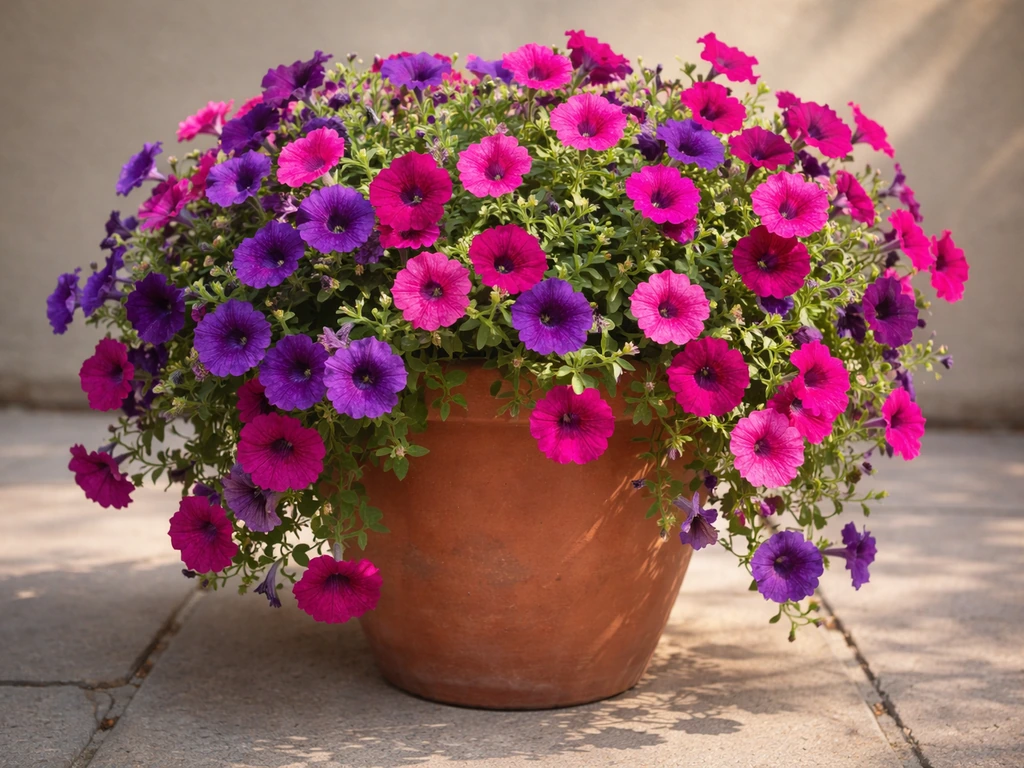
- Small flowering annuals: pansies, impatiens, and petunias all do well in smaller containers if you keep up with watering and feeding
- Succulents and cacti: ideal for Serenitea pots with drainage because they tolerate the compact root space and dry-down cycles perfectly
- Dwarf or compact flowers: heather varieties bred for pots, compact lavender, and small ornamental grasses
- Moss and fern combinations: for shaded spots, these work beautifully in the aesthetic of a Serenitea pot and stay small naturally
For a pot in the 8 to 10 inch range, you have a bit more flexibility. You could grow a single dwarf flowering plant like a compact petunia or a small heather specimen, or combine two or three small plants that share the same light and water needs. If you specifically want to grow petunias in pots, focus on choosing a sunny spot, using a well-draining potting mix, and deadheading regularly to keep them flowering. The rule I always come back to: if the plant's mature root system would fill a pot twice the size of yours, don't plant it there. You're setting yourself up for a stunted, stressed plant that never looks great.
Drainage tolerance is the other filter. Succulents and herbs like thyme and lavender are drought-tolerant and really struggle if water pools at the bottom, so they need a pot with good drainage and a very fast-draining soil mix. Moisture-loving plants like impatiens or ferns can tolerate slightly more water retention but still need drainage to avoid root rot. No plant genuinely thrives in a pot with zero drainage.
Setting up your pot: placement, light, and temperature
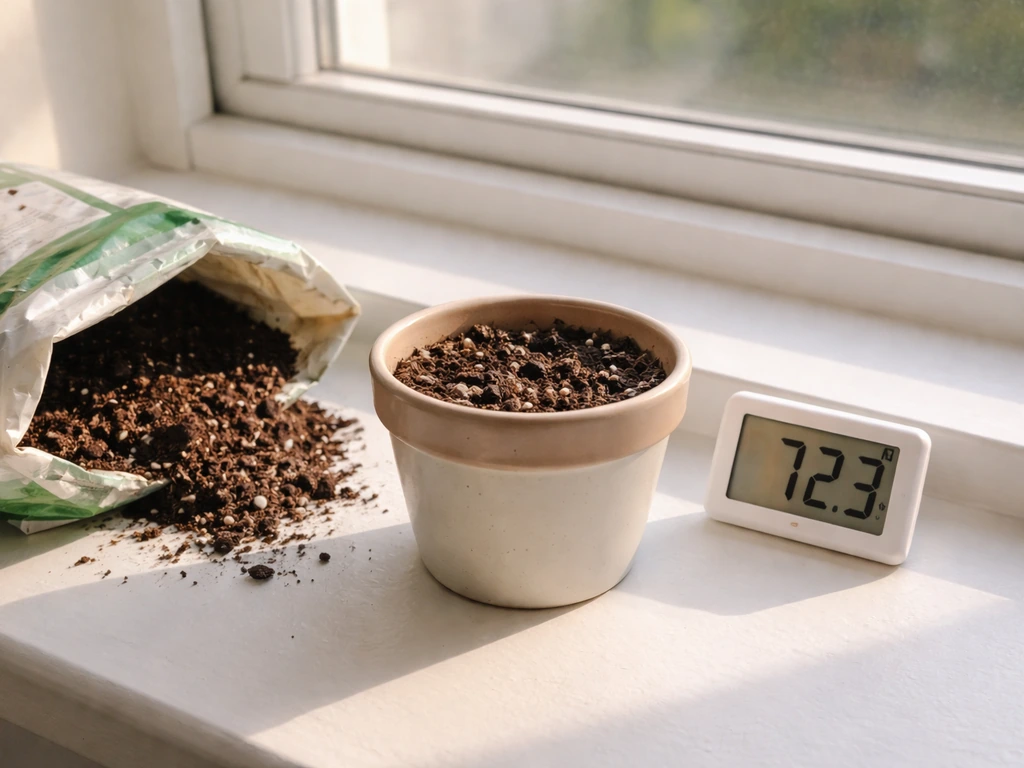
Once you know what you're growing, placement is your next decision and it's worth getting right before you fill the pot with soil, because moving a fully planted ceramic pot repeatedly will stress the plant and risk breaking the pot. Think of placement as a commitment.
Light requirements by plant type
| Plant type | Light needed | Best indoor spot | Best outdoor spot |
|---|---|---|---|
| Herbs (basil, thyme) | Full sun, 6+ hours | South or west-facing windowsill | Sunny patio or balcony rail |
| Flowering annuals (pansies, petunias) | Full to partial sun, 4-6 hours | South-facing window | Morning sun, afternoon shade in hot climates |
| Succulents and cacti | Bright indirect to full sun | Brightest window available | Full sun, sheltered from heavy rain |
| Impatiens | Partial to full shade | East-facing window or away from direct sun | Shaded patio or under a tree |
| Ferns and moss | Low to indirect light | North or east-facing window | Deep shade or dappled light |
For temperature, most common pot plants are comfortable between 60 and 80 degrees Fahrenheit (15 to 27 Celsius). The issue with ceramic pots specifically is that they conduct heat. In summer, a dark ceramic Serenitea pot sitting on a sun-baked concrete surface can get hot enough to cook roots from the bottom up. Put a small trivet, a piece of wood, or even a folded cloth under the pot to insulate it. In winter, if you're keeping it outdoors, bring it inside once nighttime temperatures drop below 45 degrees Fahrenheit unless you're growing something genuinely cold-hardy like pansies or heather.
Indoors, keep the pot away from heating vents and air conditioning units. Both dry out the soil unevenly and stress plants that prefer consistent humidity. A bright windowsill with no drafts is almost always the best indoor spot.
Soil mix and potting workflow for container success
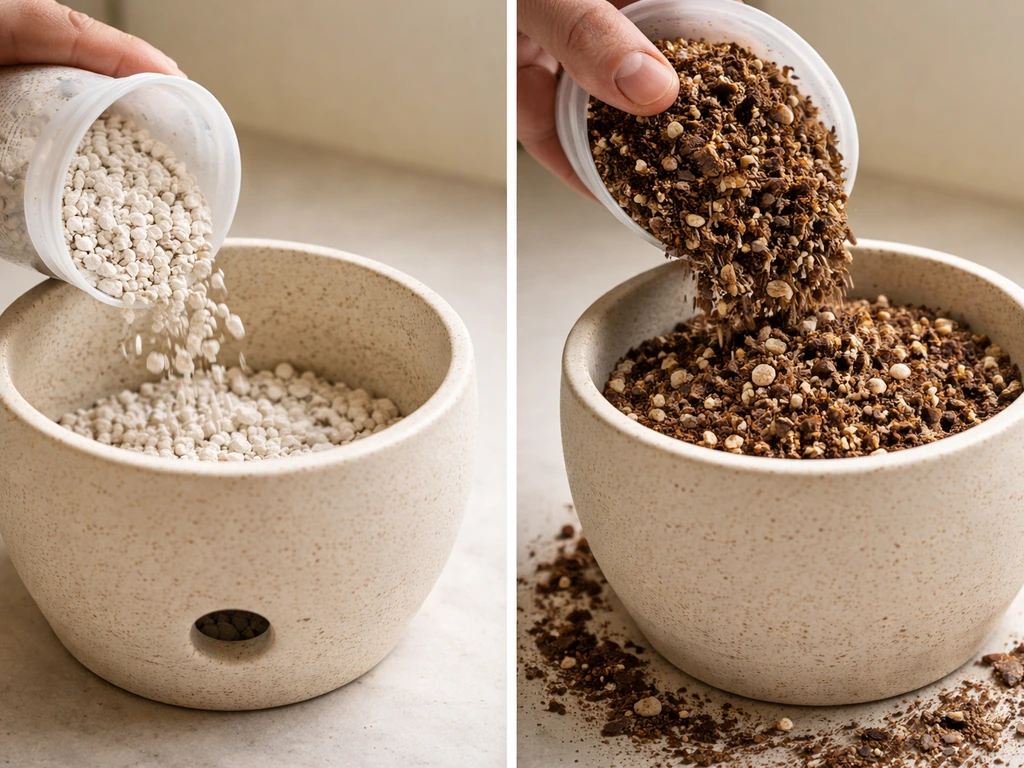
Never use garden soil in a Serenitea pot. I'll say that clearly because it's one of the most common beginner mistakes. Garden soil compacts in containers, drains poorly, and introduces fungi, bacteria, and pests that thrive in the warm, enclosed environment of a pot. University of Maryland Extension research backs this up: sterile, purpose-made potting media dramatically reduces root rot problems. Use a quality commercial potting mix as your base.
From there, adjust the base mix for your plant. For succulents, cacti, lavender, and thyme, mix roughly two parts potting mix with one part perlite (the small white volcanic rock particles you can buy at any garden center). Perlite opens up the mix so water drains through faster and air reaches roots more easily, which is exactly what drought-tolerant plants need. For moisture-loving plants like ferns, impatiens, or pansies, the standard potting mix on its own is usually fine, or you can add a small amount of coco coir (coconut fiber) to help retain just a bit more moisture.
- Check and clear the drainage hole: poke a stick or pencil through to make sure it's open before adding any soil
- Add a small layer of gravel or broken pot shards at the bottom (about half an inch) to keep the drainage hole from getting blocked by soil
- Fill the pot about one third of the way with your prepared soil mix
- Remove the plant gently from its nursery pot, loosen any tightly circling roots with your fingers, and set it in the center
- Fill in around the root ball with more potting mix, pressing gently to remove large air gaps but not compacting the soil tightly
- Leave about half an inch of space between the soil surface and the top rim of the pot so water doesn't run straight off when you water
- Water thoroughly immediately after planting until water drains from the bottom hole, then let the pot drain completely before placing it on a saucer
Watering routine: how often, how deep, and common mistakes
Watering is where most container plants die, and it's usually from too much water, not too little. Small decorative pots like a Serenitea pot hold less soil volume than a standard nursery pot, which means they dry out faster but also means mistakes compound quickly. The standard I recommend to everyone starting out: water from the top until you see water flowing freely from the drainage hole, then wait. Don't water again until the top two inches of soil feel dry when you push your finger in. That two-inch depth check is the method recommended by University of Maryland Extension and it works reliably across most plant types.
In practical terms, a 4 to 6 inch Serenitea pot on a warm sunny windowsill in summer might need watering every two to three days. The same pot in a cool shaded spot in winter might only need water once a week or less. Forget the calendar and use your finger. If the soil still feels damp at two inches, wait another day.
The most common watering mistakes
- Watering on a fixed schedule without checking soil moisture first: leads directly to overwatering and root rot
- Letting water pool in the saucer: if the saucer holds water for more than 30 minutes after watering, empty it manually
- Watering from the top without watering deeply enough: a quick splash only wets the top layer of soil; roots lower down stay dry and can't take up water properly
- Using cold tap water on tropical or warm-weather plants in winter: let tap water sit at room temperature for a few minutes first
- Misting the leaves instead of watering the soil: misting doesn't hydrate roots and can encourage fungal issues on leaves
Feeding and growth care: fertilizer schedule and pruning
Potting mix contains nutrients when it's fresh, but those get used up or washed out within about four to six weeks of regular watering. After that, your plant depends on you for food. For most plants in a Serenitea pot, I recommend a balanced liquid fertilizer at half the label strength, applied every two to three weeks during the active growing season (spring through early autumn). University of Minnesota Extension also advises that seedlings in soilless mix may benefit from weak fertilizer at reduced strength, with an example of using 1/4 strength rather than full-strength feeding weak fertilizer at reduced strength like 1/4 strength for seedlings in soilless mix. Half strength matters because small pots concentrate fertilizer salts faster than large containers, and salt buildup causes leaf edge burning, something University of Maine Extension specifically flags as a common container problem.
If you'd rather not think about it every few weeks, slow-release granular fertilizer is a practical alternative. University of Minnesota Extension also notes that repeated watering can leach slow-release fertilizer over time, so container plants may still need careful moisture management to maintain even soil moisture slow-release granular fertilizer is a practical alternative. Mix a small amount into the potting soil when you first plant, or sprinkle it on the soil surface according to the package instructions. It releases nutrients gradually over two to four months, which works especially well for plants in low-maintenance or self-watering setups. Mississippi State Extension research supports slow-release fertilizer as effective and consistent for container growing.
If you start to see brown or crispy leaf edges and the pot has been fertilized regularly, that's often a salt buildup signal. The fix is simple: water the pot thoroughly several times in a row (known as leaching), letting large amounts of water run through and out the drainage hole to flush excess salts out of the soil. After that, ease back on fertilizing frequency.
Pruning and deadheading to keep plants healthy
Most small flowering plants in containers, including petunias, pansies, and impatiens, benefit from regular deadheading (removing spent flowers). Pinching off dead blooms redirects the plant's energy from seed production into making more flowers. For herbs like basil, pinching off the tips and any flower buds keeps the plant bushy and productive rather than tall and leggy. For succulents and most foliage plants, pruning is minimal. Just remove dead or yellowing leaves cleanly at the base.
Fixing the most common problems in a Serenitea pot
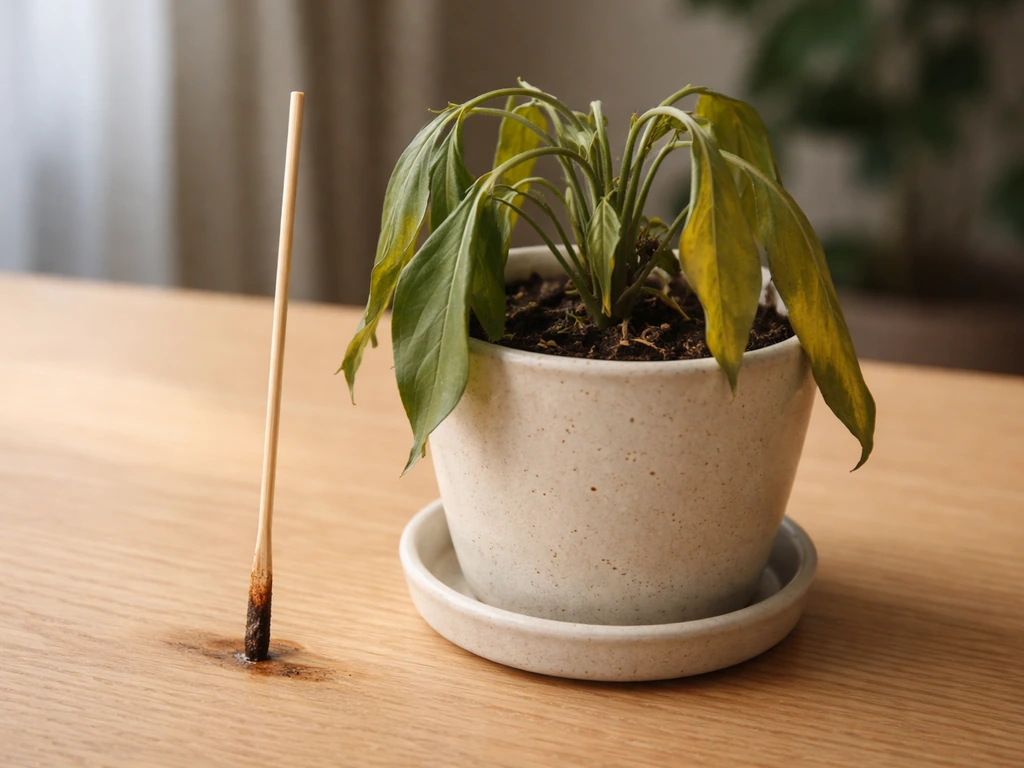
Small pots amplify problems. What might take weeks to show up in a large garden bed can appear in a few days in a compact decorative container. Here's how to diagnose and fix the issues I see most often.
Wilting leaves
Wilting usually means one of two opposite things: too dry or too wet. Check the soil before doing anything else. If the soil is dry two inches down, water thoroughly and the plant should recover within a few hours. If the soil is wet and the plant is wilting, that's a red flag for root rot. In that case, gently unpot the plant, inspect the roots (healthy roots are white or light tan; rotted roots are brown, black, and mushy), trim away any damaged roots with clean scissors, let the root ball air dry for 30 minutes, then repot into fresh dry potting mix. Skip watering for two to three days to let the plant stabilize.
Yellow leaves
Yellowing can point to overwatering, nutrient deficiency, or too little light. If the soil has been consistently wet, overwatering is the most likely cause. If the plant has been in the same potting mix for more than two months without fertilizing, try a dose of balanced liquid fertilizer and check progress over a week. If the plant is in a low-light spot and the yellowing is paired with stretched, leggy growth, the problem is insufficient light. Move the pot somewhere brighter and the new growth should come in stronger.
Root problems and drainage issues
Root rot is the silent killer in containers, and it almost always traces back to either a blocked drainage hole or a soil mix that holds too much water. University of Maryland Extension is clear that using sterile potting media and ensuring good drainage are the main preventive measures. If your pot isn't draining well, add perlite to the existing mix or repot into a new mix with better aeration, as UGA Extension recommends specifically when drainage needs improvement. Prevention is genuinely easier than the cure here.
Pests: fungus gnats and spider mites
Fungus gnats are the tiny flies that hover around consistently damp soil. They're annoying but rarely fatal to established plants. The fix is simple: let the soil dry out more between waterings. Fungus gnat larvae live in wet soil, so drying down the top inch or two breaks their cycle. Illinois Extension connects fungus gnat infestations directly to frequently overwatered potting soil, which reinforces the same fix.
Spider mites are trickier and cause a distinctive symptom: tiny yellow or whitish stippled spots scattered across leaves, almost like the leaf has been lightly sandblasted. In heavier infestations, you'll see fine webbing on the undersides of leaves and eventually browning and leaf drop. Illinois Extension notes that severe infestations can kill plants if left untreated. The practical fix is to isolate the affected plant immediately to stop mites spreading to nearby pots. Then treat with insecticidal soap spray (widely available at garden centers), covering the undersides of leaves thoroughly where mites congregate. Repeat every five to seven days for two to three weeks. IPM Labs confirms that insecticidal soap is one of the most effective low-toxicity options for mite management.
Slow or stunted growth
If a plant looks alive but just isn't growing much, the most common causes in a small container are: roots that have filled the pot completely (called being root-bound), nutrient depletion, or insufficient light. Check if roots are circling the drainage hole or visibly poking out of the top of the soil. If so, it's time to move up to a pot one size larger. If the pot still has room, feed the plant and check its light situation. Most plants grow significantly faster once they get two extra hours of direct light per day.
Growing in a small decorative container like a Serenitea pot is genuinely satisfying once you get the basics right. The limitations of the pot size actually make container gardening easier to manage than a full garden bed: less soil to deal with, easy to move, and simple to observe daily. Start with one plant, get comfortable with the watering rhythm, and build from there. The skills transfer directly to growing other plants in pots, whether that's herbs, compact flowering plants like pansies or petunias, or even something more unusual like heather or proteas grown in containers.
FAQ
Can I use a Serenitea pot outdoors year-round?
Often yes, but only if you plan for freezing and thermal swings. In areas with hard freezes, bring ceramic pots inside once nighttime temps consistently drop below the mid-30s to avoid cracked glazing and root damage. If you leave it out, keep the pot off bare concrete and ensure drainage is never blocked by a clogged hole or saucer sitting water.
What should I put under the Serenitea pot, and should it sit on a saucer?
Use a small trivet or wood stand to insulate from hot or cold surfaces. If you use a saucer, empty it after watering within 15 to 30 minutes, otherwise the pot may reabsorb water and stay oversaturated. The drainage hole must be able to fully drain, not trap runoff in the bottom.
How do I prevent water from running over the sides when watering?
Water more slowly, in small pours, until you see steady drainage coming from the hole, then stop. If your pot is very small, watering in two rounds with 1 to 2 minutes between helps the mix absorb without splashing. Avoid watering in intense direct sun, which increases uneven drying and can leave mineral marks on glazed ceramics.
Can I repot a plant into a Serenitea pot after it’s already established?
Yes, but do it carefully because small pots amplify root disturbance. Choose a pot only slightly larger or equal to the plant’s current size, loosen roots gently if they are circling, then use fresh potting mix. Water lightly the first day, then follow your normal finger-check routine so you don’t overcorrect immediately after transplanting.
How do I know if my pot has become too small for the plant?
Look for repeated rapid drying (same pot dries in under 1 to 2 days repeatedly), roots circling at the surface, and slow or stalled growth despite correct light. If the plant would need about double the current pot size to fit its mature root system, it will usually get stressed in Serenitea-sized containers even with good feeding.
What’s the best way to fertilize in a small pot without burning it?
Use half-strength liquid fertilizer and apply at a lower frequency than you would for larger containers, every 3 weeks or less often depending on growth. If you have salt buildup symptoms like brown crispy edges, leach thoroughly before fertilizing again, then resume with a lighter schedule instead of continuing as usual.
Should I top-dress with fresh mix instead of repotting?
Top-dressing can help temporarily, but it doesn’t fix compacted or depleted mix deeper in the pot. For Serenitea pots, replace the top 1 inch only if drainage is still good, then monitor with the two-inch finger test. If water suddenly runs straight through or the plant keeps wilting, repot into fresh mix rather than just adding more on top.
Can I grow multiple plants in the same Serenitea pot?
Yes, but only if they share the same watering and light needs. For example, pairing compact flowering plants with similar drought tolerance works better than mixing a moisture-loving fern with drought-tolerant herbs. Also keep the pot size in mind, if two plants would each require about half the pot’s root volume, you can run into crowding quickly.
Why does my plant look fine right after watering but then droops later?
This often means the mix is drying unevenly or the drainage is partially blocked. Check whether water actually flows from the hole during watering, then recheck dryness at two inches later the same day or next morning. If the hole clogs, switch to a pot with a larger clear drainage hole or add a perlite-forward mix to improve airflow.
How can I tell overwatering versus underwatering quickly?
Use the two-inch finger check first. Dry and pulling away from the pot walls suggests underwatering, wilting often rebounds after thorough watering. Wet soil at two inches plus limp leaves, heavy pot, and dark/mushy roots suggests overwatering and possible root rot, in which case you may need to unpot and trim damaged roots.
Are there soil mixes I should avoid for Serenitea pots?
Avoid garden soil, potting mixes that stay soggy, and anything heavy with little perlite or aeration. If you’re unsure, do a simple drainage test with plain water, fully soak the mix, then see how quickly it drains through. Serenitea pots need fast drainage, especially for thyme, lavender, and succulents.