To grow pansies in pots successfully, use a container at least 8 inches deep and 10 to 12 inches wide, fill it with a well-draining soilless potting mix, and plant 3 to 5 pansies per pot. Time your planting for early spring or fall when temperatures hover around 40°F at night and 60°F during the day, give them morning sun with afternoon shade, and water thoroughly once a week in the morning. Feed them every two to three weeks with a liquid fertilizer and deadhead spent blooms regularly. That's the core of it. Once you’ve nailed the watering, sunlight, and deadheading, you can apply the same container-care basics to a Serenitea pot setup too. The details below will make sure you actually get it right. If you're wondering how to grow proteas in pots, you'll want to focus on pot size, a fast-draining mix, and strong light so they can thrive.
How to Grow Pansies in Pots: Step-by-Step Container Guide
Choosing the right pot, location, and pansy variety
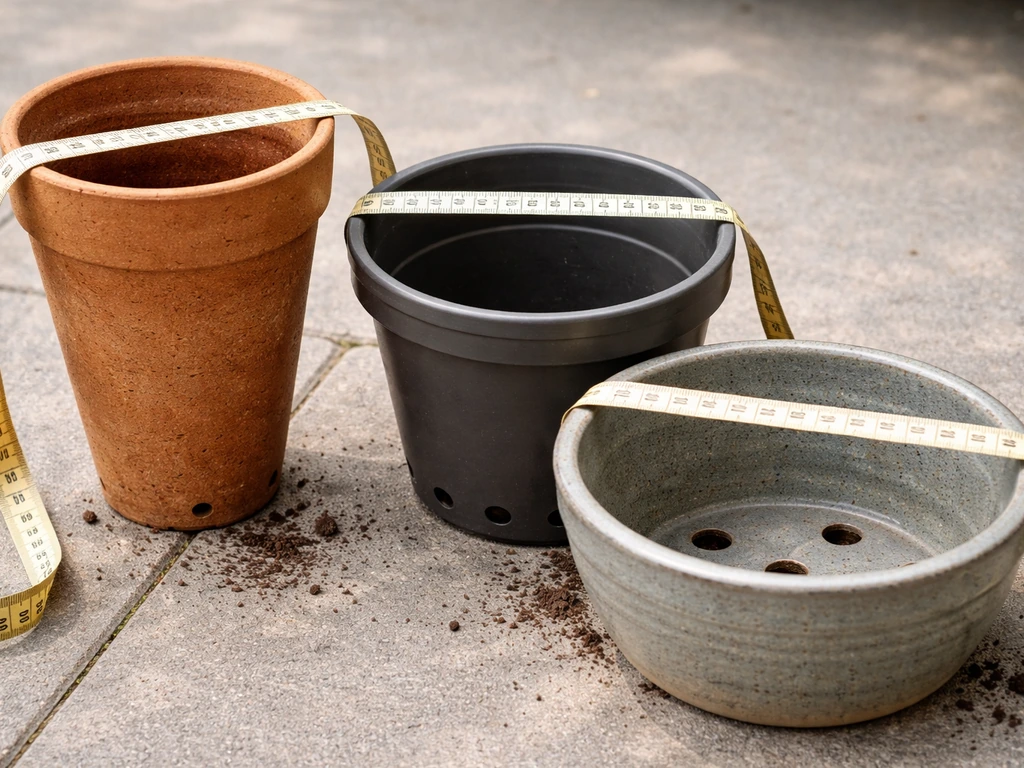
Pot size matters more than most people expect with pansies. Go with a container that's at least 8 to 10 inches deep and 10 to 12 inches across. Shallow pots dry out too fast and leave roots with nowhere to go. For a 10- to 12-inch container, you can fit 3 to 5 standard pansy plants comfortably. If you're growing trailing varieties like Cool Wave or WonderFall, you only need about three plants in a pot that size because they spread out and fill space on their own.
Any pot material works. Terracotta breathes well and helps prevent waterlogging, but it dries out faster and can crack in a hard freeze. Plastic retains moisture longer and is lighter to move around, which matters when you're hauling pots in ahead of a cold snap. Ceramic is heavy and looks great but insulates roots better than terracotta. Whatever you choose, drainage holes at the bottom are non-negotiable. No holes means root rot, and root rot means dead pansies.
For location, pansies want morning sun and protection from hot afternoon sun. Full sun in spring or fall is usually fine because the light is gentler, but direct afternoon sun in late spring can cook them fast. A spot that gets 4 to 6 hours of morning light is the sweet spot. Too much shade and you'll get lots of leaves, very few flowers, and leggy stems that flop over. I've made that mistake more than once by tucking a pot into a shaded corner and then wondering why it looked so sad.
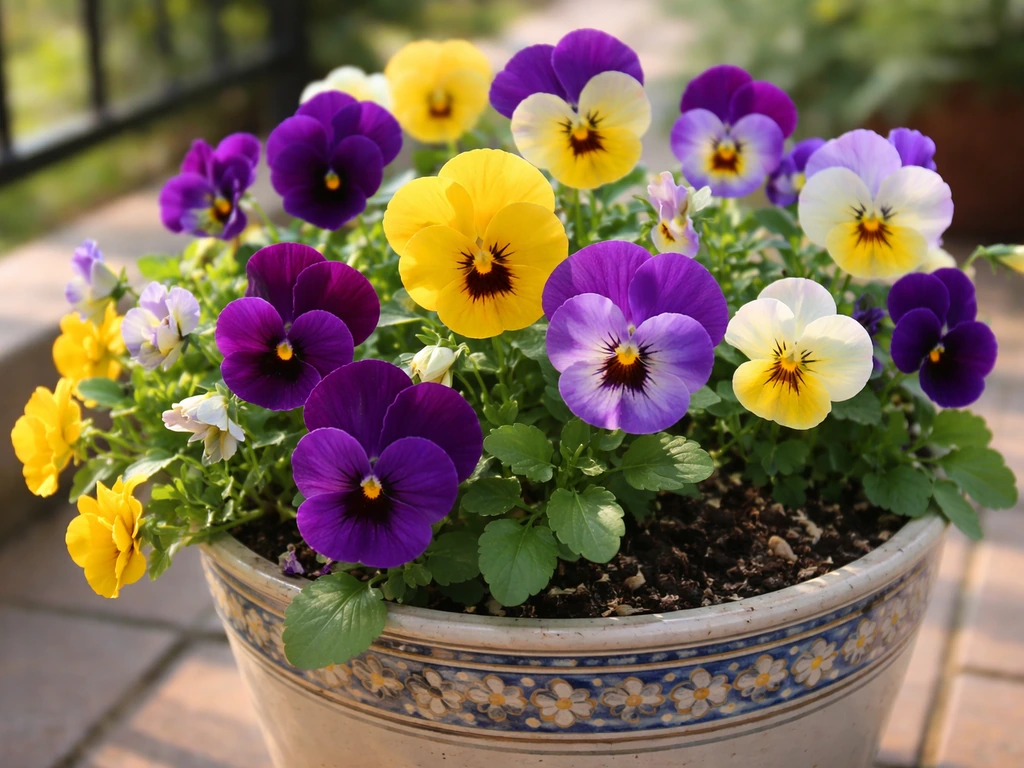
When it comes to variety, your choice depends on what you want the pot to do. Standard upright varieties like Delta, Matrix, and Mammoth work well in classic containers and window boxes. Trailing types like Cool Wave and the WonderFall series are specifically bred for hanging baskets and spilling over the edges of tall pots. If you want heat-tolerant varieties that push the season a bit longer, look for those labeled 'heat-tolerant' on the tag. No pansy loves summer heat, but some handle it better than others.
When to plant pansies in containers
Pansies are cool-weather plants, and that shapes everything about timing. The ideal growing window is early spring (4 to 6 weeks before your last expected frost) and again in fall (about 6 to 8 weeks before your first hard freeze). In most of the US, that means planting in late February to April for spring color, and again in August to October for fall. Pansies can handle light frost, but their roots slow down significantly when soil temperatures drop below 45°F, so don't expect a pot sitting on a cold concrete patio to perform as well as one on a sheltered porch.
If you're starting from transplants bought at a garden center, timing is straightforward: buy them when they show up in stores in early spring or early fall and get them in the pot. If you're starting from seed indoors, count back 10 to 12 weeks from when you want outdoor plants. For spring bloom, that means starting seeds in late winter. For fall bloom, start seeds in midsummer. The key thing to remember is that pansies don't tolerate summer heat well. Once daytime temperatures consistently hit the mid-70s°F or above, they'll stop flowering and decline fast.
Potting mix, drainage, and container setup
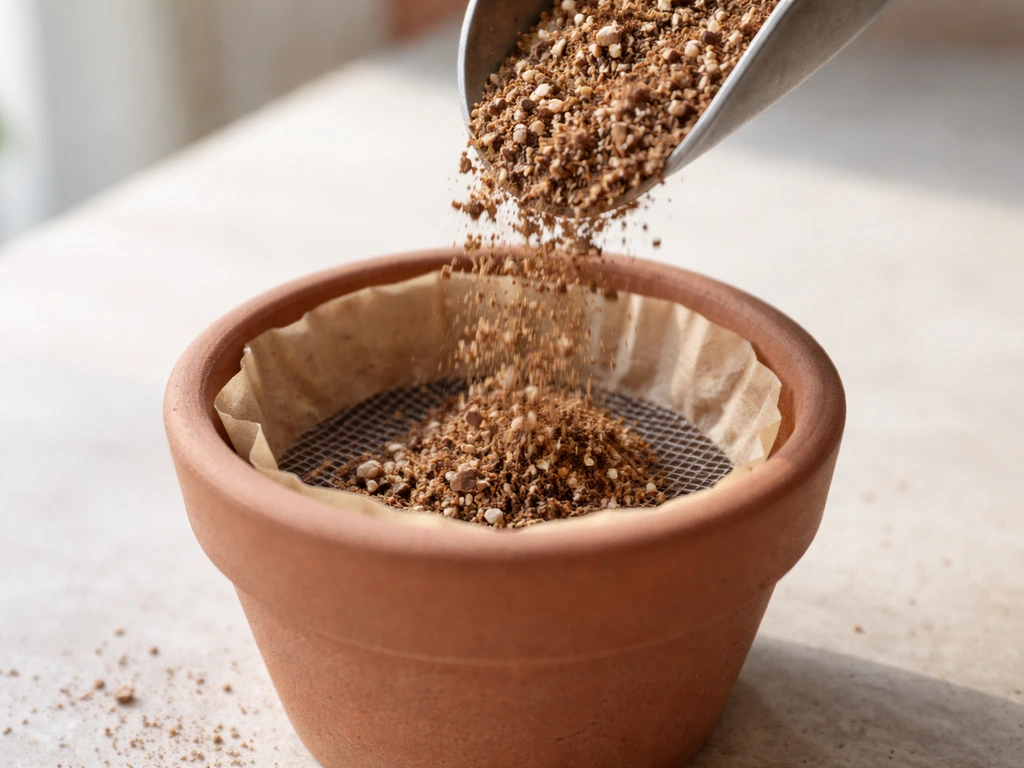
Always use a fresh, soilless potting mix, not garden soil. Garden soil compacts in containers, drains poorly, and can introduce pathogens that cause root rot. A quality commercial potting mix is lighter, fluffier, and formulated to drain well while holding some moisture. Look for mixes that contain perlite or vermiculite (the little white or silvery bits) because those materials improve drainage. If your mix doesn't already include them, you can stir in a handful or two of perlite yourself.
Before you add soil, cover the drainage holes with a piece of mesh, a coffee filter, or a few small rocks. This keeps the soil from washing straight out while still letting water drain freely. Don't add a thick layer of rocks or gravel to the bottom of the pot. That's a persistent gardening myth. It actually raises the saturated zone in the soil and can make drainage worse. Just use good potting mix from top to bottom.
Fill the pot to about 1 inch below the rim. That gap matters because it gives you space to water without everything overflowing onto your patio. If you're amending the mix, work in a slow-release granular fertilizer according to the package directions before you plant. You can also mix in a little aged compost for added nutrients, but keep the ratio mostly potting mix so drainage stays good.
Planting from seed vs transplanting seedlings
If you're a first-timer, honestly, buy transplants. They're forgiving, they're already at a size where you can see what you're getting, and you'll have blooms much sooner. Seed-starting is rewarding but requires more lead time and a bit more patience.
Starting from seed
Pansy seeds need darkness to germinate, which surprises a lot of people used to seeds that need light. Sow them about 1/8 to 1/4 inch deep in a small seed tray or cell pack filled with moistened seed-starting mix. Cover the tray with a piece of cardboard or black plastic to block out light until the seeds sprout, which usually takes 10 to 14 days at room temperature. Once you see sprouts, move the tray to a bright spot immediately. Transplant seedlings to their final container once they've developed a couple of sets of true leaves, spacing them 8 to 10 inches apart.
Before moving seedlings outdoors, harden them off first. This means gradually exposing them to outdoor conditions over at least one to two weeks. Start with an hour or two outside in a sheltered spot, then increase the time each day. Skipping this step leads to shocked, wilted plants. I've rushed it before and ended up losing a whole tray of seedlings I'd been nurturing for ten weeks. It's not worth it.
Transplanting nursery seedlings
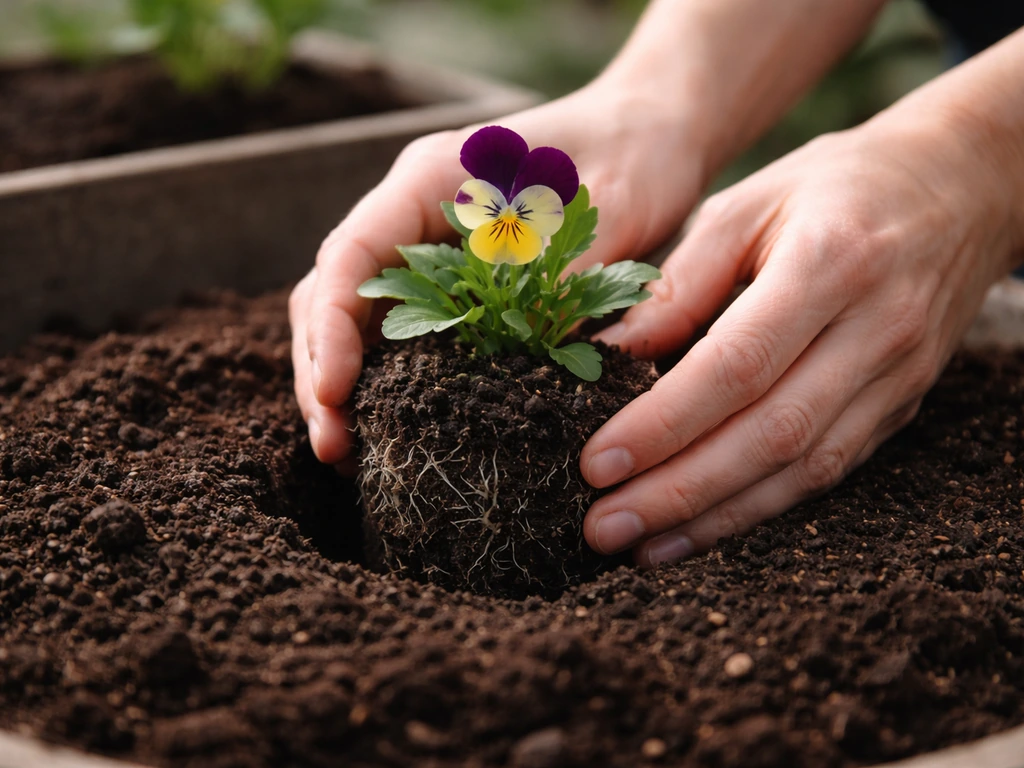
Dig a hole in your prepared container slightly larger than the root ball of each plant. Set each pansy so its crown (where the stem meets the roots) sits at or just slightly above the soil surface. Plant them 8 to 10 inches apart or 3 to 5 per standard 10- to 12-inch pot. Firm the soil gently around the roots and water thoroughly right after planting. If your transplants were grown in a greenhouse, they'll benefit from a few days of transition in a shaded outdoor spot before moving to their final sunny location.
Watering and feeding schedule for potted pansies
Container pansies dry out faster than garden-planted ones because the pot limits how much moisture the roots can access. As a baseline, water once a week with about an inch of water, but adjust based on conditions. In cool, cloudy weather, they might go longer between waterings. On a windy or warmer day, they may need water sooner. Stick your finger about an inch into the soil. If it feels dry, water. If it still feels moist, wait.
Always water in the morning and try to water at the base of the plant rather than overhead. Wet foliage that stays damp overnight invites fungal disease. Avoid watering in the late afternoon or evening for the same reason. Water slowly and thoroughly until it drains from the bottom of the pot. Then stop. Standing water in the saucer under your pot is a root rot risk, so empty it out about 30 minutes after watering.
For feeding, pansies in containers are hungrier than in-ground plants because nutrients wash out with every watering. A liquid balanced fertilizer every two to three weeks works well during the growing season. If you prefer granular, a 5-10-5 fertilizer every three to four weeks is a solid option. Always water the pot before applying fertilizer to avoid burning the roots. A well-fed pansy produces noticeably more flowers than a neglected one, so don't skip this step.
Sunlight, temperature, and seasonal care
Pansies thrive when nights are around 40°F and days are around 60°F. That range is their sweet spot, which is why they're spring and fall plants in most climates. They can handle a light frost just fine and will bounce back from brief cold snaps. What they can't handle is sustained heat. Above 75°F, blooming slows. Above 80°F, it basically stops, the plants stretch and look exhausted, and you're just waiting for them to die back.
One of the best advantages of growing pansies in pots is that you can move them. When a surprise frost is forecast below about 25°F, bring the pots inside or under shelter for the night. When afternoon temperatures start climbing in late spring, move the pot to a spot with afternoon shade to extend its productive life by a few more weeks. In mild climates, pansies can even overwinter outdoors in pots with some protection.
If you're growing pansies in fall heading into winter, keep an eye on root-level temperature. Roots are more vulnerable to cold than the foliage. When temperatures drop below 45°F consistently, root function slows down. In very cold climates, clustering pots together, wrapping them in burlap, or moving them to a sheltered porch can make the difference between plants that survive winter and those that don't.
Deadheading, pruning, and keeping growth in check
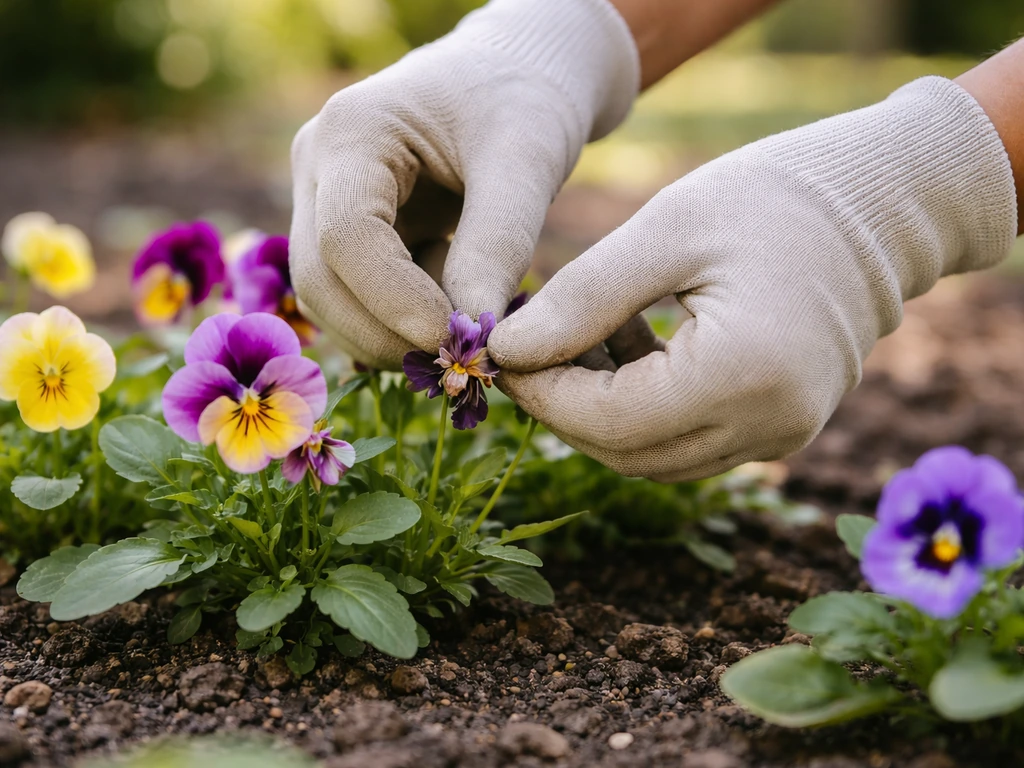
Deadheading is the single most effective thing you can do to keep pansies blooming. When a flower fades, the plant's energy shifts toward making seeds. If you remove the spent bloom before that happens, the plant redirects that energy into making new flowers. Pinch or snip off faded blooms right at the stem, just below where the flower was. Do this every few days and your pot will stay covered in flowers much longer.
If your pansies get leggy (long, stretched stems with sparse foliage), cut them back by about one-third. This encourages bushier new growth and more flowering side shoots. It feels brutal to cut back something that's still green, but it genuinely works. Leggy growth is usually a sign of either too much shade or a plant that hasn't been deadheaded or trimmed in a while. Fix both problems at once: move the pot to better light and cut it back.
You don't need to do much else in terms of pruning. Just keep removing dead or yellowing leaves as you see them to improve airflow and keep the pot looking tidy. Good airflow helps prevent fungal issues, which pansies in damp, sheltered spots can be prone to.
Troubleshooting common container problems
Root rot and overwatering
Root rot is the most common way potted pansies die. The symptoms are wilting even when the soil is wet, yellow or brown lower leaves, and a mushy stem base. It's caused by consistently wet soil and is almost always a drainage problem. If you catch it early, remove the plant from the pot, trim off any black or mushy roots with clean scissors, and repot into fresh dry-ish potting mix in a container with clear drainage. Going forward, water less and make sure the pot isn't sitting in a saucer full of water.
Poor flowering
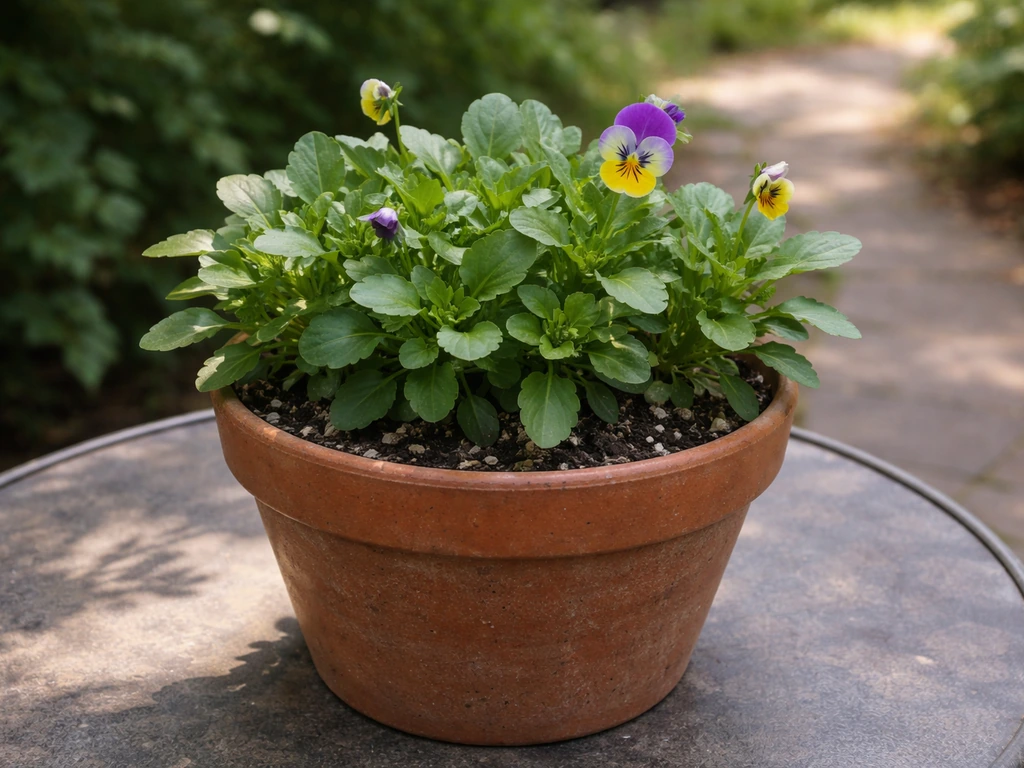
If your pansies have lots of green leaves but few flowers, the usual culprits are too much shade, not enough fertilizer, or temperatures that have climbed too high. Move the pot to better morning light, give it a liquid feed, and if it's getting warm, accept that flowering will slow until cooler temperatures return. Also check whether you're deadheading regularly. A plant loaded with old seed pods has no reason to produce new flowers.
Yellowing leaves
Yellow leaves can mean overwatering, underwatering, or nutrient deficiency. Check the soil moisture first. If the soil is soggy, lay off the water and improve drainage. If it's bone dry, you're underwatering. If moisture seems fine, the plant probably needs feeding. A dose of balanced liquid fertilizer usually greens things up within a week or two.
Pests: aphids and slugs
Aphids cluster on new growth and the undersides of leaves. They're small, soft-bodied insects, usually green or black. Knock them off with a strong spray of water from a hose, or use an insecticidal soap spray if the infestation is heavy. Slugs are a bigger problem in damp, shaded spots and will chew ragged holes in leaves overnight. If you suspect slugs, go out after dark with a flashlight and you'll likely find them. You can set a shallow container of beer near your pot as a trap (they're attracted to the yeast and drown in it), or place a damp board nearby during the day and check under it each morning to collect and dispose of any slugs hiding there.
Powdery mildew
Powdery mildew shows up as a white or grey dusty coating on leaves. It tends to appear when there's poor airflow or when nights are cool and humid. Remove affected leaves as soon as you spot them to slow the spread. If it continues spreading, a fungicide spray formulated for powdery mildew (following the label directions) will help. Prevention is easier than treatment: space plants properly, avoid overhead watering, and make sure your pot isn't crammed into a corner with no airflow.
When to repot
Pansies are seasonal plants, so most of the time you won't need to repot mid-season. But if you see roots poking out the drainage holes or circling the base when you check, the plant has outgrown its container. Move it up to a pot one size larger using fresh potting mix. More commonly, the issue isn't pot size but exhausted soil. If your pansies are struggling despite regular watering and feeding, and the soil looks compacted or feels hydrophobic (water beads on the surface instead of soaking in), it's time to repot into fresh mix even if the pot size stays the same.
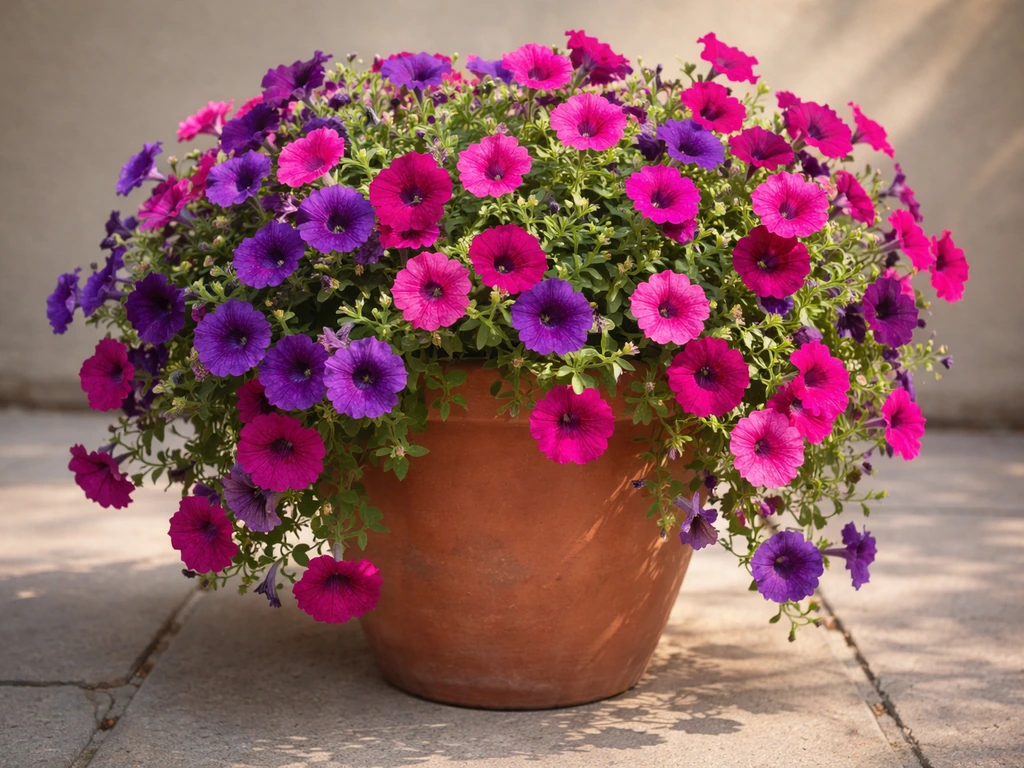
Growing pansies in pots is genuinely one of the more rewarding container projects you can take on because the payoff is quick, the plants are forgiving of small mistakes, and a single pot in bloom can transform a balcony, doorstep, or window box. Get the timing right, don't overwater, deadhead consistently, and you'll have more color than you know what to do with. If you enjoy growing cool-season flowers in containers, petunias and impatiens make great companions for different seasons, while heather adds interesting texture to pot arrangements in similar cool-weather windows. If you want the same cool-season look, here’s how to grow heather in pots with the right pot size, soil, and watering schedule. If you want to grow impatiens in pots as a companion, choose a bright location, use a well-draining potting mix, and keep the soil consistently moist without waterlogging. If you're also wondering how to grow petunias in pots, focus on choosing a sunny spot, using a fast-draining potting mix, and watering regularly.
FAQ
Can I keep pansies in pots through winter, and how do I protect them?
Yes, but only in cool weather windows. Aim to bring the pot inside or under cover when days are still mild, and keep it in bright light so it does not go leggy. In very cold spells, protect the crown and keep the pot from sitting on frozen ground, because root function slows first even if the leaves look fine.
What should I do if my pansies look wilted but the potting mix is still wet?
If you water and the soil stays wet for days, reduce frequency and check drainage first. Pansies in pots often fail from persistent wetness, not from a lack of water. Make sure the pot has drainage holes, empty the saucer after watering, and consider adding a bit more perlite to improve aeration in the potting mix.
How often should I water pansies in pots, and how do I know when to adjust?
For best blooms, use morning watering and water until it runs out the bottom, then stop. A simple rule is to water when the top inch feels dry, instead of following a fixed day schedule. Windy balconies and sunny exposures can dry pots faster, so check more often during warm spells.
Can I put too many pansies in one pot, and what happens if I do?
Overcrowding is a common reason for fewer flowers and more disease. Stick to 3 to 5 plants per 10 to 12 inch pot for standard types, and about 3 for trailing varieties that spread. If you planted more than that, thinning early helps airflow and reduces mildew.
How long should I harden off pansy seedlings before moving them into their final pot?
Start hardening off the seedlings when temperatures are safe enough for outdoor exposure, even if that means a cooler, sheltered location. Increase outdoor time gradually over 7 to 14 days, and protect from direct afternoon sun during the first few days. Skipping this step often causes sudden wilting after transplanting.
My pansies have lots of leaves but few blooms, how can I troubleshoot quickly?
The biggest drivers are light and temperature. If you see lots of leaves but few flowers, move to a spot with 4 to 6 hours of morning light, feed with a balanced liquid every 2 to 3 weeks, and be realistic once days push into the mid to high 70s because flowering naturally slows.
Can I use garden soil in my pansy pots to save money?
Use potting mix, not garden soil. Garden soil compacts and drains poorly in containers, which can create root rot even if you water carefully. If your mix does not contain perlite or vermiculite, mix in a handful or two to keep drainage and aeration strong.
Which pot material is best for pansies in pots, terracotta, plastic, or ceramic?
Pick pot material based on your climate and how often you can check moisture. Terracotta dries faster and can be helpful in humid areas but may crack in hard freezes. Plastic holds moisture longer and is easier for moving, but it needs careful drainage and saucer emptying to prevent rot.
How exactly should I deadhead pansies, and when should I cut them back for leggy growth?
Yes, but it should be gentle and targeted. Remove faded blooms at the stem, just below the flower, and repeat every few days during peak bloom. If growth gets leggy, cut back about one third, then resume deadheading and improve light to trigger fresh side shoots.
When should I repot pansies in containers instead of just fertilizing them?
If roots are outgrowing the container or circling, a pot upsize helps, otherwise the fix is replacing exhausted soil. Signs include roots poking from drainage holes, water running straight through without absorbing, or the mix turning hydrophobic. Repot into fresh potting mix even if the pot size stays the same when the soil has degraded.
What is the quickest way to deal with aphids on potted pansies?
Aphids respond well to an early intervention. Rinse them off with a strong spray, then monitor new growth every few days. For heavier infestations, use insecticidal soap and reapply according to label timing, especially on leaf undersides where aphids cluster.
How do I prevent and treat powdery mildew on pansies in pots?
Powdery mildew is usually a light airflow and moisture balance issue. Remove heavily affected leaves, avoid watering the foliage, and ensure the pot is not wedged in a corner with poor circulation. If it keeps spreading, use a fungicide labeled for powdery mildew and follow the application schedule exactly.