Yes, bay leaves absolutely grow in a pot, and honestly it's one of the best ways to keep a bay laurel at home. The plant you want is Laurus nobilis, also called sweet bay or bay laurel. It's the real culinary bay, the one whose leaves go into soups, stews, and sauces. Grown in a container, it stays at a manageable size, you can move it indoors for winter, and with basic care it will reward you with fragrant leaves you can harvest year after year.
How to Grow Bay Leaves in a Pot: Step by Step Care
Marcus Whitley
13 May 2026
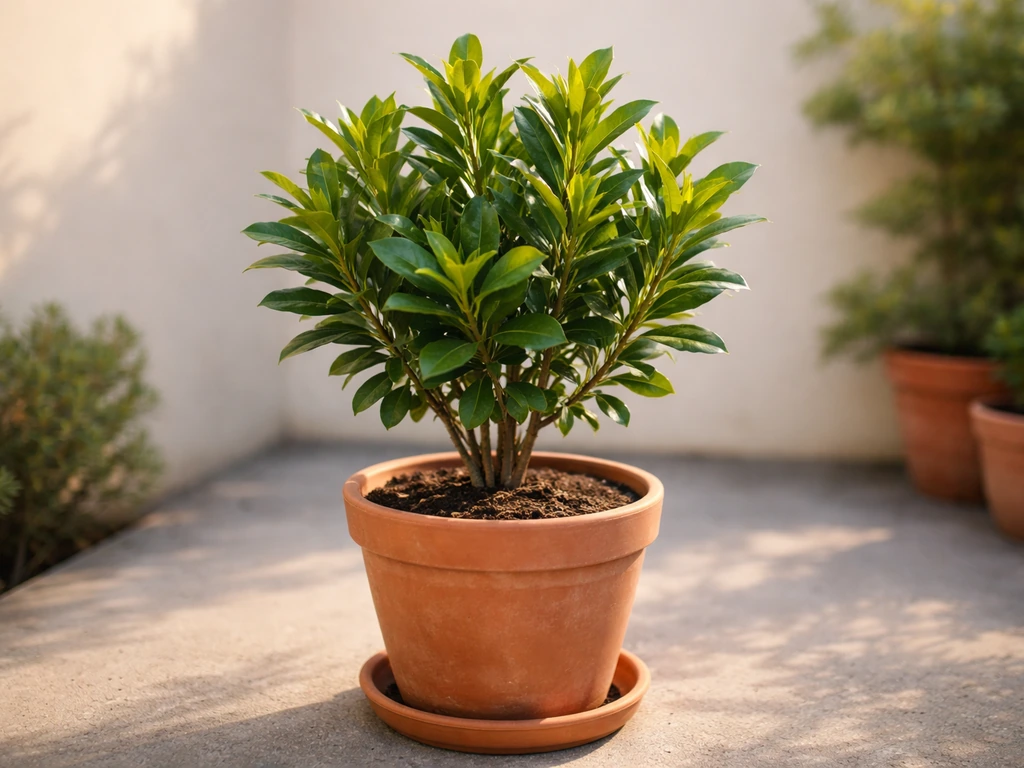
Is bay leaf doable in a pot (and which plant to actually buy)
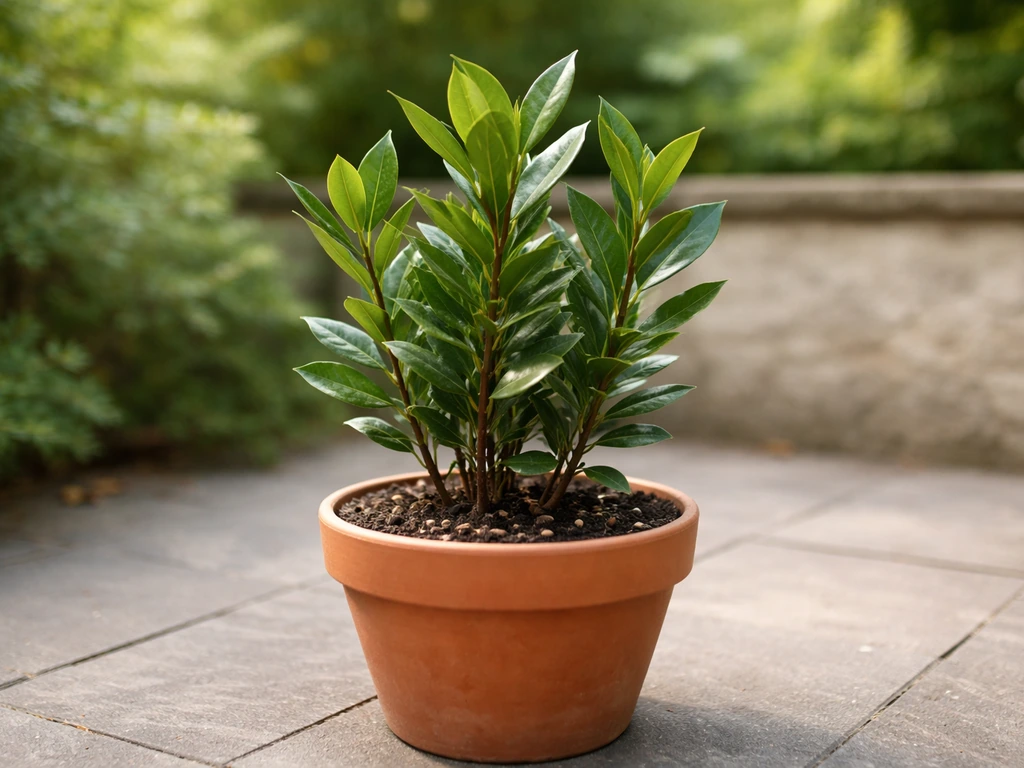
Bay laurel is genuinely well-suited to container growing. Left to its own devices in the ground, Laurus nobilis can reach 12 to 15 feet tall and wide at maturity, but in a pot it stays compact and grows slowly, which actually works in your favor on a balcony or patio. It's recommended by Illinois Extension and the RHS specifically as a container plant, so you're not fighting the plant's nature here.
The one thing to get right before you start is making sure you're buying the right plant. Laurus nobilis is the culinary bay. There are ornamental plants sometimes sold under similar names that aren't the same thing. When you buy, look for the Latin name on the label.
If you're also interested in growing other aromatic plants in pots, curry leaf (Murraya koenigii) and betel leaf are both popular container herbs worth exploring separately. If you want to try another aromatic pot herb, our guide on how to grow betel leaf plant in pot walks you through light, soil, and watering.
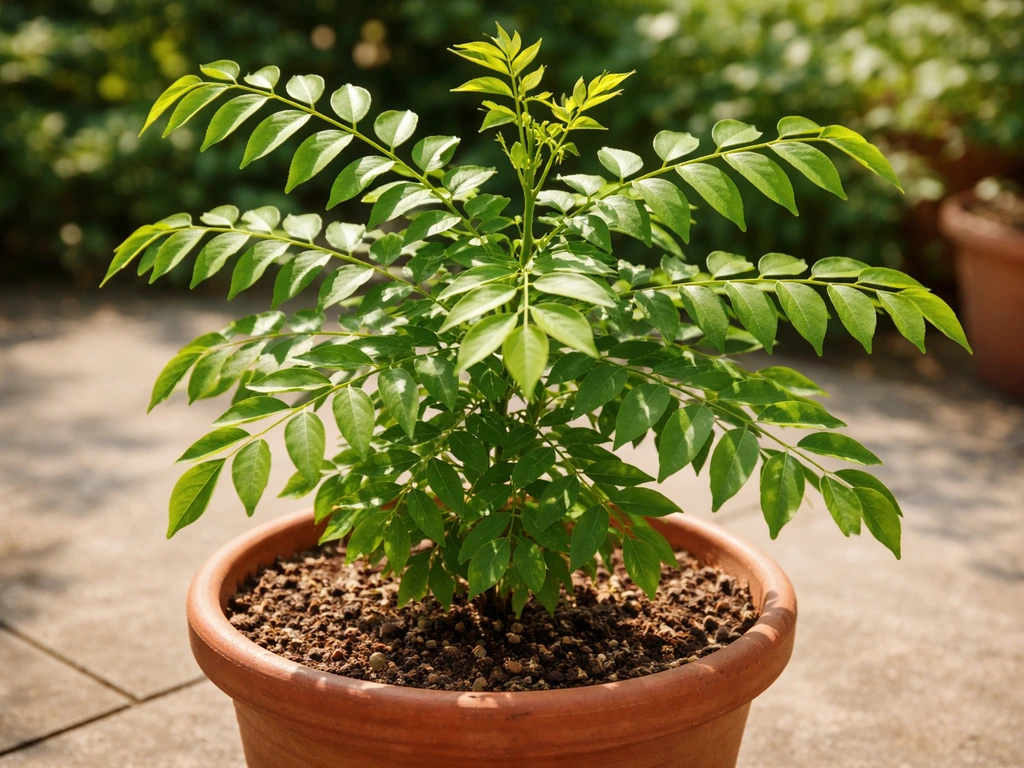
If you're curious about similar container herbs, learn how to grow elaichi in pot so you can expand your spice garden at home aromatic plants in pots. Curry leaf can also be grown in a pot, but it needs its own warmth and lighting setup curry leaf (Murraya koenigii).
Bay laurel is hardy to USDA Zone 8 (some sources stretch it to Zone 7), meaning it can handle outdoor winters down to about 20°F (-7°C). A Growers Outlet grower PDF also lists Laurus nobilis as typically reaching about 12 to 15 ft tall and wide at maturity. Below that, the roots in a pot are much more vulnerable than roots in the ground, so if you're in Zone 7 or colder, plan to bring it inside for winter. More on that in the seasonal section below.
Picking the container, drainage, and potting mix
Start with a pot that has drainage holes. This is non-negotiable with bay. The plant does not tolerate soggy roots and will get root rot if water sits at the bottom. A 12-inch pot works well for a young plant. As the plant grows, move up to a 16- or 18-inch container. Heavy clay or ceramic pots are great if you're leaving the plant outdoors on a patio (the weight keeps it stable in wind), but if you need to bring it inside each winter, a large plastic or lightweight resin pot is much easier to move.
For potting mix, use a good quality general-purpose potting mix rather than garden soil. Garden soil compacts in pots, drains poorly, and is too heavy. If the potting mix you buy feels very dense, you can mix in about 20 to 25 percent perlite or coarse grit to improve drainage. This is especially worth doing if your climate is wet or you tend to overwater (most people do with bay). Illinois Extension simply recommends a container with drainage holes and prepared potting mix, and that setup genuinely works.
Avoid putting a layer of gravel or stones at the bottom of the pot. It sounds logical but research shows it actually raises the waterlogged zone higher up into the root area. Just good potting mix and drainage holes are all you need.
Light and placement for strong growth
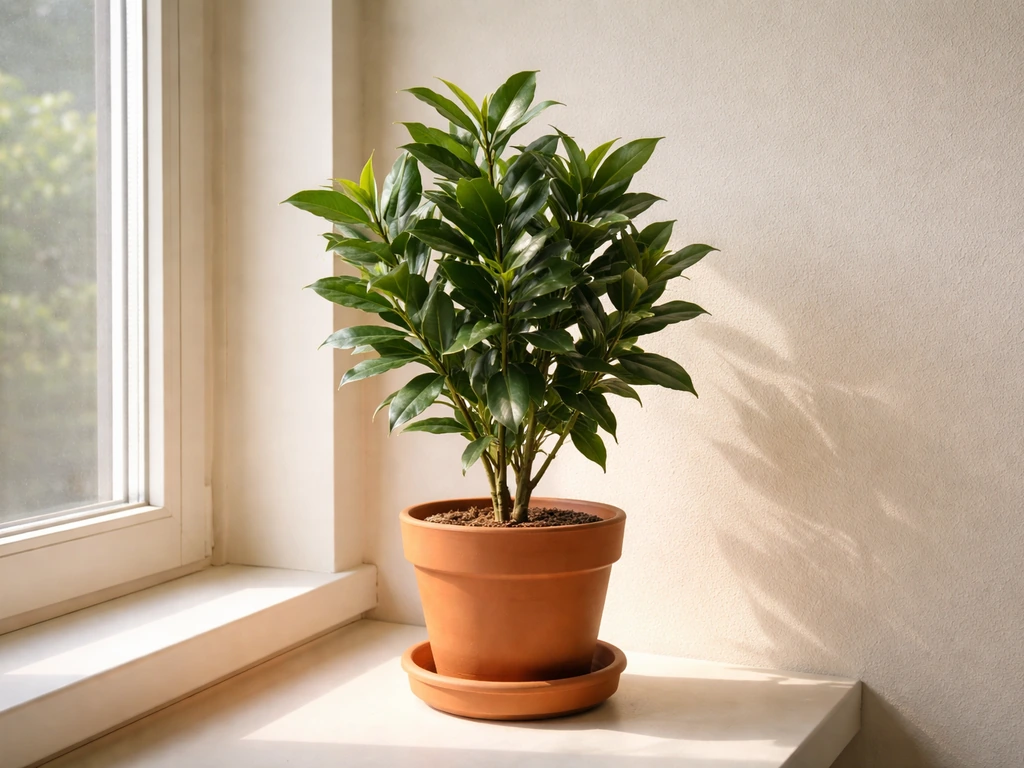
Bay laurel wants sun. Full sun outdoors is ideal, though it tolerates partial shade. The RHS describes its preferred spot as warm, sheltered, and sunny or partly shaded. Illinois Extension is more direct and just says full sun outdoors. If you're keeping it on a patio or balcony, pick the brightest spot you have, ideally south or west facing. A sheltered position also protects the leaves from cold winds, which can cause them to brown at the tips.
Indoors, bay struggles without enough light. A south-facing window is your best bet. If you only have north or east-facing windows, the plant will survive but grow slowly and look a bit unhappy. A grow light on a timer (14 hours a day) can make a real difference if you're overwintering it in a dark spot. Don't keep it right next to a radiator or heating vent either. Bay likes cool, bright conditions indoors rather than warm and stuffy.
Watering and humidity: how to avoid the most common pot problems
Watering is where most people go wrong with potted bay, and it almost always goes wrong in the same direction: too much. Bay laurel does not like consistently moist soil. Illinois Extension flags this clearly, noting that excess moisture invites root rot. The BBC Gardeners' World guide puts it well: don't let the compost dry out completely in summer, but always allow excess water to drain away fully.
In practice, the right approach is to water when the top inch or two of potting mix feels dry to the touch. Push your finger into the soil. If it feels damp, leave it. If it feels dry, water thoroughly until it drains out of the bottom, then leave it alone again. In hot summers, that might mean watering every few days. In cool or cloudy spells, it might be once a week or less. Containers dry out faster than garden beds because the soil volume is limited, so you do need to check regularly rather than just watering on a fixed schedule.
Bay isn't particularly fussy about humidity. Normal household air is fine. You don't need to mist it or use a pebble tray. In winter indoors, just make sure it's not sitting near a radiator that blasts hot dry air directly onto the foliage.
Feeding, pruning, and shaping your bay plant
Feeding
Bay is a slow grower, so it doesn't need heavy feeding. From late spring through summer, a balanced liquid fertilizer (something like a 10-10-10 or general-purpose liquid feed) once every two to four weeks is plenty. Illinois Extension notes that fertilizing should be significantly reduced in winter because the plant barely grows during that period. So from around October through February, hold off on feeding entirely or cut it to once a month at most. Resume the regular schedule once the plant goes back outside in spring.
Pruning and shaping
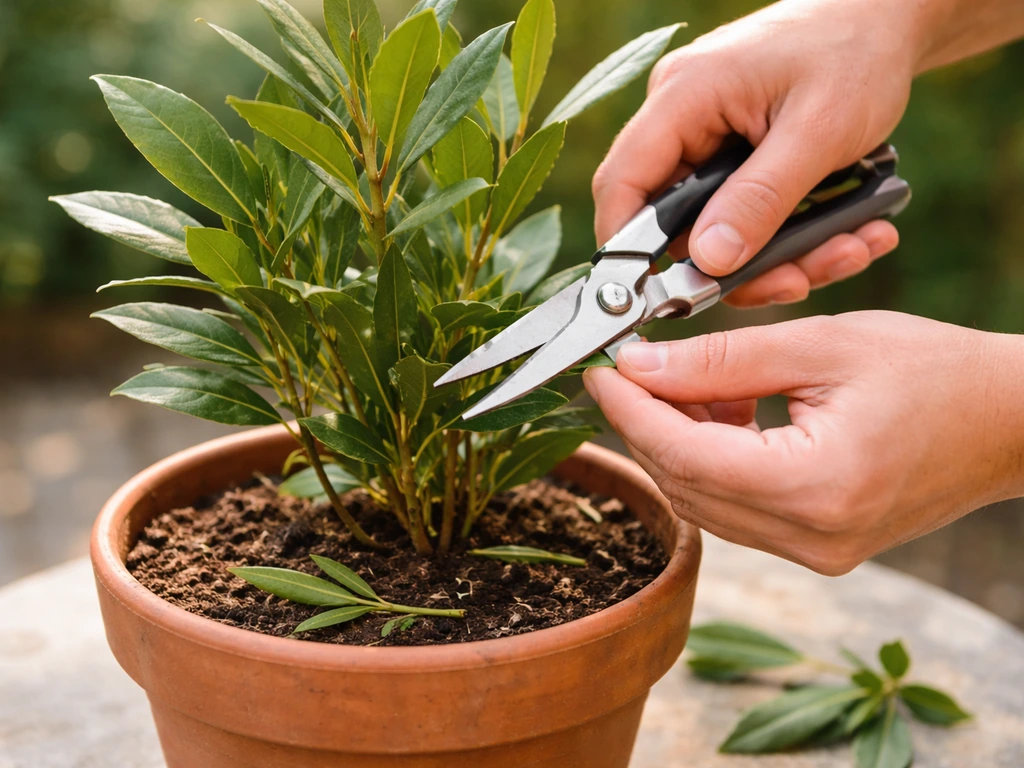
Bay tolerates hard pruning well, which is good news if yours has gotten leggy or misshapen. The RHS says mid- to late-spring is the best time to prune, and Gardener's Path confirms that spring pruning leads to the fastest regrowth. If you want a neat, compact bush shape, trim back any long shoots in spring and again lightly in late summer. For harvesting leaves, you can just snip individual stems as you need them throughout the growing season.
Because bay can get large if left unpruned, regular trimming is actually one of the key techniques for keeping a potted plant at a useful size, as the RHS points out. Don't be afraid to cut it back by a third or even half in spring if it's getting too big for your space. It will bounce back. Also cut out any frost-damaged or dead shoots in spring before new growth begins.
Pot-to-season care: summer outside, winter inside
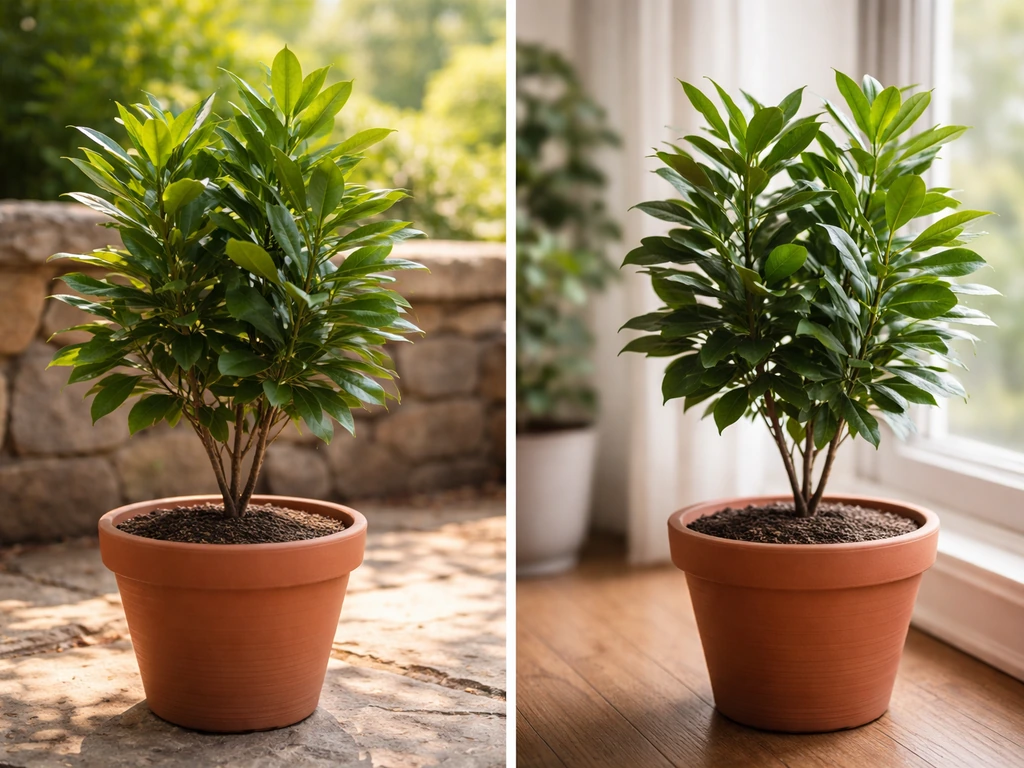
The seasonal rhythm for a potted bay is straightforward: outside in summer, protected in winter if you're in a cold climate.
| Season | Where to Keep It | Watering | Feeding | Key Tasks |
|---|---|---|---|---|
| Spring | Move outdoors after last frost | Resume regular watering as soil dries | Resume feeding every 2 to 4 weeks | Prune, repot if rootbound, cut out frost damage |
| Summer | Full sun outdoors | Water when top inch of soil is dry | Liquid feed every 2 to 4 weeks | Harvest leaves, light shape trimming |
| Autumn | Outdoors until temps drop near 20°F | Reduce as growth slows | Taper off feeding by October | Prepare to move indoors, check for pests |
| Winter | Indoors or frost-free shelter (Zone 7 and colder) | Very sparingly, let mix dry between waterings | Stop or minimal once a month | Bright window or grow light, avoid radiators |
If you're in Zone 8 or warmer, your bay can likely stay outside year-round as long as it's in a sheltered spot. In Zone 7 and colder, Gardener's Path recommends moving the pot into a frost-free protected location like an unheated garage, greenhouse, or shed. The Chicago Botanic Garden confirms bay works well as an indoor specimen during winter, as long as you give it the brightest spot you have and water very sparingly. The goal indoors in winter is survival and rest, not growth.
When moving the plant back outdoors in spring, don't rush it out on the first warm day. Harden it off over a week or two by putting it outside for a few hours a day, increasing the exposure gradually. This prevents leaf scorch from the sudden change in light intensity.
Troubleshooting: yellow leaves, slow growth, pests, and leaf drop
Yellow leaves
Yellowing leaves on bay are most often caused by overwatering or poor drainage. Check the soil moisture and make sure water is draining freely. UC IPM also lists inadequate light and exposure to low temperatures as causes of yellowing and leaf drop. If your plant is sitting in a dim corner indoors, move it to a brighter spot and see if it improves over a few weeks.
Leaf drop
Some leaf drop when you bring the plant indoors in autumn is normal as it adjusts to lower light. Heavy leaf drop usually signals a combination of low light, overwatering, and possibly cold drafts near a window or door. Fix the light, reduce watering, and move it away from cold drafts.
Slow growth
Bay is genuinely a slow grower, so don't panic if it seems to be doing nothing for weeks at a time. That said, very slow or stalled growth outdoors in summer usually means the plant is either rootbound (time to pot up a size), not getting enough light, or not being fed. Check all three.
Pests
The main pests on bay are scale insects, aphids, and spider mites. Scale looks like small brown or tan bumps along the stems and undersides of leaves. Aphids cluster on new soft growth. Spider mites show up in hot, dry conditions as fine webbing and speckled leaves. University of Missouri Extension identifies all three as common sap-sucking pests. For aphids, a strong spray of water or insecticidal soap works well. Scale is trickier: wipe off what you can with a damp cloth and treat with horticultural oil. Spider mites respond to increased humidity and insecticidal soap. Check plants carefully before bringing them indoors in autumn, since this is when pests often move inside with the plant.
Brown leaf tips
Brown tips are usually wind damage or cold damage. Move the pot to a more sheltered spot. If the tips appeared after a frost, wait until spring and cut off the damaged growth. The plant will push out fresh leaves once conditions improve.
Your next steps
If you're starting from scratch, buy a small Laurus nobilis plant from a garden center now (spring is the ideal time to start), pot it into a 12-inch container with drainage holes and a quality potting mix, put it in your sunniest outdoor spot, and water it when the top inch of soil is dry.
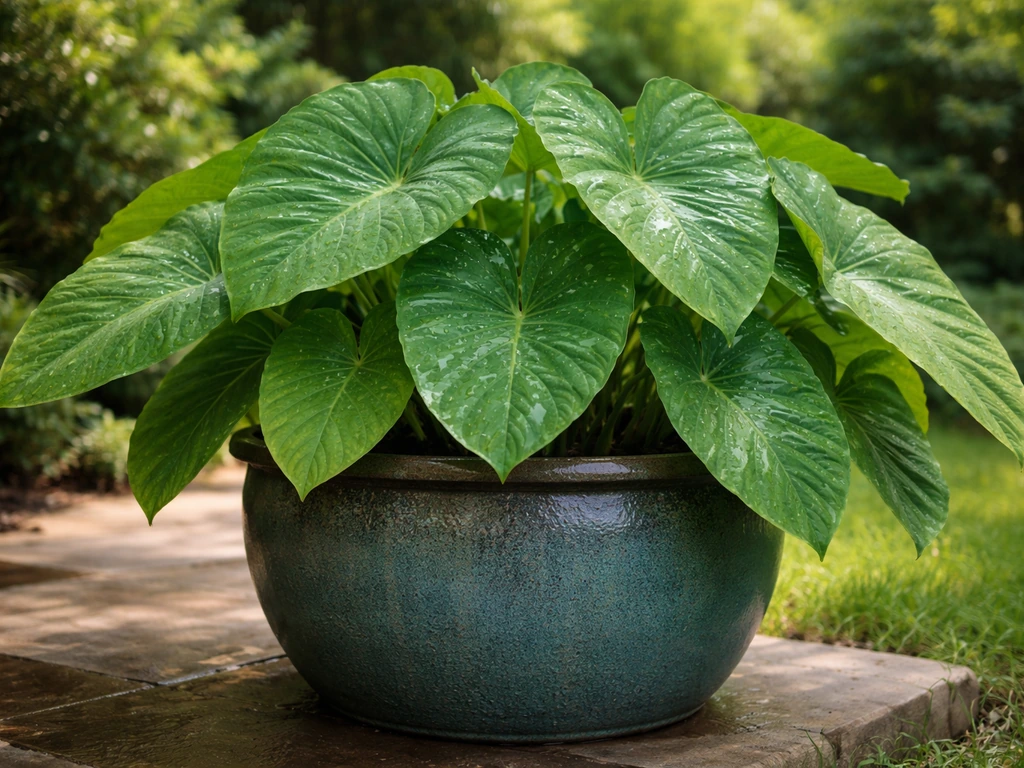
If you're specifically looking for henna, you'll also want to choose the right container size and keep the plant warm so you can grow henna in a pot successfully small Laurus nobilis plant. Elephant ears (taro) grown in pots need warmer temperatures and consistently moist, well-draining soil, so the care is a bit different from bay laurel how to grow elephant ears in a pot. That's genuinely all it takes to get going.
From there, a light liquid feed every few weeks through summer, a prune in mid-spring, and a plan for where it'll overwinter if you're in a colder zone will keep it healthy for years. It's a slow grower, but once established, a potted bay is one of the most low-maintenance and rewarding plants you can keep on a patio or balcony.
Neem plants have different care needs than bay laurel, so it helps to follow a neem-specific pot-growing guide neem plant in pot.
FAQ
How do I make sure I’m growing the culinary bay (not an ornamental look-alike) in my pot?
If the plant label is not clearly Laurus nobilis, it is safer to treat it as a different species. Ornamental “bay” plants sold in nurseries may look similar but have different leaf taste and care, so confirm the Latin name before you buy, and avoid collecting leaves from anything without Laurus nobilis identification.
My bay laurel looks unhappy indoors, what should I change first?
If it starts looking pale or leggy indoors, the fastest fix is improving light rather than adding fertilizer. Move it to the brightest window you have, and if it still looks weak, use a grow light set to about 14 hours per day, keeping the plant away from heaters or vents that create hot dry air.
How often should I water a potted bay, especially in winter?
Use the “top inch” check, and only water after that layer feels dry. In practice, that often means less frequent watering in winter dormancy, even if the pot feels light, because bay prefers drying out slightly between waterings rather than constant dampness.
How do I know when my bay laurel is rootbound and needs a bigger pot?
Repot sooner than you think if you see roots circling the drainage holes or the plant dries out in a day or two. Choose the next pot size up only, increase just one step (for example, from 12 to 16 inches), and refresh potting mix so drainage does not degrade as the roots expand.
Can I fertilize my potted bay year-round?
Yes, but go easy and stay consistent. During the growing season, apply a diluted balanced liquid feed every 2 to 4 weeks, then stop or cut back sharply from about October to February, because feeding a slow-growing bay can lead to weak growth and salt buildup in the potting mix.
What’s the best way to harvest bay leaves from a potted plant without harming it?
For leaf harvest, snip individual stems or take a few leaves from multiple spots rather than stripping one branch. This helps the plant keep enough leaf area to photosynthesize, and you can harvest throughout the season as long as the plant is actively growing outdoors.
My bay dropped a lot of leaves when I brought it inside. Is it normal?
Sudden leaf drop after moving indoors is usually an adjustment response, but you should troubleshoot if it is heavy. Check for three common triggers: low light, watering too often, and cold drafts near doors or windows, then correct those rather than increasing watering or fertilizer.
What causes brown tips on bay laurel, and do I trim them right away?
If you see brown tips, first consider wind or cold exposure. Move the pot to a sheltered, warmer spot, and if tips appeared right after a frost, wait until spring and remove only the damaged tips or stems so new growth can follow healthy wood.
What should I do if I find scale, aphids, or spider mites on my potted bay?
The quickest early response is to isolate the plant and check the undersides of leaves and stems. For aphids, rinse with water or use insecticidal soap, for scale wipe what you can and treat with horticultural oil, for spider mites increase humidity if appropriate and apply insecticidal soap, then recheck in a week.
Should I put gravel at the bottom of the pot to improve drainage for bay laurel?
Avoid gravel or stones in the bottom of the pot. They can worsen water retention around the roots, so rely on a pot with drainage holes plus quality potting mix, and if drainage is still slow, mix in about 20 to 25 percent perlite or coarse grit.