Elephant ears grow brilliantly in pots. Both Alocasia and Colocasia varieties handle container life well, and in many ways a pot gives you more control over moisture, soil, and winter storage than planting them straight in the ground. The key is getting three things right from the start: a big enough pot with proper drainage, a rich but well-draining soil mix, and a consistent watering routine that keeps roots moist without drowning them. For a similar container setup, you can also follow the steps in how to grow elaichi in pot, especially when it comes to drainage and consistent moisture.
How to Grow Elephant Ears in a Pot: Step-by-Step Guide
Marcus Whitley
26 Apr 2026
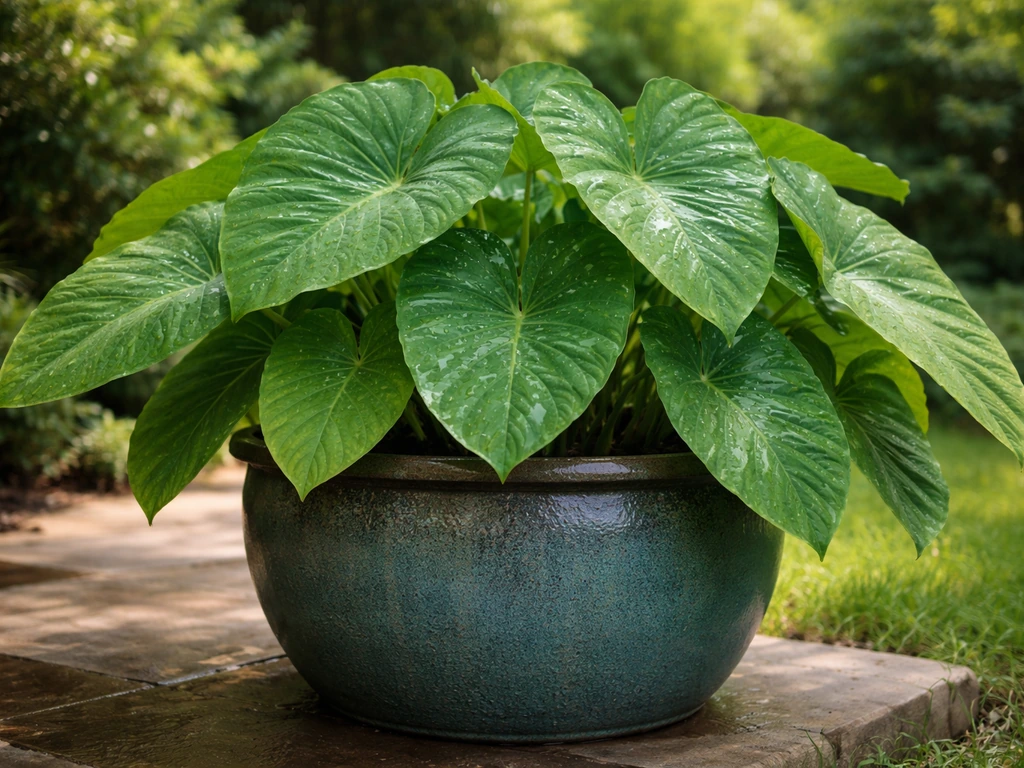
Can elephant ears actually thrive in pots?
Yes, and they do it regularly. Elephant ears are among the easier large tropicals to container-grow because they're vigorous growers that respond well to good soil and consistent care. The two main types you'll encounter are Colocasia (the classic taro, which loves moisture and can handle wetter soil) and Alocasia (which prefers bright indirect light and is more sensitive to waterlogged roots). Both work in pots, but they have slightly different thresholds you'll want to know about before you set up your container.
One genuine advantage of growing elephant ears in a pot versus the ground is portability. If you live somewhere with cold winters, you can simply move the whole container indoors when temperatures drop rather than digging up tubers every fall. That alone makes the pot route worth considering for a lot of gardeners. The trade-off is that containers limit root spread, so you'll need to fertilize more consistently than you would in a garden bed, and you'll eventually need to repot as the plant grows.
Pots vs. ground: which is actually better?
In the ground, elephant ears can get enormous given enough space, nutrients, and warmth. In a container, growth is somewhat contained by pot size, but the plants still get impressively large with the right setup. Here's how the two approaches compare across the things that matter most to a home gardener:
| Factor | In a Pot | In the Ground |
|---|---|---|
| Max size potential | Moderate to large (pot-limited) | Very large with space to spread |
| Watering control | Easier to manage and adjust | Depends on rainfall and soil type |
| Winter storage | Move the whole pot indoors | Must dig and store tubers |
| Soil quality control | Full control over your mix | Need to amend existing soil |
| Drainage | Depends entirely on pot and mix | Usually drains naturally |
| Urban/small-space use | Ideal | Needs garden bed space |
| Fertilizing needs | More frequent required | Less frequent in enriched soil |
If you have the garden space and a mild climate, in-ground planting gives you the most dramatic growth. But if you're in a colder zone, have a balcony or patio, or just want flexibility, a pot is the smarter choice. I'd always recommend containers for anyone who isn't sure about their winters.
Picking the right pot, drainage, and location
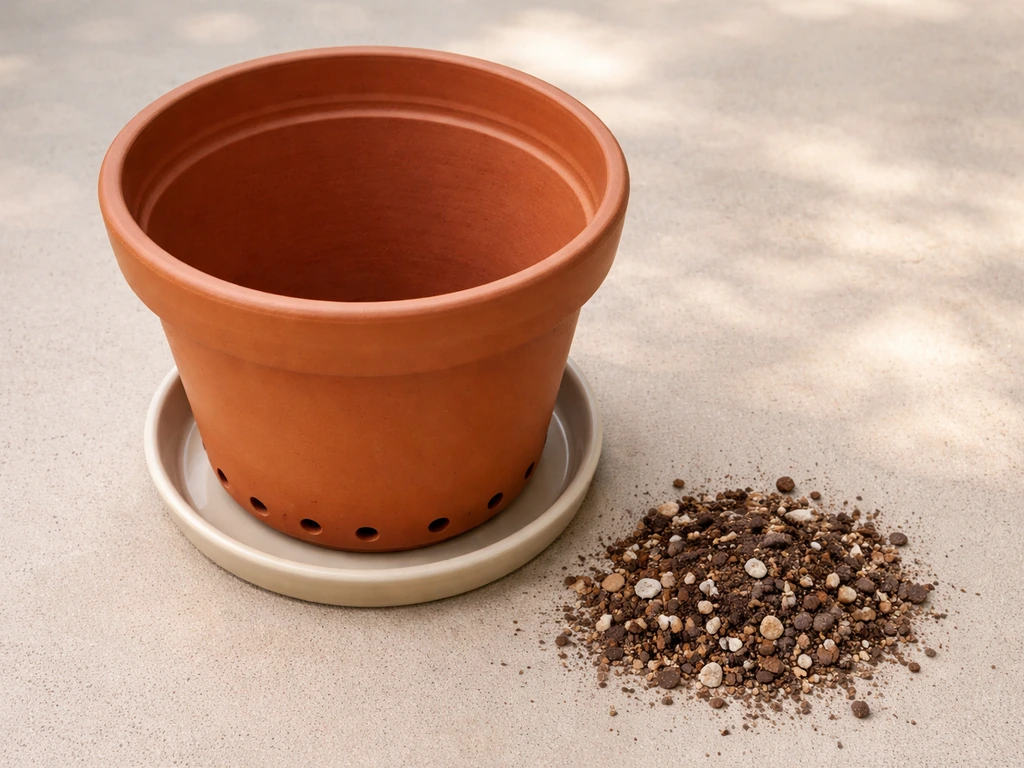
Pot size matters more with elephant ears than with most plants because these things want to grow. Start with a container that's at least 18 to 24 inches wide and equally deep for a single tuber or young plant. Smaller pots will slow growth significantly and dry out too fast in warm weather. If you're working with a larger division or a more mature plant, go up to a 25-gallon or even a half-barrel container. The bigger the pot, the more impressive the plant.
Drainage holes are non-negotiable. Elephant ears, especially Alocasia, are prone to root rot when roots sit in standing water. If you’re also learning how to grow henna plant in pot, focus on a well-draining mix and careful watering so the roots do not stay soggy. Every pot you use needs holes at the bottom, full stop. If you want to use a decorative pot without holes, use the double-potting method: keep your plant in a plain nursery pot with drainage holes inside the decorative cachepot. After watering, tip out any water that collects in the outer pot within 30 minutes so roots never sit in it.
For location, think about what's realistic for your space. Outdoors, a sheltered spot with morning sun and afternoon shade works well. On a balcony, position the pot where it gets good light without being blasted by harsh afternoon sun or strong winds that can tear the leaves. Indoors, place the pot near your brightest window, ideally south or east-facing.
The right soil mix and how to fertilize
Elephant ears are hungry plants that want rich, organic soil, but the mix still needs to drain well enough that roots aren't sitting in mush. A good starting point is a high-quality potting mix (not garden soil, which compacts in containers) blended with perlite or coarse sand at roughly a 3:1 ratio. This gives you the nutrition and water retention elephant ears need while letting excess water escape. You can also add a scoop of compost to boost organic matter, which these plants love. For neem, use a well-draining potting mix and keep the soil evenly moist until it establishes, then let the top layer dry slightly between waterings how to grow neem plant in pot.
Fertilizing in containers is important because nutrients wash out every time you water. During the growing season (spring through late summer), feed your elephant ear every 2 to 4 weeks with a balanced, water-soluble fertilizer diluted to half the recommended strength. Half strength is the sweet spot because it feeds steadily without building up salts in the soil. If you prefer a more hands-off approach, mix a slow-release granular fertilizer into the soil at planting time, then top up with liquid feeding monthly. Just watch for salt buildup: if you notice a white crust forming on the soil surface, flush the pot thoroughly with plain water to rinse it out.
Stop fertilizing in fall when growth slows down. The plant is heading toward dormancy, and pushing nutrients at that stage does more harm than good.
Planting tubers or starting from nursery plants
Starting from a tuber or corm
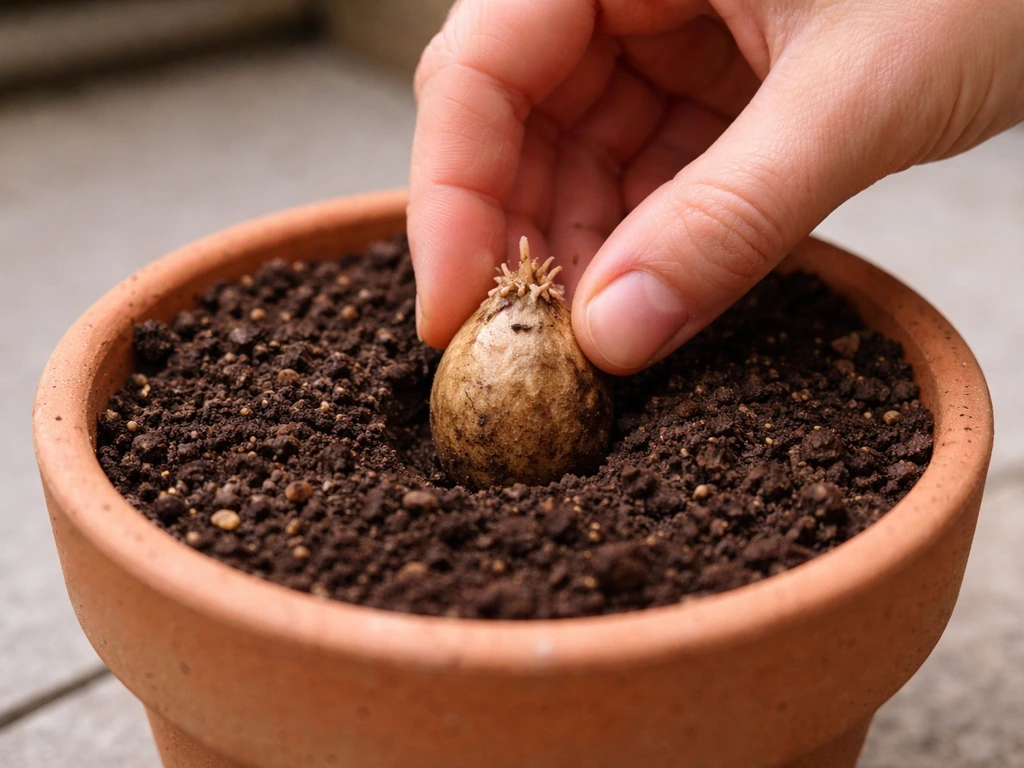
The timing here depends on your climate. Wait until after your last frost date before planting tubers outdoors, which in most parts of North America is somewhere between late March and mid-May. If you want a head start, you can pot tubers up indoors 6 to 8 weeks before your last frost date and move the pot outside once nighttime temperatures stay reliably above 50°F.
Fill your pot with moistened potting mix, then plant the tuber with the blunt end facing down and the pointed or rooting end up. Depth depends on size: smaller tubers go in about 2 to 3 inches deep, while larger corms can go 4 to 6 inches deep. Cover with soil, water lightly, and then be patient. Elephant ear tubers can be slow to sprout, sometimes taking 3 to 5 weeks, so don't panic if nothing appears right away. Keep the soil just barely moist during this waiting period rather than wet.
Starting from a potted nursery plant
If you're buying an already-growing plant, pot it up at the same depth it was growing in its nursery container. Disturb the roots as little as possible, backfill with your prepared mix, and water it in thoroughly. Plants started this way establish much faster than tubers and can look impressive within just a few weeks of transplanting.
Watering and keeping humidity up
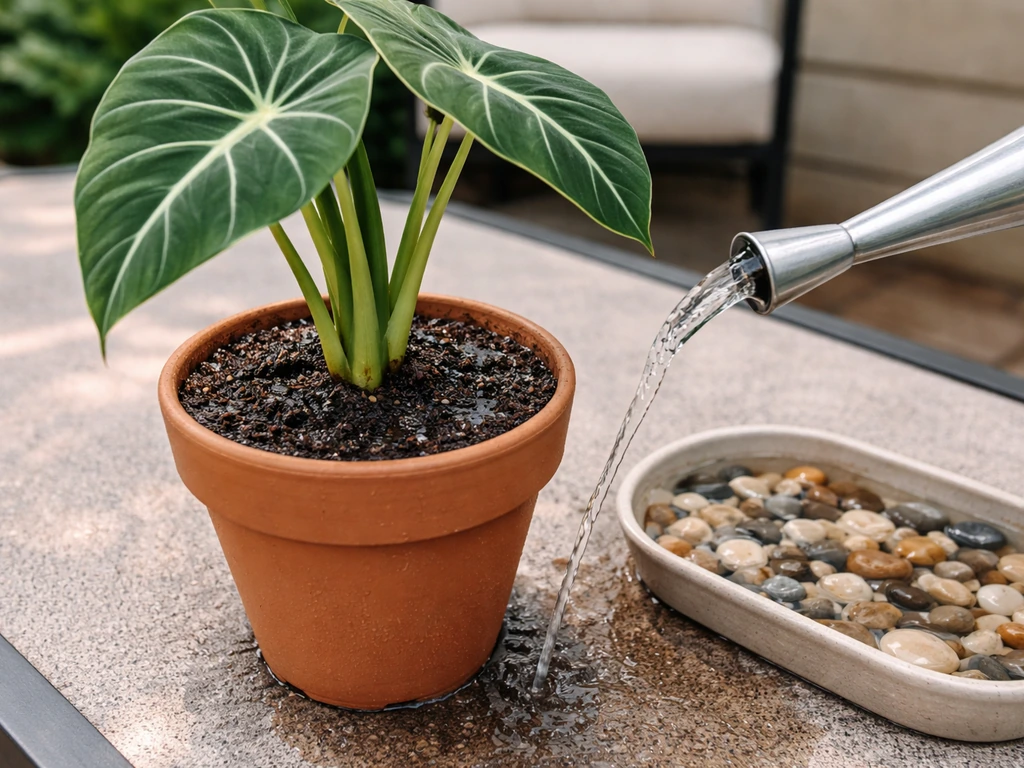
Watering is where most people go wrong with potted elephant ears, and it usually goes one of two ways: too much or not enough. The goal is soil that stays evenly moist but never soggy. A practical rule is to check the top inch of soil with your finger. If it feels dry, water thoroughly until water drains from the bottom of the pot. If it still feels damp, wait another day or two and check again. This approach works for both Alocasia and Colocasia, though Colocasia can handle consistently wetter soil if needed.
In summer heat, outdoor pots may need watering daily. Indoors or in cooler weather, every 3 to 5 days is more typical. The pot material matters too: terracotta pots dry out much faster than plastic or glazed ceramic, so factor that into your schedule.
Elephant ears are tropical plants that naturally grow in humid environments, and dry indoor air (especially in winter when heating systems run constantly) can stress them. For indoor plants, misting the leaves every couple of days helps, or you can set the pot on a tray filled with pebbles and water so the evaporating moisture raises humidity around the plant. Just make sure the pot itself sits above the water line, not in it. A small humidifier nearby works even better if you have one.
Light and temperature for container elephant ears
Outdoors, elephant ears do best in partial shade to filtered sun. They can handle some direct morning sun, but harsh afternoon sun tends to scorch and bleach the leaves, especially on Alocasia varieties. If you're growing on a south-facing patio or balcony, use a shade cloth or position the pot where a wall or taller plant provides afternoon relief.
Indoors, the target is bright indirect light. A measurable guide: aim for roughly 10,000 to 20,000 lux, which you'd get a few feet from a bright south or east-facing window. Direct window sun for more than an hour or two daily can burn the leaves, so use a sheer curtain if needed. If natural light is limited in your space, a grow light positioned about 12 inches above the plant for 10 to 12 hours a day will keep it happy through winter.
Temperature is straightforward: elephant ears like warmth. They perform best between 65°F and 85°F (18°C to 29°C). Once nighttime temperatures consistently dip below 60°F (15°C), Alocasia in particular starts to struggle. Below 50°F (10°C), growth stops and cold damage becomes a real risk. This is the main reason container growing is so useful in cooler climates: you can just bring the pot inside before the cold hits rather than scrambling to dig up tubers.
Fixing common container problems and planning for winter
Yellowing leaves
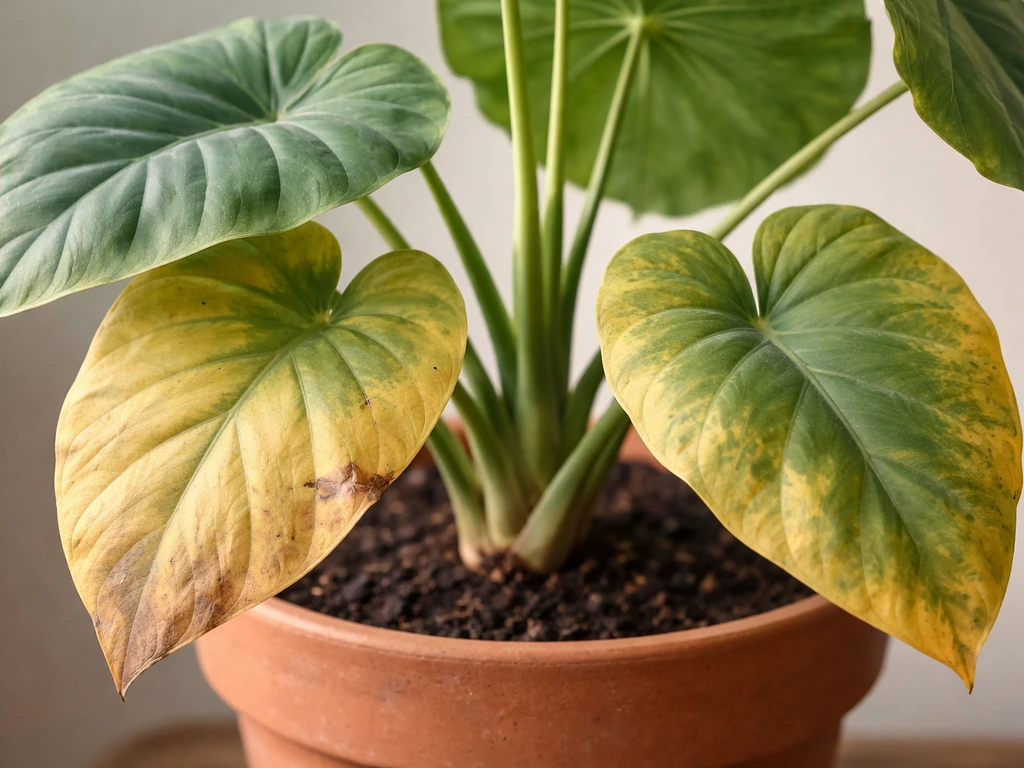
Yellow leaves are almost always a watering signal. Overwatering causes yellowing from the bottom up, often with a wilted or mushy look to the stems. Underwatering causes yellowing paired with dry, crispy edges. Check your soil and adjust your routine. Yellow leaves can also indicate the plant is hungry, so if watering seems right, try a dose of balanced fertilizer.
Wilting despite wet soil
This is a root rot warning sign. If the plant is drooping even though the soil is wet, tip it out of the pot and check the roots. Healthy roots are white or light tan. Rotted roots are brown, mushy, and often smell bad. Trim off any affected roots with clean scissors, let the remaining roots air dry for an hour, then repot in fresh, well-draining mix. Hold off on watering for a day or two to let the plant recover.
Brown spots on leaves
Small dark brown spots, especially where water tends to sit on the leaf surface, can be an early sign of taro leaf blight, a fungal disease caused by Phytophthora colocasiae. It thrives in wet, humid conditions and spreads via water splash. Keep foliage as dry as possible when watering (water at the base, not over the leaves), improve air circulation around the pot, and remove affected leaves promptly. Overly wet container conditions make this problem much worse, so good drainage is your first line of defense.
When to repot
Elephant ears are fast growers and will outgrow their containers within a season or two. Signs it's time to repot: roots circling the bottom of the pot, roots growing out of the drainage holes, or the plant looking disproportionately large for its container and drying out very quickly after watering. Move up one pot size at a time (2 to 4 inches wider and deeper), refresh the soil mix, and replant at the same depth.
Overwintering your potted elephant ears
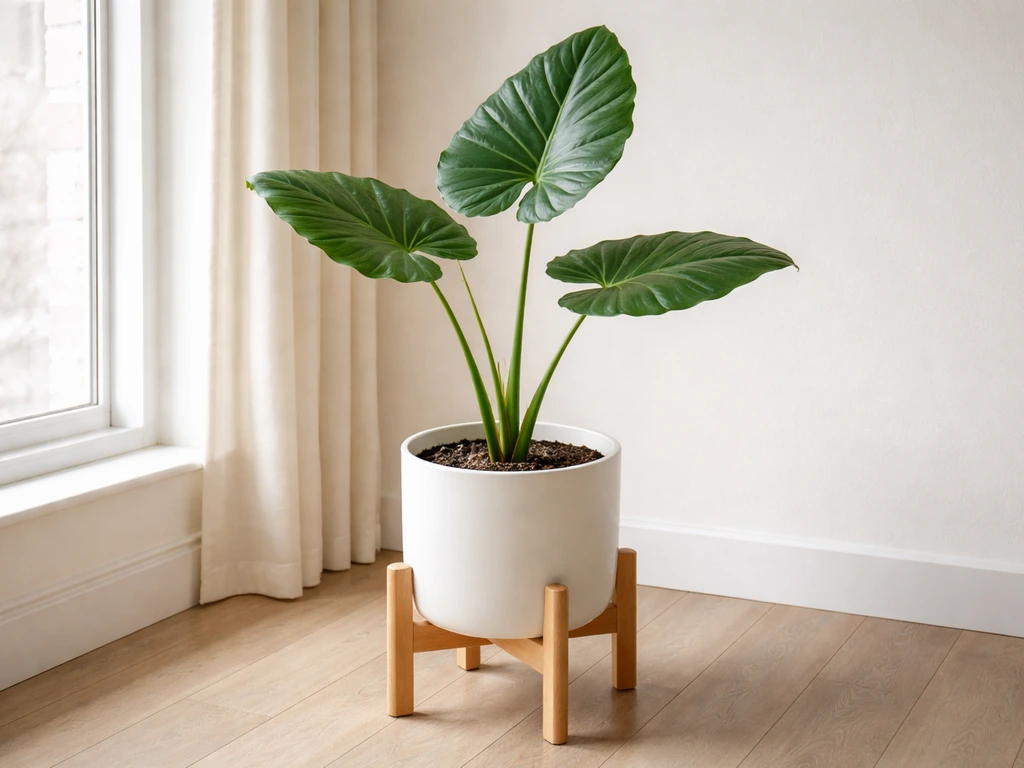
If you're in a climate where winters drop below 50°F regularly, you have two main options. The easiest is to move the whole container indoors before the first frost. For Wisconsin-grown elephant ears (Colocasia, Alocasia, and Xanthosoma), Wisconsin Extension advises bringing plants indoors before temperatures reach the 30s and treating them as frost-tender move the whole container indoors before the first frost. Place it in a warm, bright spot and keep watering on a reduced schedule since the plant grows slowly in winter. Just watch out for dry indoor air from heating systems, which can stress the leaves, and use your humidity tray or humidifier to compensate.
If you'd rather let the plant go dormant, cut back the foliage after the first frost kills it back, dig out the tubers, and let them dry for a day or two. Store them in a container of slightly moist peat moss or dry potting mix in a cool, dark spot around 60°F (16°C) through winter. Check them monthly and discard any that show signs of rot. Come spring, pot them back up after your last frost date and you're back in business.
One thing worth noting: if you're already growing other tropical plants in containers indoors through winter, like a curry leaf plant or a bay tree, your elephant ear can share that indoor setup. Bay leaves also do well indoors in a pot as long as you give them plenty of bright light and avoid overwatering how to grow bay leaves in a pot. Just make sure it gets enough light, because it's a hungry plant even in its slower winter phase. You can use the same general container approach for a betel leaf plant, focusing on warmth, consistent moisture, and bright indirect light how to grow betel leaf plant in pot.
FAQ
Can I grow elephant ears in a pot if I keep it on a tray or saucer of water to boost humidity?
If your pot sits on a saucer, empty it after every watering and do not leave the pot standing in runoff. Even 20 to 30 minutes can be enough to trigger rot on Alocasia, especially in cooler indoor rooms.
How do I adjust watering if my potted elephant ears are outdoors during rainy weather?
Yes, but only if the soil stays airy and water drains quickly. Use a container size you can lift easily, bring it under cover during heavy rain, and water only when the top inch is dry. For Alocasia, prioritize bright shade to reduce the temptation to overwater.
What’s the safest way to transition elephant ears from indoors to outdoor light?
Start in bright indirect light, then acclimate over 7 to 10 days if you want more sun. Sudden full sun often causes leaf bleaching within days, even if the plant otherwise looks healthy.
Which is easier in a pot, Alocasia or Colocasia, and how does that change the care routine?
Choose Alocasia for brighter indirect light and wetter-friendly but controlled watering, choose Colocasia if you want tolerance for consistently moist soil. In a pot, Colocasia usually has an easier time if you occasionally miss a watering, while Alocasia punishes waterlogged roots more quickly.
My elephant ear tubers are not sprouting after a month. What should I check first?
If you don’t see sprouts after 3 to 5 weeks, check two things: tuber firmness and moisture level. Tubers should feel firm, not soft, and soil should be barely moist, not wet. If they’re mushy or have an odor, discard and restart with fresh tubers.
When is the best time to repot elephant ears grown in pots?
Repot in the spring when active growth resumes. Avoid repotting during dormancy or right before moving plants indoors, because root disruption plus low light increases rot risk.
Should I keep fertilizing potted elephant ears during late fall and winter?
Stop fertilizing when growth slows and there is no new leaf production. If you keep feeding late into fall, salts can build up in the pot, which can show as crusty soil even if you water correctly.
Is misting enough to prevent leaf problems during dry indoor winter air?
Misting can help, but it mainly raises humidity on the leaf surface briefly. For real humidity, use a humidifier or a pebble tray with the pot sitting above the water line, and keep air moving with gentle ventilation to reduce fungal issues.
How can I tell whether yellow leaves mean overwatering, underwatering, or poor feeding?
If leaves yellow from the bottom but the plant otherwise looks firm, consider a nutrition gap. Before fertilizing, confirm you are not overwatering by checking drainage and letting the top inch dry slightly between waterings.
What’s a quick way to confirm my drainage setup is actually working in practice?
Use the “double-check” approach: verify the pot has drainage holes, then make sure excess water actually exits. After watering, wait 1 to 2 minutes and look for steady drainage. If water sits, the soil mix or clogged holes are the likely culprit.
My elephant ear is drooping even though I watered. What should I do if it might be root rot?
If the plant is drooping and the soil is wet, inspect roots. If roots smell bad or turn brown and mushy, trim affected parts and repot in fresh, well-draining mix. Resume watering more conservatively after the plant shows renewed growth.
Can I keep potted elephant ears indoors year-round instead of storing tubers?
You can, but plan for gentler feeding and less frequent watering because light is weaker. Aim to keep temperatures above 60°F for best results, and reduce fertilizer to avoid salt buildup when growth slows.