Yes, marigolds grow beautifully in pots, and honestly they might be one of the best flowers you can pick for container gardening. They're forgiving, they bloom like crazy when you give them sun, and they don't demand expensive soil or complicated care. Whether you want a pot on a sunny balcony, a window box by the front door, or even a container indoors near a bright window, marigolds can work. Let me walk you through the whole process, from picking the right pot to getting steady flowers all season long.
How to Grow Marigolds in Pots: Step-by-Step Guide
Marcus Whitley
18 Apr 2026
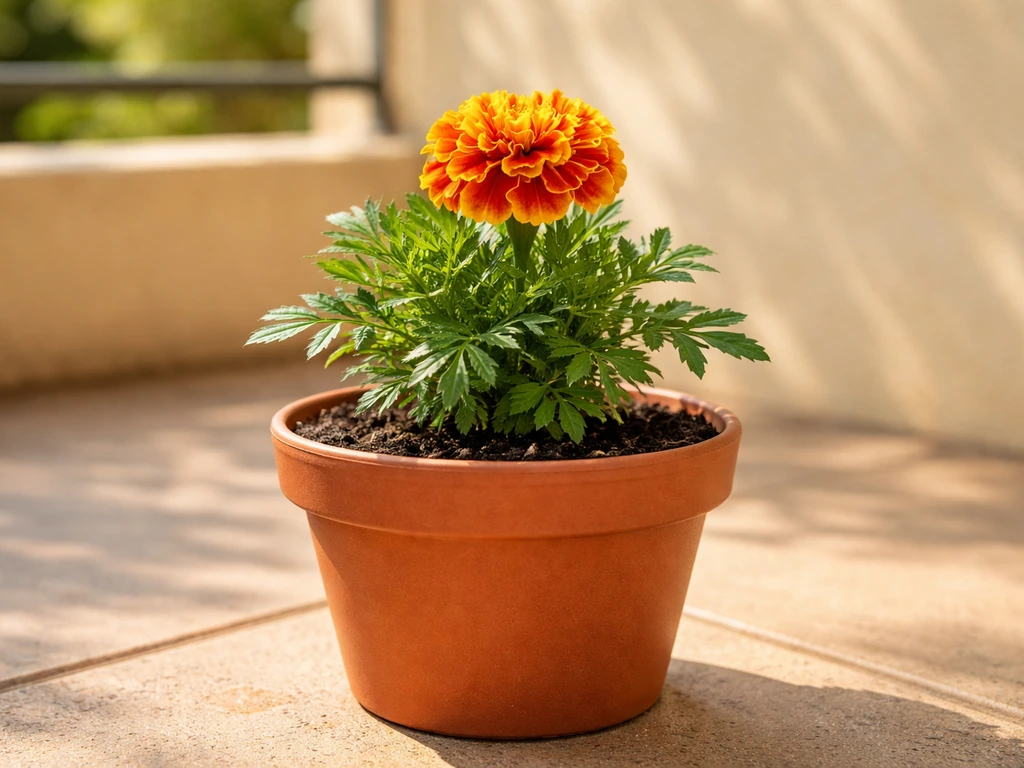
Can marigolds actually grow in pots (indoors and outdoors)?
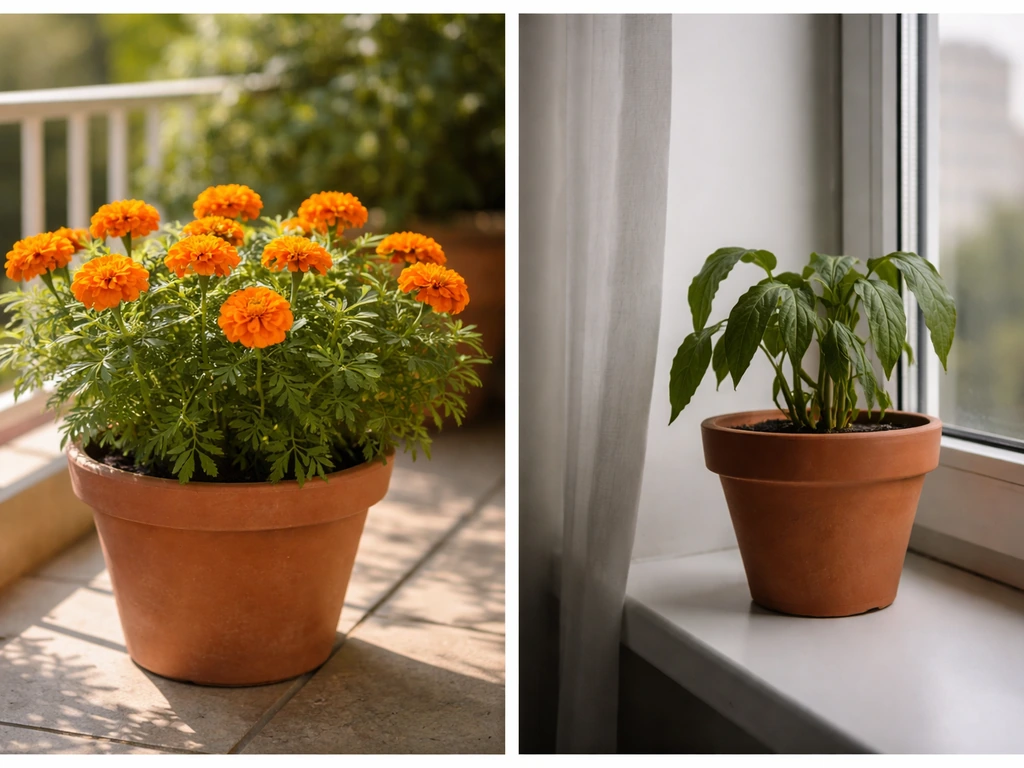
Marigolds are a genuinely great container plant outdoors. They're warm-season flowers that love sun and heat, so a pot on a sunny patio or balcony is close to ideal for them. The two most common types you'll work with are French marigolds (Tagetes patula), which stay compact at about 6 to 12 inches tall, and African marigolds (Tagetes erecta), which grow bigger at 18 to 36 inches and produce those large, pom-pom style flowers. Both types adapt well to containers, though French marigolds are the easier pick if space is tight.
Indoors is a different story, and I want to be honest with you here. Marigolds can survive indoors, but they struggle to bloom well without serious light. They need at least 6 to 8 hours of direct sun daily, and most indoor spots just don't deliver that. A south-facing window in a spot with no obstructions is your best bet. If you're growing them indoors under grow lights, keep the light on for about 12 hours a day, but know that marigolds actually have a short-day flowering tendency, meaning very long light periods can delay blooming. If you're growing indoors primarily to start seedlings before moving them outside, that's where indoor growing really shines.
Pick the right pot, drainage, and setup
Drainage is non-negotiable with marigolds. They hate sitting in wet soil, and a pot without drainage holes will kill them slowly through root rot. Every container you use must have at least one hole at the bottom. I'd actually go a step further and say: if a pot doesn't drain fast, don't use it. Marigolds thrive in well-drained to slightly dry conditions.
For pot size, a good rule of thumb is one plant per 12-inch container. That gives each plant enough room to develop a strong root system without fighting for space. If you want to plant multiple marigolds together, size up accordingly. For French marigolds, you can space plants about 6 to 8 inches apart, so a wider window box or a 16-inch pot can hold two or three plants comfortably. African marigolds need more room, around 8 to 12 inches between plants, so stick to one per 12-inch pot or use a larger planter like a half wine barrel.
For material, terracotta pots work well because they breathe and dry out quickly, which marigolds appreciate. Plastic pots retain moisture longer, so you'll need to be more careful about watering. If you're on a balcony and weight is a concern, lightweight plastic or fabric grow bags are a practical option. Just make sure whatever you use has adequate drainage. Placing a layer of gravel or broken pottery shards at the bottom of the pot is optional but can help with drainage in containers that have only a single small hole.
Soil and fertilizer: keep it simple
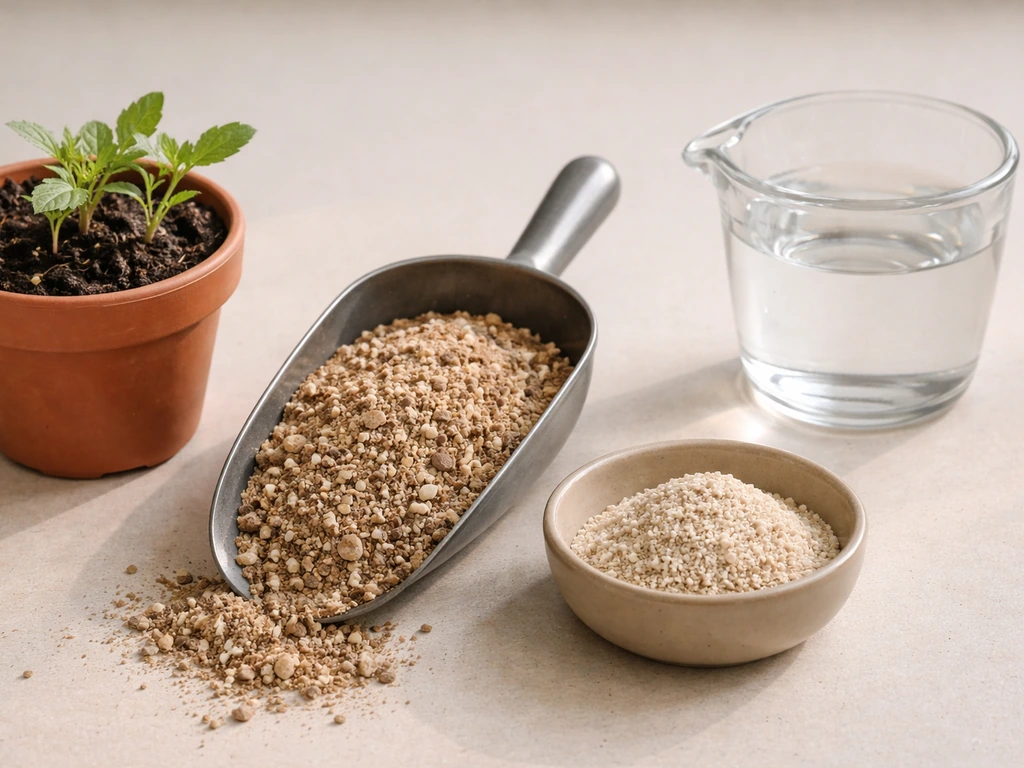
Marigolds don't want rich, fancy soil. In fact, over-fertile soil is one of the most common mistakes people make with them. Too many nutrients, especially nitrogen, pushes the plant to grow lots of lush green leaves while producing very few flowers. What you want is a quality, well-draining potting mix, not garden soil (which compacts in pots and drains poorly). A standard all-purpose potting mix is fine. If you want to improve drainage further, mix in around 20 to 30 percent perlite by volume.
Aim for a slightly acidic to neutral pH, roughly 6.1 to 6.5, which most commercial potting mixes fall into naturally. You don't need to test your soil obsessively, but if you're mixing your own or using older potting mix, it's worth a quick pH check with an inexpensive soil strip.
For fertilizer, less is more. Marigolds prefer moderate fertility. Before planting or sowing, you can mix a small amount of slow-release granular fertilizer or compost into the potting mix. Once plants are actively blooming, a diluted balanced liquid fertilizer every few weeks is enough. Some gardeners skip extra feeding altogether if they started with a decent potting mix. If you see lots of green growth but no blooms, the first thing to check is whether you've been over-fertilizing. Cut back on the feed and move the plant to more sun.
Starting marigolds from seed in pots
Growing from seed is satisfying and cheap, and marigolds are one of the easiest flowers to do it with. The seeds are big enough to handle easily, they germinate quickly, and you can see results fast. Here's how to do it well.
Timing your seed start
If you're planning to grow marigolds outdoors, start seeds indoors about 6 to 8 weeks before your last expected frost date. In most of the US, that means starting seeds in late March or early April to have transplant-ready seedlings by mid to late May. You can also sow seeds directly into outdoor pots once the weather has reliably warmed up and night temperatures stay above 50°F (10°C).
How to sow the seeds
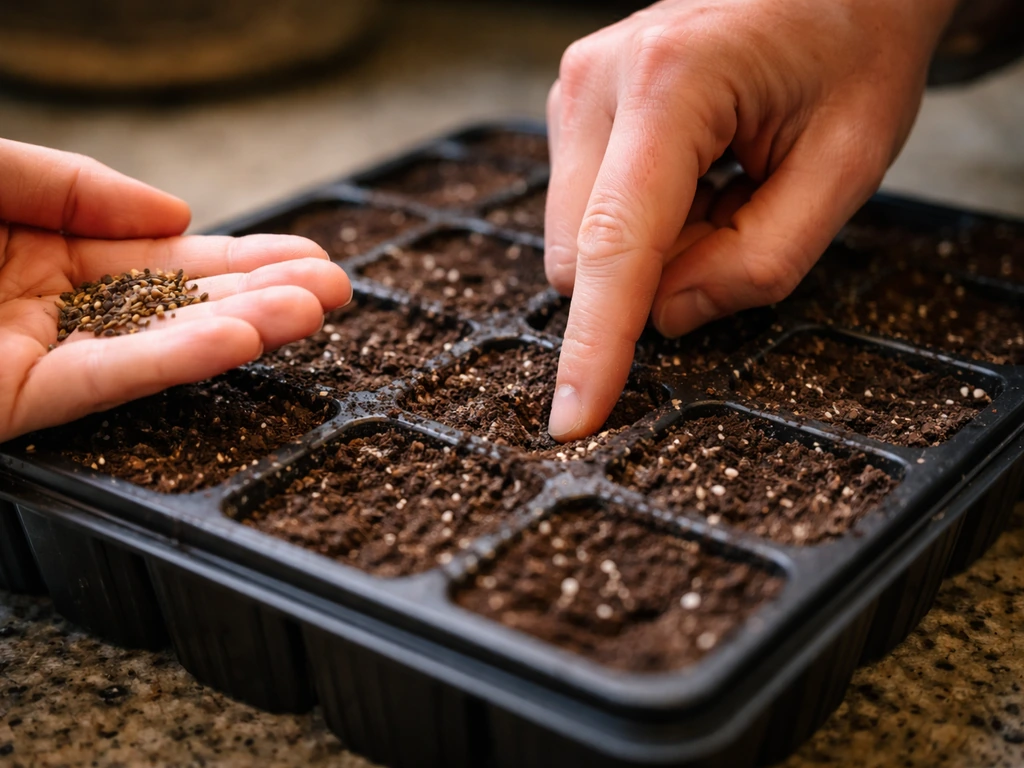
- Fill a small pot, seed tray, or cell pack with moist seed-starting mix (not regular potting mix, which can be too heavy).
- Press marigold seeds about 1/4 inch deep into the mix. One or two seeds per cell if using a cell tray.
- Lightly cover with mix and gently firm the surface.
- Mist with water so the surface stays consistently moist but not soggy.
- Place the container somewhere warm. Marigold seeds germinate best at a soil temperature of 70 to 75°F (21 to 24°C). On top of a refrigerator or on a heat mat works well.
- Expect germination in about 5 to 10 days. Once you see sprouts, move the container to the brightest light you have, a sunny windowsill or a grow light positioned a few inches above the seedlings.
Keep the seedlings in bright light and water when the surface of the mix just starts to dry out. Don't let them sit in a tray of standing water. Thin to the strongest seedling per cell once they have their first set of true leaves (the second pair of leaves that appear after the initial seed leaves).
Transplanting seedlings into their final pot
Before you move seedlings that were started indoors to an outdoor pot, they need to be hardened off. This just means gradually getting them used to outdoor conditions like direct sun, wind, and temperature swings, which they haven't experienced yet under indoor lights. Skip this step and you'll likely see leaves scorch or plants wilt badly when moved outside.
Start hardening off when seedlings are about 4 to 6 inches tall or have developed 4 to 6 true leaves. Begin by putting them outside in a sheltered, partially shaded spot for just an hour or two on the first day. Gradually increase their outdoor time and sun exposure over 7 to 10 days until they can handle a full day outside. After that, they're ready to transplant.
To transplant: fill your prepared container with potting mix to within about an inch of the top. Make a hole deep enough to set the seedling at the same depth it was growing in its original pot. Place the seedling in, firm the soil around it gently, and water thoroughly right away. If you're buying nursery plants rather than starting from seed, the process is the same. Just make sure to give the root ball a gentle tease if it's tightly wound, and water well after planting.
Light, water, and temperature: what potted marigolds actually need
Marigolds want full sun, meaning at least 6 to 8 hours of direct sunlight per day. This is the single biggest factor in whether your plants bloom well or just sit there looking green. Outdoors, a south or west-facing spot is usually ideal. Indoors, a south-facing window with no obstructions is your best option, but even then, you may find the plants stretch toward the light and bloom less freely than they would outside.
| Condition | Outdoors (best case) | Indoors |
|---|---|---|
| Light | 6-8+ hours of direct sun daily | Bright south window or grow light, 12 hrs/day |
| Temperature | 65-90°F (18-32°C), tolerates heat well | Keep above 60°F, avoid cold drafts |
| Watering frequency | Every 1-2 days in summer heat | Every 2-4 days depending on light/heat |
| Bloom performance | Excellent with full sun | Reduced without strong, direct light |
For watering, the approach is simple: water when the top inch of soil feels dry. Stick your finger into the potting mix, and if it feels dry at the first knuckle, water thoroughly until it drains freely from the bottom holes. Then let the soil dry out again before the next watering. Marigolds in pots dry out faster than in-ground plants, especially in hot weather and terracotta containers, so you may find yourself watering every day or two during peak summer. In cooler or shadier conditions, every few days is more typical. The one thing to avoid is consistent soggy soil.
Temperature-wise, marigolds are warm-season plants through and through. They grow and bloom best when daytime temperatures are between 65 and 90°F (18 to 32°C). They can handle heat well, which is actually one of their strengths as container plants on hot patios. What they can't handle is frost. If you're growing them as annuals (which most people do), bring pots inside or move them to a sheltered spot if frost is forecast.
Getting great flowers and fixing common problems
Once marigolds are established and in full sun, keeping them blooming is mostly about deadheading and light feeding. Deadheading means pinching or snipping off spent flowers before they go to seed. It sounds fiddly but it takes about two minutes, and it signals the plant to keep producing new blooms rather than putting energy into seed development. Do it every few days when you're watering and you'll have flowers all the way through summer and into fall.
Slow growth
If your marigold seedlings are growing painfully slowly, the most likely causes are insufficient light or temperatures that are too cool. Marigolds are warm-season plants and they genuinely stall out in cool conditions. Make sure the pot is in the warmest, sunniest spot you have. If you started seeds indoors and they're sitting on a cold windowsill, consider a heat mat under the tray to bring soil temps up to that 70 to 75°F sweet spot.
No blooms or very few flowers
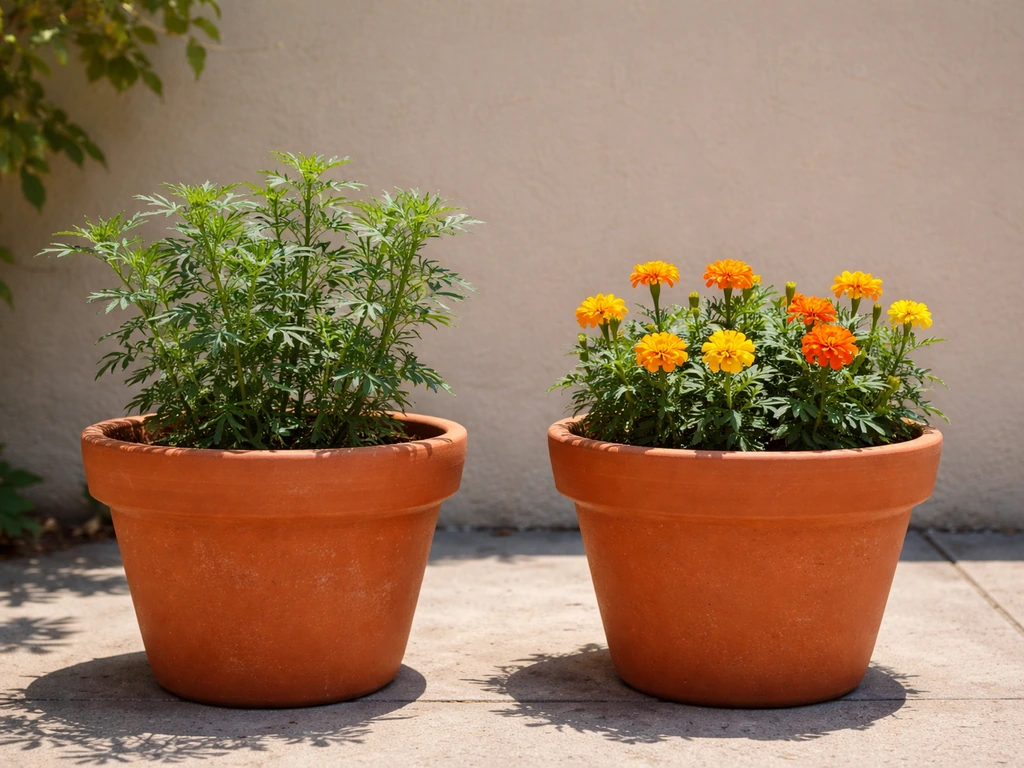
This is almost always a light problem. If your marigold is producing lots of green, leafy growth but no flowers, it's not getting enough direct sun. Move the pot to a sunnier location and give it a week or two to respond. The second culprit is too much fertilizer, particularly high-nitrogen fertilizer. Nitrogen fuels leafy growth at the expense of flowering. If you've been feeding heavily, stop, and let the plant work through what's already in the soil. A balanced or slightly low-nitrogen fertilizer is the right choice once plants are blooming.
Leggy, stretching plants
Leggy plants, the ones with long, weak stems and sparse leaves, are almost always reaching for more light. This happens frequently with indoor marigolds or with seedlings kept too far from a grow light. If the plant is already leggy, you can pinch back the top growth by about a third to encourage bushier side branching. Then address the light situation, move the pot closer to the window or lower your grow light. If the plant is too far gone, it's honestly easier to start fresh and give the new plant better light from the start.
Quick troubleshooting reference
| Problem | Most likely cause | Fix |
|---|---|---|
| Slow growth | Cool temps or low light | Move to warmer, sunnier spot; use heat mat for seeds |
| No flowers | Not enough sun or over-fertilizing | Move to full sun; cut back on nitrogen-heavy feed |
| Leggy stems | Insufficient light | Pinch back growth; move closer to light source |
| Wilting despite watering | Poor drainage or root rot | Check drainage holes; reduce watering frequency |
| Yellowing lower leaves | Overwatering or nutrient depletion | Let soil dry more between waterings; add diluted feed |
Your next steps
If you're starting now in mid-spring, you're in a great window. Pick up a packet of French marigold seeds or a small nursery plant, grab a 12-inch pot with drainage holes, fill it with a well-draining potting mix, and find your sunniest outdoor spot. Sow seeds 1/4 inch deep, keep the soil warm and moist until they sprout (5 to 10 days), and then give them all the sun you can. If you already have seedlings ready, harden them off for about a week before moving them into their final outdoor container. From there, it's really just a matter of watering consistently, deadheading regularly, and enjoying the flowers. If you want to try something aromatic beyond flowers, see how to grow cinnamon in a pot next for the right container, light, and watering routine. Cardamom, however, has different needs than marigolds, so if you want to try it, follow the specific steps for how to grow cardamom in pot. For a similar container setup, learn how to grow turmeric in a pot by choosing the right container, potting mix, and light, then keeping soil evenly moist as the plant establishes. Marigolds are genuinely hard to fail at when you get the sun and drainage right. If you enjoy growing flowering plants in containers, you might also find it fun to experiment with other container-friendly plants like cannas in pots, which offer bold tropical foliage and flowers alongside your marigolds, or aromatic herbs like tulsi or marjoram that pair well in a mixed container garden. If you want to go beyond marigolds, this guide on how to grow cannas in pots will help you dial in the right light, pot size, and watering so they thrive. If you also want to include tulsi, learn how to grow tulsi plant in pot by focusing on sunlight, a well-draining mix, and consistent watering. If you want to add marjoram to your container, follow the steps in how to grow marjoram in a pot.
FAQ
My marigolds look healthy but won’t bloom. What should I check first?
If blooms are scarce, check for “too much of the wrong thing” rather than just “not enough.” Over-fertilizing (especially nitrogen) and not enough direct sun both commonly stall flowering. Also confirm the plant is not in a persistently wet mix, since root stress often shows up as green growth with weak or delayed buds.
How often should I water marigolds in pots (and how do I avoid overwatering)?
Terracotta dries fast, so the “top inch feels dry” rule is more reliable than watering on a calendar. In hot weather, plan for daily checks, and water thoroughly until you see drainage, then wait for the mix to dry again. If the pot is on a saucer, empty it after watering so the roots never sit in runoff.
What’s the fastest way to get marigold seeds to germinate and grow well in containers?
Start seeds in warmer conditions for best speed, and don’t force early planting into cold soil. Aim for consistently warm temperatures once you sow, and consider using a seed-starting tray with a heat mat if your indoor area runs cool. If seedlings emerge but grow slowly, revisit temperature and light intensity (marigolds stall when it is too cool).
Why are my marigolds getting leggy, and should I pinch them?
Use small corrections based on what you see. If the plant is leggy (long stems, sparse foliage), pinch back about a third to encourage side branching, then increase light or move closer to the sun. If it becomes bushy but still not flowering, reduce feeding and make sure it is getting true direct sun (not bright shade or window light behind glass).
Can I move potted marigolds outdoors after growing them indoors, and how do I do it without shocking them?
Yes, but do it strategically. Marigolds can survive being shifted, but abrupt changes can stress them, especially from indoor dim light to full sun outdoors. Harden off by gradually increasing outdoor time and direct sun over about a week, and avoid transplanting when days are unusually cool or the forecast suggests a frost risk.
How do I keep marigolds blooming through summer and into fall (and when should I stop deadheading)?
Deadhead frequently, but also watch for seed setting. Once marigolds switch energy into producing seed, new flowers slow down. Snip off spent blooms before seed pods fully develop, and if growth becomes weak, do a light balanced feed rather than adding more fertilizer to “push” flowering.
Do pH and potting mix quality really matter for marigolds in pots, and what should I do if mine struggle?
Aim for slightly acidic to neutral potting mix, around pH 6.1 to 6.5, but don’t overcomplicate it for every season. If you are using older potting mix or have repeated issues, a quick pH strip check can help. When mixing your own, choose amendments that do not drastically swing pH, and repot if salt buildup or compaction becomes noticeable.
How many marigolds can I plant in one pot without overcrowding?
Choose pot size based on variety and how crowded you make the planting. French marigolds usually tolerate tighter grouping, while African marigolds need more room. Crowding reduces airflow and water availability to roots, which can lead to fewer blooms and more disease pressure in humid weather.
What should I do with potted marigolds when frost is forecast?
Most marigolds behave like warm-season annuals, so they are not frost-tolerant. If frost is possible, move the container to a sheltered spot or indoors before temperatures drop, and expect plants to decline quickly after cold snaps. For a longer season, prioritize full sun and bring pots in at the first sign of frost.
Can I use garden soil instead of potting mix when growing marigolds in pots?
For container marigolds, potting mix matters more than garden soil. If you only have garden soil, it often compacts in pots and drains poorly, which raises root rot risk. Use a quality potting mix, optionally improved with perlite for better drainage, and refresh or replace mix each season if it becomes dense or breaks down over time.