Yes, you can absolutely grow turmeric in a pot, and it works really well. If you want a similar container herb, you can also learn how to grow tulsi plant in pot with the right sunlight and watering routine turmeric in a pot. Marjoram is another great herb for container growing, and you can learn the steps for how to grow marjoram in a pot in the guide linked next. You plant a piece of fresh turmeric rhizome (the knobby root you can buy at a grocery store or garden center), keep it warm and consistently moist, and roughly 8 to 10 months later you dig up a cluster of new rhizomes ready to cook with or replant. It's a slow-burn project, but the plant itself is surprisingly forgiving once you nail the basics of warmth, moisture, and decent soil.
How to Grow Turmeric in a Pot: Step by Step Guide
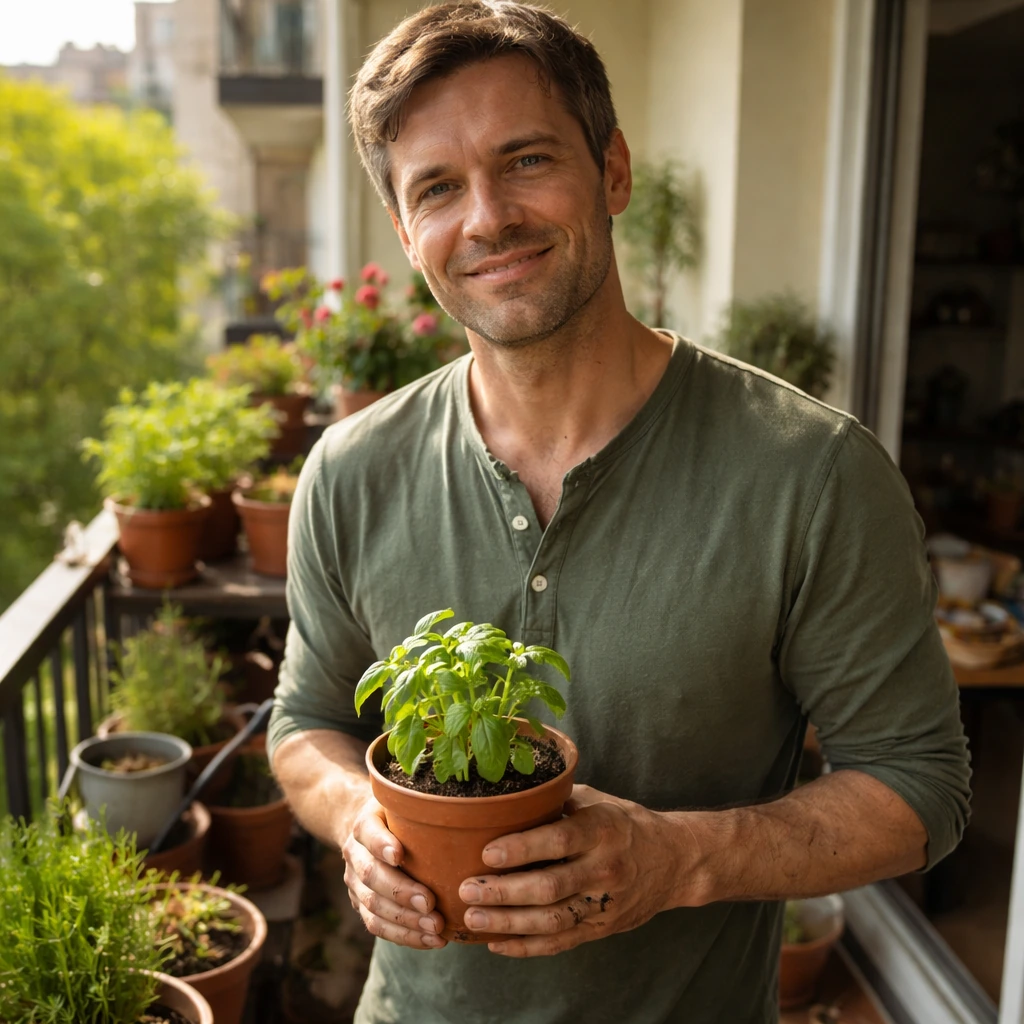
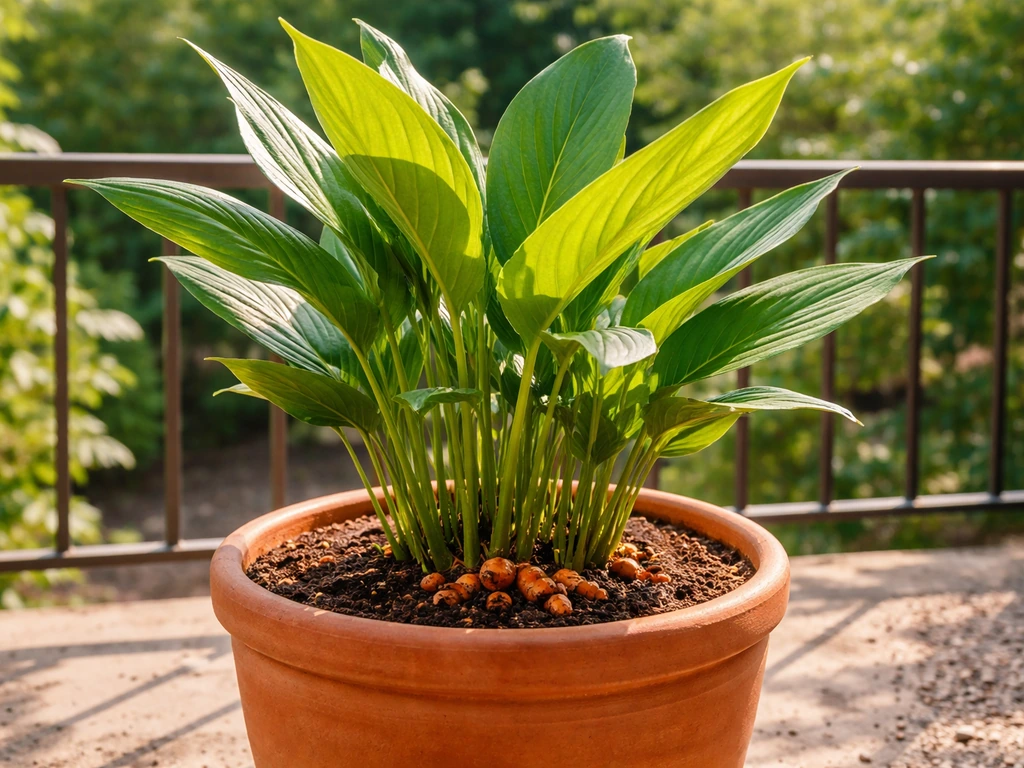
Can you really grow turmeric in a pot (and what to realistically expect)
Turmeric (Curcuma longa) is a tropical plant that's hardy in the ground only in USDA zones 8b through 11. If you're outside those zones, containers are actually the smarter choice because you can start it indoors, move it outside in summer, and bring it back in before the cold hits. Even if you're in a warm climate, pot growing gives you control over drainage and soil quality that ground planting doesn't always offer.
Here's what the growing season looks like in practice: you plant the rhizome in spring, the plant spends the summer producing tall, lush leaves (it can reach 3 to 4 feet tall), and then in late fall the leaves die back and you dig up the roots. The whole cycle takes 8 to 10 months from planting to harvest. What you're harvesting are the rhizomes, not fruit or seeds. Turmeric doesn't reliably produce viable seed, so you always propagate from root pieces. One thing to know upfront: turmeric is a commitment. You're not getting a quick crop. But the harvest of fresh, intensely flavored turmeric root is genuinely worth it.
Choosing the right pot, container setup, and where to put it
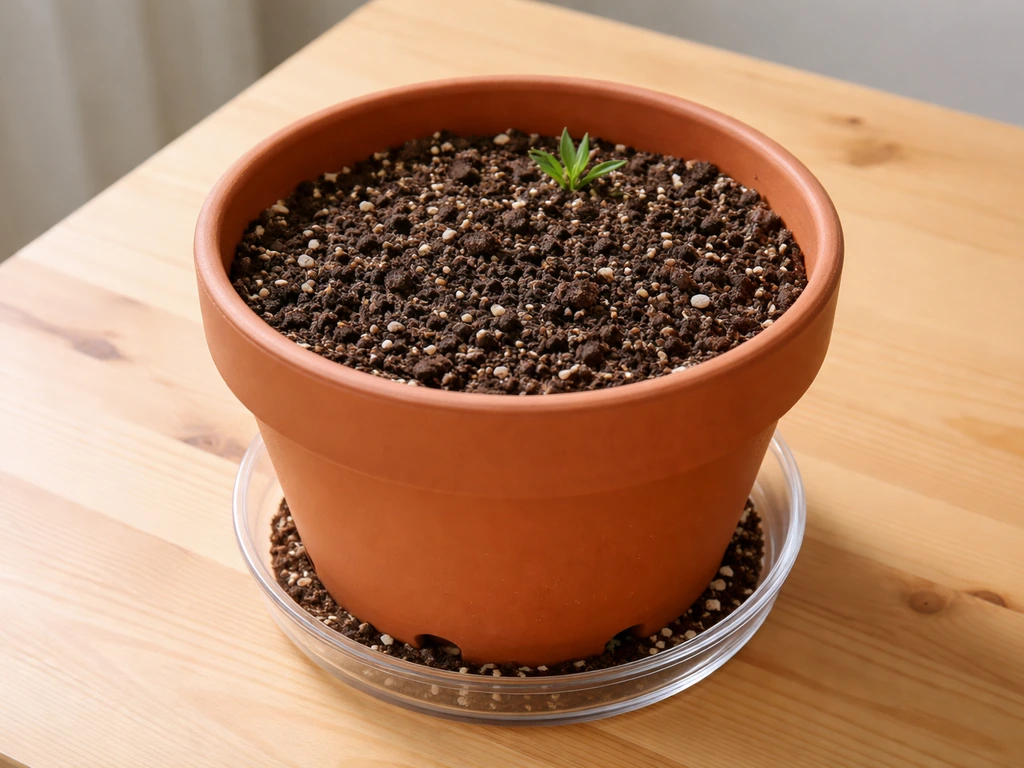
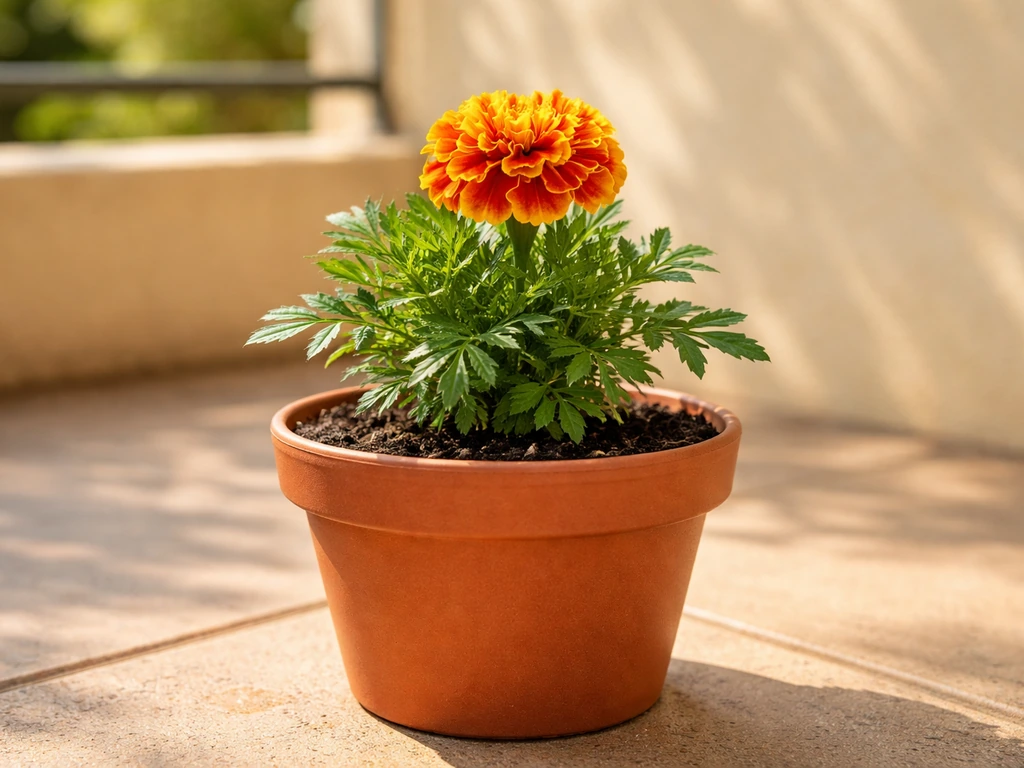
Pot size matters more than people think with turmeric. Marigolds are similarly easy to grow in containers, as long as you use a well-draining potting mix and give them plenty of sun grow marigolds in pots. The rhizomes grow horizontally close to the soil surface, so you need width more than extreme depth. Go with a pot that's at least 12 inches wide and 10 to 12 inches deep per rhizome piece. If you want to plant two or three pieces, use a wider planter, maybe 16 to 18 inches across. A standard 5-gallon pot works well for one rhizome; a half-barrel planter or a wide grow bag handles three or four comfortably.
Drainage is non-negotiable. Turmeric needs consistent moisture but absolutely hates sitting in waterlogged soil, which causes rot fast. Make sure your pot has multiple drainage holes at the bottom, not just one. If you're using a decorative pot without holes, use it as a cachepot and set a plain nursery pot with holes inside it. Lift the inner pot out when you water so it drains fully before going back.
For placement, turmeric wants a warm, bright spot. Outdoors on a sunny patio or balcony is ideal from late spring through early fall. Indoors, put it in your sunniest south or west-facing window. The critical thing is temperature: turmeric grows best between 70 and 85°F (21 to 30°C) and you should never let it drop below 50°F (10°C) or growth stops and the plant can get damaged. Keep it away from cold drafts, air conditioning vents, and windowsills that get chilly at night.
Getting started: choosing rhizomes and planting them properly
Picking good planting material
You can use turmeric rhizomes from a grocery store or Asian market, and they work just fine. Look for firm, plump pieces with visible buds or "eyes" on them, similar to what you'd look for on a potato. Avoid anything shriveled, soft, or moldy. If you're dividing a larger rhizome into pieces, each piece should be at least 1 inch long and have a few eyes visible. More eyes generally means faster, stronger sprouting.
Pre-sprouting (strongly recommended in cooler climates)
Because turmeric needs 8 to 10 months to mature, getting a head start is smart if you live somewhere with cold winters. The Almanac recommends starting indoors in mid-spring, about 4 to 8 weeks before your last frost date. Pre-sprouting basically means planting the rhizome in a small pot indoors and letting it wake up in a warm spot before moving it outside. Soak your rhizome pieces in water for up to 24 hours before planting to rehydrate them and encourage sprouting. This step makes a real difference, especially with grocery-store rhizomes that may have been in cold storage.
Planting step by step
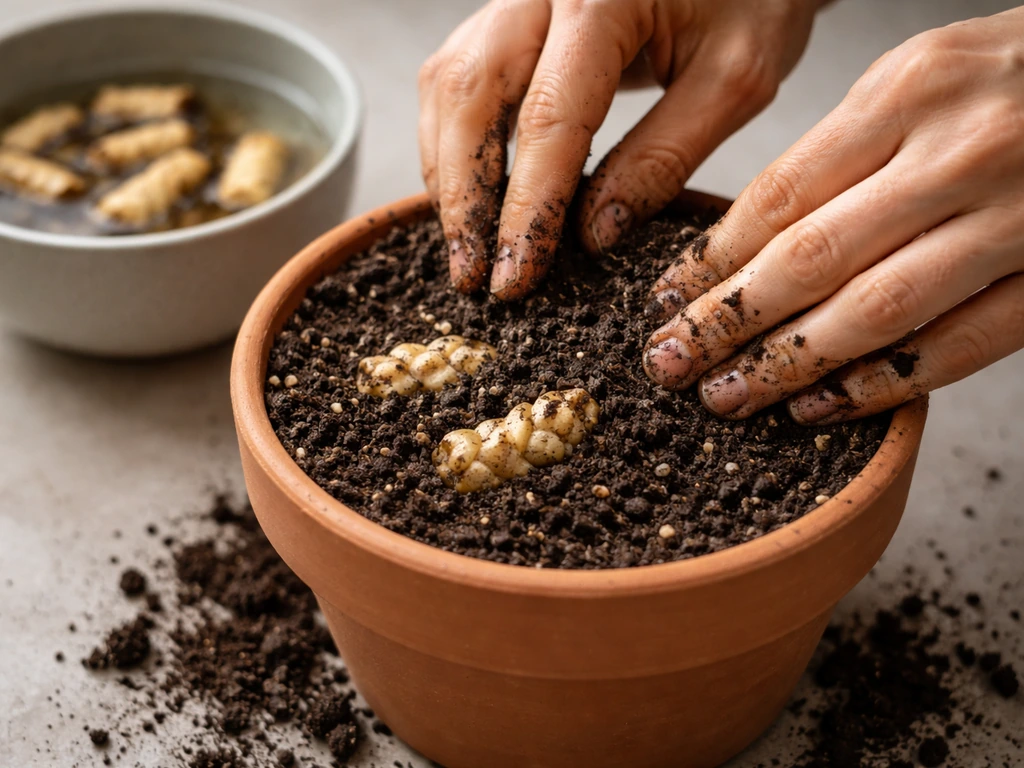
- Soak your rhizome pieces in room-temperature water for up to 24 hours.
- Fill your pot about two-thirds full with your prepared potting mix (more on the mix below).
- Place rhizome pieces horizontally on the soil surface with the buds (eyes) facing up.
- Cover with about 2 inches of potting mix, so the rhizome sits roughly 2 to 4 inches below the surface.
- Water gently until moisture drains from the bottom.
- Place the pot somewhere warm, ideally 75 to 95°F (24 to 35°C). A heat mat under the pot speeds sprouting significantly indoors.
- Be patient. Sprouts can take 2 to 4 weeks to appear, sometimes longer if your space is cool.
The right potting mix, watering routine, and fertilizing
Potting mix
Don't use garden soil in containers. It compacts, drains poorly, and invites disease. Start with a good quality commercial potting mix and improve it before planting. Mix in a generous handful of compost (or vermicompost) per pot to add nutrients and beneficial microbial activity. Then add about 20 to 25% perlite by volume. Perlite is that white, lightweight volcanic material you'll find at any garden center, and it keeps the mix airy and well-draining without holding onto water. The goal is a mix that stays evenly moist but never soggy.
Watering
Turmeric is thirsty. It comes from tropical regions with heavy rainfall, and in containers it dries out faster than in-ground plants. Water whenever the top inch of soil starts to feel dry, but don't wait until the pot is bone dry. The Almanac puts it clearly: keep the soil consistently moist, but never waterlogged. During hot summer months you may need to water every day or two. Stick your finger in the soil, and if it feels dry an inch down, it's time to water. During winter dormancy (if you're storing the pot indoors), dramatically reduce watering.
Fertilizing
Turmeric is a heavy feeder, and containers have limited nutrients compared to the ground, so regular fertilizing matters. Turmeric's nutrient needs follow this order: potassium first, then nitrogen, then phosphorus. In practical terms, use a balanced liquid fertilizer (something like a 10-10-10 or a tomato-type fertilizer that's higher in potassium) every 2 to 3 weeks during the active growing season from spring through early fall. When the plant starts dying back in fall, stop fertilizing completely. If you added compost to your mix at planting, that gives you a nutritional head start and you can ease up slightly on early feeding.
Light, temperature, and care through the growing season
| Season | Light needs | Temperature target | Watering | Fertilizing |
|---|---|---|---|---|
| Spring (planting/sprouting) | Bright indirect light indoors | 75–95°F (24–35°C) for sprouting | Keep moist but not wet | Light feed once sprouted |
| Summer (active growth) | Full sun outdoors or bright window | 70–85°F (21–30°C) | Daily to every 2 days | Every 2–3 weeks |
| Fall (die-back) | Less critical as leaves yellow | Above 50°F (10°C) | Reduce gradually | Stop feeding |
| Winter (dormancy) | Minimal needed | 55–60°F (13–16°C) for storage | Very light, just prevent total drying | None |
If you're in a cold-winter climate, bring the pot indoors before nighttime temperatures drop near 50°F. You don't need to dig the rhizomes out right away. You can leave them in the pot and store the whole thing somewhere cool but frost-free, like a basement or garage, at around 55 to 60°F (13 to 16°C). At that temperature, the rhizomes stay dormant without rotting or sprouting prematurely. If you want to restart growth in spring, move the pot to a warmer spot (or use a heat mat) to coax the buds back into action.
Ongoing care, common problems, and how to fix them
The rhizome won't sprout
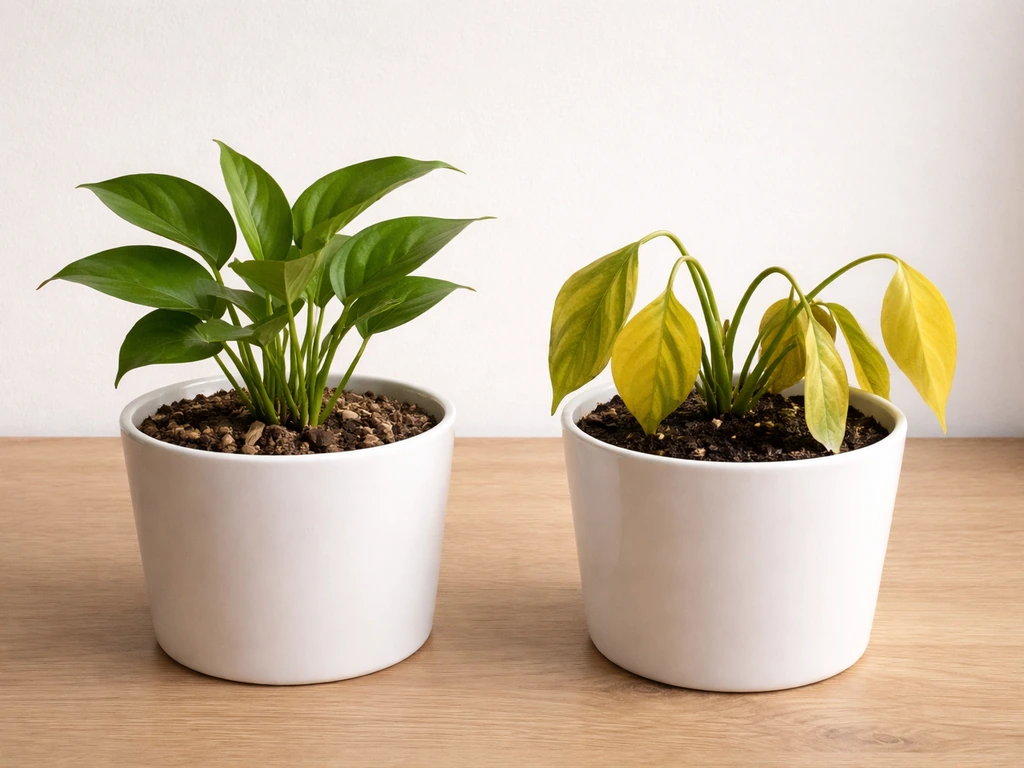
This is the most common frustration. The usual culprit is temperature: if the pot is sitting somewhere below 70°F (21°C), sprouting will be painfully slow or won't happen at all. Try moving the pot to a warmer spot or placing a seedling heat mat underneath it. Also check that you soaked the rhizome before planting. If you're several weeks in with no sign of life, gently dig down and check that the rhizome isn't rotting. If it's still firm and shows no rot, be patient and add warmth.
Root rot
Root rot comes from overwatering or poor drainage. If your plant looks wilted and sad despite the soil being wet, or if you notice a musty smell, tip the plant out and check the roots. Healthy roots are firm and light-colored. Rotted roots are mushy, dark, and may smell bad. If you catch it early, trim off the affected areas, let the healthy rhizome dry out for a day, repot into fresh dry mix, and ease up on watering. The fix long-term is always better drainage: more perlite in the mix and always letting excess water drain away completely.
Weak, spindly growth
If your turmeric plants look pale, thin, or stretched out, they're almost certainly not getting enough light. You can use the same pot-growing mindset to learn how to grow cannas in pots, especially by dialing in light, warmth, and watering. Move the pot to a brighter location. Indoors, turmeric will struggle without a very sunny window or a supplemental grow light. Outdoors in full sun, it grows much more robustly. Weak growth can also signal under-fertilizing in containers, so check your feeding schedule.
Pests: spider mites, aphids, and mealybugs
Spider mites are the most likely pest, especially indoors or during hot, dry stretches. Look for fine webbing on the undersides of leaves and a stippled, dusty appearance to the foliage. Aphids cluster on new growth and mealybugs look like white cottony fluff. For all of these, insecticidal soap spray is your first move. Spray thoroughly, including leaf undersides, and repeat every 5 to 7 days for 2 to 3 weeks. To prevent spider mites specifically, keep humidity up around the plant by misting or setting the pot on a tray of pebbles and water. Good air circulation also helps reduce pest and disease pressure in general.
Harvesting, curing, and saving rhizomes for next year
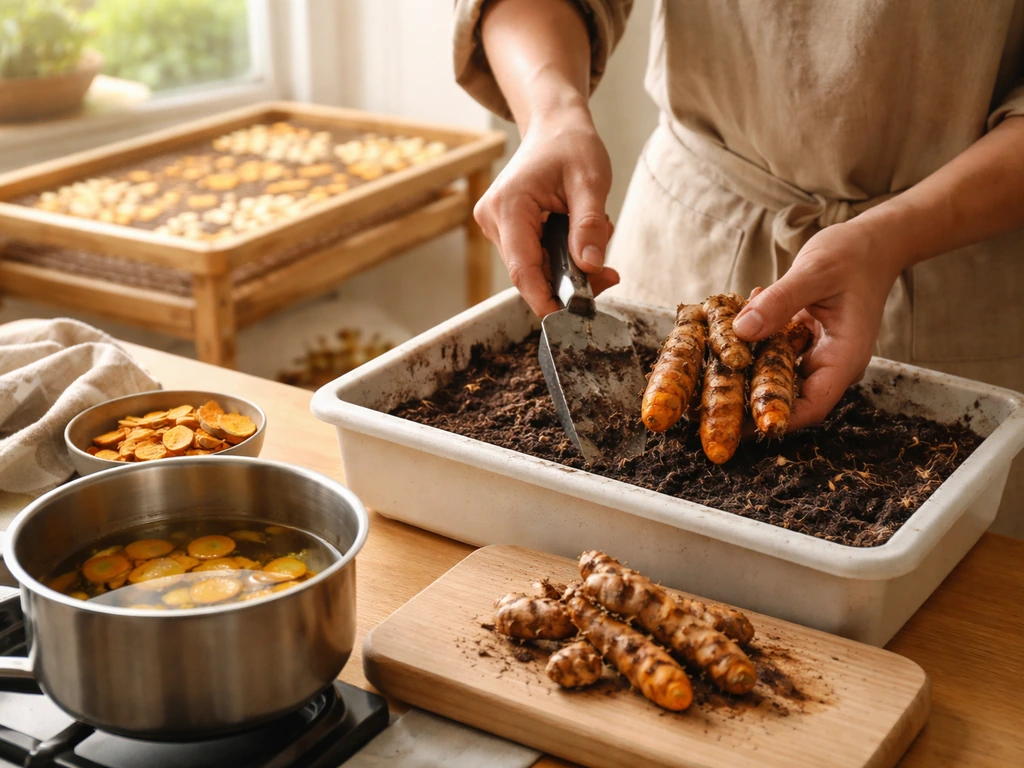
When and how to harvest
Harvest time arrives 8 to 10 months after planting, typically in late fall when the leaves yellow and die back. That die-back is your cue that the plant is done for the season and the energy has moved down into the rhizomes. Tip the entire root ball out of the pot onto a tarp or newspaper. You'll find a cluster of plump, orange-fleshed rhizomes. Shake off the soil and snap or cut the rhizomes apart. They break apart easily at the joints. Handle them carefully to avoid bruising, and wear gloves because turmeric stains everything bright yellow.
What curing means (and whether you need to bother)
Curing is a processing step used when you want to make dried turmeric powder. It involves boiling fresh rhizomes until they're soft all the way through, then drying them in the sun or a dehydrator until rock hard. From there you can grind them into the bright orange powder you know from cooking. For home growers, though, most people just use the fresh rhizomes as-is in cooking and save a few pieces for replanting. Fresh turmeric has a brighter, more floral flavor than dried and keeps in the fridge for several weeks. UF/IFAS EDIS also describes postharvest turmeric-rhizome steps such as trimming and curing practices intended to improve shelf life and storage quality ENH1391 EP655 pdf. You only need to go through the full curing and drying process if you want to make your own powder in bulk.
Storing and replanting for the next cycle
Set aside your best-looking, firmest rhizome pieces for replanting next spring. Each piece should be at least 1 inch long with visible eyes. Store them somewhere cool but not freezing, around 50 to 60°F (10 to 15°C), which is the basement, a cool garage, or even the vegetable drawer of your refrigerator. At those temperatures they stay dormant and viable. Avoid storing below 50°F or they can be damaged by cold. When spring rolls around, soak the saved pieces in water for 24 hours and start the whole cycle again. It's genuinely satisfying to run a full circle from one rhizome to a whole harvest and back to planting again.
If you enjoy growing tropical plants and spices in containers, turmeric pairs well in a patio herb setup alongside other warm-season container projects. Cardamom, for instance, has similar warm-humid preferences and makes a great companion experiment if you want to expand your edible tropical garden. Cardamom can also be grown in pots, but it needs similar warmth and consistent moisture. Cinnamon is another container spice worth exploring once you've got turmeric dialed in. Once you’ve got turmeric dialed in, you can follow this guide to learn how to grow cinnamon in a pot.
FAQ
What potting mix should I use if I already have garden soil at home?
Avoid garden soil in containers. It compacts over time and can turn soggy, which increases rot risk. If you must use what you have, use it only as a minor component and still base your mix on a quality commercial potting mix, then add perlite for airflow (target about 20 to 25% perlite by volume).
How deep should I plant turmeric rhizomes in a pot?
Plant pieces shallowly, since the rhizomes grow horizontally near the surface. A practical rule is to cover with only a light layer of mix (roughly 1 to 2 inches), then leave the buds or eyes oriented upward. Planting too deep often slows sprouting and encourages rot.
My turmeric sprouted but then stalled, what should I check first?
First check temperature at root level. If the pot sits below about 70°F (21°C), growth can stall even if the leaves look alive. Next, confirm the soil is moist but not wet (drainage holes clear and no standing water in saucers). Finally, make sure it is getting enough light, pale and thin growth usually signals low light.
Can I start turmeric from a grocery store rhizome and expect reliable results?
Yes, but pick firm, plump pieces with visible buds (eyes). Grocery rhizomes can be cold-stored, so pre-soaking up to 24 hours and then using warmth to kick-start growth helps a lot. If a piece is shriveled or smells moldy, discard it to prevent rot in the pot.
Should I fertilize immediately after planting?
Usually wait until active growth begins (when you see clear sprouts and leaves). Compost in the pot can provide an early nutrient boost, so starting too early with strong feeding can stress the rhizome. Once actively growing, then follow a potassium-forward schedule every 2 to 3 weeks.
What do I do if the leaves yellow early, before the 8 to 10 month cycle?
Early yellowing often points to stress like cold exposure, soggy soil, or nutrient imbalance. Verify the pot is not dropping near or below 50°F (10°C). Check the drainage and inspect for musty odor, if the soil has stayed wet. If the mix stays dry while leaves yellow, that can also happen from underwatering.
How do I tell the difference between dormancy and a problem like rot?
Dormancy typically happens in late fall after the normal warm-season growth, the plant looks like it naturally dies back, and the rhizomes remain firm. Rot is usually paired with a foul or musty smell and mushy dark tissue. If in doubt, gently dig down and check firmness.
How often should I water if I live in a very hot or humid climate?
Hot summers often require daily or near-daily checks, but humid climates can keep the top layer moist while roots still need oxygen. Water only when the top inch starts to dry, then water thoroughly until it drains from the bottom. In humid areas, prioritize fast drainage and airflow over increasing frequency.
Can I grow turmeric indoors year-round?
It is possible, but you must manage warmth and light. Use a warm spot or a heat mat under the pot during cooler periods, and provide very bright light, a sunny window may still be insufficient. If you cannot maintain stable warmth, plan for seasonal dormancy by reducing watering and storing it cool but frost-free until spring.
When should I move my pot outdoors in spring?
Move it after nighttime temperatures are reliably above about 50°F (10°C). If nights are cool, acclimate gradually by bringing it out only during the warmest daytime hours at first. Sudden cold snaps are a common reason turmeric fails to sprout or damages new growth.
How long can I keep a harvested rhizome before replanting?
For replanting, store selected pieces somewhere cool but not freezing, around 50 to 60°F (10 to 15°C). If you go colder than about 50°F (10°C), the rhizome can be damaged. Aim to soak saved pieces for 24 hours and replant in spring so they wake up properly.