You can successfully grow gotu kola in pots using a wide, shallow container at least 12 inches across, filled with a moisture-retentive but well-draining mix of regular potting soil amended with about 20–30% perlite or coarse sand. You might also be wondering can you grow godetia in pots, and the answer is yes with the right container and care.
How to Grow Gotu Kola in Pots: Complete Container Guide
Marcus Whitley
25 Apr 2026
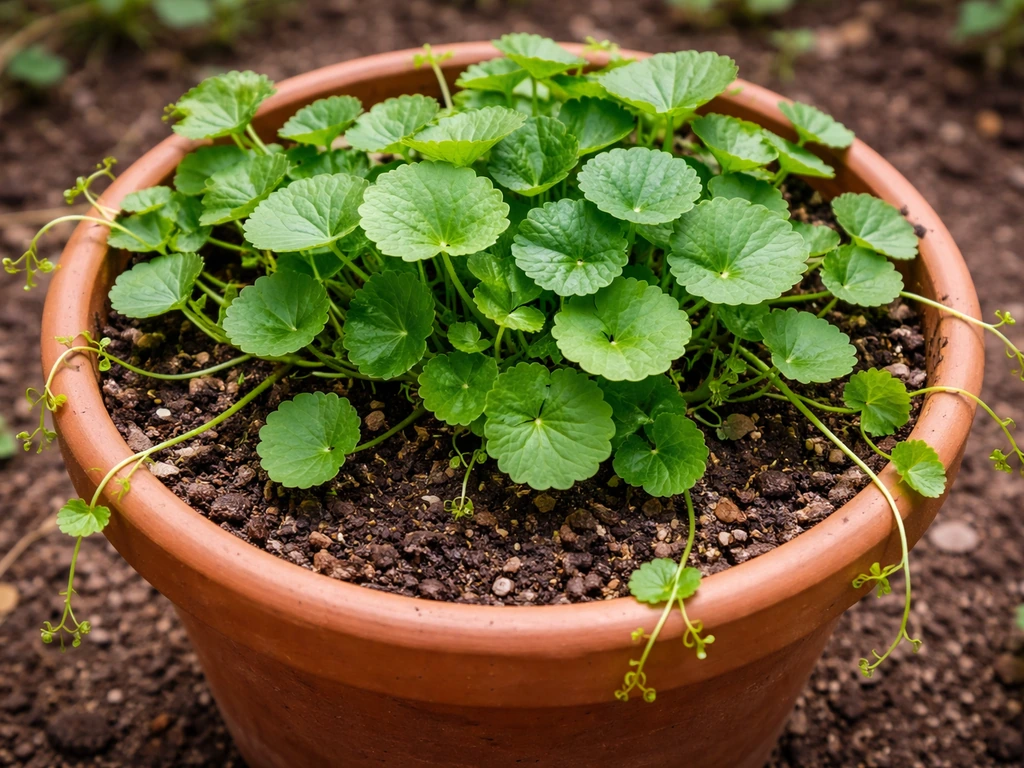
Keep it consistently moist, give it bright indirect light or a half-sun spot, and this low-maintenance herb will reward you with a continuous harvest of fresh leaves within a few weeks of getting established. The trick with gotu kola in containers is mostly about water: it hates drying out, but it also hates sitting in soggy, stagnant water. Nail that balance and the rest is easy.
Choosing the right pot and soil
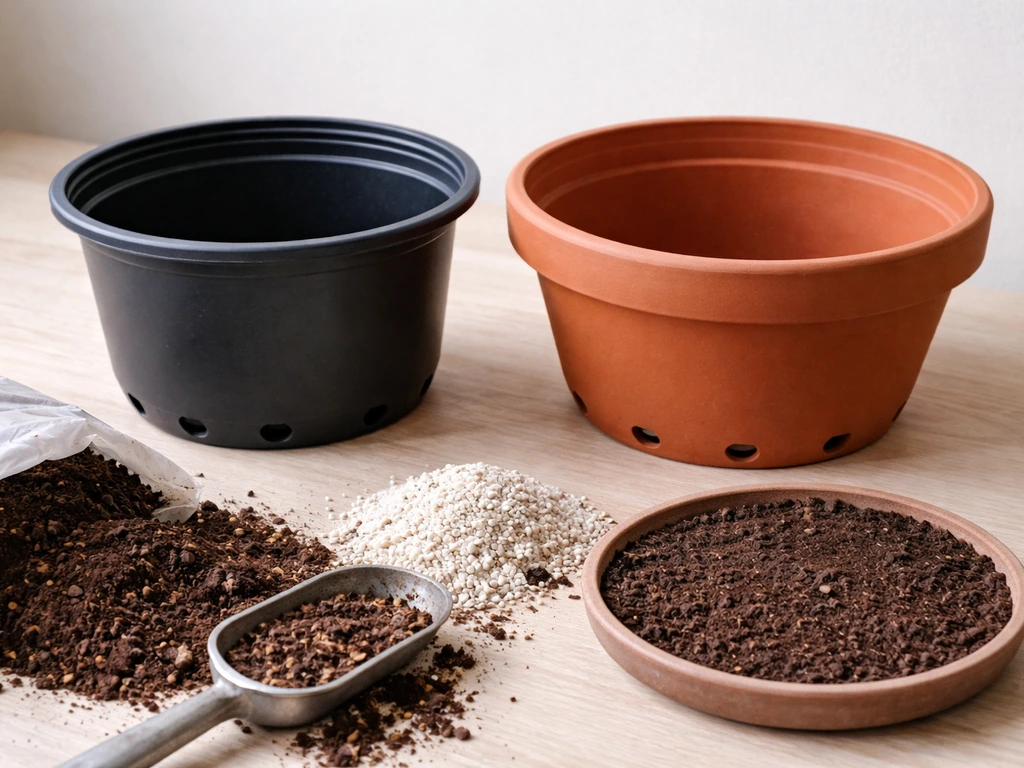
Gotu kola is a spreading, ground-hugging plant that grows on long runners called stolons. It spreads outward rather than upward, so wide is more important than deep. A pot that is at least 12 inches in diameter and around 8–10 inches deep is the minimum I'd recommend for a single plant. A 16-inch or larger pot is even better if you want a productive harvest plant. If you want to grow it in a window box or a wide rectangular planter, that works great too. Think horizontally.
Material-wise, terracotta looks nice but dries out fast, which is a problem for a plant that needs constant moisture. Plastic or glazed ceramic pots retain water much better and are my preference for gotu kola. Whatever you choose, drainage holes are non-negotiable. This plant loves moisture but will rot quickly if its roots are sitting in standing water.
For soil, gotu kola is remarkably tolerant of pH, handling anywhere from mildly acidic to slightly alkaline conditions (roughly pH 6. Bluelab’s pH and nutrient balance page provides example optimal pH ranges that support why nutrient uptake changes with pH gotu kola is remarkably tolerant of pH. 0 to 9.0), so you don't need to fuss over testing. A good standard potting mix works as your base, but you need to amend it. Mix in about 20–30% coarse sand or perlite to improve drainage without sacrificing moisture retention. This mirrors the sandy, loamy conditions where gotu kola thrives in nature. Avoid using straight garden soil in a pot as it compacts badly and cuts off root oxygen.
- Pot size: minimum 12 inches wide, 8–10 inches deep; bigger is better for spreading growth
- Best materials: plastic or glazed ceramic to retain moisture; avoid unglazed terracotta
- Always use a pot with drainage holes
- Soil mix: standard potting mix blended with 20–30% perlite or coarse sand
- pH range: 6.0–9.0, so almost any quality potting mix will work fine
- Avoid compacting the soil; gotu kola roots need air and water to move freely
One practical tip: place a saucer under your pot, especially indoors or on a balcony. But empty it within 30 minutes of watering. A saucer full of standing water is an invitation for root rot, and I've lost plants that way before I learned to just dump the saucer.
Starting gotu kola: seeds vs cuttings (and transplanting)
You have two options for starting gotu kola: seeds or cuttings. Cuttings are faster and more reliable, so if you can get a cutting from someone's plant or buy a small starter plant, do that first. Seeds work, but they require some patience and attention to a few key details.
Starting from cuttings
Take a 3–4 inch stem cutting that includes at least one or two nodes (the little joints where leaves emerge). You can root it one of two ways: place the cut end in a glass of water and wait for roots to appear in 1–2 weeks, or stick it directly into moist potting mix. If you're going the soil route, dipping the cut end in a rooting hormone gel like Clonex before planting will speed things up noticeably. Cover the cutting with a humidity dome or a clear plastic bag to keep moisture in, misting lightly if you see wilting. Once you see new leaf growth, the cutting has rooted and you can remove the cover.
Starting from seeds
Gotu kola seeds have one unusual quirk: freshly harvested seeds often won't germinate even if you do everything right. Seeds that are 2–3 months old germinate much better, with success rates reported as high as 82% under good conditions. So if you bought fresh seeds and they're not sprouting, age might be the issue rather than your technique. Sow seeds in moist seed-starting mix, keep them warm (25–30°C is the sweet spot), and give them bright indirect light. Germination typically takes 2–4 weeks. Avoid cold soil, as germination drops off significantly below 20°C.
Transplanting into your pot
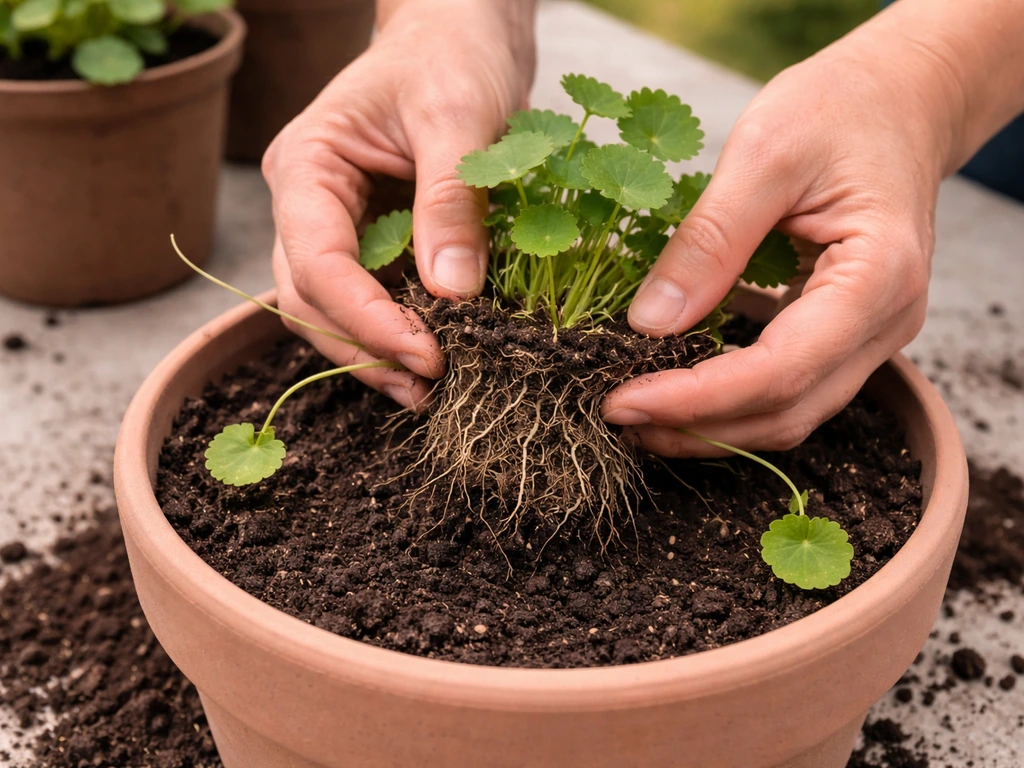
Whether you've rooted a cutting or raised a seedling, transplant when the plant has a few established leaves and a visible root system. Handle the roots gently and plant at the same depth it was growing before. Water in well immediately after transplanting and keep the pot in a shaded, sheltered spot for the first few days while it adjusts. Avoid fertilizing for the first two weeks after transplanting to let the roots settle in without stress.
Light, temperature, and watering in containers
Light
Gotu kola prefers partial shade to dappled sunlight. It can handle morning sun but struggles in hot, direct afternoon sun, especially in summer. Think of it as a woodland-edge plant. Indoors, a bright windowsill with indirect light works well. Outdoors, a spot that gets 3–4 hours of gentle morning sun and shade for the rest of the day is ideal. If your plant's leaves look pale or washed out, it's getting too much direct sun. If growth is very slow and stems are reaching toward the light, give it a slightly brighter spot.
Temperature
Gotu kola is a tropical herb that loves warmth. It grows vigorously between about 20–30°C and slows down below 15°C. It is frost-tender, meaning freezing temperatures will kill the above-ground growth. In USDA zones 8 and above, it can sometimes survive mild winters outdoors if the roots are protected, though it may die back to the ground. In zones 7 and below, treat it as a container plant you bring indoors for winter. Temperatures below about -5°C to -10°C will likely kill the roots too, not just the leaves.
Watering
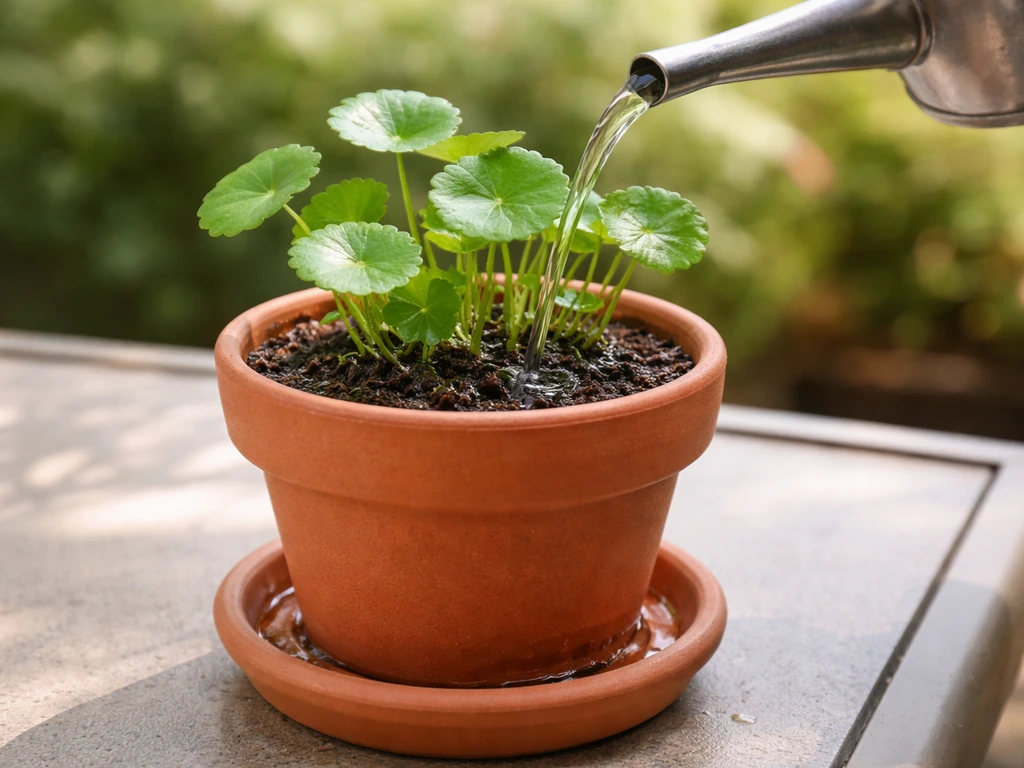
This is where most people go wrong in containers. Gotu kola is not drought-tolerant at all and needs consistently moist soil. In warm weather, that might mean watering every 1–2 days for a pot in a warm spot. In cooler weather or indoors, every 2–3 days may be enough.
The best check: stick your finger an inch into the soil. If it feels dry, water now. If it still feels damp, wait a day. When you water, water thoroughly until it drains from the bottom, then empty the saucer.
Never let the pot sit in pooled water. In small pots (under 10 inches), the risk of overwatering is real because the water has nowhere to go if the soil is dense, so always confirm your drainage holes are clear.
Fertilizing and everyday container care
Gotu kola is a moderate feeder. In a container, where nutrients wash out with every watering, a regular fertilizing schedule matters more than it would in the ground. During the active growing season (spring through early fall), feed every 2–4 weeks with a balanced liquid fertilizer. A balanced NPK ratio like 10-10-10 or something slightly higher in nitrogen (the first number) works well since you're growing gotu kola for its leafy growth. Dilute to half the recommended strength to avoid fertilizer burn on the roots, which can happen easily in containers.
As growth slows in fall and temperatures drop, cut back on fertilizing and then stop entirely through winter. Feeding a dormant or slow plant just causes salt buildup in the soil without benefiting the plant.
Every 6–12 months, flush the pot thoroughly with plain water to wash out any fertilizer salt accumulation. Just pour water through the soil slowly for a few minutes and let it run out the bottom freely. This is especially important if you notice a white crusty deposit forming on the soil surface or pot rim.
As gotu kola spreads, it will eventually fill its pot and start looking crowded. When roots start poking out of the drainage holes or the plant seems to dry out faster than usual despite your watering routine, it's time to repot. Move up to a pot 1–2 inches larger in diameter, gently loosen the root ball, and refresh with new potting mix. Alternatively, divide the plant and start a new pot from a rooted section.
Common problems and how to fix them fast
Most gotu kola problems in containers come down to water, light, or airflow. Here's what to look for and what to do:
| Problem | Likely Cause | Fix |
|---|---|---|
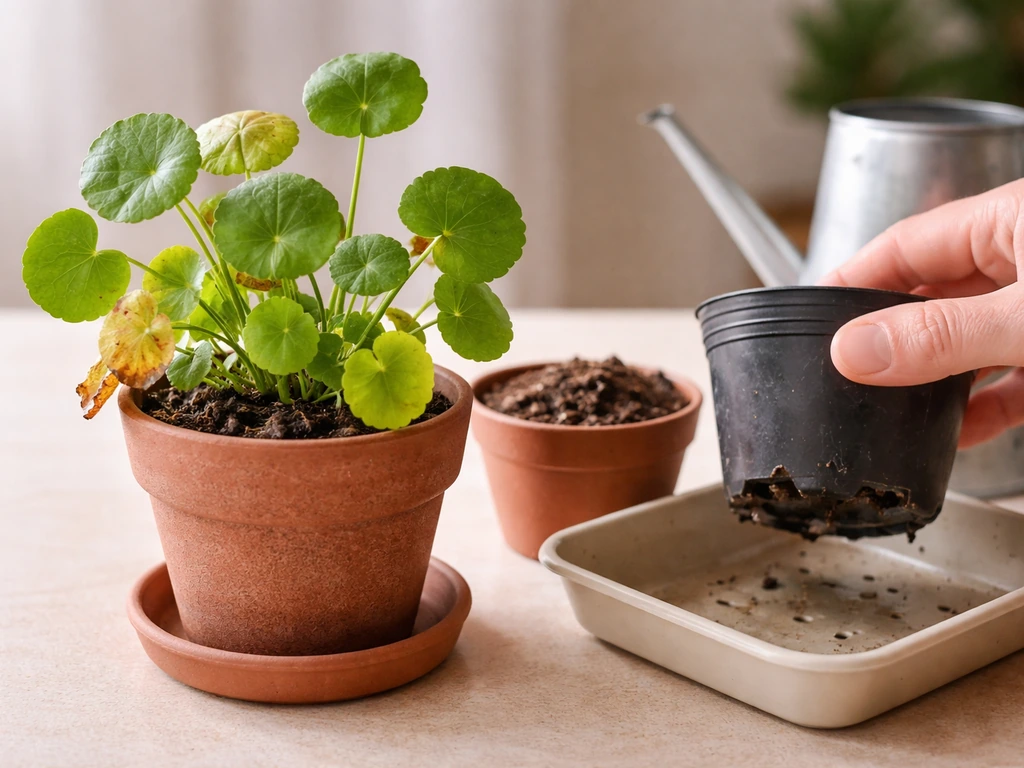
| Yellowing leaves | Overwatering or poor drainage | Check drainage holes; let top inch dry before next watering; repot into better-draining mix if needed |
| Drooping/wilting despite wet soil | Root rot from standing water | Unpot, trim any black/mushy roots, repot in fresh mix with better drainage; remove saucer water immediately |
| Drooping in dry soil | Underwatering or heat stress | Water immediately and move to a shadier, cooler spot |
| Leggy, stretched stems | Too little light | Move to a brighter location with more indirect light |
| Gray fuzzy patches on leaves | Botrytis (gray mold) from humid, stagnant air | Remove affected leaves, improve airflow, reduce overhead watering, space plants so air circulates |
| White powdery coating on leaves | Powdery mildew | Improve airflow, avoid wetting leaves, remove badly affected leaves; treat with diluted neem oil if persistent |
| Tiny insects on stems/undersides of leaves | Aphids or spider mites | Blast with water to dislodge; treat with insecticidal soap spray; repeat weekly for 2–3 weeks |
Root rot deserves a special mention because it's the sneakiest problem. The plant looks wilted even though the soil is wet, which fools people into watering more, making it worse. If you press your finger into the soil and it's soaking wet and the plant still droops, stop watering and check the roots. Healthy roots are white or tan and firm. Rotting roots are brown or black and soft. Trim off the dead roots with clean scissors, let the root ball air for an hour, then repot into fresh, drier mix.
Harvesting gotu kola from your pot
One of the best things about gotu kola is that it's a cut-and-come-again plant. You don't pull the whole plant to harvest, and you don't need to replant after cutting. It just keeps producing new leaves as long as you harvest correctly.
Wait until your plant is well established before harvesting, usually 4–6 weeks after transplanting a cutting, or 8–10 weeks from seed. The plant should have plenty of leaves and look vigorous before you start cutting. Once established, you can harvest regularly through the growing season.
To harvest, snip stems just above a leaf node (the point where a leaf meets the stem). This encourages the plant to branch and produce more growth rather than just leaving a bare stem. Never remove more than one-third of the plant at a time. If you strip it too hard, it slows recovery significantly, especially in containers where the root system is already limited compared to in-ground plants.
Fresh leaves can be used immediately in salads, smoothies, or herbal teas, or stored in a damp paper towel in the fridge for a few days. Harvest in the morning when the leaves are at their most hydrated. During peak summer growing season, you may be able to harvest every 2–3 weeks from the same pot if the plant is well-fed and consistently watered.
If you want the same kind of steady leaf production, learning how to grow gongura in pots will help you keep your plants thriving through the season harvest every 2–3 weeks. If you want the same kind of steady leaf production, learning how to grow durva grass in pots can help you keep your container plants thriving through the season.
If you want a similar cut-and-come-again leafy herb, learning how to grow gaura in pots can help you get great results in containers how to grow gongura in pots.
Overwintering and keeping your plant going year to year
Whether you treat gotu kola as a perennial or an annual depends on where you live. In warm climates (USDA zone 8 and above), you may be able to leave it outdoors year-round with some protection. In zones 7 and below, bring it inside before your first frost if you want to keep the plant alive.
Bringing it indoors
Move your pot indoors before temperatures drop below about 10°C consistently. Find a bright spot with indirect light, like a south or east-facing window. The plant will slow its growth noticeably in winter, and that's completely normal. Keep temperatures above 10°C at all times, and ideally between 15–20°C for minimal but steady growth. Water much less frequently in winter since the plant isn't actively growing and evaporation slows, but don't let the soil dry out completely. Stop fertilizing until spring.
Overwintering outdoors in mild climates
If you're in zone 8 or 9 and winters are mild with only occasional frost, you can try keeping the pot outdoors in a sheltered spot, like against a south-facing wall or in an unheated greenhouse. The leaves may die back after a frost but the roots can survive and regrow in spring as long as temperatures don't drop much below -5°C. Mulch the top of the pot with straw or fleece to insulate the roots. One practical warning: in cold climates, water can freeze inside a pot and crack the container. Empty ceramic and terracotta pots are most vulnerable to this; plastic pots handle freeze-thaw cycles better.
Starting fresh vs keeping the same plant
If you successfully overwintered your plant indoors, move it back outside gradually in spring once nighttime temperatures are reliably above 10°C. Acclimate it to outdoor conditions over about a week by putting it outside for a few hours a day before leaving it out full-time. Resume fertilizing once you see new active growth. If the plant didn't make it through winter, don't be discouraged: gotu kola grows quickly from cuttings and can go from cutting to harvest-ready in 6–8 weeks in warm weather. Many gardeners who grow herbs like gotu kola in pots simply take a few cuttings in late summer, root them indoors, and start fresh pots each spring with young, vigorous plants.
FAQ
How often should I water gotu kola in pots if the weather changes day to day?
Use the finger test every time (about 1 inch down). In hot, windy conditions, the surface can feel dry even when deeper soil is still moist, so don’t water on the surface alone. If the soil feels damp, wait 24 hours, then recheck. When you do water, do it until you see drainage, then empty the saucer within 30 minutes.
Will gotu kola tolerate a fully sun spot on a balcony or patio?
It can handle gentle morning sun, but strong afternoon sun often causes pale, washed out leaves and slower recovery after harvesting. If you only have hot direct sun, use partial shade with a sun cloth or position it so it gets shade during the hottest hours.
What’s the best pot size for multiple plants, and how do I space runners?
Because gotu kola spreads via stolons, crowding quickly reduces moisture stability and harvest yield. For best results, keep one plant per pot if you want easy watering, or space divisions so each plant has room to trail without immediately filling gaps. If roots start poking from drainage holes or the soil dries much faster than expected, it’s time to move up or divide.
My potting mix stays wet, but my gotu kola looks wilted. Is that drought or overwatering?
If the soil is soaking wet and the plant droops, treat it as a root problem rather than drought. Stop watering, check roots, and look for brown or black soft roots. Healthy roots should feel firm and look tan or white. After trimming dead roots, repot into a slightly drier mix and improve airflow around the pot.
Can I use terracotta pots for gotu kola if I’m worried about drying out?
You can, but you’ll likely water more often because terracotta breathes and dries quickly. To reduce swings, choose a larger diameter pot (for more soil volume), consider a plastic saucer that drains fast (never left filled), and monitor with the finger test. If you often forget to water, glazed ceramic or plastic is easier.
Does gotu kola need fertilizer, or can I rely on fresh potting mix?
Fresh mix supports early growth, but container nutrients wash out with repeated watering. For steady leaf production, feed during spring through early fall every 2 to 4 weeks with a balanced liquid fertilizer at half strength. Skip fertilizing in winter when growth slows, to avoid salt buildup.
How do I prevent fertilizer salt crust in a container?
Flush the pot every 6 to 12 months, and also use half-strength fertilizer. If you see white crust on the rim or top layer, it’s a sign salts are accumulating, flush sooner. During winter, reduce or stop feeding so the salts stop building up.
What should I do if my seeds don’t germinate even though temperatures are warm?
Seed age is the most common issue. If the seeds are freshly harvested, they may fail even with perfect technique. Try using seeds that are at least 2 to 3 months old, keep the starting mix consistently moist, and aim for warm conditions (around 25 to 30°C). Also avoid cold soil, germination drops significantly below about 20°C.
Is rooting gotu kola cuttings better in water or directly in soil?
Water rooting is easy to monitor, roots appear in about 1 to 2 weeks, and you can see progress clearly. Soil rooting is often less work later because you avoid transplant shock, but it needs consistent moisture and humidity cover. Either method works, and rooting hormone gel speeds up the soil route.
How do I harvest without damaging container growth?
Start harvesting only after the plant is well established, then snip just above a leaf node. Never remove more than one third of the plant at once, because containers have limited root volume and recovery slows. If growth slows after heavy harvesting, wait for new branching before taking more.
Can I grow gotu kola hydroponically or in an outdoor self-watering pot?
You can try hydroponics, but it changes root oxygen needs, so it requires careful control and frequent checks. For self-watering planters, the key is ensuring the reservoir does not keep roots in constant standing water. If your setup wicks moisture too aggressively, gotu kola can rot, so prioritize drainage and root airflow.
How do I overwinter gotu kola in a pot without losing it?
Bring the pot indoors before temperatures stay below about 10°C. Keep it in bright, indirect light and water less frequently because evaporation slows. Don’t fertilize until you see active new growth, then acclimate it outdoors over about a week once nights are reliably above 10°C.