Yes, sago palms grow really well in pots, and honestly they're one of the better candidates for container life. If you’re also interested in other palms, the general approach is similar: pick a pot with strong drainage, use a fast-draining mix, and follow a consistent watering schedule how to grow palms in pots. They're slow-growing (we're talking one to two inches a year), long-lived, and they actually prefer to be a little root-bound. That means you're not repotting every season, you're not fighting a plant that wants to outgrow its space, and you get a striking, architectural look on a patio or indoors with minimal fuss. The main thing that kills sago palms in pots isn't neglect, it's overwatering and poor drainage. Get those two things right and the plant practically takes care of itself.
How to Grow Sago Palm in a Pot: Step-by-Step Guide
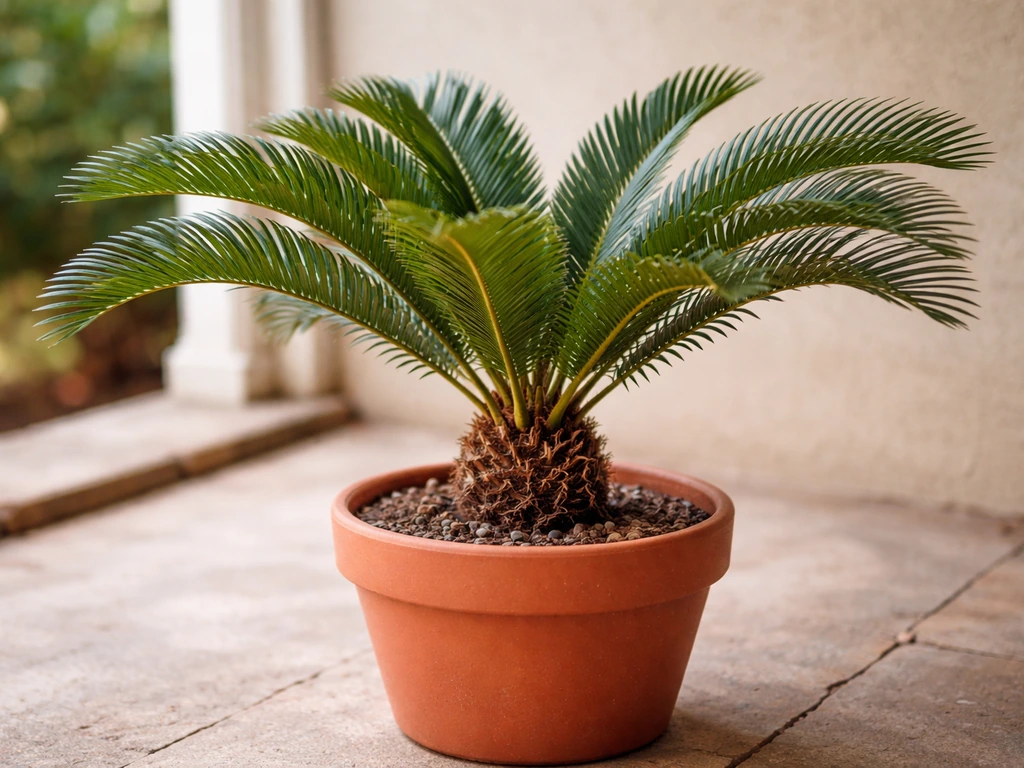
What to expect when growing a sago palm in a pot
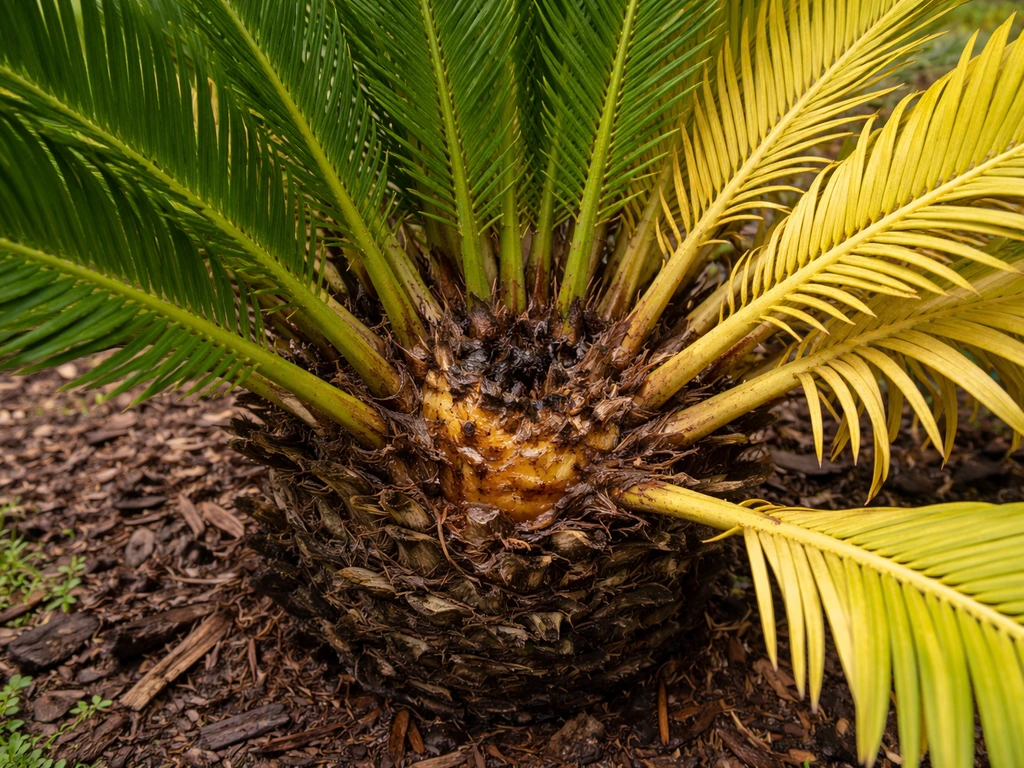
Sago palms (Cycas revoluta) are not actually palms, they're cycads, one of the oldest plant families on the planet. But they look like palms, they grow like palms, and for container purposes, they behave better than most actual palms because of that slow growth rate. UF/IFAS research puts growth at roughly one to two inches per year, with new leaves flushing only once annually. In the ground, a sago palm can eventually hit around eight feet tall, but in a pot that timeline stretches out enormously, and you can manage the size by choosing the right container.
Container growing works well for sago palms for two main reasons: it controls size, and it lets you move the plant to protect it from frost. In warmer climates (USDA zones 9 to 11), you might leave it outside year-round. In cooler zones, the pot becomes essential for bringing it indoors during winter. Either way, expect a slow but very long-lived plant. Sago palms are famously long-lived, so what you're planting today could still be thriving decades from now. That slow pace can be frustrating if you want quick results, but it also means a small mistake doesn't ruin the plant overnight.
Picking the right pot, size, and drainage setup
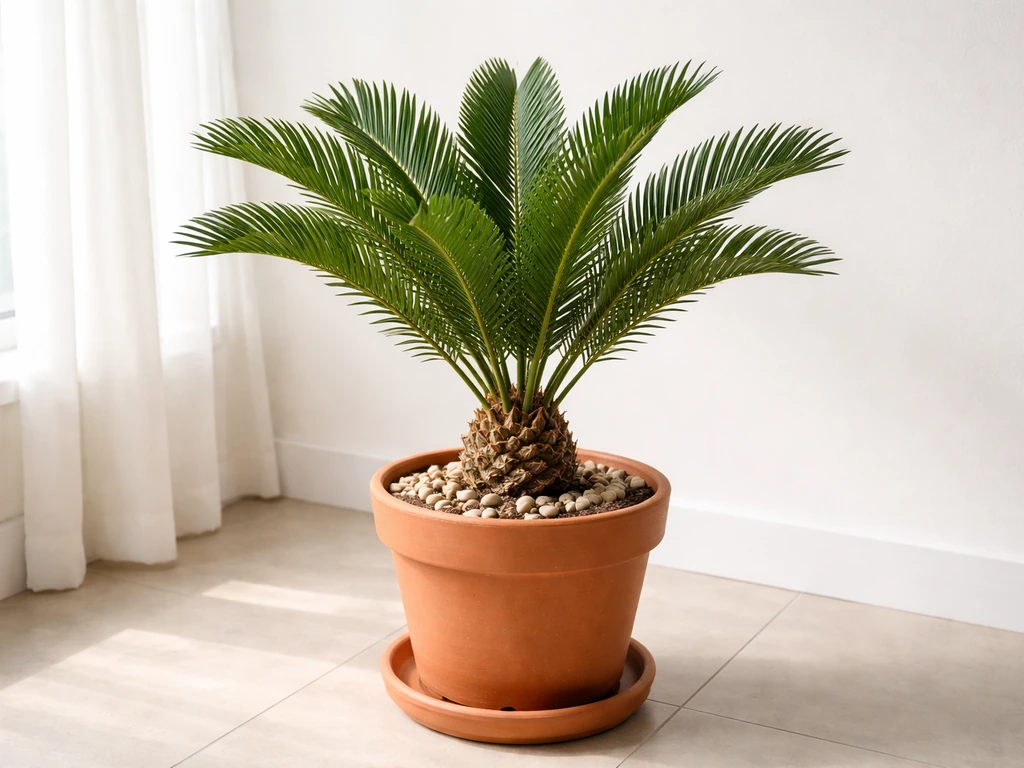
Start with a pot that's about two to four inches wider than the plant's base (the caudex, which is the rough, pineapple-shaped trunk at the bottom). Sago palms don't need a huge amount of root space, they like a snug fit. A pot that's too large holds excess moisture, which is the number one cause of root rot. For a small nursery sago palm, a 10 to 12 inch diameter pot is usually plenty. You'll only need to upsize every three to five years, and even then, only go up one pot size at a time.
Material matters more than people think. Terracotta is the best choice for sago palms in pots because it's porous and wicks moisture away from the soil, reducing rot risk significantly. Plastic pots hold more moisture, which can work in very hot, dry climates but becomes a problem in humid or cool conditions. Glazed ceramic is a middle ground, attractive but less breathable than terracotta. Whatever you choose, drainage holes are non-negotiable. I'd go as far as saying: if the pot doesn't have at least two good-sized drainage holes, don't use it for a sago palm.
Elevate the pot slightly off the ground using pot feet or a saucer with risers. This stops the drainage holes from sitting in standing water after rain or watering. Skip the practice of adding gravel to the bottom of the pot, research consistently shows this creates a perched water table that actually keeps the soil wetter, not drier. Just use the right soil mix (more on that below) and let gravity do the work through clear drainage holes.
The best potting mix and how to plant it
Standard potting soil is too water-retentive for sago palms. You want something that drains fast but still holds a small amount of nutrients. My go-to mix is two parts coarse sand or perlite to one part quality potting compost. You can also use a cactus and succulent mix straight from the bag, it's formulated for exactly the kind of drainage sago palms need and is available at most garden centers. Some growers add a small amount of fine bark chips to improve aeration further, which I've found helpful in humid climates.
When planting, fill the bottom third of the pot with your mix, then set the plant in so the caudex (the base trunk) sits at or slightly above the soil line, never bury it. Burying the caudex is one of the most common beginner mistakes, and it almost always leads to crown rot. The caudex should be visible above the soil surface. Fill in around the roots, firm gently, and water in thoroughly once to settle the mix. Then leave it alone for the first week or two and let the roots establish before watering again.
First 30 days after potting
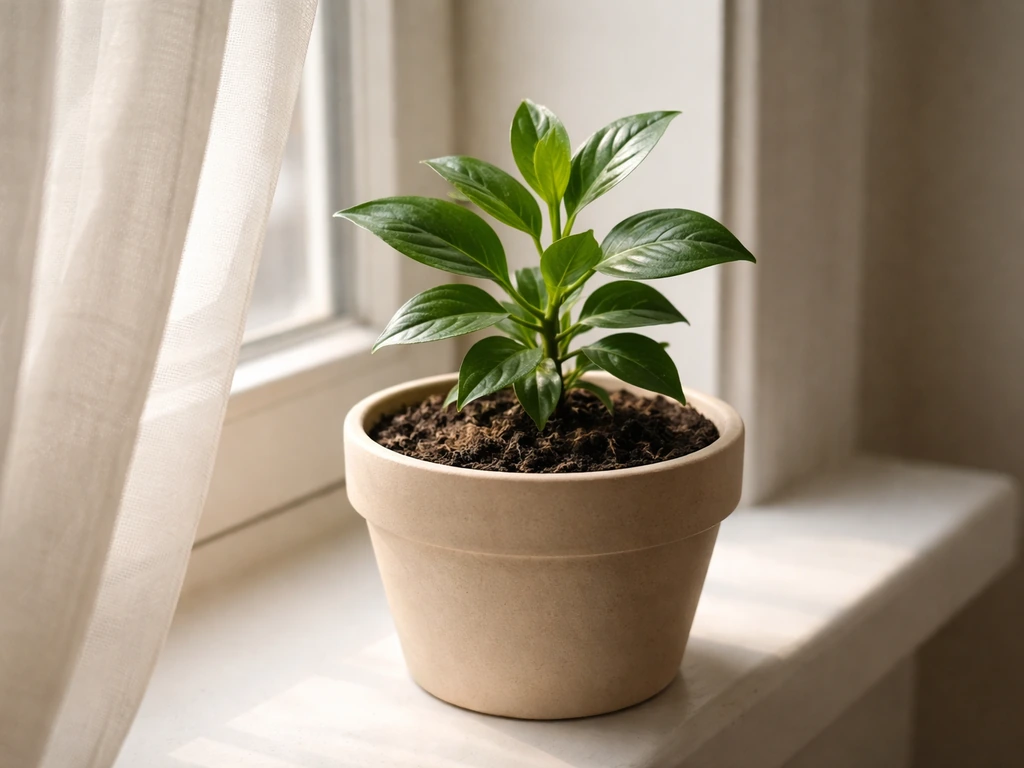
- Place the pot in bright, indirect light for the first two weeks rather than full sun — this reduces transplant stress.
- Water only when the top two inches of soil are completely dry. In the first month, this might mean watering once every 10 to 14 days.
- Don't fertilize during the first 30 days. The roots need to settle before you introduce any nutrients.
- Check that water flows freely out of the drainage holes every time you water. If it pools or drains slowly, your mix may be too dense.
- Don't be alarmed if existing fronds look a little tired — some temporary drooping or yellowing is normal as the plant adjusts.
Light, temperature, and where to put the pot
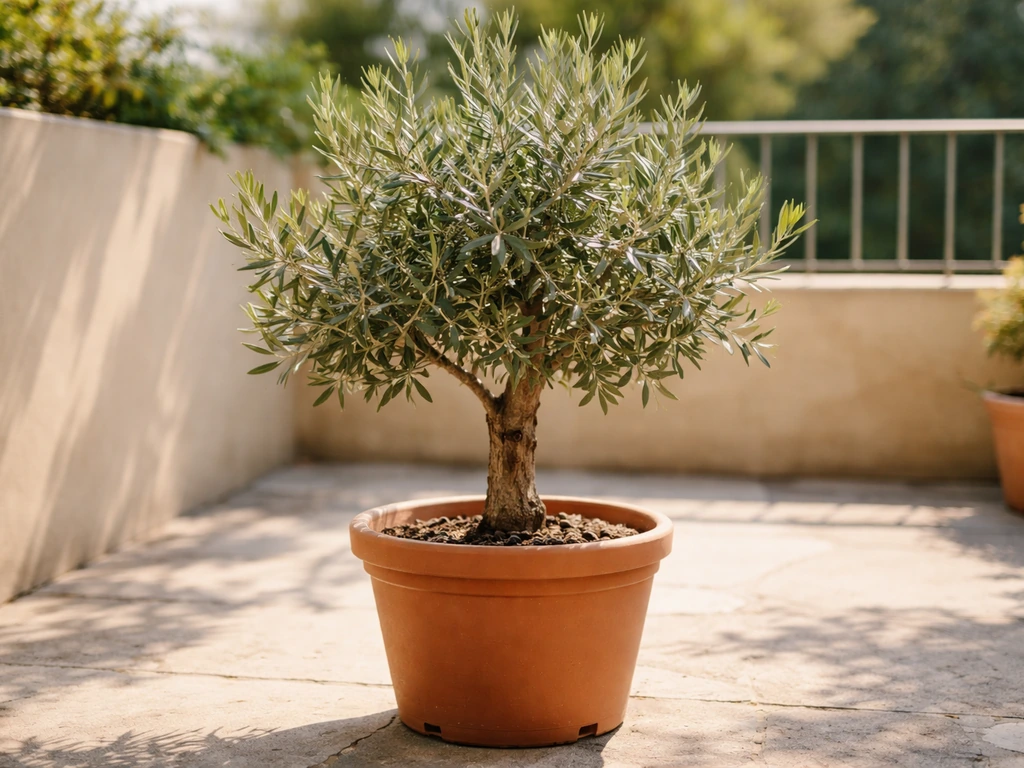
Sago palms love full sun to bright partial shade. Outside, aim for at least four to six hours of direct sunlight per day. A south or west-facing position is ideal in the northern hemisphere. If you're growing it indoors, put it right next to the brightest window you have, a south-facing window is best. If you want the best results in the UK, choose a bright spot and plan how you'll protect your pot through colder spells how to grow olive trees in pots uk. Sago palms grown indoors in low light tend to produce sparse, stretched fronds and grow even more slowly than usual (which is saying something). If your indoor light is genuinely poor, a grow light on a 12-hour timer makes a real difference. If you want similar container success with a different plant, learn how to grow oleanders in pots by focusing on the right size pot, drainage, and watering schedule sago palms in containers.
Temperature-wise, sago palms are cold-sensitive. They handle light frosts briefly but suffer leaf damage below about 15°F (-9°C) and can be killed by a hard, sustained freeze. If you're in a zone 8 or cooler climate, plan to bring the pot indoors or into a frost-free garage when temperatures drop below 25°F (-4°C). This is actually one of the best reasons to grow them in pots instead of in the ground, the mobility is a genuine advantage. If you’re actually looking for how to grow an olive tree in pot, the key differences are choosing a very well-draining mix, using a slightly larger container as it matures, and maximizing sun exposure. In summer heat, they're very tolerant, and most thrive in temperatures between 65°F and 100°F (18°C to 38°C).
One practical tip for apartment or balcony gardeners: sago palms handle wind reasonably well but don't love being constantly battered. If your outdoor space is very exposed, a sheltered corner works better than an open railing position. The fronds are stiff but the crown (the growing point at the top center) is more vulnerable than it looks.
Watering and fertilizing in a pot
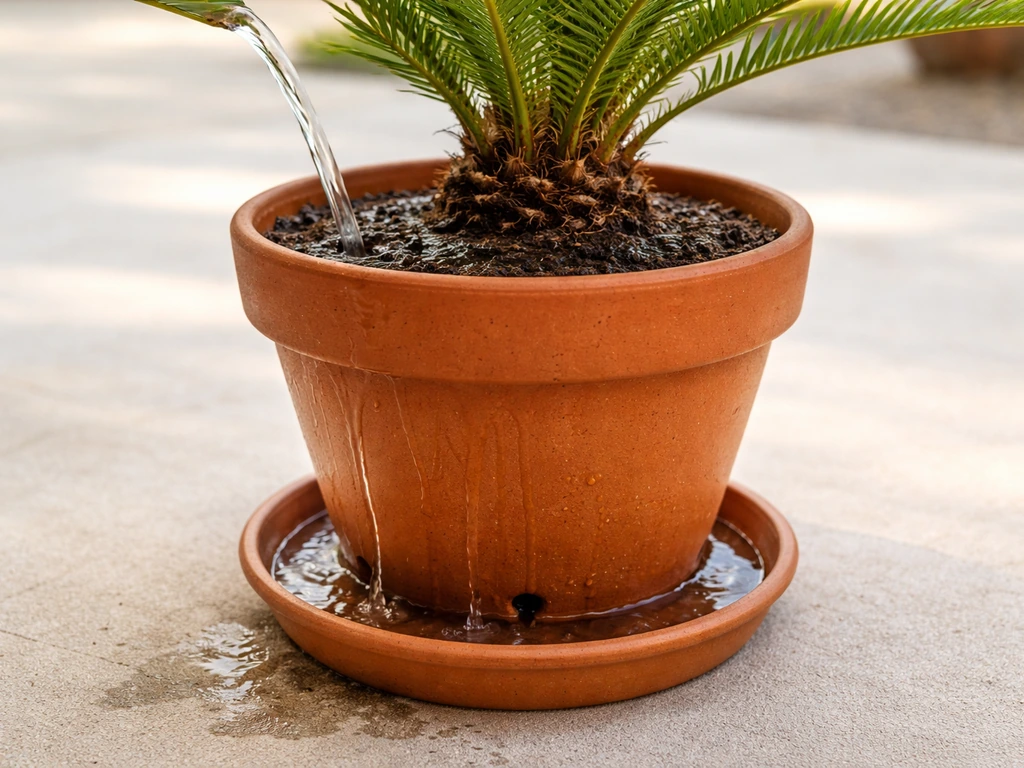
The golden rule for sago palms in containers is: water deeply, then wait. When you water, water until it drains freely from the bottom. Then don't water again until the top two to three inches of soil are dry. According to Wisconsin Extension, cycads, including sago palm, tolerate dry conditions and you should blank" rel="noopener noreferrer">let the growing medium dry between waterings, except when it is pushing new leaves. In summer, this might mean watering every seven to ten days outdoors. In winter, or for indoor plants, you might only water once every three to four weeks. The plant will survive a missed watering much better than it will survive sitting in wet soil. If you’re also curious about osteospermum, use a similar container approach: a well-draining mix and consistent light help them thrive how to grow osteospermum in pots. If you're unsure whether to water, wait another two days and check again.
Fertilizing container sago palms is straightforward because they're not heavy feeders. Use a slow-release granular fertilizer formulated for palms or tropical plants, applied once in early spring and once in early summer. Look for one with a roughly balanced or slightly higher nitrogen ratio (something like 12-4-12 with micronutrients, particularly manganese, which sago palms need). Avoid high-phosphorus fertilizers. Never fertilize in autumn or winter, the plant isn't actively growing then and fertilizing out of season can cause nutrient burn. If you're using liquid fertilizer instead, dilute it to half the recommended strength and apply monthly during the growing season only.
Day-to-day care and what slow growth actually looks like
I want to be honest about the timeline here: sago palms are not quick gratification plants. That one-to-two inch annual growth rate means if you buy a small plant, it will look almost identical a year later. The annual flush of new fronds (usually in spring or early summer) is genuinely exciting when it happens, a tight spiral of new leaves, called a "pup flush" or "leaf flush," emerges from the crown all at once. But for most of the year, the plant just sits there looking prehistoric and beautiful. That's normal. Don't mistake lack of visible growth for a dying plant.
When old fronds yellow and die off naturally (lower fronds, closest to the base), cut them as close to the caudex as possible using clean, sharp pruners. Don't tear them, clean cuts reduce the risk of disease entry. Never cut green fronds unless they're damaged or diseased. The sago palm needs every healthy frond for photosynthesis, and removing too many green leaves stresses the plant considerably. One rule I follow: only remove a frond if at least two-thirds of it has gone brown or yellow.
If offsets (small pups that grow around the base of the plant) develop, you can leave them to create a multi-headed look or remove them to focus the plant's energy on the main trunk. To remove a pup, wait until it's at least three inches in diameter, then twist or cut it free, let it dry for a few days, and pot it up in the same well-draining mix. This is a free way to propagate new plants, which sago palm enthusiasts appreciate given the cost of buying mature specimens.
Repotting: when and how
Because sago palms grow so slowly, repotting is a rare task. You'll know it's time when roots start visibly escaping the drainage holes or the plant becomes top-heavy and unstable. When you do repot, go up just one pot size (two to three inches wider), refresh the potting mix entirely, and take the opportunity to check the roots for any signs of rot (soft, dark, mushy roots should be trimmed back to healthy tissue with clean scissors before replanting). Spring, just before the annual growth flush, is the best time to repot.
When things go wrong: troubleshooting common problems
| Problem | Likely Cause | What to Do |
|---|---|---|
| Yellow fronds (older, lower ones) | Natural aging — normal die-off | Remove cleanly once mostly yellow; no action needed otherwise |
| Yellow fronds (all over, new and old) | Overwatering or poor drainage | Check drainage holes, reduce watering, let soil dry out fully before next water |
| Soft or mushy crown (center growing point) | Crown rot from overwatering or buried caudex | Urgent: let soil dry, check caudex positioning, remove any rotted tissue, treat with fungicide if caught early |
| Brown leaf tips | Underwatering, low humidity, or salt buildup | Water more thoroughly; flush the pot with plain water to remove fertilizer salts every few months |
| Very slow or no new fronds for 2+ years | Insufficient light, wrong season, or root-bound | Move to brighter position, check if repotting is due, ensure fertilizing in growing season |
| White cottony deposits on fronds | Scale insects or mealybugs | Wipe with rubbing alcohol on a cotton swab; apply neem oil solution as a follow-up spray |
| Plant leaning or unstable in pot | Root-bound or pot too small for plant weight | Repot into next size up; add gravel weight to saucer base for stability |
Crown rot is the one problem that can kill a sago palm quickly, so it's worth knowing what to look for. The crown is the single growing point at the very top center of the plant. If it turns soft, brown, and mushy, the plant is in serious trouble. Catching it early, when only the outer edge of the crown is affected, gives you a chance to save it. Remove all soft tissue back to firm, healthy material, dust the exposed area with powdered sulfur or a copper-based fungicide, and drastically reduce watering. Move the pot somewhere with more airflow. It's not always a death sentence if you act fast.
How sago palms compare to other palms in pots
If you're also considering other palm-type plants for containers, sago palms are among the lowest-maintenance options precisely because of that slow growth. They don't require the frequent repotting that faster-growing palms demand. Date palms in pots, for example, grow more vigorously and need more aggressive root management over time. Sago palms also tolerate indoor conditions better than many true palms, which often struggle with low humidity and reduced light indoors. If space, patience, and a long-term structural plant are what you're after, sago palms in containers are hard to beat. If you're curious about a different container plant, here's a practical guide on how to grow sandalwood tree in a pot.
Quick-reference care summary
| Care Factor | Recommendation |
|---|---|
| Pot size | 2 to 4 inches wider than the caudex; upgrade one size every 3 to 5 years |
| Pot material | Terracotta preferred for drainage; always use drainage holes |
| Potting mix | Cactus/succulent mix, or 2 parts coarse sand/perlite to 1 part compost |
| Light | Full sun to bright partial shade; minimum 4 to 6 hours direct sun outdoors |
| Temperature | Best between 65°F and 100°F; protect from frost below 25°F (-4°C) |
| Watering | Deep water when top 2 to 3 inches are dry; roughly every 7 to 14 days in summer |
| Fertilizing | Slow-release palm fertilizer in early spring and early summer only |
| Growth rate | 1 to 2 inches per year; one annual frond flush |
| Repotting | Every 3 to 5 years in spring; go up one pot size only |
FAQ
How do I tell if my sago palm in a pot is getting too much water?
Watch for persistently wet soil (top couple inches staying damp for days), a sour or musty smell, and slow frond decline where multiple leaves lose firmness at once. If you gently tip the pot and see standing water or the soil stays cool and saturated, pause watering and improve airflow and drainage.
My sago palm’s caudex is sitting right at the soil line, is that okay?
Yes, at or slightly above the soil line is ideal. If any part of the caudex gets buried by new soil, mulch, or settling, carefully remove the excess and re-expose it, because repeated burial raises the risk of crown rot.
Can I use a saucer under the pot, or will that cause rot?
A saucer is fine only if you empty it right after watering and avoid leaving the pot resting in water. The key is not letting the drainage holes re-submerge, pot feet with a small riser space is safer than a full-time standing-water saucer.
What should I do if the drainage holes are clogged or the water drains slowly?
Lift the pot and test drainage with plain water. If it runs slowly, unpot and inspect the drainage holes and root mass. You may need to remove compacted old soil and switch to a faster-draining mix to prevent the recurring wet-dry imbalance that leads to rot.
How much sunlight is too much, can I burn sago palms in containers?
Sago palms tolerate strong sun, but sudden exposure after buying the plant can cause stress or browned tips. Acclimate over 7 to 14 days by gradually increasing direct sun time, especially for indoor plants moved outdoors.
Do sago palms need a specific pot orientation or rotation for even growth?
They often look more balanced if rotated a quarter turn every few weeks, especially indoors where light comes from one direction. Rotate gently and avoid doing it right after repotting, give the roots time to settle first.
What’s the safest fertilizer approach if I’m not sure what to use?
Use a slow-release granular product for palms or tropical plants once in early spring and again in early summer, following the label rate. If you have only liquid fertilizer available, dilute to half strength and stop as soon as new fronds slow down in late season to avoid nutrient stress.
Should I fertilize after I repotted, or wait?
Wait until you see active growth or a clear flush start, usually several weeks after repotting. Newly disturbed roots are more vulnerable to salt buildup, so fertilizing too soon can contribute to leaf edge burn or stalled recovery.
Why are my fronds sparse or stretching, even though I water correctly?
Most often it’s insufficient light. If fronds look elongated, spaced out, or pale, move the pot closer to the brightest window or increase outdoor sun. Grow lights on a timer can correct indoor under-light quickly, but allow a couple of weeks for a visible change.
What temperature is actually dangerous for container sago palms?
Brief light frosts usually cause only minor issues, but damage accelerates below about 15°F (-9°C). In cooler climates, protect the pot when night lows are near 25°F (-4°C) by moving it indoors or into a frost-free space.
Can I grow sago palm from seed or is it only through offsets?
Seed propagation is possible but slow and often not identical to the parent plant, germination can take a long time. For more reliable results and faster establishment, many growers use offsets (pups) from around the base once they reach a workable diameter.
When old leaves turn yellow, should I remove them immediately?
Remove only after they’re clearly dead and mostly brown or yellow. For partially green leaves, keep them because the plant still relies on them for energy; removing too much green material at once can slow the next flush.
My sago palm is top-heavy in the pot, what should I do besides repotting?
First check whether the pot is wide enough and whether the mix is too fine or holds uneven moisture. If roots are healthy but the plant is leaning, consider using a slightly larger pot at the next repot cycle and ensure the plant is seated at the correct height with firm support around the roots.
How do I respond if I suspect crown rot starting?
Act fast: remove any soft, brown, mushy tissue until you reach firm material. Reduce watering immediately, improve airflow, and keep the crown dry while you monitor. If you see spreading softness or it worsens over days, consider taking the healthiest tissue or removing affected sections rather than continuing normal care.