You can absolutely grow brahmi in a pot, and it's one of the easier herbs to keep going once you get two things right: it wants consistently moist (almost wet) soil and decent sunlight. Use a wide, shallow container at least 8–10 inches across, fill it with a moisture-retaining mix, start from cuttings rather than seeds if you can, and water it far more often than you would a typical herb. Do that, and you'll have trails of small, fleshy green leaves within a few weeks.
How to Grow Brahmi Plant in Pot: Step-by-Step Guide
Marcus Whitley
15 May 2026
Quick note on the 'Brahmi' name confusion
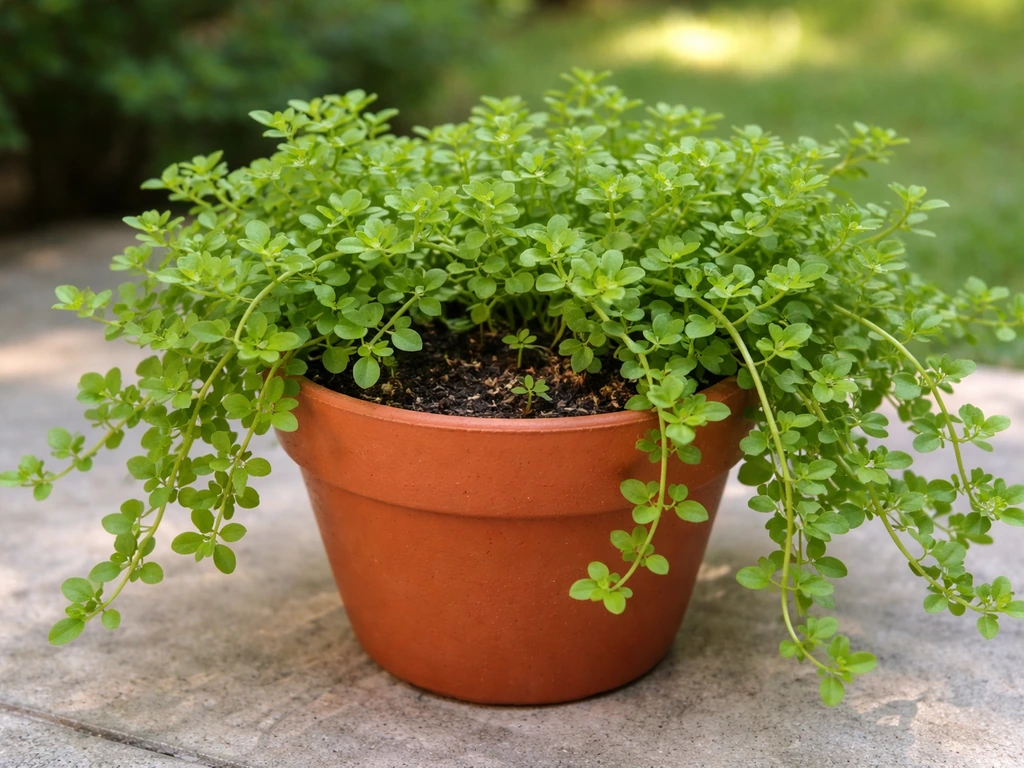
Before anything else, it helps to know that 'brahmi' actually refers to two different plants depending on where you buy it. The one most commonly sold in pots at Indian nurseries and online herb shops is Bacopa monnieri, a creeping, blank" rel="noopener noreferrer">water-loving herb with small, thick, oblong, succulent-feeling leaves. The other is Centella asiatica (also called gotu kola), which has fan-shaped leaves and a completely different growth habit. blank" rel="noopener noreferrer">Both get labeled 'brahmi' in herbal markets, which causes a lot of confusion. This guide is focused on Bacopa monnieri, the trailing, moisture-loving one. If your plant has round, scalloped leaves on long stalks, you probably have Centella. Not a disaster, but the watering and care approach is somewhat different.
Choosing the right Brahmi variety and pot size
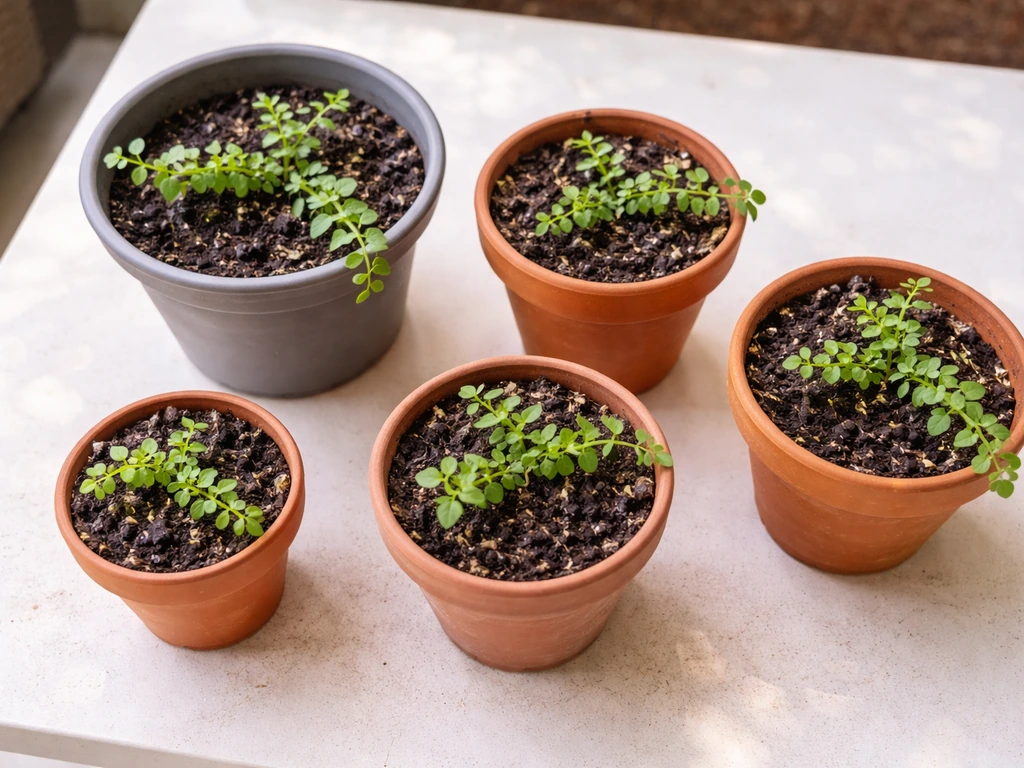
For container growing, Bacopa monnieri is a forgiving species and there aren't many distinct cultivated varieties to overthink. What you're mainly choosing is the plant source and the container. Bacopa monnieri grows as a low, creeping plant that trails outward and slightly downward, which makes it ideal for wide, shallow pots or hanging baskets. In nature it lives in marshy ground along streams and muddy riverbanks, so it never develops a deep root system. That's good news for containers.
For a single plant, an 8-inch pot works fine to start. If you want a fuller, bushier display or plan to harvest regularly, go with a 10–12 inch wide pot or a long, rectangular planter. Depth matters less than width: 6–8 inches deep is plenty. The single most important thing about the container is drainage holes. Brahmi loves moisture but it will rot if water sits stagnant around the roots with no way out. Use a pot with at least two drainage holes, or drill extra ones yourself.
Hanging baskets work brilliantly for brahmi because the trailing stems show off well and the basket dries out faster, which forces you to water more (which brahmi actually needs). A 10-inch hanging basket with coconut coir lining holds moisture well and is a great choice if you want a display piece that's also functional.
Best potting mix and fertilizer for container Brahmi
Standard all-purpose potting mix alone isn't ideal for brahmi because it dries out too fast. You want something that stays consistently moist without becoming waterlogged. My go-to mix is two parts regular potting soil, one part cocopeat (coconut coir), and one part compost. The cocopeat holds moisture like a sponge while still allowing air to reach the roots. The compost gives a slow nutrient release that suits brahmi's steady, creeping growth.
If you can't source cocopeat, mix potting soil with a small amount of garden soil or a handful of peat moss. Some growers even add a thin layer of garden clay at the bottom of the pot to mimic brahmi's natural muddy habitat, and it genuinely helps keep the root zone moist longer. Avoid sandy, fast-draining mixes. Cactus mix is the opposite of what you want here.
For fertilizing, brahmi isn't a heavy feeder, but it does respond well to a gentle nutrient boost. During the active growing season (roughly spring through early autumn), apply a diluted liquid fertilizer once every three to four weeks. A balanced liquid fertilizer (like a 10-10-10 or similar NPK) at half the recommended strength works well. You can also use liquid seaweed or fish emulsion if you want to go organic. Avoid over-fertilizing with high-nitrogen products: it pushes leafy growth fast but makes the plant weak and more prone to pests. In winter, hold off on feeding altogether.
How to start Brahmi: seeds vs cuttings vs nursery plants
You have three realistic options here, and they're not equal. Here's what to expect from each so you can choose based on your situation.
| Starting Method | Ease Level | Time to Usable Plant | Best For |
|---|---|---|---|
| Nursery plant | Very easy | Harvest in 2–3 weeks | Beginners who want results fast |
| Stem cuttings | Easy | Roots in 1–2 weeks, harvest in 4–6 weeks | Anyone with access to a friend's plant or online cuttings |
| Seeds | Difficult | Slow germination, 8–12 weeks to usable size | Patient growers; seeds often hard to source authentically |
Starting from a nursery plant
Buying a small pot from a local nursery or online herb seller is the fastest path. Check the label says Bacopa monnieri (not just 'brahmi') and look at the leaves: they should be small, thick, slightly fleshy, and oblong. Just transplant into your prepared container, water well, and you're off. This is what I'd recommend for anyone who just wants to get going.
Starting from stem cuttings
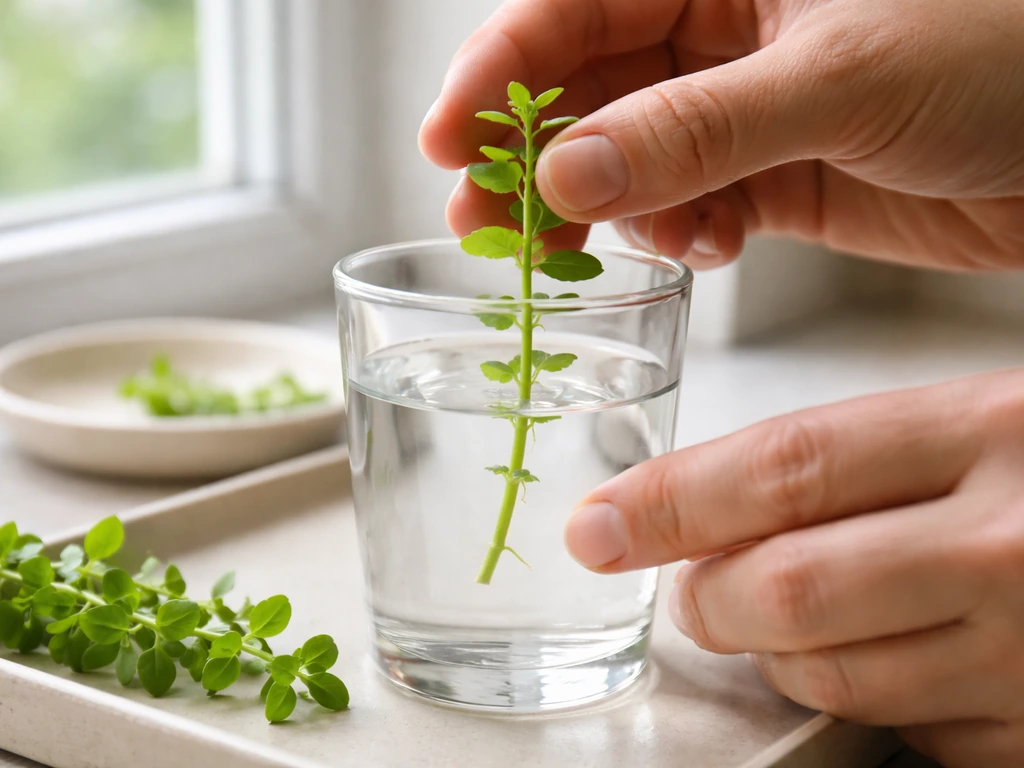
Cuttings are my favorite method because brahmi roots incredibly easily. Take a 4–6 inch stem, strip the lower leaves, and place it in a glass of water or push it directly into moist potting mix. In water, you'll see little white roots appear within 7–10 days. In soil, keep the mix consistently damp and you'll usually get rooted cuttings in about two weeks. Once rooted, treat them exactly like a nursery plant. If you know someone who already grows brahmi, ask for a few stems and you're sorted.
Starting from seeds
Growing brahmi from seed is genuinely tricky. If you want an easier vegetable project too, you can apply the same container mindset to learn how to grow courgettes in pots from seed Growing brahmi from seed. The seeds are tiny, germination is slow and uneven, and honestly, a lot of 'brahmi seeds' sold online turn out to be mislabeled. If you want to try, sow seeds on the surface of moist potting mix (don't cover them, they need light to germinate), keep the tray in a warm spot (25–30°C is ideal), mist daily, and be patient. After sowing, keep ajwain seeds in moist potting mix and provide consistent warmth so they can germinate reliably. Germination can take two to four weeks. I've had decent results doing this in late spring when temperatures are naturally warm, but for a first attempt, I'd skip seeds and use cuttings instead.
Planting steps and watering schedule in a pot
Planting step by step
- Fill your chosen pot to about 1 inch below the rim with the moisture-retaining potting mix described above.
- Make a small hole in the center (or space out several holes for multiple cuttings).
- If transplanting a nursery plant, gently loosen the root ball and place it at the same depth it was growing before. If planting cuttings, insert them 1–2 inches deep and firm the soil around them.
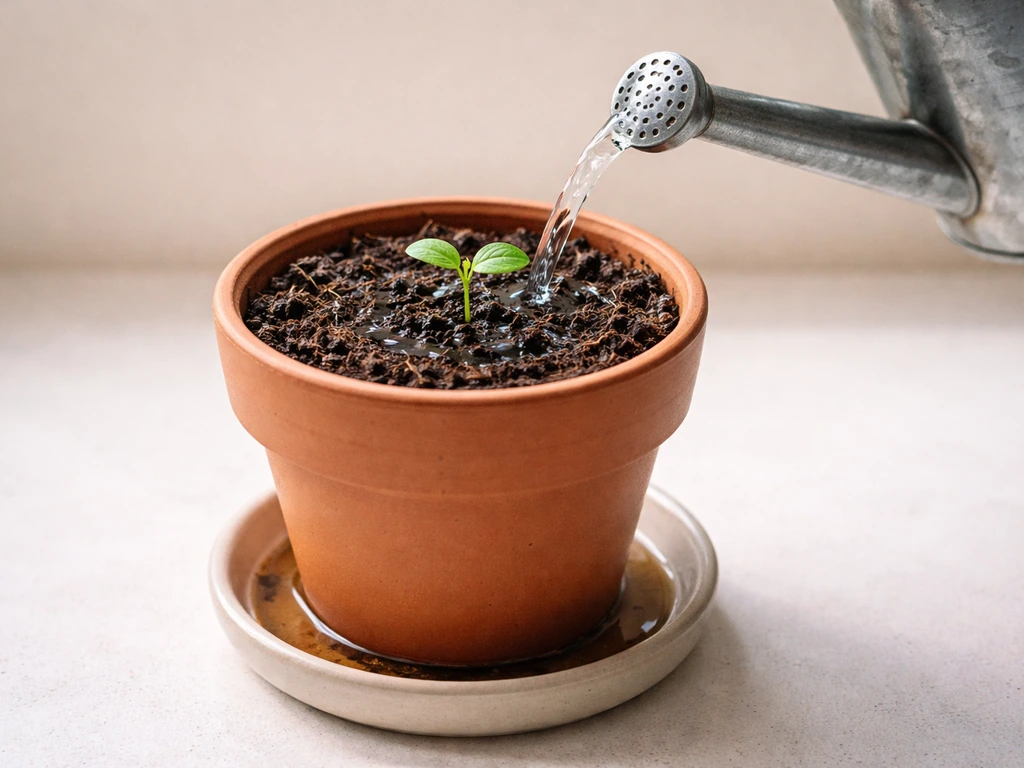
- Water thoroughly right away until water drains from the bottom holes.
- Place the pot in its chosen spot (more on light placement below) and check soil moisture every single day for the first two weeks.
Watering: this is where most people go wrong
Brahmi is not like your average herb. It wants to stay consistently moist, close to its natural marshy habitat. In practice, that means watering daily in warm weather if you're outdoors, or every one to two days indoors. Stick your finger into the soil: if the top half-inch feels dry, water immediately. You should never let brahmi dry out completely between waterings. At the same time, the pot must drain well, because standing water at the root zone causes root rot even in this moisture-loving plant.
One trick that works really well: place your pot inside a slightly larger saucer or tray filled with a thin layer of water (about 1 cm). Brahmi will drink from the bottom, keeping itself moist. Just empty and refill the tray every few days so it doesn't become stagnant. This semi-hydroponic approach is very close to how brahmi grows in the wild and the plant absolutely thrives with it.
Light, temperature, and indoor vs outdoor placement
Brahmi needs good light to grow dense and healthy. Outdoors, it does best in a spot that gets 4–6 hours of direct sun with some afternoon shade, especially in very hot climates where intense midday sun can scorch the small leaves. Morning sun with afternoon shade is close to ideal. In cooler climates (like much of the UK or northern US), full sun all day is fine and even beneficial.
Temperature-wise, brahmi is a tropical and subtropical plant. It grows actively between 20–35°C and slows significantly below 15°C. It will not survive frost. If you're in a region with cold winters, brahmi needs to come indoors before temperatures drop below 10°C.
Growing brahmi indoors
Indoors, the biggest challenge is light. A south-facing or east-facing windowsill is your best bet. Brahmi grown in low light gets leggy, with long stems and sparse small leaves, which is a clear sign it's stretching for more light. If your indoor light is limited, a basic LED grow light placed 6–12 inches above the plant for 10–12 hours a day makes a huge difference. I've grown perfectly decent brahmi under a simple clip-on grow light on a shelf with no natural light, so don't be put off if your windowsill situation isn't great.
Indoors, also watch out for dry air, especially in winter when heating systems run. Brahmi prefers humid air. Misting the leaves every couple of days or placing a small tray of water nearby helps. Grouping it with other plants also raises the ambient humidity slightly.
Pruning, training, and pest/disease care in containers
Pruning and keeping the plant dense
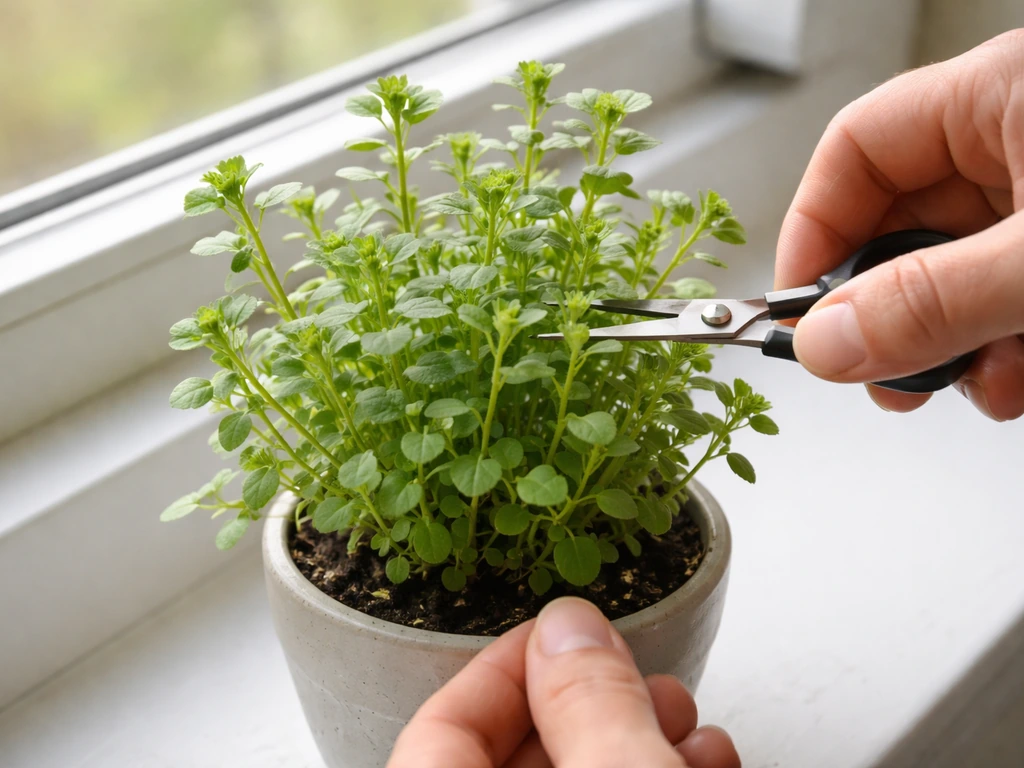
Brahmi naturally wants to trail and spread outward rather than grow upright. In a container, that's fine, but regular pruning makes the plant significantly bushier and more productive. Every two to three weeks, pinch back or snip the growing tips of the stems by about a third. This triggers the plant to branch out from the cut point, doubling the number of stems over time. If you're harvesting leaves for use (more on that below), regular light harvesting acts as natural pruning anyway.
You don't need to train brahmi to any support structure. Let it trail over the edge of the pot or hang down from a basket. If it gets too sprawling or the center of the pot becomes bare and woody, cut the whole plant back by half, water it well, and it will bounce back within two to three weeks with fresh, dense growth. Don't be afraid of a hard cut. Brahmi is resilient.
Common pests and diseases
Brahmi is relatively pest-resistant compared to many herbs, but a few issues do show up in containers. Aphids occasionally cluster on tender new growth. Wipe them off with a damp cloth or spray the plant with a diluted neem oil solution (5 ml neem oil plus a drop of dish soap in 1 litre of water). Repeat every five days for two to three applications.
Whiteflies can be a problem on indoor plants, especially in warm, still air. Yellow sticky traps hung near the pot catch adults and help you monitor the situation. Spider mites sometimes appear if the air is very dry, which is another reason to keep humidity up indoors.
The most common disease issue is root rot from overwatering without drainage. Symptoms are yellowing, mushy stems at the base and a slightly sour smell from the soil. If you catch it early, remove the plant, trim any black mushy roots, let them air dry for an hour, then repot into fresh mix in a clean container. Prevention is simpler: always make sure water drains freely and never let the pot sit in standing water for more than a day.
Harvesting and using Brahmi leaves (and winter care)
When and how to harvest
You can start harvesting brahmi leaves once the plant is established and growing well, usually four to six weeks after planting (or two to three weeks for a nursery transplant that's already settled in). A healthy plant is ready to harvest when stems are actively growing and the foliage looks dense and green. The classic sign of a happy brahmi is vigorous trailing growth with lots of small leaves close together on the stem.
To harvest, snip whole stem tips with scissors, taking the top 3–4 inches of growth. This doubles as pruning. You can harvest up to a third of the plant at a time without stressing it. Harvest in the morning when the leaves are at their freshest. Use fresh brahmi leaves in chutneys, juices, or salads, or dry them in a shaded, well-ventilated spot for later use. The dried leaves keep in an airtight jar for several months.
Keeping brahmi through winter
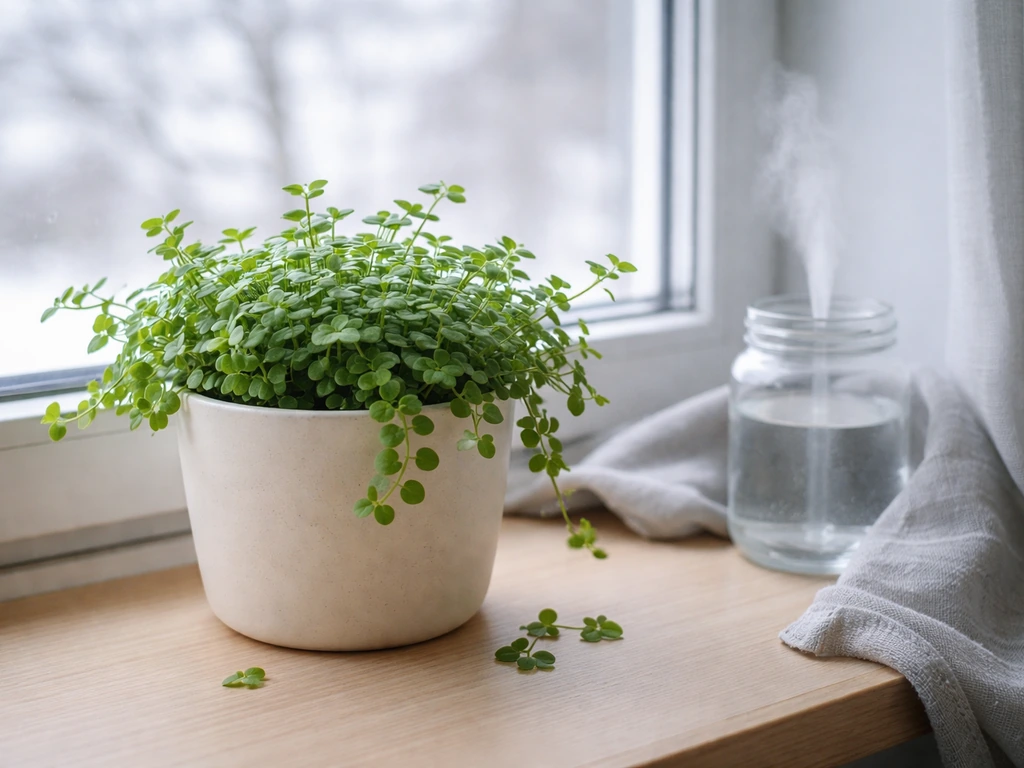
If you're in a warm climate where temperatures stay above 15°C year-round, brahmi will grow continuously with little seasonal adjustment needed, just reduce watering frequency slightly and stop fertilizing. In cooler climates, you need to bring the pot indoors before the first frost. Once inside, place it in the brightest spot available or under a grow light. Growth will slow considerably in winter but the plant usually survives if you keep it from freezing. Water less frequently (every two to three days instead of daily) since the plant is growing slowly, but don't let it dry out completely.
If the plant looks weak and leggy going into winter despite your best indoor placement, cut it back quite hard (by half), keep it just-moist, and wait for spring. As soon as temperatures warm up and daylight increases, move it back outside and it will flush out with new growth quickly. I've overwintered brahmi this way on a bright kitchen windowsill more than once and it always comes back strong by late spring.
What success looks like (and what to fix if it's not working)
A healthy container brahmi has dense, closely-spaced leaves on stems that trail outward from the pot. The leaves are small, a consistent mid-to-deep green, slightly thick and firm to touch. New growth appears at the stem tips regularly. If your brahmi looks like this, you're doing it right.
If growth is slow or the plant looks sparse, run through this checklist: Is the soil staying consistently moist (not wet, not dry)? Is the plant getting at least four hours of good light? Has it been more than four weeks since you last fed it? Fixing these three things in order resolves the majority of container brahmi problems. Leggy growth almost always means not enough light. Yellowing lower leaves usually mean inconsistent watering. Slow growth in an otherwise healthy-looking plant usually means it needs a light feed.
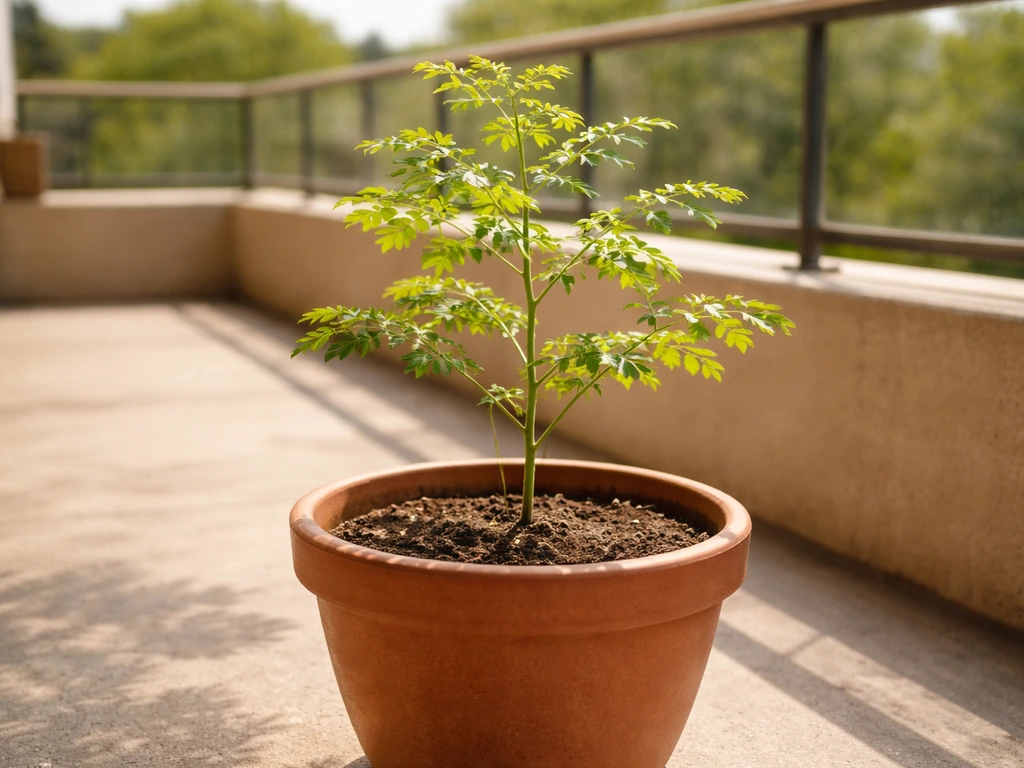
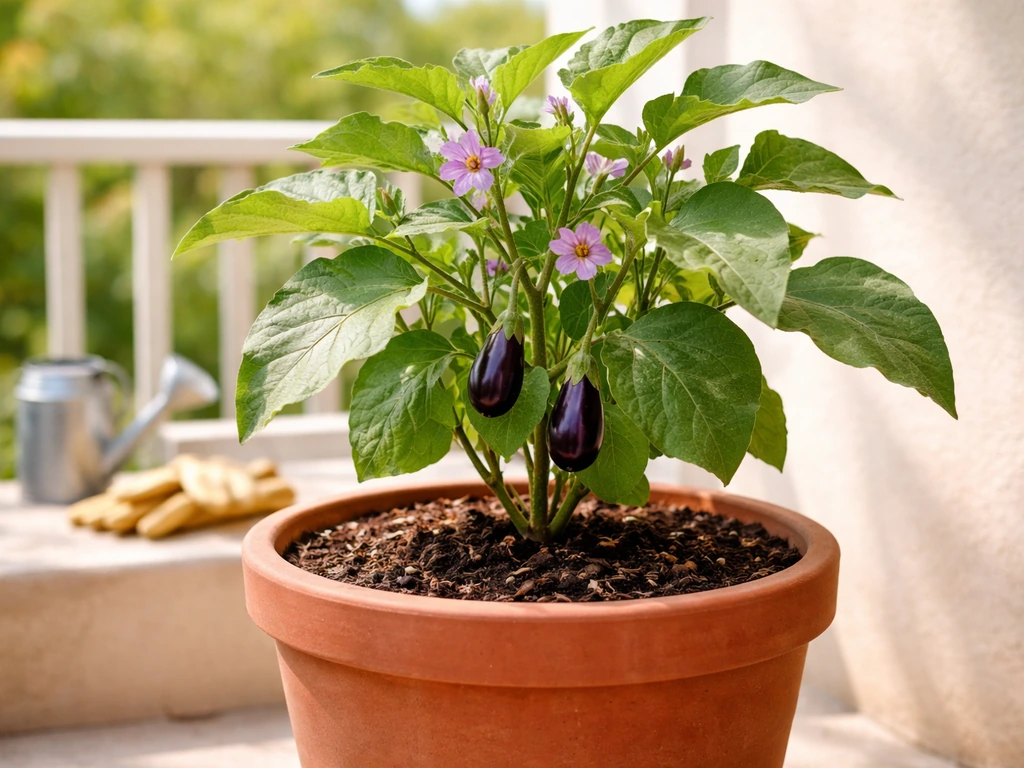
Growing brahmi in a pot is a genuinely achievable project even for complete beginners, and it's satisfying because the plant responds quickly and visibly to good care. If you want another nutrient-packed plant to try next, here is how to grow moringa in pots. If you want a more food-focused plant, here is how to grow brinjal in pot as well. Once you have it established, it practically looks after itself as long as you keep up with moisture. If you enjoy growing compact herbs in containers, brahmi sits in great company alongside other easy pot-friendly herbs like ajwain and mogra, which share similar preferences for warm, sunny conditions and regular harvesting. If you want a similar container-growing success, this guide on how to grow aubergines in pots will help you plan the size, soil, and watering for fruiting plants.
FAQ
Can I grow brahmi hydroponically or in a water tray setup (not just a normal potting mix)?
Yes, but only if you do it right. Keep a saucer or tray for bottom-watering, and make sure the pot has drainage holes. Don’t leave the entire pot sitting in a deep water bath. Aim for a shallow layer that you refill regularly, and empty it if water gets stagnant for more than a day.
How often should I water a potted brahmi, and what’s the right schedule?
The safest approach is to water by the feel of the soil, not the calendar. If the top half inch dries, water immediately, because brahmi cannot handle full dry-out. In very hot weather outdoors you may need morning and late-afternoon watering, while indoors is usually every one to two days depending on light and humidity.
What should I do if my brahmi leaves are turning yellow in a pot?
Watch for rot, not just wilting. Root rot usually shows as yellowing plus mushiness near the soil line, sometimes with a sour smell. If you see that, stop watering, check drainage, trim any black or mushy roots, air-dry briefly, then repot into fresh mix in a clean container.
My potted brahmi is growing long stems and sparse leaves, how can I fix it?
If your brahmi is leggy, it usually means insufficient light, especially indoors. Move it to the brightest window you have, or add a grow light and keep it on for 10 to 12 hours daily. Avoid increasing fertilizer as a first fix, because weak light plus extra nutrients can worsen stretching.
How can I tell whether I bought Bacopa monnieri or gotu kola, and does it change care?
Choose Bacopa monnieri if you want the classic trailing, succulent-feeling pot brahmi that tolerates consistently wet soil. If your plant has different leaf shape and a different habit (often gotu kola/Centella), it may not like the same “always moist” routine. Check the label first, and match your care to what you actually bought.
Should I fertilize right after I prune or harvest brahmi leaves?
Yes. After pruning or harvesting, you can feed lightly, but do it only during the active season and at half strength. Many container growers wait at least one week after a hard cut before fertilizing, so the plant can re-establish fresh growth.
How do I manage aphids, whiteflies, or spider mites on indoor brahmi without harming the plant?
Sticky traps help with adults, but you may still need a second step if infestation is heavy. For indoor whiteflies, combine monitoring with gentle wiping of leaves, and consider repeat treatment at 5-day intervals. If you see heavy pest pressure despite consistent care, isolate the plant from others to prevent spread.
Will pinching or trimming brahmi make it fuller, or should I just let it trail?
Yes, and it’s often the fastest way to grow faster in a pot, especially if your stems are trailing but not thickening. Pinch or snip the top third every two to three weeks to encourage branching. If the center gets bare or woody, do a full cut back by about half, then keep moisture consistent for the regrowth burst.
How should I care for potted brahmi during winter if I’m not getting frost?
In most cases, winter is about slowing, not stopping care. Keep it bright (or under a grow light), water less often but never let it dry completely, and stop fertilizing. If it’s near a cold window or draft, bring it slightly back, because cold air can shock the plant even if temperatures are above freezing.
Are there any common mistakes when growing brahmi in a windowsill pot?
If your pot sits on a window sill, check for underside cold or heat that swings the root zone. Brahami prefers stable conditions, so use a saucer method to buffer moisture, rotate the pot weekly for even light, and keep it out of direct scorching afternoon sun in very hot climates.