You can absolutely grow labanos in pots, and it's one of the more beginner-friendly vegetables to start with if you set it up right. Labanos is the Filipino name for daikon, the large white radish used in sinigang and countless other dishes. The trick to growing it in containers comes down to two things: a deep enough pot for those long taproots, and loose soil that lets the root push straight down without hitting resistance. Get those two things right, and you'll have fresh labanos ready to pull in as little as 50 to 70 days. If you want the full step-by-step process, follow this guide on how to grow potol in containers labanos ready.
How to Grow Labanos in Pots: Step-by-Step Guide
Marcus Whitley
20 May 2026
What labanos is and which varieties work best in containers
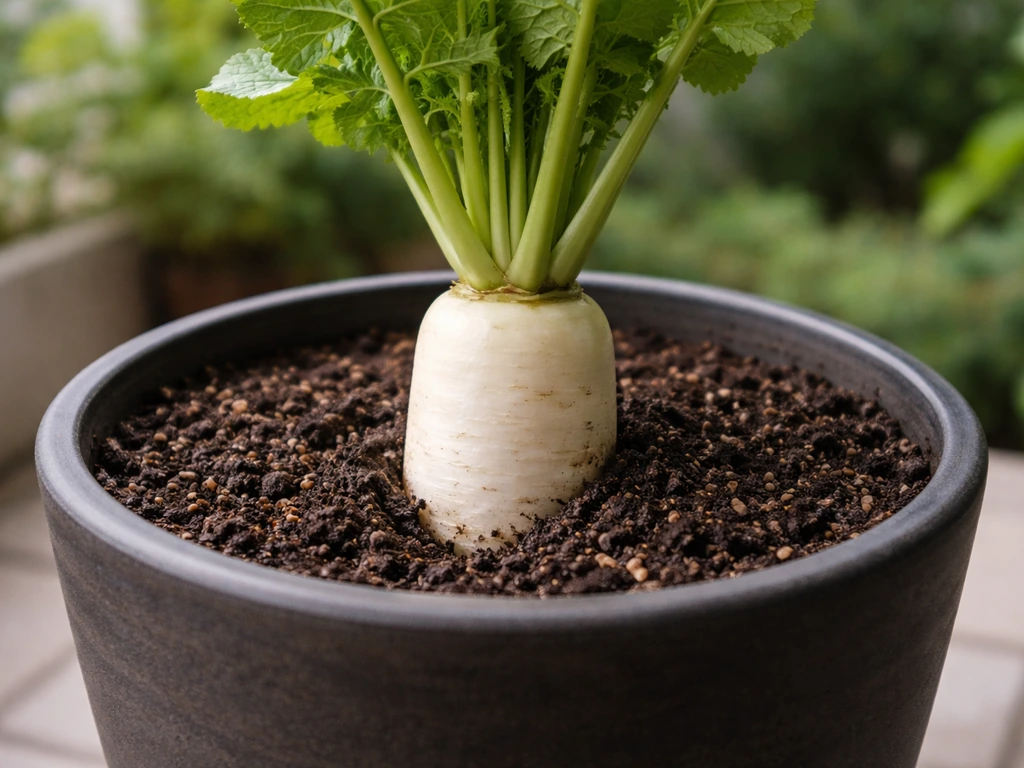
Labanos is daikon radish (Raphanus sativus var. longipinnatus), also called white radish or Chinese radish. It's a root crop, meaning what you're growing and eating is the taproot, not the leaves. That big, white, torpedo-shaped root is what goes into your sinigang or gets pickled. The leaves are edible too, but the root is the main event.
The variety choice matters a lot for container growing because daikon roots can get seriously long. Some types, like the Sakurajima variety, develop roots that are far too bulky and deep for anything but a very large container. For pots, your best bet is a compact daikon variety like Minowase, which matures in about 50 to 60 days and stays manageable. Standard small spring radishes (like Cherry Belle) are even faster at 25 to 35 days, but those are a different animal from true labanos. If you want that classic long white daikon flavor and size for Filipino cooking, go with Minowase or a similar compact daikon type.
Picking the right pot, location, and timing
Pot size and drainage
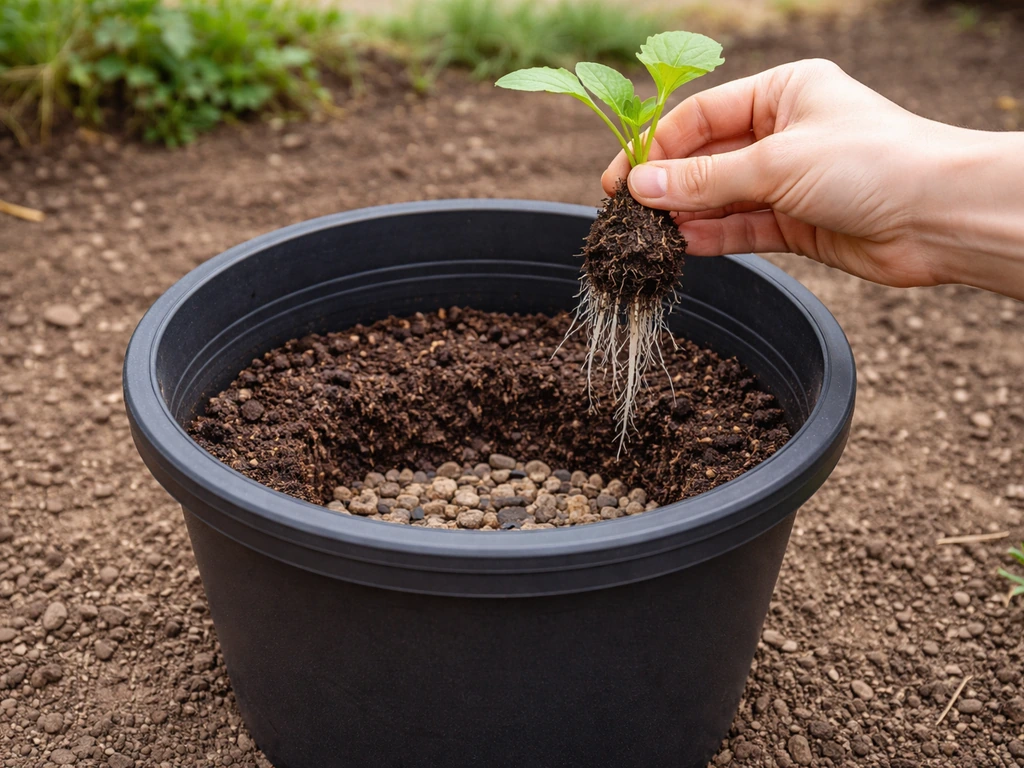
This is where most people go wrong the first time. They grab a shallow pot, the root hits the bottom, and it comes out forked, bent, or stunted. For daikon labanos, you need a container that is at least 16 inches deep. For longer daikon-type radishes such as Sakurajima, deep containers are required, with one home-garden guide noting about 16 inches (or more) and roughly 60, 70 days to maturity For daikon labanos, you need a container that is at least 16 inches deep.. I'd honestly recommend going for an 18-inch depth if you can find it, just to give the taproot comfortable room. The width matters too, but it's more forgiving. A container that's 12 to 14 inches wide will let you grow two to three plants comfortably. Drainage holes are non-negotiable. Labanos roots sitting in waterlogged soil will rot, full stop. If your pot doesn't have holes, drill some before you even think about adding soil.
Where to put it
Labanos needs full sun, which means at least 6 hours of direct sunlight per day, and 8 to 10 hours is even better for strong root development. A south-facing or east-facing balcony or patio works well. If your space gets less than 6 hours of sun, the plant will put energy into the leaves and the root will stay small and disappointing. One of the benefits of container growing is that you can move the pot to chase the sun, so use that to your advantage.
Best time to plant
Labanos is a cool-season crop. It does best when temperatures are between about 60 and 75°F (15 to 24°C). In the Philippines and other tropical or subtropical climates, that means planting during the cool dry season, typically between October and February. In temperate climates, plant in early spring or early fall. Avoid planting when heat is coming, because high temperatures and long days cause labanos to bolt, which means it shoots up a flower stalk and stops putting energy into the root. Once it bolts, the root becomes woody, pithy, and too spicy to enjoy.
Soil mix and potting setup for strong roots
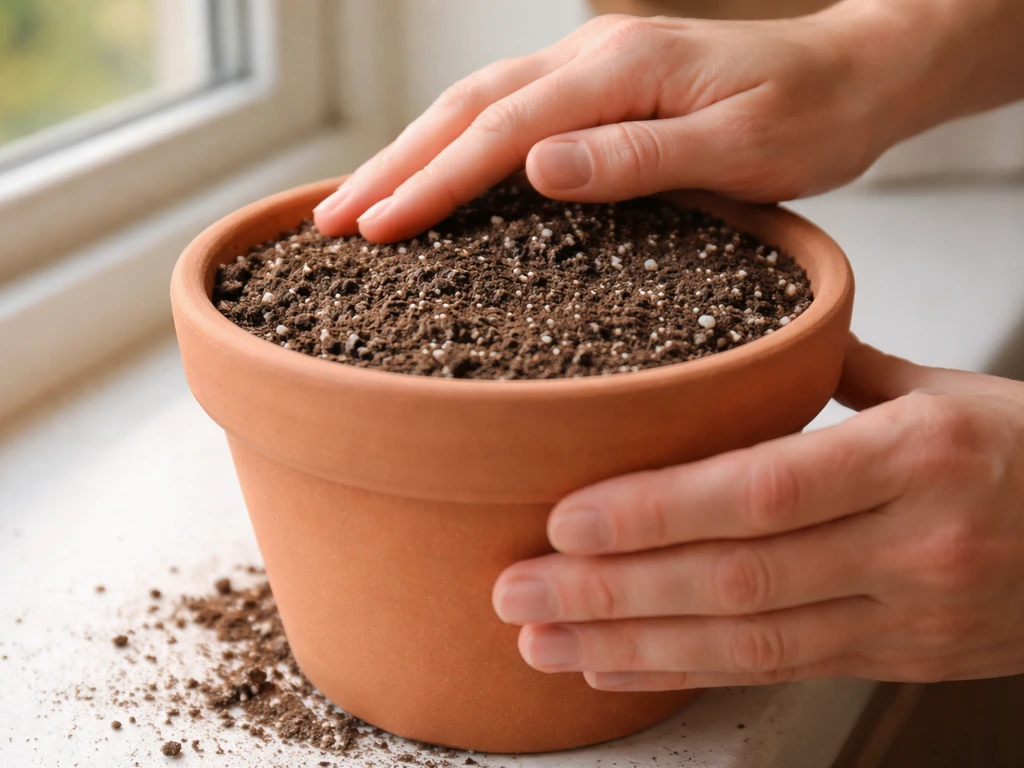
Never use garden soil or compacted heavy soil in your container. I know it's tempting to just dig some up from outside, but garden soil compacts in pots and the labanos root will hit resistance and deform. You need a loose, well-draining potting mix. A good base is a commercial potting mix blended with about 20 to 30 percent perlite or coarse sand to improve drainage and keep things airy. Some gardeners add a bit of compost for nutrients, but keep it light on the compost since too much nitrogen encourages big leafy tops at the expense of root development.
When you fill the container, fill it to within about 2 inches of the rim. Pack it gently, not tightly. Then water it thoroughly before planting and let it drain completely. This settles the soil and removes any large air pockets that could leave roots hanging in empty space.
Planting labanos: seeds vs seedlings and spacing
Plant labanos from seed, not seedlings. Daikon is a taproot crop and it does not like having its roots disturbed. If you try to transplant a seedling, there's a good chance you'll damage the main taproot and end up with a forked or stunted root at harvest. Seeds are cheap, easy to find, and labanos germinates reliably when conditions are right, so there's no reason to bother with seedlings.
Sow seeds directly into your prepared container at a depth of about half an inch (roughly 1 to 1.5 cm). You can sow two seeds per spot to improve your germination odds, then thin to one plant per spot once they sprout. Space your planting spots about 4 to 6 inches apart to give each root enough room to swell. After the seedlings develop their second set of true leaves, thin them so plants are spaced at least 4 to 6 inches apart. I know it feels wasteful to pull out healthy little plants, but crowded roots compete for space and nutrients and you'll end up with a bunch of small, oddly shaped roots instead of a few good ones.
Watering and feeding schedule in pots
Watering
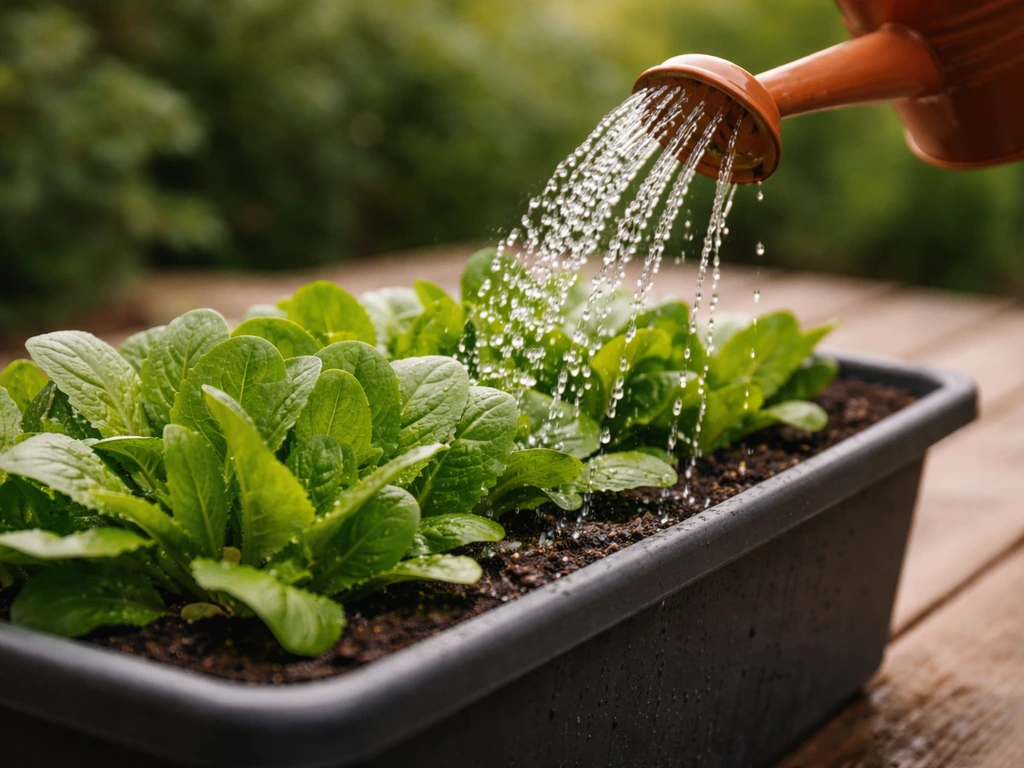
Consistent moisture is key. Labanos needs evenly moist soil, not wet, not dry. In containers, the soil dries out faster than in the ground, so you may need to water every day or every other day depending on your climate and the pot size. A good rule of thumb: stick your finger about an inch into the soil. If it feels dry at that depth, water thoroughly until it drains out the bottom. If it still feels moist, wait. Inconsistent watering, letting the soil swing from bone dry to soaking wet, causes cracked or misshapen roots and can stress the plant into bolting early.
Feeding
Labanos doesn't need a lot of fertilizer, and overfeeding it with nitrogen is one of the most common mistakes. Too much nitrogen pushes the plant into producing lush, dark green leaves while the root stays small and underdeveloped. If your potting mix already has compost in it, you may not need to add anything at all for the first few weeks. If you do fertilize, use a balanced, low-nitrogen fertilizer, something like a 5-10-10 (lower first number means less nitrogen), applied once when the plants are about two to three weeks old. That's usually enough for the full growing cycle.
Light, temperature, and daily care
Light and temperature
As mentioned earlier, labanos wants at least 6 hours of direct sun daily. If temperatures start creeping above 80°F (27°C) consistently, your plants are at risk of bolting. One of the practical advantages of growing in pots is that you can move the container to a shadier, cooler spot during peak heat in the afternoon. This small adjustment can extend your growing window by a week or two in warm climates.
Mulching
A thin layer of mulch, about half an inch of straw or shredded leaves, on top of the soil helps retain moisture and keeps the root zone cooler. This is especially useful if you're growing on a concrete balcony where heat radiates up from the floor and can warm the pot faster than you'd like.
Pests and common problems
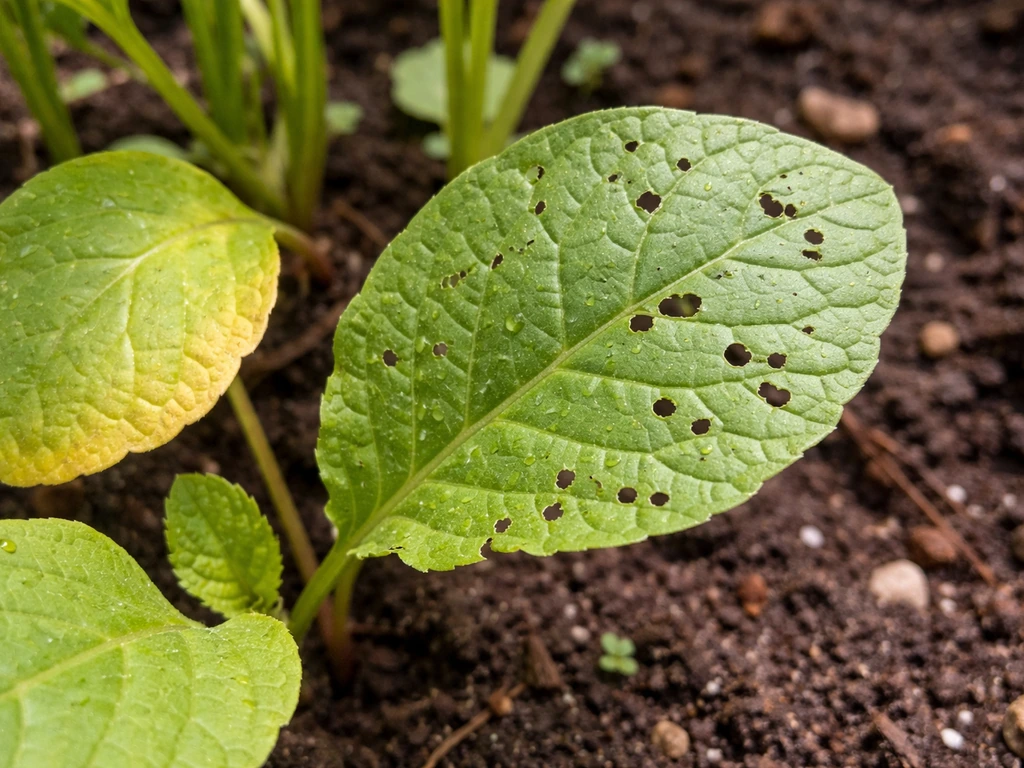
The most common pest you'll encounter is the flea beetle, a tiny jumping insect that chews small holes in the leaves. A moderate infestation doesn't usually kill the plant or ruin the root, but heavy damage weakens the plant. You can manage flea beetles with row cover fabric draped loosely over the container, or with neem oil spray applied in the early morning. Check the undersides of leaves regularly, since that's where insects tend to hide.
Yellowing leaves are often a sign of overwatering or poor drainage rather than a nutrient problem. Before you add fertilizer, check that your drainage holes are clear and that the soil isn't staying wet for days after watering. Slow or stunted root growth usually means either the pot is too shallow, the soil is too compacted, or the plant isn't getting enough sun. Forked or misshapen roots almost always come from compacted soil or rocks or old roots in the mix blocking the taproot's path downward.
| Problem | Likely Cause | What to Do |
|---|---|---|
| Yellowing leaves | Overwatering or poor drainage | Check drainage holes, reduce watering frequency |
| Small or stunted root | Too shallow pot, compacted soil, or low light | Use 16-inch+ deep container with loose potting mix |
| Forked or bent root | Soil obstruction or compaction | Use fresh, loose mix; remove debris before planting |
| Bolting (flower stalk) | Heat or long days | Plant in cool season; move pot to shade during peak heat |
| Holes in leaves (flea beetles) | Flea beetle infestation | Use row cover or neem oil spray in the morning |
| Woody, very spicy root | Harvested too late or heat stress | Harvest on time; check roots at 50 days for compact varieties |
Harvesting labanos in containers and what to do after
When and how to harvest
Compact daikon varieties are typically ready to harvest at around 50 to 60 days from sowing. Start checking around day 45. You'll often see the top of the white root peeking out above the soil surface, which is a good visual cue. To check if it's ready, gently press the root near the soil line. If it feels firm and solid, it's good to go. If it yields or feels soft, give it a few more days. Don't wait too long: in warm weather, labanos can go from perfectly crisp to pithy and woody within just a week or two after reaching maturity.
To harvest, loosen the soil around the root with a trowel or your fingers before pulling. Don't just grab the leaves and yank, or the root might snap off below the soil. Work the soil loose on all sides, then pull the root out smoothly. Brush off the soil, trim the leaves if you're not using them right away, and rinse the root clean.
What to do after harvesting
Once you've harvested, the container is ready for its next planting. Empty out the old potting mix (or at least the top half of it), add fresh potting mix to replenish nutrients and soil structure, and you're ready to go again. Don't reuse mix that looks compacted, discolored, or smells off, since it can harbor disease or pests that will affect your next crop. If you're in the right season, succession planting every two to three weeks gives you a continuous supply of labanos rather than a single large harvest all at once.
Container labanos is genuinely satisfying to grow because the turnaround is so fast. Compared to something like tomatoes where you're waiting months, pulling a crisp white daikon root from your balcony pot in under two months feels like a real win. If you enjoy growing Filipino vegetables in containers, it's worth exploring other short-season crops like siling labuyo, sitaw, and saluyot, which all adapt well to pot growing with similar setups and care routines. Saluyot is another leafy vegetable you can grow in a pot, and it thrives with similar container care. For more detailed steps on growing saluyot in a pot, follow the pot-friendly saluyot growing guide. If you want something spicy next, this guide covers how to grow siling labuyo in pots, including the right container size, sunlight, and watering schedule. If you also want to grow sitaw in pots, look for similar support, sunlight, and a deep enough container for strong root growth.
FAQ
What pot size should I use if I want one large labanos root instead of multiple smaller ones?
For a single plant, aim for a container at least 16 to 18 inches deep and about 12 to 14 inches wide, with good drainage. Going deeper reduces the chance of the taproot hitting the bottom, which is the main cause of forked or bent roots in pots.
Can I grow labanos in a self-watering planter or raised container reservoir?
It’s usually not a good idea. Labanos needs soil that stays evenly moist but not waterlogged, so any system that keeps the bottom constantly wet can promote rot. If you use a self-watering setup, keep the reservoir filled only minimally and confirm the root zone never sits in saturated water.
How do I tell whether poor root shape is caused by soil compaction or by sun problems?
Compaction and rocks show up as forked, bent, or stubby roots even when leaves look fairly healthy. Sun problems more often result in small, slow root development with plants that look leafy or reluctant to size up. If harvest roots are misshapen, inspect the potting mix first before changing fertilizer.
Should I thin seedlings right after they sprout or wait longer?
Thin once the plants have their second set of true leaves, then leave one plant per spot. Waiting longer increases competition early, and daikon can start forming the wrong root geometry before you thin it.
Is it better to pre-soak daikon seeds to improve germination in pots?
Pre-soaking can help if your potting mix dries quickly, but it’s not required. If you do soak, keep it short (about a few hours) and sow immediately afterward, so you don’t damage the first emerging root.
What watering schedule works best when I’m growing on a balcony in hot weather?
Check soil moisture at about 1 inch deep daily during warm periods, then water thoroughly only when that layer feels dry. Balcony containers often heat up fast, so you may need morning watering and moving the pot to partial afternoon shade to prevent swings that crack roots or trigger bolting.
Can I grow labanos if my container gets less than 6 hours of sun?
You can try, but expect smaller, slower roots and a higher chance of leaf-first growth. If you have less than 6 hours regularly, prioritize the brightest spot and consider supplementing with a grow light, or switch to a faster, more tolerant radish type for consistent harvests.
My labanos bolted, what should I do differently next time?
Bolting usually comes from heat and long day conditions, but container stress can contribute. Start earlier in cooler months, keep the soil evenly moist, and if afternoons get hot, move the pot to shade during peak temperature to extend the root-building window.
Do I need to fertilize at all if my potting mix already has compost?
Often you can skip feeding for the first few weeks. If leaves are growing normally and the root is sizing up, delay fertilizer. If you do fertilize, use low-nitrogen and apply only once around 2 to 3 weeks after emergence to avoid lush tops with underdeveloped roots.
What causes soft roots at harvest, and can I prevent it?
Softness often points to inconsistent watering or poor drainage. Confirm drainage holes are clear, then aim for steady moisture (not cycles of bone-dry to soaking). Harvest promptly once the root feels firm, especially during warmer weather when quality declines quickly.
How should I harvest to avoid snapping the root below the soil line?
Loosen soil well around the root using your fingers or a small trowel on all sides, then pull gently and smoothly. Avoid yanking by leaves, since the taproot can detach below the surface and leave broken pieces that won’t store well.
Can I reuse potting mix after harvesting labanos?
Reusing is risky if the mix looks compacted, discolored, or smells off, because leftover disease or pests can affect the next crop. If you reuse it, refresh at least the top half with new potting mix, and do not reuse if you had rot or major pest problems.