Siling labuyo grows really well in pots, and if you give it the right container, decent soil, and consistent watering, you can have a productive little chili plant on a balcony, rooftop, or windowsill. One plant in a 5-gallon pot with good drainage, a sunny spot, and regular feeding is genuinely all you need to get a steady supply of those fiery little peppers.
How to Grow Siling Labuyo in Pots: Step-by-Step Guide
Marcus Whitley
21 May 2026
Best pot size and growing setup for siling labuyo
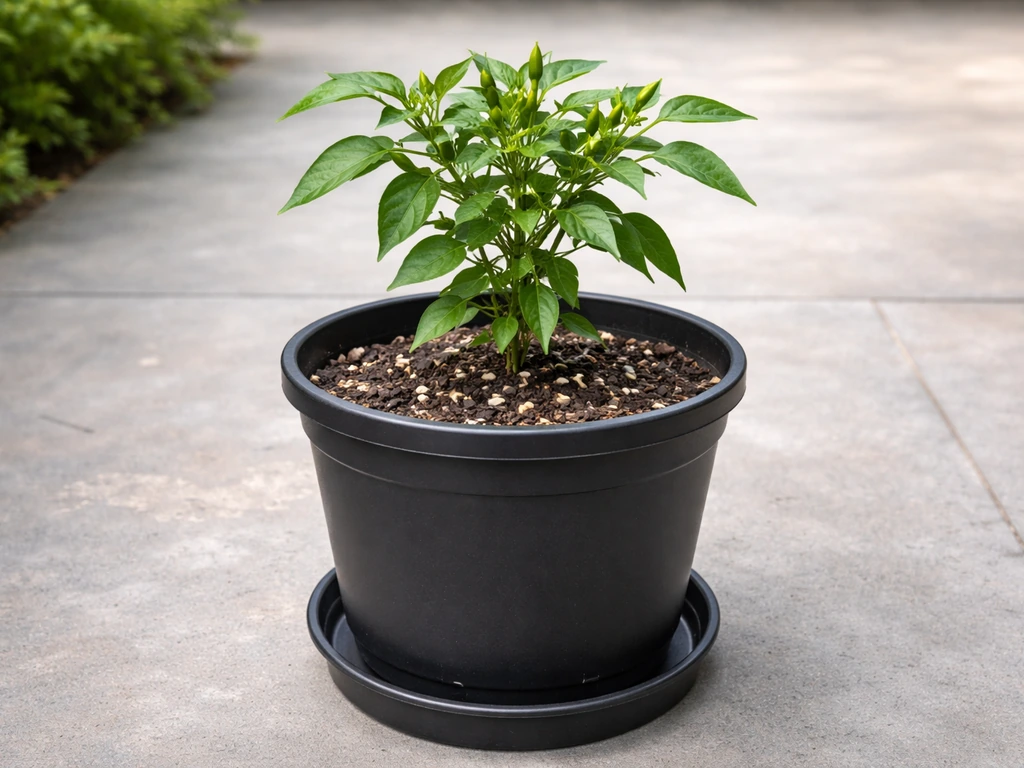
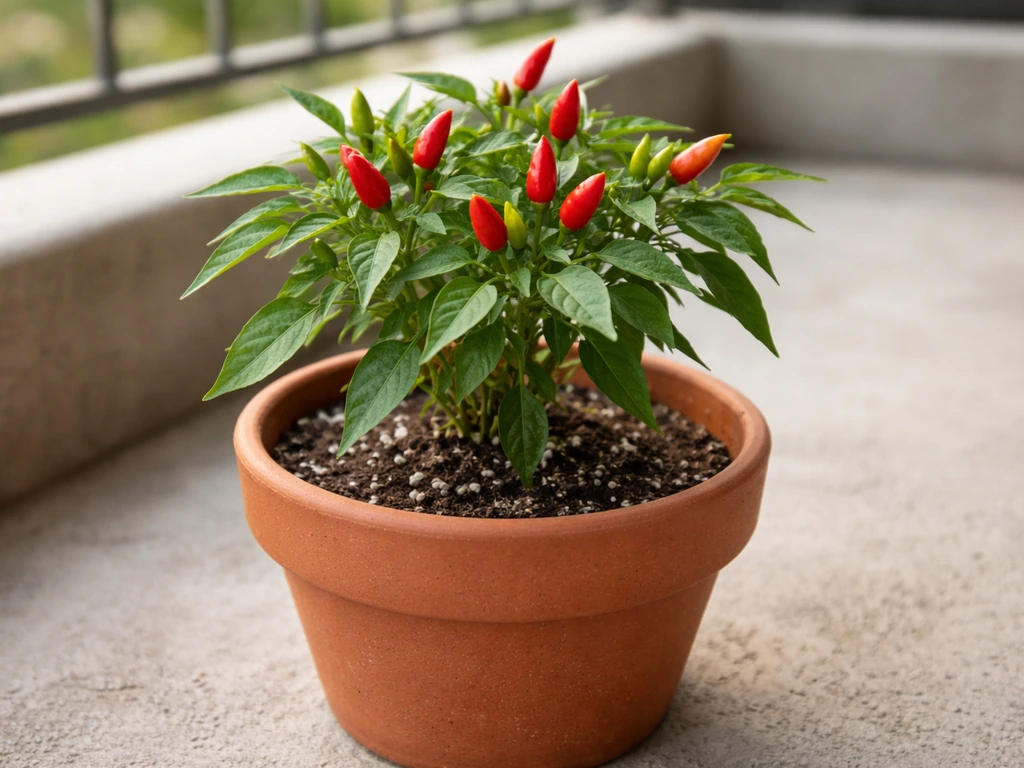
Siling labuyo is a compact hot pepper (Capsicum frutescens), which means it's one of the better chili types for containers. A 3 to 5-gallon pot is the sweet spot for one plant. Go smaller and the roots get cramped fast, especially in hot weather when the plant is fruiting hard. Go bigger and you're hauling around more weight than you need to. I usually aim for a 5-gallon pot if I have the space because it holds moisture a little longer and gives the roots more room to anchor.
Stick to one plant per pot. Two plants in the same container will compete for nutrients and water, and both will underperform. It feels like you're getting more yield from the same space, but you're really not. One healthy plant beats two struggling ones every time.
Drainage holes are non-negotiable. If your pot doesn't have them, either drill some or find a different container. Siling labuyo roots sitting in standing water will rot, and there's no recovering from that. Terracotta pots are a good choice because they breathe and help prevent overwatering, but plastic and fabric pots both work well too. Fabric pots in particular are great because they air-prune the roots and almost eliminate the risk of waterlogging. Whatever you use, elevate the pot slightly on pot feet or bricks so water can drain freely out the bottom.
Soil mix and fertilizer plan for container peppers
Getting the soil mix right
Don't use straight garden soil in a pot. It compacts, drains poorly, and brings in pathogens. A good mix for siling labuyo in containers is 40% loam, 30% compost, 20% coco coir, and 10% perlite. The compost feeds the plant, the coco coir holds moisture without getting soggy, and the perlite keeps the whole thing from compacting over time. If you can't get all those components, at minimum use a quality potting mix and add a handful of perlite and some compost. That gets you 80% of the way there.
Aim for a soil pH between 6.0 and 6.8. That's the sweet spot where siling labuyo can absorb the nutrients it needs. If you're using a commercial potting mix with compost already in it, you're probably close to that range without testing. If your plant looks pale and isn't thriving despite regular feeding, a cheap pH meter is worth buying to rule out a pH problem.
Feeding schedule that actually works
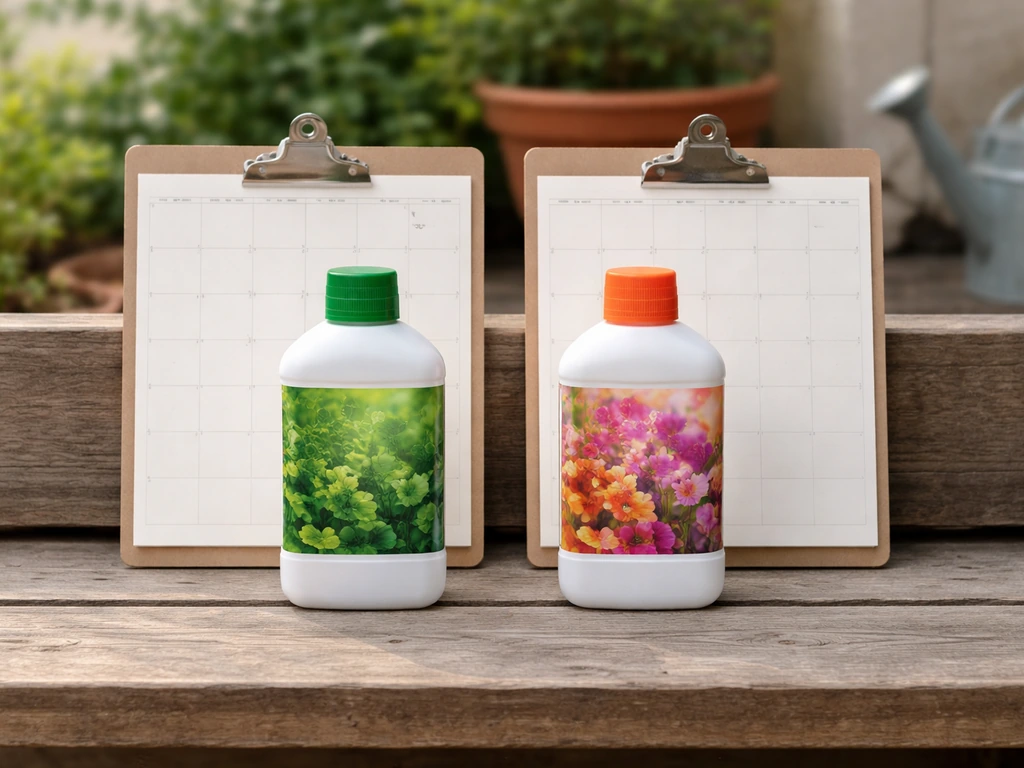
Container plants need more frequent feeding than plants in the ground because watering constantly flushes nutrients out of the pot. During the vegetative stage (the first several weeks when the plant is just growing leaves and stems), use a balanced fertilizer or one that's a bit higher in nitrogen. Something like a 10-10-10 NPK applied every two to three weeks with liquid fertilizer is a solid starting point.
Once you see flower buds forming, switch to a fertilizer that's lower in nitrogen and higher in phosphorus and potassium, something like a 5-10-10 ratio. Too much nitrogen at the flowering stage pushes leafy growth at the expense of fruit. During active fruiting, some growers feed as often as every week with a diluted liquid fertilizer. Watch your plant: yellowing older leaves can mean it needs more feeding, while dark, overly lush growth with few flowers usually means you're feeding too much nitrogen.
| Growth Stage | Fertilizer Type | Frequency |
|---|---|---|
| Seedling to vegetative | Balanced (e.g., 10-10-10) or slightly N-forward | Every 2–3 weeks |
| Flower bud formation | P and K forward (e.g., 5-10-10) | Every 2–3 weeks |
| Active fruiting | P and K forward, diluted liquid | Every 1–2 weeks |
Planting from seed vs seedlings: what to do and when
Starting from seed
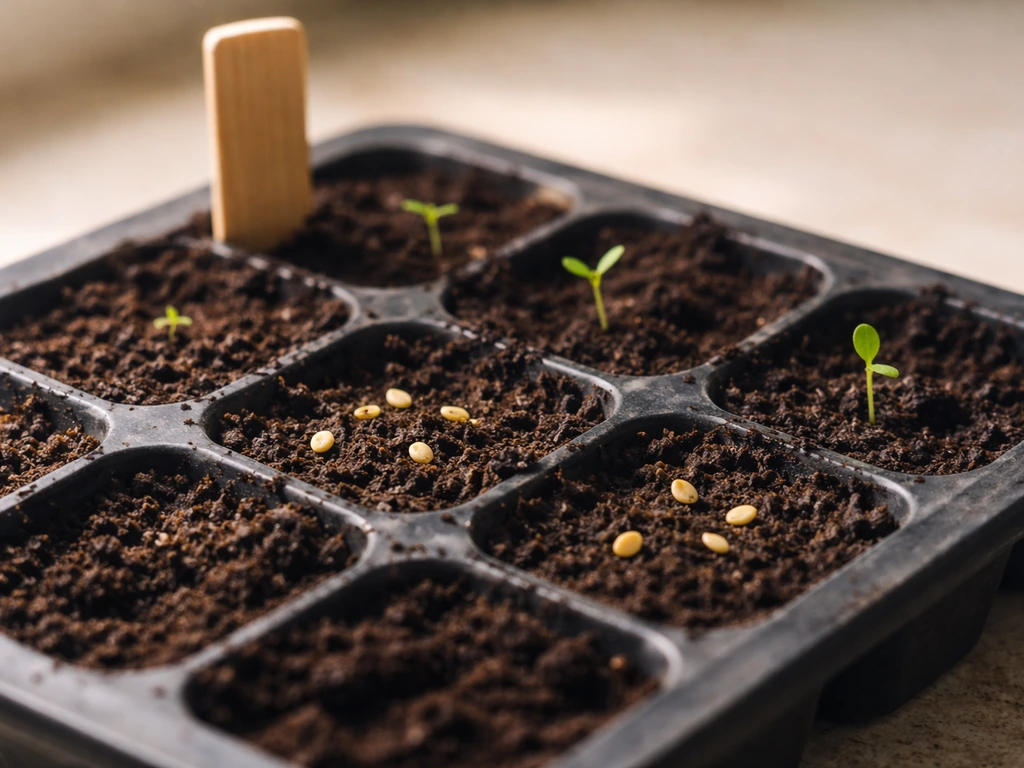
Starting siling labuyo from seed is very doable, and seeds are cheap and widely available. To get the best results, follow the seed-starting and planting steps too, whether you start from seed or transplant seedlings how to grow saluyot in pot. The key to success is warmth. Capsicum frutescens seeds germinate best at soil temperatures of 26 to 30°C (79 to 86°F), which is actually pretty easy to achieve in the Philippines year-round.
Plant seeds about 6mm (roughly 1/4 inch) deep in a sterile seed-starting mix or fresh potting mix. Do not use old or reused soil from a previous pot because pathogens that cause damping-off (a fungal rot that kills seedlings at the base) survive in old soil. New sterile mix is one of the easiest ways to avoid losing a whole tray of seedlings.
Expect germination in 10 to 25 days under warm conditions. Keep the mix moist but not wet during this time. Once seedlings emerge, make sure they get strong light immediately or they'll stretch out and become weak. Thin to one seedling per cell or small pot once they have two sets of true leaves.
Using seedlings instead
If you can find siling labuyo seedlings at a local market or garden center, this is the faster route and worth it if you just want to get growing. Look for stocky, dark green plants with no yellowing and no visible pests. Avoid leggy, pale seedlings that have clearly been sitting in low light. When transplanting, handle the roots gently and water the seedling well right after moving it to its new pot.
Simple timeline from start to harvest
- Week 1–2: Sow seeds in small pots or seed trays with sterile mix. Keep warm and moist.
- Week 2–4: Seeds germinate. Once seedlings have their first true leaves, move to a brighter spot.
- Week 4–6: Transplant seedling to the final 5-gallon pot. Begin watering regularly and start light feeding.
- Week 6–10: Vegetative growth. Feed with balanced fertilizer, ensure full sun.
- Week 10–14: Flowers appear. Switch to P and K fertilizer.
- Week 14–20: Fruits develop and ripen. First harvest is possible from about 85 days from seed.
Light, watering, and temperature care in pots
Sunlight needs
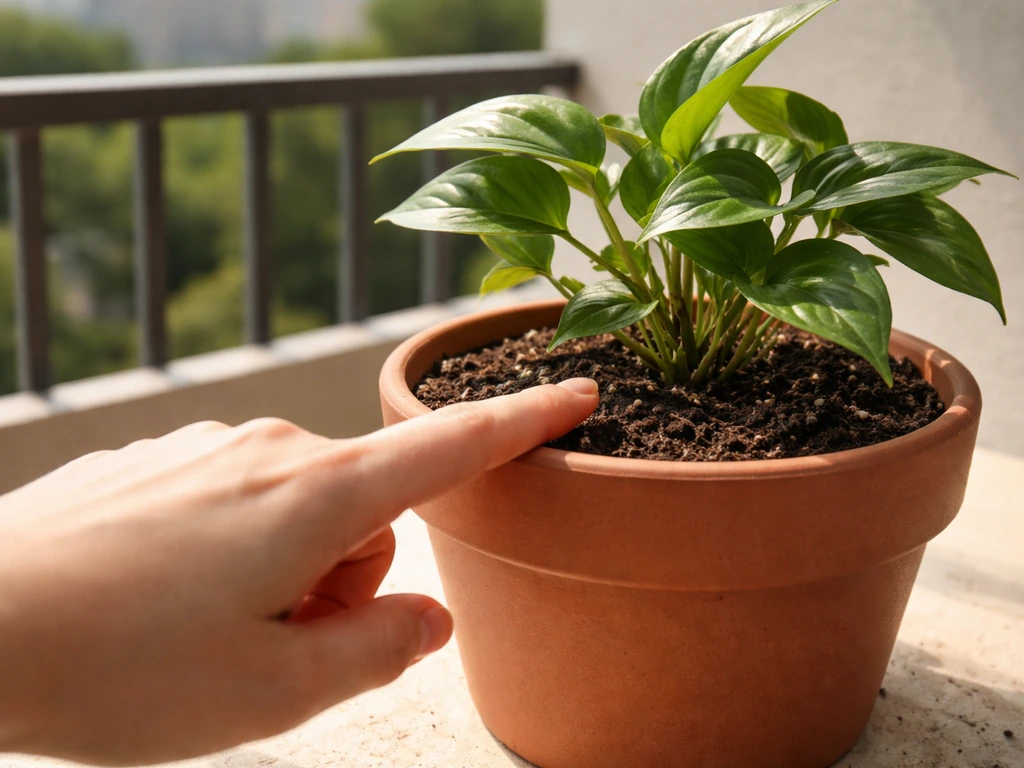
Siling labuyo wants at least 6 to 8 hours of direct sunlight per day. This is where containers actually help you, because you can move the pot to chase the sun. A south-facing balcony or rooftop spot in the Philippines is ideal. If you only have partial sun, the plant will still grow, but expect fewer fruits and slower ripening.
Watering without overdoing it
Water deeply when the top inch of soil is dry. That means actually pushing your finger into the soil, not just glancing at the surface. When you water, water until it drains out the bottom. This pushes air out and pulls in fresh oxygen, which the roots need. Shallow, frequent watering is one of the most common mistakes with potted peppers. It keeps the top wet while the bottom dries out, which stresses the plant and makes it more prone to disease.
One issue to know about in advance is blossom-end rot. You'll see it as a dark, sunken, leathery patch at the bottom of the fruit. It's caused by erratic watering. Pots dry out fast, especially during hot weather, and when the soil swings between wet and dry, the plant can't take up calcium properly even if calcium is present in the soil. The fix is consistency: water on a regular schedule, and don't let the pot go bone dry between waterings. During the hottest months, you may need to water daily.
Temperature and placement
Siling labuyo's ideal growing range is roughly 18 to 30°C. Nighttime temperatures between 13 and 21°C support good pollen production, while daytime temperatures above 32 to 35°C start to reduce pollen viability and can cause flowers to drop before they set fruit. In the Philippine context, this means mid-summer can be tough on flowering, but the plant will usually recover once temperatures moderate. If your pot is on a concrete floor that absorbs a lot of heat, elevate it or move it to a slightly shadier spot during the hottest part of the day in peak summer.
Pest and disease prevention and fixes
Pests to watch for
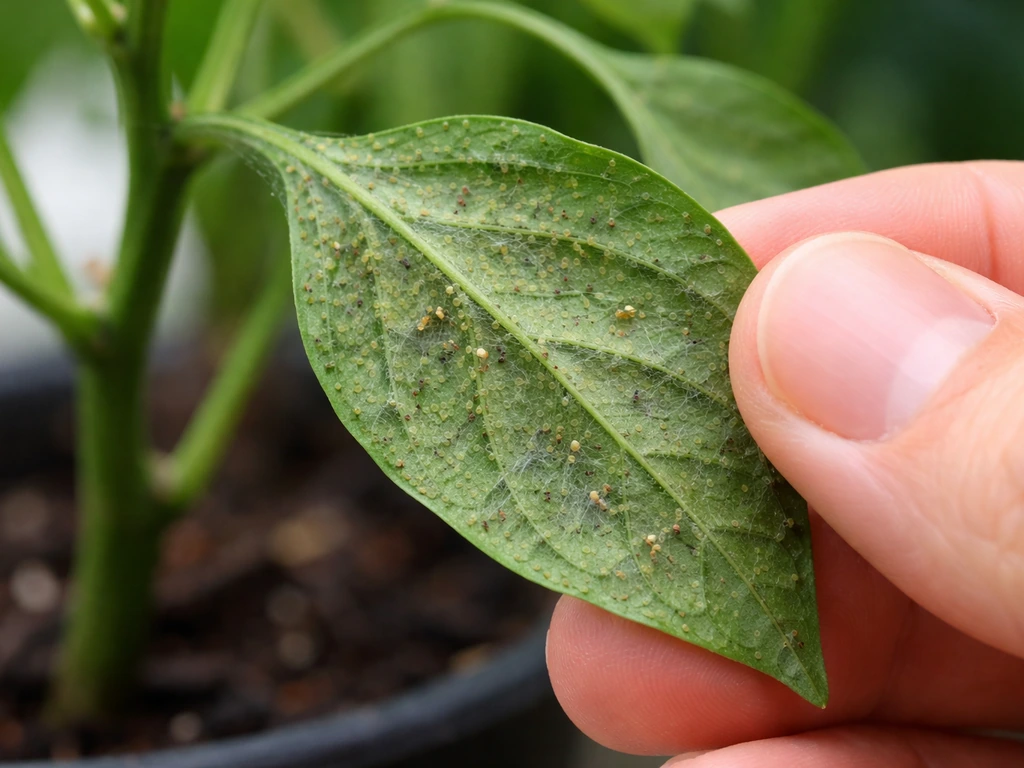
The most common pests on container siling labuyo are aphids, spider mites, whiteflies, and thrips. Get into the habit of checking the undersides of leaves at least once a week. That's where most of these pests cluster and lay eggs. Catching a small infestation early is much easier than dealing with a large one.
- Aphids: Small, soft-bodied insects often clustered on new growth and flower buds. Look for sticky residue (honeydew) on leaves, which can lead to black sooty mold. Spray with a strong stream of water to dislodge them, or use diluted neem oil or insecticidal soap.
- Spider mites: Tiny dots on the undersides of leaves, sometimes with fine webbing. Leaves look stippled or dusty. Mites thrive in hot, dry conditions. Increase humidity around the plant and spray with neem oil.
- Whiteflies: Tiny white flies that scatter when you disturb the plant. Use yellow sticky traps to monitor and neem oil spray to control.
- Thrips: Cause silvery streaking or distorted leaves. Hard to see with the naked eye. Neem oil and removing heavily infested leaves help.
Common diseases
Damping-off is the main seedling disease to worry about, where the stem of a young seedling rots at the soil line and the plant collapses. It's caused by fungi in old or contaminated soil. Always use fresh sterile potting mix for seeds and seedlings, and don't overwater the seed tray. For mature plants in pots, root rot from overwatering is the most common disease issue. If your plant suddenly wilts despite moist soil, yellows quickly, or the base of the stem looks dark and mushy, the roots are likely rotting. Reduce watering immediately and check that drainage is working. In bad cases, you may need to repot into fresh dry mix.
Pollination and harvesting for maximum heat and yield
Helping your plant pollinate
Siling labuyo flowers are self-pollinating, meaning each flower carries both male and female parts and can fertilize itself. In a garden or on a balcony with insect activity, this happens naturally. If you're growing indoors or on a high-rise balcony where insects rarely visit, just give the plant a gentle shake every couple of days when it's flowering. That's enough to transfer pollen within the flower and between flowers. You'll know it's working when you see small green fruits forming where the flowers were.
When and how to harvest
Siling labuyo starts out green, then turns red (or sometimes orange or yellow depending on the variety) when fully ripe. You can harvest green fruits if you want a milder flavor, but the heat and full flavor develop as the fruit ripens to red. From seed, expect first harvest around 85 days, though conditions vary. Use scissors or pinch the fruit off with a twisting motion rather than pulling, which can damage the stem or even break a whole branch.
Harvest regularly. Leaving ripe fruits on the plant signals to it that it has completed its job, which slows down new fruit production. The more you pick, the more it produces. This is one of the biggest levers you have for increasing your total yield from a single container plant.
Container growth challenges: leggy plants, low fruiting, leaf drop
Leggy, stretched-out growth
If your siling labuyo is tall and spindly with long gaps between leaves, it's not getting enough light. Move it to a sunnier spot first. If you're already in full sun and the plant is still leggy, it may have started that way as a seedling in low light and will fill out over time. Pinching the growing tip early (when the plant has 4 to 6 sets of leaves) encourages bushier branching instead of vertical stretching, which leads to more flowering sites later.
Flowers dropping without forming fruit
Flower drop is frustrating but usually has a fixable cause. The most common culprits are heat stress (temperatures above 32°C during the day), inconsistent watering, or too much nitrogen in the fertilizer at flowering time. Check your watering schedule, switch to a lower-nitrogen fertilizer, and if the plant is in a very hot, exposed spot, try giving it some afternoon shade during peak summer. In most cases, the plant will start setting fruit again once conditions improve.
Leaf drop and yellowing
Older lower leaves yellowing and dropping is normal as the plant grows. If yellowing is happening to younger leaves or spreading fast, it usually means a nutrient deficiency (often nitrogen or magnesium in container plants that haven't been fed recently), overwatering, or pH being off. Feed the plant if it hasn't been fertilized recently and check that water is draining freely. If you suspect pH is the issue, test the soil and amend accordingly. A soil pH outside the 6.0 to 6.8 range locks out nutrients even when they're physically present in the mix.
Poor fruiting despite healthy-looking leaves
A plant that looks lush and green but produces few fruits is usually getting too much nitrogen. It's putting energy into leaves rather than reproduction. Ease off the nitrogen-heavy fertilizer and switch to one higher in phosphorus and potassium. Also check that the plant is getting enough direct sun and that flowers are actually getting pollinated. Give it a gentle shake during the day when flowers are open and see if that improves fruit set.
Growing siling labuyo in a pot is one of the more rewarding container vegetables you can try, especially if you're already exploring other Filipino vegetables in containers. If you want a bigger harvest, you can also follow a detailed guide on how to grow sitaw in pots. The plant is compact enough to fit on a balcony, productive enough to give you real harvests, and forgiving enough that small mistakes won't kill it.
Get the pot size and drainage right, keep the watering consistent, feed it at the right stages, and harvest often. The same kind of pot-and-care basics also work when you’re learning how to grow sorrel in a pot Get the pot size and drainage right, keep the watering consistent, feed it at the right stages, and harvest often. . If you want a full walk-through, check out our guide on how to grow potol in containers too.
That's really the whole formula.
FAQ
Can I use a larger pot to grow more than one siling labuyo plant per container?
Even in a big pot, it’s best to keep one plant per container. Two plants still compete for nutrients and moisture, and you end up with weaker stems and fewer fruits per plant. If you want more yield, use separate pots, since drainage and feeding become easier to control.
How do I know when my potted siling labuyo needs water if the soil dries fast?
Do the finger test deeper than the top inch. If the soil 2 to 3 cm down is dry, water until it drains out the bottom, then wait again. In hot weather, the pot may require watering daily, but avoid watering on a fixed schedule if the root zone is still moist.
What’s the best way to prevent blossom-end rot in pots besides watering consistently?
Use a mix that holds steady moisture, and avoid sudden swings from near-dry to soaked. Also, don’t rely on calcium alone, since the problem is uptake during stress. If you notice recurring spots, check that your pot drains well and consider reducing nitrogen to support steadier fruit development.
Should I add calcium or eggshells if I get black bottom spots on the fruit?
Not as a first fix. Blossom-end rot in containers is usually from inconsistent watering affecting calcium uptake. Before adding calcium, stabilize your watering routine, confirm drainage, and ensure pH stays roughly between 6.0 and 6.8.
My plant is flowering but dropping blooms. What should I check first?
Start with heat and water consistency. Daytime heat above about 32 to 35°C can reduce fruit set, and irregular watering also triggers drop. Then check fertilizer, too much nitrogen at flowering can cause more leaf growth and fewer fruits.
Is hand-pollinating really necessary for container siling labuyo?
It’s only necessary when insects are scarce or the plant is indoors. If you’re on a balcony with frequent bee or insect activity, natural pollination often works. If flowers don’t develop into small green fruits, do a gentle shake every couple of days while flowers are open.
How often should I fertilize during fruiting if my plant is in a 3 to 5 gallon pot?
Because pots dry out and nutrients wash through faster, you typically need more frequent feeding than in-ground plants. A practical approach is to feed with a diluted phosphorus and potassium-leaning fertilizer about every 1 to 2 weeks during heavy fruiting, adjusting based on leaf color and new bud growth.
Why are my leaves turning pale or yellow even though I’m feeding?
Pale or yellowing leaves can come from pH issues, overwatering, or nutrient lockout. Confirm drainage, then check pH if you’re using composted potting mixes or if growth is slow despite feeding. In containers, pH drifting out of the 6.0 to 6.8 range can cause nutrient deficiency symptoms.
What’s the safest way to repot a plant if I suspect root rot?
Move it out of the wet mix, remove dark or mushy roots, and only keep healthy, firm roots. Let the root ball dry slightly before replanting into fresh dry potting mix, then water lightly to settle soil without waterlogging. Ensure the new pot has drainage holes and elevate it so excess water can escape.
How do I stop pests like aphids and thrips from coming back?
Reduce the window for reinfestation by checking leaf undersides weekly and removing heavily infested tips early. Focus on early intervention rather than waiting until leaves look damaged. For ongoing management, keep leaves clean and avoid over-fertilizing with nitrogen, since lush growth can attract pests.
Can I grow siling labuyo in a self-watering planter or with a saucer underneath?
It’s risky if the roots sit in water. If you use any reservoir or saucer, make sure excess water drains away and the bottom of the pot never stays constantly wet. Pot feet or bricks help, but self-watering systems still require careful control of how often the reservoir refills.
When harvesting, is it better to cut or twist the fruit off the plant?
Either is fine if you avoid damaging stems, but twisting gently with a slight pull-through is often safer for keeping branches intact in container plants. Use scissors or pruning shears if a fruit is firmly attached or you notice the stem flexing too much, which can lead to branch breakage.