Yes, you can absolutely grow climbing plants in pots, and they can look spectacular doing it. The key is giving them three things from the start: a big enough container, a support structure already in place before you plant, and a watering routine you actually stick to. Get those right and vines will thrive in a pot on a balcony, patio, or doorstep just as happily as they would in the ground.
How to Grow Climbing Plants in Pots: Step by Step
Marcus Whitley
20 May 2026
Can you really grow climbing plants in pots (and what makes it work)
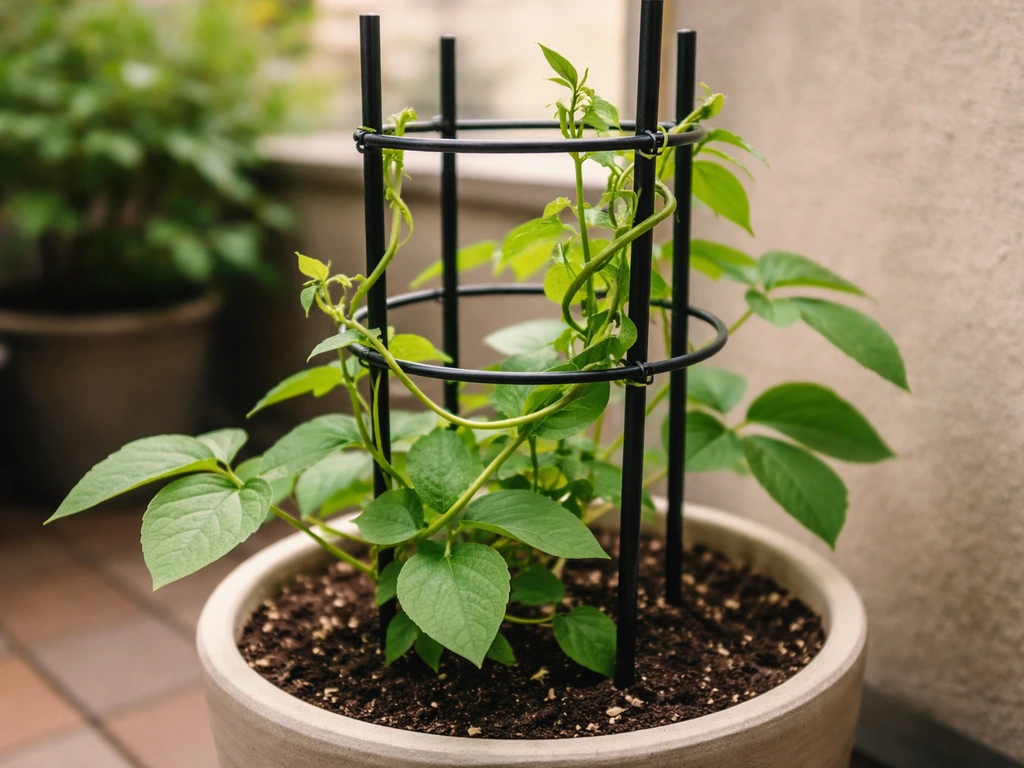
The honest answer is yes, with one important caveat: container climbing is less forgiving than in-ground growing. When a vine is planted in the ground, its roots can spread wide searching for water and nutrients. In a pot, they're limited to whatever soil volume you give them, which means you're entirely responsible for keeping that soil consistently fed and moist. That's not a reason to avoid it, it's just something to understand going in so you're not caught off guard when the plant wilts on a hot afternoon.
What makes container climbers succeed is really a system: the right pot size and shape, proper drainage (no gravel layer at the bottom, more on that shortly), a good potting mix rather than garden soil, a support structure that's sized for where the plant will eventually end up, and consistent watering and feeding. Nail that system and you'll have a lush, vertical display in even the smallest outdoor space.
Best climbing plants for containers
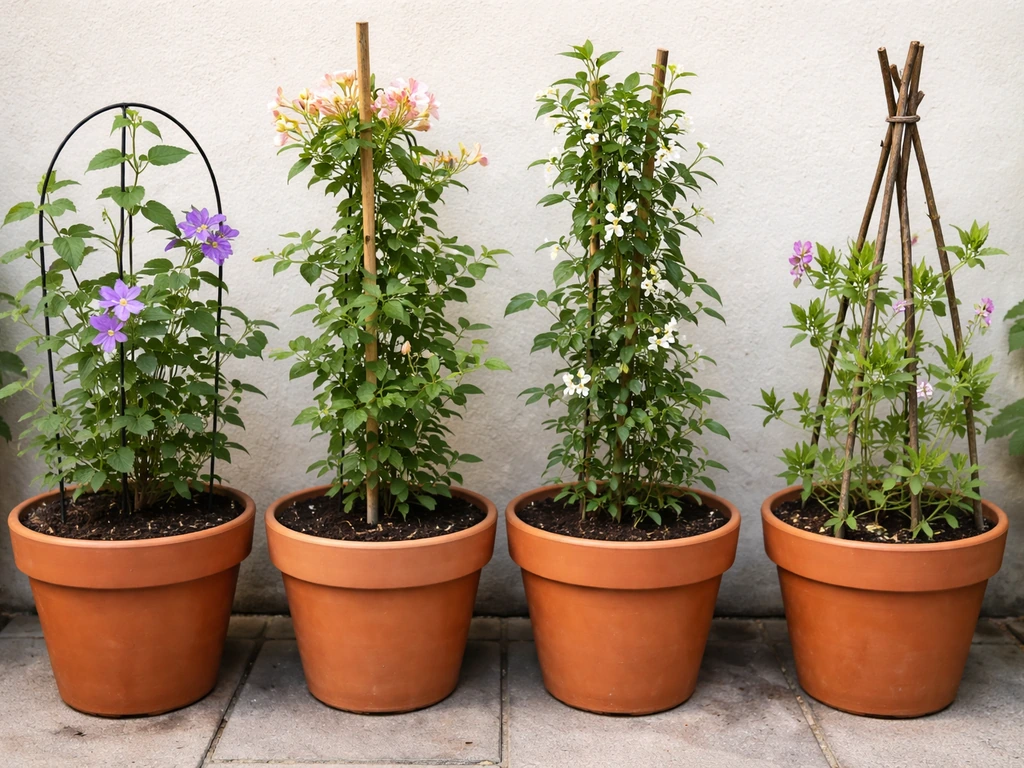
Not every climber is equally happy in a pot. The best container climbers are either naturally compact in their root systems, have manageable vigour, or are so rewarding to grow that the extra care is worth it. Here's a short-list of the ones I'd actually recommend for pot growing, along with a quick note on what suits each one.
| Climber | Minimum Pot Size | Sun/Shade | Best Feature | Notes |
|---|---|---|---|---|
| Clematis | 18 in / 45 cm wide | Sun to part shade | Stunning flowers in many colours | Roots need to stay cool; add pebbles or low plants on top of soil |
| Sweet Peas (Lathyrus odoratus) | 12 in / 30 cm wide | Full sun | Incredible fragrance, fast growing | Annual; re-sow each year; great beginner choice |
| Nasturtium (climbing varieties) | 10–12 in / 25–30 cm | Full sun to part shade | Edible flowers, very easy | Almost impossible to kill; perfect for first-timers |
| Black-eyed Susan Vine (Thunbergia alata) | 12 in / 30 cm | Full sun | Cheerful orange and yellow flowers all summer | Treat as annual in most climates |
| Passionflower (Passiflora) | 12–15 in / 30–38 cm | Full sun | Exotic-looking flowers | Can get vigorous; prune hard in spring |
| Jasmine (Jasminum officinale) | 12–15 in / 30–38 cm | Full sun | Intensely fragrant white flowers | Twining habit; easy to train |
| Mandevilla | 12 in / 30 cm | Full sun | Tropical, glossy, long-flowering | Bring indoors in frost; great for pots |
| Honeysuckle (Lonicera) | 15 in / 38 cm | Sun to part shade | Fragrant, wildlife-friendly | Choose a compact variety for pots |
If you're completely new to this, start with sweet peas or nasturtiums. They're fast, forgiving, cheap to grow from seed, and genuinely rewarding. Once you've got the rhythm down, clematis is the one to graduate to because the flower show is hard to beat.
Choosing the right pot, drainage, and soil mix
Pot size and shape
Go bigger than you think you need, especially for perennial climbers like clematis or honeysuckle. For clematis specifically, 18 inches (45 cm) wide is the minimum worth bothering with; smaller than that and the roots get stressed too easily. For annuals like sweet peas, you can get away with a 12-inch pot, but more root space always means better performance. Shape matters too: tall, heavy pots are more stable than wide, shallow ones. As your climber grows and the foliage gets fuller, wind resistance increases and a lightweight or shallow pot will topple. Choose something with some weight to it, or be prepared to anchor it.
Drainage: what actually works (and what doesn't)
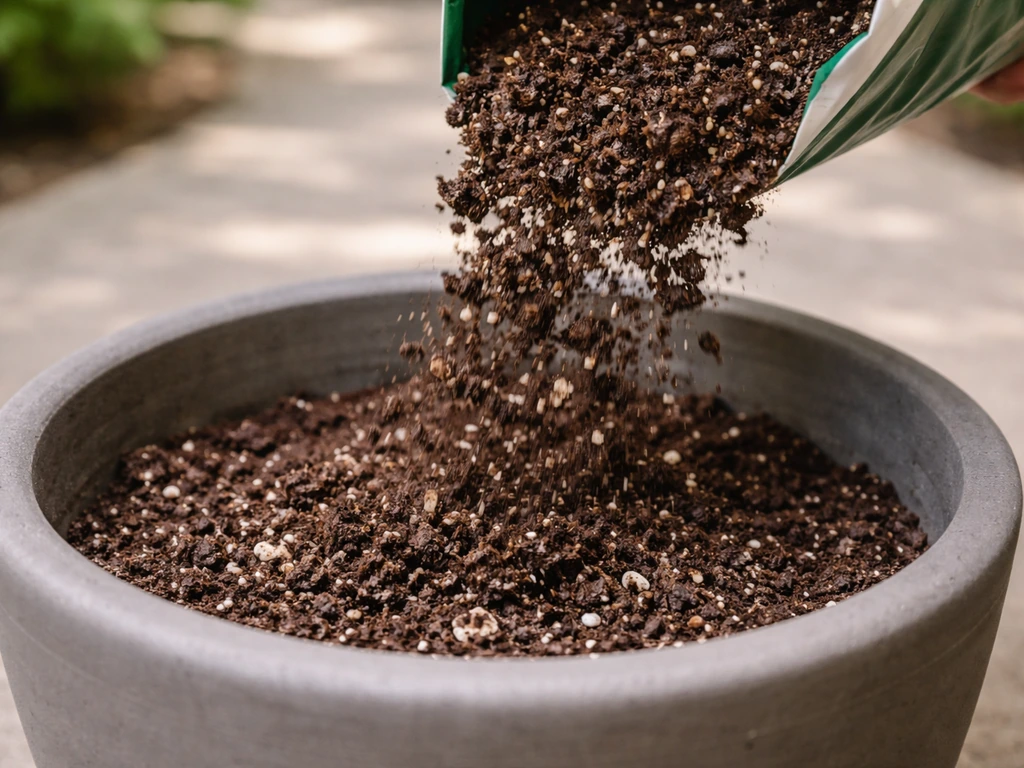
Your pot absolutely needs drainage holes. If it doesn't have them, drill some, because no climbing plant will survive sitting in waterlogged soil for long. One very common mistake is adding a layer of gravel or rocks at the bottom of the pot beneath the potting mix, with the idea that it improves drainage. It doesn't. Research is clear on this: it actually raises the point at which excess water sits inside the pot, making drainage worse rather than better. Just use a good potting mix all the way to the bottom, make sure the holes are clear, and you're sorted.
The right soil mix for container climbers
Always use a purpose-made potting mix, not garden soil or topsoil. Garden soil compacts in a pot, blocks drainage, and doesn't give roots the air pockets they need. NC State Extension also notes that to avoid poor drainage, you should use a dense or compacted growing medium because drainage depends on large particles and pore spaces within the mix remaining uncompacted Garden soil compacts in a pot, blocks drainage. A good potting mix is light, well-structured, and contains perlite or vermiculite to keep things airy. For clematis, look for a mix with a good proportion of coarse peat moss (or a peat-free alternative like coir), which helps retain moisture without sitting waterlogged. You want the mix to feel damp like a wrung-out sponge, not soggy and not bone dry.
Support systems and how to train your vine
Install the support before you plant
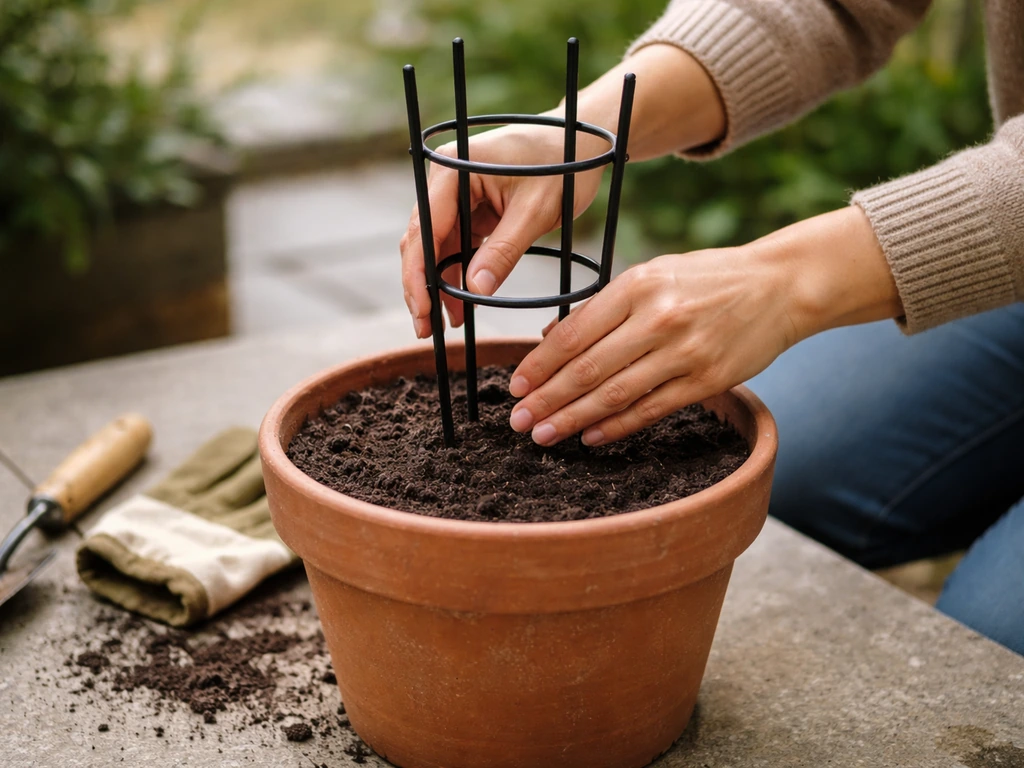
This is one of the most practical pieces of advice I can give you: put your support structure into the pot first, then plant around it. Trying to add a trellis or cane after the plant is already growing means disturbing roots and almost certainly snapping stems. Get it in place while the pot is empty, fill with soil, then plant.
What type of support to use
The support you choose depends on where the pot is going and how big the plant will get. Here are the main options:
- Trellis panel: great for pots placed against a wall or fence. Push the trellis legs into the soil and lean it back against the wall for extra stability.
- Bamboo cane wigwam: three or four canes pushed into the soil and tied together at the top. Works brilliantly for sweet peas, nasturtiums, and black-eyed Susan vine.
- Single stake or obelisk: a freestanding metal or wooden obelisk that sits in the pot. Good for smaller climbers like mandevilla or short clematis varieties.
- Twine or wire strung between the pot and a wall hook: simple, cheap, and effective for lightweight twiners like jasmine.
- Moss pole: better for indoor tropicals, but useful for slower-growing container climbers too.
Training and tying the vine
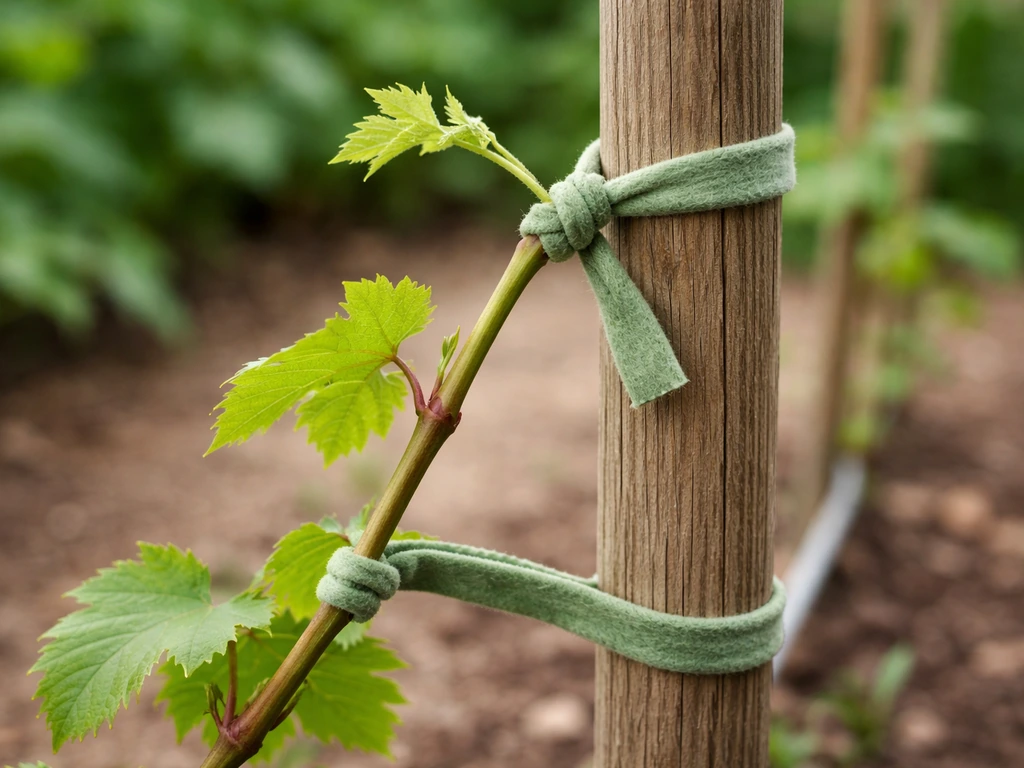
Most climbers won't find their support on their own right away. Every week or so, check which direction the new growth is heading and gently guide it toward the support. Use soft twine, plant clips, or even strips of old tights to tie stems loosely. The key word is loosely: a tight tie cuts into the stem as it thickens and can damage or kill it. Some plants like clematis and sweet peas have tendrils that will self-cling once they make contact with something they can wrap around. Twiners like jasmine and honeysuckle wrap their stems around the support, so you just need to point them in the right direction. Check ties every few weeks and loosen anything that's starting to dig in.
Planting and care routine: watering, feeding, and pruning
Planting
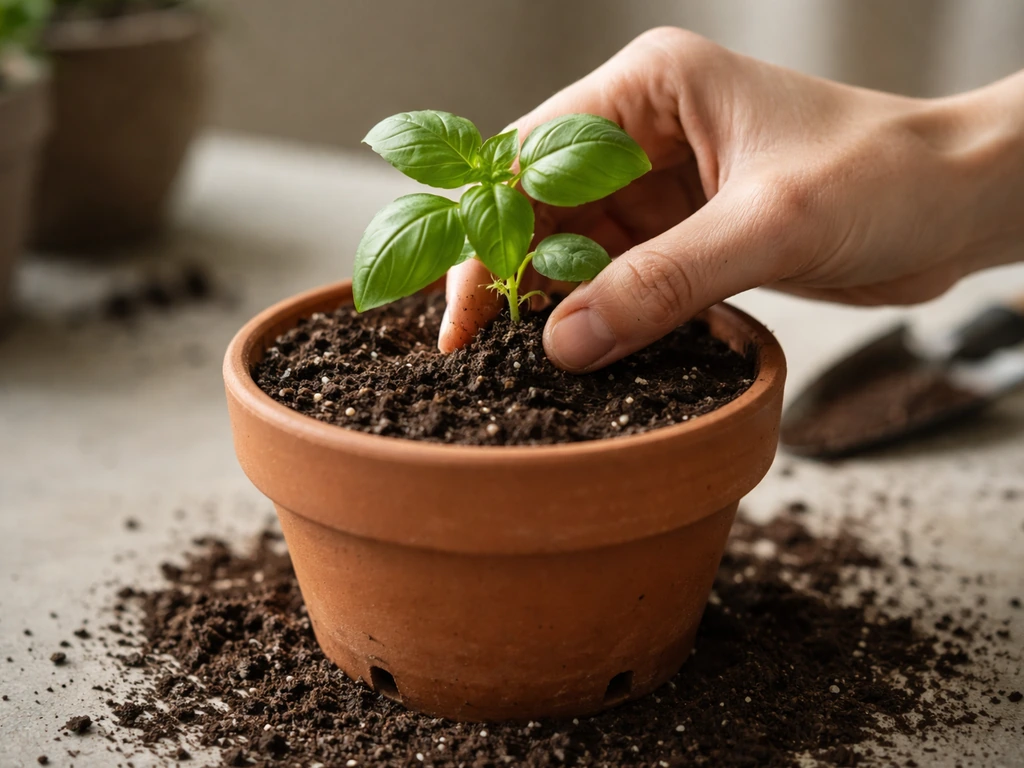
Fill your pot with potting mix to about 2 inches below the rim (this gives you room to water without overflow). Make a hole in the center, tip your plant in gently, backfill, and firm lightly. Water well immediately after planting so the soil settles around the roots. For clematis, plant the crown about 2 inches deeper than it was sitting in its nursery pot; this protects it if stems get damaged.
Watering
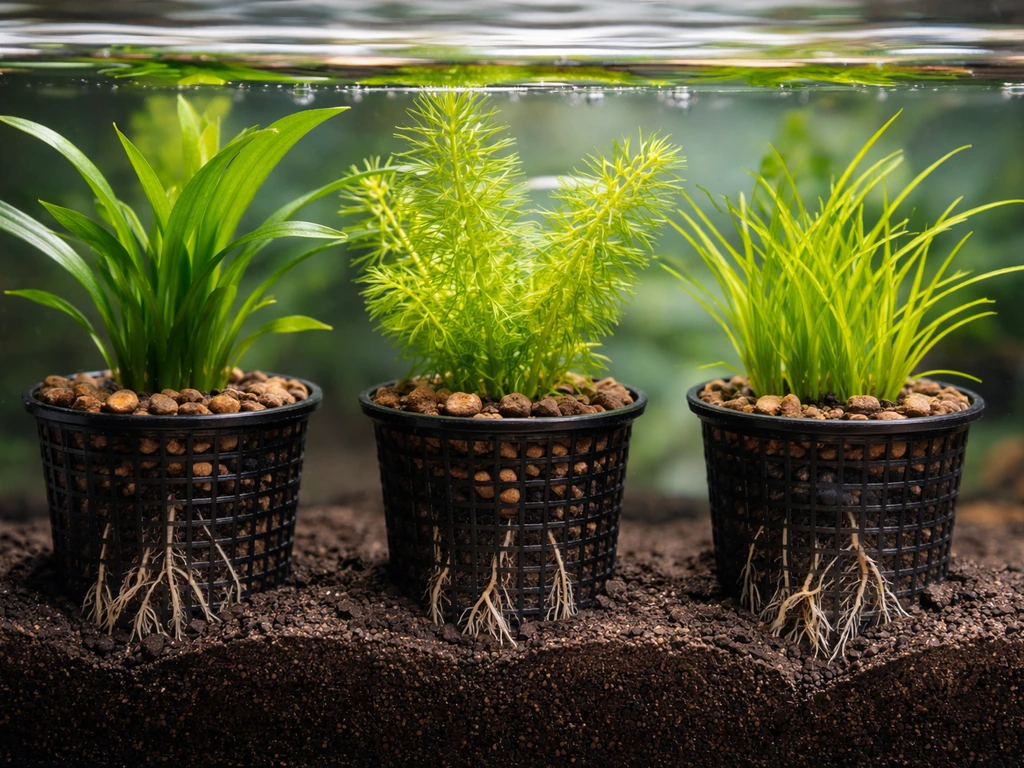
Watering is where most container-climbing setups go wrong. If you also want to grow aquarium plants in pots, focus on moisture levels, light, and the right type of growing medium so the plants do not dry out. The limited soil volume in a pot dries out much faster than garden soil, especially in summer. If you are specifically using plastic pots, the watering and drainage tips above are a great starting point for how to grow plants in plastic pots too. Check the soil daily during warm weather by pushing your finger an inch into the mix. If it's dry, water thoroughly until it runs freely from the drainage holes. Never let the pot dry out completely between waterings; the stress weakens the plant and makes it vulnerable to pests and disease. In peak summer you may need to water every day. In cooler months, every few days is usually fine. If you're growing several containers, it might be worth investing in a simple drip irrigation timer.
Feeding
Because you're watering frequently, nutrients wash out of the potting mix faster than in the ground. Start feeding about six weeks after planting (most fresh potting mixes have enough nutrients for the first few weeks). Use a balanced liquid fertiliser weekly during the growing season, or a slow-release granule feed worked into the top layer of soil in spring. For flowering climbers like clematis or sweet peas, switch to a high-potassium feed (like tomato fertiliser) once buds start forming to encourage more flowers.
Pruning and managing growth
Pruning keeps container climbers tidy and productive. For annual climbers like sweet peas, pinch out the growing tips when the plant is about 6 inches tall to encourage bushy, multi-stemmed growth. Keep picking the flowers as they open to extend the season. For perennials like clematis, pruning depends on the group (early, mid, or late-flowering), but the simple rule for most container clematis is to cut back by about a third in late winter or early spring before new growth starts. For passionflower and honeysuckle, cut back hard in spring to stop them swamping the support. If a stem outgrows the trellis, either tie it back in or trim it off cleanly.
Light, placement, and temperature
Most flowering climbers want as much sun as they can get, ideally six or more hours of direct sunlight per day. Mandevilla, sweet peas, nasturtiums, and jasmine are all sun-lovers. Clematis is slightly different: it likes its flowers in the sun but its roots in the shade. That's easy to manage in a pot by topping the soil surface with a layer of pebbles, or by placing a smaller pot of low-growing plants over the soil to shade the root zone. Honeysuckle is probably the most shade-tolerant of the common container climbers and can do well on a north-facing wall if it gets indirect brightness.
Temperature matters more for container plants than in-ground ones because the pot itself heats up and cools down faster than the ground. In a hot summer, a dark-coloured pot sitting in full sun can cook the roots. If your only option is a dark pot in a sunny spot, wrap the outside with hessian or stand it inside a slightly larger pot with an air gap. In cold weather, containerised roots are more exposed to frost than ground-level roots, so wrap the pot in fleece or bubble wrap over winter, or move it somewhere sheltered. Most of the climbers on this list are frost-tender (mandevilla especially) and will need to come indoors when temperatures drop.
Troubleshooting common container climbing problems
Even with the best setup, things can go wrong. Here's what to look for and what to do about it:
- Yellowing leaves: usually a sign of overwatering or poor drainage. Check that the drainage holes are clear and that the soil isn't staying soggy. If the mix smells musty, repot into fresh potting mix.
- Wilting even after watering: if the soil is wet but the plant is still wilting, root rot may have set in from sitting in water. Tip the plant out, trim any black or mushy roots, and repot into fresh, well-draining mix.
- Slow or stalled growth: most often caused by the plant being pot-bound (roots have filled the pot with no room to expand), low nutrients, or not enough light. Check the roots by gently tipping the plant out. If they're circling the bottom densely, it's time for a larger pot.
- Plant toppling over: the support or pot has become unstable as the plant got bigger. Add weight to the base of the pot (a handful of grit or stones mixed into the top layer of soil), stake the trellis to a wall, or move the pot to a more sheltered spot.
- Leggy, sparse growth: not enough light. Move the pot to a brighter spot, or if that's not possible, cut the stems back by half to encourage denser re-growth.
- Pests (aphids, spider mites): common on sweet peas and nasturtiums especially. A strong blast of water from a hose will knock most aphids off. For spider mites (look for fine webbing on undersides of leaves), increase humidity around the plant and use an insecticidal soap spray.
- Plant outgrowing its support: either tie stems back in firmly, extend the support by attaching it to a taller structure like a wall or fence, or prune back to a manageable size.
Your next steps to get started today
If you're ready to start today, here's the practical order of operations. Pick your plant based on what suits your light conditions (sweet peas or nasturtiums if you're a beginner, clematis if you're ready for a challenge). Source a pot that's the right minimum size for that plant. To keep your plants thriving, choose a pot size and soil mix that match the plant, then water and feed consistently. Buy a purpose-made potting mix. Install your support structure into the empty pot before adding soil. Fill, plant, water well, and place the pot in the right light. Then set a reminder to check the soil every day for the first two weeks until watering becomes habit. After that, feed weekly once the initial potting-mix nutrients run out. That's genuinely all it takes to get going.
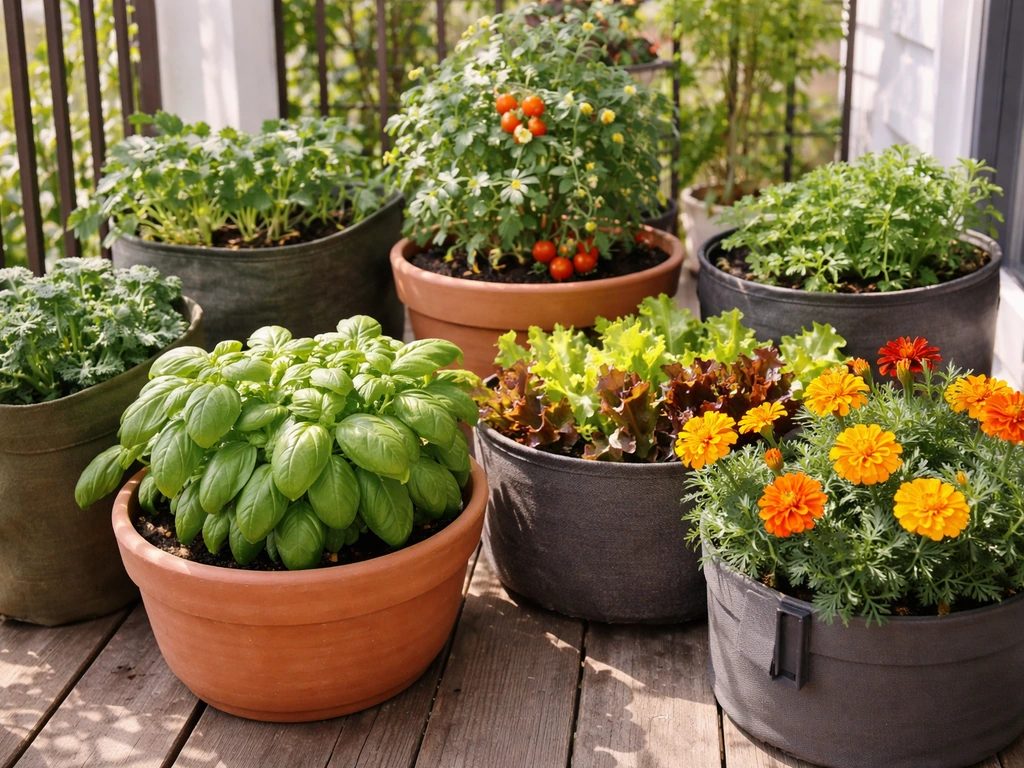
Container climbing plants are one of the most satisfying things you can grow in a limited space. With the right pot, drainage, and consistent watering, you can learn how to grow indoor plants in pots even when space is limited container climbing plants. A pot of sweet peas climbing a bamboo wigwam on a balcony, or a clematis scrambling up a trellis by a front door, can transform a small outdoor area completely. If you're already growing other things in pots, adding a climber is a natural next step that uses vertical space most container gardeners leave empty. If you want to go beyond climbing plants, these same container techniques also show how to grow small plants in pots successfully. Follow these container climbing tips and you’ll be well on your way to growing a thriving garden in pots adding a climber. Once you've got the basics working, it's worth experimenting with different species, pot materials, and support styles to see what works best for your specific spot.
FAQ
How many climbing plants should I put in one pot without stressing them?
Most container climbers do best as single plants per pot. Even if two vines look small at first, they quickly compete for limited root space and water. If you want multiple plants, use a much larger container (roughly doubling the width and depth), choose plants with similar water needs, and plan separate ties/support points so stems do not tangle.
Do I need to shade the potting mix for climbing plants in hot weather?
Often, yes if you have sun-baked containers. Besides watering more often, protect the root zone by using a lighter-coloured pot, adding a mulch layer on top of the soil (not up against the stem/crown), or placing a small pot of low plants to block direct sun on the soil surface. This helps reduce daily soil temperature swings that make watering unreliable.
What’s the best way to prevent root rot in pots when it rains a lot?
Start with drainage holes, then make sure excess water can fully drain out. Use potting mix only, avoid any bottom gravel layer, and consider elevating the pot slightly on feet or bricks so water is not trapped under the base. Also, check the soil by finger or a moisture meter, because surface dampness after rain can mask waterlogged conditions below.
Should I let climbing plants dry out a little between waterings?
For most pot-grown climbers, no. Rather than waiting for the pot to fully dry, water when the mix feels dry about 1 inch down. If you routinely let it dry out completely, growth slows, flowers drop, and the plant becomes more vulnerable to spider mites and other stress pests.
Can I grow climbing plants in pots indoors, and what changes?
Yes, but you must match light and support needs. Choose a clinging or trained plant you can keep supported indoors, and place the pot near a very bright window or under grow lights. Indoor pots also dry out differently, so check moisture more frequently and use a saucer only if you empty it after watering to prevent water sitting around the roots.
When should I start feeding, and how do I avoid over-fertilising in pots?
Begin feeding after the fresh potting mix has had time to run down, about six weeks after planting as a general guideline. If you see lots of leafy growth with few flowers, or tips look scorched, reduce frequency or switch to a lower-nitrogen feed. In rainy periods, nutrients can leach quickly, so adjust based on how often you actually water rather than the calendar alone.
What do I do if my climber isn’t reaching the support yet?
Guide it gently early, every week or so, toward the support. If growth is slow, check the basics first: pot size, light hours, and whether the soil is staying evenly moist. Also verify that ties are loose and not constricting, and that the support is not so far away that stems cannot naturally bridge the gap.
How can I tell whether the support is too flimsy for my climbing plant?
Test it after strong growth and after wind exposure. If the trellis flexes, wobbles, or separates from the pot rim, it will eventually damage stems and loosen ties. Choose a support height and strength that matches the mature plant, and if the pot is light, either use a heavier container or anchor the support into the pot or wall system designed for climbing plants.
What’s the right way to prune container clematis or other perennials in a pot?
Pruning timing depends on the plant’s flowering group, not just the season. For potted clematis, avoid cutting impulsively, because incorrect timing can remove next season’s buds. If you cannot identify the group, treat it conservatively by removing dead or weak stems and wait for the first growth flush before doing heavier cuts.
Should I repot climbing plants after a season or two?
Often, yes for fast growers. If roots are circling the inside, if water runs straight through because the pot is root-bound, or if the plant wilts quickly even with regular watering, it likely needs a bigger pot and fresh mix. For perennials, repot in the period recommended for that species, and handle roots gently to avoid stem stress.