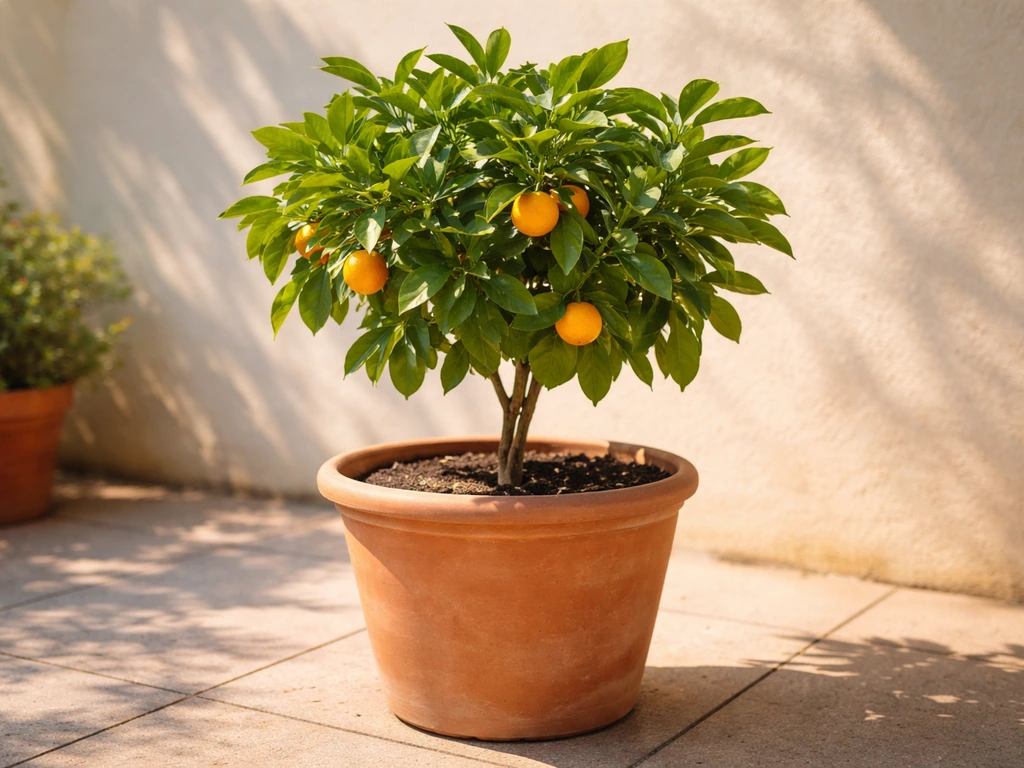
Yes, you can absolutely grow citrus trees in pots, and plenty of people do it successfully on balconies, patios, and even sunny windowsills. The key is picking a variety that naturally stays compact, using a large enough container with good drainage, and committing to a consistent watering and feeding routine. Get those three things right and you can have a fruiting citrus tree in a pot for years, whether you're in a warm climate or somewhere that freezes solid every winter.
How to Grow Citrus Trees in Pots: Step-by-Step Guide
Marcus Whitley
29 Apr 2026
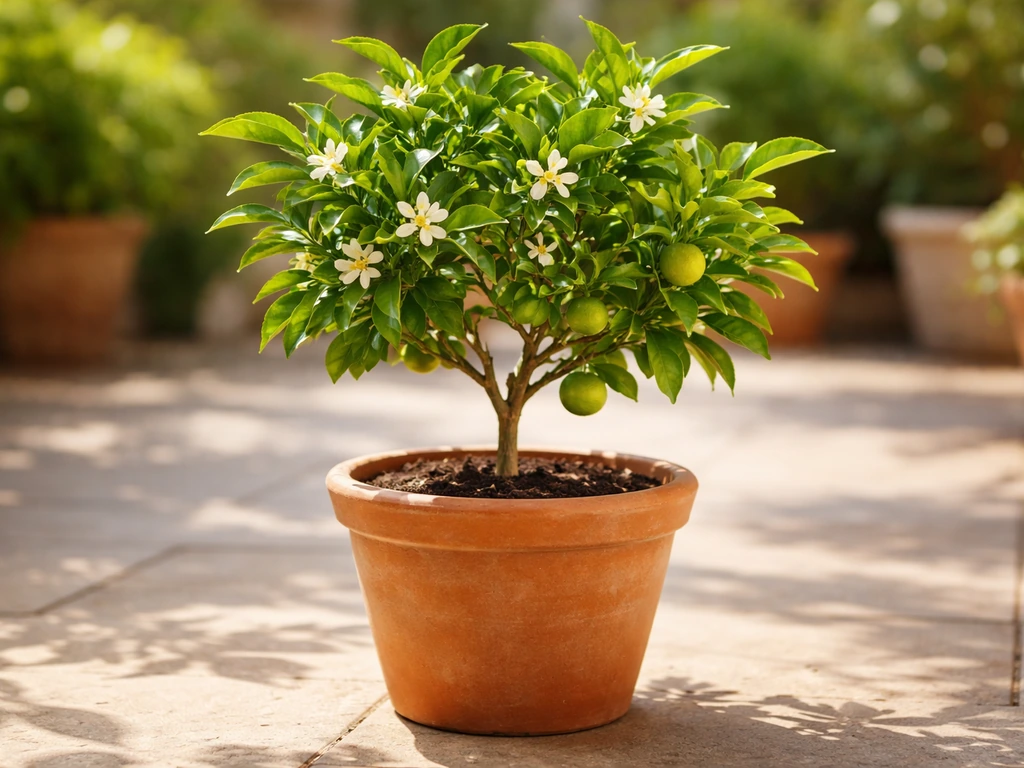
Which citrus actually works in a pot
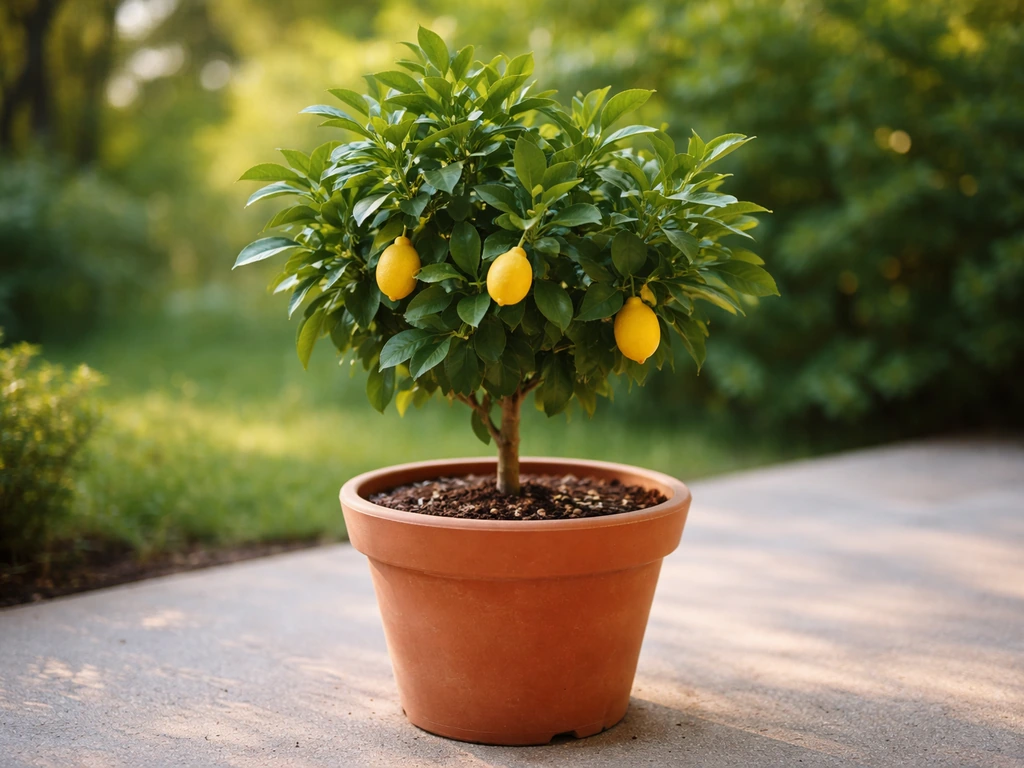
Not every citrus is container-friendly. Full-size orange or grapefruit trees will fight you constantly because they want to get big, and a pot just can't support that long-term. The varieties that genuinely thrive in containers are the ones that stay naturally small or semi-dwarf. If you're just starting out, these are the ones I'd point you toward:
- Improved Meyer lemon: probably the most popular container citrus for good reason, compact, productive, and more cold-tolerant than most lemons
- Satsuma mandarin: sweet, easy to peel, handles cooler temperatures better than most citrus
- Kumquat: tiny fruit, tiny tree, remarkably tough, and actually looks great as a patio plant
- Calamondin: small ornamental tree with tart fruit, almost bulletproof in a pot and a great choice for beginners
- Dwarf navel orange: doable in a large container if you want oranges, though it needs more space and more sun than the others
One underrated advantage of growing citrus in a pot is flexibility. If you're not sure whether a variety can handle your local winters, growing it in a container means you can just bring it inside before a freeze hits, which removes a lot of the risk. That's a real advantage over planting directly in the ground, especially in colder climates. Kumquats in particular are worth exploring if you want something low-maintenance, and if you're interested in the details of growing them specifically, that's a topic worth diving into on its own. Kumquats also have a few pot-specific needs, like getting enough sun and avoiding overwatering during cooler months.
Picking the right pot and where to put it
Container size and material
Pot size matters more than most people realize. Too small and the roots get cramped, the tree dries out constantly, and you'll be repotting every season. As a starting rule, choose a pot at least three times the size of the nursery container your tree came in. In practical terms, a young citrus from a 1-gallon nursery pot should go into at least a 5-gallon container, which is roughly 12 inches in diameter. For a mature tree or a longer-term setup, a 15 to 25 gallon pot is more realistic. Yes, that's a big container, but citrus roots need room to establish.
Drainage holes are non-negotiable. If water can't escape freely from the bottom of the pot, the roots will sit in wet soil, and that leads to root rot. Don't use a saucer that holds standing water unless you empty it after every watering. For material, terracotta is breathable and attractive but dries out faster, which means more frequent watering in summer. Plastic and resin containers hold moisture longer and are much easier to move around, which matters a lot when you're hauling a tree indoors for winter. Fabric grow bags also work well and provide excellent drainage and aeration.
Where to place it
Citrus is a full-sun plant. Outdoors, find the sunniest spot you have, ideally somewhere that gets at least 6 to 8 hours of direct sun daily. South or west-facing walls and patios are ideal because they absorb and reflect heat. Indoors, a south-facing window is the standard recommendation, but the honest truth is that most indoor environments don't provide nearly as much light as outdoors. If you're overwintering a citrus tree inside and it starts dropping leaves or looking pale, a grow light positioned close to the canopy can make a real difference.
The right soil mix for potted citrus
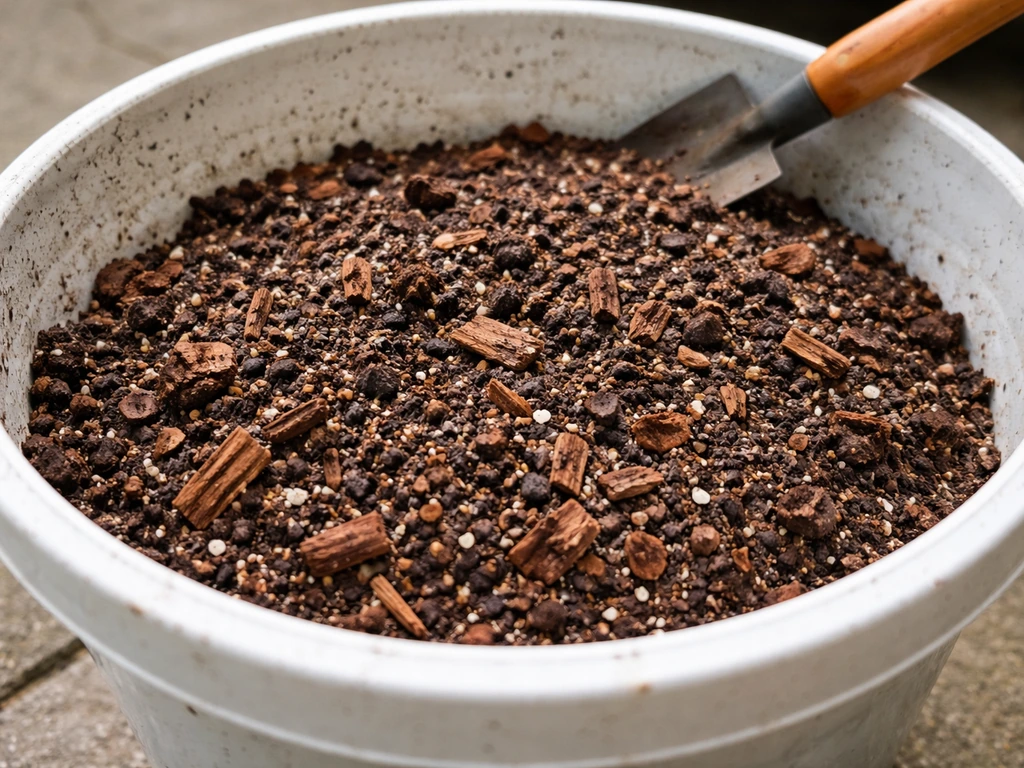
Regular garden soil is not suitable for containers. It compacts, drains poorly, and citrus roots don't like either of those things. What you want is a well-draining, slightly acidic potting mix with a pH somewhere between 5.5 and 6.5. Most quality commercial citrus or cactus potting mixes fall in that range and work fine straight out of the bag.
If you want to mix your own, a solid option is 4 parts shredded aged pine bark combined with 1 part peat moss or coconut coir. You can also use a peat-and-perlite or peat-and-vermiculite blend, where the perlite or vermiculite helps keep the mix loose and aerated. The goal is a mix that drains quickly but still holds enough moisture that the roots aren't drying out within hours of watering. Avoid anything labeled as moisture-retaining or water-storing, those formulas tend to stay too wet for citrus.
| Mix Type | Drainage | Moisture Retention | Best For |
|---|---|---|---|
| Peat + perlite | Excellent | Moderate | General container citrus, easy to find |
| Pine bark + peat/coir | Excellent | Moderate | DIY mix, closely mimics natural citrus soil |
| Commercial citrus mix | Good | Moderate | Beginners who want a ready-to-use option |
| Standard potting soil (plain) | Poor | High | Not recommended for citrus |
How to plant your citrus tree
Most people growing citrus in pots start with a young grafted tree from a nursery, and that's exactly what I'd recommend if you want reliable results. Some r/Citrus users share practical experiences comparing grafted trees versus rootstock regrowth after stress grafted (and how that affects whether you’ll see scion fruit versus rootstock regrowth). Grafted trees are grown on rootstock specifically chosen for vigor and disease resistance, they start fruiting much faster than seed-grown trees (often within 1 to 3 years versus 7 or more), and you know exactly what variety you're getting. Look for a healthy tree with a thick, firm graft union, no yellowing leaves, and no visible signs of pests.
You can also root cuttings from an existing citrus tree, though it takes more patience and the resulting trees won't have grafted rootstock benefits. Growing from seed is a fun experiment but not a practical route if you want fruit anytime soon. For most people reading this, a nursery-bought grafted tree is the right call.
Planting is straightforward. Add a layer of your potting mix to the bottom of the container, then remove the tree from its nursery pot and gently loosen any circling roots. Place the tree so the graft union (the slight bump or angled scar near the base of the trunk) sits about an inch above the soil surface. Fill in around the roots with your potting mix, firming it gently as you go, and water thoroughly until water runs freely from the drainage holes. Don't bury the trunk, that's one of the most common beginner mistakes and it invites disease.
Watering: how much and how often
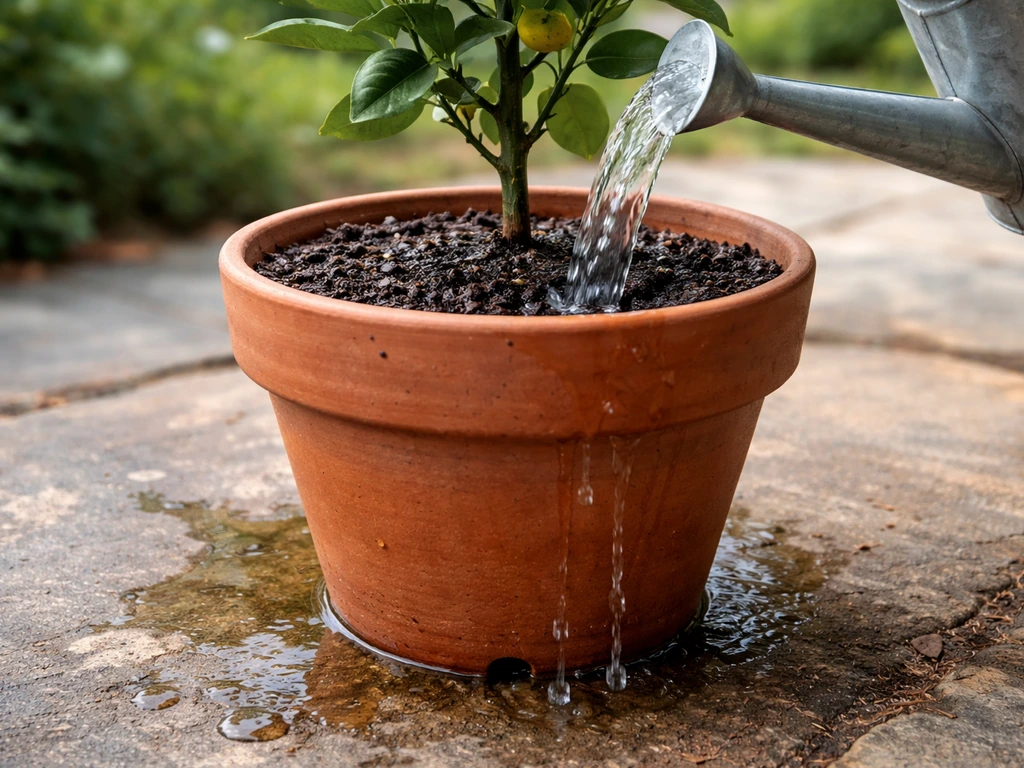
Watering container citrus is the thing most people get wrong, usually by either watering too shallowly or too frequently. The right approach is deep and infrequent: water thoroughly until it drains from the bottom, then wait until the top inch or two of soil is dry before watering again. This encourages roots to grow deeper into the pot and avoids the salt buildup that can happen when you're constantly applying small amounts of water.
How often you actually water depends heavily on the weather, pot size, and material. During hot, dry summer conditions, a citrus tree in a terracotta pot might need watering every single day. In cooler weather or with a larger plastic container, every 3 to 5 days may be enough. Get into the habit of checking the soil with your finger rather than watering on a fixed schedule. Shallow, frequent watering keeps the surface moist but leaves the lower root zone dry, and that stresses the tree without you even realizing it.
One practical tip: lift the pot before and after watering a few times so you get a feel for the weight difference. A light pot means the soil is dry and it's time to water. Over time this becomes second nature and you'll stop second-guessing yourself.
Fertilizing your potted citrus
Container-grown citrus need more regular feeding than in-ground trees because watering flushes nutrients out of the pot over time. Nitrogen is the most important nutrient for citrus, it drives leafy growth and fruit production, and a deficiency shows up as yellowing older leaves. Iron deficiency is also common in containers, and it shows up differently: yellowing between the veins on young, new growth while the veins themselves stay green. Iron and zinc deficiency symptoms can appear as yellowing between veins (interveinal chlorosis) on newer growth, so recognizing the leaf pattern helps you choose the right micronutrient correction yellowing between the veins on young, new growth. If you see that pattern, your tree needs a micronutrient boost, not just more nitrogen.
For a practical schedule, a slow-release granular fertilizer formulated for citrus applied in early spring, early summer, and early fall works well for most people. Slow-release (also called time-release) fertilizer mixed into the top layer of potting mix provides a steady, consistent supply of nutrients instead of a big spike followed by nothing. If you prefer liquid fertilizing, a balanced citrus fertilizer applied every 4 to 6 weeks during the growing season (spring through early fall) is a reasonable alternative. Back off or stop fertilizing in late fall and winter when the tree is resting.
- Early spring: apply slow-release citrus fertilizer as the tree comes out of dormancy
- Early summer: second application of slow-release, or switch to liquid fertilizer every 4 to 6 weeks
- Early fall: final slow-release application before the tree slows down for winter
- Winter: stop fertilizing, the tree doesn't need it and excess nutrients can stress a resting plant
- Year-round watch: if you see yellowing between leaf veins on new growth, add a citrus micronutrient spray or iron supplement
Sun, temperature, and getting through the seasons
Spring and summer outdoors
Once temperatures are consistently above 50°F at night, get your citrus outside. It will grow noticeably faster and fruit better with outdoor sun than it ever will on a windowsill. Ease the transition over about a week if the tree has been indoors for winter, starting with a few hours of morning sun and gradually moving to full sun exposure. This prevents sunscald on leaves that have adapted to indoor light levels.
Bringing it indoors for winter
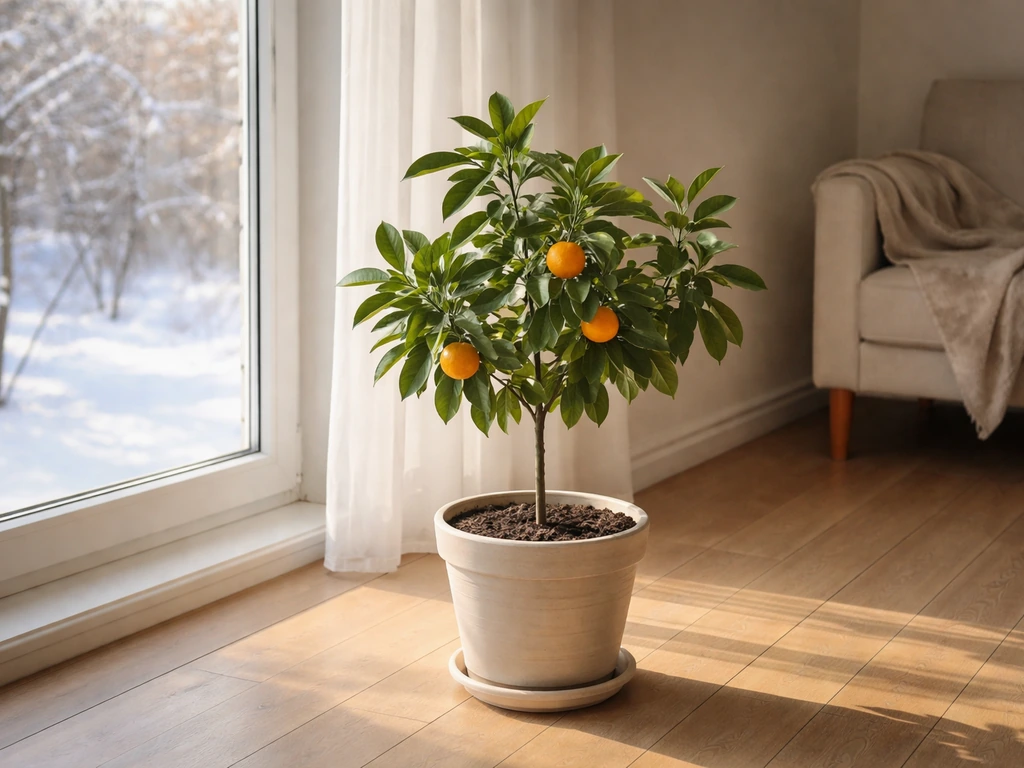
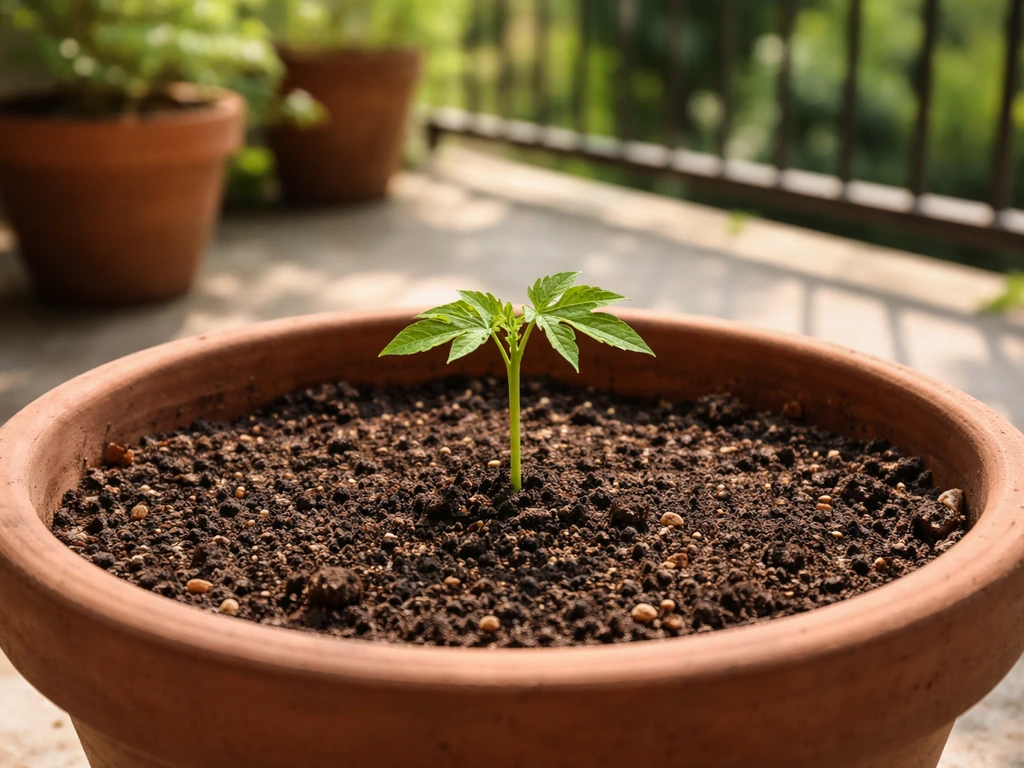
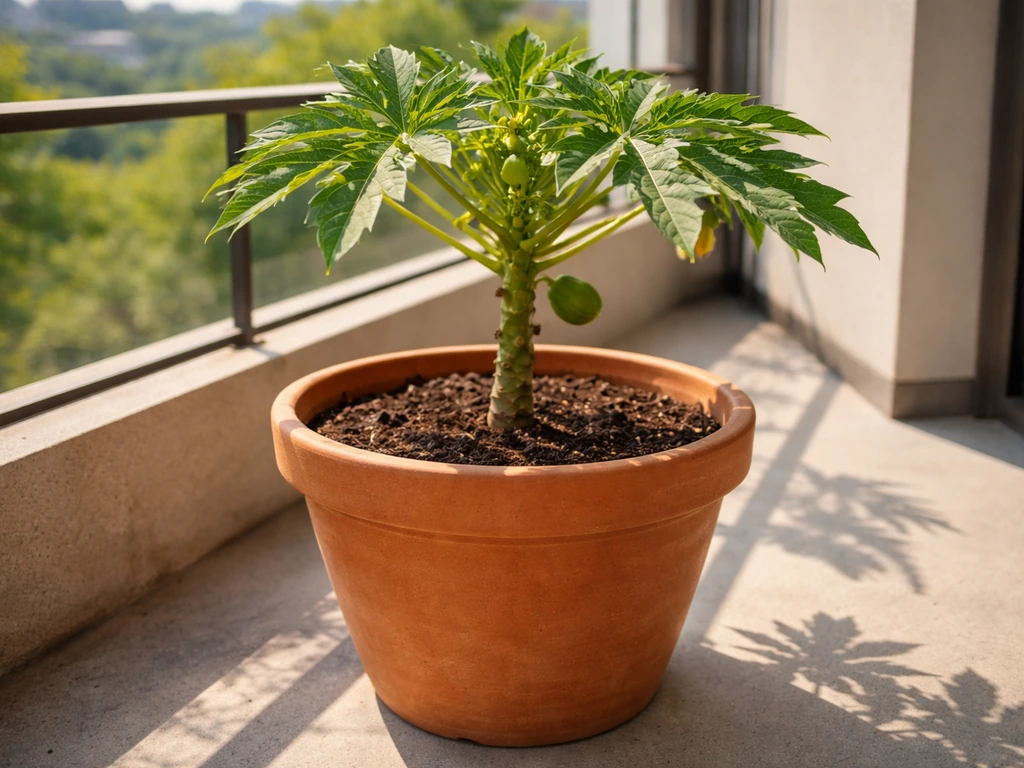
This is where having a citrus in a pot pays off, especially if you're in a climate with hard freezes. Papaya plants can also be grown in pots if you give them a warm spot, plenty of sunlight, and a large container with excellent drainage how to grow papaya plants in pots. Bring your tree indoors before nighttime temperatures start dropping into the 40s Fahrenheit. Don't wait until a frost warning appears, by then the window to acclimate the tree gradually has already closed. Gradual exposure to cooling temperatures helps the tree harden off, but once you're approaching subfreezing nights, it needs to be protected or inside.
Indoors, place the tree in the brightest spot available, ideally a south-facing window. Reduce watering during winter since the tree is growing slowly and the soil takes longer to dry out. Don't fertilize. If you have multiple containers, grouping them together helps reduce heat loss from the container walls, which matters in a cold garage or unheated porch situation. One real risk during a hard freeze that people often overlook: if the potting mix freezes solid, roots can't take up water, and the plant dehydrates even when the air isn't that extreme. Keep the root zone above freezing.
Cold damage and what affects it
How much cold damage a citrus tree suffers depends on several factors working together: how low the temperature drops, how long it stays cold, how quickly the temperature fell, how well-watered the plant was going in, and whether the tree had a chance to acclimate gradually. A well-hydrated, properly acclimated tree in a variety like satsuma or kumquat can handle brief dips to the upper 20s Fahrenheit with minimal damage. A poorly watered Meyer lemon that went from a warm house to a sudden 28°F night is a different story. Plan ahead, water well before a cold event, and bring the tree in before you need to.
Your starting checklist
If you're ready to get started today, here's what to actually do. Pick up a young grafted tree of a compact variety like Improved Meyer lemon, satsuma, or calamondin from a local nursery or reputable online seller. Get a container at least 3 times the size of the nursery pot, with drainage holes, and ideally one you can move easily. Fill it with a well-draining citrus or cactus potting mix, or mix your own with pine bark and coir.
Plant it with the graft union above the soil line, water it in thoroughly, and put it in your sunniest outdoor spot now that spring is here. Set a reminder to fertilize in early summer, check the soil moisture every few days, and plan to bring it in before October if your winters get cold. That's really the whole setup. Papaya also grows well in containers, so you can use many of the same pot, drainage, and sun principles when learning how to grow papaya in a pot.
A similar pot setup and winter care approach applies when you’re learning how to grow citronella in a pot, too. Once you have that citrus setup down, you can apply the same container growing mindset to learn how to grow papaya in a pot too. The rest is observation and adjustment as you learn how your specific tree behaves in your specific space.
FAQ
What citrus varieties are most reliable for pots in colder climates?
Prioritize naturally compact, hardy types such as satsuma, kumquat, and calamondin. If you buy a plant labeled for container use, check winter hardiness on the tag, then choose a pot you can move quickly, since outdoor time should end once nights are consistently in the 40s F.
How can I tell if my container citrus is getting too much water or too little?
Too little shows up as dry pot weight and wilting despite moist-looking surface, while too much often causes persistently heavy soil and yellowing that progresses from older leaves. Do the finger test at the top inch, and if in doubt, wait one day, then re-check and inspect drainage from the bottom after watering.
Is it better to put gravel in the bottom of the pot?
No. Gravel, rocks, or broken pieces at the bottom reduce usable soil volume and do not improve drainage meaningfully when the potting mix itself stays wet. Instead, make sure the pot has multiple drainage holes and use a citrus-appropriate mix.
Should I fertilize citrus year-round in a pot?
Generally no. Pause or stop fertilizing in late fall and winter when growth slows, then restart in early spring. If your tree is indoors under a grow light and still actively growing, you can fertilize lightly, but keep feed rates lower than outdoor season and watch for salt buildup.
How do I prevent fertilizer and salt buildup in a container?
Every few months, do a deep watering runoff, meaning water until excess drains freely from the bottom, then discard any water left in the saucer. If leaves show pale stress but watering is correct, consider flushing the pot with clean water more frequently and avoid over-concentrated liquid feeds.
Do I need to repot every year?
Not necessarily. Repot only when roots fill the container and water drains unusually fast, or when the tree shows slowed growth despite correct feeding and light. In many cases, moving up one pot size every 2 to 3 years is enough for young trees.
What’s the right way to move my citrus between indoors and outdoors?
Acclimate for about a week, starting with morning sun and avoiding intense midday exposure at first. When bringing it indoors, reduce watering slightly before the move so the mix is less likely to stay constantly wet in lower indoor light.
Can I keep citrus outside year-round if I only get occasional cold snaps?
If the cold is brief and you can protect the root zone, sometimes yes. Use insulation around the pot (not just the canopy), and make sure the mix never freezes solid. For longer cold stretches or repeated subfreezing nights, bringing the pot indoors or to an unheated sheltered area is safer.
Why does my citrus drop leaves after I bring it inside for winter?
Indoor light is usually much lower, so the tree sheds leaves to match reduced energy production. Let it stay in the brightest spot you have, cut watering because drying is slower, and avoid fertilizing, but do not expect perfect leaf retention.
How much light is enough for potted citrus indoors?
Indoors, aim for the maximum available sun, typically a south-facing window, and use a grow light if the tree looks pale or drops leaves. Position the light close to the canopy and provide consistent daily duration, since irregular lighting can cause stress even if the overall temperature is comfortable.
What pruning approach works best for container citrus?
Prune lightly and intentionally. Remove dead or crossing branches, and shape mainly to improve air flow and light penetration. Avoid heavy pruning right before winter or during low-light indoor periods, because the tree has less ability to regrow.
My leaves look yellow, but watering seems fine. What’s the most likely cause?
In containers, nitrogen issues show as yellowing on older leaves, while iron deficiency often appears as yellowing between veins on new growth with green veins. If yellowing follows the pattern of iron deficiency, treat with an appropriate micronutrient or chelated iron rather than only increasing nitrogen.
Can I grow citrus from seed in a pot and get fruit?
You can, but fruiting is often unpredictable and takes much longer than with grafted trees, and you may not get the same taste or size as the parent. Seed-grown plants can work as an experiment, but if your goal is fruit soon, start with a grafted compact variety.