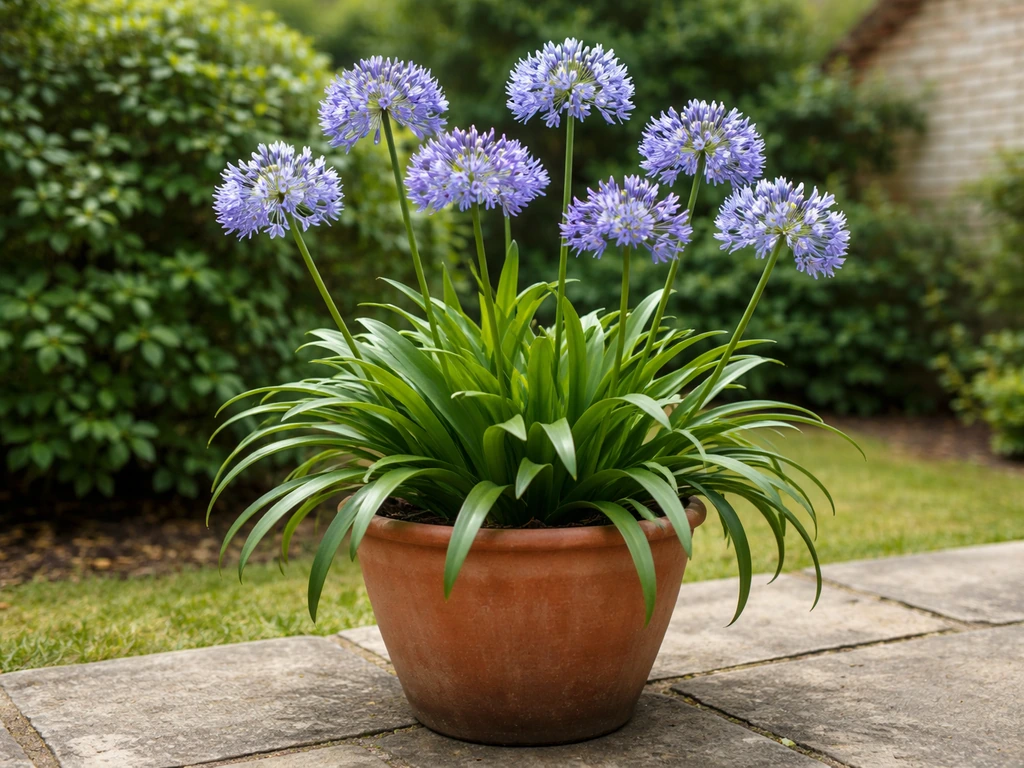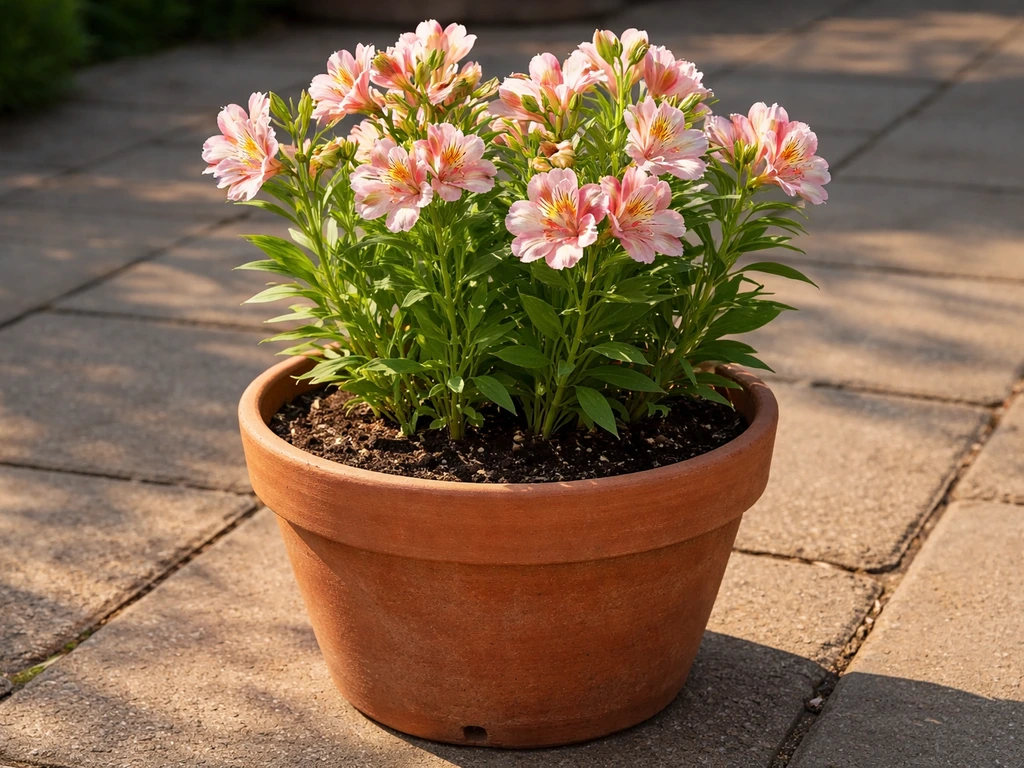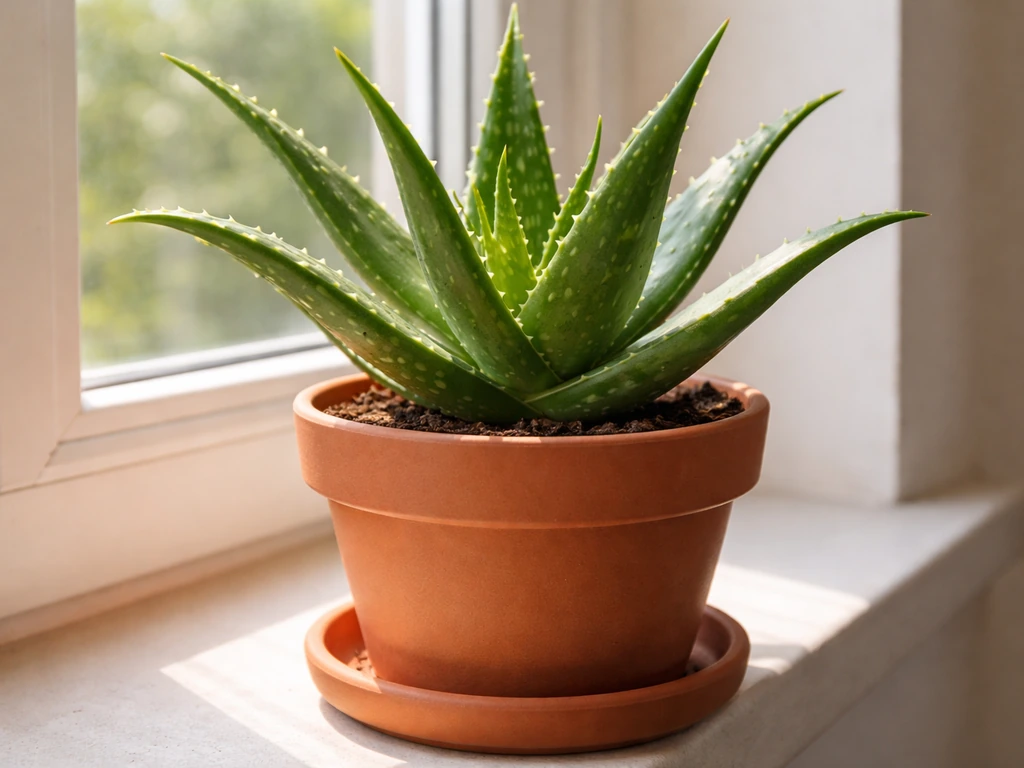
Alyssum grows beautifully in pots, and honestly it's one of the best flowers you can choose for container gardening. If you want to try something sturdier with a dramatic look, here’s how to grow blue glow agave in pots container gardening. If you want something with a totally different look, learn how to grow agapanthus in a pot for big blooms on a manageable plant size container gardening.
How to Grow Alyssum in Pots: Step-by-Step Guide
Marcus Whitley
21 May 2026
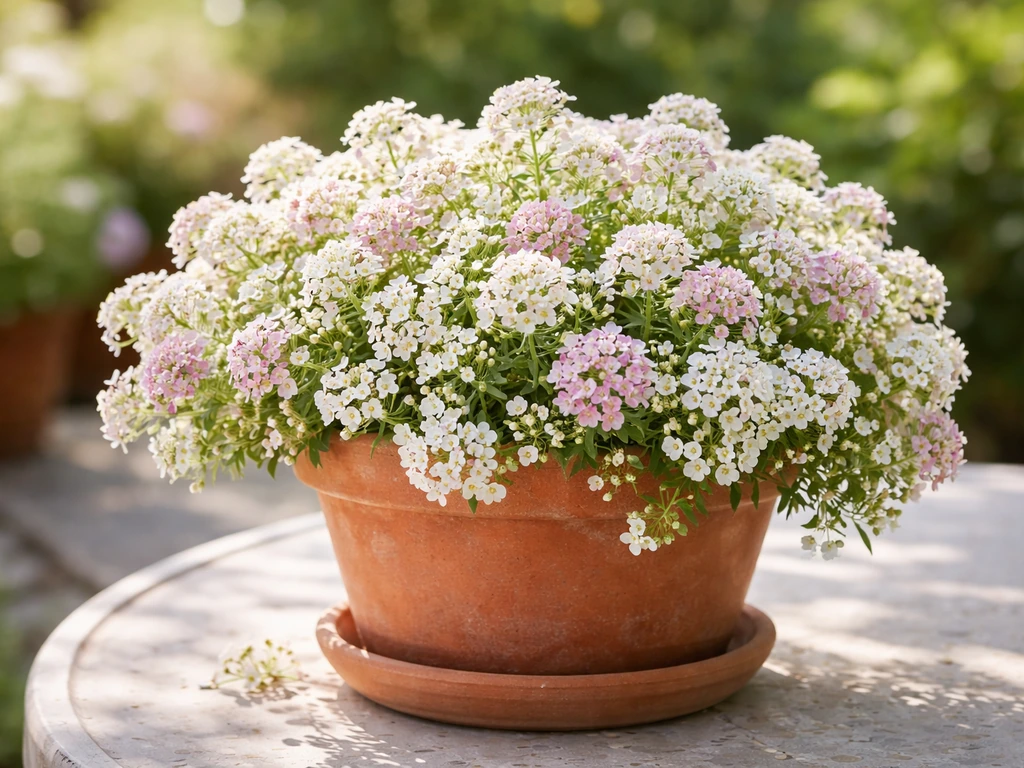
Sweet alyssum (Lobularia maritima) stays compact at just 4 to 10 inches tall, trails nicely over pot edges, and pumps out those tiny honey-scented flowers for months. It's forgiving, fast to bloom, and genuinely well-suited to life in a container as long as you get the drainage right and don't let it bake in summer heat without a little shade.
Which alyssum to choose and what size pot you need
Most of what you'll find at garden centers and in seed catalogs is sweet alyssum (Lobularia maritima), and that's the one to go with for pots. It's typically grown as an annual in most climates, meaning it flowers hard for a season and then dies off. In warmer zones (roughly Zones 9 to 11) it can behave as a short-lived perennial, but everywhere else you're replanting each year. That's fine because it's cheap, easy, and blooms fast.
There are also true perennial alyssums like Aurinia saxatilis (sometimes called basket of gold) and Alyssum montanum, a prostrate evergreen rock garden plant that tops out around 15 cm. These are real perennials, but they have a different look and growth habit than sweet alyssum, and they're less commonly used in container displays. For a flowering pot on a balcony or patio, stick with Lobularia maritima.
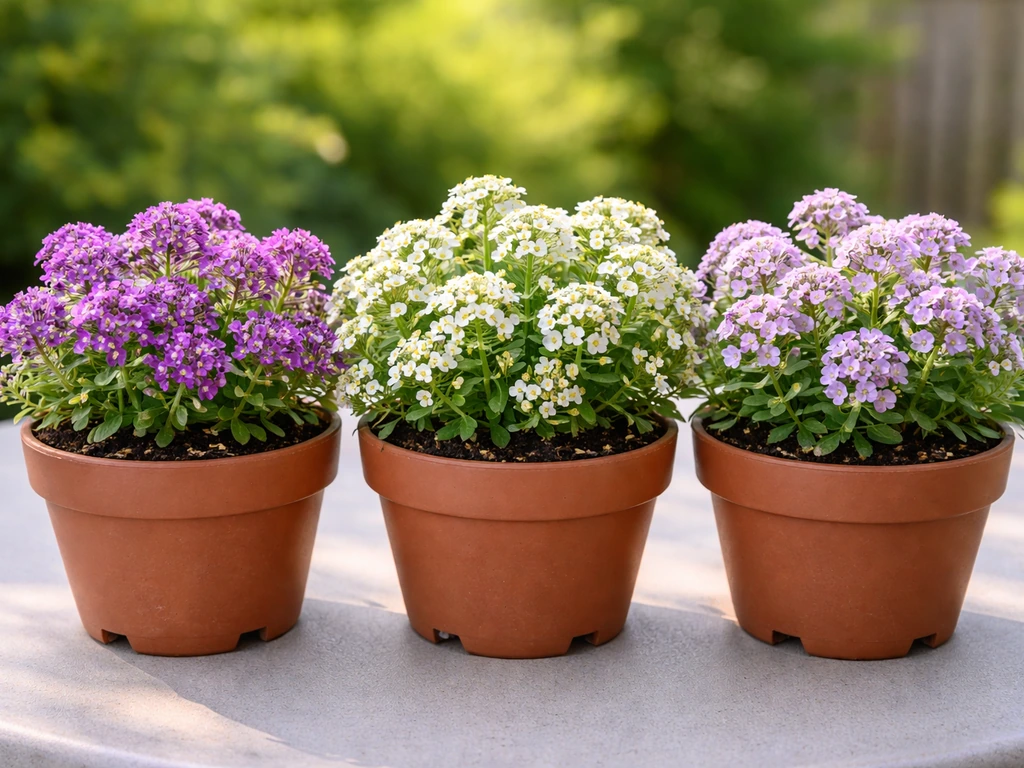
For variety selection, look for compact or trailing types labeled as container-suitable. Varieties like 'Easy Breezy White' have been specifically developed with containers in mind. White is the classic, but lavender, purple, and pink types are widely available and all perform the same way in pots.
For pot size, a 12-inch (30 cm) container is the minimum if you're growing one plant on its own. That same 12-inch pot can hold two or three plants if you space them about 6 to 8 inches apart for a dense, full look. If you're combining alyssum with other flowers in a mixed planter, it works great as a filler or spiller around the edges. Just make sure each plant still has enough root room. A pot that's too small dries out faster, and alyssum doesn't like drought stress any more than it likes soggy roots.
Getting the soil mix and drainage right
Drainage is the single most important thing to get right with alyssum in pots. This plant will rot in waterlogged soil faster than almost anything else I've grown. You need a mix that holds a little moisture but drains freely and doesn't compact into a soggy brick. If you want another container-friendly plant, this same drainage focus is also the backbone of how to grow aloe vera plant in pot.
A reliable DIY container mix for alyssum is roughly 40% coco coir or peat moss, 25 to 30% perlite, and 25 to 30% mature compost. The perlite is the key ingredient here: it creates tiny air pockets that keep oxygen around the roots and let excess water drain through quickly. Don't skip it or substitute with heavy garden soil, which will compact in a pot and cause problems.
Before you fill your pot, check that it has at least one good-sized drainage hole at the bottom. Multiple holes are even better. Raise the pot slightly off the ground using pot feet or a simple brick so water can actually escape rather than pooling underneath. I'd skip the old advice of putting a layer of gravel at the bottom of the pot: it actually creates a perched water table effect and can make drainage worse, not better.
Starting from seed vs buying nursery starts
Growing from seed
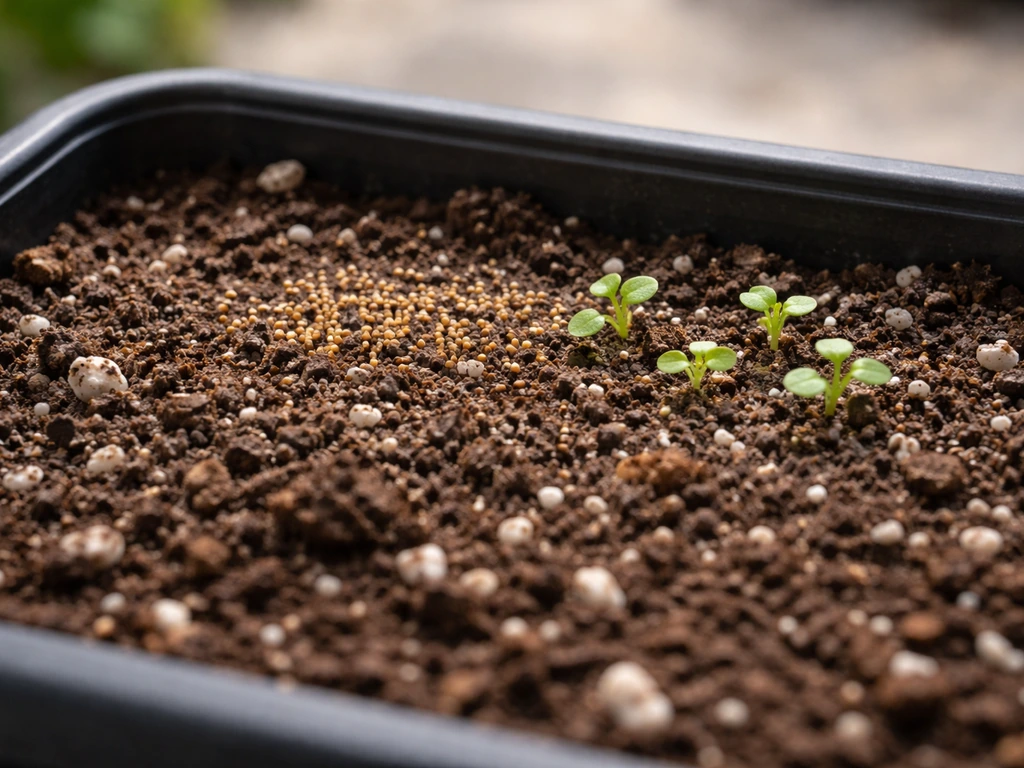
Growing alyssum from seed is easy and saves money, especially if you want to fill a large pot or several containers. The key thing to know is that alyssum seeds need light to germinate. Don't bury them. Press the tiny seeds lightly onto the surface of moist potting mix, just barely covering them with a thin dusting of mix (about 2 mm deep at most). The ideal germination temperature is around 70 to 72°F (21 to 22°C), and you can expect seedlings to appear in 7 to 14 days.
You can direct sow into your container as soon as the risk of hard frost has passed in spring. Alyssum is cool-season tolerant, so you don't need to wait for summer warmth. Keep the surface of the mix moist but not sopping wet while you're waiting for germination. Overwatering at this stage is the most common mistake and can cause damping off, a fungal condition where seedlings rot at the soil line and collapse. Water gently and only when the surface starts to dry out.
Using nursery transplants
Buying starts from a nursery is faster and honestly the better choice if you want blooms quickly. Sweet alyssum begins flowering shortly after planting, so a nursery six-pack can give you a flowering pot within a week or two of planting. Set transplants out after the last frost date in your area, spacing them about 6 inches apart in the pot. If you're planting a liner or young plug, pinch the plant back lightly about a week or two after transplanting. It feels counterintuitive to remove growth you just bought, but pinching encourages branching and gives you a fuller, denser plant instead of a sparse, leggy one.
Sun, water, and feeding your potted alyssum
Sunlight
Alyssum flowers best with at least 6 hours of direct sun per day. In cool spring and fall weather, full sun is ideal and will push the heaviest blooms. In hot summers (consistently above 85°F), full midday sun can stress the plant and cause it to slow down or stop blooming temporarily. If you're in a warm climate or heading into July and August heat, move the pot to a spot that gets morning sun and afternoon shade. One of the big advantages of container growing is that you can actually do this.
Watering
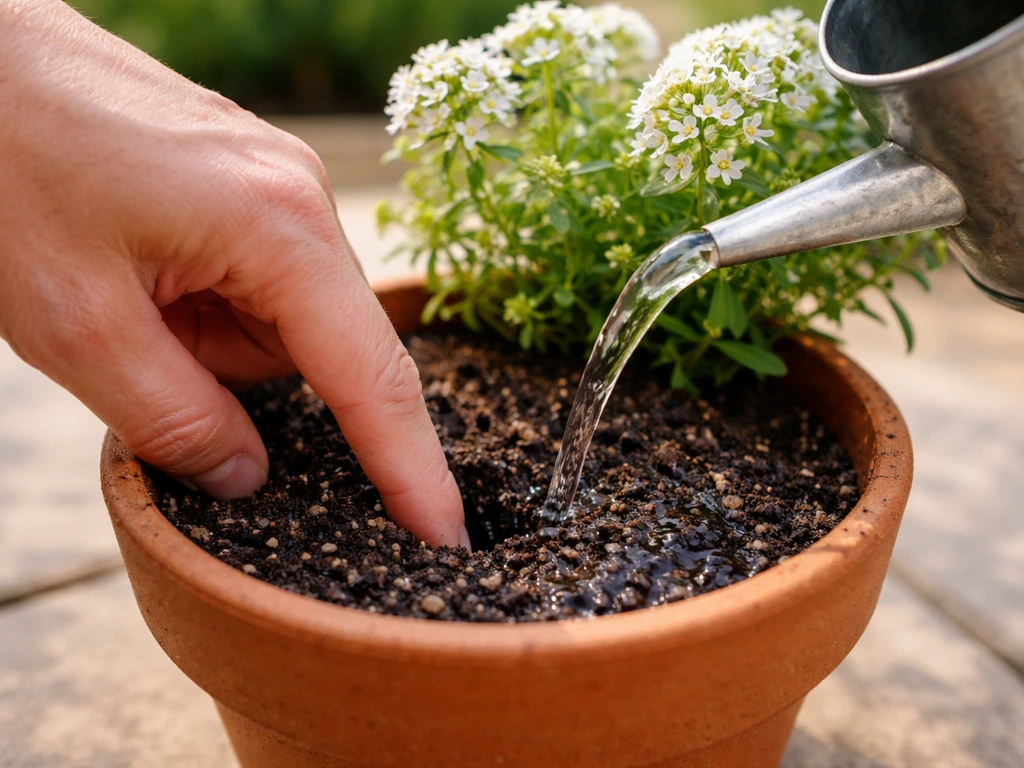
Watering alyssum in a pot is a balancing act. The soil should stay consistently moist but never waterlogged. A good rule of thumb: stick your finger an inch into the potting mix. If it feels dry, water thoroughly until it drains out the bottom. If it still feels damp, wait another day. In hot weather, a small pot may need watering daily. In cooler weather or for larger containers, every two to three days is more typical. Avoid shallow watering that only wets the top inch, which encourages shallow roots and drought stress.
Fertilizing
Alyssum isn't a heavy feeder, but container plants do need supplemental nutrients because watering gradually flushes nutrients out of the potting mix. Use a balanced liquid fertilizer with an NPK ratio like 10-10-10 or 14-14-14. Apply it every two to three weeks through the growing season. Don't overdo it: too much nitrogen will push lots of leafy green growth at the expense of flowers. A light, steady feeding schedule is better than heavy occasional doses.
Keeping it tidy and blooming: pruning, deadheading, and dealing with heat
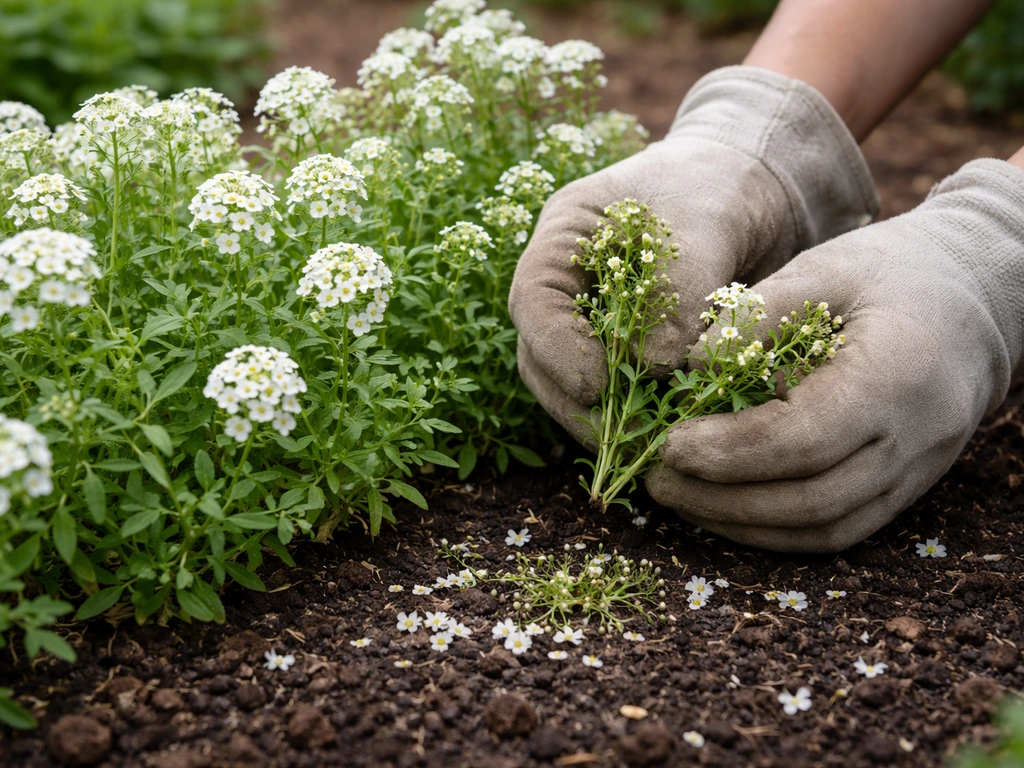
Alyssum doesn't need a lot of fussing, but a little attention goes a long way toward keeping it dense and continuously flowering rather than scraggly and patchy.
Deadheading (removing spent flowers) helps with older varieties but many newer hybrid types are described as more nonstop bloomers that need less intervention. If you're growing a modern variety, you might find the plant cleans up after itself reasonably well. With older types, snipping off faded flower clusters keeps the plant tidy and signals it to keep producing.
The bigger intervention is shearing. In summer, when heat causes alyssum to slow down, look straggly, or stop blooming altogether, cut the whole plant back by about one-third to one-half. I know it looks brutal, but it works. Follow the shearing with a good watering and a half-strength dose of balanced fertilizer. Within two to three weeks, you'll typically see fresh growth and a new flush of flowers as the weather cools slightly into late summer and fall. Illinois Extension specifically recommends this summer cutback as the way to maintain flowering through the season.
If alyssum gets leggy (long, floppy stems with sparse flowers), that's usually a sign of too little light or not enough pruning. Move the pot to a sunnier spot and give it a shear. Also make sure you pinched it early after transplanting to encourage bushy growth from the start.
Pest and disease watch for alyssum in containers
Alyssum is relatively pest-resistant, but it's not completely trouble-free, especially in a pot where plants can be more stressed.
- Aphids: Small soft-bodied insects that cluster on new growth and flower stems. Knock them off with a strong spray of water, or use insecticidal soap. Check the undersides of leaves where they like to hide.
- Caterpillars and cutworms: Occasional visitors that chew holes in leaves or sever stems near the soil. Hand-pick them if you spot them, and check the soil surface for cutworm activity.
- Damping off: A fungal problem that kills seedlings at the soil line, causing them to collapse and rot. Caused by overwatering and poor air circulation. Prevent it by using well-draining mix, watering carefully, and not crowding plants. Once it hits, affected seedlings can't be saved, but you can usually re-sow into fresh, dry mix.
- Root rot: Similar cause to damping off. Mature plants that sit in waterlogged soil will develop rotting roots, yellow leaves, and wilting despite wet soil. Fix drainage immediately and reduce watering. Severely affected plants may not recover.
- Powdery mildew: A white powdery coating on leaves that shows up in humid, crowded, or low-air-circulation conditions. Improve air flow around pots, avoid wetting leaves when watering, and thin out crowded plants.
The good news is that most of these problems are preventable with the basics: good drainage, appropriate spacing, and not overwatering. If you're troubleshooting a pot that looks unhappy, check soil moisture and drainage first before assuming disease or pests are the culprit.
Seasonal care and keeping the blooms going year-round
In most climates, alyssum is a spring-through-fall flower with its best performances in cool weather. Here's how to manage it through the year to get the most out of it.
| Season | What to do |
|---|---|
| Early spring | Sow seeds or plant nursery starts as soon as frost risk passes. Place in full sun. Begin watering and light feeding once plants are established. |
| Late spring | Enjoy peak bloom. Deadhead or shear lightly to maintain tidiness. Continue regular watering and feeding every 2 to 3 weeks. |
| Summer (heat peak) | Cut back by one-third to one-half if blooming slows or plant goes leggy. Water more frequently as pots dry faster. Move to partial afternoon shade if temperatures are consistently high. |
| Late summer to fall | After summer cutback, expect a fresh flush of blooms as temperatures drop. Resume full feeding schedule and enjoy second peak bloom period. |
| Winter (Zones 9 to 11) | Plants may survive as short-lived perennials. Cut back, reduce watering, and let the plant rest. Monitor for regrowth in early spring. |
| Winter (Zones 8 and below) | Plants will die with frost. Compost spent plants and refresh potting mix for next season. Consider sowing fresh seed indoors 6 to 8 weeks before last frost for an early start. |
One thing I love about alyssum in pots is how easy it is to restart. Because sweet alyssum self-seeds readily, you may find volunteer seedlings popping up in your containers or nearby pots the following spring. Let a few of them grow on and you've basically got a free refill. If you want more control over variety and timing, start fresh from seed or nursery stock each season. Either way, alyssum is one of those plants that rewards even a little effort with a lot of flowers, and there's something genuinely satisfying about a pot dripping with those tiny, fragrant blooms.
If you enjoy growing low-maintenance flowering plants in containers, alyssum pairs well in a seasonal rotation with other compact bloomers. The approach here, getting drainage right, managing sun and heat, and shearing for repeat blooms, is a framework that applies to many container flowers, so the skills you build with alyssum carry over directly. If you want another reliable option, you can use the same container-growing mindset to learn how to grow alstroemeria in pots container flowers.
FAQ
Can I grow sweet alyssum in a pot indoors, like on a windowsill?
Yes, but it needs strong light. Aim for a bright south or west window, and rotate the pot every few days so it does not lean. Indoor air often stays warm, so expect slower bloom once temperatures rise, and keep a close eye on overwatering since indoor pots dry more slowly.
What type of soil should I avoid for alyssum in containers?
Avoid heavy garden soil or anything that stays dense and wet, even for short periods. Alyssum can rot quickly in compacted mix, so use a light potting blend that includes perlite or another drainage component, not topsoil or bagged “soil” products meant for beds.
How can I tell if my potting mix is staying too wet?
Look for consistently damp mix several inches down, a sour odor, or algae and fungus on the surface. Another quick check is to weigh the pot after watering, then compare a day later, if it stays heavy, adjust your watering frequency or improve drainage.
How often should I water alyssum if the weather changes day to day?
Do not follow a fixed schedule. Use the finger test described in the guide, and water thoroughly only when the mix dries about an inch down. During heat waves, smaller pots often need daily watering, but during cool, cloudy stretches they may need much less.
Is deadheading always required to keep alyssum blooming?
No, not with many modern varieties that keep flowering with minimal cleanup. If you notice reduced blooms or the plant looks cluttered with spent clusters, snip off faded tops, but for newer types you may get enough “self-cleaning” to skip routine deadheading.
Will fertilizing too much make the flowers worse?
Yes. Too much nitrogen can produce more foliage and fewer blooms, especially in pots where nutrients accumulate. Stick to light, regular feeding at the interval you can maintain, and if growth turns lush but flowering stalls, cut back and consider shifting to a lower-nitrogen balance.
What should I do if my alyssum blooms early and then stops in midsummer?
Use the summer shearing approach, cut back the plant by about one-third to one-half, then water well and feed lightly. Also move the pot to morning sun with afternoon shade if your summers are consistently above about 85°F.
Can I overwinter alyssum in pots, or should I restart each year?
In most climates, treat it as annual and restart each season. In warmer areas it may act like a short-lived perennial, but potted plants still often decline as they dry, so plan on either replanting or letting volunteers refill the containers in spring.
Why are my seedlings dying after they sprout (damping off)?
Overwatering at germination is the most common cause. Keep the surface moist but not wet, press seeds into the surface without covering too deeply, and improve airflow and light once seedlings emerge so stems dry slightly between waterings.
How closely can I plant multiple alyssum plants in one pot?
For a dense look, space small plants about 6 to 8 inches apart, since alyssum trails and forms a mat. Crowding can reduce airflow and increase moisture around stems, so do not try to cram more plants into a pot than its drainage and root space can support.
Should I mist alyssum to increase humidity?
Usually not. Alyssum mainly needs consistent soil moisture and good airflow, misting can keep foliage damp longer and raise the risk of surface mold. If you want to help during heat, prioritize shade and proper watering rather than spraying.
How do I encourage a fuller, less leggy plant in containers?
Pinch after transplanting (if you start with nursery plugs or liners) and make sure it gets at least 6 hours of direct sun. If it still gets leggy, move to brighter light and shear it back, then resume light feeding.
Can I propagate alyssum from cuttings?
Alyssum is typically grown from seed or nursery transplants. Cuttings are not the usual reliable method, so if you want consistency in variety, start seed or buy starts, then repeat each season.