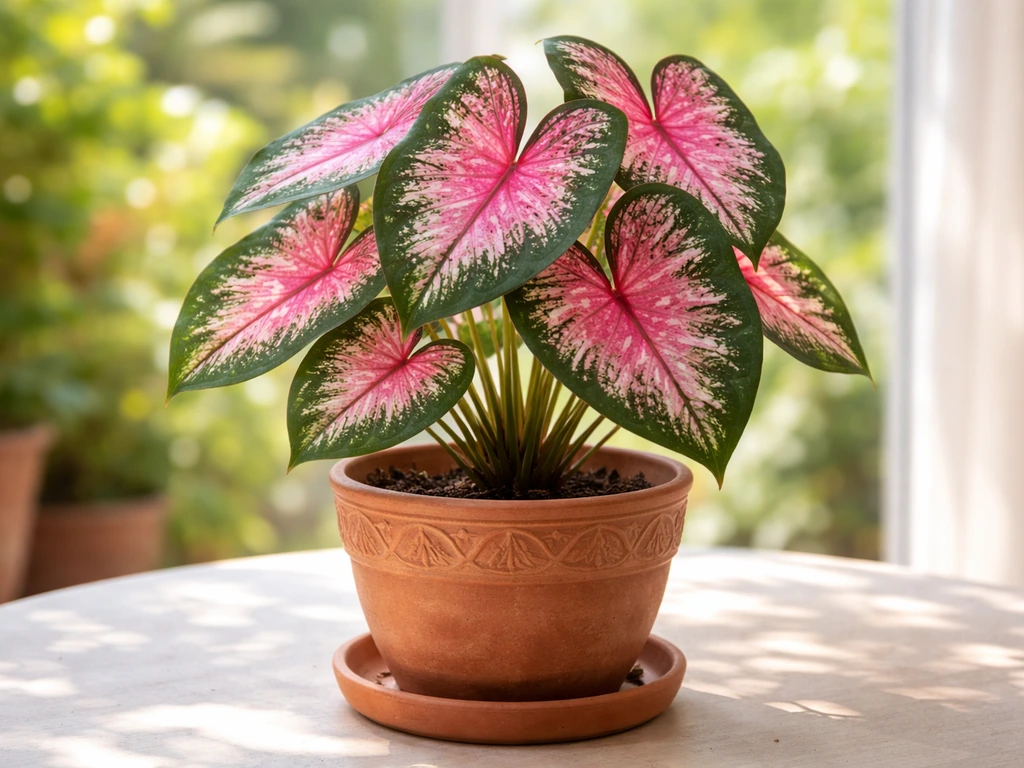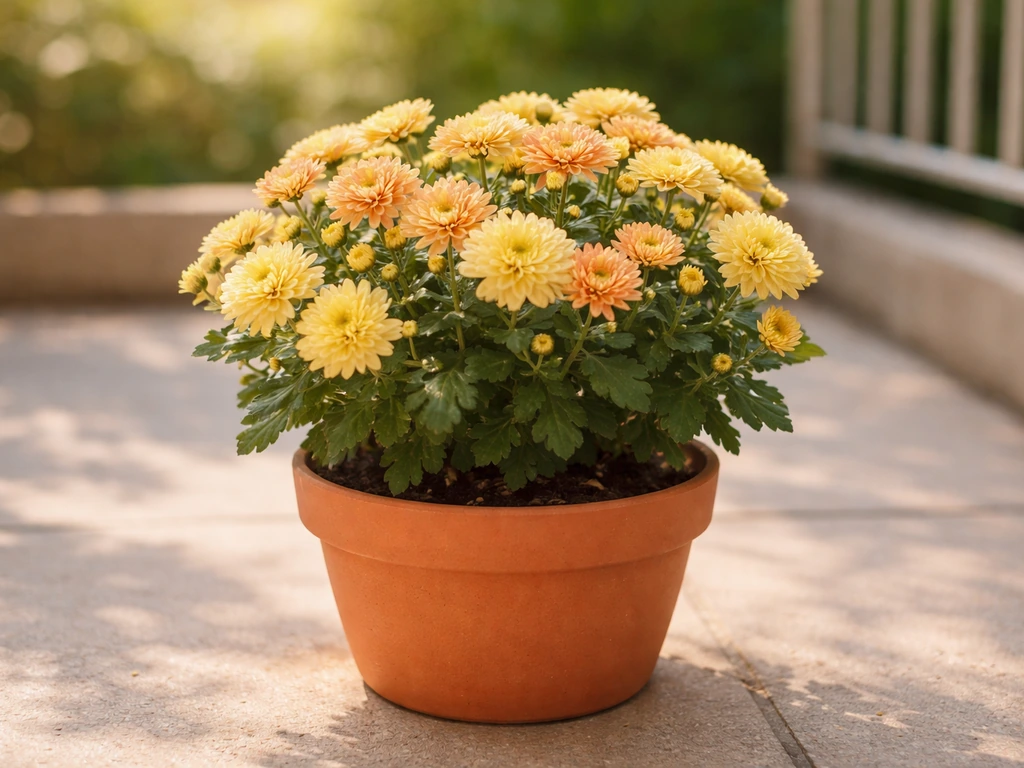
You can absolutely grow callaloo in pots, and it's one of the more rewarding leafy greens to grow in a container because it's fast, productive, and genuinely hard to kill once it gets going. If you're also wondering how to grow dipladenia in pots, the key is providing a bright spot, well-draining potting mix, and watering only when the top layer dries. Pick a pot at least 12 inches wide and deep, fill it with a rich, well-draining mix, give it full sun and consistent water, and you'll be harvesting tender young leaves in as little as 3 to 4 weeks from transplant. You can use many of the same container tips, like choosing the right pot size and drainage, when you learn how to grow portulaca in pots. If you meant calibrachoa, use the same container approach but with a sun-loving, fast-draining potting mix and consistent feeding to keep the flowers going how to grow calibrachoa in pots. The key is starting with the right variety, not letting it dry out between waterings, and picking leaves regularly so the plant keeps pushing out new growth.
How to Grow Callaloo in Pots: Container Guide for Beginners
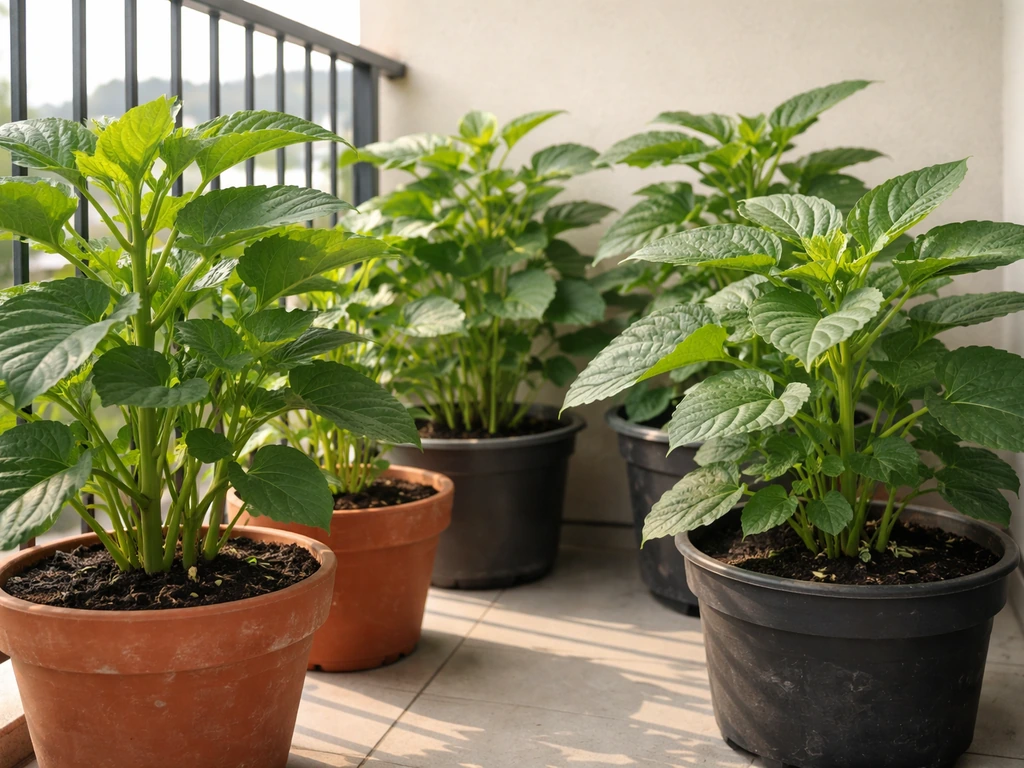
Best callaloo varieties for containers
Callaloo is a name that gets used loosely depending on where you are, but in the Caribbean tradition it usually refers to Amaranthus viridis, the edible amaranth grown for its soft, spinach-like leaves. That's the one most people mean when they say callaloo, and it's the one I'd recommend starting with for containers. It's compact enough to manage in a pot, grows quickly, and the leaves have that mild, slightly earthy flavor that works in everything from soups to stir-fries.
For container growing specifically, you want varieties that stay on the shorter, bushier side rather than bolting straight up to 6 feet. Here are the best options to look for:
- Amaranthus viridis (green callaloo): The classic Jamaican callaloo. Grows 2 to 3 feet in a pot with regular harvesting. Mild flavor, very productive.
- Amaranthus tricolor (Joseph's coat or Chinese spinach): Colorful red, yellow, and green leaves. Stays more compact, great for balconies where you want something that looks good too.
- Amaranthus cruentus (red callaloo): Slightly larger plant but manageable in a 14-inch or bigger pot. Deeper flavor, popular in West African cooking.
- Amaranthus hybridus (smooth amaranth): Similar to viridis, reliable, and widely available as seed.
If you're buying seed packets, look for the words 'callaloo,' 'Jamaican callaloo,' or 'edible amaranth.' Avoid ornamental amaranth varieties like Love-Lies-Bleeding unless you want a display plant rather than a food crop. They're edible but bred for flowers, not leaves.
Pot size, drainage, and ideal growing conditions
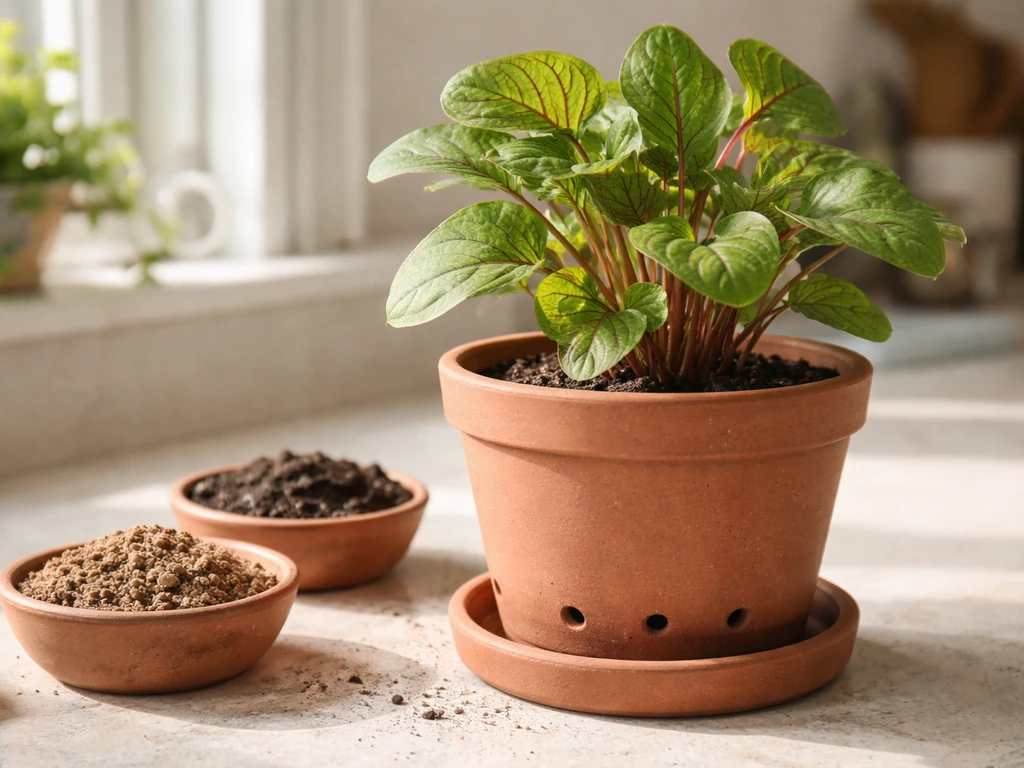
The minimum pot size I'd recommend for a single callaloo plant is 12 inches in diameter and 12 inches deep. This gives the taproot room to anchor properly and holds enough moisture to get through a hot afternoon without drying out completely. Colorado State University Extension also notes that larger containers supply more water and nutrients, which makes container care easier blank" rel="noopener noreferrer">larger containers provide a bigger supply of water and nutrients. If you want to grow two or three plants together, go up to a 16-inch or 18-inch pot. A half wine barrel or a large planter box works brilliantly and lets you grow a small patch that'll feed a household regularly. how to grow caladiums in pots.
Drainage is non-negotiable. Callaloo does not tolerate sitting in wet soil, and a pot without proper drainage holes will rot the roots within a week or two. Make sure your pot has at least two or three holes in the bottom. If you're placing it on a balcony and using a saucer, empty the saucer after each watering so the pot isn't wicking moisture back up. Terracotta pots are great because they breathe and reduce overwatering risk, but plastic and fabric pots also work well if drainage is good.
For growing conditions, callaloo is a tropical plant and it likes warmth. The ideal temperature range is 65°F to 95°F (18°C to 35°C). It genuinely thrives in heat that would wilt other greens, which makes it a perfect summer container crop. Don't plant it out or put it near a cold window until nighttime temps are reliably above 55°F. Below that and it sulks, grows slowly, and can be prone to stress and disease.
- Minimum pot size: 12 inches wide and 12 inches deep per plant
- Ideal pot size for multiple plants: 16 to 18 inches or larger
- Drainage holes required: at least 2 to 3 in the base
- Temperature sweet spot: 65°F to 95°F (18°C to 35°C)
- Do not plant out below 55°F (13°C) nighttime temperature
Container soil and fertilizer plan
Callaloo is a leafy green, which means it wants nitrogen more than anything else. Think of it this way: the leaf is the product, and nitrogen is what builds leaves. Get the soil and feeding right, and you'll have a plant that produces abundantly. Get it wrong and you'll get a small, pale, slow-growing plant.
For potting mix, I'd use a good quality peat-free compost or a standard potting mix blended with about 20 to 30 percent perlite or coarse horticultural sand to improve drainage. Something like a 70/30 mix of compost to perlite works well. Avoid heavy garden soil entirely in containers. It compacts, drains poorly, and chokes roots. If you can get a bag labeled 'vegetable potting mix' or 'premium potting compost,' that's ideal.
Mix a slow-release granular fertilizer into the potting mix at planting time following the package rate. Something with a balanced or nitrogen-heavy NPK like 10-5-5 or 14-14-14 slow-release granules will carry the plant for the first 6 to 8 weeks. After that, container plants need regular feeding because nutrients leach out with every watering.
Here's the simple fertilizer schedule I'd follow for a pot of callaloo:
- At planting: Mix a slow-release granular fertilizer (10-5-5 or similar) into the top few inches of potting mix.
- Weeks 2 to 4: Begin liquid feeding every 10 to 14 days with a balanced liquid fertilizer (like fish emulsion or a general-purpose vegetable feed diluted to half strength).
- After first harvest onward: Switch to a nitrogen-focused liquid feed (such as a 3-1-2 ratio liquid or diluted fish emulsion) every 7 to 10 days to push leaf regrowth. This is where most people let their plant stall.
Don't skip the post-harvest feeding step. Once you start cutting leaves, the plant spends energy pushing out new growth, and it needs fuel to do that well. I've seen people harvest once and then wonder why their plant looks tired two weeks later. It's usually a feeding issue.
How to start seeds vs transplants
Both methods work, and your choice mainly depends on what you have available right now. Seeds are cheap, widely available online, and give you more variety choice. Transplants (seedlings from a garden center or market) give you a head start of 3 to 4 weeks and are great if you're impatient or starting late in the season.
Starting from seed
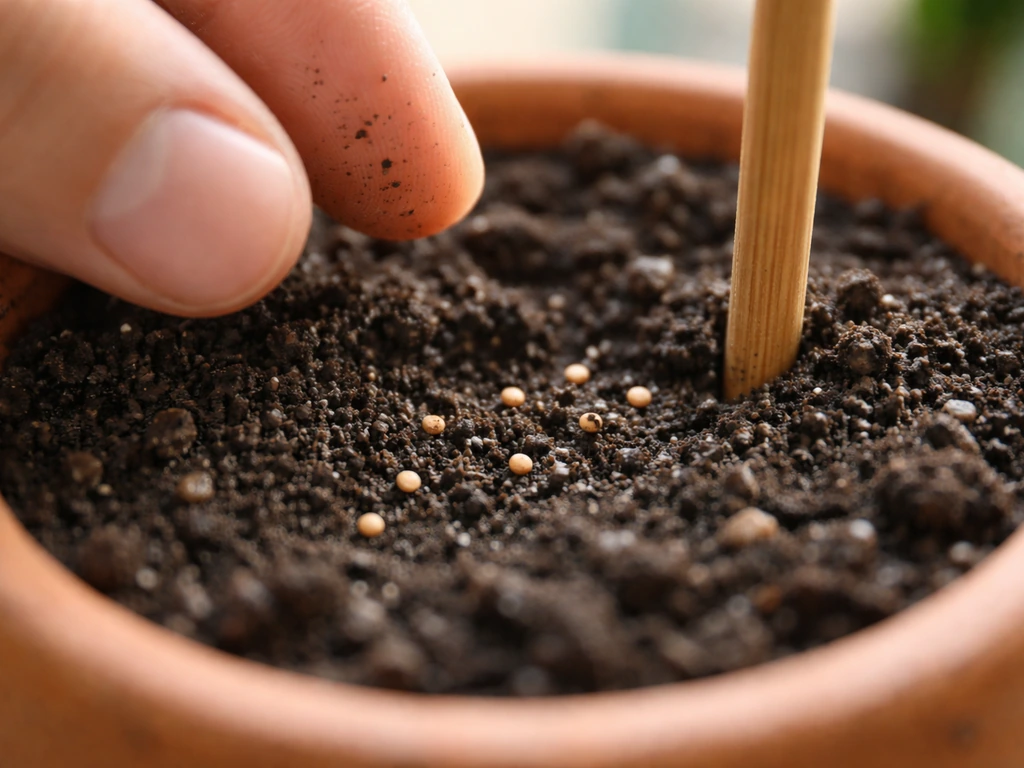
Callaloo seeds are tiny, about the size of a poppy seed, and they germinate fast when it's warm. Sow seeds directly into the final container at a depth of about a quarter inch (6 mm), or start them in small seed trays or cell packs indoors about 3 to 4 weeks before your last frost date. At soil temperatures above 65°F, germination typically happens within 5 to 10 days. Keep the surface of the soil moist but not soggy during germination. Once seedlings are 2 to 3 inches tall, thin them so each plant has at least 8 to 10 inches of space.
Starting from transplants
If you've bought or been given seedlings, harden them off first if they've been growing indoors. That means setting them outside in a sheltered spot for a few hours a day, gradually increasing sun exposure over 5 to 7 days before planting in their final container. This prevents transplant shock. When planting, set the transplant at the same depth it was growing in its nursery pot and firm the soil gently around the base. Water in thoroughly straight away.
Step-by-step planting and spacing
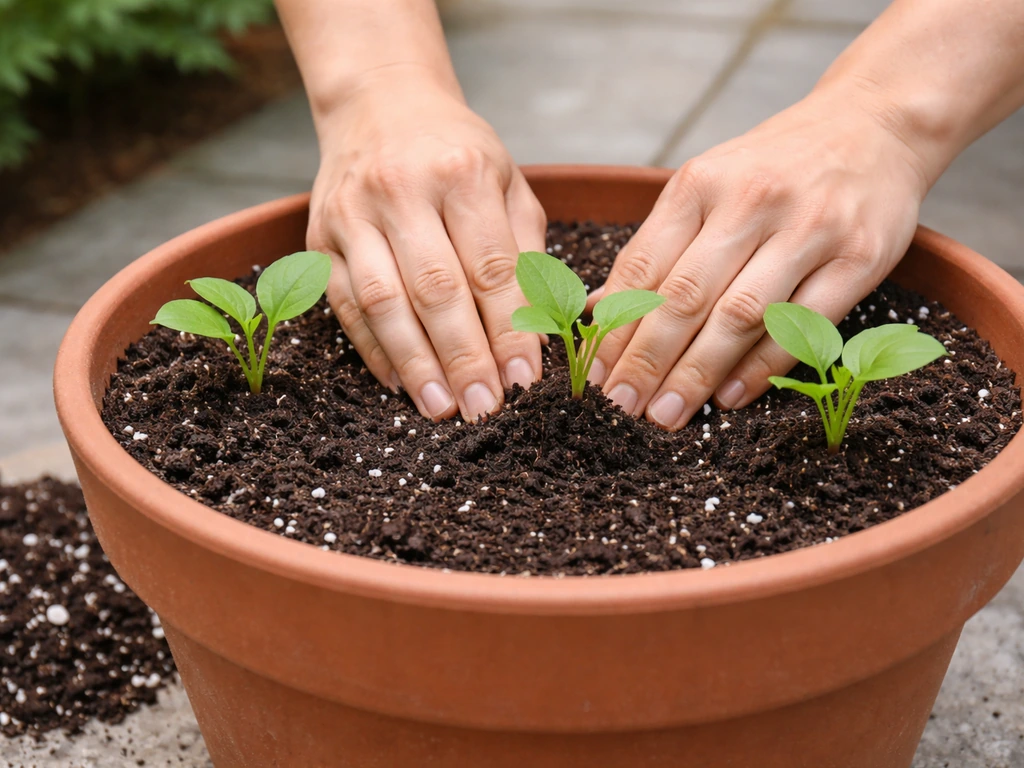
- Choose your container: at least 12 inches wide and deep, with drainage holes.
- Fill with your potting mix blend (70% quality compost, 30% perlite) to about 2 inches from the rim.
- Mix in your slow-release granular fertilizer according to package directions.
- If direct sowing seeds: make shallow furrows or pinch holes about a quarter inch deep, scatter 2 to 3 seeds per spot, and lightly cover with soil. Space spots 8 to 10 inches apart.
- If transplanting seedlings: dig a hole slightly wider than the root ball, set the plant in so the base of the stem sits at soil level, and firm soil around it gently.
- Water thoroughly until water drains from the bottom of the pot.
- Place in full sun immediately.
- Once seedlings are 2 to 3 inches tall, thin to one plant per 8 to 10 inch space if you sowed multiple seeds at one spot. Snip extras at soil level rather than pulling to avoid disturbing roots.
Spacing matters in containers more than people think. Callaloo can grow 2 to 4 feet tall in a pot even with regular harvesting, and if plants are too crowded they compete for light and airflow, which invites fungal problems. In an 18-inch pot, two or three plants is plenty. In a 12-inch pot, stick with one.
Watering and light care (daily routines)
Callaloo wants full sun, meaning 6 to 8 hours of direct sunlight per day minimum. On a south or west-facing balcony in summer this is easy. On a north-facing balcony or near a window, you'll need to be more strategic. If you're growing indoors near a window, a south or west-facing window is your best bet, and you can supplement with a basic grow light for 12 to 14 hours per day if the light is weak. Less sun means slower, leggier growth and less flavor in the leaves.
For watering, the rule I follow is simple: stick your finger an inch into the soil. If the soil feels dry at the depth you check, water until moisture reaches the bottom drainage holes blank" rel="noopener noreferrer">stick your finger an inch into the soil. Iowa State Extension advises watering container plants until water flows out the drainage holes at the bottom, and using a finger test to decide whether watering is needed watering until water flows out the drainage holes. If it's dry at that depth, water. If it's still moist, leave it. In hot summer weather, containers dry out fast and you may be watering daily or even twice a day in very small pots. In cooler weather or indoors, you might only water every 2 to 3 days. The number of days matters less than what the soil is actually telling you.
When you do water, water deeply, not just a splash on top. Pour water slowly until it runs freely from the drainage holes. This ensures the whole root zone gets moisture and flushes out any salt buildup from fertilizers. Shallow watering encourages roots to stay near the surface, which makes the plant more vulnerable to heat and drying.
The two most common container watering mistakes are overwatering (soil stays soggy for days) and underwatering (soil dries out completely). Both stress the plant in different ways. Soggy soil leads to root rot and yellowing leaves. Dried-out soil causes wilting, leaf drop, and premature bolting. If your plant starts to bolt (sending up a tall flower spike) and it's still early in the season, it's often a stress response to inconsistent watering or heat. Pinch off the flower spike as soon as you see it to redirect energy back to leaf production.
Pest, disease, and nutrient trouble-shooting
Callaloo is relatively tough, but containers can concentrate problems quickly. Here are the most common issues and what to do about them.
Common pests
| Problem | What you'll see | Fix |
|---|---|---|
| Aphids | Clusters of tiny insects on new growth and undersides of leaves, sticky residue | Blast off with a strong jet of water, then apply neem oil spray or insecticidal soap weekly until clear |
| Caterpillars / leaf miners | Ragged holes in leaves, or pale squiggly trails inside the leaf | Pick off caterpillars by hand. For leaf miners, remove affected leaves and apply neem oil. Bacillus thuringiensis (Bt) spray works well on caterpillars. |
| Whitefly | Clouds of tiny white insects that fly up when you touch the plant | Yellow sticky traps, neem oil spray, or insecticidal soap applied to undersides of leaves every 5 to 7 days |
| Spider mites | Fine webbing under leaves, speckled or bronzed leaf surface, usually worse in dry heat | Increase humidity around the pot, spray undersides of leaves with water daily, then use neem oil or miticide if persistent |
Common diseases
Damping off is the main disease risk at the seedling stage: tiny seedlings suddenly keel over at soil level. This is almost always caused by overwatering combined with poor airflow. Prevent it by not overwatering, using well-draining soil, and not crowding seedlings. Once a seedling damps off it can't be saved, but you can stop the spread by letting the soil dry out slightly and improving ventilation.
Root rot shows up as wilting despite wet soil and yellowing lower leaves. The fix is to ease off watering immediately, check the drainage holes aren't blocked, and if the plant is badly affected, remove it from the pot, cut off brown mushy roots, dust with powdered cinnamon (a natural antifungal), and repot into fresh dry mix.
Nutrient deficiencies
- Yellowing older (lower) leaves: classic nitrogen deficiency. Increase feeding frequency or switch to a higher-nitrogen liquid feed.
- Purple or reddish coloring on leaves and stems: phosphorus deficiency, often triggered by cold soil. Move the pot somewhere warmer and apply a balanced liquid feed.
- Pale, washed-out leaves overall with yellowing between green veins: likely iron or magnesium deficiency. Apply a diluted liquid feed with micronutrients or a foliar spray of diluted seaweed extract.
- Slow, stunted growth: often a combination of insufficient light, low nutrients, or pot-bound roots. Check all three before deciding on a fix.
Harvesting, regrowth, and container maintenance
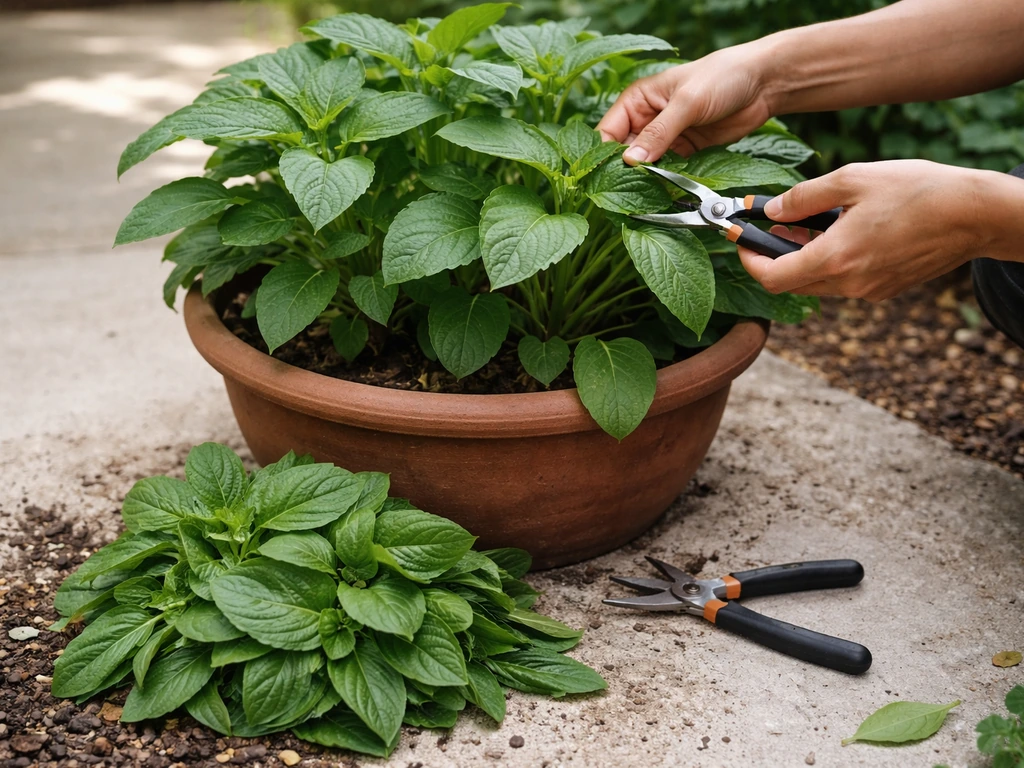
This is the part that makes container callaloo genuinely satisfying. If you are also wondering how to grow coleus in pots, the same container basics like drainage, light, and regular feeding will help you succeed. Callaloo is a cut-and-come-again plant, meaning you harvest from it repeatedly rather than pulling the whole plant at once. For chrysanthemum pots, you can use a similar cut-and-come-again approach by deadheading spent blooms and keeping the plant fed for continued flowering. Once it's 8 to 12 inches tall (usually 3 to 4 weeks from transplant, or 5 to 6 weeks from seed in warm conditions), you can start picking. If you follow these steps, you'll be well on your way to how to grow colocasia in pots with a healthy, productive plant. Harvest the young top leaves and growing tips first. These are the most tender and flavorful. You can also take entire side branches by cutting them about a third of the way down.
The rule of thumb is to never take more than a third of the plant at any one harvest. If you strip too much at once, the plant struggles to bounce back. Take a little often rather than a lot rarely, and the plant will reward you with continuous new growth. I usually harvest from my container plants every 5 to 7 days in the peak of summer.
After each harvest, do two things: water the plant well and give it a dose of liquid nitrogen-rich fertilizer. This combination signals to the plant that it needs to grow new leaves to replace what was taken, and it's the secret to keeping a container callaloo productive for months rather than weeks.
As the season goes on, watch for the plant trying to flower. Callaloo is an annual and its goal is to set seed before it dies. Once it bolts (sends up a tall flower spike), leaf production slows down and the existing leaves get tougher and more bitter. Pinch off flower spikes as soon as they appear if you want to keep harvesting leaves. You can let one plant go to seed at the end of the season to collect seeds for next year.
Keeping the container going through the season
Every 4 to 6 weeks, top-dress the pot with a thin layer of compost or worm castings (about half an inch) worked gently into the top inch of soil. This refreshes the nutrient profile without disturbing roots. If you notice water running straight through the pot very fast without soaking in, or the plant looking pot-bound and stressed, it may need repotting up one size. Signs of a pot-bound plant include roots spiraling out of drainage holes, very fast drying after watering, and noticeably slowed growth despite good sun and feeding.
At the end of the season, when the plant finally bolts completely or temperatures drop below 55°F, pull the plant, collect any seeds you want to save, and compost the spent material. Refresh the potting mix with fresh compost (replacing at least half of the old mix) before starting a new round, since callaloo is a heavy feeder and will have depleted the nutrients significantly over the growing season. If you're in a frost-free climate or keeping the pot indoors, you can start fresh seeds into that same refreshed pot and have a second round going within a few weeks.
FAQ
Can I grow callaloo in a pot if I only get partial sun?
Yes, but expect slower growth and less tender leaves. Aim for at least 4 to 6 hours of direct sun, then supplement with a grow light (12 to 14 hours daily) if you are indoors or on a north-facing balcony. If plants get leggy, move the pot closer to the brightest window rather than increasing nitrogen alone.
Why is my callaloo bolting, and should I pinch off flowers immediately?
Bolting usually happens from heat stress or inconsistent watering, especially when the surface dries out too long between waterings. Pinch off the flower spike as soon as you see it to redirect energy back to leaf growth. If you want seed, allow one plant to bolt fully at the end of the season, and keep harvesting the other plants.
How often should I fertilize once the slow-release granules run out?
When you no longer see new growth responding, switch to regular feeding with liquid fertilizer, typically every 7 to 14 days during active growth (more often in hot weather, less often in cooler conditions). Always water first, then feed, to avoid root burn in containers with concentrated nutrients.
Is it better to grow callaloo from seed or from seedlings in pots?
If you are planting in warm weather and want maximum variety, direct sowing works well because seeds germinate quickly in heat. If you are starting late or your nights run cool, transplants usually succeed faster and reduce the risk of stunted growth. Either way, sow or transplant into the final pot to avoid disturbing roots.
What potting mix should I avoid, even if it says “garden soil” is good for vegetables?
Avoid anything heavy and water-holding like straight garden loam. In containers, that mix can compact, suffocate roots, and trigger root rot even if you water “correctly.” Stick to a vegetable potting mix or a blend with 20 to 30 percent perlite or coarse horticultural sand for drainage.
How do I water callaloo in pots without overwatering?
Water deeply until it drains, then wait until the top inch is dry before watering again. Do not rely on the day of the week. Also check the drainage holes after the first few waterings, if holes get clogged with fine compost, drainage slows and the plant can turn yellow quickly.
Can I grow callaloo in a fabric pot or grow bag?
Yes, but fabric pots dry out faster than terracotta or rigid plastic. Plan for more frequent checks (sometimes daily in peak summer), and make sure the pot has a good drainage outlet. Pair it with a well-draining mix and consider slightly more consistent feeding because nutrients leach faster.
How much can I harvest from a single plant at one time?
Keep harvests conservative, no more than about one third of the plant in a single session. If you harvest lightly every 5 to 7 days during peak growth, the plant stays productive and regrows tender leaves. If growth slows, reduce harvest volume and increase feeding.
What are the best signs that my callaloo is ready to harvest?
Harvest when leaves are young and the growing tips are still tender. If leaves feel stiff or bitter and the plant is pushing up a tall spike, leaf quality will drop. For best flavor, pick in the morning when the plant is fully hydrated and leaves are crisp.
My callaloo looks pale and not growing fast, what is the most likely cause?
Most often it is insufficient nitrogen or not enough light. First confirm you have full sun or supplemental light, then follow a nitrogen-forward feeding plan. If the mix stays wet for days, roots may be impaired, which can also cause pale leaves, in that case check drainage and adjust watering immediately.
Can I keep callaloo growing indoors over winter?
You can keep it going if you maintain warmth and strong light, nighttime temperatures should stay reliably above about 55°F. Use a grow light for 12 to 14 hours daily, keep watering consistent based on the soil, and expect slower growth if your indoor light is weak.
How do I know when my callaloo is becoming pot-bound?
Look for roots circling drainage holes, water running straight through without soaking in, and noticeable slowdown despite good sun and feeding. If that happens, step up one pot size and refresh part of the mix rather than fully disturbing the root ball. After repotting, resume a balanced or nitrogen-heavy feeding after about a week.