Yes, fuchsia grows really well in pots, and honestly it's one of those plants that can look more spectacular in a container than it ever does in the ground. The trailing varieties are especially stunning in hanging baskets, and the upright types make beautiful statement plants on a shaded patio or balcony. You do need to get a few basics right: the right pot, decent drainage, a sheltered spot away from scorching afternoon sun, and a regular feeding routine. Get those things sorted and fuchsia will reward you with weeks of dramatic, pendulous blooms from late spring right through to autumn.
How to Grow Fuchsia in Pots: Step by Step Container Care
Marcus Whitley
7 May 2026
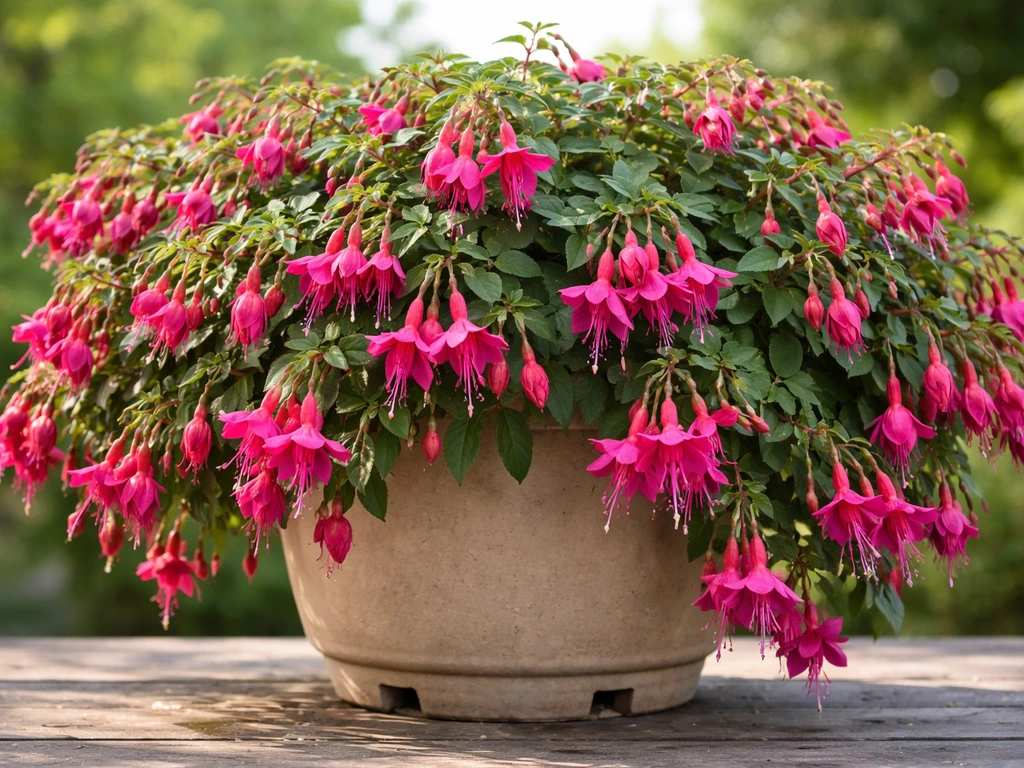
Fuchsia and pots: a genuinely good match
Container growing actually suits fuchsia in several ways. You get total control over the soil mix, you can move the pot to chase or dodge the sun depending on the season, and you can bring the plant inside before the first frost to overwinter it. For urban gardeners or anyone without a proper garden bed, a pot is the perfect home for fuchsia. I've grown them on north-facing balconies, on shaded window ledges, and on sheltered patios, and they've thrived in every one of those situations. The key is understanding that fuchsia is not a drought-tough, chuck-it-anywhere plant. It likes things a certain way, and once you learn that, it's genuinely easy to keep happy.
Picking the right pot, size, and variety

Pot size and drainage
Start with a pot that's at least 30cm (12 inches) in diameter for a single plant. Go bigger if you want a lush, bushy specimen: a 40cm (16-inch) pot gives roots more room, holds moisture longer between waterings, and produces a noticeably fuller plant. For hanging baskets, a 35cm (14-inch) basket is a minimum; anything smaller dries out too fast and makes it nearly impossible to keep up with watering in summer. Whatever you choose, drainage holes are non-negotiable. Fuchsias hate sitting in waterlogged soil, and the roots will rot surprisingly fast if water can't escape. If a pot you love doesn't have drainage holes, drill some, or use it as a decorative outer sleeve with a plain plastic pot sitting inside.
Terracotta looks beautiful with fuchsia but dries out quickly and needs more frequent watering. Plastic or glazed ceramic pots retain moisture longer, which is genuinely useful during hot spells. Either works fine as long as drainage is good.
Choosing a variety for container growing

Not all fuchsias behave the same in a pot. Trailing varieties like 'Swingtime', 'Cascade', and 'Dollar Princess' are the classic choice for hanging baskets because their stems spill over the edges and create that signature waterfall of flowers. Upright or bushy varieties like 'Tom Thumb', 'Annabel', and 'Lady Thumb' work better in a standard container on a table or step. If you're in a warmer climate where winters are mild, look for hardy fuchsias like 'Mrs. Popple' or 'Riccartonii', which can sometimes survive light frosts in a sheltered spot. In colder regions, treat most fuchsias as tender perennials and plan to overwinter them indoors.
| Variety | Growth Habit | Best For | Cold Hardiness |
|---|---|---|---|
| Swingtime | Trailing | Hanging baskets | Tender — bring inside for winter |
| Dollar Princess | Trailing/Semi-trailing | Hanging baskets, large pots | Tender — bring inside for winter |
| Tom Thumb | Compact upright | Small pots, window boxes | Moderately hardy |
| Annabel | Upright bushy | Standard containers | Tender — bring inside for winter |
| Mrs. Popple | Upright bushy | Standard containers | Hardy to -10°C (14°F) |
| Cascade | Trailing | Hanging baskets | Tender — bring inside for winter |
Soil mix and how to plant
Fuchsia needs a soil mix that holds moisture without becoming soggy. RHS recommends using a blank" rel="noopener noreferrer">loam-based compost for healthy hardy fuchsias, and container plants may need extra watering in dry weather to help them establish. A good all-purpose peat-free compost mixed with about 20 to 25 percent perlite (those little white volcanic granules) hits the sweet spot: blank" rel="noopener noreferrer">it retains enough water to keep the roots happy between waterings, but drains quickly enough that roots aren't sitting in wet muck. Avoid heavy garden soil entirely. It compacts badly in pots and drainage becomes a problem almost immediately.
Here's how to plant a fuchsia in a container, step by step:
- Place a layer of crocks (broken terracotta pieces) or a few handfuls of gravel in the bottom of the pot to keep drainage holes clear.
- Fill the pot about one-third full with your compost and perlite mix.
- Knock the fuchsia out of its nursery pot and check the roots. If they're tightly wound in a circle (rootbound), gently tease them loose with your fingers.
- Set the plant in the pot so the top of the root ball sits about 2 to 3cm (1 inch) below the rim of the pot. This space is for watering.
- Fill in around the sides with more of your mix, firming it gently as you go.
- Water thoroughly until water drains from the bottom, then place the pot in its spot.
If you're starting from cuttings rather than a bought plant, take 8 to 10cm (3 to 4 inch) softwood cuttings in spring, strip the lower leaves, and push them into small pots of moist cutting compost. Cover with a clear plastic bag or propagator lid to hold humidity, keep them somewhere warm and bright but out of direct sun, and they'll root within 3 to 4 weeks. It's easier than it sounds, and it's a great way to multiply plants you already love.
Light, temperature, and watering

Finding the right spot
Fuchsias need bright light to bloom well, but they're not full-sun plants in most climates. Filtered sunlight or a spot with morning sun and afternoon shade is the ideal situation. Avoid deep shade (the plant will grow leggy and produce very few flowers) and avoid baking afternoon sun in summer (the plant will stress, drop buds, and look miserable). If you can keep daytime temperatures below around 27°C (80°F), your fuchsia will be a lot happier and more productive with flowers. On unusually hot days, move the pot to a shadier spot. One of the best things about container growing is that you can actually do that.
Watering without overwatering

Fuchsia in a pot has two potential watering problems: too dry and too wet. Both will make it suffer. The general rule is to water when the top inch or two of compost feels dry to the touch. In warm summer weather, that might mean watering every day for hanging baskets, or every two to three days for larger pots in partial shade. In spring and autumn, every few days is usually fine. The goal is evenly moist compost, not wet or bone dry.
When you water, water thoroughly. Pour water on slowly until it drains out the bottom of the pot. A shallow splash on the surface doesn't reach the roots properly. Then let the pot drain fully before sitting it back in any saucer. Empty saucers after watering rather than letting the pot stand in pooled water. That's genuinely one of the most common mistakes I see with pot-grown fuchsias, and it leads to root rot faster than almost anything else.
Feeding, pruning, and getting more blooms
Feeding schedule
Container plants can't access nutrients from surrounding soil the way ground-planted ones can, so feeding is important. Start feeding in late spring once the plant is actively growing. Use a balanced liquid fertilizer (equal parts nitrogen, phosphorus, and potassium) every two weeks in spring to encourage leafy growth and a strong structure. Once flower buds start forming, switch to a high-potassium feed (tomato fertilizer works perfectly and is easy to find) every one to two weeks through summer. This encourages more flowers and helps the plant cope with heat and the demands of continuous blooming. Stop feeding in early autumn when you start winding the plant down for winter.
Pruning and pinching for bushier plants
Pinching is the single most effective thing you can do to get more flowers from a young fuchsia. When stems have two or three pairs of leaves, pinch out the very tip of each stem between your thumb and forefinger. This encourages the plant to branch, and more branches means more flower-bearing shoot tips. Do this two or three times in spring and you'll have a noticeably bushier, more floriferous plant by summer. Stop pinching about 6 to 8 weeks before you want flowers, since fuchsia blooms on new growth and needs time to develop buds after the last pinch.
Deadheading (removing spent flowers) keeps the plant tidy and encourages it to produce more blooms rather than putting energy into seed production. Just snap or snip off the old flower and the swelling behind it (that's the developing seed pod). Do this every few days during peak flowering season and you'll notice a real difference in how long the display lasts.
Common problems and how to fix them
Even with the best care, things go wrong sometimes. Here are the issues I see most often with pot-grown fuchsias and what to do about them:
- Wilting despite wet compost: This is usually root rot from overwatering or poor drainage. Remove the plant from its pot and check the roots. Healthy roots are white and firm; rotten roots are brown, soft, and smell unpleasant. Cut off any rotten sections with clean scissors, dust the cuts with a little garden fungicide powder, repot into fresh compost with better drainage, and ease off the watering.
- Wilting in dry compost: The plant is underwatered or heat-stressed. Move it to a shadier spot, water thoroughly, and mist the leaves lightly. It will usually recover within hours.
- Bud drop: Fuchsias drop buds when they're stressed. The causes include heat, inconsistent watering, low humidity, sudden temperature changes, and sometimes fungal problems. Try to keep conditions stable: water regularly, keep the plant out of scorching heat, and improve air circulation if the area is very humid and still. A good all-round fungicide spray can help if you suspect fungal issues.
- Leaf yellowing: Often a sign of overwatering, but can also indicate a nutrient deficiency (especially if the plant hasn't been fed for a while). Check watering habits first, then resume a regular feeding schedule if the compost isn't waterlogged.
- Whitefly: A very common fuchsia pest. You'll notice tiny white insects that flutter up when you disturb the leaves. Treat early with an insecticidal soap spray or neem oil, hitting the undersides of leaves where they cluster. Repeat every 5 to 7 days for 3 to 4 weeks.
- Vine weevil: The grubs eat roots from below. If a fuchsia suddenly collapses and the roots are chewed, this is the likely culprit. Treat with a biological control nematode (available from garden centers, usually applied as a soil drench in spring and late summer). Check compost carefully when repotting and remove any grubs you find.
Seasonal care: repotting and getting through winter
When and how to repot

Fuchsias in pots generally need repotting every one to two years in spring, or when you can see roots poking out the drainage holes or circling thickly around the inside of the pot. Move up one pot size at a time (roughly 5cm or 2 inches larger in diameter). Going too large too fast can actually cause problems because the extra compost stays wet for too long around the roots. When repotting, shake off some of the old compost, trim any very long or circling roots, and replant into fresh mix. This is also a good time to divide a large plant into two or three smaller ones if you want more plants.
Overwintering your fuchsia
Most fuchsias sold for container growing are tender, meaning a hard frost will kill them if they're left outside. Before the first frost (usually sometime in October in the UK, or November in milder areas), bring the pot inside. A frost-free garage, shed, or cool spare room is perfect. The plant doesn't need much light during winter because it's going dormant, but it does need temperatures above about 4°C (40°F) to survive. Before you bring it in, cut the plant back by about one half to two thirds. This reduces the space it takes up and encourages vigorous new growth in spring. Water very sparingly over winter, just enough to stop the compost from drying out completely, and don't feed at all until you see new growth emerging in late winter or early spring.
In late February or March, move the pot somewhere brighter and warmer (a windowsill is fine) and give it its first proper water. New shoots will appear within a few weeks. Once the risk of frost has passed, you can move it back outside. This process works reliably well and it's genuinely satisfying to bring back the same plant year after year. Hardy varieties like 'Mrs. Popple' can often stay outside in a sheltered spot with just a layer of fleece over the pot for insulation, but I always lean toward bringing them in if there's any doubt.
Your simple next steps for today
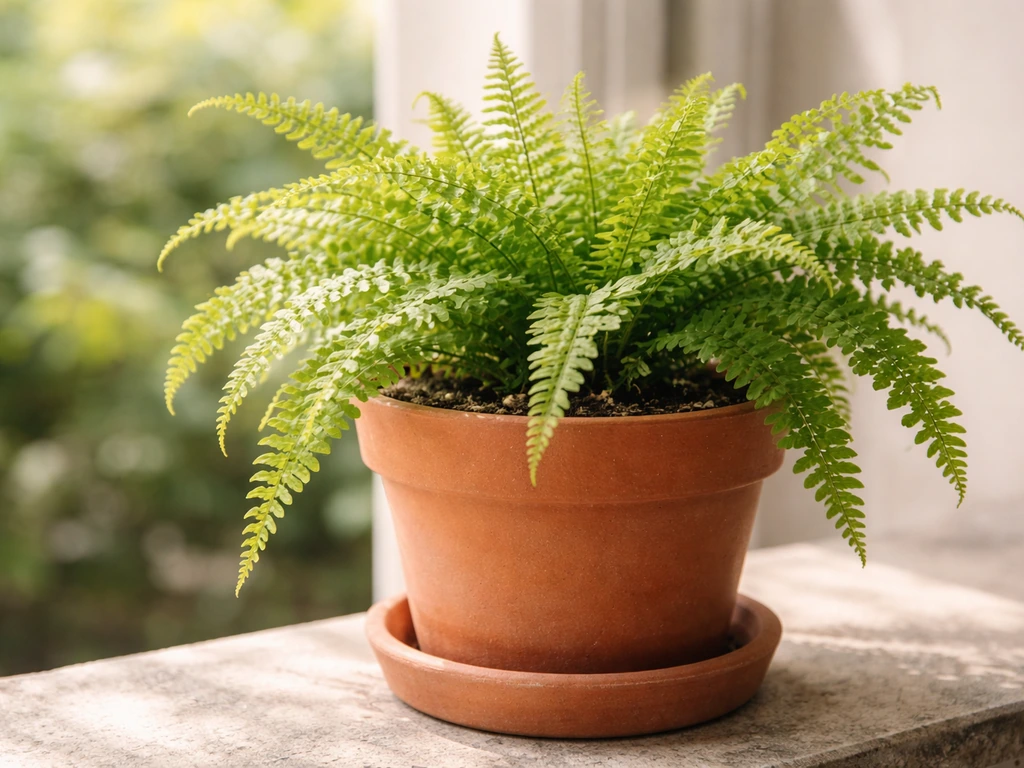
If you're ready to get started (or to sort out a struggling plant you already have), here's what to do right now: If you want another lush container plant, you can also learn how to grow ferns in pots with the right potting mix and moisture level.
- Pick a variety: trailing for baskets, upright/bushy for a standard pot. If you're in the UK, May is peak buying time at garden centers.
- Get a pot with drainage holes at least 30cm (12 inches) wide, plus a bag of peat-free all-purpose compost and a bag of perlite.
- Find a spot with morning sun and afternoon shade, or bright filtered light all day. No baking south-facing walls in midsummer.
- Plant up as described, water thoroughly, and let it drain.
- Start with a balanced liquid feed every two weeks, and pinch out stem tips to encourage bushy growth.
- Switch to tomato fertilizer once buds appear, and deadhead spent flowers every few days.
- Set a reminder for early autumn to bring the pot indoors before any frost risk.
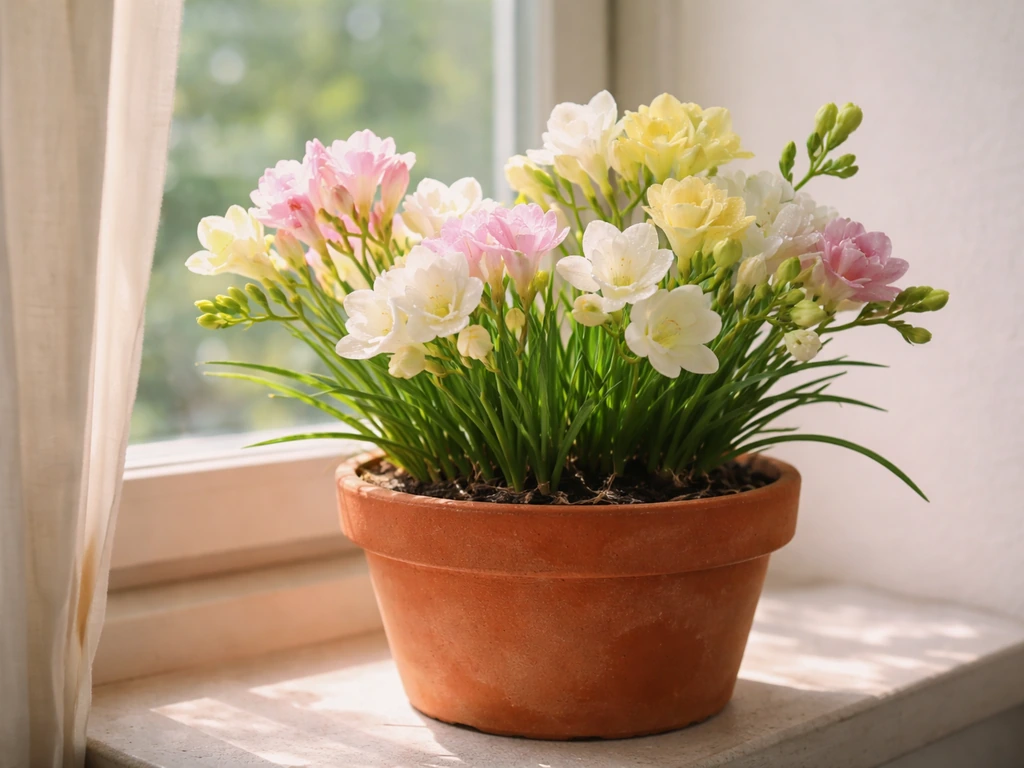
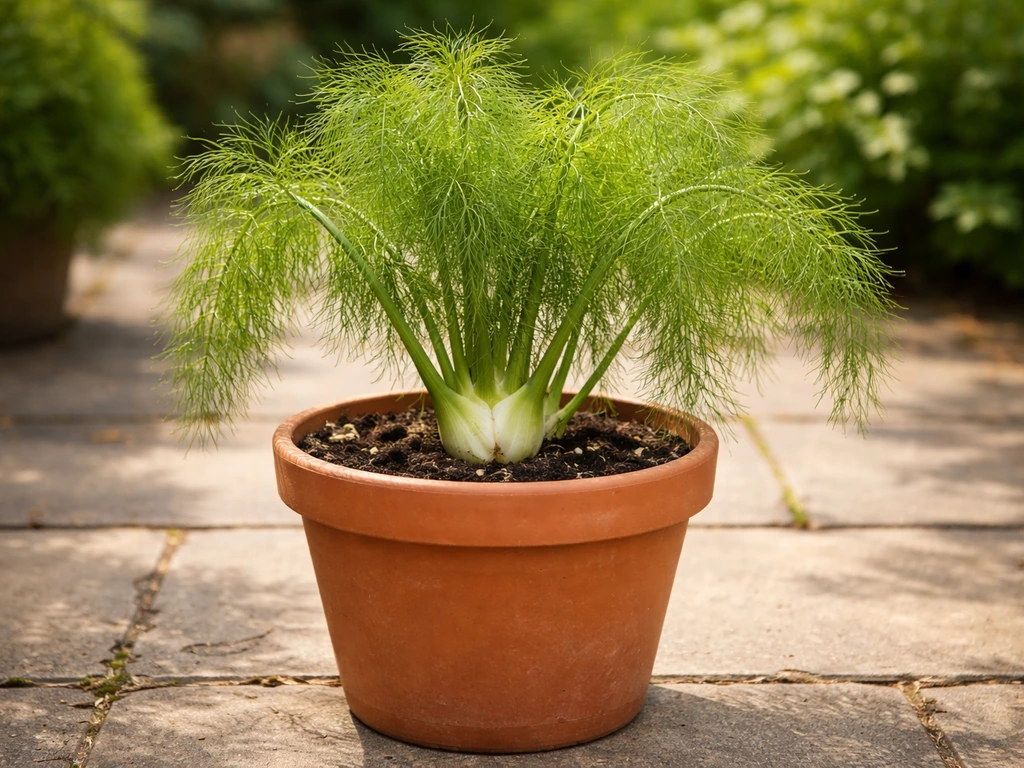
That's genuinely all it takes. Fuchsia has a reputation for being fussy, but most of that comes down to heat and watering mistakes that are easy to avoid once you know what to watch for. Get the drainage right, keep it out of harsh afternoon sun, and feed it regularly through summer, and you'll have one of the most dramatic flowering container plants you can grow. If you want another great container option, learn how to grow staghorn fern in a pot for a mounted, architectural look indoors or on a shaded patio. If you want a pinkie-style reference for cosmos growth in pots, follow the same container basics around light, drainage, and regular feeding cosmos pinkie how to grow in pots. If you want to grow pinks in pots as well, look for varieties suited to container life and follow the same focus on drainage, light, and consistent watering. If you enjoy growing flowering plants in pots, it's worth exploring other beautiful options like pinks and freesias, which have similarly rewarding blooms and work well in similar container setups. If you want another aromatic container plant, learn how to grow fennel in a pot next.
FAQ
Why is my potted fuchsia not blooming (or only flowering a little)?
A first-year pot fuchsia often blooms less than expected if you keep pinching and only feed “flowers” fertilizer too early. Pinch in spring as described, then wait until you actually see bud development before switching to a high-potassium feed. Also confirm light is right, morning sun with afternoon shade is usually better than bright afternoon exposure.
Can I reuse the same potting compost and just top it up each year?
Yes, but use the potting mix proportions you prefer and refresh the compost surface, don’t just top-dress. In practice, you can add 1 to 2 cm of fresh mix in late winter or early spring, then plan a full repot every 1 to 2 years to prevent salt buildup and exhausted nutrients.
What’s the best way to overwinter fuchsia in a pot, and how do I avoid it getting damaged indoors?
Overwintering is about temperature and keeping roots from drying hard. Keep it above about 4°C, cut back by roughly half to two thirds, and water sparingly (enough to prevent complete drying). If you overwinter somewhere warm like a heated room, it may keep growing and then struggle outdoors later due to weak, soft new growth.
How do I keep my potted fuchsia healthy during heat waves?
Fuchsias can take cooler weather but hate extremes. If daytime temps are consistently above about 27°C, increase airflow (don’t cluster pots), move to brighter filtered light rather than full sun, and consider watering slightly earlier in the day so compost doesn’t stay hot and wet overnight.
My fuchsia drops buds and blooms before they open, what should I change?
If it’s dropping buds, the most common cause is rapid drying or temperature stress, especially from hot afternoon sun or inconsistent watering. Check the top few centimeters of compost daily in summer, water thoroughly when it dries there, and move the pot to morning sun plus afternoon shade.
Should I cover my fuchsia pot with plastic to help it grow faster?
A clear plastic bag is mainly for rooting cuttings, but for an established plant it can trap humidity and encourage fungal issues. Use the humidity cover only during propagation, then remove it gradually once you see roots and new growth.
What are the signs of waterlogging or root rot in potted fuchsia, and how do I fix it?
Poor drainage is a bigger issue than the plant looks at first. Make sure water runs out the bottom freely, remove the plant from any outer decorative sleeve so it can drain, and after watering empty saucers promptly. If water sits for more than a short time, repot into a better-draining mix and check pot hole size.
Do trailing fuchsias in hanging baskets need different watering than upright ones?
Trailing types need more frequent watering because their root mass is often spread across the basket. Use a basket at least 35 cm and water based on the top inch drying, not by schedule. In peak summer you may need daily checks, and you may have to water in the morning so the basket doesn’t stay soggy overnight.
Is it ever okay to move my fuchsia into a much larger pot at once?
Fuchsia in pots generally prefers a slightly larger container over time, not an immediate big jump. When repotting, go up about one pot size at a time (around 5 cm larger in diameter), and refresh compost. Going too large too fast leaves compost wet longer around roots.
When is the best time to repot a fuchsia that’s currently flowering?
Repot in spring when it resumes active growth, not during peak flowering. If you must move it mid-season, do the gentlest root disturbance you can, keep it in partial shade for a few days, and avoid fertilizing for a short window until it settles.