A potted garden is one of the most forgiving ways to start growing your own food, herbs, or flowers, an approach that shows you how to grow potted plants with confidence. You don't need a yard, a raised bed, or any special equipment. What you do need is the right container, the right mix, a handful of plant choices that actually work in pots, and a simple routine you can stick to. If you want a more specific walkthrough, this guide on how to grow a pot plant covers the essentials from choosing the right container to caring for your crop. I've grown tomatoes on a fourth-floor balcony and herbs on a windowsill, and the rules are the same every time: get the basics right at the start and the plants do most of the work.
How to Grow a Potted Garden: From Setup to Care
Marcus Whitley
24 Mar 2026
Choosing the Right Containers and Location
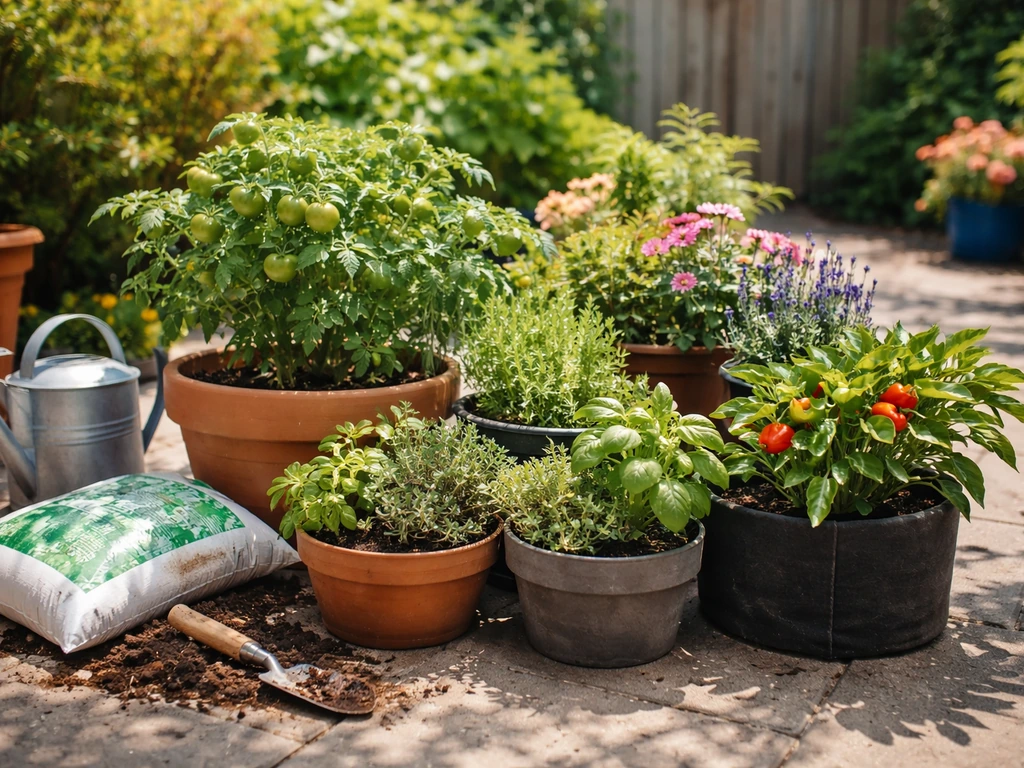
Before you buy a single plant, figure out your light situation. Walk out to your growing space at different times of day and count the hours of direct sun it gets. Full sun means six or more hours. Partial shade means three to five. This matters because, as Penn State Extension puts it plainly, container plants still need adequate sunlight and the production you get depends entirely on matching your plant choices to that light. Tomatoes and peppers need at least six hours of direct sun per day. Lettuce, kale, and herbs like parsley are more forgiving and can handle partial shade.
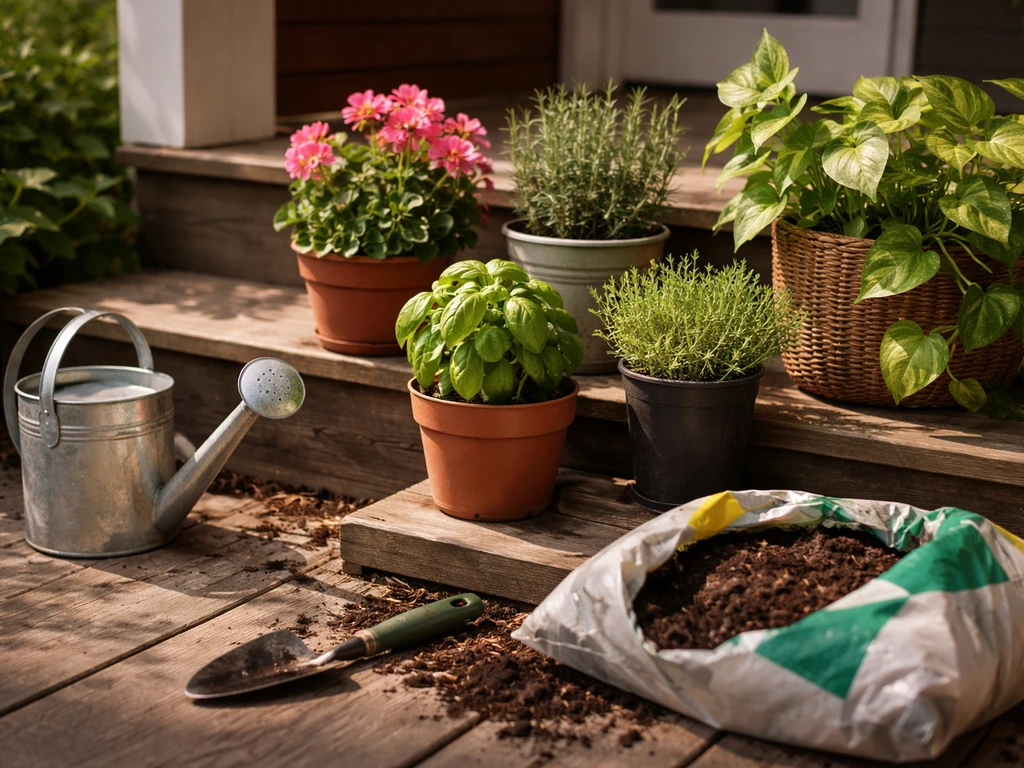
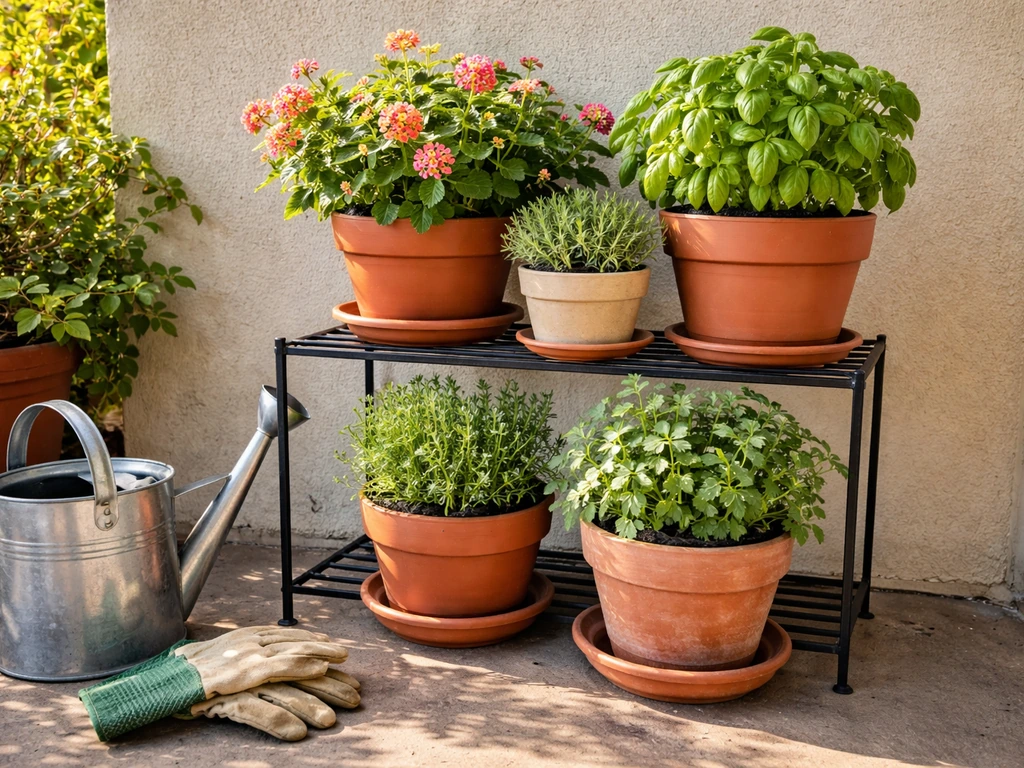
Once you know your light, think about space. Containers don't need to line up in a row. They can go on steps, hang from railings, or cluster on a balcony corner. Grouping pots together actually helps plants in hot weather by creating a small microclimate that reduces moisture loss (more on that in the seasonal section).
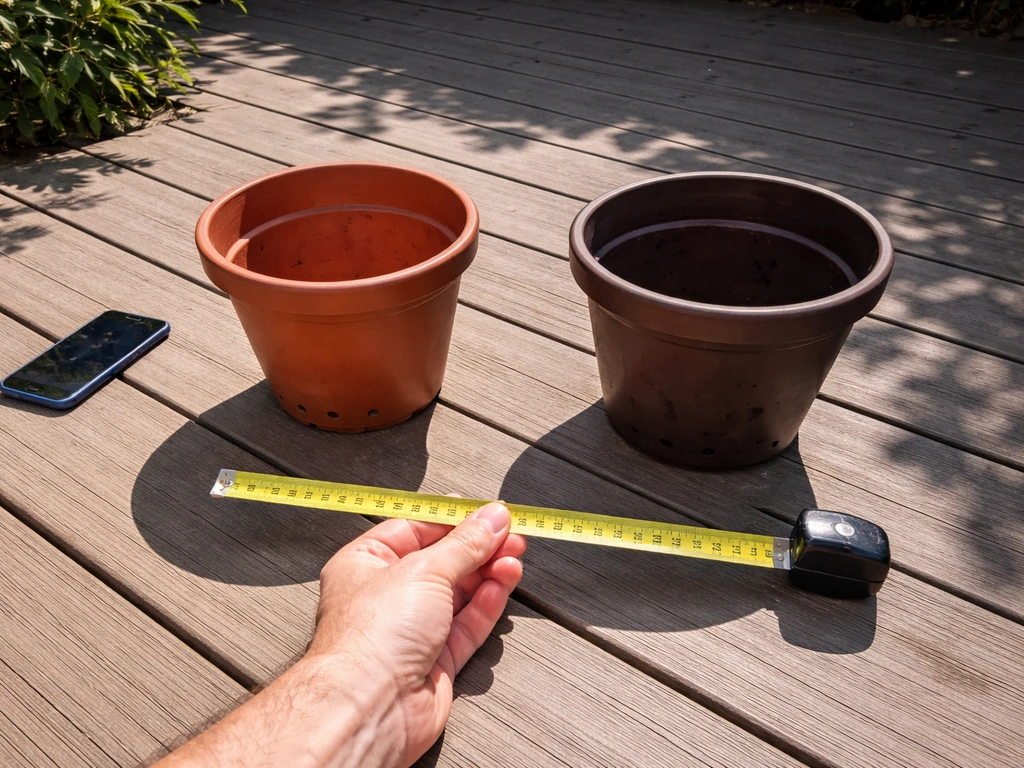
Now for the containers themselves. Size is the most important thing to get right. A single tomato plant needs at least a 20-inch-wide pot. Peppers and eggplant can do well in a 14-inch pot. Herbs like cilantro need a minimum depth of 8 inches because of their taproot. Go too small and your plant will struggle no matter how well you water and feed it.
Material matters too, mostly for watering. Plastic pots are lightweight and hold moisture longer, which means less frequent watering. Terracotta is porous, so it dries out faster and needs more attention in summer. Metal and glazed ceramic are non-porous like plastic and hold water longer, but they can heat up quickly in direct sun, which stresses roots. There's no single best material. Just understand the tradeoffs and adjust your watering accordingly.
Drainage holes are non-negotiable. Every container needs at least one, and ideally more. For pots four to six inches wide, aim for three to six holes about a quarter-inch wide. Larger containers need six to eight holes of the same size. Bigger holes can let soil fall out rather than just water. If you fall in love with a decorative pot that has no drainage holes, use it as an outer sleeve and put a smaller draining inner pot inside. That's what's sometimes called double-potting, and it works well.
One thing I'd strongly urge you to skip: don't put a layer of gravel or rocks in the bottom of your pot to 'improve drainage.' It sounds logical but it actually does the opposite. Water collects in the potting mix just above the gravel layer, keeping that zone waterlogged rather than draining it. Just use the right mix (covered next) and make sure your holes are clear.
Plants That Actually Thrive in Pots
Not every plant is a good candidate for container life, but plenty are. The trick for beginners is to start with varieties that are forgiving, compact, and productive without taking over. Here are some excellent starting points organized by category.
Vegetables
- Tomatoes (cherry or dwarf varieties): productive in large pots with full sun and support
- Peppers and chili peppers: compact, long-producing, and happy in 14-inch pots
- Lettuce and salad greens: fast-growing, shade-tolerant, and perfect for smaller containers
- Kale and Swiss chard: hardy, cut-and-come-again, and great for part-sun spots
- Radishes and beets: quick growers that work well in medium-depth containers
Herbs
- Basil: loves full sun and warmth, ideal companion for tomatoes
- Mint: grows aggressively, so keep it in its own pot
- Parsley and cilantro: need depth (cilantro at least 8 inches) but otherwise easy
- Chives: nearly indestructible, even in small pots
- Thyme and oregano: drought-tolerant and happy in terracotta
Flowers
- Marigolds: great companion plants that deter pests and thrive in containers
- Nasturtiums: edible, low-maintenance, and beautiful in hanging or trailing pots
- Petunias: long-blooming and excellent for color in sun-filled spots
- Geraniums: heat-tolerant and reliable in most container sizes
As your confidence grows, you can explore growing how to grow shrubs in pots in larger containers or try more specialist crops. But starting with the list above gives you real wins early, which is the best motivation to keep going.
Soil and Drainage Setup
Regular garden soil does not belong in a container. If you’re wondering how to grow organic potted plants successfully, start by using a quality potting mix. how to grow the best pot plants This is one of the most common beginner mistakes. Garden soil compacts in pots, blocks drainage, and suffocates roots. What you want is a quality potting mix, which is specifically engineered to stay loose and drain well in the confined space of a container. how to grow hydroponic pot. how to grow money plant in pot
The best potting mixes contain perlite or vermiculite for drainage and aeration, plus organic matter like compost, bark, peat moss, or coconut coir to hold some moisture and provide nutrients. Many commercial all-purpose potting soils include these already. Check the bag. If you see perlite (those little white specks) listed, you're on the right track. Some of the best mixes are actually soilless entirely, relying on peat or coir plus perlite rather than any true soil.
If you want to boost your mix, you can blend in a scoop of compost at planting time. This adds slow-release organic nutrition and improves moisture retention without making the mix dense. A rough starting ratio that works well for most vegetables and herbs is about 60 percent quality potting mix, 30 percent compost, and 10 percent extra perlite if drainage seems slow.
Fill your container to about an inch below the rim. This leaves space for watering without overflow and gives you room to add a little compost as a top dressing later in the season. Press the mix down lightly to eliminate big air pockets, but don't compact it.
Planting and Arranging Your Potted Garden
How you arrange plants in and across your containers has a bigger impact than most beginners expect. Overcrowding is the most common error. When plants are too close together they shade each other, compete for the same limited nutrients and water, and become more vulnerable to disease. Give each plant its share of space from day one.
When planting from seed, follow the depth guidance on the packet closely. Don't plant seeds deeper than the packet recommends. Seeds covered with too much soil can exhaust their stored energy trying to reach the surface before they can photosynthesize. Medium-sized seeds like beets and Swiss chard go about three-quarters of an inch deep as a rough guide. When seedlings appear and have two or three true leaves, thin them to the correct spacing. It feels wasteful to pull out seedlings you grew from scratch, but the ones you keep will be much healthier for it.
When transplanting seedlings or starts from a nursery, dig a hole slightly larger than the root ball, place the plant in, and gently firm the mix around the roots. Water immediately after transplanting to help roots settle in and eliminate air pockets.
For arranging multiple containers, think about height. Taller plants and anything that needs a trellis or cage should go on the north side of your setup so they don't block sun from shorter plants. For container tomatoes, insert any stake or cage before you fill the container with potting mix. Trying to push a stake into a fully planted, watered pot risks damaging roots. Stakes for container tomatoes are typically two to four feet tall depending on the variety.
Succession planting is worth trying once you're comfortable. Instead of planting all your lettuce at once, plant a pot every two to three weeks. That way you're harvesting fresh greens continuously rather than having everything ready at the same time and then nothing. It's one of the smartest strategies for a small potted garden and it costs nothing extra.
Watering: The Schedule and the Mistakes to Avoid
Water management is where most container gardens succeed or fail. Containers dry out faster than in-ground beds because the soil volume is limited and the sides of the pot allow evaporation. During hot, dry weather, outdoor containers will likely need watering every single day. The best times to water are early morning or early evening, when temperatures are lower and plants can absorb moisture before the heat of the day stresses them.
How do you know when to water? Push your finger about an inch into the potting mix. If it feels dry at that depth, water thoroughly until it runs freely out of the drainage holes. If it still feels moist, wait. This simple test beats any schedule because it accounts for the actual conditions your plants are experiencing that day.
Larger containers dry out more slowly than smaller ones, so a big 20-inch pot will need watering less often than a small six-inch herb pot. Plastic and glazed pots hold moisture longer than terracotta. Keep these variables in mind rather than following a single watering schedule for every pot you own.
Self-watering containers are worth considering if you travel or find daily watering difficult. These have a reservoir at the bottom that wicks moisture up to the roots as needed. A typical reservoir holds about one to two quarts of water per day as a rough planning baseline. They're especially useful for tomatoes and peppers, which are sensitive to inconsistent moisture.
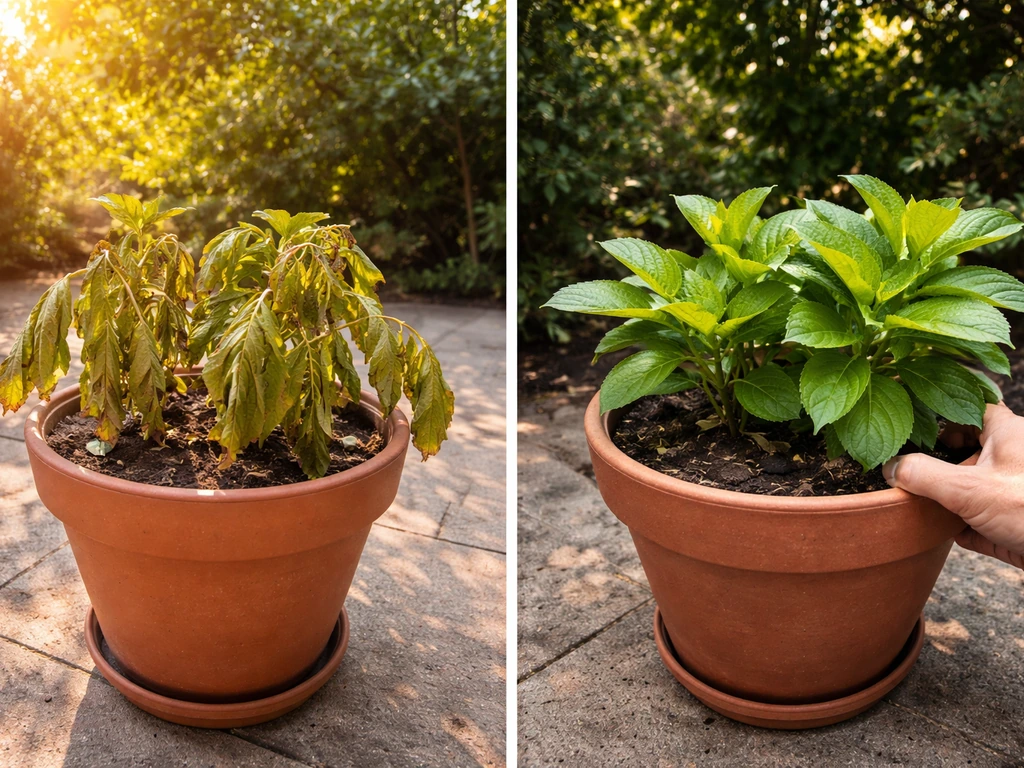
Overwatering is just as dangerous as underwatering. Waterlogged soil forces out the oxygen roots need to breathe, and persistently wet conditions lead to root rot and damping-off disease. If your leaves are yellowing and the soil feels soggy, the problem is almost always too much water, not too little. Let it dry out a bit before watering again, and make sure those drainage holes are actually working.
Feeding Your Plants and Supporting Their Growth
Potting mix starts with some nutrients, but frequent watering leaches them out faster than you'd expect. Within a few weeks of planting, your containers will need supplemental feeding to keep plants producing well.
There are two main approaches: slow-release granular fertilizer and liquid (water-soluble) fertilizer. Slow-release granules are mixed into the potting mix at planting time and break down gradually over weeks or months. Liquid fertilizers are mixed with water and applied during a regular watering. Both work, and many gardeners use a combination.
A practical starting schedule: add a slow-release fertilizer at planting time, then begin applying a liquid fertilizer every two to four weeks starting two to six weeks after planting (timing depends on how fast your plants are growing and how often you water). If you prefer to keep it even simpler, a monthly dose of liquid fertilizer or a slow-release reapplication every twelve weeks covers most container plants through a full growing season.
Liquid fertilizers are especially useful mid-season or when plants show signs of nutrient deficiency (pale leaves, slow growth) because they work quickly. A balanced all-purpose formula like 10-10-10 or similar works for most vegetables, herbs, and flowers. For fruiting crops like tomatoes and peppers, switch to a fertilizer with higher potassium and phosphorus once flowering begins.
Pruning and support are also part of keeping container plants productive. Pinch off the growing tips of basil regularly to delay flowering and keep leaves coming. Remove suckers on indeterminate tomatoes if space is tight (the small shoots that appear between the main stem and a branch). Keep your stakes and cages checked weekly as plants grow and tie in new growth before it flops over.
Seasonal Care and Troubleshooting
Managing Heat
Heat stress is one of the trickiest container challenges because pots heat up faster than in-ground soil. Signs include wilting even when the soil is moist, scorched leaf edges, and blossom drop on tomatoes or peppers. When a heat wave hits, group your containers together. Clusters of pots create a slightly cooler, more humid microclimate by shading each other's sides and reducing moisture loss. Move containers that can be moved to a spot with afternoon shade during extreme heat. Water in early morning so roots have moisture available as temperatures climb, and again in the evening if the soil has dried out.
Cold and Seasonal Transitions
One of the best things about container gardening is that you can move pots inside when frost threatens. Most vegetables and tender herbs are damaged below 32 degrees Fahrenheit. Keep an eye on your local forecast starting in early autumn. Move frost-sensitive containers to a sheltered spot, a covered porch, or indoors overnight when temperatures drop. Hardy herbs like thyme, oregano, and chives can tolerate light frost and often overwinter in pots in mild climates. Check your region's planting calendar (your local cooperative extension service usually publishes one) to time your container plantings appropriately.
Common Pests and Diseases
Container gardens are generally less pest-prone than in-ground beds, but problems do happen. Here's a quick guide to the most common issues.
| Problem | Symptoms | What to Do |
|---|---|---|
| Root rot | Yellowing leaves, wilting, mushy stems near soil | Reduce watering, improve drainage, check holes are clear; repot if severe |
| Fungus gnats | Tiny flies hovering around soil; larvae damage roots | Let soil surface dry between waterings; use sticky traps for adults |
| Aphids | Sticky residue, distorted new growth, clusters of small insects | Blast off with water, apply neem oil or insecticidal soap |
| Damping-off | Seedlings collapse at soil level shortly after germinating | Caused by overwatering; improve airflow, reduce moisture, start fresh |
| Powdery mildew | White powdery coating on leaves | Improve airflow between pots, avoid wetting foliage, use diluted neem oil |
| Heat stress | Wilting despite moist soil, leaf scorch, blossom drop | Provide afternoon shade, group pots, water in early morning/evening |
Most of these problems are connected to water. Too much moisture sitting in the soil creates the conditions for root rot, fungus gnats, and damping-off. Too little creates heat and drought stress. Getting your watering dialed in early solves or prevents the majority of container garden problems before they start.
Your Quick-Start Checklist
If you're ready to get started right now, here's the sequence that gets you from zero to a functioning potted garden in one weekend.
- Assess your space: count hours of direct sun at your growing location and note any wind or heat exposure
- Choose containers with drainage holes sized for your plants (at least 20 inches wide for tomatoes, 14 inches for peppers, 8-inch depth for cilantro and herbs)
- Buy a quality all-purpose potting mix containing perlite or vermiculite, plus a bag of compost to blend in
- Pick two or three beginner-friendly plants that match your light conditions (lettuce and herbs for part shade; tomatoes, peppers, or basil for full sun)
- Plant at the correct depth, thin seedlings once they have two or three leaves, and insert any stakes before filling containers
- Water thoroughly after planting, then use the finger-test method daily going forward
- Begin a fertilizing routine: slow-release at planting, liquid fertilizer every two to four weeks after the first two to six weeks
- Check on your plants daily in hot weather, group pots together, and move frost-sensitive containers inside when temperatures drop
Start small, pay attention, and don't be discouraged by a plant that doesn't work out. Every container gardener loses a pot or two to overwatering or bad placement in their first season. The difference is that in containers, you can adjust quickly: move the pot, change the watering, swap out a failing plant. That flexibility is what makes potted gardening such a rewarding way to grow.
FAQ
How do I choose plants that will actually thrive in my specific pot sizes?
Before buying, check the label for two things: the mature size (height and spread) and whether the plant is “container” or “patio” suited. A crop that needs wide root space or constant heavy feeding (like large vining squash) usually performs poorly unless you have very large pots and strong support.
My leaves are yellowing, how do I know if it is overwatering or nutrient deficiency?
The quickest fix is to treat the pot like a system, not a schedule. If leaves yellow and soil is wet, pause watering and check that drainage holes are clear. If leaves yellow but soil is dry, you may need a nitrogen boost, since container nutrients wash out faster than in-ground soil.
How can I tell if my pot’s drainage is actually good enough?
Test drainage before planting by filling the pot with water and timing how long it takes to fully drain. If it takes more than about an hour in typical conditions, the pot may be too small, the soil too dense, or the drainage holes partially blocked.
What is the best way to keep potting mix from turning into a muddy, compacted mess over time?
Use potting mix only, and avoid mixing in topsoil or compost-heavy blends that make the mix dense. In hot weather, do not compact the mix when you fill, and top-dress lightly with compost rather than digging in deeper layers that can reduce oxygen around roots.
Do I need special water for containers, and how do I handle mineral buildup?
Tap water is often fine, but if your plants show persistent issues (burned leaf tips, stunted growth) consider checking pH and mineral buildup. A simple approach is periodic “flush” watering (water until it drains freely) to reduce salt accumulation, then resume feeding at a lighter rate for a couple weeks.
What should I do if I get fungus gnats in my potted garden?
If you’re seeing fungus gnats or tiny flies, let the top inch of mix dry more between waterings and make sure the pot is not staying consistently soggy. You can also remove the surface layer and replace it with fresh dry potting mix, since adults lay eggs near damp organic matter.
My plants look stressed after I fertilized, what should I check first?
Do not fertilize more when plants look worse. First, confirm watering and drainage using the finger test, then start with the recommended dose, especially with liquids. For heat stress, focus on shade and consistent moisture, then feed again once the plant is actively growing.
I am starting from seed, how do I avoid poor germination in containers?
A practical rule is to start seeds no deeper than the packet says, and keep the surface evenly moist until germination. For small seeds, use a light dusting of mix or a thin cover, then mist instead of flooding so you do not wash seeds deeper or create crusting.
Can I move container plants outdoors after buying them, and how do I prevent transplant shock?
Yes, but you should “harden off” transplants gradually. Move them to brighter or more outdoor-exposed conditions for increasing periods over several days, and water lightly before the move so roots are not shocked by dry, hot conditions.
Is there any situation where gravel or rocks in the bottom help drainage?
In general, do not use gravel at the bottom. If you need extra aeration, rely on mix texture (perlite or similar) and correct pot size. For excess water retention problems, repot into a lighter mix rather than stacking materials that create a waterlogged layer.
My potting soil feels moist, yet the plant wilts. Why is that happening?
If a plant keeps wilting even though the finger test shows moist soil, the cause is likely root stress from heat or oxygen issues. Move the pot to afternoon shade, water early morning, and check that the mix is not staying waterlogged after watering.
How do I know when it is time to repot a plant?
When a plant outgrows its pot, you will usually see slowed growth, frequent wilting, or roots circling the container. The best fix is upgrading to the next pot size and refreshing the top inch or two of mix (or fully repotting for crops with sensitive roots, like cilantro).
Should I use slow-release fertilizer, liquid fertilizer, or both in containers?
Choose a fertilizer form based on your routine. If you can water consistently and want fast correction, use liquid feeds mid-season. If you travel or want less frequent hassle, use slow-release at planting and top up with lighter liquid doses only if growth slows or color fades.
Why do my tomato or pepper flowers drop before fruit sets?
Fruiting plants need more light than many herbs, so watch for “soft growth” (leggy stems) as an early sign. If you see blossom drop plus lots of leafy growth, it can be too much nitrogen or insufficient light. Adjust feeding timing and ensure at least the recommended hours of direct sun for your crop.
How should I plan watering for a weekend trip or hotter-than-expected weather?
If you travel, a self-watering reservoir can help, but still confirm your plant’s pot size and whether the wicking system reaches the full root zone. Plan reservoir capacity for your specific heat and choose an emergency plan (someone checks pots, or you group them for a cooler microclimate).