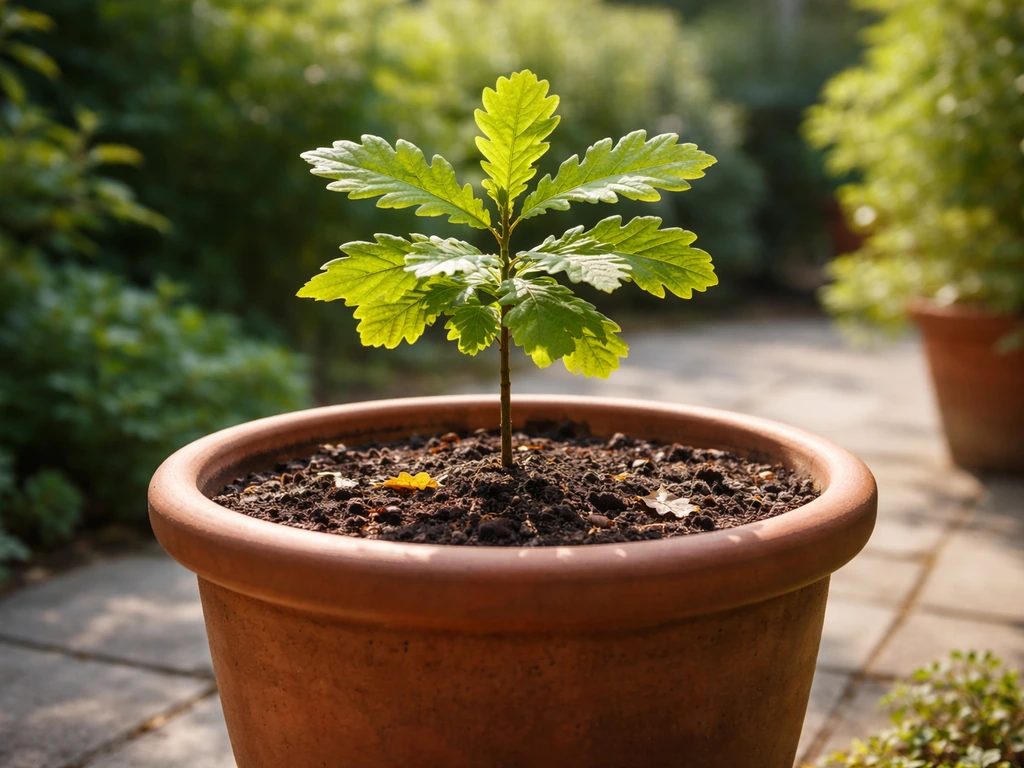
Yes, you can grow an oak tree in a pot, and it can work really well for the first several years of the tree's life. The honest truth is that oaks are not forever-pot plants the way a dwarf lemon or a bay tree might be. They will eventually need a bigger container, and most will do best if they end up in the ground at some point. But as a way to grow a young oak, enjoy it on a patio, give it a strong start, or just experience the satisfaction of raising a tree from an acorn, container growing absolutely works. You just need the right setup from the beginning.
How to Grow Oak Trees in Pots Step-by-Step Care Guide
Marcus Whitley
16 May 2026
Can oak trees actually grow in pots (and when does it work)
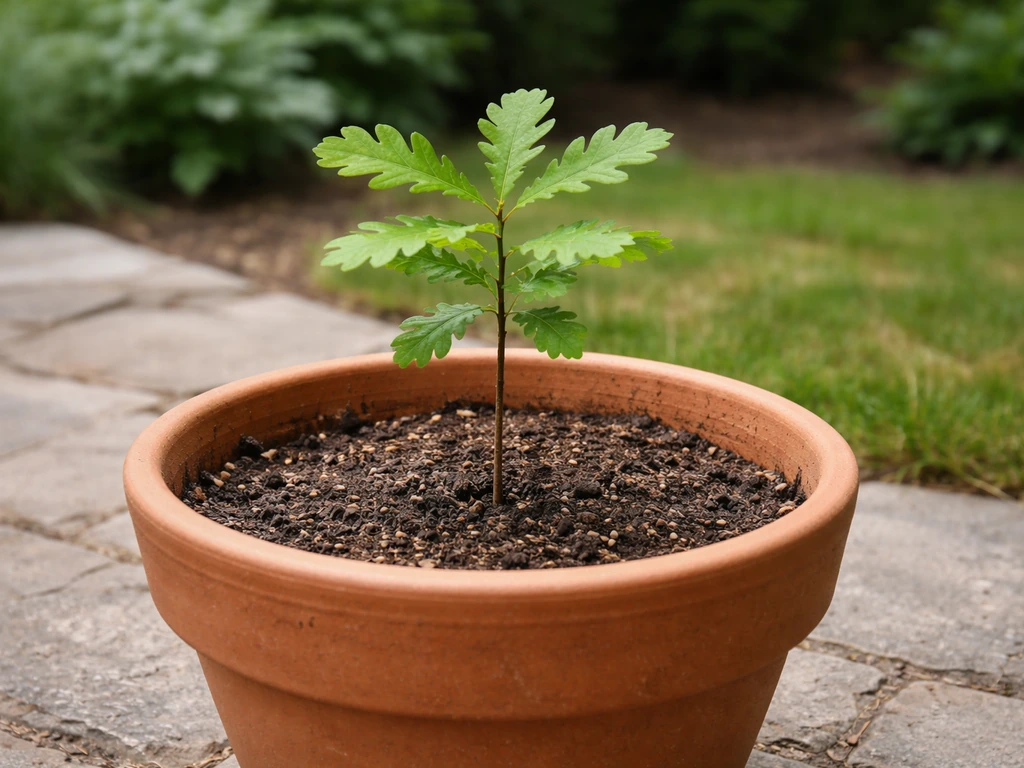
Oaks are big trees. A mature white oak can spread 80 feet wide. So let's be upfront: no pot will contain a full-grown oak, and you should not go into this expecting it to. What container growing does give you is a genuinely useful window, typically three to eight years depending on the species and how aggressively the tree grows, where the oak develops a strong root system, a sturdy trunk, and healthy branching before it outgrows its container. For urban gardeners with patios or balconies, smaller or slower-growing oak species can thrive in large containers for longer than that.
Container growing works best when you choose the right species (more on that below), use a large enough pot from the start, and stay on top of watering and feeding. It also works well as a deliberate nursery strategy: grow the oak in a pot for two to four years, let it get established and sturdy, then plant it in the ground where you want it to live permanently. Many gardeners find this approach gives them a much stronger young tree than buying a bare-root sapling from a nursery.
Where it does not work: neglecting the roots, using a pot that's too small, skipping winter protection in cold climates, or expecting an English oak or bur oak to stay happy in a 15-gallon pot indefinitely. Treat the container as a phase, not a permanent home, and you'll have a great experience.
Choosing the right oak type, pot size, and location
Which oak species are best for containers
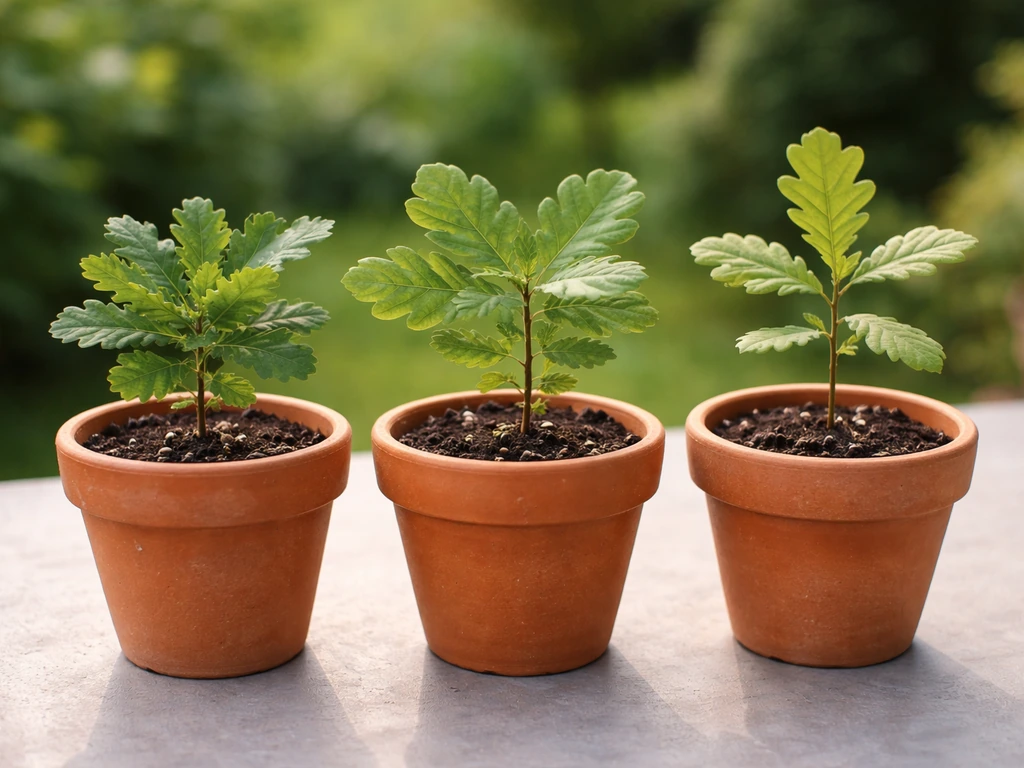
Not all oaks behave the same in pots. Smaller, slower-growing species are your best bet for any kind of extended container life. Here are the ones I'd recommend looking at first:
- Dwarf chinkapin oak (Quercus prinoides): Stays naturally small, rarely exceeds 6 to 10 feet, and handles container life better than almost any other oak. Great for patios.
- Willow oak (Quercus phellos): A graceful, fine-leaved oak that grows more slowly than white or red oak and tolerates container constraints reasonably well for several years.
- Nuttall oak (Quercus texana): Adapts to container culture and is worth trying if you're in the South or Southeast.
- English oak 'Fastigiata' (Quercus robur 'Fastigiata'): A columnar form that takes up much less horizontal space, making it a practical choice for urban gardeners.
- Gambel oak (Quercus gambelii): A western native that naturally stays shrub-like in poor soils, making it manageable in large pots.
- Pin oak (Quercus palustris): A common choice that does reasonably well in containers during its early years before it needs the ground.
Avoid fast-growing large-canopy species like bur oak or red oak if you want anything close to a long-term container situation. They'll blow through a pot in two or three years and become genuinely difficult to handle.
Pot size: go bigger than you think
For a young sapling or a newly sprouted acorn, start in a 3 to 5 gallon pot for the first year. After that, move up to a 15 to 25 gallon container for years two through four. If you plan to keep the oak in a container long-term, work your way up to a 30 to 45 gallon pot or a large half-barrel planter (typically 25 to 30 gallons). If you want your tree to eventually get bigger, focus on pot size and consistent watering so the roots can keep growing. The bigger the container, the more insulation the roots get in winter and the longer you can go between waterings. A larger pot also slows down the root-bound problem that can stunt growth fast. Always choose a container with multiple drainage holes, at minimum three to four large holes in the base.
Where to put it
Oaks want full sun, meaning at least six hours of direct sunlight per day, and ideally eight or more. Put your potted oak in the sunniest spot you have. A south or west-facing patio, balcony, or driveway edge is ideal. Avoid deep shade or spots where the pot will sit in standing water after rain. If you're on a balcony, make sure the structure can handle the weight of a large pot filled with moist soil, because a 30-gallon pot can easily weigh 150 to 200 pounds.
Potting mix and fertilizing for the long haul
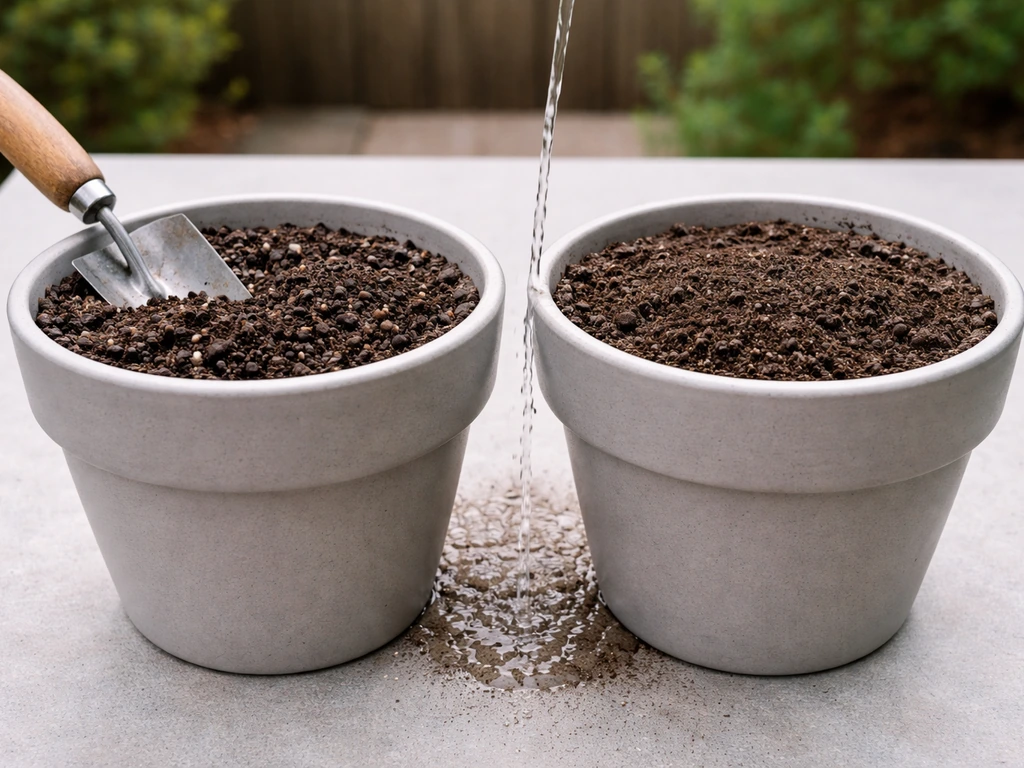
Do not use straight garden soil in your pot. It compacts badly, drains poorly, and will suffocate oak roots within a season. You want a mix that holds some moisture but drains freely and stays loose even after months of watering. My go-to mix for potted oaks is roughly 60% quality potting mix (loam-based if you can find it), 20% coarse horticultural grit or perlite, and 20% composted bark or fine pine bark. This combination drains well, resists compaction, and holds just enough moisture between waterings. If you can find a specialist tree and shrub compost, that works well as your potting mix base.
Oaks in pots need feeding because nutrients flush out of containers much faster than in-ground soil. In spring (around March to April in the Northern Hemisphere), apply a slow-release granular fertilizer formulated for trees and shrubs, something with an NPK of roughly 14-14-14 or similar balanced ratio. Follow the packet rate for the pot size. In early summer (around June), you can give a light liquid feed of a balanced fertilizer to support active growth. Stop fertilizing by late summer, around August, so the tree can harden off its new growth before winter. Feeding too late in the season pushes soft new shoots that are vulnerable to frost damage.
How to plant: acorn vs. sapling
Starting from an acorn
Growing from an acorn is one of the most satisfying things you can do in container gardening, and it's genuinely achievable even for a complete beginner. The catch is that different oak groups have different germination needs. White oak group acorns (white oak, bur oak, chinkapin oak) will often germinate within weeks of planting with no special treatment needed. Red oak group acorns (red oak, pin oak, willow oak) need a cold stratification period, meaning they need to experience cold temperatures before they'll germinate. This mimics what happens naturally over winter.
- Collect acorns in autumn, ideally freshly fallen ones that are fully formed and free from visible mold or holes (which indicate insect damage). Test viability by dropping them in water: acorns that sink are usually viable, floaters are often not.
- For red oak group acorns: place them in a zip-lock bag with slightly damp sphagnum moss or paper towels, seal it, and put it in the refrigerator for 60 to 90 days. This cold stratification breaks their dormancy. White oak group acorns can skip this step and be planted directly.
- Fill a 3 to 5 gallon pot with your potting mix. Plant the acorn about 1 to 1.5 inches deep, on its side or with the pointed tip slightly angled downward. Water it in well.
- Place the pot outdoors in a sheltered but light spot, or indoors near a bright window. Keep the soil consistently moist but not waterlogged.
- Germination for white oak acorns typically happens within 2 to 6 weeks at soil temperatures around 50 to 65°F (10 to 18°C). Red oak group acorns stratified over winter will typically germinate in early spring.
- Once the seedling has reached 4 to 6 inches tall and has several true leaves, it's established enough to be moved to its full sun growing position. Handle it carefully during any repotting, as oak taproots are delicate.
Starting from a sapling or nursery tree
Buying a small nursery sapling gives you a head start of one to two years and skips the germination uncertainty. Choose a sapling that's healthy, with no circling roots at the base of the pot and no yellowing leaves. Avoid anything that looks like it's been sitting in the same container for years and has roots escaping from the drainage holes.
- Choose a pot that's one to two sizes larger than the nursery pot. For a 1-gallon nursery tree, go to a 5-gallon container. For a 3-gallon tree, go to a 10 to 15-gallon container.
- Add a layer of coarse gravel or broken pot crocks (terracotta pieces) over the drainage holes to prevent soil from blocking them, but do not fill the bottom with a thick gravel layer as this can actually impede drainage.
- Fill the pot partially with your potting mix. Remove the sapling from its nursery container, gently tease out any circling or tightly wound roots with your fingers, and position it so the root flare (where the trunk widens at the base) sits about an inch below the final soil surface.
- Fill in around the roots with potting mix, firming it gently to remove air pockets. Do not pack it down hard.
- Water deeply until water flows freely from the drainage holes. Let it settle for a few minutes and add a little more mix if the surface drops significantly.
- Place the pot in full sun and monitor soil moisture daily for the first two weeks while the tree gets established.
Watering, mulching, and seasonal care
Watering in containers
Container oaks dry out much faster than in-ground trees, especially in summer or if the pot is sitting in direct sun all day. During active growth (spring through early autumn), check the soil moisture every one to two days by pushing your finger about two inches into the soil. If it feels dry at that depth, water thoroughly until it drains freely from the bottom. In cooler weather or during dormancy, scale back significantly. Overwatering in winter is one of the most common ways to lose a potted oak. Soggy, cold soil sitting around roots in winter causes rot fast.
Water deeply rather than lightly. Shallow watering encourages surface roots and stresses the tree. When you water, give it enough that the entire root zone gets wet, and then let it dry out appropriately before watering again. In peak summer heat, a large container oak might need watering every day. In cooler spring and autumn months, every three to five days is more typical.
Mulching the top of the pot
A 1 to 2 inch layer of bark mulch or wood chip mulch on top of the potting mix does several useful things: it slows moisture evaporation (reducing how often you need to water), moderates soil temperature, and looks tidy. Keep the mulch away from direct contact with the trunk to prevent rot at the base. Top it up once a year in spring.
Seasonal care and winter protection
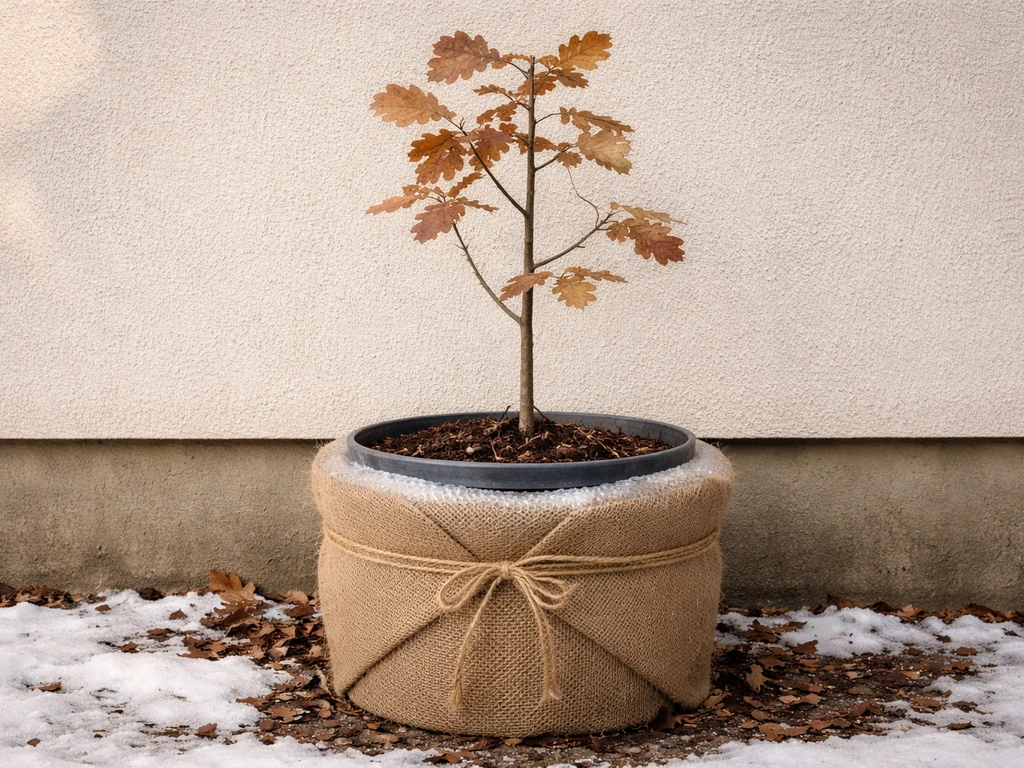
This is the part most container-tree guides skip, and it's where a lot of people lose their oaks. Roots in containers are far more exposed to freezing temperatures than roots in the ground because the pot is surrounded by cold air on all sides. Penn State Extension guidance suggests treating container plants as if they are two hardiness zones colder than their rated zone. So if you're in USDA Zone 6, your potted oak roots are experiencing something closer to Zone 4 conditions. The University of Missouri Extension makes a similar point: above-ground pot soil tracks air temperature closely, putting roots in serious freeze-damage territory during hard winters.
Winter protection steps that actually work:
- Move the pot to a sheltered location: against a south-facing wall, into an unheated garage or shed, or into a sheltered corner that blocks wind. An unheated garage is ideal because temperatures stay above freezing without being warm enough to trigger premature spring growth.
- Wrap the pot itself in bubble wrap, burlap, or horticultural fleece to insulate the root zone. Pack straw or bark mulch around the outside of the pot for extra insulation in very cold climates.
- Raise the pot off the ground on pot feet or blocks to prevent it from freezing solid to the surface and to maintain drainage.
- Water sparingly through winter: the tree is dormant and needs very little moisture, but do not let the root ball completely dry out either. Check every two to three weeks.
- Do not bring the pot into a heated indoor space, as the warmth will confuse the tree and push it out of dormancy too early.
The Chicago Botanic Garden describes overwintering woody plants in containers as genuinely risky business in unpredictable climates like the Midwest. Don't let that put you off, but do take winter protection seriously. A little wrapping and shelter can mean the difference between a thriving tree in spring and a dead one.
Pruning, root management, and when to size up or plant out
Pruning basics
You do not need to prune a young potted oak heavily. The goal in the early years is to let it build a strong root system and trunk. Light pruning is mainly about shaping and removing anything problematic. Prune in late winter or very early spring while the tree is still dormant, before new leaves emerge. Remove any dead, damaged, or crossing branches. If you want to encourage a single strong leader (the main central upright stem), remove any competing stems that try to rival it. Cut cleanly just above a bud or branch junction, and do not leave stubs. Avoid heavy pruning in autumn, as cuts made then can be slow to seal before winter.
Root management: the most important thing you can do
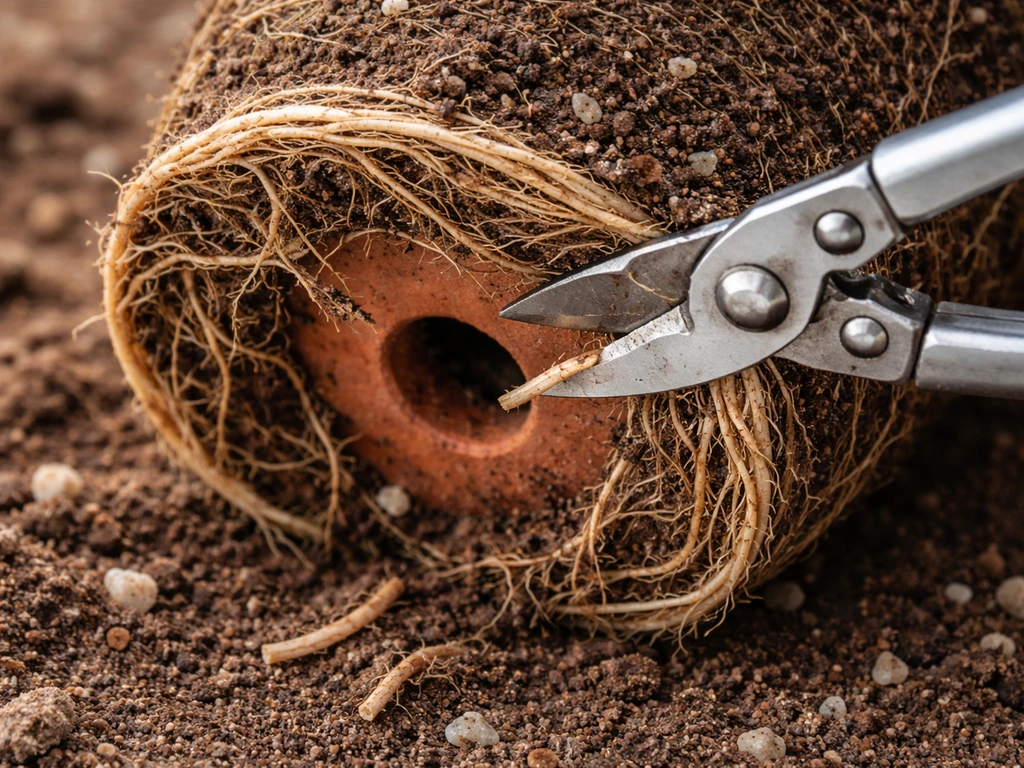
Oaks form significant root systems, including a taproot when young. In a container, that taproot will hit the bottom of the pot and start circling, which can eventually strangle the tree if left unchecked. The USDA Forest Service specifically flags blank" rel="noopener noreferrer">root-binding as a key issue with containerized oak seedlings. Check the roots every spring by gently sliding the tree out of its pot. If you see roots circling the inside wall of the pot or tightly coiling at the base, it's time to act. You have two options: move up to a larger pot, or root prune.
Root pruning means trimming the outermost layer of roots and returning the tree to the same pot with fresh potting mix. Use clean, sharp pruning shears and cut no more than 20 to 25% of the root mass in a single session. Then repot with fresh mix. This is a more advanced technique but it's worth knowing if you want to keep the oak in a container for a longer period. Do it in early spring before growth starts.
When to upsize the pot or plant it in the ground
Upsize the pot when you see roots coming out of the drainage holes, when the tree dries out within a day of watering even in mild weather, or when growth has slowed noticeably despite good feeding and watering. Move up by one size at a time, so from 15 gallons to 25 gallons rather than jumping straight to 45 gallons. Too large a pot can lead to soggy soil in the areas the roots haven't yet reached.
As for planting in the ground: if your goal was always to establish the oak in a permanent garden spot, three to five years in a pot is usually enough to give it a strong foundation. Autumn is generally the best time to plant out, when the tree is going dormant and soil is still warm enough for root establishment before winter. If you're making this decision mid-spring, late spring planting works too, but you'll need to water consistently through the first summer.
Common problems and how to fix them
| Problem | Likely Cause | What to Do |
|---|---|---|
| Leaves yellowing all over | Nutrient deficiency or overwatering | Check soil drainage first. If draining well, apply a balanced slow-release fertilizer. If waterlogged, let dry out and improve drainage. |
| Yellowing between leaf veins (green veins, yellow flesh) | Iron or manganese deficiency, often from soil pH too high | Apply an ericaceous (acid) liquid feed or chelated iron. Test soil pH if possible; aim for 5.5 to 6.5 for most oaks. |
| Wilting despite moist soil | Root rot from poor drainage or overwatering | Remove tree from pot, inspect roots. Trim any black, mushy roots. Repot in fresh well-draining mix. Do not water again until surface is dry. |
| Very slow or no growth | Root bound, compacted soil, or insufficient sun | Check for circling roots and repot or root prune. Move to sunnier spot. Ensure feeding schedule is in place. |
| Leaves browning at edges in summer | Underwatering or wind scorch | Increase watering frequency. Move pot to a slightly less exposed position. Mulch the surface to retain moisture. |
| Leaves dropping in winter | Normal deciduous behavior (for most oak species) | No action needed. Monitor moisture and wait for spring. |
| Powdery white coating on leaves | Powdery mildew fungal disease | Improve air circulation around the pot. Treat with a diluted neem oil spray or a ready-made fungicide. Remove affected leaves. |
| Small holes in leaves, or chewed leaf edges | Oak leaf roller caterpillars or other leaf feeders | For light infestations, hand-pick. For heavier infestations, treat with a biological insecticide like Bt (Bacillus thuringiensis). Usually not fatal to the tree. |
| Tree died over winter despite care | Root freeze damage from insufficient insulation | Review winter protection setup. Use a larger pot next time, more insulation, and a more sheltered location. Consider an unheated garage or shed. |
A note on pests specific to oaks
Oak trees are host to a huge number of insects, most of which are completely harmless to a healthy tree. Galls (strange lumps or structures on leaves or twigs caused by tiny wasps) look alarming but rarely cause real damage. Scale insects and aphids can occasionally build up on container oaks, especially in sheltered spots with poor air movement. Check the undersides of leaves regularly and treat early with insecticidal soap spray if you see a buildup. A healthy, well-fed, well-watered oak in a container has good natural resistance to most common pests.
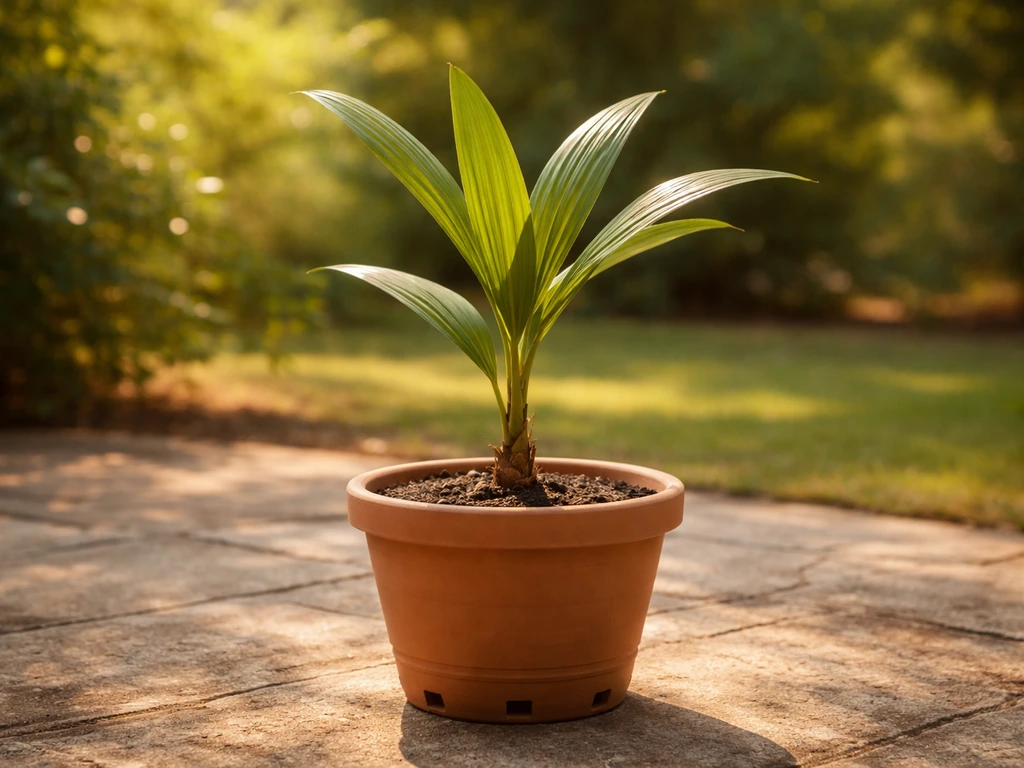
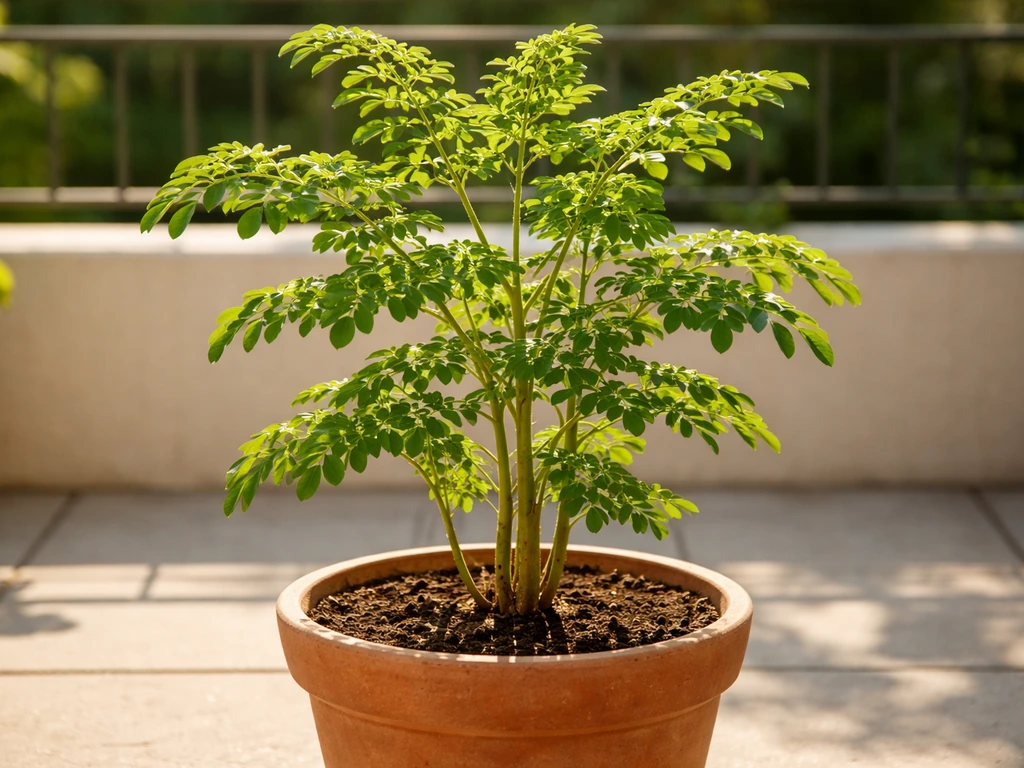
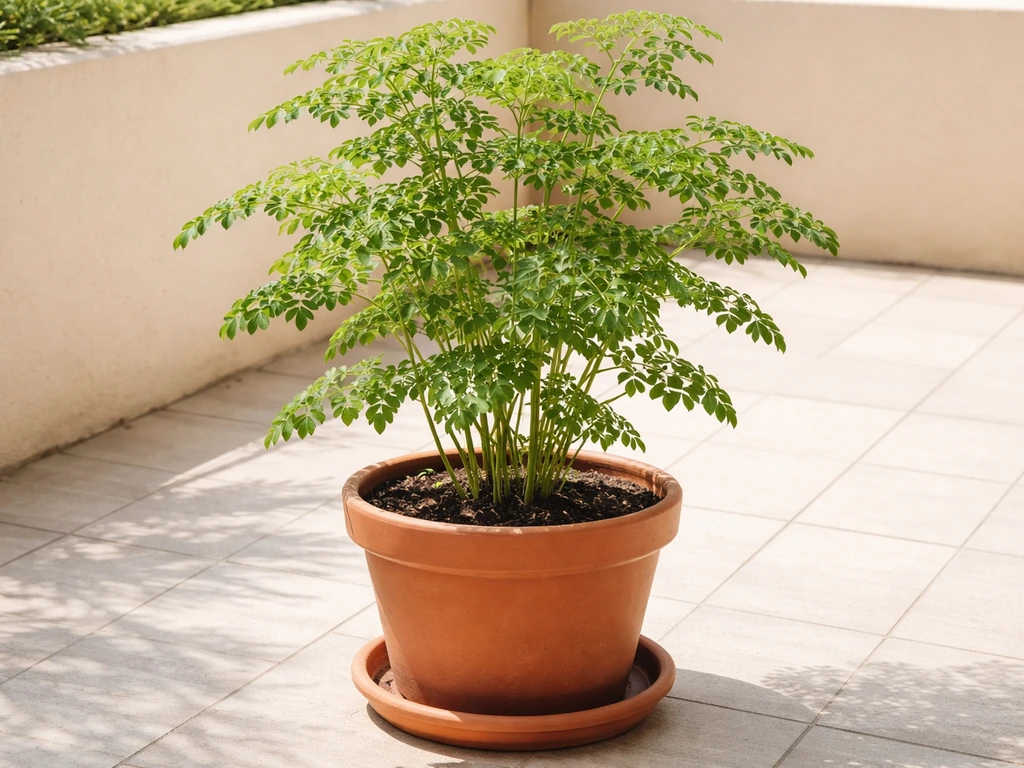
Container growing opens up a lot of possibilities for trees that most people assume need a huge garden. Oaks are just one example, and the same general logic around pot size, drainage, feeding, and winter care applies whether you're growing a bay tree, a cocoa tree, or experimenting with other big plants in containers. Coconuts grown in pots also need a warm, bright spot and very fast-draining soil to avoid root problems coconut tree in pots. Drumstick trees (Moringa) can also be grown in a pot, as long as you provide plenty of sun, a fast-draining mix, and regular watering while the plant is actively growing how to grow drumstick tree in a pot. With oaks specifically, the reward is getting to watch one of the world's most iconic trees start its life in a pot you can move around, nurture closely, and eventually give a permanent home when the time is right.
FAQ
Can I keep an oak in a pot long-term without moving it to the ground?
Sometimes, but it depends on the oak type and how much you can manage. If you want to extend the container phase, choose a smaller, slower-growing species and plan for very large containers (often 30 to 45 gallons). Even then, expect periodic root checks and either root pruning or repotting, because circling roots can stall growth.
What size pot is the minimum I should start with for an acorn oak?
For the first year, a 3 to 5 gallon pot is a workable starting point, but only if drainage is excellent and you water consistently. If you use something smaller, the mix can dry too fast and the taproot is more likely to hit the bottom early, increasing the risk of root circling.
How can I tell if my potted oak is being watered too much or too little?
Too little shows up as dry soil at about the 2-inch depth and then leaf stress during hot spells, while too much often presents as consistently wet potting mix and slowed growth. The most useful check is the finger test plus observing drainage, if water repeatedly lingers or the pot stays heavy and cold in winter, reduce watering and improve insulation or positioning.
Should I fertilize year-round, or is there a specific schedule for potted oaks?
Do not fertilize year-round. Feed in spring with a slow-release granular tree and shrub fertilizer, add a light liquid feed in early summer, then stop by late summer so new growth hardens before frost. Continuing fertilizer late often triggers soft, freeze-prone shoots.
What is the best way to protect the pot in winter, not just the tree above ground?
Focus on insulating the root zone. Since the pot experiences colder air than in-ground soil, you may need to wrap the container and shield it from wind and direct freeze cycles. Also avoid placing the pot directly on bare concrete or other heat-sucking surfaces, use wood, foam, or similar insulation underneath.
Where should I place my potted oak in winter if I live in a cold climate?
Keep it in the sunniest available spot to capture daytime warmth, but protect from harsh winds. If the pot is exposed on a balcony or patio, use both overhead and wind barriers, and make sure the container is not sitting in puddles after snowmelt or rain.
Do I need to prune my oak each year while it is in a pot?
Usually no. In early years, aim for minimal pruning to remove damaged, dead, or crossing branches and to manage the central leader. Heavy pruning in autumn is risky because cuts can take too long to seal before cold weather.
How do I root-prune safely if roots are circling inside the pot?
Do it in early spring before new growth starts. Limit root cuts to about 20 to 25% of the root mass in one session, use clean sharp shears, then repot into fresh potting mix. If you cannot confidently remove and trim without shredding the root ball, upsizing the pot is often the safer first step.
How often should I check my oak’s roots in a pot?
At least annually in spring, since circling roots can develop even when the tree looks fine above ground. Upsize or root-prune when you see circling along the pot wall, tightly coiled roots at the base, or when the tree dries out extremely quickly even after a thorough watering.
Why are my oak leaves turning yellow in the pot?
Yellowing can come from several issues, most commonly inconsistent watering (including winter overwatering) or nutrient imbalance from a container that has been leached by repeated watering. Confirm drainage and soil condition first, then adjust the watering pattern, and if it’s during the active growth season, correct the feeding schedule rather than applying fertilizer in late season.
Can I grow a white oak group or red oak group in pots, and do their needs differ?
Both can be grown in containers, but red oak group acorns typically require cold stratification before germination, while white oak group acorns often germinate without special treatment. Once established, pot care is similar, but fast-growing species may outpace container life sooner, even if they start well.
What should I do if my potting mix keeps shrinking and pulling away from the sides?
That can happen when the mix compacts or breaks down over time. Replace the top layer and consider repotting with fresh mix during a root check, especially if the soil holds water strangely or becomes hydrophobic. Start with a loose, drainage-focused mix and avoid straight garden soil.