Fenugreek is one of the easiest herbs you can grow in a pot. If you want a simple walkthrough tailored to leafy fenugreek, see how to grow methi in pots for the full pot-by-pot approach. Sow the seeds directly into a container at least 6 inches deep, keep the soil consistently moist but not soggy, give it a sunny spot, and you can be blank" rel="noopener noreferrer">cutting fresh methi leaves in about 30 to 40 days. That's genuinely it for the basics. The rest of this guide fills in the details so you don't run into the usual container pitfalls like root rot, leggy seedlings, or a harvest that bolts before you get to it.
How to Grow Fenugreek in Pots: Step-by-Step Guide
Marcus Whitley
15 May 2026
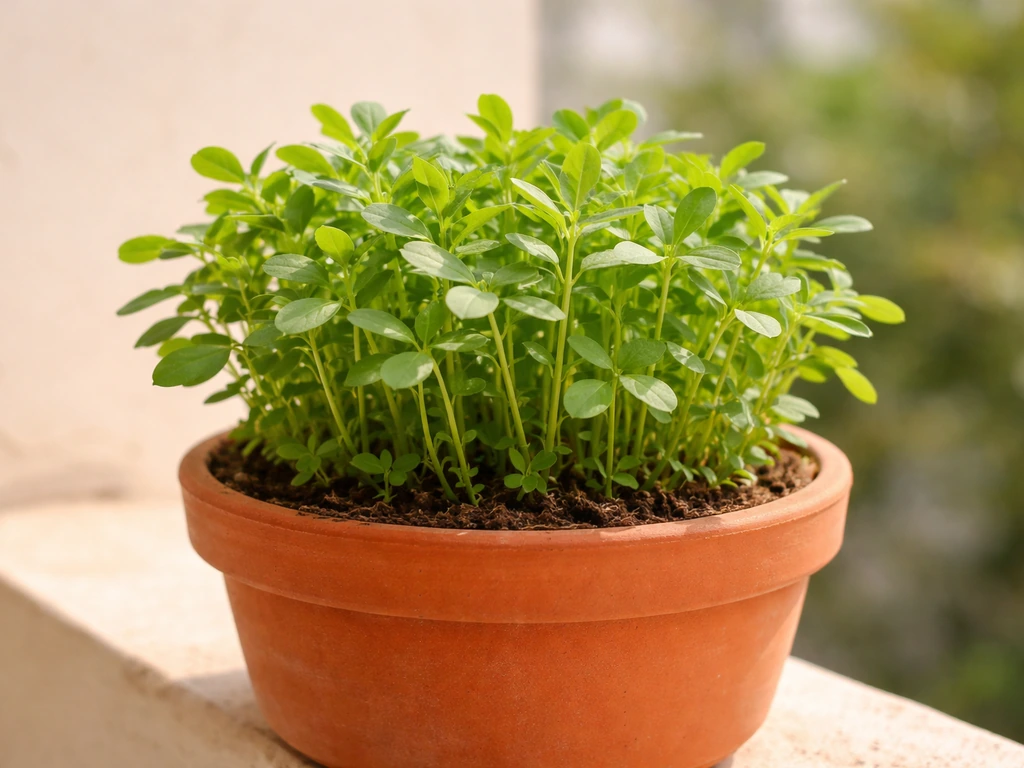
Is fenugreek a good fit for pots (and which type should you grow)?
Yes, fenugreek is genuinely well-suited to containers. It has a shallow root system, meaning it doesn't need a deep pot or a lot of soil volume to thrive. It grows fast, it doesn't mind a bit of crowding, and it doesn't require a lot of fertilizing to produce a usable harvest. For a balcony, windowsill, or small urban garden, it's one of the most rewarding things you can grow.
Before you start, it helps to know which type of fenugreek you're actually growing, because the goal changes your whole approach. The two main home-growing uses are: leafy fenugreek (called methi in South Asian cooking), where you harvest young green leaves every few weeks, and seed-producing fenugreek, where you let the plant mature fully and collect the dried seeds for cooking or spice use. Both come from the same species. The difference is just how long you let the plant grow and when you harvest.
For most beginners, leafy methi is the more rewarding pot crop. You get a harvest in 30 to 40 days, you can cut and let it regrow a few times, and it fits neatly into a small pot on a sunny balcony. Seed fenugreek takes 3 to 5 months to reach full maturity, so it needs more patience, a longer season, and ideally a slightly bigger pot. If you want to grow methi specifically, there's a dedicated guide on how to grow methi in pots that goes even deeper on the leafy side of things.
There's also a cultivar difference worth knowing. Smaller-leafed varieties tend to be hardier and can keep producing slowly even through cooler months. Larger-leafed types grow faster but often die back once temperatures drop in late autumn. If you're growing through winter indoors, lean toward the smaller-leafed type for more consistent results.
Choosing the right pot, light, and temperature
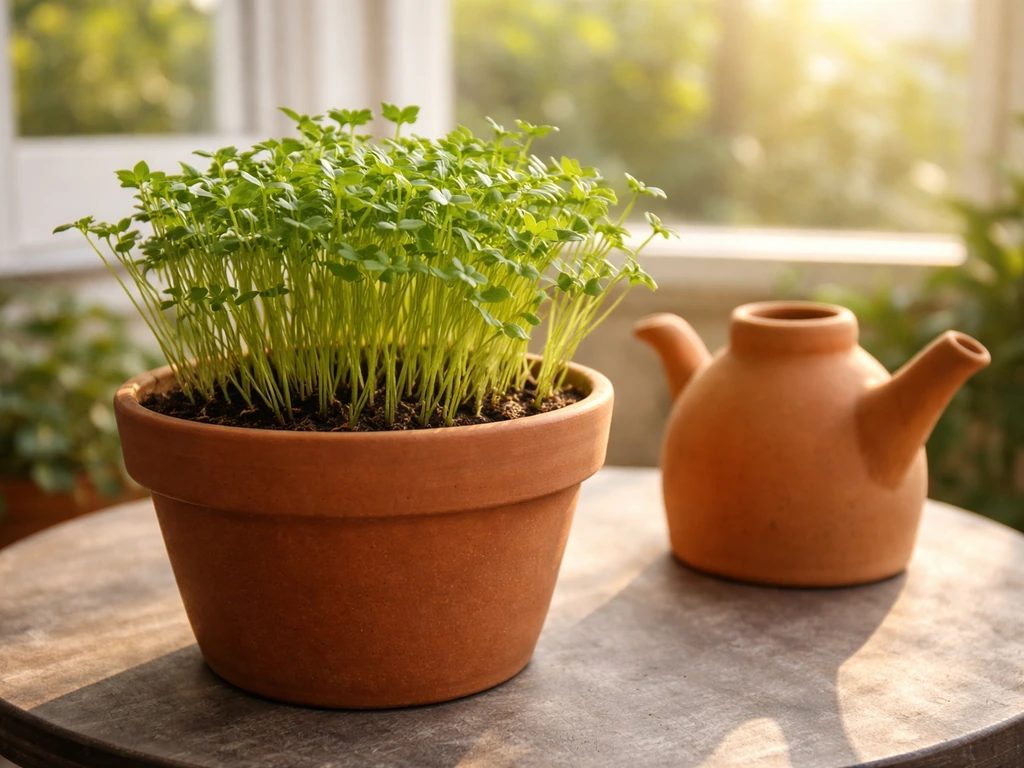
Pot size
Because fenugreek roots are shallow, you don't need a huge container. A minimum of 1 gallon works, but I'd honestly recommend going to 2 to 3 gallons if you want a decent harvest from a single pot. A pot that's about 8 to 10 inches wide and 6 to 8 inches deep is the sweet spot for growing a small cluster of plants together.
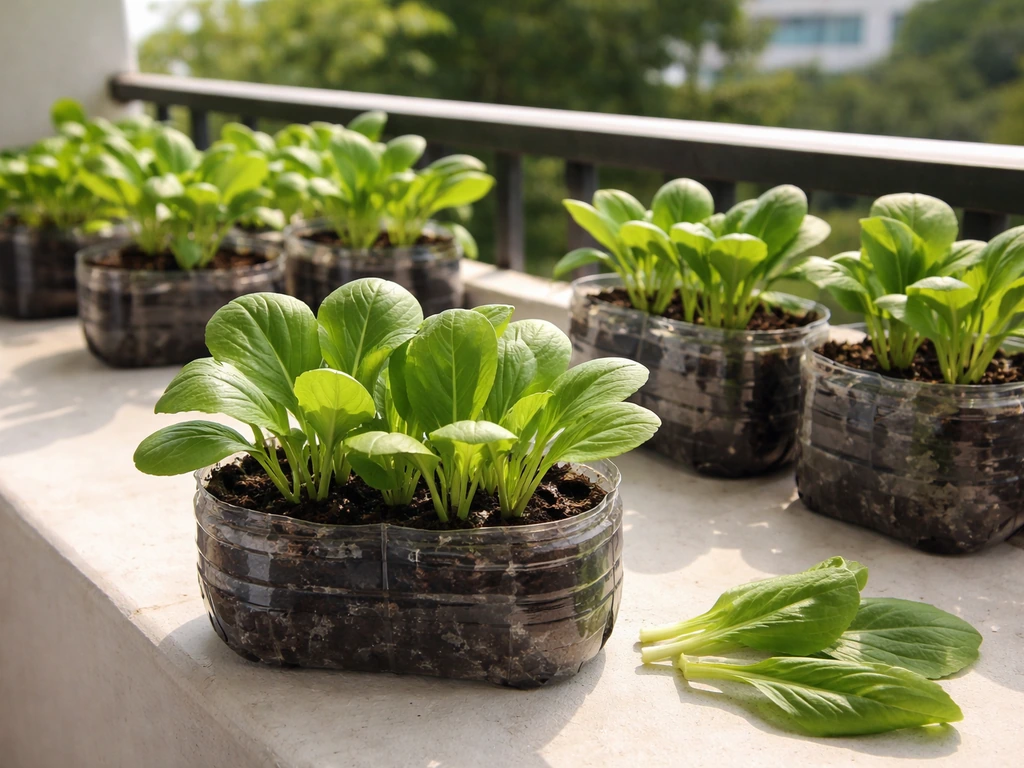
If you want to use an even more low-cost container, learn how to grow pechay in plastic bottles for leafy greens with similar setup ideas. You can go wider and shallower if that's what you have available. What you want to avoid is a very deep, narrow pot that holds too much water at the bottom relative to the root zone.
If you're growing for seed rather than leaves, bump up the container size a little. A 4 to 5 gallon pot gives each plant more room to mature, branch out, and form pods properly. You're keeping the plant alive for 4 to 5 months rather than cutting it back in 5 weeks, so a bit more soil volume helps.
Light
Full sun is the ideal for fenugreek. Aim for at least 6 hours of direct sunlight a day. Partial shade will keep the plant alive but it slows growth noticeably and reduces seed yield significantly. If you're growing on a balcony or patio, position the pot in the sunniest corner you have. Indoors, a south-facing windowsill is your best bet, though if natural light is limited, a basic grow light run for 12 to 14 hours a day will work.
One of the most common issues I see with indoor-grown fenugreek is leggy, weak seedlings that flop over. That's almost always a light problem, not a watering or soil problem. If your plants are stretching thin toward the window, they need more light, not more water.
Temperature
Fenugreek is a cool-season crop, which makes it a little different from herbs like basil that want summer heat. It does best when soil temperatures are around 55 to 65°F (13 to 18°C) for germination and early growth. It can tolerate warmer conditions as it matures, but it bolts (rushes to flower and set seed) faster in heat, which shortens your leaf-harvesting window. For outdoor growing, late spring and early autumn are the ideal seasons. Indoors, you can grow it year-round as long as you have enough light.
Potting mix and container setup
Drainage first
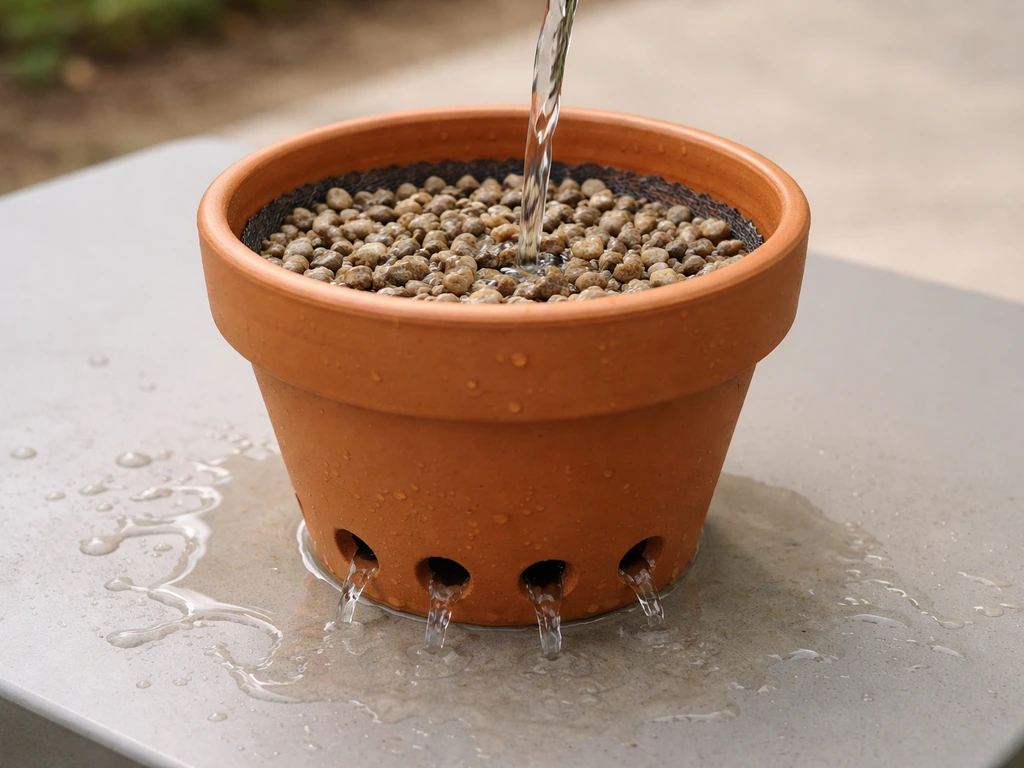
Drainage is genuinely non-negotiable with fenugreek in containers. Fenugreek is prone to root rot if its roots sit in wet soil, and because container soil can't drain the way ground soil does, you need to be deliberate about it. Make sure your pot has drainage holes at the bottom. If it doesn't, drill some. A single small hole is not enough for most pots. Aim for at least two to three holes, or one wide one. A layer of gravel or broken crockery at the bottom of the pot is optional but can help if your drainage holes are small.
The right potting mix
Fenugreek likes a light, well-draining mix that holds some moisture without becoming waterlogged. A good standard potting mix from any garden center works as a base, but I'd recommend mixing in about 20 to 30 percent perlite or coarse sand to improve drainage and aeration. Fenugreek will not perform well in heavy clay soil or a dense, compacted mix, so avoid garden soil on its own in a container. It tends to compact, drain poorly, and starve roots of oxygen.
If you want to add a slow-release granular fertilizer to the mix at potting time, a small amount of balanced fertilizer (something like a 10-10-10 or similar) worked into the top layer is enough to carry seedlings through their first few weeks. Fenugreek is not a heavy feeder and doesn't need a rich mix to do well.
Spacing and depth
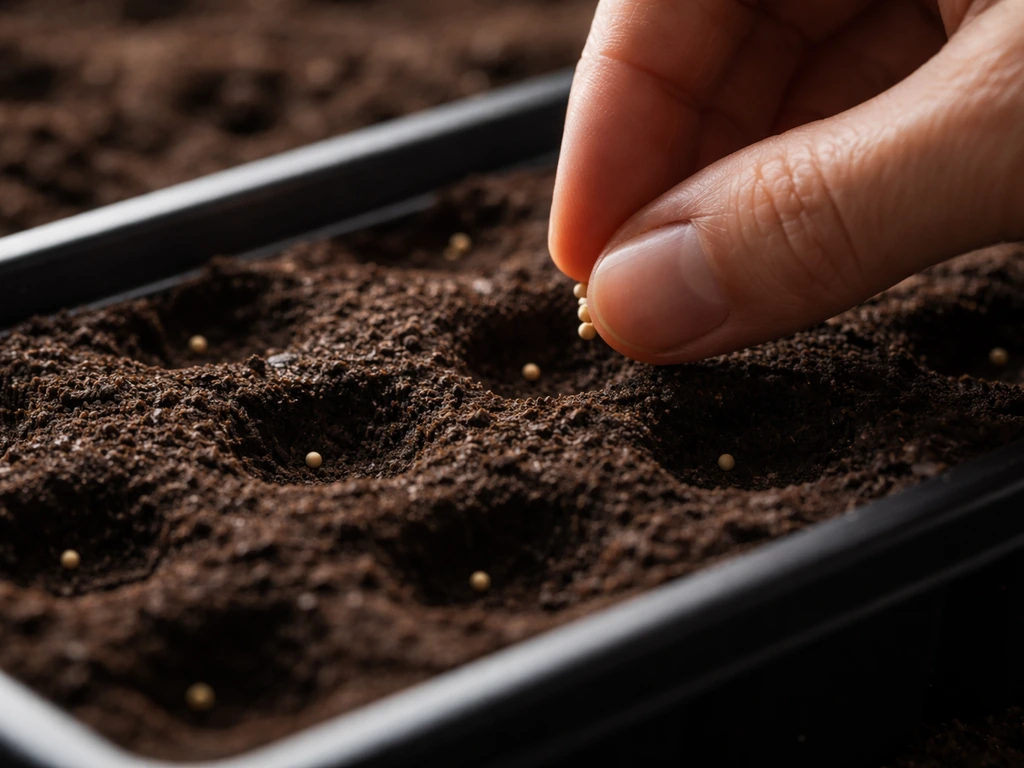
Plan to sow seeds about 0.5 cm (roughly a quarter inch) deep. You don't need to push them deep. Aim for individual plants to sit about 5 to 6 inches (12 to 15 cm) apart once thinned. In a pot, you can cluster a few plants more tightly if you're harvesting leaves young, but give them a bit of breathing room to avoid poor air circulation, which encourages fungal problems.
How to plant fenugreek in pots
Seed prep: to soak or not to soak
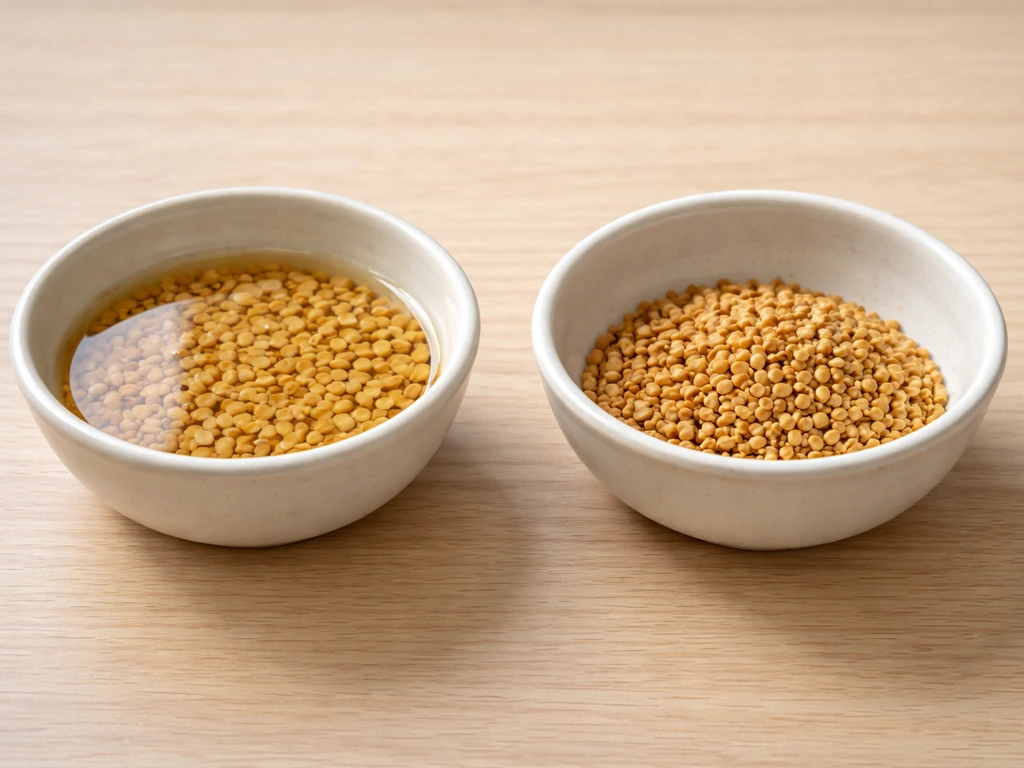
Soaking your seeds overnight before planting speeds up germination noticeably. Place the seeds in a small bowl, cover with water, and leave them for 8 to 12 hours. After soaking, rinse them well and either sow them immediately or leave them in a slightly damp jar for a day until you see tiny sprouts starting. That pre-sprout method works really well for getting faster, more even germination in a pot. Germination typically happens within 4 to 10 days even without soaking, but soaking gets you toward the faster end of that range.
Sowing method
Fenugreek really doesn't like being transplanted. The roots are fine and disturbing them stresses the plant badly, often causing it to sulk or die. This means you should sow seeds directly into the pot you plan to grow them in, and leave them there. Don't start seeds in trays with the plan to move them later. If you're growing indoors, sow into the final pot and grow it on in place near your light source.
- Fill your pot with the prepared potting mix, leaving about an inch of space from the rim.
- Water the mix gently so it's evenly moist but not dripping.
- Press your pre-soaked seeds gently into the surface about 0.5 cm deep, spacing them roughly 5 to 6 cm apart.
- Cover lightly with a thin layer of mix and press down gently.
- Water again with a gentle spray and place in your chosen spot.
- Keep the soil consistently moist during germination. Check daily.
Best timing
Outdoors, aim to sow in early to mid spring when soil temperatures reach around 55°F (13°C), or in early autumn before the first frost. Both windows give you the cool-season conditions fenugreek prefers. In hot summers, fenugreek bolts quickly, so you'll get a shorter harvest window if you sow in peak heat. Indoors, you can sow any time of year as long as you have adequate light, making it a great year-round windowsill crop.
Watering and fertilizing your container fenugreek
How often to water
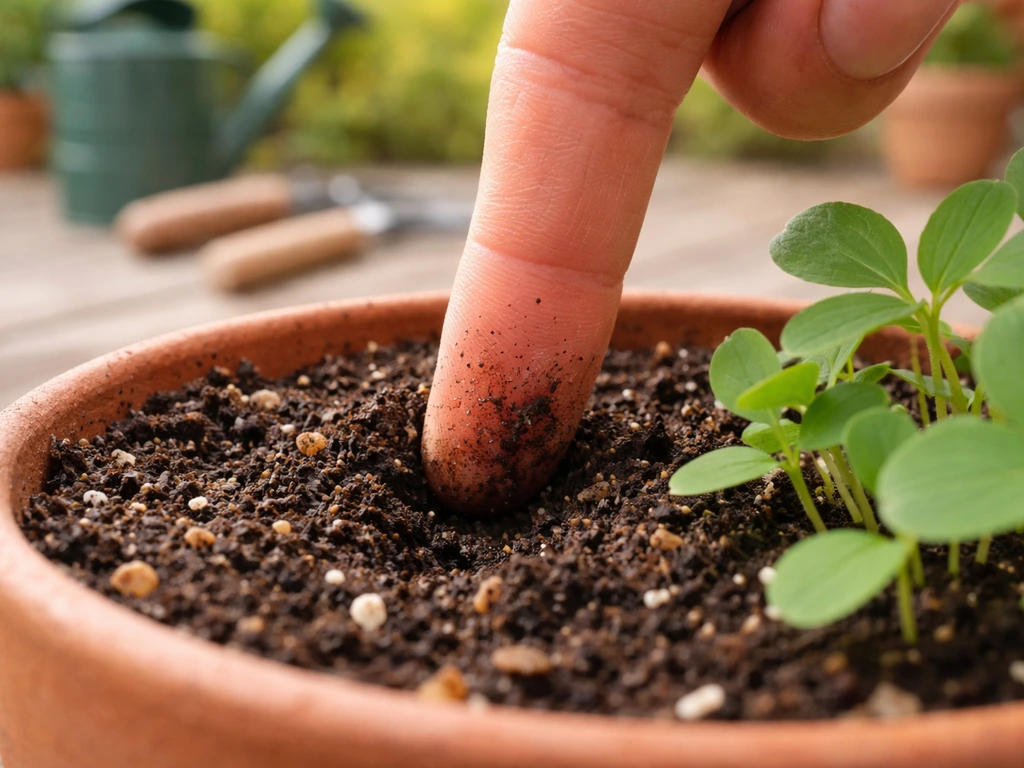
Fenugreek wants consistent moisture but absolutely hates sitting in soggy soil. The practical rule: stick your finger about an inch into the soil. If it feels dry at that depth, water thoroughly until water drains out the bottom of the pot. If it still feels damp, wait. In warm weather, that might mean watering every day or every other day. In cooler weather or indoors, every 2 to 3 days is more typical. Don't guess by schedule alone. Use the feel of the soil and the weight of the pot as your guide.
Overwatering is actually the number one mistake people make with container fenugreek. Roots that sit in waterlogged soil lose access to oxygen, start to rot, and the whole plant declines fast. Signs of overwatering look a lot like underwatering (yellowing, wilting) which makes it confusing. If the soil has been wet for days and your plant looks unhappy, overwatering is the more likely cause. Let the top layer dry out between waterings and make sure those drainage holes are doing their job.
Fertilizing
Fenugreek is a legume, which means it can fix its own nitrogen from the air with the help of soil bacteria. In practice this means it needs very little fertilizer compared to most leafy vegetables. If you used a good quality potting mix with a slow-release fertilizer already mixed in, you probably don't need to add anything for a leafy harvest. If you're growing for seeds over a longer period (3 to 5 months), a light liquid feed of a balanced fertilizer once a month is plenty. Avoid over-fertilizing with nitrogen, which encourages leafy growth at the expense of flowering and seed production.
Troubleshooting common container problems
| Problem | Likely Cause | What to Do |
|---|---|---|
| Yellow leaves (lower plant) | Overwatering or waterlogged roots | Let soil dry out, check drainage holes are clear, reduce watering frequency |
| Yellow leaves (whole plant) | Nutrient deficiency or compacted/poor soil | Feed with a balanced liquid fertilizer; repot into fresh mix if soil is old or compacted |
| Leggy, floppy seedlings | Not enough light | Move pot to a sunnier spot or add a grow light; don't compensate by watering more |
| Slow or patchy germination | Soil too cold or seeds sown too deep | Check soil temp is above 55°F; sow seeds no deeper than 0.5 cm; try pre-soaking seeds |
| Plant bolts (flowers quickly) | Heat, long days, or plant stress | Harvest leaves immediately before flowers open; accept a shorter window in summer |
| Damping off (seedlings collapse at base) | Fungal disease from overly wet conditions | Improve drainage, reduce watering, space plants for airflow, don't mist seedlings |
| Aphids or whitefly | Common on indoor or crowded plants | Spray with diluted neem oil or insecticidal soap; check undersides of leaves |
One indoor-specific issue worth calling out: if you're growing fenugreek on a windowsill in low natural light, the plants often stretch thin toward the glass and then topple over. This isn't a watering problem and watering more will actually make it worse. Move the pot closer to the light source, turn the pot every couple of days for even growth, and if the stems are already very long and floppy, trim the top growth back and let the plant regrow from a more compact base.
Harvesting leaves and seeds from your pot
Harvesting leaves (methi)
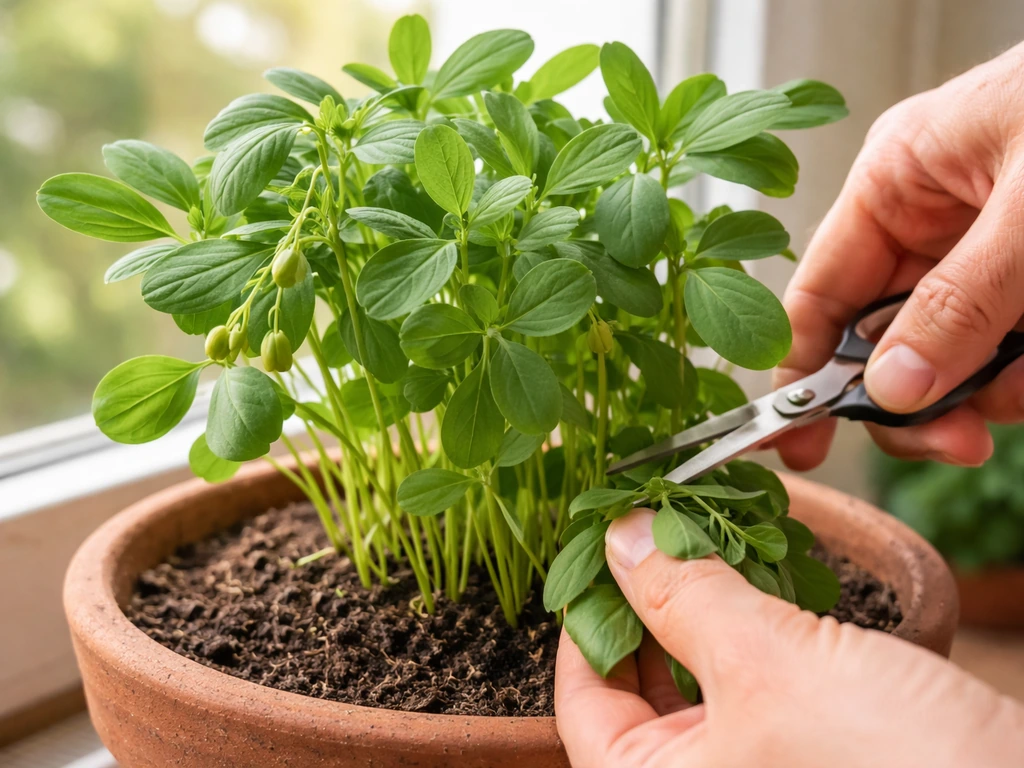
Leaf harvests can start as early as 30 to 40 days after sowing, once the plant is about 6 to 8 inches tall. The key rule: harvest before the plant starts showing flower buds, because once flowering begins, leaf quality drops quickly and the plant shifts all its energy toward seed production. You don't need to rip up the whole plant. Snip the top 4 to 6 inches of stem above a set of leaves, and the plant will usually push out new side shoots and give you a second and third cut over the following weeks. Be gentle and don't take more than a third of the plant at one time to avoid stressing it.
If you specifically want to keep the plant in a leafy phase as long as possible, pinch out any flower buds as soon as you see them. This is a useful trick to extend your harvest window by a few weeks, especially in spring when temperatures are still mild.
Harvesting seeds
If you're growing for seed, stop cutting the plant and let it flower and form pods. The pods are long, thin, and green at first. Seed maturity can take anywhere from 3 to 5 months depending on your conditions and the variety. The timing cue to watch for: pods turning yellow and starting to feel dry and papery. Harvest just before the pods begin to split open, because ripe pods can pop explosively and scatter seeds across the floor (or the balcony). This is more of a real risk than it sounds.
To harvest seeds cleanly, snip the whole stem with its pods and place it upside down inside a paper bag. Leave it in a dry, warm spot for a week or two. The pods will finish drying and any seeds that pop out will be caught in the bag. Once dry, shell the remaining pods by hand and store seeds in a sealed jar away from moisture and direct light.
What to do after harvest
After a few leaf harvests, most potted fenugreek plants start to wind down, especially if they've begun flowering. At that point, the easiest move is to pull the plant, refresh the potting mix with a handful of fresh compost, and sow a new batch of seeds. Fenugreek grows so quickly that starting fresh is usually more productive than trying to keep an aging plant going. Because it's so fast, you can also stagger pots every 2 to 3 weeks to keep a near-continuous supply of fresh young leaves rather than one big harvest.
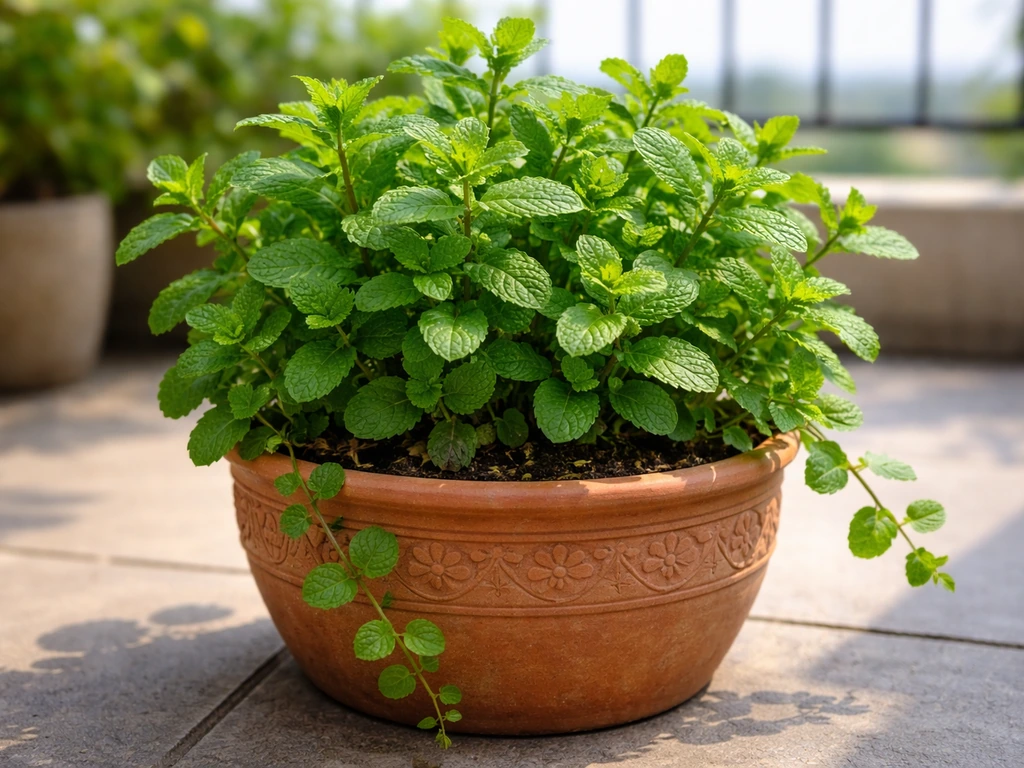
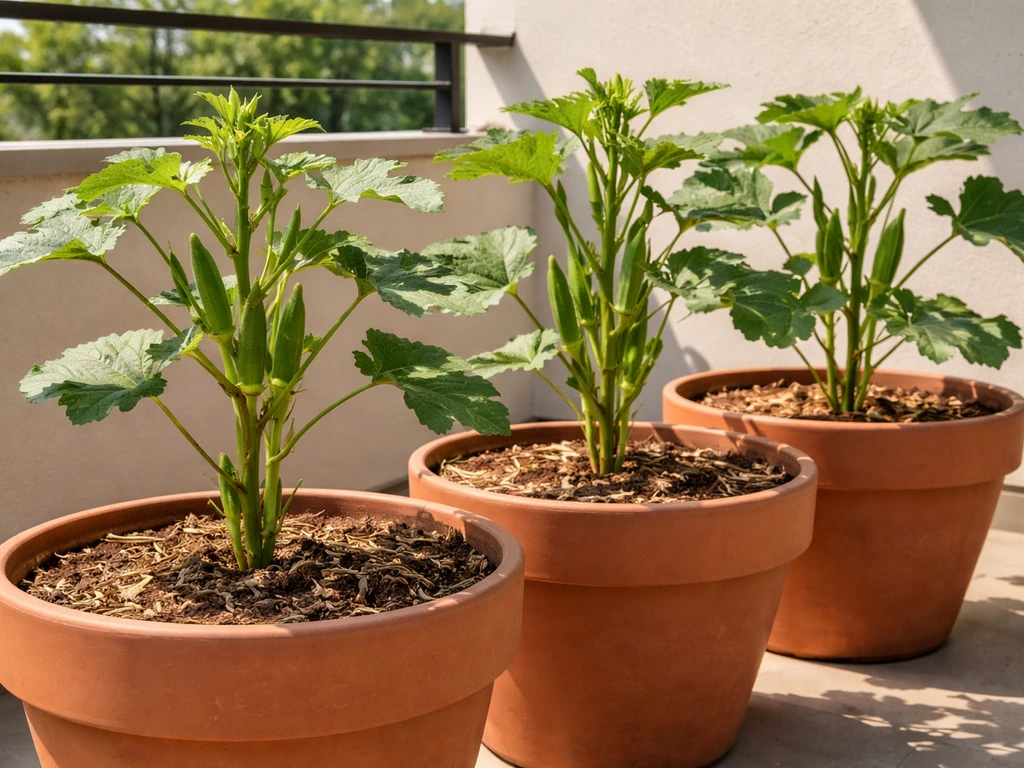
If you enjoyed growing fenugreek, other quick-growing container herbs follow a very similar approach. Pudina (mint) is another excellent container herb, though it spreads more aggressively and needs regular cutting back. Ladies finger (okra) is a step up in complexity but very rewarding for small-space gardeners who want a vegetable rather than just an herb. If you want to try something similar in pots, learn how to grow ladies finger in pots step by step for healthy pods Ladies finger (okra). Start with fenugreek to build your confidence, then branch out once you've got a feel for how container soil behaves across different watering conditions.
FAQ
Why is my fenugreek growing but not producing much leafy harvest in its pot?
If your fenugreek is growing but leaves stay small and pale, first check light, then drainage. In pots, a compacted mix or too much watering can starve roots of oxygen, even if you are following a schedule. Use a looser potting mix with 20 to 30 percent perlite or coarse sand, water only when the top inch dries, and confirm the pot has enough drainage holes for full runoff.
Can I transplant fenugreek seedlings into a different pot if they are crowded?
Fenugreek roots dislike being disturbed, so avoid transplanting or moving the plant once it has started. If you must adjust placement indoors, move the pot gradually over several days and try not to rotate it too frequently until it has firm, new growth. When thinning, use scissors at soil level rather than pulling seedlings, so nearby roots are not yanked.
What should I do if indoor fenugreek seedlings become leggy and fall over?
Yes, you can grow it on a windowsill, but rotation and light direction matter. Turn the pot every couple of days for even growth, keep it as close to the light source as possible, and if stems already flop, trim the top growth by a few inches and let it regrow from a more compact base instead of trying to fix it with more water.
How do I grow fenugreek in pots specifically for seeds, and when do I stop harvesting leaves?
For seed production, the plant needs time and space, and you should stop leaf harvesting once you switch to pods. A practical option is one seed plant per 4 to 5 gallon pot, with minimal thinning, and keep it in at least 6 hours of direct sun. If you harvest leaves up to the start of flowering and keep pinching buds, you will delay or reduce pod set.
Why does my potted fenugreek bolt so fast during warm weather, and can I prevent it?
Fenugreek is a cool-season crop, so in heat it may bolt quickly and the leafy phase becomes short. If temperatures are regularly above about 80°F (27°C), plan for faster cut-and-come-again harvesting and consider partial afternoon shade. Outdoors, sow in early spring or early autumn, and if you are indoors, keep the pot away from hot windows in summer.
My fenugreek flowers but I get few or no pods. What could be wrong?
If pods are not forming, common causes are insufficient light and too much nitrogen. Make sure the pot receives consistent direct sun, and avoid frequent feeding high in nitrogen. For longer seed runs, use only light balanced fertilizer once a month, and do not cut the plant once you want it to flower and branch into pods.
How often can I harvest fenugreek leaves from one pot without weakening the plant?
Cutting too much at once is the main harvesting mistake. Stick to taking the top 4 to 6 inches above a set of leaves, and do not remove more than about one third of the plant in a single session. If you want longer production, pinch flower buds as soon as you see them, so the plant keeps making leafy side shoots instead of redirecting energy to flowering.
How do I harvest fenugreek seeds without losing them to pods splitting?
If seeds are popping or scattering, harvest timing is the fix. Cut the whole stem when pods are yellowing and starting to feel dry, but before they fully split open. Dry the stems upside down in a paper bag so any seeds that do release are contained, then shell once everything is crisp and dry.
How can I tell whether yellowing is from overwatering or underwatering in a fenugreek pot?
If leaves look yellow and wilt, both overwatering and underwatering can look similar. Use the finger test and also check pot weight, then adjust. With overwatering, the pot stays heavy and the soil feels damp below the surface, so wait for drying and ensure runoff drains freely. With underwatering, the pot feels light and the soil dries out more quickly than expected, so water thoroughly until excess drains out.
What’s the easiest way to have a continuous supply of fresh fenugreek leaves from pots?
To keep a steady supply, stagger sowings rather than relying on one plant to last. Sow new seeds every 2 to 3 weeks in separate pots so you have multiple harvest ages at once. Choose a leafy cultivar for faster repeat cuts, and avoid letting any pot fully transition into flowering if you want consistent leaf production.