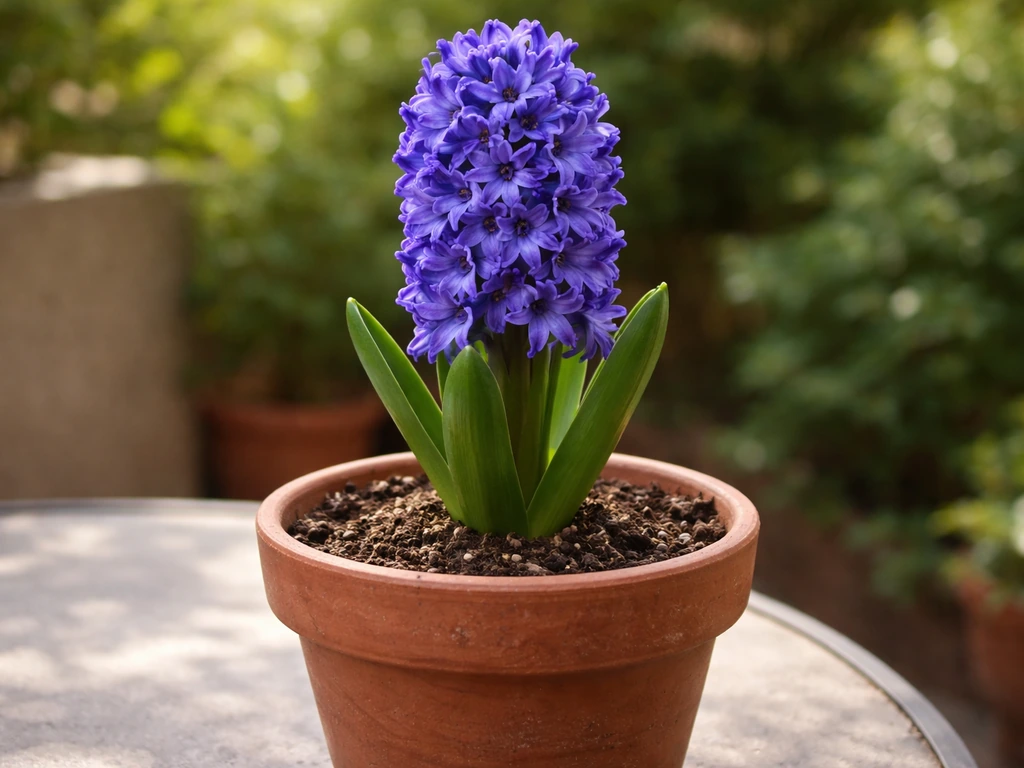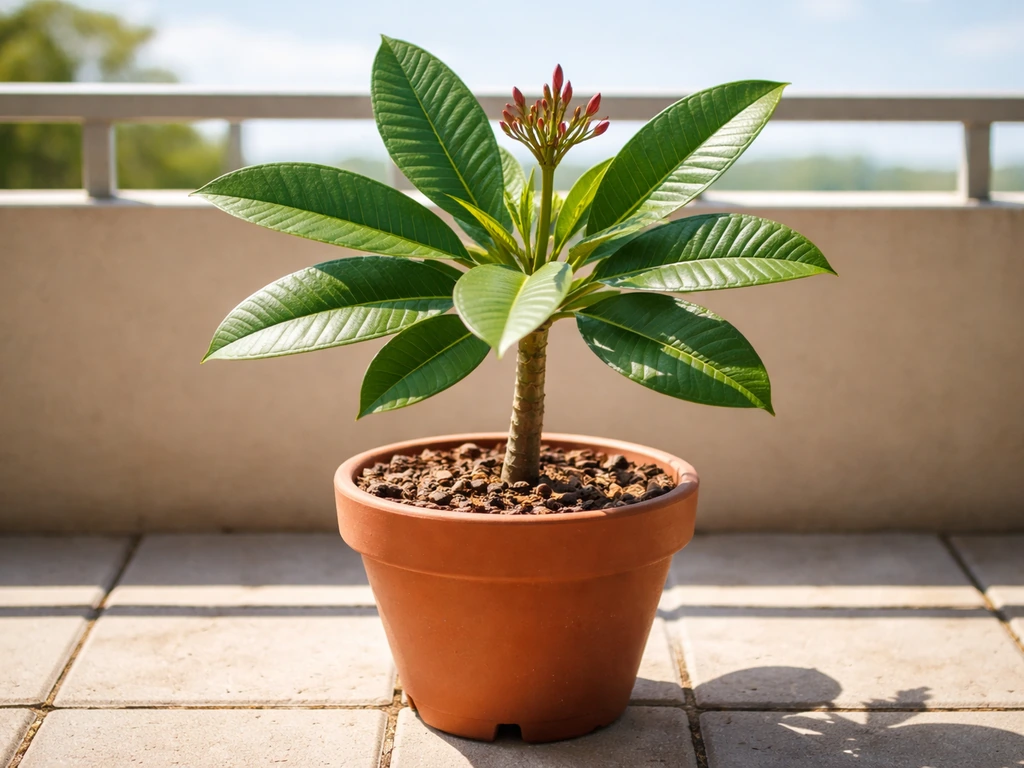
Yes, frangipani grows really well in pots, and honestly it's one of the better tropical plants to try in a container. It stays manageable in size, tolerates being a bit root-bound, and if you get the sun, drainage, and feeding right, it will flower beautifully even in a relatively small space. Frangipani needs full sun and fast drainage in containers, and if you're looking for another bulb option, you'll find a similar pot-care focus in learnings about how to grow hyacinth bulbs in pots. I've seen healthy potted frangipanis on apartment balconies and in tiny courtyard gardens producing those incredible waxy blooms for years. The catch is that frangipani is very unforgiving of soggy roots and cold temperatures, so your main job as a container grower is nailing those two things.
How to Grow Frangipani in Pots: Beginner Steps
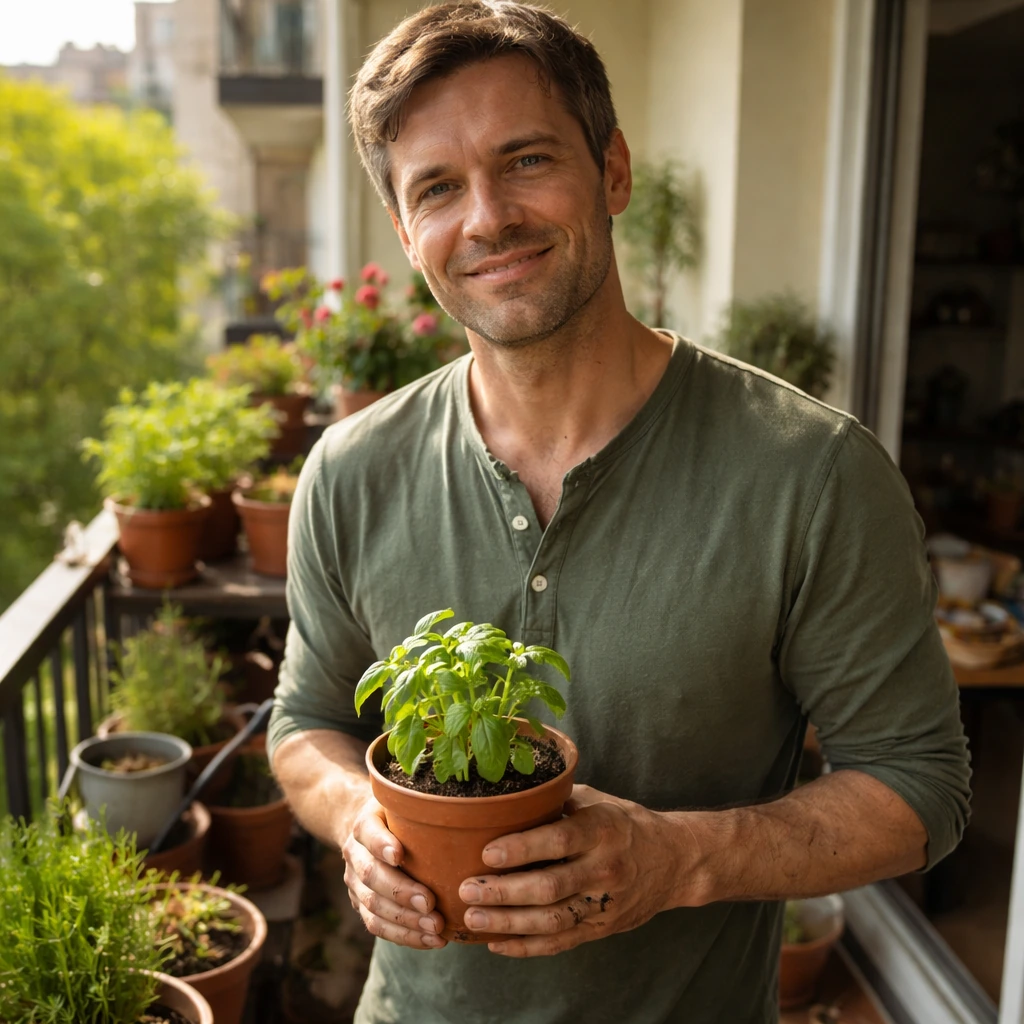
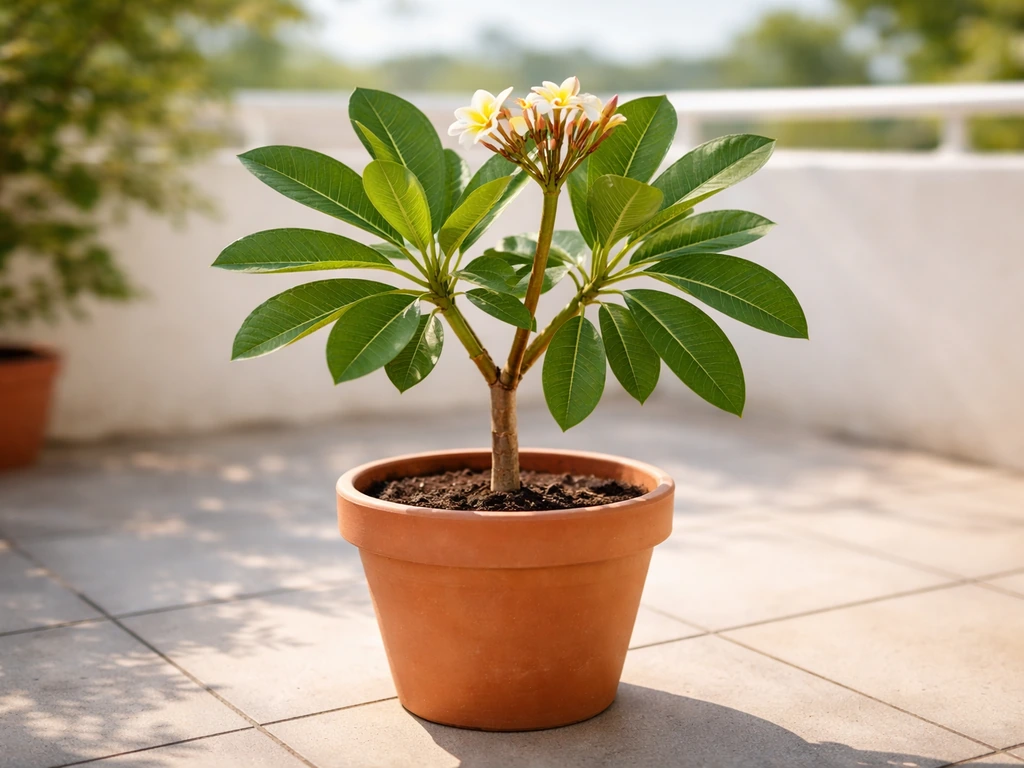
Can frangipani actually grow in pots (and what to expect)
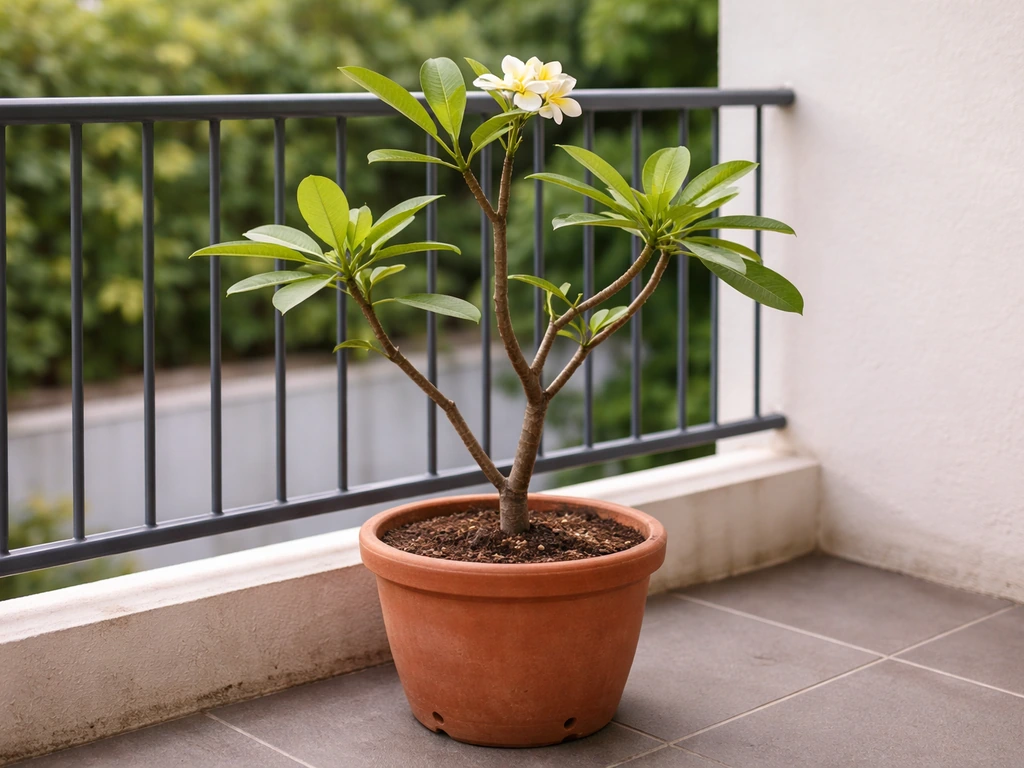
Frangipani (Plumeria) is a tropical tree, but in a container it typically tops out at around 1.5 to 2.5 metres tall, which makes it genuinely workable for a balcony, patio, or courtyard. In the ground it can reach 5 to 8 metres, so the pot does naturally limit size, and that's actually fine for most home gardeners. Growth is moderate, not fast, so don't expect a cutting to fill out into a blooming plant overnight. From a fresh cutting, you're usually looking at 2 to 3 years before reliable flowering, sometimes less if conditions are ideal. A nursery-bought grafted plant can flower in its first or second year in a pot.
One thing to prepare for: frangipani is deciduous in cooler climates or when temperatures drop. It will drop its leaves in late autumn or winter and look like a bare, sculptural stick for a few months. First-timers often panic and think the plant is dead. It isn't. This dormancy period is completely normal and actually gives you a great opportunity to check roots, prune, and repot if needed.
Choosing the right pot and growing setup
The single most important thing about your pot choice is drainage. Frangipani roots hate sitting in water, and if your pot doesn't drain fast and freely, you'll end up with root rot no matter how well you do everything else. Choose a pot with at least two or three large drainage holes at the base, not just one small one.
For pot size, start with something around 30 to 40 cm (12 to 16 inches) in diameter for a young plant or cutting. Going too large too soon is actually a problem because excess soil around small roots holds moisture and invites rot. As the plant grows, move up in pot size gradually, about 5 cm larger in diameter each time you repot. A mature potted frangipani will eventually be happy in a 50 to 60 cm pot and can stay there for several years.
Material matters too. Terracotta pots are ideal because they are porous and allow the soil to dry out more quickly between waterings, which suits frangipani perfectly. Plastic pots retain moisture longer, which means you need to be even more careful about not overwatering. Heavy terracotta also helps keep the plant upright in a breeze, which is genuinely useful because frangipani branches can be a bit top-heavy. The Plumeria Society of America specifically recommends setups that keep plants stable in wind, and a heavy pot on a sturdy surface is the simplest solution.
Raise your pot slightly off the ground using pot feet or bricks. This keeps the drainage holes clear and lets water flow out freely rather than pooling underneath the pot.
Soil mix and fertilizing plan for container frangipani
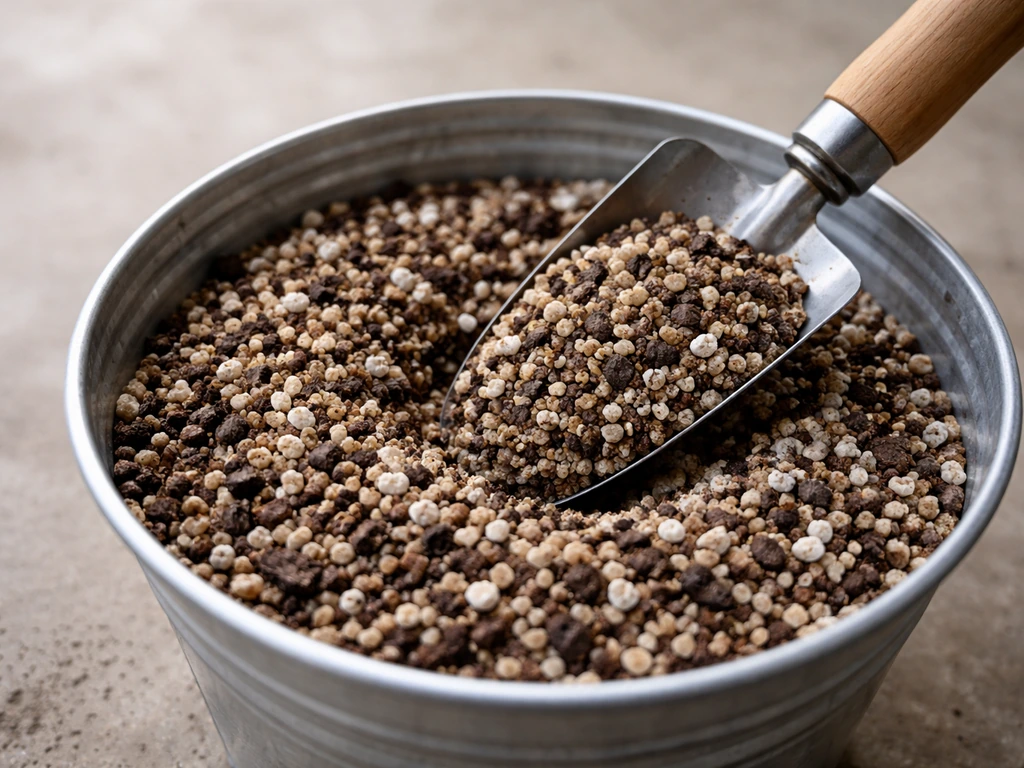
Don't use regular potting mix straight from the bag. Standard potting mixes hold too much moisture for frangipani. You want a fast-draining, gritty mix that lets water pass through quickly but still holds enough nutrients to support the plant. A reliable mix is two parts coarse potting mix or cactus mix, one part coarse perlite, and one part coarse sand or fine gravel. This keeps the root zone airy and dries out at the right pace.
Some growers add a small amount of slow-release fertiliser granules into the mix at planting time, which gives the roots a gentle foundation of nutrients without risk of burn. Avoid adding heavy organic matter like compost in large quantities, as it holds moisture and can compact over time.
Fertilizing through the growing season
Frangipani are heavy feeders when actively growing, and container plants especially need regular fertilising because nutrients leach out with each watering. Use a fertiliser with a high phosphorus content (the middle number on the label, like a 10-30-10 or similar) to encourage flowering. Start fertilising in spring when new leaves appear and continue every two to three weeks through summer. Look for fertilisers specifically marketed for plumeria or flowering tropicals, as these usually have the right phosphorus-to-nitrogen ratio. Stop feeding completely in late summer to early autumn to let the plant begin its natural wind-down toward dormancy.
Light, temperature, and watering schedule
Sun and temperature
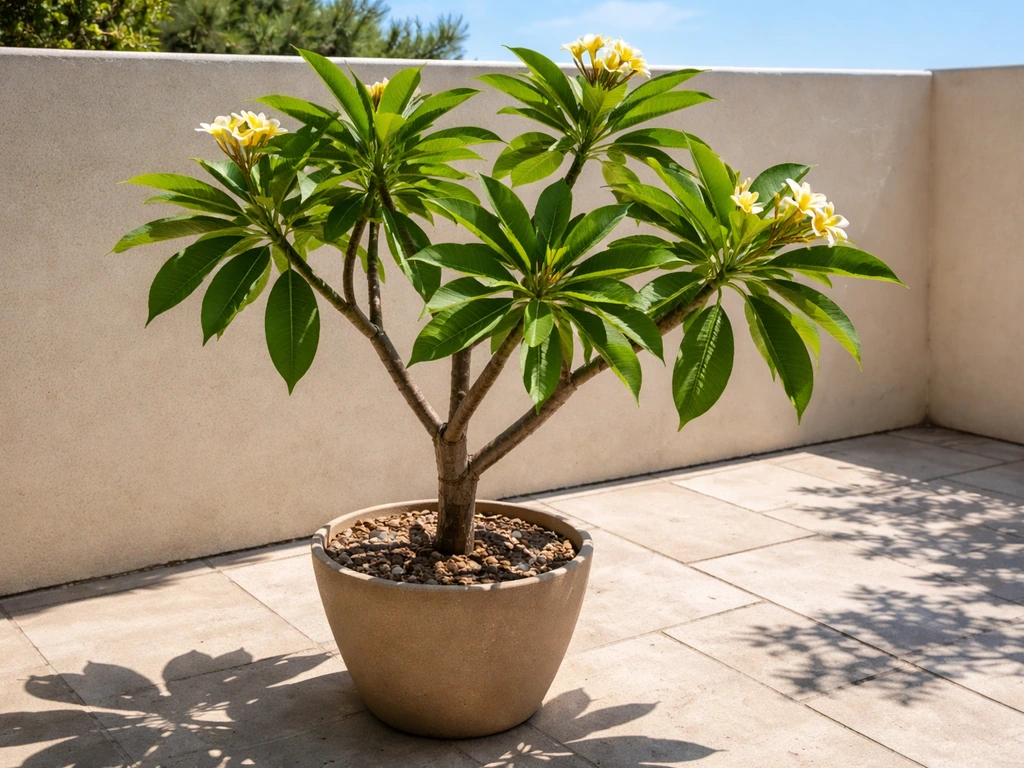
Frangipani needs full sun, and by full sun I mean at least six hours of direct sunlight per day, more if possible. Poinsettias also prefer bright light and careful watering in containers, and getting the right pot and soil helps a lot full sun. This is non-negotiable for flowering. A spot that gets morning shade and afternoon sun can work, but if your balcony or courtyard is mostly shaded, flowering will be disappointing or nonexistent. The ideal growing temperature is between 65 and 85°F (18 and 29°C). Plants do best outdoors when night temperatures are consistently above 50°F (10°C). Below that, growth slows, blooming stops, and if temperatures drop close to freezing, the plant needs to come inside immediately.
This is one of the big advantages of container growing: you can move your frangipani indoors or into a sheltered spot when cold snaps arrive. Keep it somewhere bright and frost-free through winter, even if it drops all its leaves. A garage with a window or a warm sunroom works well. Don't try to keep it actively growing indoors through winter with heat and grow lights unless you have a specific setup for it. Let it rest.
Watering
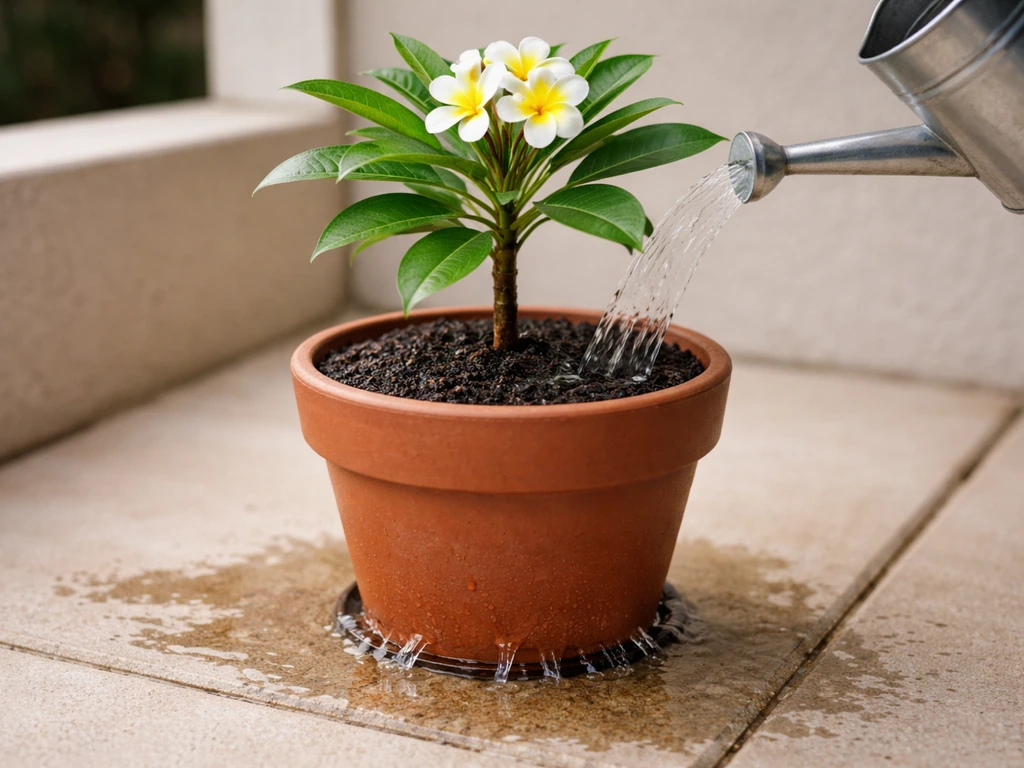
The golden rule is: water deeply, then let the soil dry out almost completely before watering again. In hot summer weather, that might mean watering every five to seven days. In cooler weather, once every ten to fourteen days might be enough. Stick your finger into the soil about 5 cm deep. If it still feels damp, wait. If it's dry, water thoroughly until it runs freely from the drainage holes.
Never leave your pot sitting in a saucer full of water. If you use a saucer to protect surfaces, empty it within an hour of watering. During dormancy in winter, when the plant has lost its leaves, water extremely sparingly, maybe once a month or even less, just enough to stop the roots from completely desiccating. Overwatering a dormant frangipani is one of the most common ways to kill it.
Planting, training, pruning, and supporting growth
How to plant
Plant in spring or early summer when temperatures are reliably warm. Fill your prepared pot about one-third full with your gritty mix, position the plant so the root ball sits comfortably, then fill in around it and firm lightly. The base of the stem should sit just at or slightly above soil level, never buried deep. Water gently after planting, then hold back and let the plant settle for a week before returning to your regular watering routine.
Pruning and shaping
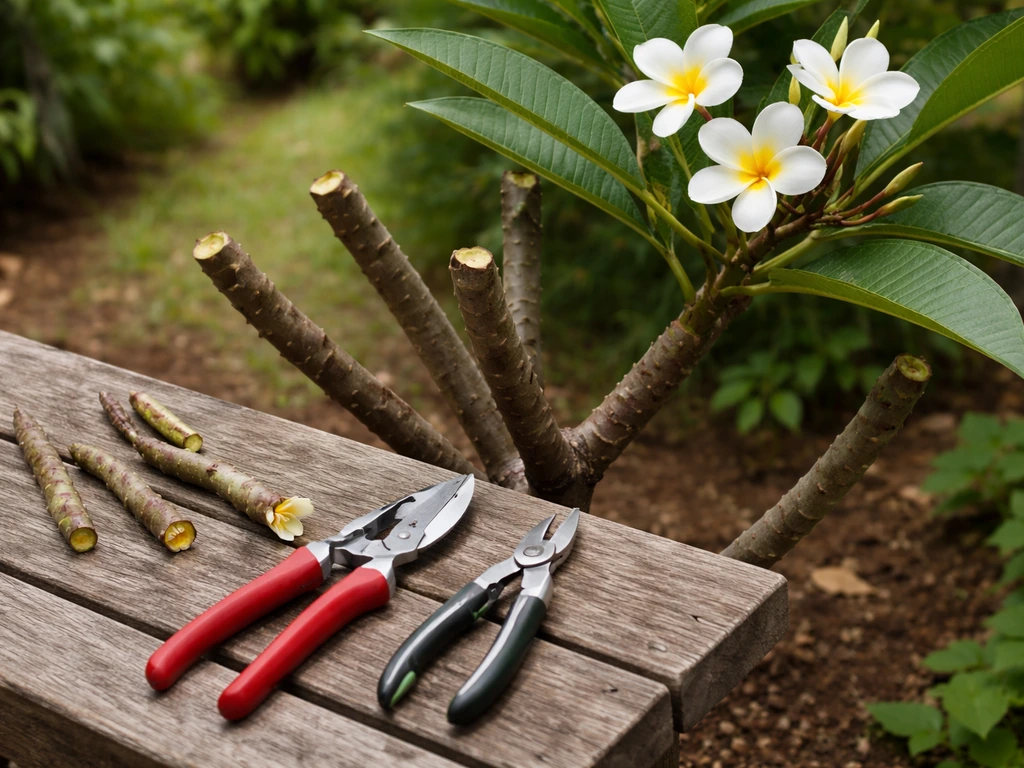
Frangipani generally doesn't need heavy pruning, but light shaping in late winter or early spring before new growth emerges is a good habit. Remove any dead, crossing, or damaged branches. If you want a bushier, more compact plant in a pot, you can tip-prune the ends of branches, which encourages branching and more flowering tips. Each cut produces a milky white sap that is a mild irritant, so wear gloves and let the cut ends dry in the air for a few hours before they get wet.
For a young plant in its first couple of years, minimal pruning is best. Let it put its energy into establishing a good root system and trunk structure. As it matures you can be more deliberate about shaping.
Staking and support
Young plants and fresh cuttings sometimes need a stake for support while they establish. Use a sturdy bamboo cane or garden stake tied loosely with soft ties. Once the root system is established and the base of the trunk has thickened, staking is usually no longer needed. A heavy pot on a stable surface does most of the wind stability work for you.
How to propagate or buy the right plant for pots
Starting from cuttings
Growing frangipani from a cutting is straightforward and satisfying. Take a cutting about 30 to 45 cm long, ideally in late spring or early summer. Let the cut end dry out in a shaded, airy spot for at least a week, sometimes two, until a firm callus forms over the cut. This step is critical and a step many beginners skip, ending up with rotted cuttings. Once calloused, push the cutting about 5 to 8 cm into your gritty potting mix, water lightly, and place in a warm, sunny spot. Roots typically form within four to eight weeks in warm conditions. Don't overwater while waiting for roots, this is the most common beginner mistake.
Buying a nursery plant
If you want flowers sooner, buy a grafted or named variety from a nursery or specialist grower. Grafted plants flower reliably and much earlier than plants grown from seed. Look for a plant with a thick, firm trunk base (no soft spots), healthy green tips, and roots that hold the soil ball together when you slide it out of its nursery pot. Avoid anything with mushy or blackened roots, as that's already a rot problem you'd be inheriting.
Compact or dwarf varieties are particularly well-suited to containers. Some popular choices include 'Dwarf Singapore Pink', 'Celadine', and various named plumeria hybrids bred for container culture. If you're also interested in growing other tropical flowers in pots, plumeria and frangipani are essentially the same plant (plumeria is the botanical name), so guides specifically on growing plumeria in pots cover identical ground. If you're specifically searching for how to grow hippeastrums in pots, the pot size, drainage, and feeding timing matter in very similar ways. If you want the full step-by-step, check out our guide on how to grow plumeria in pots for pot size, soil mix, and seasonal care.
Troubleshooting common container problems
| Problem | Likely Cause | Fix |
|---|---|---|
| Yellowing leaves dropping off in season | Overwatering or poor drainage | Check drainage holes are clear; reduce watering frequency; let soil dry more between waterings |
| No flowers despite healthy growth | Too much nitrogen, not enough sun, or plant too young | Switch to high-phosphorus fertiliser; ensure 6+ hours full sun; be patient with young plants |
| Soft, mushy base or stem | Root rot from waterlogged soil | Remove plant, cut away rotten roots, dust with sulphur powder, repot in fresh gritty mix; reduce watering drastically |
| Leaves with black/brown spots | Fungal disease (frangipani rust or black tip fungus) | Improve air circulation; avoid overhead watering; treat with copper-based fungicide |
| White cottony patches on stems | Mealybugs | Wipe off with alcohol-dipped cotton, then spray with diluted neem oil solution |
| Wilting despite moist soil | Root rot or stem damage | Inspect roots and stem base; treat or repot as needed |
| Plant looks healthy but dormant for too long | Normal dormancy or temperature too cold | Check temperatures are above 50°F (10°C); move to warmer spot; new growth will emerge as temperatures rise in spring |
The most common problem I hear about from beginners is overwatering. It's tempting to water regularly because the plant looks tropical and you imagine it wants constant moisture, but it really doesn't. The combination of gritty soil, a pot with good drainage, and a disciplined watering schedule solves about 80% of the problems people run into with container frangipani.
Repotting timelines and getting those flowers
When to repot
A frangipani that is slightly root-bound actually blooms better than one with lots of excess soil around its roots, so don't be in a rush to repot every year. A general guide: repot every two to three years, or when you see roots circling the bottom of the pot or poking out of drainage holes significantly. The best time to repot is late winter to early spring, just before the growing season kicks in and before new leaf buds push out.
When repotting, shake off old soil from the roots, inspect for any rotting or damaged roots and trim them cleanly with sterile scissors, then replant in fresh gritty mix in a pot only about 5 cm larger than the previous one. Let the plant settle for a week without heavy watering after repotting.
How to improve your chances of flowering
Getting a potted frangipani to bloom is about stacking the right conditions together. Here's what consistently works:
- Give it maximum sun, at least six hours of direct sun daily through spring and summer
- Feed with a high-phosphorus fertiliser from early spring through midsummer, every two to three weeks
- Let the plant experience a proper cooler, drier rest period over winter rather than forcing it to grow year-round
- Don't rush to repot into a much larger pot, a slightly snug root environment encourages flowering
- Be patient with young plants, flowering reliably before year two or three from a cutting is uncommon
If you do everything right and your plant still isn't flowering after three years, the most likely culprits are not enough direct sun or a nitrogen-heavy fertiliser that is pushing all the energy into leaves instead of blooms. Switch fertilisers and reposition the pot if you can. A move to a sunnier wall or spot often triggers flowering in previously reluctant plants.
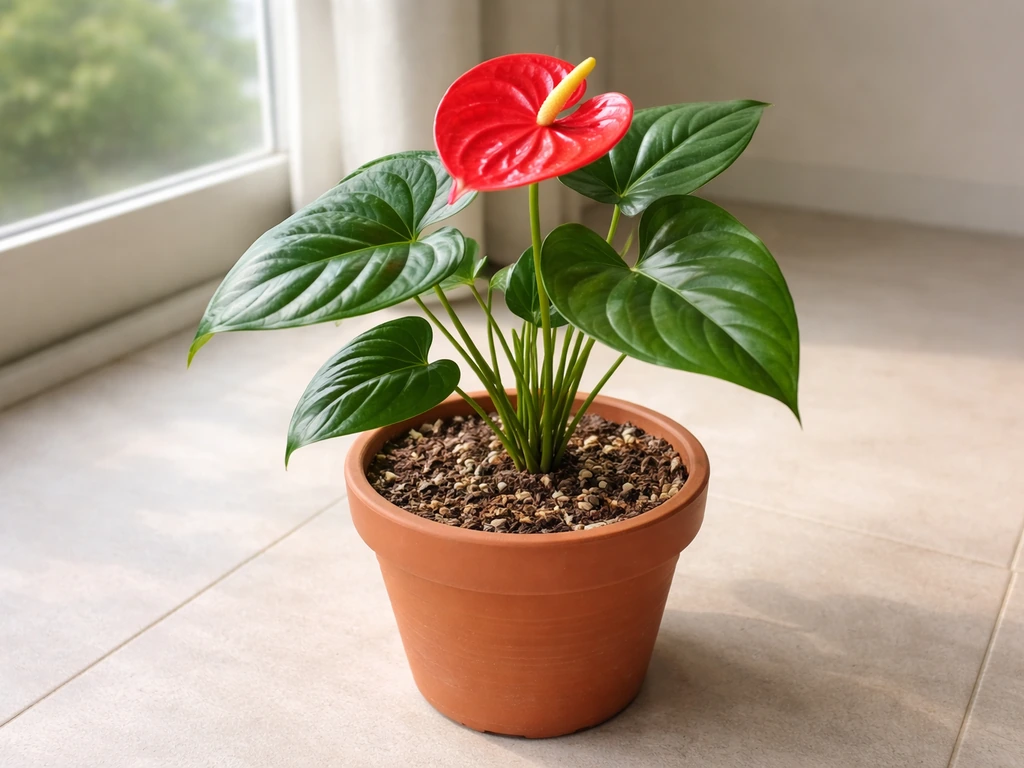
Container frangipani is genuinely rewarding once you've got the basics down. The structure of the plant is beautiful even without flowers, and when it does bloom, the fragrance from a single potted frangipani on a warm evening is remarkable. If you want grape hyacinths in pots, the key is a small, well-drained container and consistent light watering while they establish how to grow grape hyacinth in pots. If you enjoy growing tropical flowers in containers, you might also find similar satisfaction in growing anthurium plants in pots or hippeastrums in pots, both of which share some of the same care principles around drainage, warmth, and feeding. If you want another option for blooms at home, learn how to grow hydrangea in pots by matching the right variety, pot size, and watering routine.
FAQ
Can I keep a potted frangipani actively growing indoors through winter instead of letting it rest?
Yes, but only if the plant is warm enough and the soil is allowed to dry. In winter, reduce watering more than you think (often about monthly), keep it in bright light, and stop fertilizing. If you keep it too warm and wet, you can force weak new growth and increase rot risk.
My frangipani dropped all its leaves, is it dying?
If the leaves are dropping, check the roots and stem feel before panicking. Healthy frangipani can look leafless for months, but a bad sign is a soft, squishy trunk or foul smell from the pot. If the trunk is firm and the pot has good drainage, wait it out rather than watering more.
Why is my frangipani rotting even though I’m watering “carefully”?
It usually is. Many beginners use a saucer or decorative planter that stays damp. Even a little standing water at the bottom can trigger rot, so empty any saucer within about an hour, and if you use an outer cachepot, ensure the inner pot drains freely and never sits in pooled water.
What should I do if my potted frangipani still won’t bloom after a few years?
Start by moving to more sun and adjusting fertilizer, then give time. If you have enough light but still no blooms, switch to a bloom-focused fertilizer higher in phosphorus, and stop feeding in late summer. Also confirm the plant is not being overpotted with too much extra soil, which holds moisture and can delay flowering.
How can I tell when to water without relying only on a finger test?
Use a fast-draining gritty mix, then manage moisture by the pot weight and soil dryness. For a quick check, lift the pot after watering (it will be noticeably heavier), then wait until it feels much lighter and the top layers are dry. Finger-testing is helpful, but in coarse mixes it can read “dry” on top while moisture remains deeper, so pot weight helps prevent overwatering.
Is it safe to mist frangipani leaves or water from above?
Yes, but avoid causing stem scars that stay wet. When watering, pour slowly so water reaches the gritty mix, and aim water at the soil, not the trunk. If you accidentally splash sap onto leaves or the stem, wipe away and let it dry quickly, and keep the plant in strong light so surfaces dry fast.
Will repotting hurt flowering or set my plant back?
Repotting can temporarily slow growth, and that can delay flowering. Stick to repotting every two to three years, or when roots are circling heavily or poking out. The best window is late winter to early spring, and after repotting hold back on watering for about a week so any disturbed roots dry and recover.
My pot drains slowly, how do I fix drainage for frangipani?
Make sure the pot has multiple large drainage holes, and use pot feet or a stand. If water drains very slowly, your mix may be too fine (less gritty) or the drainage holes may be blocked by compacted soil. After watering, the pot should run clear from the holes within a reasonable time, not sit wet for a long stretch.
What are the most common mistakes when rooting frangipani cuttings?
Do it in spring or early summer when temperatures are reliably warm, and keep cuttings dry enough to callus but not so wet that the cut end stays submerged. After the cutting is placed in the mix, water lightly once, then wait until the mix is mostly dry. If you see blackening at the base, reduce moisture and improve warmth and airflow.
How do I know if yellowing or wilting is from too much water versus nutrient issues?
Likely, if the soil stays damp or the roots never dry between waterings. Frangipani can tolerate being slightly root-bound, but it cannot tolerate wet roots. If leaves collapse quickly or the trunk softens, stop watering, improve drainage immediately, and inspect roots for rot rather than just increasing sunlight.
What temperature is “too cold,” and what should I do during a sudden cold snap?
Most of the time, the safest approach is to move the plant indoors or to a frost-free sheltered area. If your night temperatures drop close to freezing, bring it in immediately, even if it is mid-season. Leaving it outside during cold snaps can damage tissue and lead to late recovery or reduced flowering.
How do I prevent a potted frangipani from toppling in wind?
A very practical way is to choose a heavy terracotta or to anchor the pot. For windy balconies, place the pot on a stable surface, add pot feet for airflow, and avoid lightweight plastic unless you’re ready to stake and secure it. Once the trunk thickens, staking becomes less necessary.