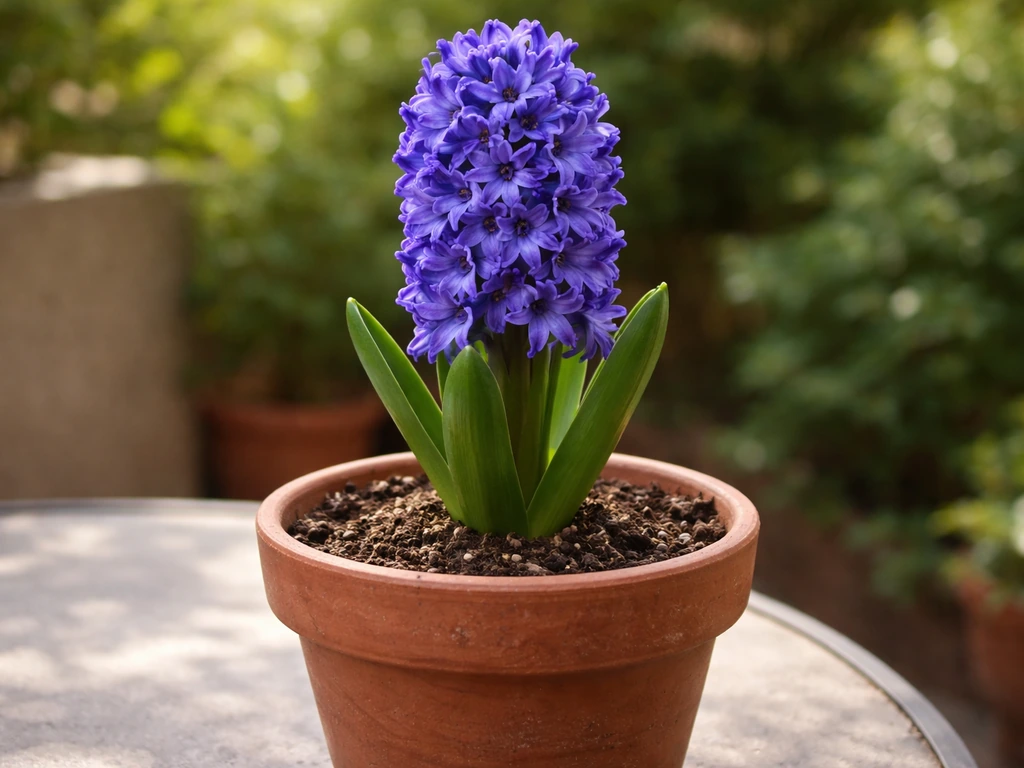
Grape hyacinth (Muscari armeniacum) grows beautifully in pots, and honestly it might be one of the easiest spring bulbs you can try in a container. Plant the bulbs in fall, set the pot somewhere it gets good light, keep the soil barely moist through winter, and by mid-spring you'll have those dense little spikes of deep blue-purple flowers that look exactly like tiny bunches of grapes. The main things that trip people up are planting too shallow, using a pot without proper drainage, and overwatering during dormancy. Get those three things right and you're most of the way there.
How to Grow Grape Hyacinth in Pots: Complete Guide
Marcus Whitley
2 Jun 2026
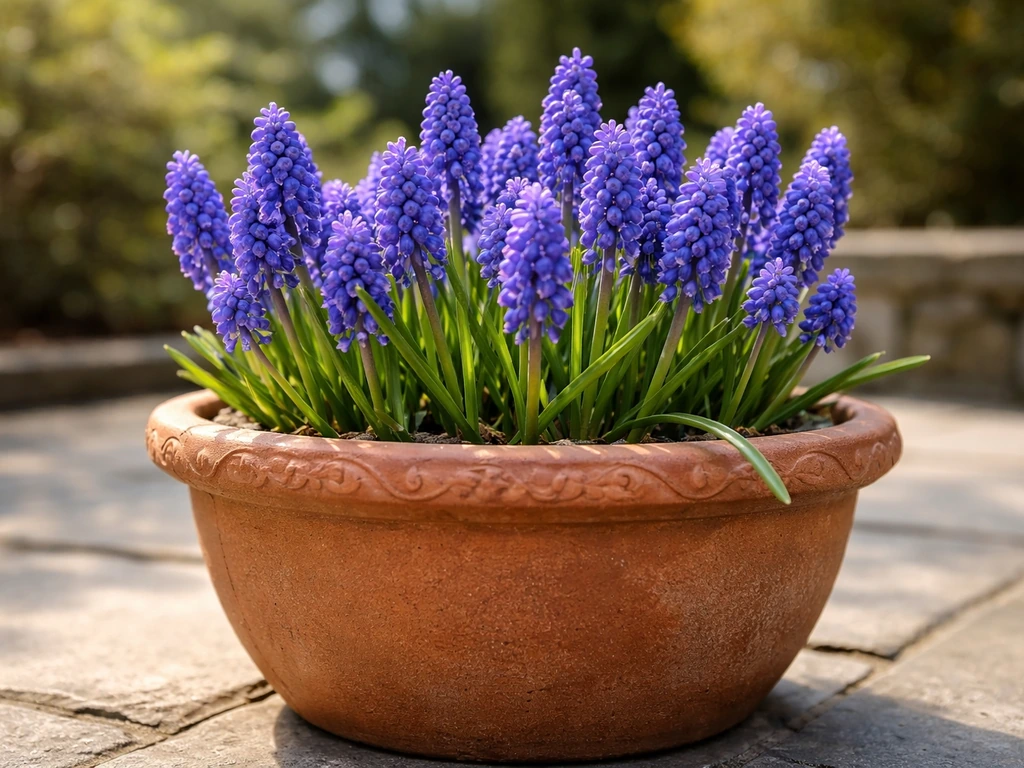
What grape hyacinth is and why pots actually suit it well
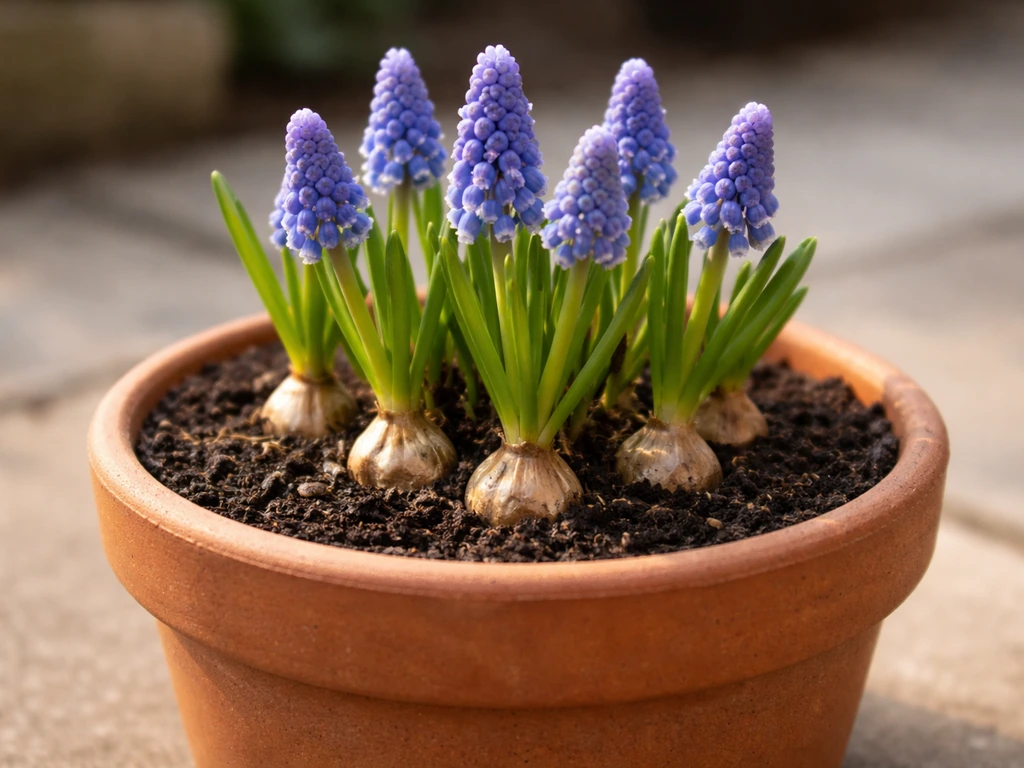
Grape hyacinth is a genus of spring-blooming perennial bulbs. The most common species you'll find at garden centers is Muscari armeniacum, which produces short upright flower stems topped with tight cones of small, grape-like flowers, usually in shades of deep blue or violet. They're compact plants, typically reaching only 6 to 8 inches tall, and that modest size is part of what makes them so well-suited to containers.
In the ground, Muscari spreads enthusiastically and can become quite invasive in garden beds. A pot actually solves that problem for you by keeping the bulbs contained. You also get more control over the soil quality and drainage, which matters a lot for bulbs that hate sitting in wet conditions. The other big win with pot growing is portability: you can move the container to a prime spot on your patio or doorstep when the flowers open, then tuck it away somewhere practical when the foliage is dying back. That seasonal flexibility is something in-ground planting just can't offer.
One thing to understand about the Muscari growth cycle before you start: these bulbs are spring bloomers with a very defined annual rhythm. Foliage emerges in late fall or early spring depending on your climate, flowers appear in mid-spring, and by late May the foliage starts senescing. It's completely dead by late June. From then until fall the bulbs are dormant underground. Knowing this cycle helps you manage watering, feeding, and overwintering correctly throughout the year.
Picking the right pot and setting up drainage properly
The minimum pot depth you need is 6 inches (15 cm). That gives enough room for the bulbs to sit at the right depth with soil beneath them. Wider is generally better because you can fit more bulbs and get a fuller, more impressive display. A pot that is 8 to 12 inches wide is a practical sweet spot for a single-species planting. If you want to mix grape hyacinths with other spring bulbs like tulips or daffodils, go larger still.
Drainage holes are non-negotiable. If water can't escape freely, the bulbs will rot. Check the base of any container before you buy it and make sure the holes are large enough that they won't clog with potting mix. If you're using a decorative pot without holes, plant into a plain nursery pot first and then drop that inside the decorative one.
Terracotta pots work really well for bulbs because the porous walls let excess moisture evaporate through the sides, which reduces the rot risk. The trade-off is that terracotta dries out faster, so you'll need to check moisture more frequently. Plastic or glazed ceramic pots retain moisture longer, which can be helpful in hot, dry climates but makes overwatering easier to do by accident.
Add a layer of coarse gravel or broken pot shards over the drainage holes before filling with soil. This stops the mix from slowly washing out the bottom and keeps the drainage holes clear. It's a small step that makes a real difference over the course of a season.
Buying bulbs, planting depth, spacing, and when to plant
Choosing good bulbs
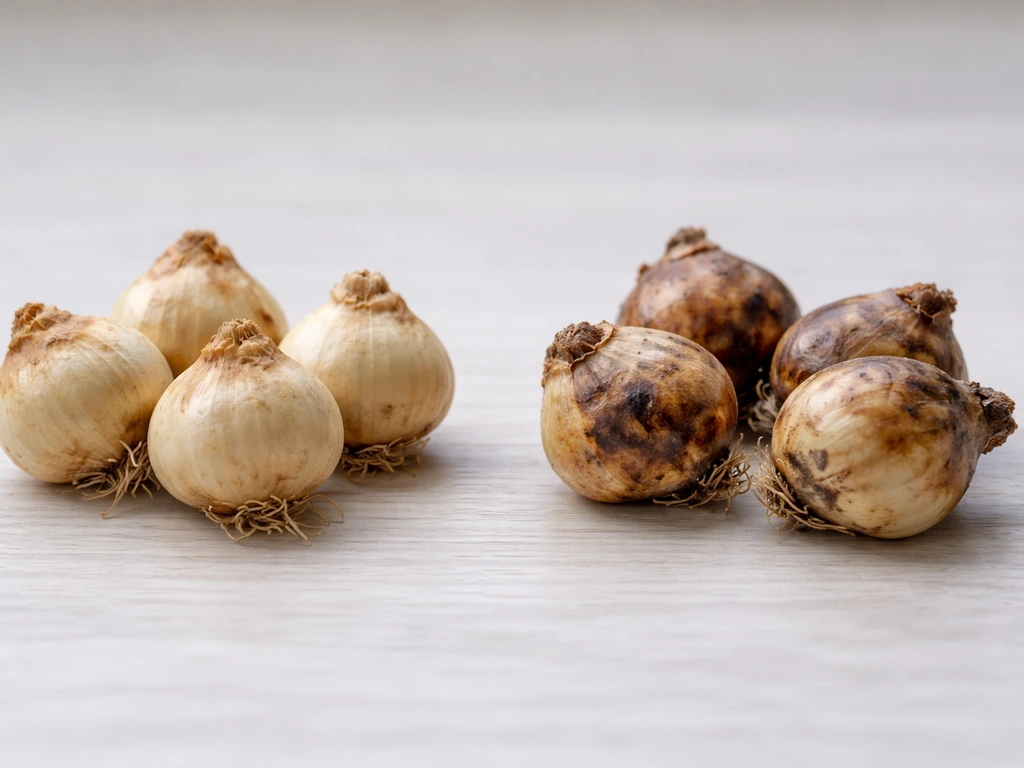
Buy bulbs from a reputable supplier in late summer or early fall when the new season stock arrives. You want firm, dry bulbs with no soft spots, mold, or obvious damage. Size matters: larger bulbs typically produce stronger flowers in their first season. Avoid anything that feels squishy or smells musty. If you're ordering online, reputable bulb suppliers like Van Engelen or Van Zyverden are reliable. Most garden centers stock Muscari in the fall alongside other spring-blooming bulbs.
Planting depth and spacing
Plant grape hyacinth bulbs 3 to 4 inches (about 8 to 10 cm) deep, measured from the base of the bulb to the soil surface. The pointed tip faces up. Space them 3 to 4 inches apart. In a pot you can plant slightly closer than you would in the ground because you're going for a dense display, but don't let bulbs touch each other. For a 6-inch pot, you can comfortably fit 5 to 7 bulbs. A 10-inch pot can hold 15 or more. Crowding slightly actually gives a better visual result than planting sparingly.
When to plant
The ideal time to plant is fall, between September and November, before the ground freezes. Bulbs need a cold period (called vernalization) to trigger proper spring flowering. Planting in fall lets the roots establish before winter, which sets the bulbs up for strong blooming. If you missed the fall window, plant as early in spring as the soil can be worked, though first-season flowering may be reduced. For spring planting, Purdue Extension notes that some chilling benefit still occurs if bulbs go in early enough to experience cold soil temperatures before warming really begins.
The best soil mix and how to water in a container
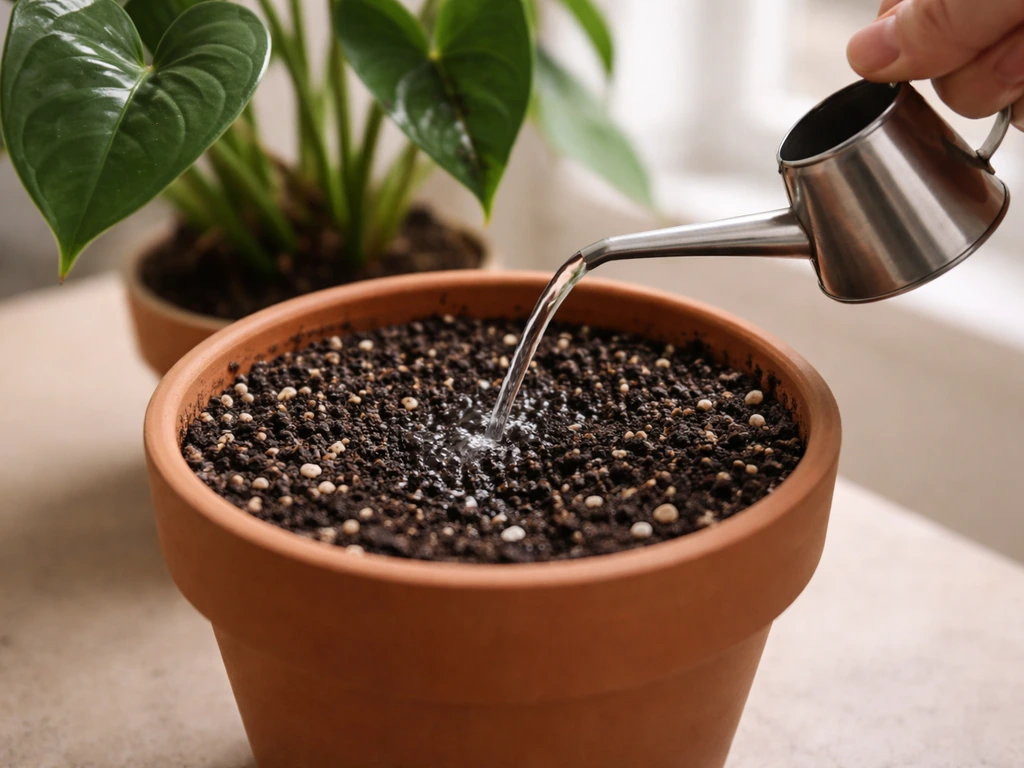
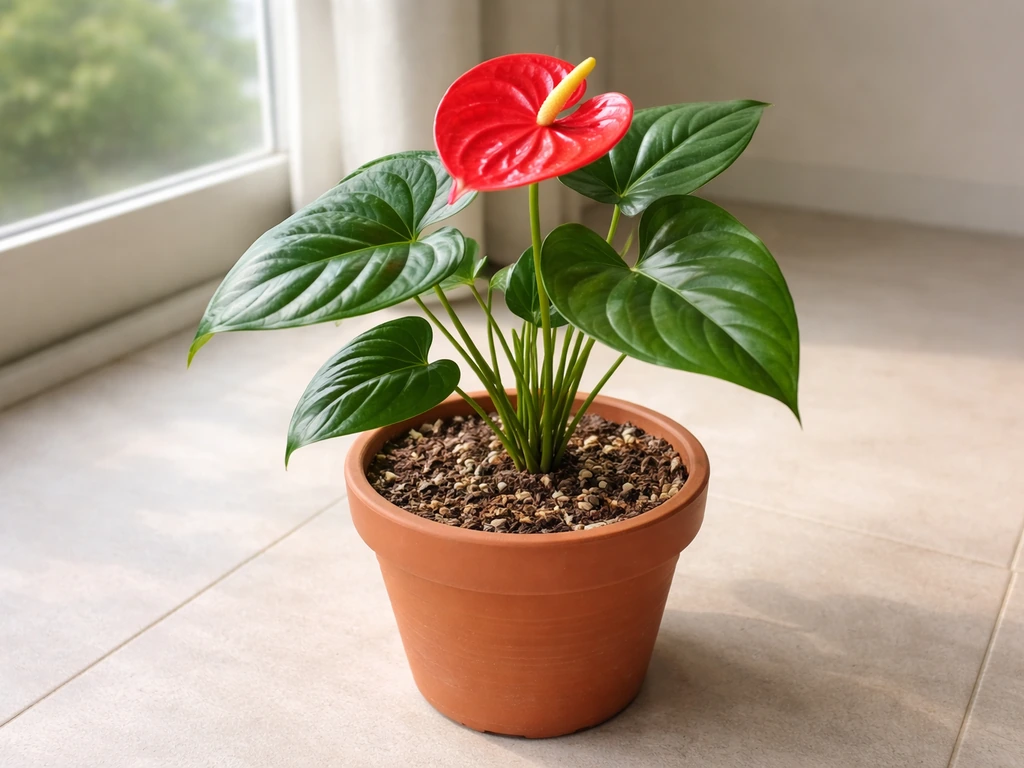
Use a well-draining potting mix, not garden soil. Anthuriums can also thrive in pots, as long as you use a well-draining mix and provide the right warmth and light for consistent growth how to grow anthurium plants in pots. Garden soil compacts badly in containers and often drains poorly.
A standard multipurpose or bulb potting mix works well, but I like to improve drainage further by mixing in about 20 to 25 percent coarse horticultural grit or perlite by volume. Grape hyacinths prefer a neutral to slightly acidic soil pH, roughly 6. 0 to 7. 0, which most commercial potting mixes fall within naturally.
You don't need to test or amend pH specifically for this plant unless you know your local water is strongly alkaline.
After planting, water the pot thoroughly so the soil is evenly moist all the way through. Then ease off significantly. During the fall and winter period while bulbs are establishing roots, the soil should stay just barely moist, not wet. A common mistake is watering on a fixed schedule rather than checking what the soil actually needs. Stick your finger an inch into the soil: if it feels damp, leave it. If it's dry at that depth, give it water. The RHS recommends exactly this moisture-check approach rather than following a calendar. For similar guidance on watering and bulb rot prevention, see Zappfert's care notes for Muscari RHS recommends exactly this moisture-check approach rather than following a calendar.
One thing to watch for is the potting mix shrinking away from the pot edges during dry spells. Once a peat-based mix dries out completely, it becomes hydrophobic and water runs straight down the gap at the sides without actually soaking the root zone. If this happens, sit the pot in a tray of water for 30 minutes to rehydrate the whole mix from below. Preventing this is easier than fixing it, so don't let the soil get completely bone dry even during dormancy.
Light, temperature, and feeding through the growing season
Grape hyacinth thrives in full sun and is also happy in partial shade. Aim for at least 4 to 6 hours of direct sun per day during the active growing season. One of the nice things about Muscari is that because it goes dormant in summer, it can be planted under deciduous trees or shrubs that are still bare in spring. By the time the canopy fills out and creates shade, the bulbs have finished their cycle and gone dormant underground, so the summer shade doesn't affect them at all.
Temperature-wise, grape hyacinth is cold-hardy and actually needs winter chill to bloom properly. Most Muscari species are rated to USDA hardiness zones 4 to 8, meaning they can handle serious winter cold. What they don't cope well with is prolonged waterlogged soil combined with freezing temperatures, so drainage remains the priority even in winter. During the summer dormancy period, the bulbs benefit from warmth.
Promesse de Fleurs specifically advises placing Muscari pots in a warm spot through summer so the bulbs can cook underground to bloom well in spring Promesse de Fleurs specifically recommends placing pots in a warm spot through summer so the bulbs get warm and cook a little underground.
Promesse de Fleurs specifically recommends placing pots in a warm spot through summer so the bulbs get warm and cook a little underground, which helps drive a good bloom the following spring.
For fertilizing, apply a slow-release bulb fertilizer when you first plant in fall and again when you see the first foliage emerge in spring. A product like Espoma Bulb-Tone works well because it releases nutrients gradually, matching the plant's uptake pace rather than delivering a big hit all at once. Avoid heavy nitrogen fertilizers, which push leafy growth at the expense of flowers. A balanced or phosphorus-forward bulb formula is what you want. Nutrient deficiency is one of the reasons bulbs fail to flower, so don't skip the feed entirely and assume the potting mix will carry them through multiple seasons on its own.
After blooming: what to do with the spent flowers and fading leaves
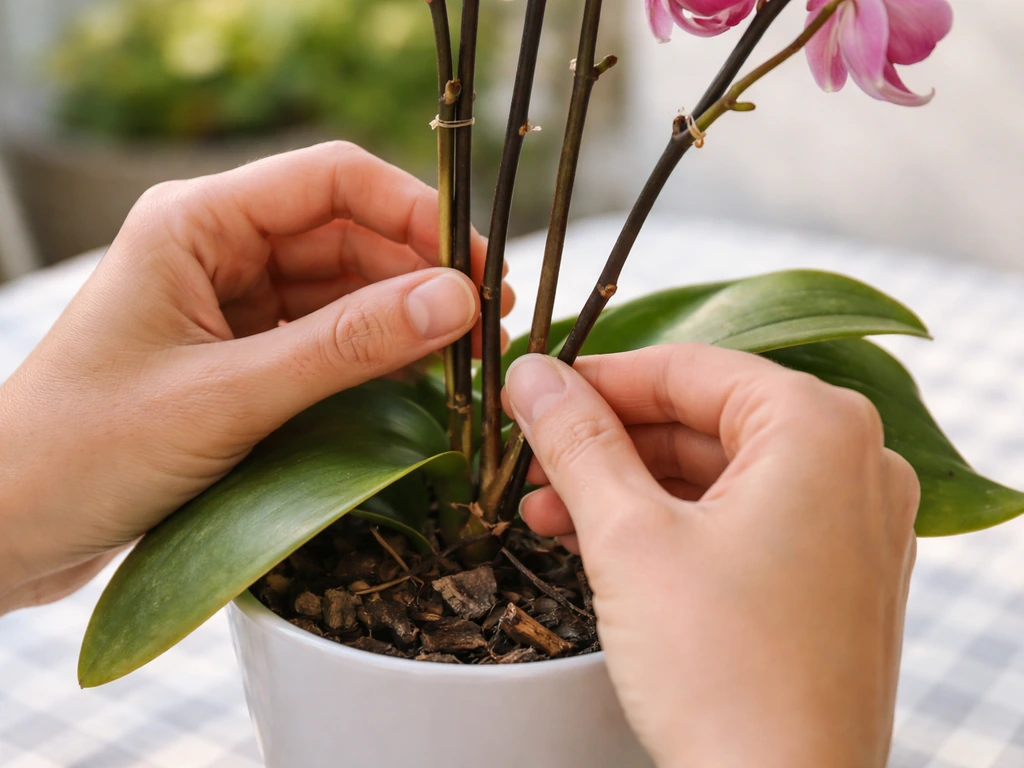
Once the flowers fade, snap or cut off the flower stalks before the seed heads develop fully. This redirects the plant's energy back into the bulb rather than into seed production, which improves next year's flowering. OSU Extension specifically recommends shearing off the top of the scapes after flowering to encourage larger inflorescences the following spring. It's a 30-second job that genuinely pays off.
The foliage is a different story. Leave it completely alone even as it starts yellowing and looking scraggly. The leaves are still photosynthesizing and sending energy down into the bulb during this period, and cutting them early weakens the bulb for next season. By late May the foliage will be visibly senescing, and by late June it will be dead and dry. At that point you can tidy it away cleanly. If the messy foliage bothers you on a patio display, set the pot out of the main sightline for those few weeks rather than cutting the leaves prematurely.
Overwintering your pot and keeping bulbs for next season
Grape hyacinth bulbs are reliably perennial and will come back year after year if you treat them right. In mild climates (roughly zones 6 to 8), you can simply leave the pot outside year-round. Keep the soil just barely moist during winter dormancy, not wet, not completely dry. In zones 4 and 5 where winters are harsh, the main risk isn't cold to the bulbs themselves but freeze-thaw cycles that crack terracotta pots and waterlogged soil that turns to ice around the bulbs. Moving pots against a sheltered wall or wrapping them in bubble wrap or burlap reduces this risk significantly.
If you're dealing with a genuinely brutal winter or you're growing a less hardy species like Muscari macrocarpum, move the pot into an unheated garage, shed, or cool greenhouse for the coldest months. It needs to stay cool (above freezing but not warm) so the bulbs get their required chill. Don't bring them into a heated room or they'll think spring has arrived and break dormancy too early. Check moisture every two to three weeks while they're in storage and give just enough water to keep the mix from completely drying out.
After a few years, a pot of Muscari will start getting crowded as the bulbs multiply. When you notice smaller, weaker flowers or fewer stems, that's the signal to divide. In late summer or early fall, tip the pot out, gently separate the bulb clumps, discard any that are soft or damaged, and replant the healthy ones with fresh potting mix. This refresh keeps the display strong and also gives you extra bulbs to plant in other pots.
Troubleshooting the most common pot problems
| Problem | Likely Cause | Fix |
|---|---|---|
| Bulbs don't flower | Insufficient chill time, planted too late, or nutrient-poor soil | Plant in fall next time; apply bulb fertilizer at planting and again in early spring |
| Bulbs rot before sprouting | Poor drainage or overwatering | Check drainage holes are clear; reduce watering; add perlite to mix |
| Leggy, floppy stems | Too little light during active growth | Move pot to a sunnier spot with at least 4 to 6 hours of direct sun |
| Yellowing leaves before flowering ends | Normal if happening late in the cycle; overwatering if earlier | If early in season, reduce watering and check drainage; if post-bloom, it's normal |
| Waterlogged soil | No drainage holes, blocked holes, or wrong soil type | Re-pot into a container with proper holes; switch to a free-draining mix with added grit |
| Squirrels or rodents digging up bulbs | Freshly disturbed soil attracts bulb-digging animals | Cover soil surface with wire mesh or a layer of sharp grit; reapply deterrent spray regularly |
| No regrowth in second year | Leaves cut too early, pot dried out completely, or bulbs dead from rot | Let foliage die back naturally; keep pot just barely moist over summer; inspect and replace poor bulbs |
A simple seasonal action calendar
| Season / Month | What to Do |
|---|---|
| Late summer (Aug to Sept) | Buy firm, healthy bulbs; prepare pots with fresh mix and good drainage |
| Fall (Sept to Nov) | Plant bulbs 3 to 4 inches deep, 3 to 4 inches apart; water in well; apply slow-release bulb fertilizer |
| Winter (Dec to Feb) | Keep soil barely moist; protect pot from hard freezes by sheltering or moving to garage/shed if needed |
| Early spring (Mar to Apr) | Top-dress with a little bulb fertilizer as shoots emerge; water moderately as growth picks up |
| Mid-spring (Apr to May) | Enjoy the flowers; deadhead spent stalks promptly to redirect energy back to the bulb |
| Late spring (May to June) | Leave foliage to die back naturally; reduce watering as leaves yellow |
| Summer (June to Aug) | Foliage fully dead by late June; keep pot in a warm spot; water only occasionally to prevent complete dry-out; divide and refresh crowded pots if needed |
Quick-start checklist for first-time growers
- Choose a pot at least 6 inches deep with drainage holes at the base
- Fill with a free-draining potting mix amended with 20 to 25 percent perlite or coarse grit
- Plant bulbs pointed-side up, 3 to 4 inches deep, 3 to 4 inches apart
- Water thoroughly after planting, then hold back until the soil feels dry at 1 inch depth
- Place in a spot with at least 4 to 6 hours of sun during the growing season
- Apply slow-release bulb fertilizer at planting and again when shoots appear in spring
- Deadhead spent flower stalks but leave all foliage until it dies back naturally in June
- Shelter or protect the pot from hard freezes through winter; keep soil just barely moist
- Divide crowded bulbs every 3 to 4 years in late summer for best ongoing performance
Grape hyacinth is genuinely one of the more forgiving spring bulbs to grow in a container, especially compared to larger bulbs that need more precise conditions. If you're new to container bulb growing and looking to build confidence before taking on something more demanding, this is a great place to start. Once you have the basics down, you can apply the same approach to learn how to grow hyacinth bulbs in pots successfully container bulb growing.
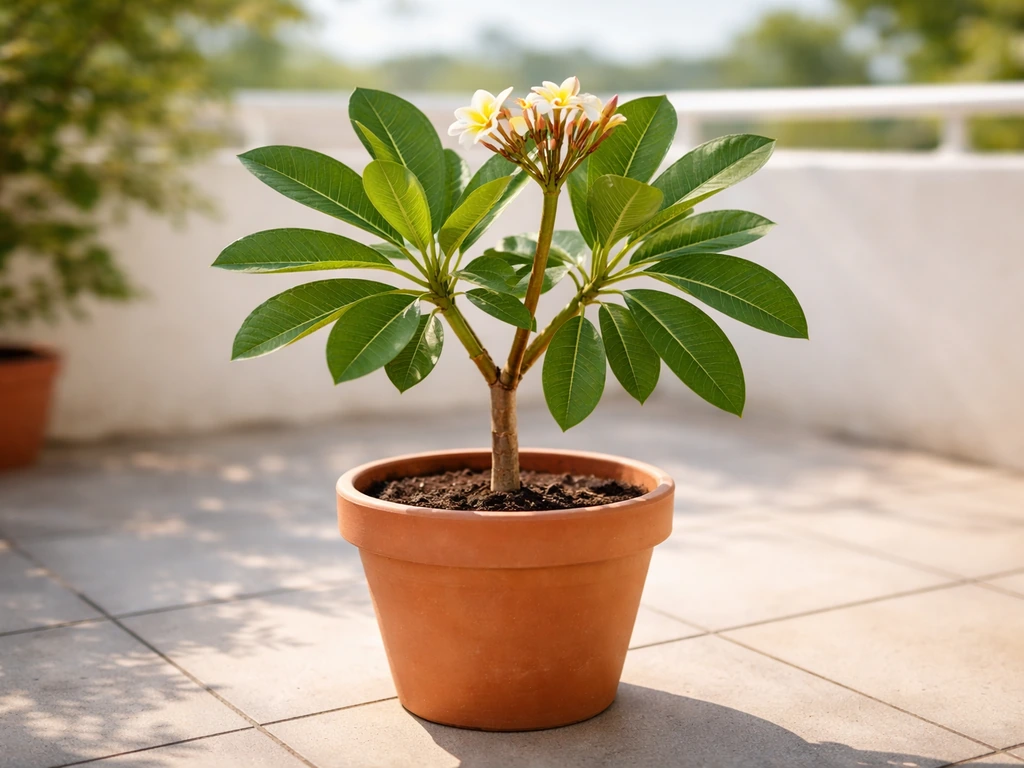
If you’re ready to try something less traditional, learn how to grow plumeria in pots and what it needs to thrive indoors or on a patio this is a great place to start.
And if you enjoy the rhythm of planting bulbs for spring displays, it's worth exploring how other bulbs like hyacinths or hippeastrums fit into the same seasonal container gardening routine, since many of the same principles around drainage, chilling, and post-bloom leaf care apply across the group. If you’re also trying frangipani in pots, you’ll want to focus on strong light, a fast-draining mix, and protecting it from cold temperatures how to grow frangipani in pots.
If you want a similar container approach, you can also learn how to grow poinsettias in a pot for reliable, indoor color container gardening routine. If you also want to try a showier bulb, here are the basics for how to grow hippeastrums in pots. Hydrangeas can be grown in pots too, but they need consistent moisture and the right pot size for healthy blooms.
FAQ
Why does my grape hyacinth pot look thin or don’t make dense “grape” clusters?
For a long, reliable display, use a wider pot with multiple bulbs rather than a single large bulb, and aim for 3 to 4 inches of spacing between bulbs. If your pot is narrow, the clusters can look sparse because Muscari stays compact, so visual crowding matters for that “grape bunch” look.
What should I troubleshoot if my grape hyacinth grows leaves but no blooms?
If leaves appear but there are no flowers, the most common causes are insufficient cold (vernalization) or bulbs planted too shallow. Measure planting depth from the bulb base, and in warm climates consider keeping the container outdoors through winter rather than moving it indoors for extended warm periods.
Can I cut off the foliage right after flowering to tidy up my patio?
After flowers fade, remove the flower stalks, but do not cut the foliage until it has fully yellowed and dried. If you remove leaves early, the bulb has less energy to recharge, which usually shows up as smaller spikes next spring rather than an immediate failure.
Is it okay to keep my grape hyacinth pot watered on a calendar schedule during winter?
Yes, you can, but first check that the pot and soil actually stay in the “barely moist” range. In dormancy, the goal is to prevent the mix from completely drying out, because peat-based mixes can become hydrophobic and repel water when you finally water.
My decorative pot looks great but has no holes, can I still grow grape hyacinth in it?
If your decorative outer pot has no drainage holes, always plant in a separate nursery pot, then sink it inside the decorative one. Do not add rocks to a non-draining decorative pot expecting drainage, the water level can still rise high enough to rot the bulbs.
How much sun do potted grape hyacinths actually need?
In containers, “full sun” means at least several hours of direct light during the growth and bloom period. If you place the pot so it gets bright light in spring but moves into deeper shade later, that is fine because the foliage is already declining when summer shade increases.
How can I tell if I’m overwatering or underwatering my grape hyacinth pot?
Look for a slow, gradual fade and dry-out rather than green leaves that stay wet and limp. Signs of overwatering include consistently wet soil, a foul smell, and bulbs that become soft. Signs of underwatering include dry, pulling-away potting mix and poor root contact with shrinking gaps at the pot edge.
My first-year flowers are weak, does that mean I’ll never get great blooms?
Small bulbs often produce smaller or delayed flowers in the first season. If you buy larger firm bulbs and still get weak flowering, the next most likely issue is overcrowding in an old pot, which is fixed by dividing in late summer or early fall and refreshing the potting mix.
Can I mix grape hyacinth with other spring bulbs in the same pot?
Yes, but keep the spacing and depth rules the same, and avoid mixing bulbs that prefer very different watering habits. A practical pairing is Muscari with other spring bulbs that also like fast-draining mix, since the shared key is keeping soil moist during active growth but not wet in dormancy.
How do I adjust watering for terracotta versus plastic pots?
Some pots dry faster, especially terracotta, so “by feel” is better than a fixed schedule. Check moisture by sticking a finger an inch into the mix, and in hot weather you may need to water more often in active growth, while still easing way off once foliage starts senescing.
What’s the best way to protect potted grape hyacinths from harsh winter freeze-thaw?
If freeze-thaw cracking is a concern, move the pot close to a sheltered wall, and avoid leaving it in standing water. You can also wrap the pot for insulation, but keep drainage in mind so water does not collect at the base where it can refreeze.
If I need to store the pot indoors for winter, what conditions should I aim for?
If you bring the pot into an unheated garage or shed, keep it cool, above freezing but not warm, and avoid placing it where sunlight will wake the bulbs early. Check moisture every couple of weeks, add only enough water to prevent total drying, and keep the soil from staying soggy.
Will grape hyacinths spread uncontrollably in pots the way they can in the ground?
If bulbs spread too enthusiastically in your container, it is usually a sign of clumping growth over time, not true “escape.” Divide the clumps when flowering declines, replant in fresh mix, and consider using the same pot for display but separate bulbs for new pots to maintain a consistent look.
When should I divide grape hyacinth bulbs in a pot, and what should I replace?
After a few years, fewer stems or smaller spikes are your cue to divide. Replant at the correct depth, refresh with fresh well-draining potting mix, and choose firm bulbs while discarding any that are soft or moldy to prevent repeating rot issues.