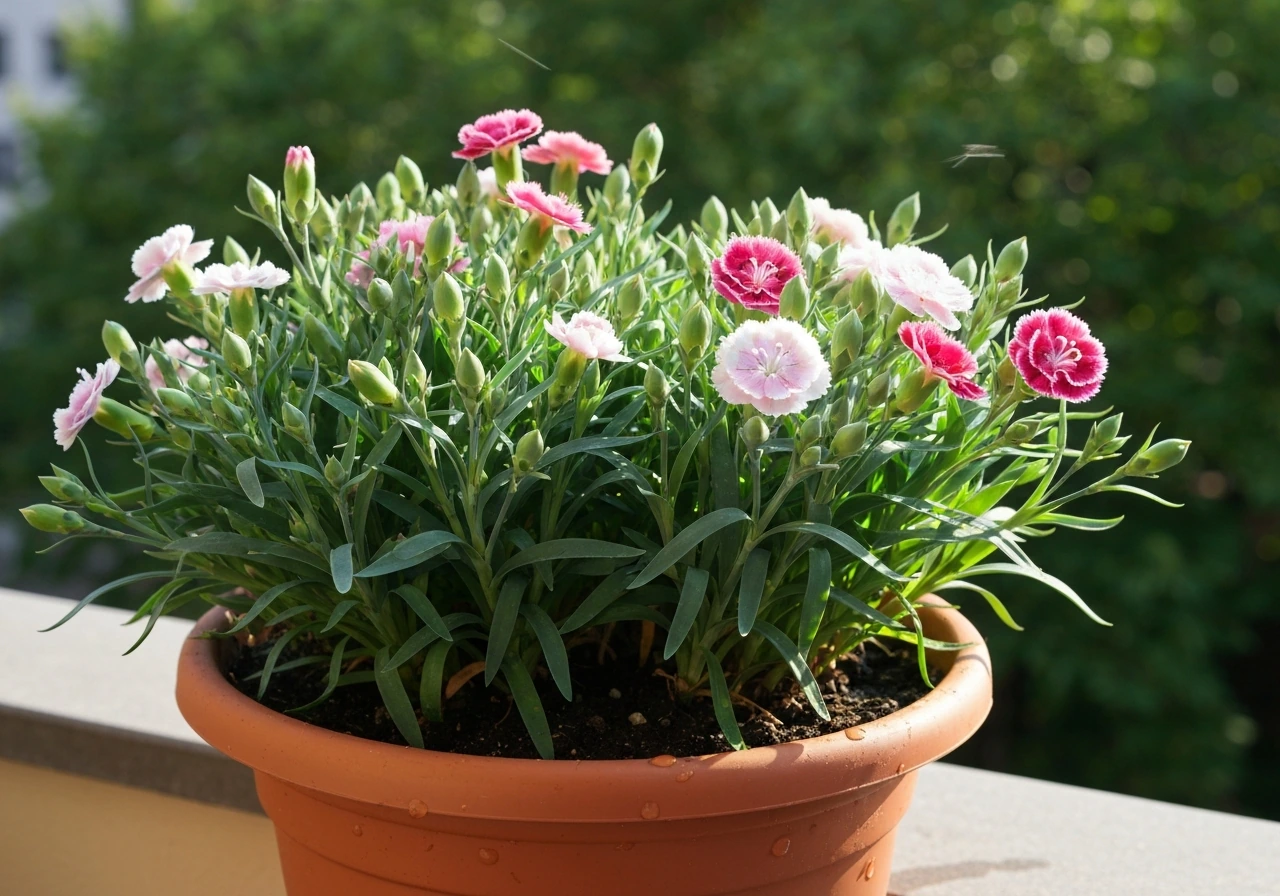
The best flowers to grow from seed in pots are marigolds, petunias, zinnias, nasturtiums, cosmos, sweet alyssum, and geraniums. These reliably germinate in containers, don't need huge amounts of soil to thrive, and reward you with real blooms without much fuss. If you're a beginner and you start with any one of those, you're going to have a good time. The tricky part isn't picking the flower, it's the setup, timing, and a few key care habits in those first few weeks. Get those right and the rest is surprisingly straightforward.
Best Flowers to Grow From Seed in Pots: Guide and Calendar
Marcus Whitley
14 May 2026
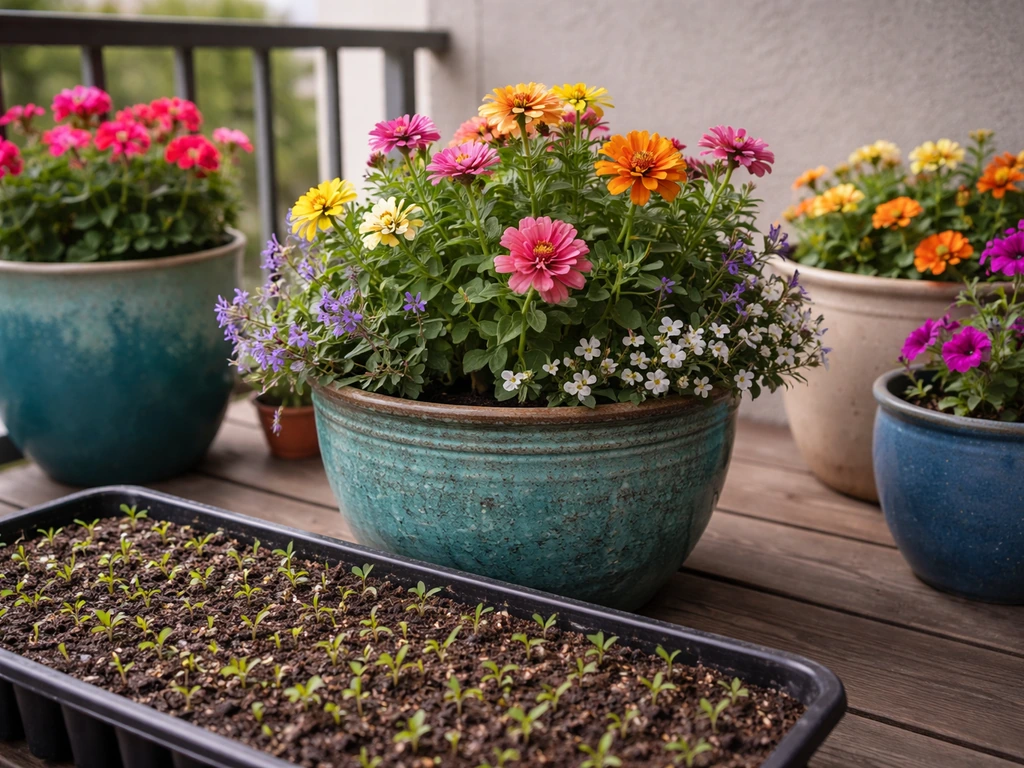
How to choose the right flower types for pot-growing from seed
Not every flower translates well to a pot, and even fewer are easy to start from seed in a container. When you're choosing what to grow, you're really asking two questions at once: does this flower germinate reliably without a lot of fuss, and will it actually thrive once it's growing in a limited amount of soil and space?
The flowers that tick both boxes tend to share a few traits. They have fast germination times (usually under two weeks), they don't develop enormous root systems, and they flower relatively quickly from seed, typically within 8 to 12 weeks. Most of the best options are annuals, meaning they complete their whole life cycle in one season. That's actually an advantage in containers, because you're not waiting years for a payoff and you can experiment with different varieties each year.
Perennials can be grown from seed in pots too, but they're generally slower and less rewarding in the first year. Biennials like foxglove and hollyhock are worth mentioning, you start them in year one and they flower in year two, so they suit gardeners who are planning ahead. For most beginners though, annuals are where to start. They give you fast feedback, which is genuinely useful when you're still figuring out your setup.
A few practical rules of thumb: choose compact or 'dwarf' varieties when they exist, because they're bred for smaller spaces. Avoid anything that says 'climber' or 'needs staking' unless you're ready for that extra step. And read the seed packet, if it mentions very fine seeds or says something like 'requires stratification,' that's a signal the flower is more advanced. Save those for later.
Top flower picks: annuals, perennials, and biennials that germinate well in containers
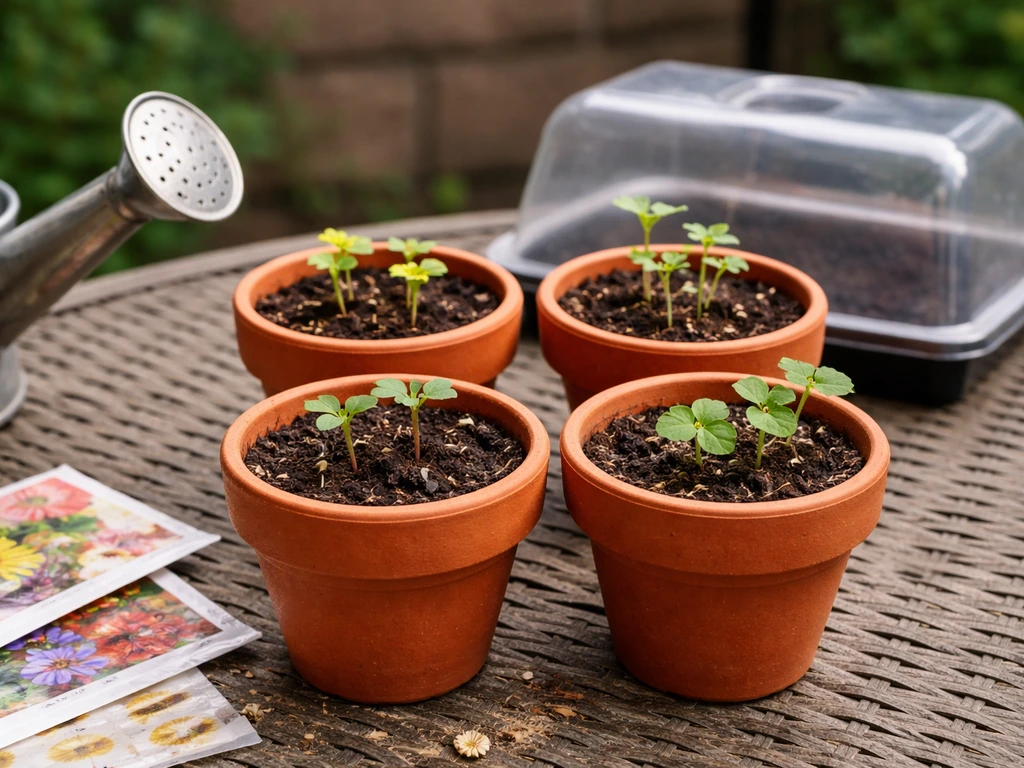
Here's a breakdown of the best performers, what to expect from each, and why they work well in pots.
| Flower | Type | Germination Time | Light for Germination | Notes for Containers |
|---|---|---|---|---|
| Marigold | Annual | 5–7 days | Not required | Compact varieties suit small pots; very forgiving |
| Zinnia | Annual | 5–7 days | Not required | Fast and showy; choose dwarf types for pots |
| Nasturtium | Annual | 7–10 days | Not required | Direct sow into final pot; hates being transplanted |
| Cosmos | Annual | 7–10 days | Not required | Tall but fast; great in deep pots or window boxes |
| Sweet Alyssum | Annual | 7–14 days | Needs light | Tiny seeds; don't bury; beautiful edging plant |
| Petunia | Annual | 7–10 days | Needs light | Tiny seeds; very rewarding once established |
| Geranium (Pelargonium) | Tender perennial | 7–21 days | Not required (dark) | Start early indoors; long season of bloom |
| Coleus | Tender perennial | 10–14 days | Needs light | Grown for foliage; great in shady spots |
| Snapdragon | Annual/biennial | 10–14 days | Needs light | Cool-season performer; start early indoors |
| Foxglove | Biennial | 14–21 days | Needs light | Year-two bloomer; start in summer for next year |
Marigolds and zinnias are my top recommendation for anyone starting out. They're almost foolproof, they germinate fast enough to keep you motivated, and they look great in even a basic plastic pot. Nasturtiums are special because you can skip the whole seed-starting-indoors step, just push the seed into the final pot and water. Petunias take a little more care because the seeds are tiny (almost dust-like), but once they get going they spill beautifully over the edge of a container and keep blooming all season. If you want something a bit more structured and long-blooming, geraniums grown from seed are deeply satisfying, though you do need to start them earlier, about 12 to 16 weeks before your last frost date.
Seed-starting setup for pots (containers, soil mix, sowing depth, timing)
Choosing a seed-starting container
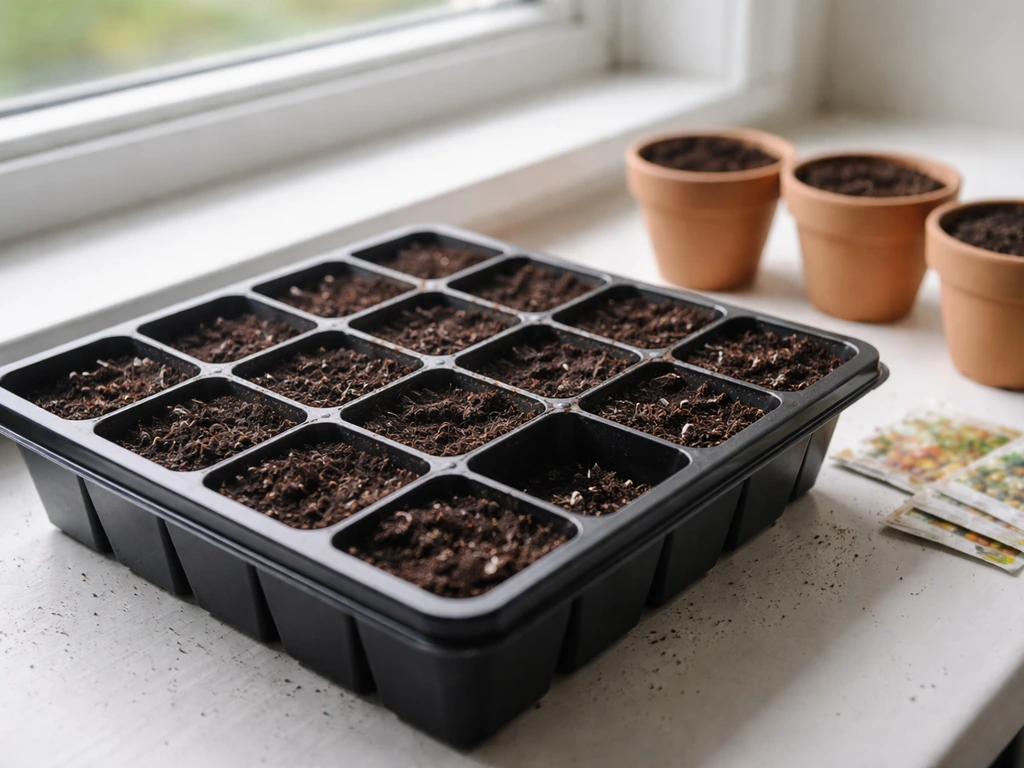
You don't need special equipment. Almost any clean container with good drainage works for starting seeds, as long as it's at least 2 inches deep. Cell trays, small yogurt pots with holes punched in the bottom, recycled plastic nursery pots, all of these are fine. That said, if you can find containers that are 3 to 4 inches deep, even better: the extra depth gives roots more room to develop before you transplant. The key thing is drainage. If water can't escape from the bottom, you'll end up with soggy conditions that cause more problems than almost anything else.
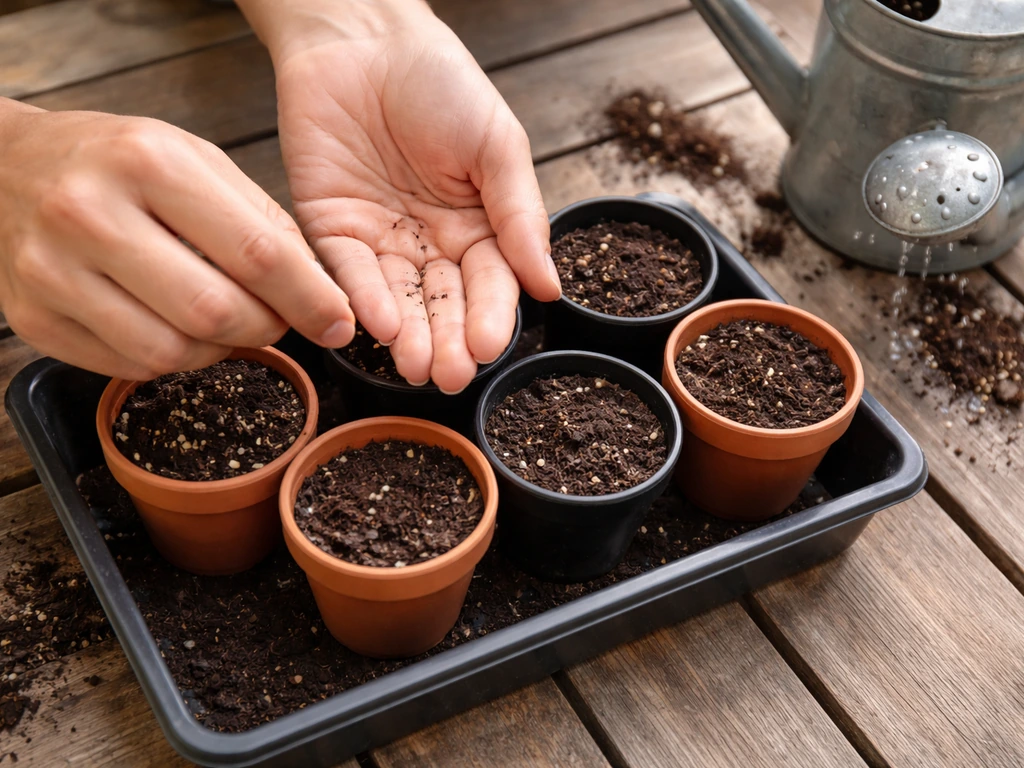
One thing I'd strongly recommend is using divided cell trays or small individual pots rather than one big flat. When you give each seedling its own space, the roots don't tangle together, and you can transplant without tearing things apart later. It sounds like a small detail, but it makes the whole process smoother.
The right soil mix for starting seeds
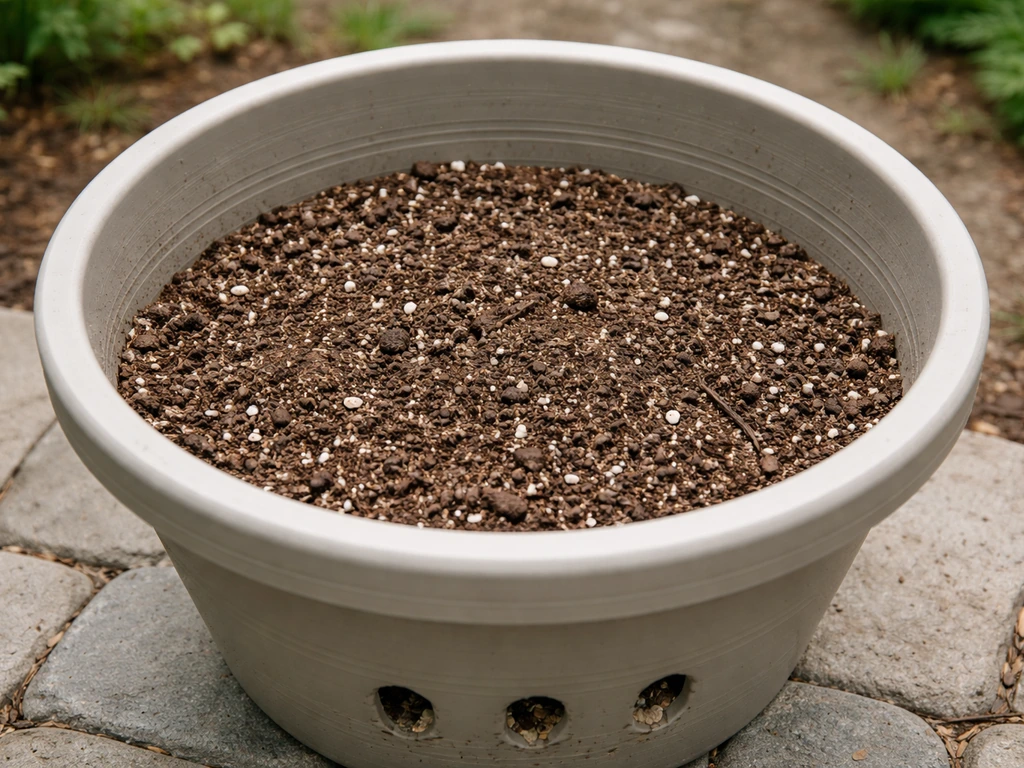
Do not use garden soil for starting seeds indoors. I can't stress this enough. Garden soil compacts in containers, drains poorly, and can introduce the fungi responsible for damping off, a condition where seedlings suddenly collapse at the base. Use a commercial seed-starting mix instead. These are usually peat-based with perlite and vermiculite added, and they're designed to hold just enough moisture while draining freely. They contain no garden soil and are generally free of diseases and weed seeds. If you want to make your own, you can combine peat moss, perlite, and vermiculite in roughly equal parts to get good moisture retention and drainage together.
Sowing depth and seed coverage
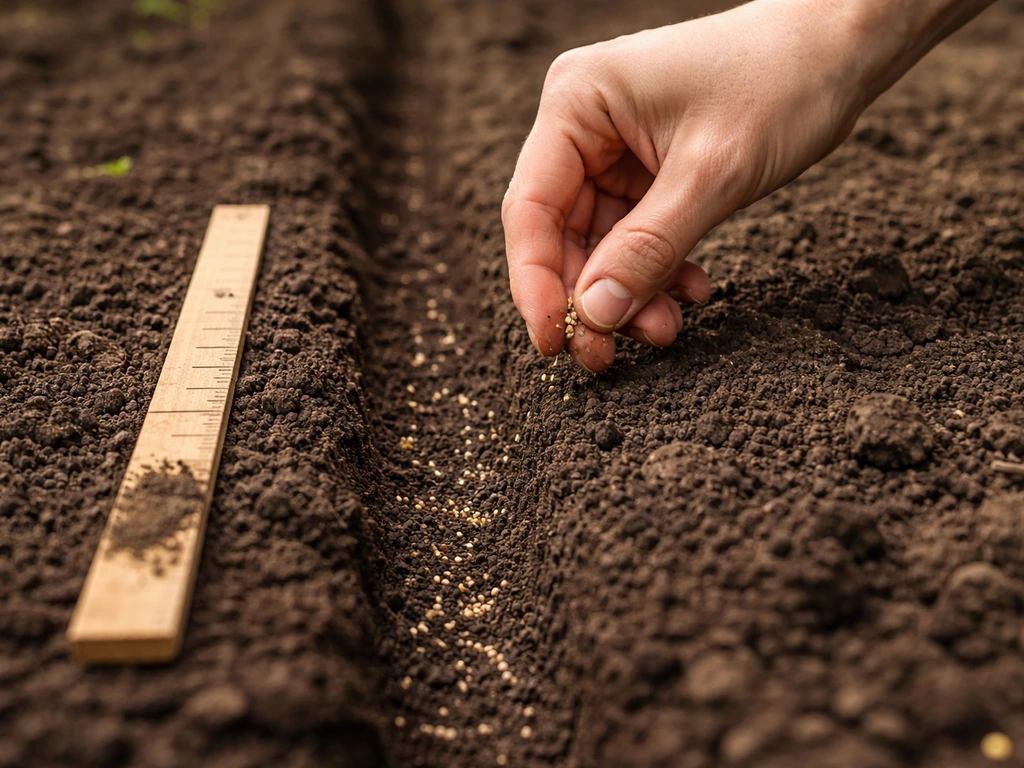
A good general rule: sow a seed about twice as deep as its own width. For an average marigold or zinnia seed, that's roughly a quarter inch deep. For larger seeds like nasturtiums, go about half an inch. For tiny seeds like petunia, alyssum, snapdragon, and coleus, don't cover them at all, just press them gently onto the surface of the moist mix and either mist them in or lay a thin layer of fine vermiculite over them.
For coleus specifically, UMN Extension notes that seeds require light to germinate. Vermiculite is porous enough to let light through, which many small seeds need to germinate.
Burying light-dependent seeds even slightly is one of the most common reasons people get zero germination and think something went wrong.
When to sow: timing from your frost date
Most annual flowers for summer containers should be started indoors 6 to 8 weeks before your last frost date. Geraniums need more lead time, 12 to 16 weeks before last frost. Petunias do well started 10 to 12 weeks before last frost. If you're unsure of your last frost date, look it up for your zip code or city, it's the single most important number in your seed-starting calendar. In most of the US, last frost falls anywhere from late March (South) to late May (northern states and Canada). For reference, mid-May is typically safe planting time across much of the northern US.
Step-by-step germination and early care (light, watering, temperature, thinning)
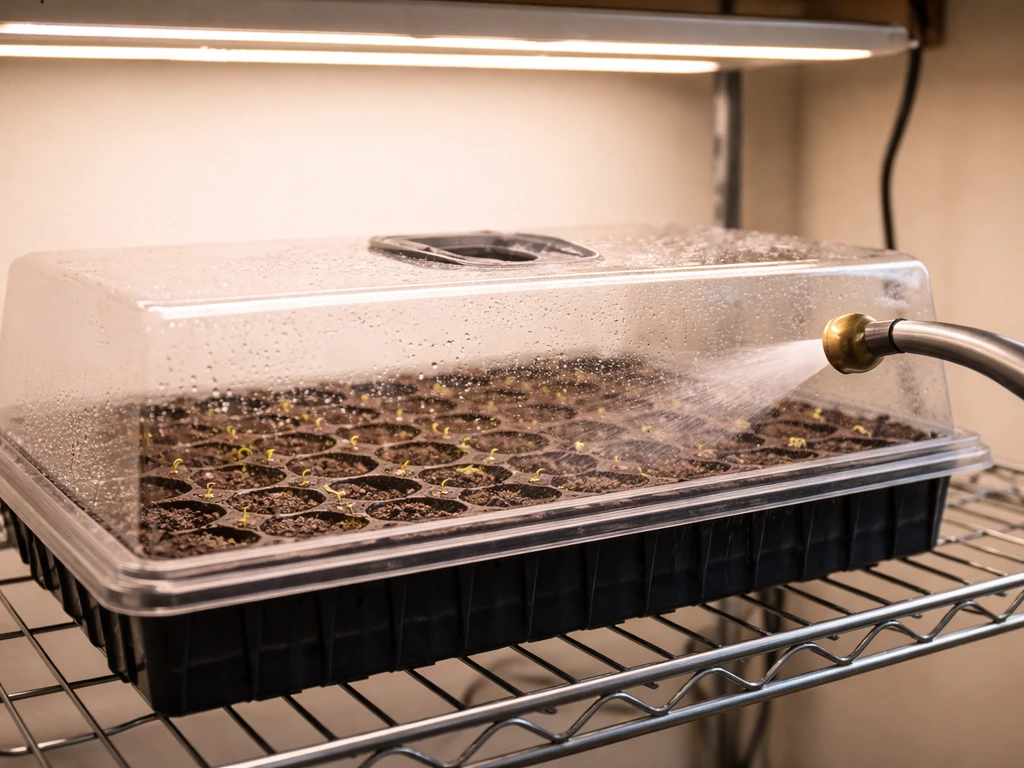
- Fill your cell tray or containers with pre-moistened seed-starting mix. It should feel like a wrung-out sponge: damp but not dripping.
- Sow seeds at the correct depth for the species (see above). For tiny seeds, sprinkle them on the surface and press lightly.
- Cover the tray loosely with a clear plastic lid or plastic wrap to hold humidity in. Place it somewhere warm: 70 to 85°F is ideal for most annual flowers. The top of a refrigerator or a heat mat set to low both work well.
- Check daily. Once you see the first sprouts emerging — even just a tiny green loop — remove the plastic cover immediately. Leaving it on once seedlings are up invites fungal problems.
- Move seedlings under lights right away. Don't wait until they look 'ready' — even a single day without good light after germination causes stretching. Set fluorescent or LED grow lights 6 to 12 inches above the seedlings and run them for 16 to 18 hours per day.
- Water from below when you can: pour water into the tray under the cells and let the mix absorb it upward. When watering from above, use a gentle spray bottle and aim for the soil, not the seedling stems. The goal is to keep the mix evenly moist but never waterlogged.
- Once seedlings have their first set of true leaves (the second set of leaves that appear), thin to one seedling per cell. Snip extras with scissors rather than pulling — pulling disturbs the roots of the one you're keeping.
- Hold off on fertilizing until seedlings have two or three sets of true leaves. Seed-starting mix provides enough nutrition for the first 5 to 6 weeks, and feeding too early can burn young roots.
Temperature matters a lot during germination. Geraniums germinate best at 70 to 75°F in the dark, they actually don't need light to sprout. Petunias germinate best around 75°F and need light at the surface. Marigolds and zinnias are flexible and will sprout across a wide temperature range, which is part of why they're so beginner-friendly. Once seedlings are up and growing, slightly cooler nights (around 60 to 65°F) actually strengthen them and prevent the leggy, weak growth that happens when it's too warm with insufficient light.
Transplanting into pots and ongoing container care (feeding, deadheading, support)
When and how to transplant
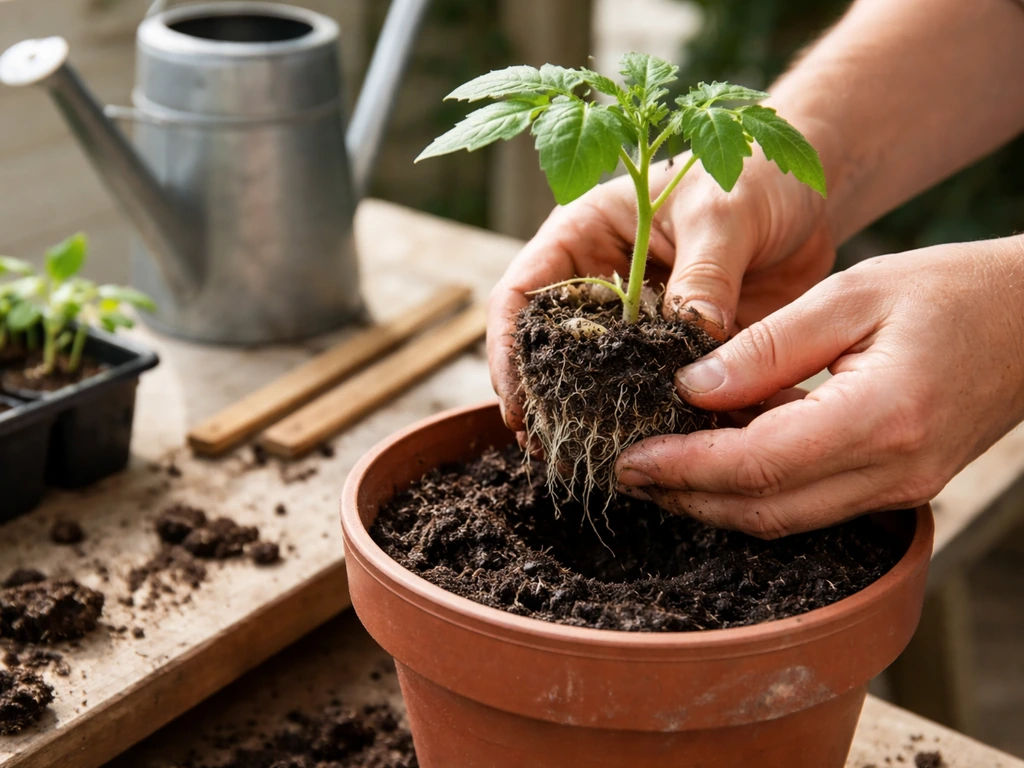
Seedlings are ready to move into their final containers when they have two or three sets of true leaves and roots are starting to show at the drainage holes of their cell. For petunias specifically, three true leaves is the standard benchmark. The new container should be 1 to 2 inches wider in diameter than what the seedling is currently in, don't jump straight to a massive pot, as too much surrounding soil stays wet and can cause root rot. Large fluxweed plants also do best when they are given room to establish, so size up gradually and avoid jumping straight to an oversized pot don't jump straight to a massive pot.
Before transplanting, you need to harden off your seedlings. This is a two-week process where you gradually introduce them to outdoor conditions, sun, wind, temperature swings. Start by placing them outside in a shaded, sheltered spot for an hour or two on a mild day, then bring them back in. Increase the time and sun exposure a little each day over about two weeks. Avoid windy days in the early stages. Skipping this step and moving seedlings straight from a warm indoor shelf to full outdoor sun is a reliable way to cause transplant shock. The leaves often scorch or the whole plant wilts, and though most recover, it sets them back by a week or two.
Potting mix for final containers
Switch from seed-starting mix to a quality potting mix for the final container. Regular potting mix has more body and nutrients than seed-starting mix, which is intentionally lean. Look for a mix that includes slow-release fertilizer if you want a low-maintenance option. Again, avoid garden soil in containers, it compacts and doesn't drain the same way in a pot as it does in the ground.
Feeding, deadheading, and support
Container-grown flowers need regular feeding because nutrients wash out with every watering. Once plants are established in their final pots and actively growing, feed with a balanced liquid fertilizer (something like a 10-10-10 or a 5-5-5) every one to two weeks through the growing season. Slow-release granular fertilizers mixed into the potting soil at the start work well too, they take the guesswork out of feeding schedules.
Deadheading, removing spent flowers before they set seed, extends the blooming period significantly on marigolds, petunias, zinnias, and cosmos. It sounds tedious but becomes a quick habit. Every couple of days, pinch off any flowers that are browning or going to seed, and the plant redirects its energy into producing more blooms. With petunias especially, a light shearing back mid-season (cutting leggy stems by about a third) triggers a fresh flush of flowers.
For taller flowers like cosmos or tall snapdragons in pots, a bamboo stake and a loose tie is usually enough to keep things upright, especially if the pot is in a spot that gets wind. Compact and dwarf varieties generally don't need staking at all, which is one more reason to choose them for container growing.
Common problems when growing from seed in pots and quick fixes
| Problem | What's Happening | Quick Fix |
|---|---|---|
| No germination | Seed too deep, too cold, or old/nonviable seed | Check depth for species; ensure temperature is 70°F+; use fresh seed |
| Damping off (seedlings collapse at base) | Fungal infection from overwatering or unsterile mix/containers | Improve drainage, reduce watering, use sterile mix, improve airflow |
| Leggy, stretched seedlings | Not enough light, or too warm with insufficient light | Move lights to 6–12 inches above seedlings; run 16–18 hours/day |
| Yellowing leaves | Nutrient deficiency (common after 5–6 weeks in mix) or overwatering | Begin diluted liquid fertilizer; check drainage |
| Transplant shock (wilting after moving) | Skipped or rushed hardening off | Shade the plant for a few days; keep moist; be patient |
| Slow growth after transplant | Root-bound in small cell; or cold temperatures; or underwatering | Check roots, up-pot if needed, ensure temps above 60°F |
| Seeds washed away when watering | Watering too forcefully from above | Use a spray bottle or water from the tray beneath |
Damping off deserves extra attention because it's the most disheartening problem, you watch healthy little seedlings just topple over and die. The fungi that cause it thrive in warm, constantly wet conditions. The best prevention is always using sterile seed-starting mix (never garden soil), making sure your containers have drainage holes, and watering carefully so the surface isn't staying wet for long periods. Once damping off hits a batch, there's not much you can do to save those seedlings, but if you remove the affected ones quickly and improve air circulation around the rest, you can often stop it spreading. A small fan set on low nearby helps enormously.
Leggy seedlings are the second most common issue, and they're almost always a light problem. Natural light from a window is usually not enough, especially in late winter and early spring when days are short. If your seedlings are stretching toward the light or flopping over, get them under a grow light. The good news is that a basic fluorescent shop light works just as well as an expensive grow light for starting flower seeds. Keep it close, 6 to 12 inches above the tops of the seedlings, and run it on a timer.
Seed-starting calendar by season and beginner-friendly tips
This calendar uses 'weeks before last frost' as the reference point, since last frost dates vary so much by location. If you're in the US and don't know yours, a quick search for 'last frost date [your city]' will give you a reliable answer. Today is May 14, 2026, if your last frost has already passed or is just arriving, you're in prime direct-sowing season for fast germinators like marigolds, zinnias, and nasturtiums.
| Weeks Before Last Frost | What to Start | Method |
|---|---|---|
| 16 weeks before | Geraniums (Pelargonium) | Indoors under lights |
| 12–14 weeks before | Petunias, Snapdragons | Indoors under lights |
| 8–10 weeks before | Coleus, Sweet Alyssum, Cosmos | Indoors under lights |
| 6–8 weeks before | Marigolds, Zinnias | Indoors under lights or direct sow after last frost |
| After last frost | Nasturtiums, Zinnias, Marigolds | Direct sow into final pot |
If it's already mid-May and you haven't started anything yet, don't worry. Marigolds, zinnias, and nasturtiums can go straight into a pot outside right now in most regions. Just press the seeds in, water, and expect sprouts within a week. If you are aiming to grow autoflower seeds outside in pots, you can use the same outdoor container timing and seed coverage tips Just press the seeds in, water, and expect sprouts within a week.. They'll catch up fast in the warmth.
A few tips that will make your first season much smoother: label everything, it's very easy to forget what you planted where. Start more seeds than you think you need, because some won't germinate and some will get leggy or hit by damping off. Keep a simple notebook with what you sowed, when, and what happened.
A little planning also helps you figure out how to grow flower seeds in pots without wasting time on the wrong timing or techniques. This sounds fussy but after one season it becomes incredibly useful. And expect some failures, they're not signs you're bad at this, they're just the way seed starting works. Even experienced gardeners lose batches.
The difference is that experienced gardeners just start more seeds.
Once you've got the basics down, a clean container, good seed-starting mix, proper light, and careful watering, you'll find growing flowers from seed in pots is one of the most satisfying things you can do in a small space. A single balcony or windowsill can hold dozens of seedlings that eventually become a full container garden. It's genuinely achievable for complete beginners, and the best way to get started is to pick one easy flower, get the setup right, and sow it this week. Once your seeds are in the pot, follow the temperature, watering, and light tips so they germinate reliably, even if you are learning how to grow seeds in a pot for the first time sow it this week.
FAQ
Do I need to start seed indoors for the best flowers to grow from seed in pots, or can I sow outside right away?
You can direct-sow outdoors once your temperatures are reliably warm and the risk of frost has passed, especially for quick starters like marigolds, zinnias, and nasturtiums. Petunias and alyssum usually do better when started indoors because they take longer to size up and they are easy to fall behind if nights are cool.
How many seeds should I plant per pot to avoid ending up with sparse containers?
Sow a few extra seeds per container, then thin to the strongest seedlings once they develop true leaves. In practice, aim for about one plant per 6 to 8 inches of pot diameter (more spacing for zinnias, slightly tighter for alyssum), because poor germination and early losses are common when you are learning.
What is the easiest way to water tiny seeds like petunias without washing them away or leaving them too wet?
Keep the mix evenly moist, but not soaked. Use a gentle mist or bottom-watering to moisten the cells, then recheck moisture daily. If you cover light-dependent seeds with even a thin dusting of soil, germination often drops, so misting plus surface-pressed seeds is the safer approach.
Why do some seedlings look healthy but suddenly collapse, and what can I do immediately?
That pattern often points to damping off, which spreads quickly in warm, constantly wet conditions. Remove any collapsed seedlings, improve airflow (even a low fan helps), and let the surface of the mix dry slightly between waterings. You cannot reliably “rescue” already collapsed seedlings, so act fast and focus on stopping spread.
How can I tell when my seedlings are ready to transplant into their final pots?
Look for two or three sets of true leaves, and check whether roots are reaching the drainage holes or starting to circle the cell. If you transplant too early, the root ball does not hold together well and growth stalls, while transplanting too late increases stress from root tangling.
My seedlings are leggy and tall, even though the soil is fine. What’s the best fix?
Legginess is usually a light shortage, not a nutrition problem. Raise the light closer (about 6 to 12 inches) and use a timer so seedlings get consistent daily light. As an extra step, you can also rotate the trays daily so they do not lean toward the window.
Should I fertilize seedlings right away after germination?
Usually not. Seed-starting mix is intentionally lean, and most seedlings need time before feeding. Start with fertilizer once seedlings are actively growing after transplant or when they have at least a couple sets of true leaves, then use half strength first to avoid tip burn.
Do container flowers need deep pots, or is shallow soil enough for the best seed-started varieties?
Shallow pots can work, but they increase the chance of drying out quickly and can limit root development. If you are choosing, 3 to 4 inches deep for starting and slightly deeper final containers generally give roots more room and reduce watering frequency compared with very shallow planters.
What’s the best potting mix for final containers, and can I reuse old mix?
Use potting mix (not garden soil) for the final container, ideally one with some slow-release nutrition if you want less feeding. Reusing old mix is risky because it can compact and may carry problems; if you do reuse, sterilize and refresh with new mix to restore structure and drainage.
How often should I feed container flowers once they are blooming?
Feed on a predictable schedule, typically every one to two weeks with a balanced liquid fertilizer while plants are actively growing and blooming. If you use slow-release granules at planting, you may be able to extend the interval, but still watch for pale leaves or reduced bloom volume as a signal to adjust.
If I deadhead petunias, how do I know when to shear them for a second flush?
Shear mid-season when growth gets leggy, flowers thin out, or trailing stems look overgrown compared to the base. Cut back about a third, then keep watering and feeding steady, so the plant can push fresh shoots instead of just maintaining old ones.
Can I grow climbers in pots from seed, or should I avoid them like the article suggests?
You can grow them if you are willing to provide a trellis or stake and plan for extra vertical space and tie-in. The recommendation to avoid staking-heavy types is about convenience, not feasibility, but climbers often need more training time than compact seed-started annuals.
How do I prevent seedlings from getting sunscorched when I harden them off?
Move gradually from shade to sun and avoid windy conditions at first. On the transition days, start with short outdoor exposure and bring them in at midday if it is bright. If leaves look dull or crisp at the edges, shorten the next outing and increase shelter before continuing.
Do brass seeds like snapdragon or coleus need light, and what’s the one mistake that ruins germination most often?
Many very small seeds are light-dependent, meaning they should not be covered with soil. The most common failure is burying them even slightly, so press onto the surface of moist mix and only mist or apply a very thin porous covering like fine vermiculite.