For fluxweed, you want a pot that is at least 12 inches wide and 10–12 inches deep, with a volume of around 5 gallons or more. That gives the roots enough room to spread without sitting in soggy soil, which is the number one way to kill this plant. Whether you're growing Euphorbia hypericifolia (the graceful spurge type) or Trichostema brachiatum (false pennyroyal), both stay compact at under 1.5 feet tall, so you don't need a half-barrel planter, but you do need more room than a standard 6-inch nursery pot.
How to Get a Large Pot to Grow Fluxweed in Containers

Marcus Whitley
6 May 2026
What 'large pot' actually means for fluxweed
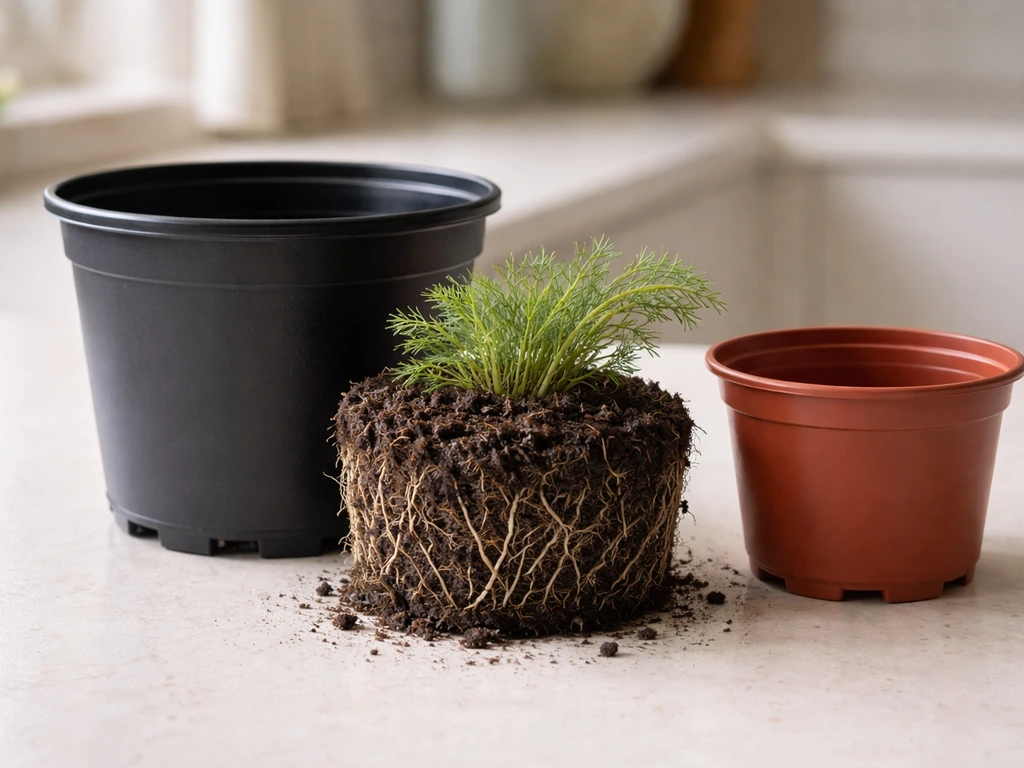
When people say 'large pot' for a plant like fluxweed, they don't mean the biggest thing at the garden center. They mean a pot that is meaningfully bigger than the plant's current root ball, with enough soil volume to buffer water and nutrients between waterings. Both plants that carry the fluxweed name are relatively small, topping out around 1 to 1.5 feet tall, but they still need breathing room below the soil surface.
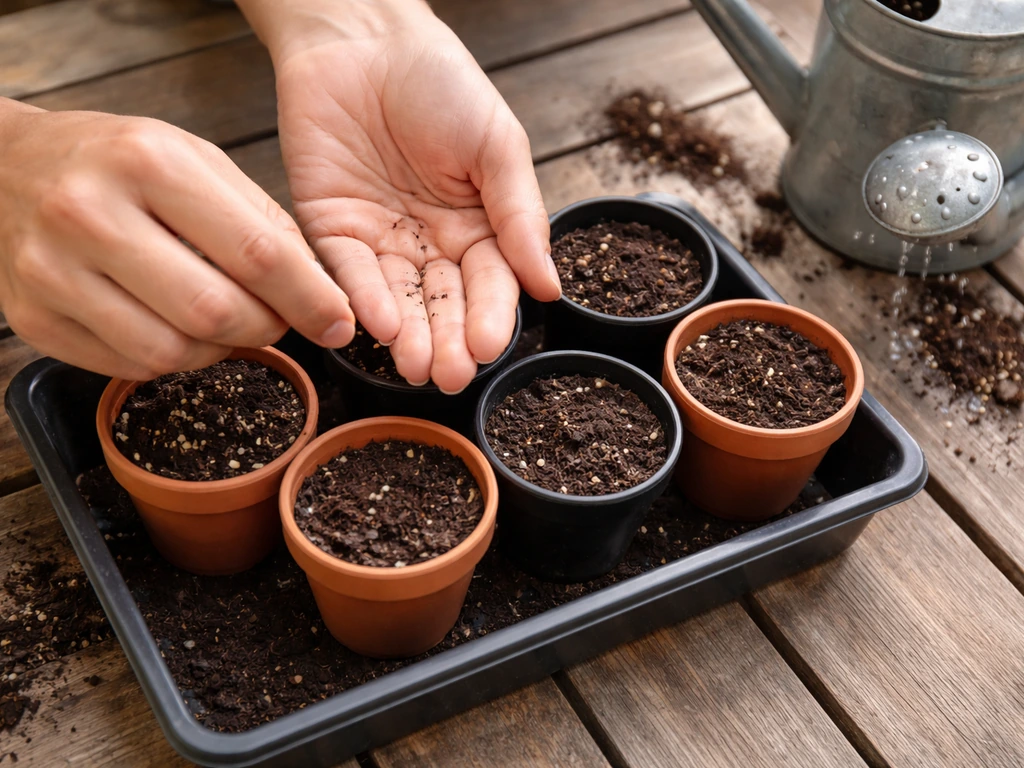
As a practical rule, go about 2–3 inches wider in diameter than the root ball you're starting with. If you're planting from seed or a small transplant, a 10- to 14-inch diameter pot is a solid target. If you want to grow seeds in a pot, start by choosing the right container size and using a well-draining soil mix so seedlings do not sit in wet conditions planting from seed.
For a more established plant, bump that up to a 14- to 18-inch pot. In volume terms, you're aiming for roughly 5 to 10 gallons. Anything smaller risks drying out too fast or constraining the roots; anything dramatically larger can hold too much moisture in the unused soil and cause rot, especially important here because both fluxweed types strongly prefer dry, well-draining conditions.
| Plant stage | Recommended diameter | Recommended volume | Minimum depth |
|---|---|---|---|
| Seedling or small transplant | 10–12 inches | 3–5 gallons | 8–10 inches |
| Established plant (potting up) | 14–16 inches | 5–8 gallons | 10–12 inches |
| Large/mature plant | 16–18 inches | 8–10 gallons | 12 inches |
Choosing the right container: drainage, material, and stability
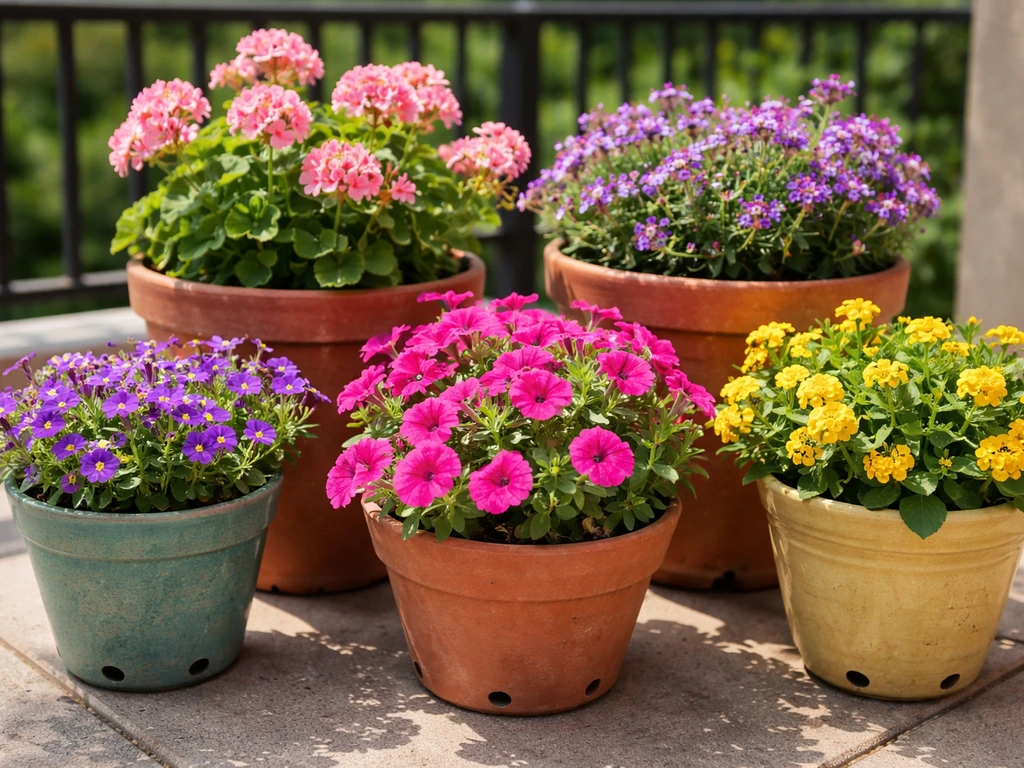
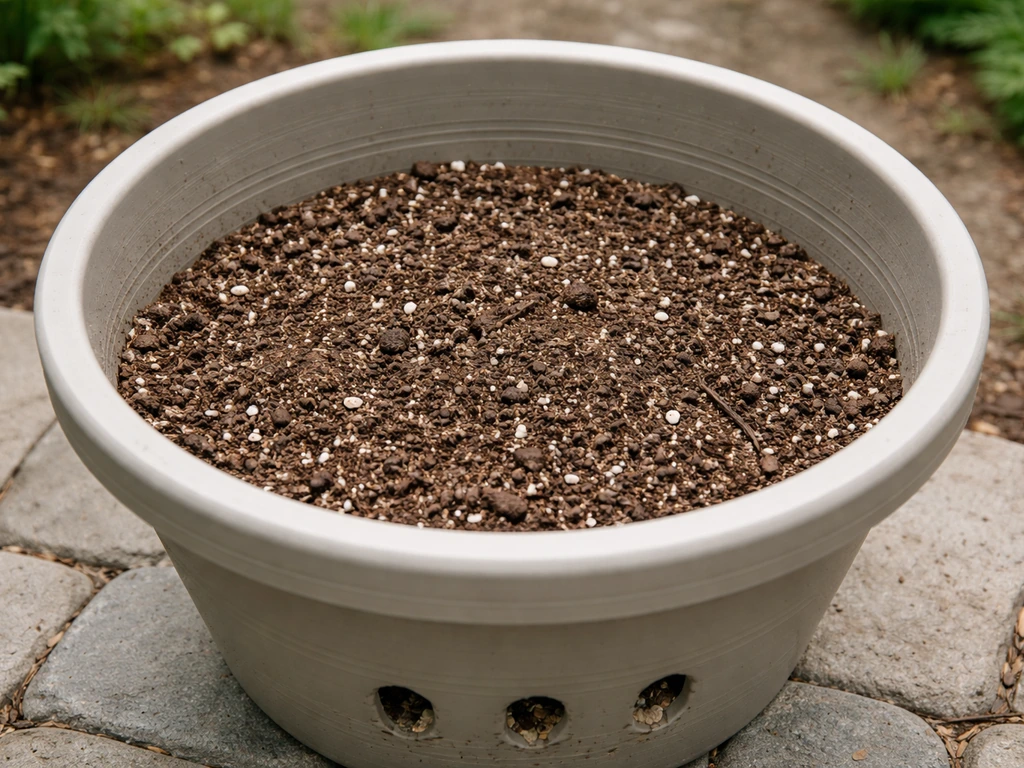
Drainage is non-negotiable for fluxweed. Both the Euphorbia hypericifolia and Trichostema brachiatum types come from open, dry, sandy environments. Sitting in wet soil will rot the roots fast. Before you buy anything, confirm the pot has at least one drainage hole at the base, ideally two or three for a pot over 12 inches wide. If a pot you love doesn't have drainage holes, you can drill them yourself with a masonry or ceramic bit, but I'd honestly just avoid the extra work and buy one that already has them.
If you use a saucer underneath (especially indoors or on a deck), don't let water pool in it for more than 30 minutes after watering. Empty any excess water from a saucer or liner so the soil and roots have a chance to dry out and are not left sitting in standing water don't let water pool in it for more than 30 minutes after watering.. Standing water in a saucer is a disease risk and can attract mosquitoes. One easy fix: set the pot up on small pot feet or even a few flat stones so water drains freely from the bottom and doesn't wick back up.
Material comparison: plastic, terracotta, fabric, or concrete
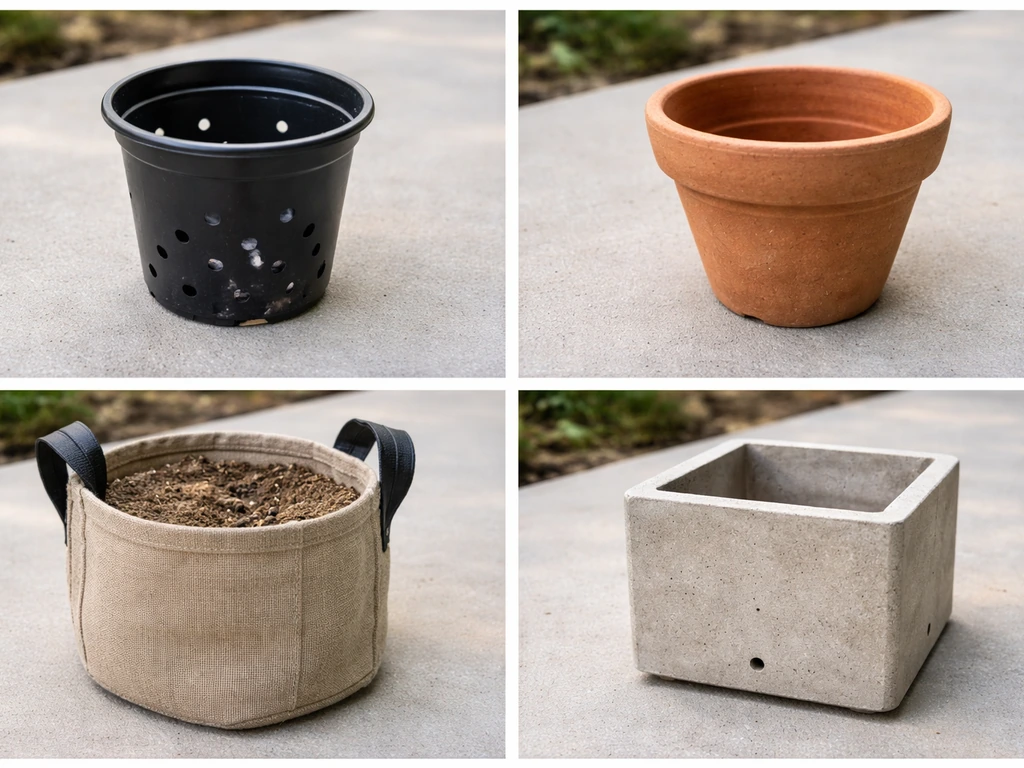
| Material | Drainage | Weight | Heat retention | Best for fluxweed |
|---|---|---|---|---|
| Plastic | Good (with holes) | Light | Low-moderate | Yes — affordable, easy to move |
| Terracotta/clay | Excellent (porous walls) | Heavy | Low | Yes — great for dry-loving plants |
| Fabric (grow bags) | Excellent (air pruning) | Very light | Low | Yes — ideal drainage for this plant |
| Concrete/stone | Good (if holes drilled) | Very heavy | High | Use in cool climates only |
| Glazed ceramic | Moderate (depends on holes) | Heavy | Moderate-high | OK, but watch drainage carefully |
For fluxweed specifically, terracotta and fabric grow bags are my top picks. Terracotta wicks excess moisture through its walls, which suits a plant that hates wet feet. Fabric pots air-prune the roots naturally and dry out between waterings almost perfectly. Plastic is totally fine too, especially if you're on a budget or need to move the pot around, just be more careful about overwatering since plastic holds moisture longer. Avoid dark-colored pots in full sun if you're in a hot climate; they absorb heat and can stress the roots.
Pot setup from scratch: sizing, prep, and soil
Once you have your pot, take a few minutes to prep it properly before adding a single scoop of soil. This step gets skipped all the time and it causes real problems down the line.
Step-by-step setup
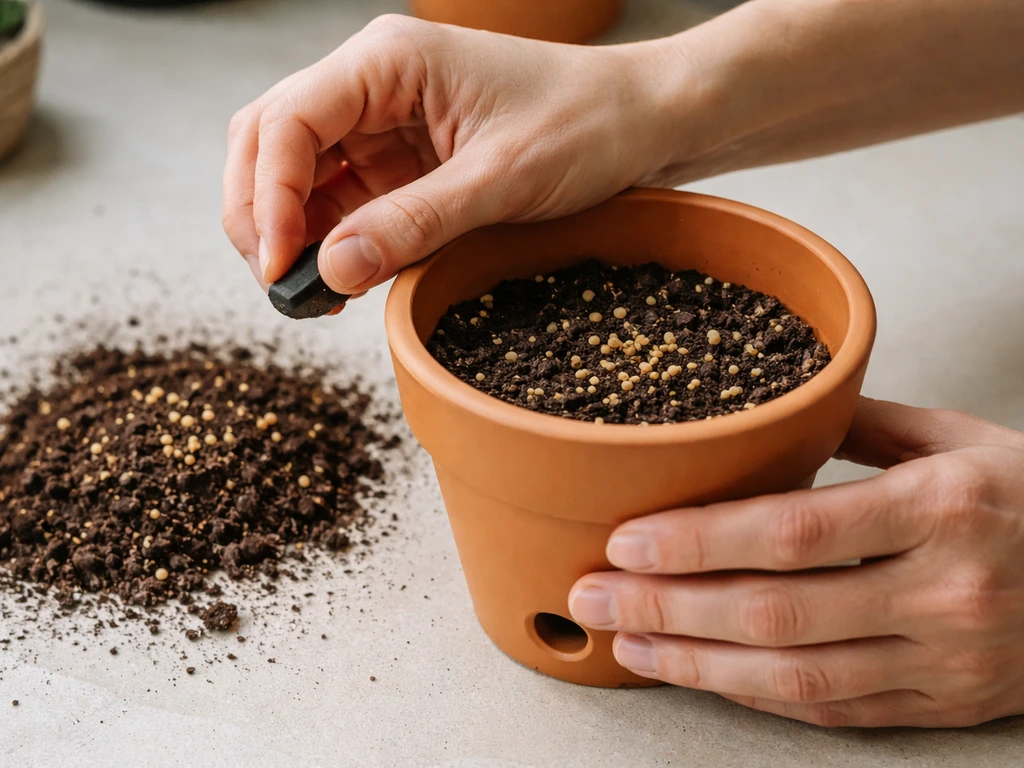
- Check every drainage hole and make sure none are blocked. If the pot is brand new from a store, some come with plugs or partially punched holes — remove those now.
- Clean the pot if it's been used before. For plastic or glazed containers, scrub with a 10% bleach solution (1 part bleach to 9 parts water), rinse thoroughly, and let it dry. For clay/terracotta, soak in the same solution for 30 minutes. Rubbing alcohol works as an alternative if you don't want to use bleach.
- Optionally place a single layer of mesh, a coffee filter, or a broken pot shard over the drainage holes to stop soil from washing out — but don't block the hole, just cover the gap.
- Mix your potting medium. Fluxweed wants fast-draining soil, so use a standard quality potting mix and cut it with about 25–30% perlite or coarse sand. Avoid heavy garden soil on its own — it compacts in containers and drains poorly. Target a pH of roughly 6.0–7.0.
- Fill the pot to within about 1 inch of the rim — not all the way to the top. That inch of clearance keeps water and soil from spilling over every time you water.
- Water the mix lightly before planting so it's just barely damp, then plant your fluxweed seedling or transplant and firm it in gently.
One amendment worth adding: a small amount of slow-release granular fertilizer mixed into the top few inches of soil gives the plant a gentle feed as it establishes. Because container watering flushes nutrients out of the mix over time, having a baseline reserve in the soil helps, especially in the first 6–8 weeks.
Where to buy a large pot today
If you want something in your hands today or this week, you have several solid options. Here's how I'd think about each one:
In-store options
- Home Depot: Carries a wide range of large planters including concrete round planters in 20-inch sizes with pre-drilled drainage holes. Garden center section also stocks plastic and terracotta options in the 10–18 inch range. Easy to check stock online before visiting.
- Lowe's: Stocks plastic planters (including the Veradek line) with pre-drilled drainage holes and sometimes drain plug options for flexibility. Good for mid-size pots in the 12–16 inch range.
- Walmart: Carries 15-gallon plastic pots with drainage holes at a low price point — a good budget pick if you just need something functional fast.
- Local garden centers: Often stock terracotta and ceramic pots in large sizes that big-box stores don't carry. Worth a visit if you want a specific look or a clay pot for a dry-loving plant like fluxweed.
- Hardware stores (Ace, True Value, etc.): Usually carry basic plastic and resin planters. Not as wide a selection, but convenient if one is nearby.
Online options
- Amazon: Wide selection of fabric grow bags (5–10 gallon sizes are cheap and arrive fast with Prime). Search '5 gallon fabric grow bag' or '10 gallon fabric planter with drainage' and sort by reviews.
- Etsy: Good source for handmade terracotta or ceramic large pots if aesthetics matter to you.
- Walmart.com and HomeDepot.com: Both allow ship-to-store or home delivery — useful if local stock is low.
- Facebook Marketplace / Craigslist: Excellent for finding large used pots for free or very cheap. Search 'large planter' or 'garden pot' in your area. People regularly give these away after repotting or clearing a garden.
When shopping online, the key specs to filter for are: diameter of 12 inches or more, drainage hole included, and volume of 5 gallons or greater. Read the dimensions carefully because photos can be misleading, a pot that looks huge in a lifestyle photo might be 8 inches wide in real life.
How to reuse or upgrade a container you already own
If you already have a pot at home that's close to the right size, you may not need to buy anything. Here's how to evaluate and upgrade what you've got.
Checking if your existing pot works
Measure the diameter and depth. If you're at 10 inches wide and 8–10 inches deep, you're in the workable zone for a young fluxweed plant. If it's smaller than that, fluxweed can technically survive but will need more frequent watering and feeding. If the pot is significantly bigger, say, a 20-inch planter, you can still use it, but fill the bottom 3–4 inches with a layer of broken pots, gravel, or coarse bark to reduce the volume of wet soil the roots have to sit above. For example, Home Depot carries large planter options in sizes that include 20-inch planters a 20-inch planter.
Drilling drainage holes in an existing pot
If your existing pot has no drainage holes, you have two choices: drill them or use the pot as a cachepot (decorative outer shell) with a properly drained pot sitting inside it. For drilling, use a masonry drill bit for concrete, ceramic, or stone pots, and a standard drill bit for plastic. Drill 2–3 holes of at least 1/2 inch diameter in the base. Go slow and apply light pressure so you don't crack the container. For terracotta, wet the area first, it reduces cracking risk.
Cleaning and disinfecting before reuse
Never skip this step with an old pot. Any previous plant's pathogens or pests can transfer directly to your fluxweed. Scrub off all old soil, then soak or wipe down with a 10% bleach solution (roughly 1.5 tablespoons of bleach per quart of water) or rinse with diluted rubbing alcohol. Rinse well with clean water afterward and let the pot dry fully before adding new soil. This takes maybe 15 minutes and can save the plant's life.
Repurposing non-traditional containers
Large buckets, wooden crates, old colanders, or even deep storage bins can all work as fluxweed planters as long as drainage is addressed. A 5-gallon bucket from a hardware store (about $4–5) with 4–5 holes drilled in the bottom is one of the most reliable, cost-effective large containers you can use. Line wooden crates with burlap to slow soil loss while keeping drainage good. Just avoid containers that previously held chemicals or non-food-safe materials.
Quick planting and care checklist after potting
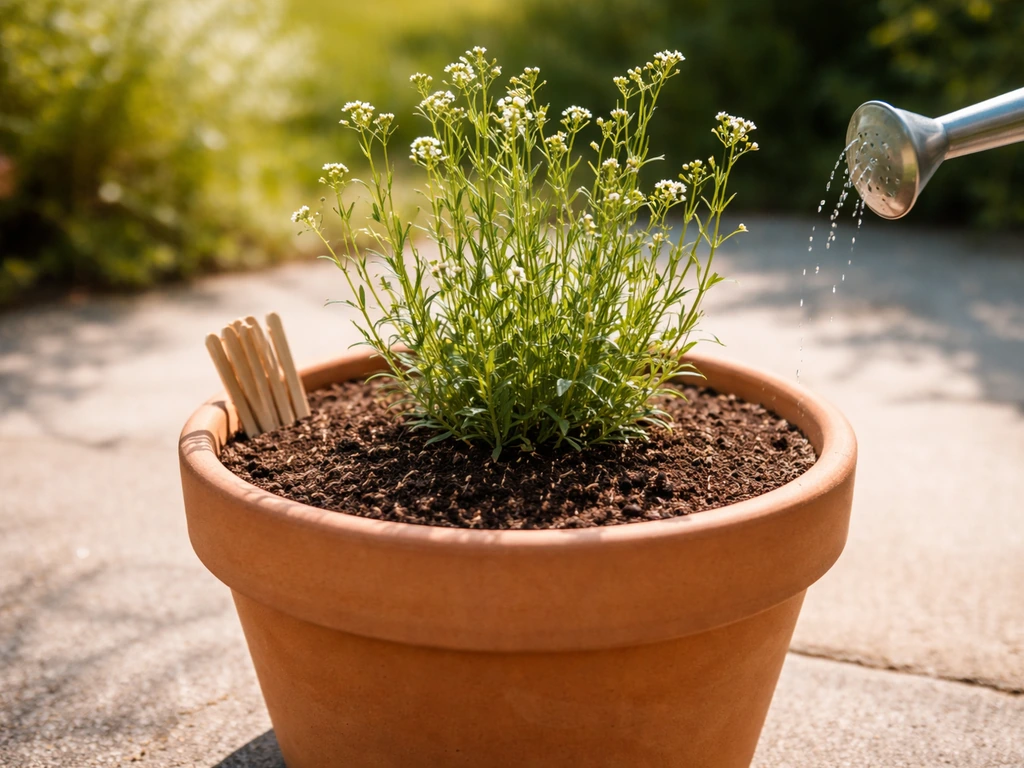
Once the pot is set up and your fluxweed is planted, here's what to do next to give it the best start. When you're ready to apply these same container principles to everyday bloomers, follow a step-by-step guide on how to grow potted flowers for best results. Keep this list somewhere you'll actually look at it in the first few weeks.
- Place the pot in a spot with full sun or very bright light — fluxweed prefers open, sunny exposures.
- Water only when the top 2–3 inches of soil feel dry to the touch. Stick your finger in and check before watering, not on a fixed schedule.
- Empty any saucer within 30 minutes of watering to prevent standing water.
- If the pot is on concrete or a hard surface, elevate it slightly on pot feet or stones so water drains freely from the base.
- Feed with a balanced liquid fertilizer every 2–3 weeks during the growing season, since frequent watering flushes nutrients from container soil.
- In cool climates, bring the pot indoors or into a frost-free space before the first frost — Euphorbia hypericifolia especially needs frost protection when container-grown.
- Check the roots every season. If roots are circling the drainage holes or poking out the bottom, it's time to pot up to the next size (2–3 inches wider).
- Refresh the potting mix or top-dress with fresh mix each season, since container soil breaks down and loses structure over time.
Getting the pot right is honestly more than half the battle with container growing. If you're wondering how to grow a flower in a pot beyond fluxweed, the biggest priorities are choosing the right container size and keeping the soil draining freely container growing. Once you've got a well-draining 5-to-10-gallon container filled with a gritty, fast-draining mix, fluxweed is a pretty forgiving plant.
For autoflower seeds, the same pot-and-soil basics apply so you can grow them outside in containers successfully how to grow autoflower seeds outside in pots. It grows quickly, stays compact, and doesn't need a lot of fuss, it just really hates wet feet. USU Extension notes that containers should both hold water and drain, so you need [a balance rather than only retaining moisture](https://extension. usu.
edu/archive/container-gardening-tips). Nail the pot and the soil, and the rest mostly takes care of itself. If you're also experimenting with other flowering container plants, the same drainage-first approach applies across the board, which makes setting up your next pot a lot faster. If you're specifically looking for the best flowers to grow from seed in pots, focus on varieties that tolerate container life and germinate reliably.
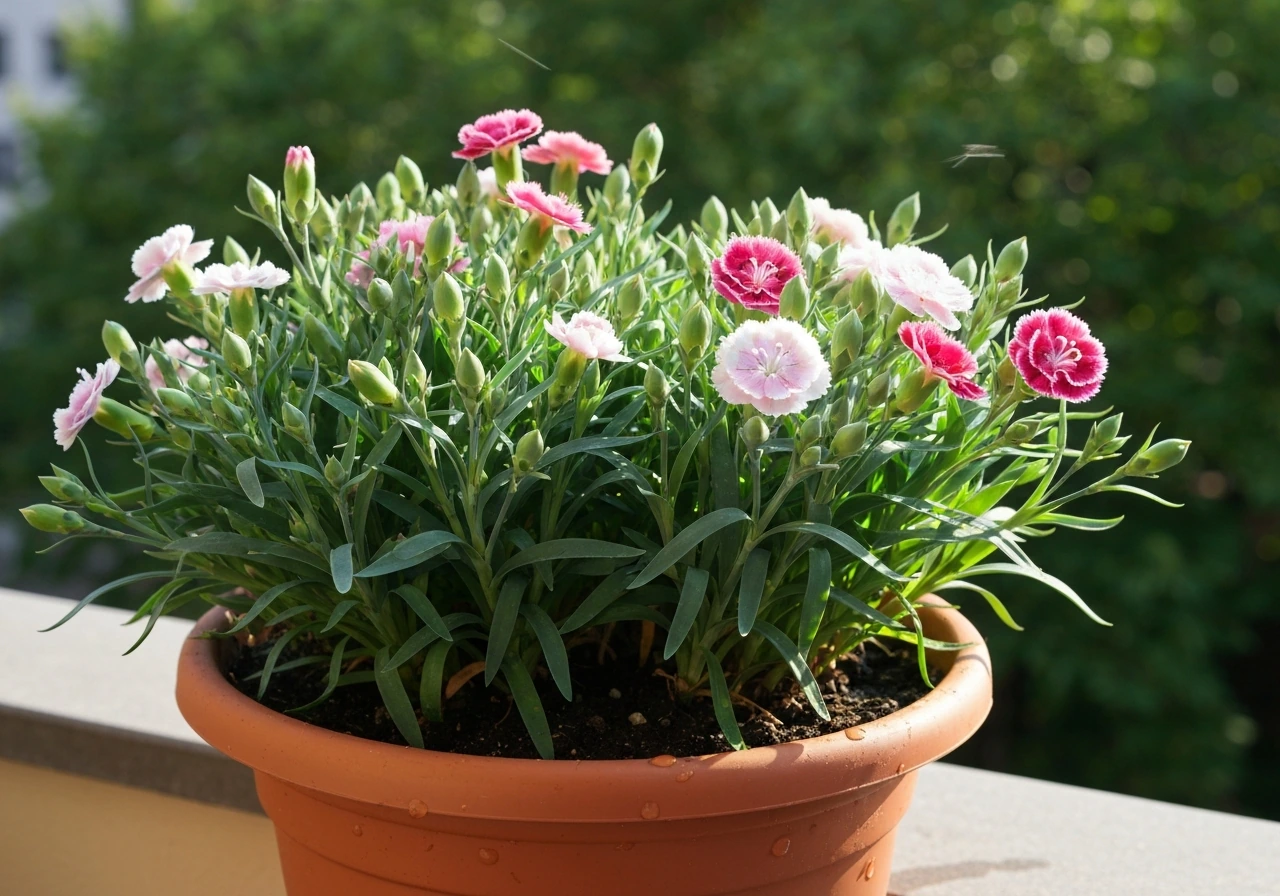
If you want a similar container success story, check out how to grow carnations in a pot for pot size, soil, and watering tips. If you're growing from seed, learn how to grow flower seeds in pots so you can time sowing and keep germination on track. If you want a broader guide beyond this pot sizing advice, this also covers how to grow flower plants in pots from choosing containers to keeping them watered properly.
FAQ
What should I do if the pot I have is way bigger than the fluxweed I’m planting?
If your pot is much larger than the root ball, don’t shrink it with heavy fillers like rocks that create drainage problems. Instead, use a measured approach: keep the pot’s drainage holes unobstructed, and only reduce volume by adding a light layer of coarse bark or broken container pieces at the bottom (about 3 to 4 inches), then top with your fast-draining mix.
Can I start fluxweed from seed in a 5 to 10 gallon pot, or is that too big?
Yes, but treat it as a container-mix problem, not just watering. When seedlings are tiny, they dry out faster than mature plants, so use a gritty, fast-draining seedling mix, water lightly but more frequently, and never allow the tray or bottom saucer to stay wet longer than about 30 minutes.
How can I tell if my fluxweed wilting is from overwatering versus not enough water?
If you see persistent wilting even though the soil feels wet, check for oxygen starvation. In containers, compaction is the usual culprit, so avoid packing the soil and leave a little headspace from the rim to help with even drainage. If possible, repot into a grittier mix and confirm you have multiple drainage holes for a large container.
Which pot material is safest for fluxweed if I live in a hot climate and it dries out quickly?
Terracotta and fabric usually outperform plastic in hot or dry climates because they reduce the time soil stays saturated. If you must use plastic, compensate by watering less often, using a more mineral, gritty mix, and making sure your saucer is dry after the 30 minute window to prevent root rot.
Does adding gravel to the bottom of the pot help fluxweed drainage?
A layer of gravel at the bottom does not reliably improve drainage, and it can reduce usable soil volume in a way that traps moisture near the roots. The better approach is a well-draining, gritty mix plus enough container volume, and only using a coarse bottom insert to reduce excess wet soil.
When should I fertilize fluxweed in its new container, and how often?
Your best timing is based on whether fluxweed is actively growing and whether the soil is drying between waterings. After transplanting, you can add a small amount of slow-release granular fertilizer mixed into the top few inches, then pause additional feeding until you see steady growth, since container watering flushes nutrients faster than ground beds.
Is it possible to grow fluxweed in a pot indoors, and what changes from outdoor care?
Yes, fluxweed can be grown indoors in containers, but airflow and light intensity matter. Put it where it receives bright light, rotate the pot so stems don’t lean, and be extra strict about preventing pooled water in a saucer, since indoor evaporation is slower.
How do I troubleshoot drainage if my fluxweed pot still stays wet too long after watering?
Even with the right pot size, the mix should drain quickly. If you water and it takes a long time to stop draining, mix quality or compaction is the likely issue, not the container itself. Improve the mix with more grit or coarse components, and check that drainage holes are not blocked by roots, liners, or debris.