You can grow beautiful, continuously blooming flowers in small pots if you pick the right plants, use a quality potting mix, keep up with watering (which matters more in small containers than almost anything else), and give them enough light. Pots 8 inches or smaller work best with compact or dwarf varieties. Get those basics right and you will have color on a balcony, windowsill, or tiny patio all season long.
How to Grow Flowers in Small Pots: A Complete Guide
Marcus Whitley
3 Jun 2026
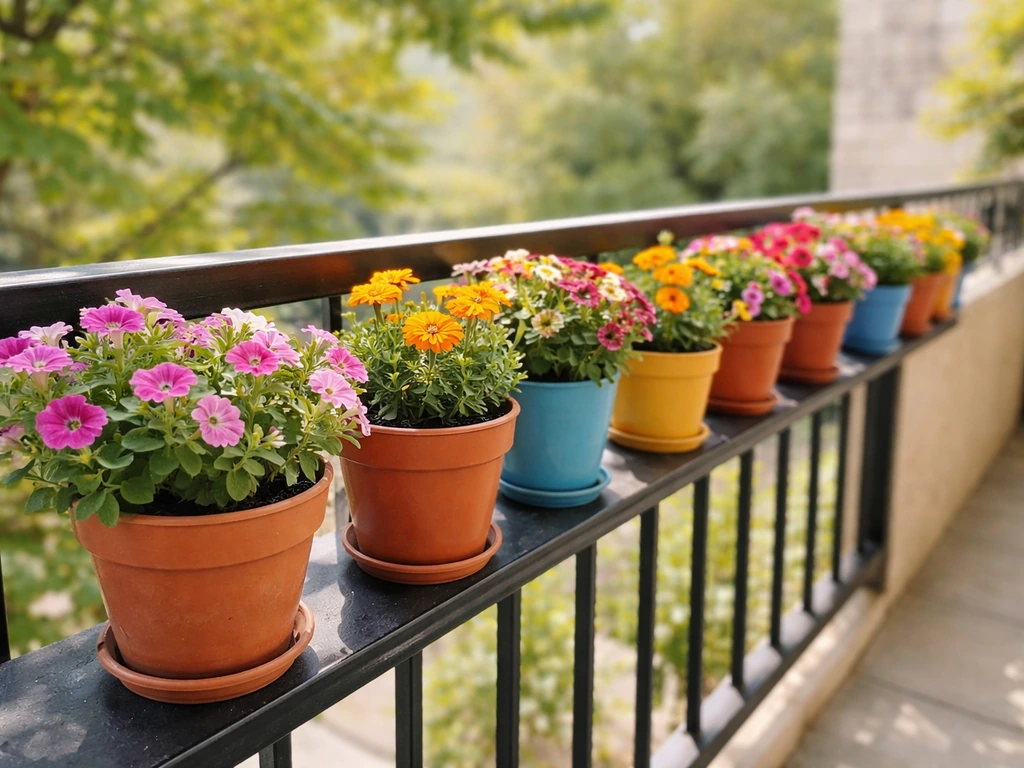
Pick the right flowers for small pots
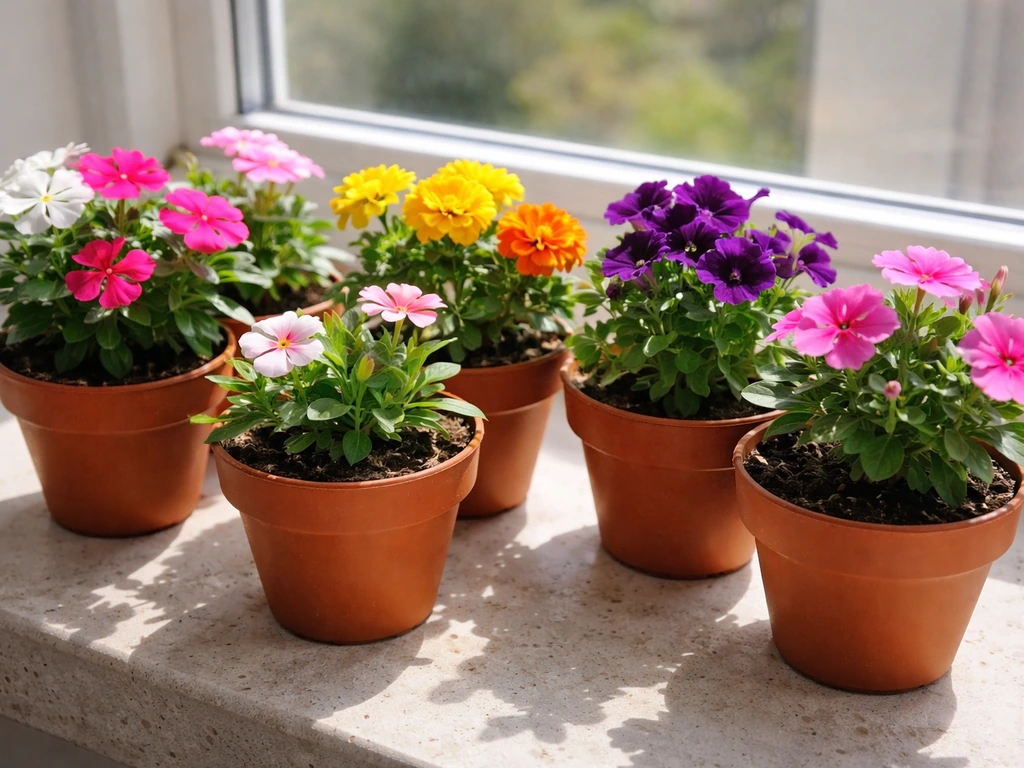
Not every flower is happy being squeezed into a small container, and starting with the wrong plant is the most common reason beginners get frustrated. The good news is that plenty of annuals are naturally compact and actually thrive in restricted root space. The key is matching your flower choice to your light situation before you even buy a single plant.
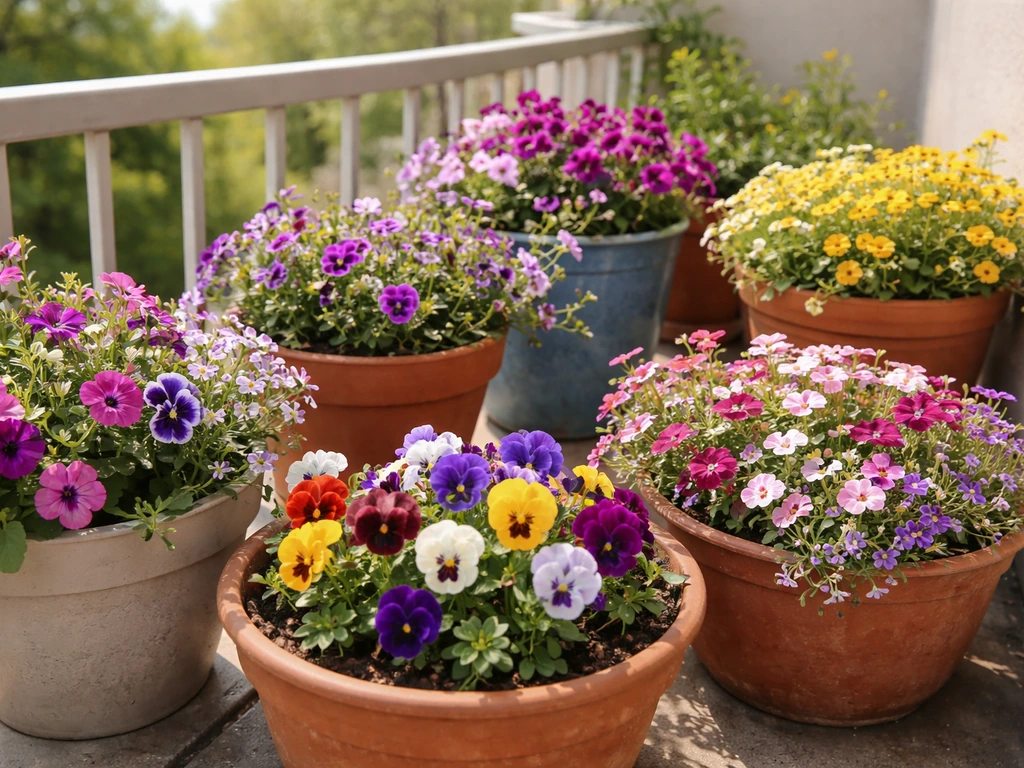
For sunny spots (at least 6 hours of direct sun a day), vinca (also called Catharanthus roseus) is one of my top picks. It blooms heavily from June through October, handles heat well, and does not need constant attention. Petunias, marigolds, zinnias, and verbena are all reliable sun-lovers that respond beautifully to small-pot conditions when you keep up with feeding and deadheading. Impatiens are the go-to for shadier spots. They prefer just a couple of hours of softer sunlight rather than intense afternoon sun, and they produce non-stop color without much fuss. Most of these are available at any garden center right now in early June, so timing is perfect.
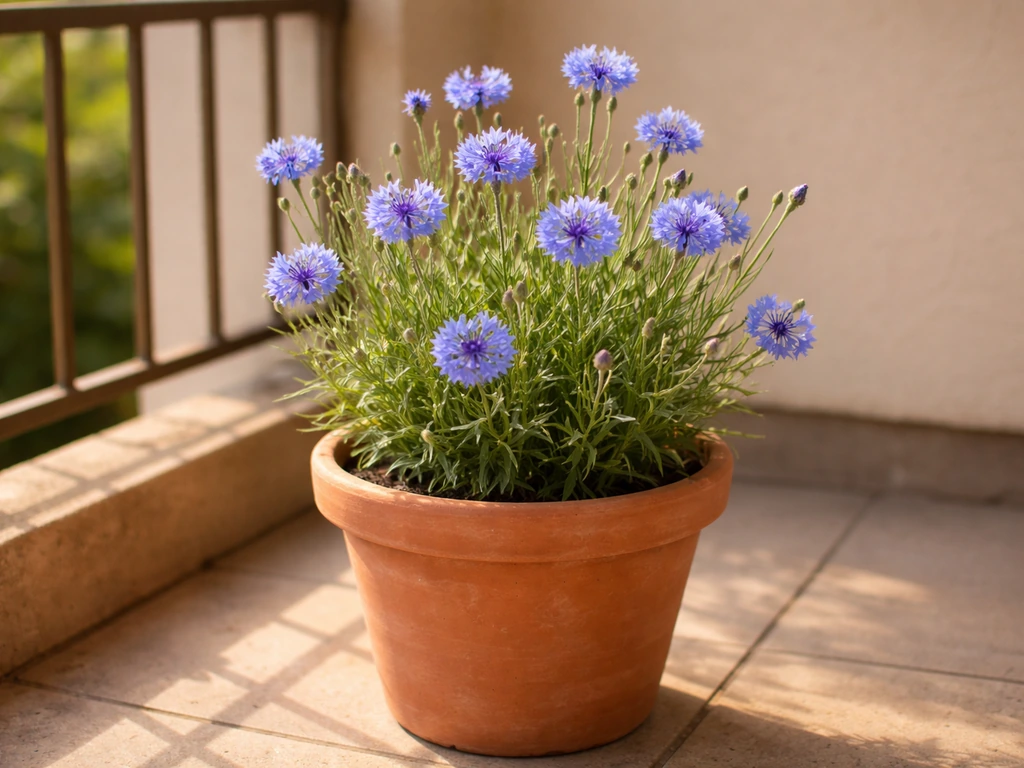
If you want to grow something a little different, cornflowers are a charming option that do well in containers and can be direct-sown from seed. They tend to stay compact enough for modestly sized pots and give you that cottage-garden look without needing a lot of space.
| Flower | Light Needed | Pot Size Minimum | Self-Cleaning? | Best Season |
|---|---|---|---|---|
| Vinca | Full sun (6+ hrs) | 6–8 inches | Mostly yes | June–October |
| Impatiens | Part shade (2–3 hrs) | 6–8 inches | Yes | Late spring–fall |
| Petunias | Full sun (6+ hrs) | 6–8 inches | No (deadhead) | Spring–fall |
| Marigolds (dwarf) | Full sun (6+ hrs) | 6 inches | No (deadhead) | Spring–fall |
| Zinnias (compact) | Full sun (6+ hrs) | 8 inches | No (deadhead) | Summer–fall |
| Cornflowers | Full sun (6+ hrs) | 6–8 inches | Partially | Spring–early summer |
Choose pot size, material, and drainage
Any pot 8 inches or smaller in diameter is genuinely a small pot, and it will realistically only support dwarf or compact plants. For most small-pot flowers, you want a container that is about 1 to 2 inches wider than the plant's current root ball. Going too big is not automatically better because excess soil around the roots holds moisture longer than the roots can use it, which leads to rot. Going too small stresses the plant and leads to root-bound problems fast.
Drainage is non-negotiable. Every pot you use must have holes in the bottom. Without them, water pools at the roots and your plant will die even if the surface looks dry. If you have a decorative outer pot or wrapper with no holes, place your planted pot inside it but drain the outer container after every watering so roots are never sitting in standing water. A common trick that does not work: adding a layer of gravel at the bottom of the pot. Research from Illinois Extension confirms this does not improve drainage and can actually make waterlogging worse, so skip it entirely.
Material matters more than most people realize. Terracotta and unglazed clay pots are porous, which means they breathe and dry out faster. That is great for drainage but means you will water more often. Plastic, glazed ceramic, and resin pots hold moisture longer, which can reduce watering frequency but also increase the risk of overwatering if you are not paying attention. In hot or windy spots, heavier pots also have a stability advantage. Adding some extra perlite to your potting mix can actually help weigh down lighter containers and reduce blow-over risk.
- Always use pots with drainage holes in the bottom
- Match pot width to root ball: 1–2 inches wider than the roots
- Empty saucers and trays after watering so roots never sit in pooled water
- Skip the gravel layer at the bottom of pots — it does not help
- Terracotta dries faster (more watering), plastic holds moisture longer (less watering, more rot risk)
Use the best potting mix and planting setup
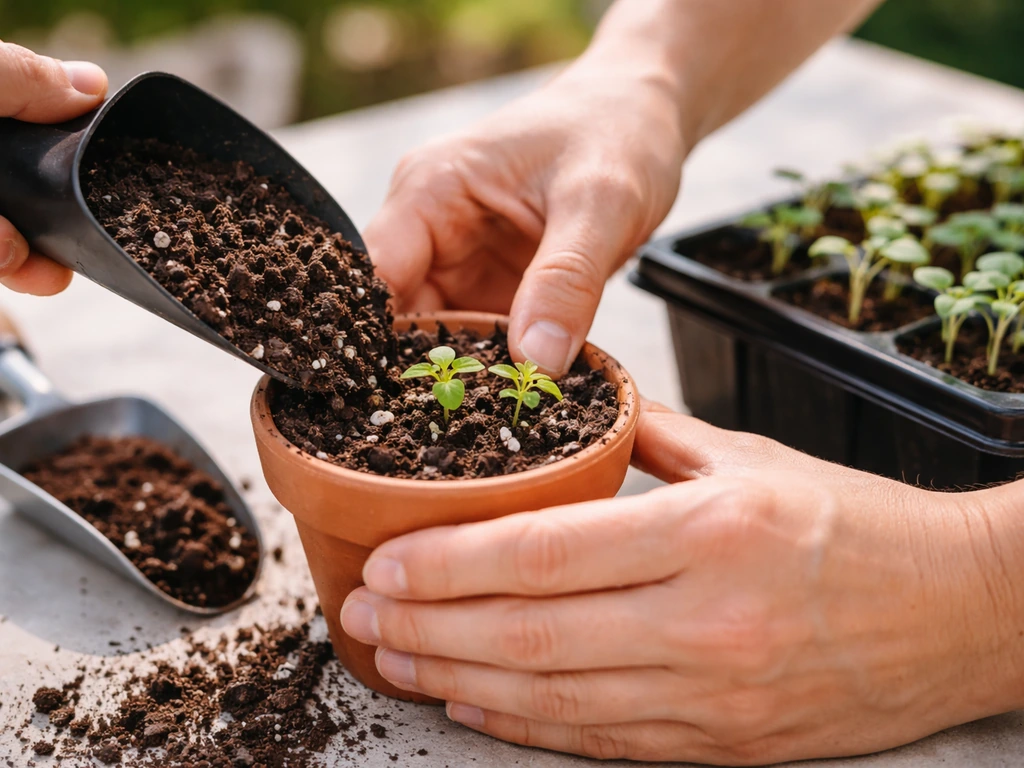
Never use plain garden soil in a container. It is too dense, compacts quickly inside a pot, and will stay waterlogged in ways that suffocate roots. A quality commercial potting mix is the starting point, and you want one that includes perlite or vermiculite for drainage plus peat moss, coconut coir, or bark for organic matter and moisture retention. The target pH for most container mixes is around 6.2, which is slightly acidic and suits most flowering annuals well.
If you want to add compost to boost nutrition, do it in moderation. Limit compost to about 15 to 40 percent of your total mix. Many composts have a pH above 7.0, and using too much throws off the soil chemistry and can cause structure problems that hurt drainage.
For planting depth, most shallow-rooted flowering annuals (which is most of what you would grow in small pots) need at least 6 to 8 inches of potting mix depth. That means a pot that looks small on the outside should still provide that depth inside. When transplanting seedlings or nursery starts, plant at the same depth they were growing in their original cell or pot. Gently loosen any circling roots at the bottom of the root ball before you put the plant in the mix. Compacted, circling roots will keep circling and eventually choke the plant from the inside.
If you are direct sowing seeds (cornflowers work great this way), follow the packet depth guidance, keep the surface consistently moist until germination, and thin seedlings to avoid overcrowding. In a 6-inch pot, you are usually looking at one plant, maybe two very compact ones.
Watering in small containers: how often and how much
Watering is where most small-pot flower projects succeed or fail. Small containers hold very little moisture, and in hot or windy weather they can dry out shockingly fast. In peak summer heat, you may need to water small pots once or even twice a day. In cooler weather or for larger containers, once or twice a week might be enough. There is no single right schedule because it depends on your pot material, your weather, and which plant you are growing.
The most reliable method is the finger test. Push your finger about 2 inches into the potting mix near the plant stem. If the soil feels dry at that depth, water. If it still feels moist, wait and check again later. This is more accurate than any app or timer. When you do water, do it thoroughly. Pour until water runs freely out of the drainage holes. That ensures moisture reaches the lower root zone and does not just wet the surface.
Never let a small pot dry out completely between waterings. Doing so damages the fine feeder roots, and once those are gone the plant can struggle to absorb nutrients even when water is available. On the flip side, overwatering is just as deadly. Signs of overwatering include wilting or yellowing leaves, especially the lower and inner ones, followed by leaf drop. If your plant is wilting even though the soil is wet, poor drainage or compacted mix is usually the culprit, not too little water.
A practical upgrade worth considering: self-watering containers use a built-in reservoir and draw water up through the potting mix via capillary action. They significantly reduce how often you need to water and protect against the dry-out-then-flood cycle that stresses small-pot plants. If you travel or tend to forget watering, they are a genuinely useful investment. You can also mix moisture-retaining gel crystals into your potting mix to slightly extend the time between waterings.
Light and placement for nonstop blooms
Most flowering plants need at least 6 hours of direct sunlight per day to bloom consistently. That is not negotiable if you are growing sun-lovers like petunias, vinca, marigolds, or zinnias. If you put a sun-loving flower in a shady spot, it will grow leggy and produce very few blooms no matter how well you water and feed it. Before you buy anything, spend a day watching where the sun actually hits your balcony, windowsill, or patio and for how long.
For shady spots with only 2 to 3 hours of softer light, impatiens are your best friend. They are practically made for dappled or part-shade conditions and will bloom from late spring through fall without complaint. Begonias are another solid shade option worth exploring.
Wind is something small-pot gardeners often overlook. A small, lightweight pot in a windy spot can tip over, dry out extremely fast, and subject plants to stress that slows blooming. If your space is exposed, choose heavier pots, add extra perlite to the mix for ballast, and consider moving pots slightly away from the windiest edge. In early spring and late fall, temperatures can drop fast. Most tender annuals are damaged below 50°F, so bring small pots inside or into a sheltered spot when nights get cold.
Feeding, deadheading, and pruning to keep blooms going
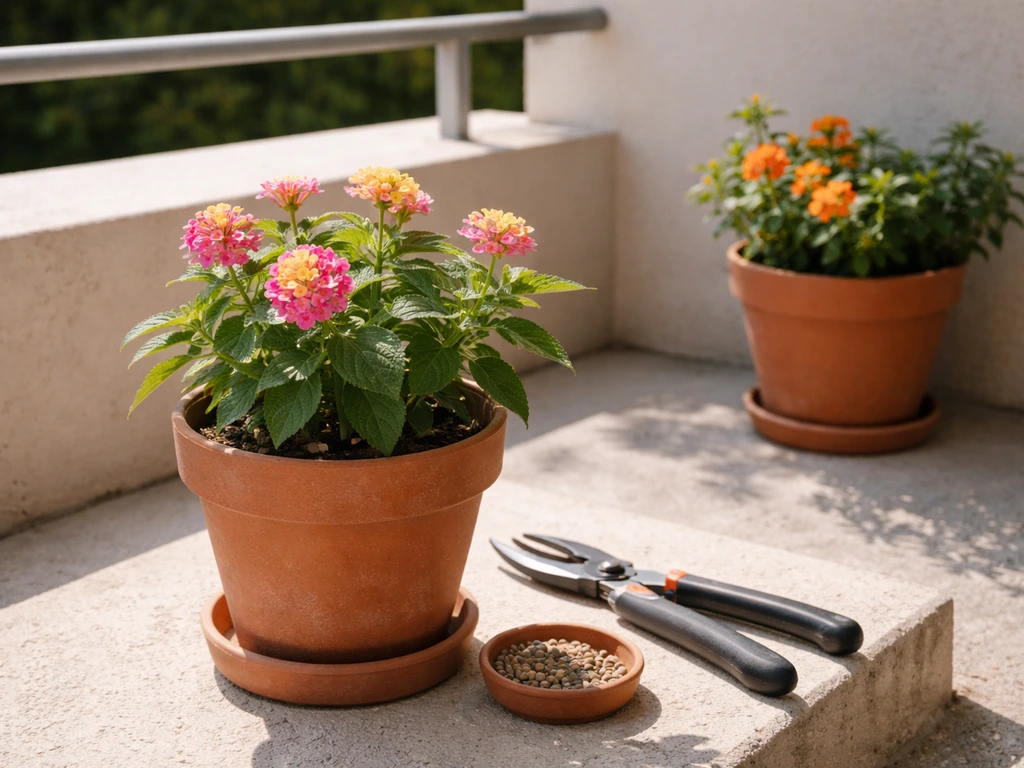
Container plants cannot reach out into the surrounding soil for nutrients the way in-ground plants can. Everything they get comes from what is already in the pot, and with small volumes of potting mix that runs out faster than you might expect. Regular feeding is essential for continuous blooms.
The easiest approach is to mix a slow-release granular fertilizer into your potting mix at planting time. This gives plants a steady baseline of nutrition without you having to remember weekly. Then supplement with a liquid fertilizer every three weeks or so during the growing season. Look for a balanced fertilizer or one with slightly higher phosphorus (the middle number on the package), since phosphorus supports flower production. If your plant looks pale green or yellow and is growing slowly, it is telling you it needs more nutrition.
Deadheading means removing spent, faded flowers before they set seed. Many plants slow down or stop blooming once they successfully produce seeds, so removing old flowers encourages the plant to keep trying. For petunias and marigolds, remove the faded flower and the small stem section below it where the seed would form. For zinnias, verbena, and salvia, the same general rule applies. Cut just above the first healthy set of leaves below the spent bloom. Not every plant needs deadheading though. Vinca and impatiens are mostly self-cleaning, meaning old flowers fall off on their own and the plant keeps blooming without your help.
If your plants get leggy (long, stretched stems with few leaves or flowers), a light pruning can refresh them. Trim back by about a third, make sure they are getting enough light, and give them a dose of liquid fertilizer. Most annuals will bounce back within a week or two with a fresh flush of compact growth and new blooms.
Troubleshoot common problems: no blooms, leggy growth, and pests
No blooms or very few flowers
The most common cause is not enough light. If your pot is not getting at least 6 hours of sun and you are growing a sun-loving variety, move it. The second most common cause is not feeding enough. Container plants need regular fertilizer, and without it they slow down significantly. Check that you are deadheading plants that need it, because leaving old seed heads on the plant signals it to stop producing new flowers.
Leggy, stretched-out growth
Leggy growth means the plant is reaching for light. Move it somewhere brighter. If it is already in full sun, the plant may just need a trim and a good feed to reset. Leggy annuals are not dying, they just need encouragement. Cut them back by a third, water well, and apply liquid fertilizer.
Root-bound stress
When roots circle and fill the pot completely, the plant hits a wall. Growth slows, the plant may wilt even after watering, and flowering drops off. If you tip the plant out of the pot and see a dense mass of roots with almost no potting mix visible, it is root-bound. The fix is to pot it up into a container that is 1 to 2 inches wider, gently loosen the circling roots, and replant in fresh potting mix. In small pots this can happen faster than you expect, especially with vigorous growers.
Overwatering and underwatering
Wilting with dry soil means underwatering. Water thoroughly until it drains from the bottom. Wilting with wet soil means overwatering or poor drainage. If you are overwatering, let the mix dry out more between waterings and make sure your drainage holes are actually draining. If the mix itself is compacted and not draining, you may need to repot with fresh, perlite-enriched mix. Yellowing of lower leaves is usually the first sign of chronic overwatering.
Pests and diseases in containers
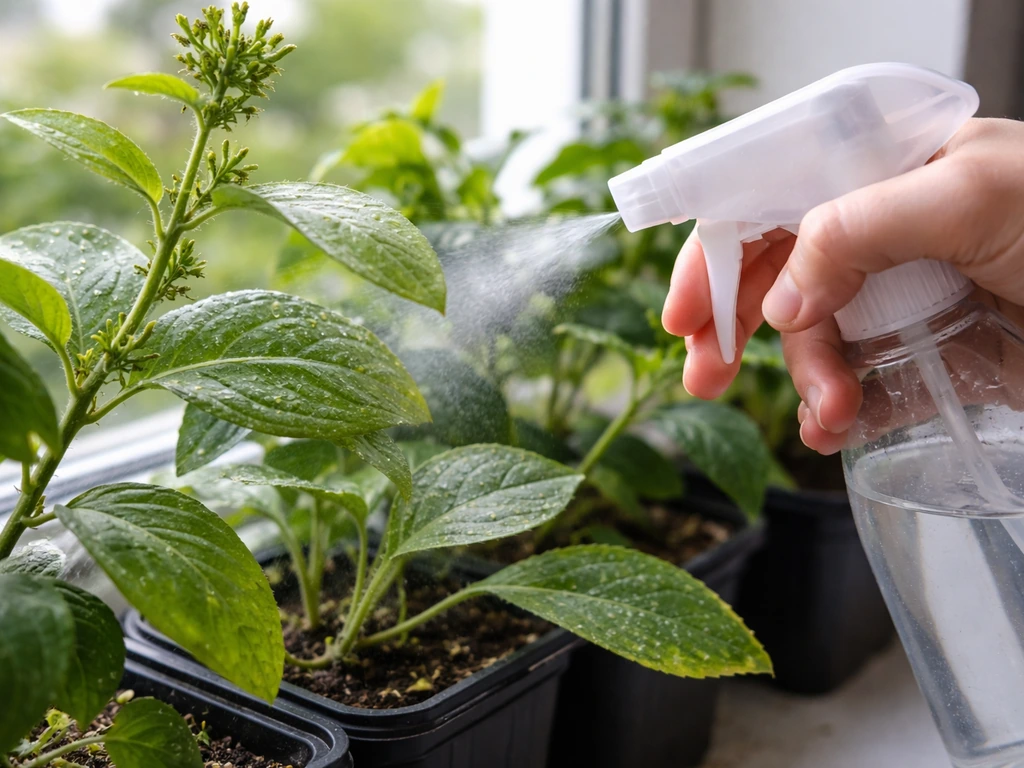
Small pots are not immune to pests. Aphids, fungus gnats, spider mites, and whiteflies are the most common visitors. Aphids cluster on new growth and flower buds. A strong spray of water knocks most of them off, and insecticidal soap handles the rest. Fungus gnats (tiny flies hovering around the soil) are almost always a sign of overwatering. Letting the top inch or two of mix dry out between waterings stops their life cycle quickly. Spider mites show up in hot, dry conditions and leave fine webbing on leaves. Increase humidity around the pot, spray leaves with water, and use neem oil or insecticidal soap if needed. Good airflow around your pots, avoiding waterlogged soil, and inspecting plants weekly all go a long way toward preventing problems before they start.
Seasonal maintenance at a glance
| Season | Key Tasks |
|---|---|
| Spring | Choose and plant compact annuals after last frost; mix slow-release fertilizer into fresh potting mix; place pots in their correct sun or shade position; start watering routine |
| Summer | Water daily (or twice daily in heat waves); feed with liquid fertilizer every 3 weeks; deadhead regularly; watch for pests; move pots away from intense reflected heat if needed |
| Fall | Trim back leggy plants for a late flush of blooms; reduce watering as temperatures drop; bring tender plants inside before nights hit 50°F; clean and store pots before hard frost |
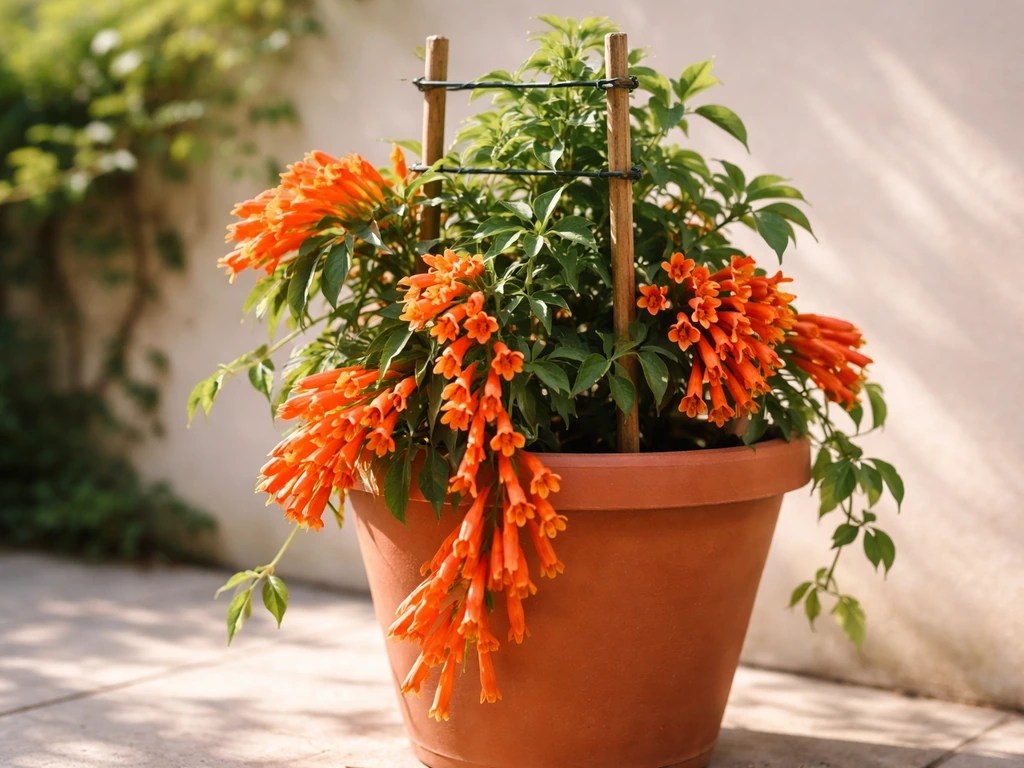
Growing flowers in small pots is genuinely achievable, even if you have never grown anything before. You can use the same pot-based setup to figure out how to grow flame vine in pots, since it also depends on the right light, mix, and watering routine Growing flowers in small pots. The learning curve is mostly about getting the feel for watering frequency and matching the right plant to your light conditions. Once those two things click, the rest follows naturally. Start with one or two forgiving plants like vinca or impatiens, get your drainage and potting mix sorted, and build from there. Fluxweed will also grow well in small containers, so you do not need a large pot to get healthy blooms grow fluxweed without a large pot. If you want a full, step-by-step approach, follow this guide on how to grow flowers in pots at home. Every small-pot season teaches you something that makes the next one better.
FAQ
Can I plant more than one type of flower in the same small pot?
Yes, but choose plants that stay compact and avoid sharing one pot with too many different varieties. If you combine flowers, keep to similar light and watering needs, and leave enough spacing so crowns do not crowd and trap moisture.
How often should I fertilize small-pot flowers?
For most small-pot annuals, fertilize at planting with a slow-release product, then add liquid feed about every 2 to 3 weeks during active growth. If you see pale leaves plus slower growth, increase feeding slightly rather than adding more nitrogen-heavy products all at once.
What should I do if my small pots keep drying out in windy weather?
Try a windproofing step before you solve plant problems. Move pots away from exposed edges, use heavier planters, and ensure the pot sits on a stable surface. If leaves are crispy or flowers are stalling, you may be dealing with stress from drying winds rather than a nutrient issue.
My potting mix feels wet for days. Is that overwatering or bad soil?
If the soil stays wet longer than a day or two, the first suspect is mix density or poor drainage. Replace with a fresh potting mix that includes perlite or vermiculite, confirm holes are open, and water only after the finger test shows dryness at about 2 inches.
Can I use garden soil in small flower pots?
Not usually. Plain garden soil often compacts in containers and holds water around roots, which can cause rot even if the top looks dry. A good container mix with added drainage material is the safer choice for small pots.
How do I know when my flower is root-bound and needs a bigger pot?
If the pot is too small, root binding can happen quickly, and the plant may wilt even though the mix has some moisture. Check by tipping the pot out, and if roots form a tight mass, upsize to a container only about 1 to 2 inches wider (and refresh with new mix).
Do I need to empty runoff after watering a decorative outer pot?
Most small pots need draining after watering if they sit in a decorative outer sleeve. Water thoroughly, then empty any runoff from the bottom tray or outer cache pot so roots are not sitting in water overnight.
What’s the fastest way to troubleshoot wilting in a small pot?
Give the plant a chance to recover, then correct the cause. If leaves are yellow and the mix is wet, pause fertilizing, improve drainage, and let the mix dry more between waterings. If wilting happens with dry mix, water thoroughly and do a better finger-test schedule.
Why does the top of my pot dry out quickly but the plant still looks stressed?
Keep an eye on water-holding balance: if the top inch dries but the deeper mix stays wet, you may have uneven wetting or hydrophobic mix. Water more slowly and steadily until drainage flows freely, then let it approach the finger-test dryness again before watering.
Are self-watering pots worth it, and do they have downsides?
Yes, self-watering containers can help, but only if you size them correctly and do not overfill the reservoir. Check how fast the mix draws water, refill on schedule, and still use the finger test occasionally to confirm the root zone is not staying saturated.
How can I prevent seed germination problems in small pots?
For seeds, the key is consistent moisture at the surface. If you let the top dry before germination, many seeds fail or sprout unevenly. Use a light cover as directed on the packet and keep the surface lightly moist until seedlings are established.
Should I prune or deadhead when my small-pot flowers slow down?
Some plants need pruning beyond deadheading. If flowers become sparse and stems are long, a light cutback (about one-third) can restart bloom, but only do it when the plant is getting enough light and is not suffering from overwatering.