Yes, cornflowers grow really well in pots, and they're one of the easier flowers to start from seed in a container. You need a pot at least 20–25 cm deep with good drainage holes, a free-draining compost mix, full sun, and a bit of patience while the seeds germinate. Sow directly into the pot rather than transplanting if you can, keep the soil just moist between waterings, and deadhead spent blooms regularly. For more general guidance on container gardening, review our tips on how to grow flowers in pots at home. Do those things and you'll have a steady flush of flowers from late spring through summer.
How to Grow Cornflowers in Pots: Step by Step Guide
Marcus Whitley
27 May 2026
Can cornflowers grow in pots? What to actually expect
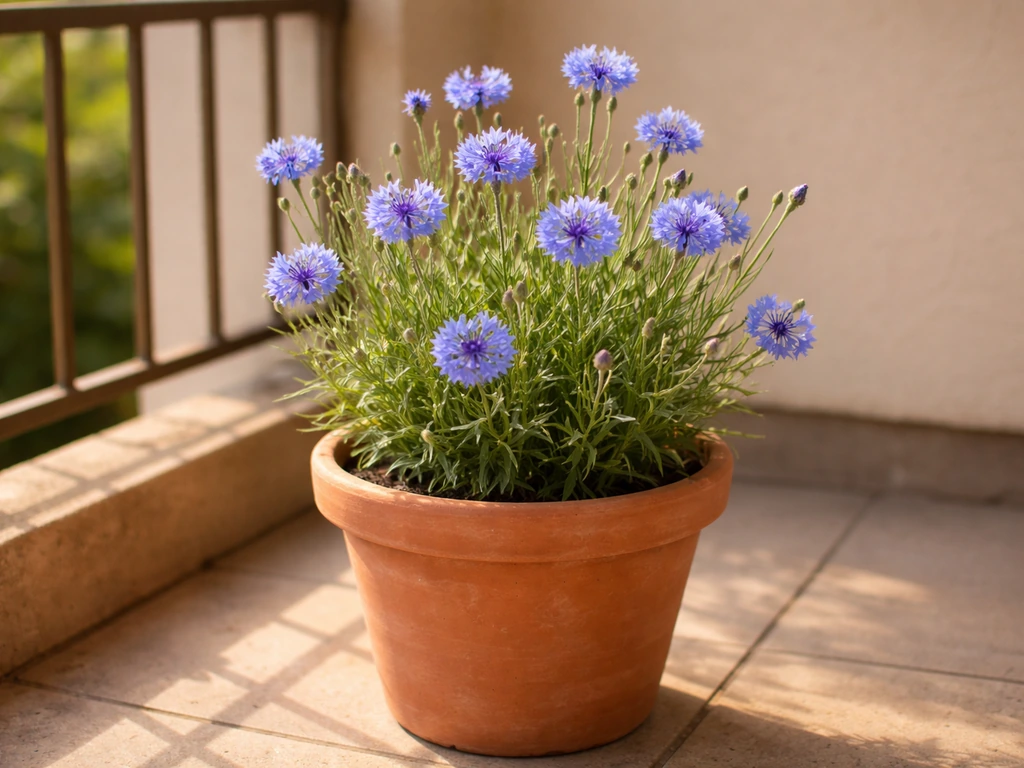
Cornflowers (Centaurea cyanus) are annual plants that naturally grow in thin, well-drained soils, which makes them surprisingly well-suited to container life. They don't need rich compost or constant feeding, and they're tolerant of a bit of neglect. What they do need is sun and drainage, both of which you can control well in a pot.
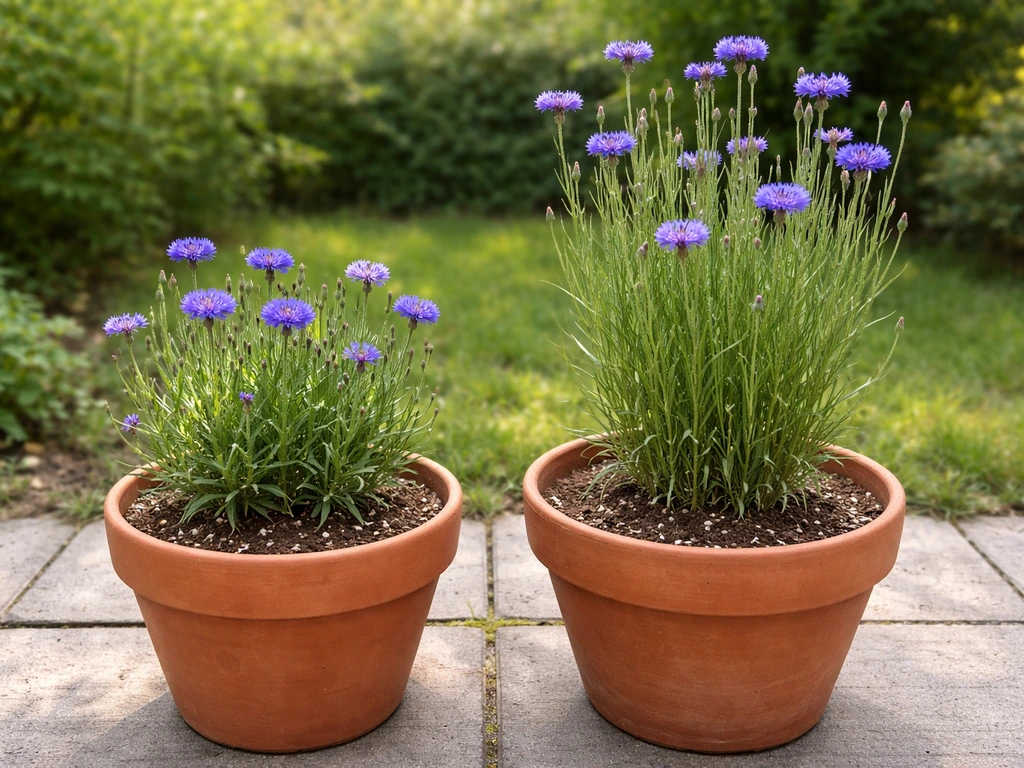
The main thing to set realistic expectations around is height. Standard cornflower varieties can reach 75–120 cm tall, which is a lot for a container. They can get leggy and top-heavy unless you pick compact cultivars or give them some support. The classic flowers are that vivid deep blue, about 3–4 cm across, and they're absolutely worth growing for a cut flower or just for colour on a balcony or patio. Flowering typically runs from late spring into summer, so you're looking at a few solid months of blooms if you keep on top of deadheading.
One thing I'll be upfront about: cornflowers don't love being moved around once established. Their roots are a bit sensitive to disturbance, which is why sowing seeds directly into the final pot gives you much better results than trying to transplant seedlings. More on that in the sowing section.
Pick the right variety, pot size, and location
Best varieties for pots
Variety choice genuinely matters here. Tall types like the standard Centaurea cyanus can hit 120 cm and will struggle to stay upright in a small pot. For containers, you want something compact. blank" rel="noopener noreferrer">'Florence Pink' is a great pick at around 35 cm tall with a 25 cm spread, and it flowers from June to September. 'Black Ball' (a deep burgundy-maroon, despite the name) grows to about 75 cm with a 30 cm spread and works in a larger pot if you're happy to stake it. For the classic blue, look for dwarf or compact series specifically listed as 30–40 cm tall. BBC Gardeners’ World Magazine notes cornflower height can range from about 30 cm up to 120 cm, showing cultivars vary a lot blank" rel="noopener noreferrer">cornflower varieties listed as 30–40 cm tall.
Pot size guidance
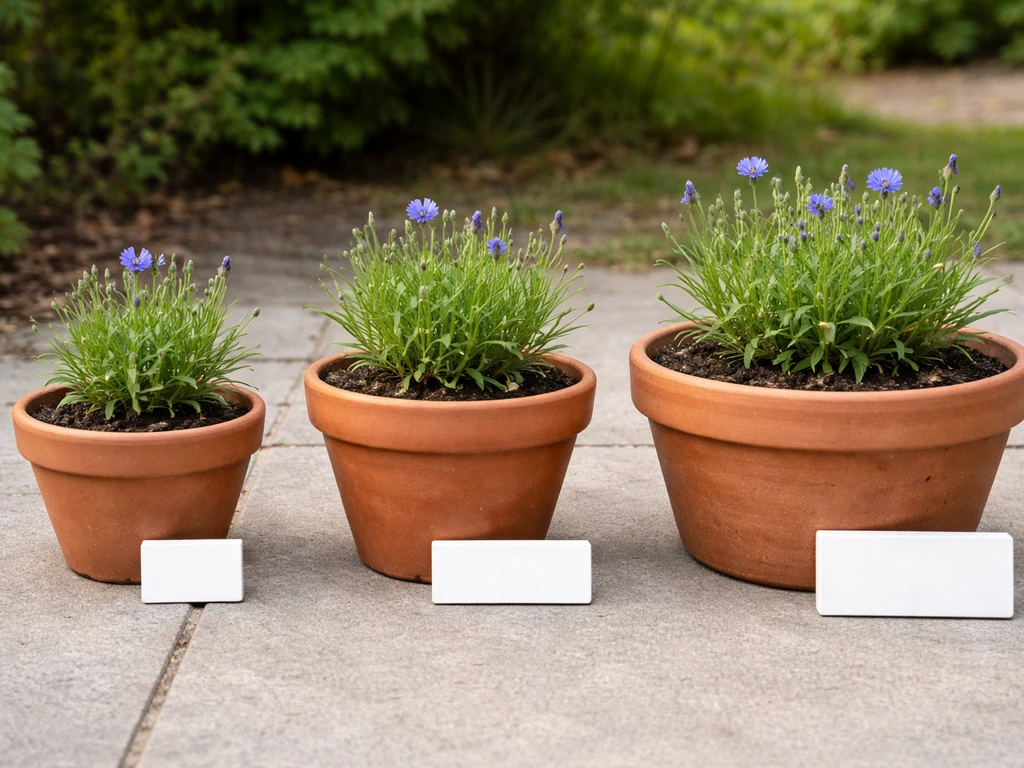
For compact varieties (around 35 cm tall), a pot that's at least 20–25 cm wide and deep is workable for one or two plants. For taller types or if you want a fuller display, go for a 30–40 cm wide container. The depth matters as much as the width because cornflower roots grow downward. Drainage holes are non-negotiable: if your pot doesn't drain freely, you'll end up with root rot before the plants flower.
Where to put them
Cornflowers need full sun. Aim for at least six hours of direct sunlight a day. A south or west-facing spot on a balcony, patio, or windowsill ledge works well. Flame vine is a different flowering climber, but you can still grow it successfully in a pot if you give it a warm, sunny spot, fast-draining compost, and regular watering as it establishes flame vine in pots. They'll tolerate a little partial shade but will grow leggier and produce fewer flowers. One advantage of pots is that you can move them to chase the sun early in the season, then shift them somewhere with a bit of afternoon shade once summer heat peaks, which helps extend flowering.
Soil mix and drainage setup
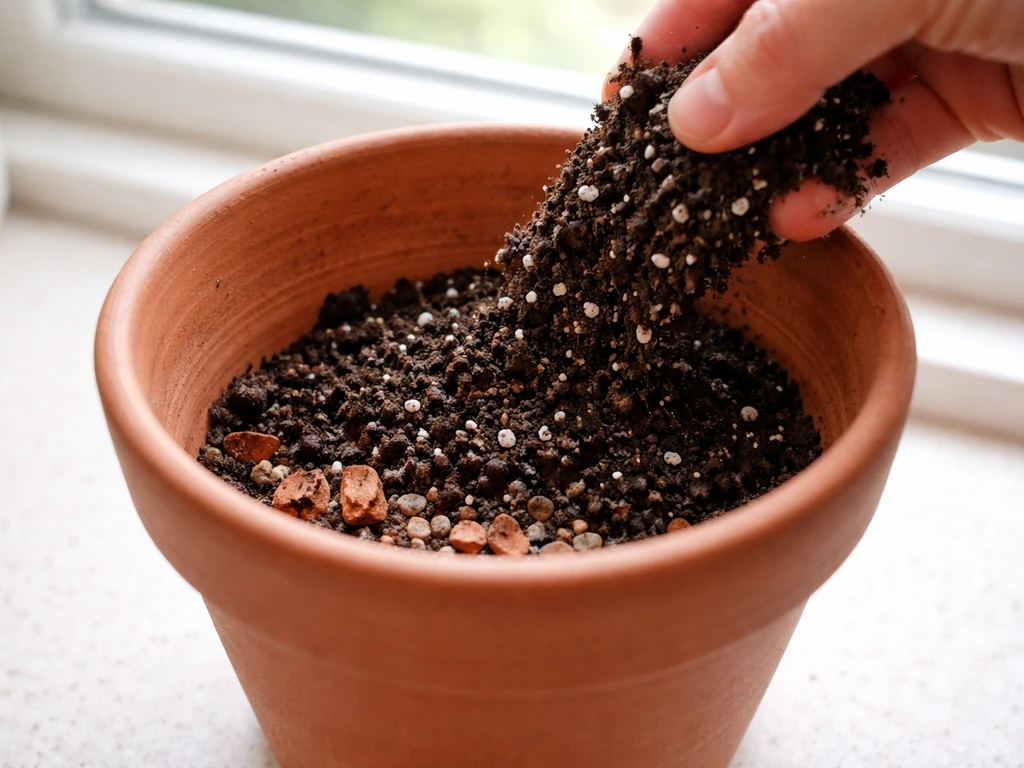
Standard multipurpose compost on its own tends to hold too much moisture for cornflowers. What works better is a mix of roughly two-thirds multipurpose compost to one-third perlite or horticultural grit. This keeps the mix free-draining while still holding enough moisture between waterings. Cornflowers prefer a neutral to slightly alkaline pH, somewhere around 6.6–7.8, so avoid very acidic ericaceous compost.
At the bottom of the pot, add a layer of crocks (broken bits of terracotta), gravel, or even a few handfuls of coarse grit. This stops the drainage holes from blocking up and prevents waterlogging at the roots. If you're using a pot with a saucer, don't let water sit in it for more than an hour after watering. Cornflowers are a lot more forgiving of dry spells than soggy soil.
You don't need a specialist seed-starting compost for direct sowing into a pot. The multipurpose and grit mix works fine. If you're starting seeds in a separate tray first (more on that below), use a fine seed compost for germination, then pot on into the mix above once seedlings are established.
Sowing seeds vs transplanting seedlings
Why direct sowing into the pot is the better option
I'd strongly recommend sowing directly into the container you plan to grow in, rather than starting in trays and transplanting. Cornflowers have a taproot that really doesn't like being disturbed, and transplant shock can set them back noticeably or cause them to sulk and produce fewer blooms. Direct sowing sidesteps this entirely.
When to sow
You have two windows: spring (March to May) or autumn (September to October). Spring sowings will flower in late spring and summer of the same year. Autumn sowings in mild climates will overwinter as seedlings and flower earlier the following year. For most gardeners, a spring sow is the simplest approach. Soil temperature should be around 15–18°C for best results, so late spring (May) is ideal in cooler climates if you want reliable germination.
How to sow step by step
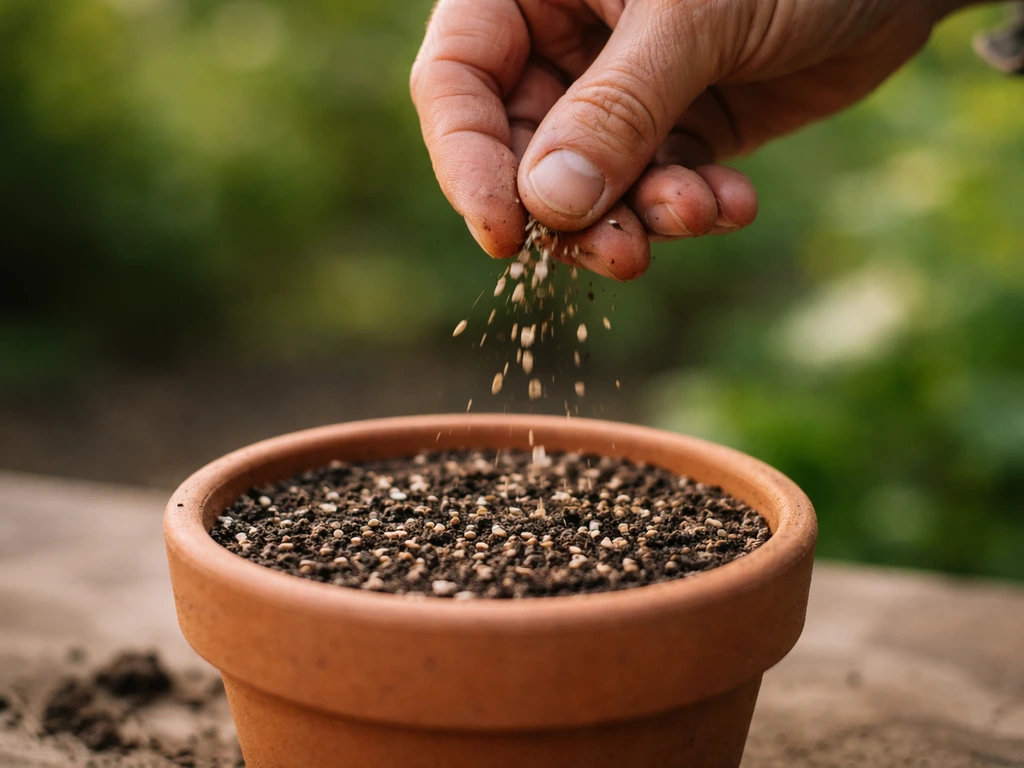
- Fill your prepared pot to about 2 cm below the rim with your compost and grit mix. Water it lightly and let it drain.
- Scatter seeds thinly across the surface or make shallow rows. Aim for seeds about 15–25 cm apart if you're spacing deliberately.
- Cover seeds with about 0.5–1 cm of compost or fine grit. No deeper than 1 cm. Burying them too deep is one of the most common reasons germination fails.
- Water gently with a fine rose watering can so you don't disturb the seeds or wash them into a clump.
- Place the pot in a sunny spot. Seeds need light as well as warmth to germinate, so don't cover the pot with opaque material.
- Expect germination in 7–14 days at the right temperature (15–18°C). It can stretch to 21 days if temperatures are on the cooler side.
- Once seedlings are a few centimetres tall, thin them out so each plant has roughly 20–25 cm of space. It feels brutal pulling out seedlings, but crowded plants get leggy and prone to disease.
If you do transplant seedlings
If you're starting from shop-bought seedlings or ones you've started in a tray, handle the roots as gently as possible. Water the seedling well before transplanting, ease it out of its original container without pulling the stem, and plant it at the same depth it was growing before. Water in immediately and keep it out of harsh sun for a day or two while it settles. Expect a bit of drooping at first. This is worth doing if it's late in the season and you want a head start, but direct sowing is almost always less stressful for the plant.
Watering and fertilizing for steady growth and blooms
Getting watering right
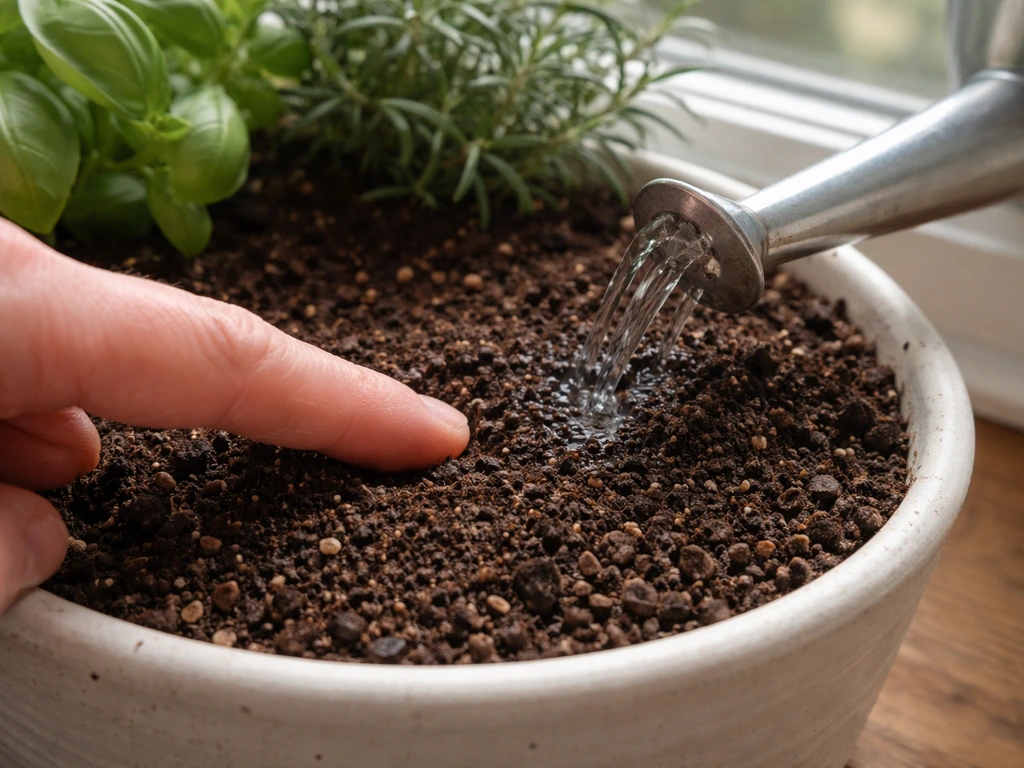
The goal is to keep the compost consistently moist but not soggy, letting the top centimetre or so dry out slightly between waterings. Push your finger into the compost: if the top layer feels dry but the soil underneath still feels cool and damp, hold off. If it's dry a couple of centimetres down, water it. In warm summer weather, a pot in full sun may need watering every day or every other day. In cooler or cloudier spells, every few days is fine.
Overwatering is the more common mistake in containers. Cornflowers tolerate low water conditions reasonably well, but sitting in wet compost will cause root rot quickly. Yellow lower leaves and a generally sad, wilting appearance despite wet soil are signs you've been overwatering. If that happens, ease off, check drainage is working, and remove the pot from any saucer that's collecting water.
Fertilizing: less is more
Cornflowers are naturally adapted to poor soils, so they don't need heavy feeding. Overfeeding with nitrogen-rich fertilizers will push leafy green growth at the expense of flowers. A simple water-soluble balanced plant food (something like a 10-10-10 NPK ratio) applied once a month is plenty. If you're using fresh compost, you may not need to feed at all for the first six weeks or so, since most multipurpose composts include a slow-release starter feed.
Ongoing care: deadheading, pruning, and dealing with problems
Deadheading is the single most important thing you can do
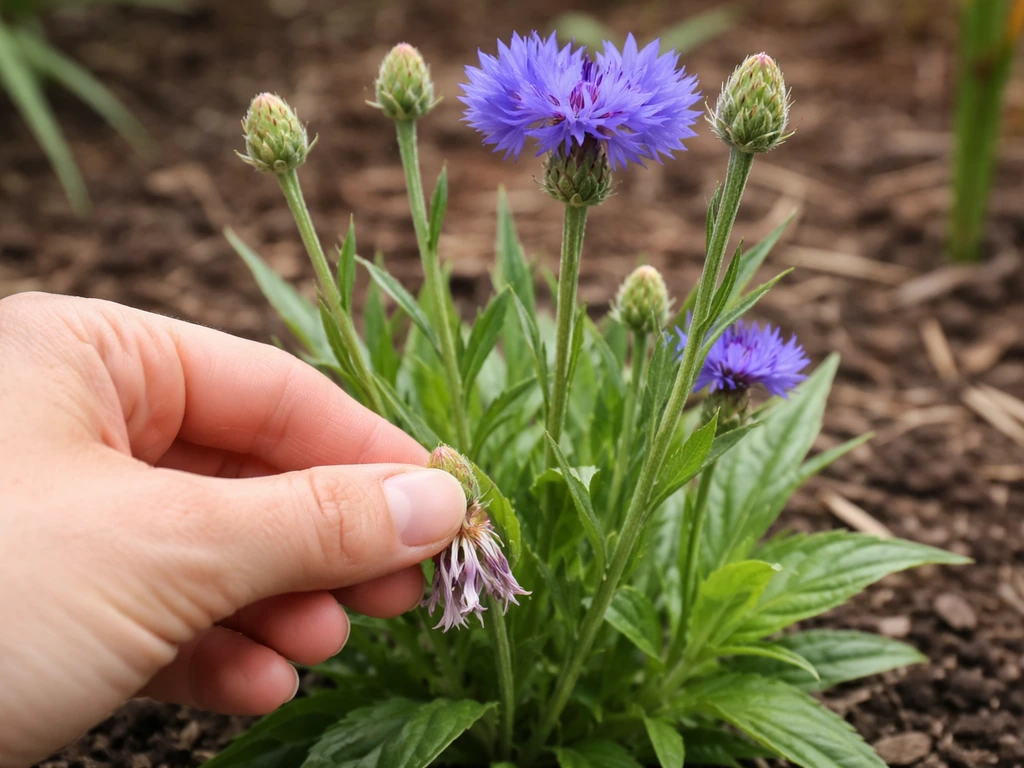
Once a flower fades and starts to form a seed head, the plant's energy shifts from producing new blooms to setting seed. Removing spent flowers before this happens tells the plant to keep flowering instead. It makes a noticeable difference. Pinch or snip off the dead flowerhead right down to the next set of leaves or a side shoot. Do this every couple of days once the plant is in full bloom. You'll easily double or triple the flowering period compared to a plant you leave alone.
Toward the end of summer, if you want to collect seeds for next year or leave some for birds, stop deadheading a few stems and let those seed heads mature fully. The seeds are easy to collect: wait until the head is dry and papery, then shake or pull the seeds out and store them in a paper envelope somewhere cool and dry.
Staking leggy plants
Taller varieties especially can flop over in a pot, partly because pots don't anchor roots as firmly as open ground. A few bamboo canes and a bit of garden twine looped loosely around the stems is all you need. Put the canes in early, before the plant needs them, to avoid damaging roots later.
Pests and diseases to watch for
- Aphids: Common on soft new growth. Check the undersides of leaves regularly. A strong blast of water from a hose or a spray of diluted washing-up liquid usually deals with light infestations.
- Powdery mildew: A white powdery coating on leaves, usually appearing in warm, dry conditions with poor air circulation. It's more common in overcrowded pots. Thin plants out, improve airflow, and avoid wetting the leaves when watering. Remove badly affected leaves.
- Slugs and snails: More of a problem for young seedlings. Copper tape around the pot rim helps, as does moving the pot off the ground slightly.
- Root rot: Caused by overwatering and poor drainage rather than a pest. The fix is improving drainage (adding more grit to the mix) and cutting back on watering.
Troubleshooting common problems and end-of-season steps
Common problems and how to fix them
| Problem | Likely Cause | Fix |
|---|---|---|
| Seeds not germinating after 3+ weeks | Too deep, too cold, or too wet | Resow at 0.5–1 cm depth; wait until soil is 15–18°C; let surface dry slightly between waterings |
| Leggy, floppy plants with few flowers | Not enough sun, or overcrowding | Move to a sunnier spot; thin plants to 20–25 cm spacing; stake tall varieties |
| Yellowing lower leaves, wilting despite wet soil | Overwatering/root rot | Reduce watering; improve drainage; check the pot is not sitting in standing water |
| Lots of green leaves, very few flowers | Too much nitrogen fertilizer | Stop feeding or switch to a low-nitrogen fertilizer; less feed overall |
| Flowers stopping early in summer | Not deadheading, or heat stress | Deadhead regularly; move pot to partial afternoon shade during peak summer heat |
| White powder on leaves | Powdery mildew from poor airflow | Thin plants; avoid overhead watering; remove affected leaves |
End-of-season cleanup and what to do next
Once flowering really does tail off in late summer and early autumn, you have a choice. If you want seeds for next year, leave a few of the last flower heads to dry on the plant, then collect them. After that, pull the plants out entirely. Cornflowers are annuals, so the parent plant won't come back: there's no point leaving dead stems in the pot all winter.
Empty the pot, refresh the compost (or add fresh compost to top it up), and you're ready to either sow an autumn batch for an early start next year, or simply store the pot until spring. If you're in a mild climate, an autumn sow directly into the pot can overwinter as small seedlings and give you flowers weeks earlier than a spring sow would.
A simple care calendar at a glance
| Time of Year | What to Do |
|---|---|
| March to May (spring sow) | Sow seeds 0.5–1 cm deep into prepared pot; place in full sun; water gently |
| May to June (seedling stage) | Thin seedlings to 20–25 cm apart; water when top of compost dries; start monthly feeding once established |
| June to August (flowering) | Deadhead every few days; water daily in heat; feed monthly; stake tall varieties if needed |
| Late August to September (end of season) | Leave a few seed heads to mature if collecting seeds; deadhead remaining flowers to extend bloom |
| September to October (close out) | Collect and dry seeds; remove plants; refresh compost; optionally sow autumn batch for next year |
Cornflowers are genuinely one of the more forgiving flowers you can grow in a container. They suit small spaces, they thrive in the kind of lean, well-drained conditions that pots naturally provide when set up right, and the pay-off is a long season of beautiful blooms that work just as well cut for a vase as they do growing on a balcony railing. If you're already exploring other flowers for pots, many of the same principles around drainage, sun placement, and compact variety selection apply across the board. You can also apply those pot-friendly rules to fluxweed, even when you have limited space how to grow fluxweed without a large pot. If you want more general guidance beyond cornflowers, this also covers how to grow flowers in small pots effectively.
FAQ
Can I use a self-watering pot or water reservoir for cornflowers?
It usually is not ideal. Cornflowers need free-draining conditions and do best when the compost can dry slightly at the top between waterings. If you use a self-watering setup, keep the reservoir off or empty most of the time, and monitor closely so the roots are never sitting in continuously moist compost.
How many cornflower plants should I grow in one pot?
For compact types (around 35 cm tall), one plant per 20 to 25 cm pot is the safest starting point. If you want two, keep them spaced so airflow stays good and you do not end up with overcrowded, leggy stems that can be harder to deadhead and more prone to lodging.
What should I do if my cornflowers germinate poorly or not at all?
Check soil temperature first, aim for about 15 to 18°C, then verify you are sowing at the right time (spring or early autumn). Also avoid letting the mix fully dry out while seeds are germinating, and do not bury seeds deeply, shallow sowing helps them reach light and moisture more easily.
Do cornflowers need fertilizer beyond the monthly feeding mentioned in the guide?
Usually no. If you notice lots of leaf growth with fewer blooms, you are likely feeding too much or too nitrogen-rich. In that case, pause feeding and switch to leaner conditions, ensuring plenty of sun and using the free-draining compost mix.
How do I prevent cornflowers from flopping in a pot without damaging roots?
Use support early. Insert canes while the plants are still small, and tie loosely once stems thicken. Avoid waiting until stems are tall and then staking aggressively, because later tying can bruise stems and disturb nearby roots.
What pests or diseases should I watch for in containers?
Overwatering is the biggest problem, which can lead to root rot. You may also see yellowing lower leaves, wilting despite wet soil, or fungal issues if air flow is poor. Improve drainage, remove any standing water in a saucer, and thin the planting only if the pot is overcrowded.
Should I deadhead every flower or only some of them?
Deadhead consistently once flowering is underway, removing faded blooms before they develop into seed heads. If you deadhead only a few stems, you will still get flowers, but the overall flush is usually shorter. For your seed-saving plan, leave only the specific stems you want to mature.
Is it okay to grow cornflowers in a shaded spot on purpose to reduce watering?
Cornflowers tolerate some partial shade, but you will usually get leggier growth and fewer blooms. If you want easier watering, choose a sun-facing balcony with fast drainage rather than reducing light, then use the compost mix that dries slightly at the surface between waterings.
Can I start cornflowers in a tray and then transplant into the final pot?
You can, but direct sowing is less stressful because cornflowers have a taproot. If you must transplant, pot on early, keep disturbance minimal, and do it with the same planting depth. Expect a slower start for the first week, and keep them out of harsh sun during settlement.
How do I overwinter potted cornflowers from an autumn sow?
In mild climates, autumn-sown seedlings can stay in place and flower earlier the next year. In colder areas, protect the pot with fleece or move it to a sheltered spot so the compost does not freeze solid. The key is not to overwater during winter, let the top dry slightly between occasional checks.
What is the best way to store collected cornflower seeds?
Dry the seed heads fully until they feel papery, then store seeds in a paper envelope in a cool, dry location. Avoid airtight storage while seeds still feel even slightly damp, moisture can reduce germination.