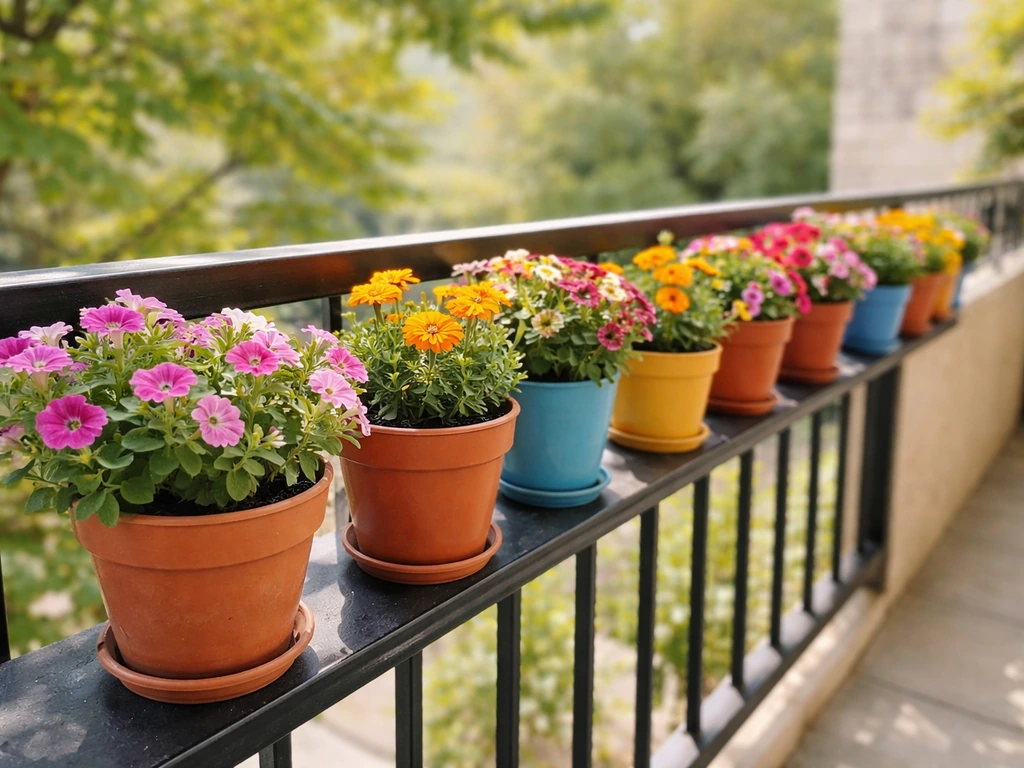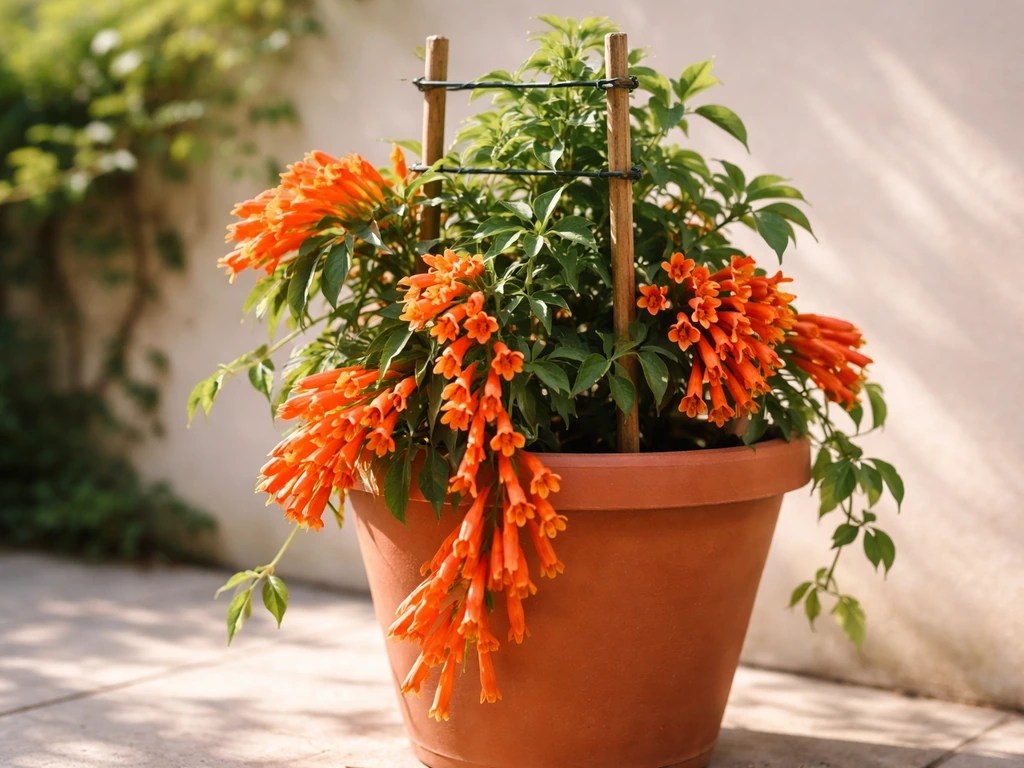
Yes, fluxweed (Trichostema brachiatum) can absolutely be grown in a small pot. In fact, this compact North American native is practically built for it. Wikipedia also notes that fluxweed (Trichostema brachiatum; synonym Isanthus brachiatus) is an endemic North American plant in the mint family (Lamiaceae) [Trichostema brachiatum (fluxweed, Isanthus brachiatus) is an endemic North American plant](https://en. wikipedia.
How to Grow Fluxweed Without a Large Pot: Easy Container Guide
Marcus Whitley
23 Jun 2026
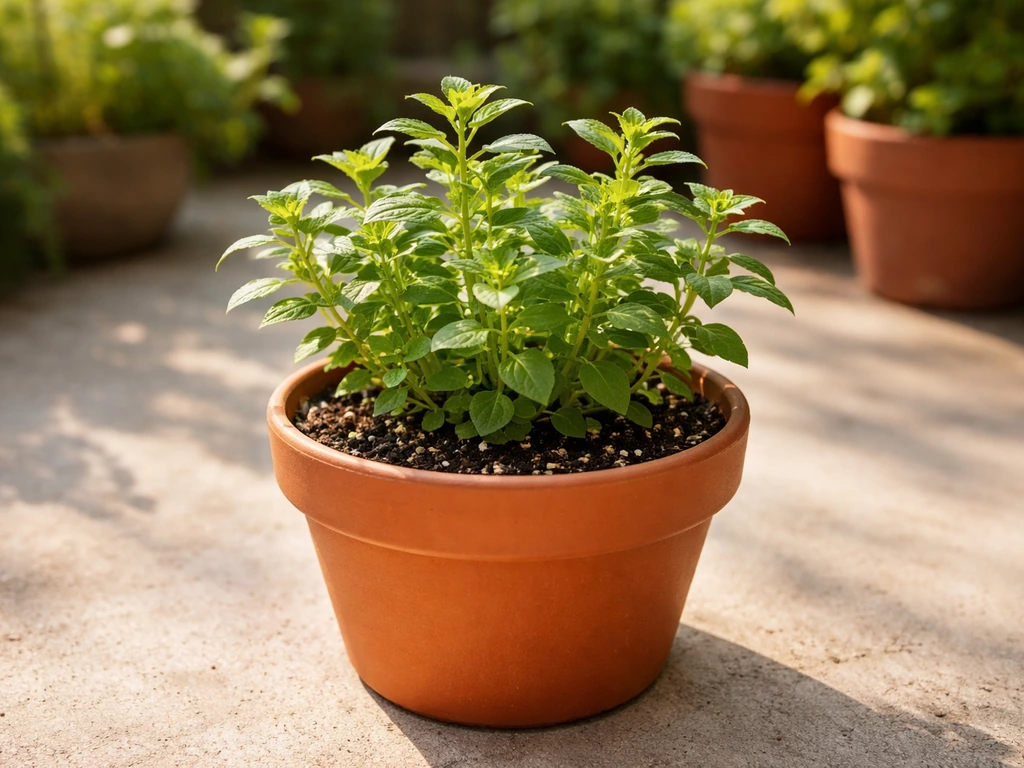
org/wiki/Trichostema_brachiatum). It naturally grows in shallow soils that are sometimes only an inch or two deep, maxes out at around 16 inches tall, and thrives in the kind of lean, fast-draining conditions that small containers naturally create. A 6- to 8-inch pot is workable for a single plant, and a 10- to 12-inch container gives you even more comfort. You don't need a big planter to pull this off.
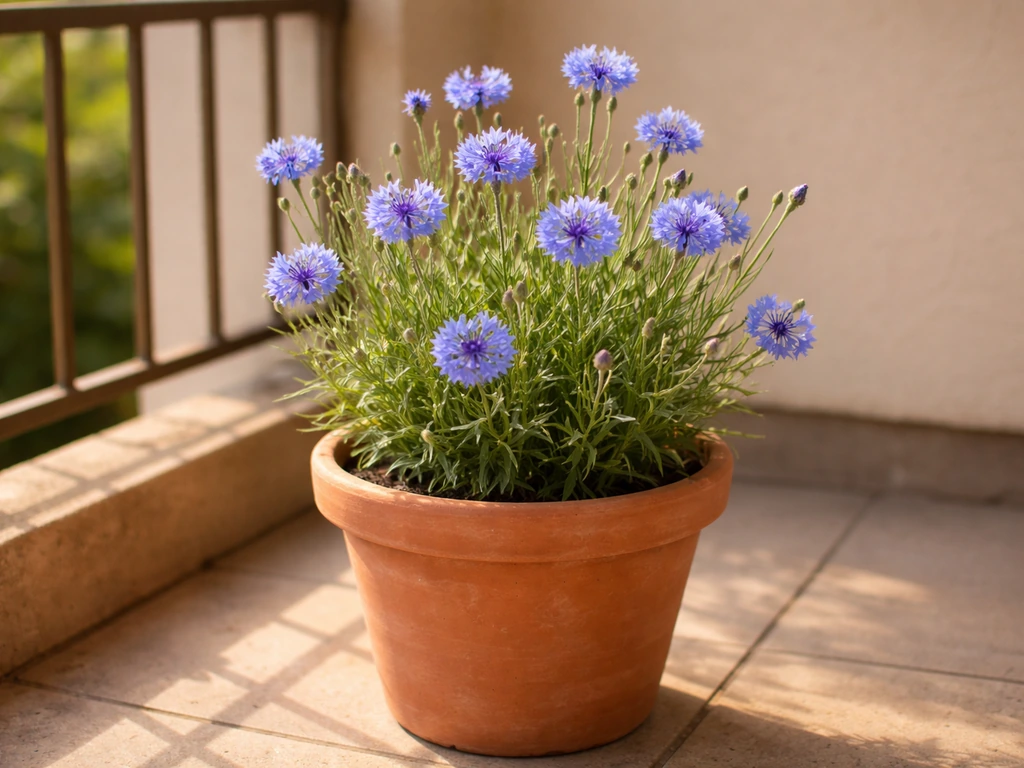
If you are also planning an annual bedded display, the guidance in how to grow cornflowers in pots can help you compare pot size, drainage needs, and watering timing.
Can fluxweed actually grow in a small pot?
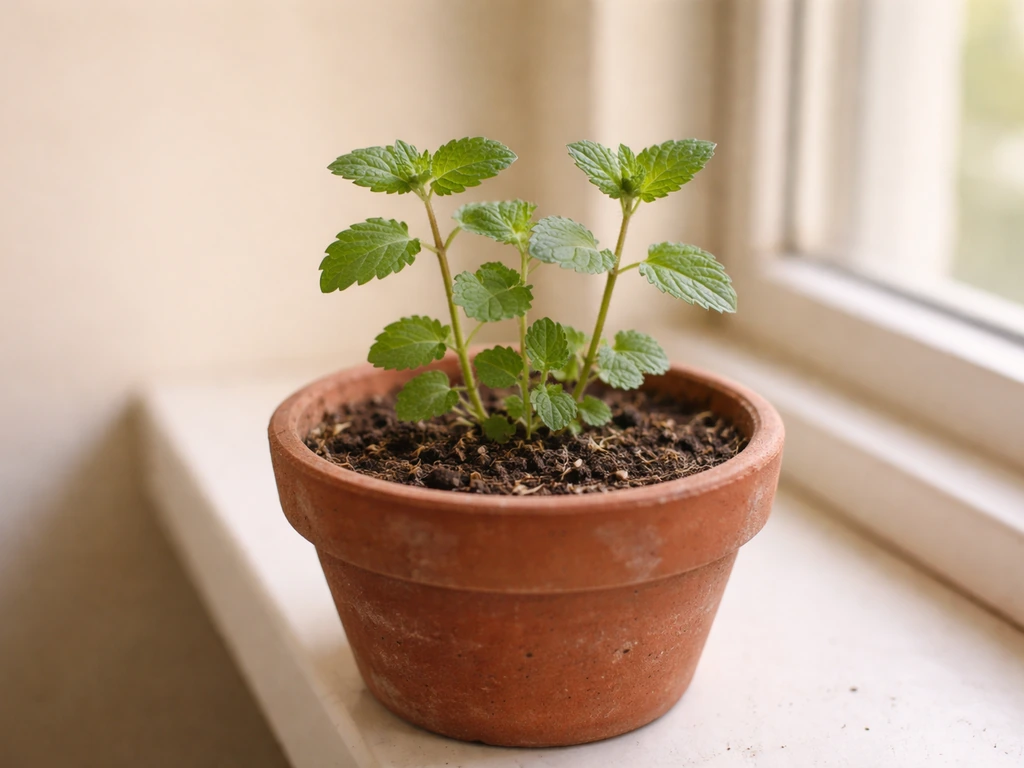
Fluxweed belongs to the mint family (Lamiaceae) and is a summer annual, meaning it germinates, flowers, sets seed, and dies all within one growing season. That compact lifecycle means you're not trying to maintain a massive root system year after year. The plant is native to open, rocky habitats across North America where soil depth can be as little as 1.8 to 5 cm. Shallow and sparse is where this plant evolved, so a small container actually mimics conditions it already knows how to handle.
That said, 'small' has limits. A pot under 4 inches across will dry out so fast you'll be watering twice a day in summer, and the root restriction will stunt growth noticeably. My recommendation: aim for a 6-inch pot as the absolute minimum for one plant, and step up to an 8-inch if you want reliable results without constant babysitting. For a cluster of two or three plants, a 10- to 12-inch container is ideal and still qualifies as a compact setup.
| Container Size | Plants Per Pot | Effort Level | Best For |
|---|---|---|---|
| 4 inches | 1 (tight) | High — dries out fast | Experimental only |
| 6 inches | 1 | Moderate | Beginners with regular check-ins |
| 8 inches | 1 | Low-moderate | Most reliable small-pot option |
| 10–12 inches | 2–3 | Low | Best results without going large |
Choosing the right container
Drainage is non-negotiable. Fluxweed in waterlogged soil will rot at the roots quickly, so whatever container you pick, confirm it has at least one drainage hole at the bottom. If your decorative pot doesn't have one, use it as a cachepot and drop a plastic nursery pot with drainage inside it. Just don't let the inner pot sit in standing water.
For depth, you don't need much. Because fluxweed is a shallow-soil plant by nature, a container that's 6 to 8 inches deep is plenty. Wide and shallow planters, window boxes, and even half-depth balcony planters all work well. What you want to avoid is an extremely deep, narrow container like a tall terracotta cylinder, because the bottom half of the soil will stay wet long after the surface dries, and that creates a rot risk.
Grow bags are a surprisingly good option here. Fabric grow bags (5-gallon or smaller) allow excess moisture to escape through the sides, which naturally prevents overwatering and improves root air circulation. I've had good results with 3-gallon fabric bags for small clusters of fluxweed on a balcony. They're cheap, collapsible for storage, and easy to reposition.
Material-wise, terracotta is a classic choice for plants that like to dry out between waterings because it breathes and wicks some moisture away. Plastic and glazed ceramic hold moisture longer, which can be helpful if you tend to forget to water. In a small pot in full heat, though, dark plastic can overheat the roots, so go with a light-colored plastic or ceramic if terracotta isn't available.
The best soil mix for a small container
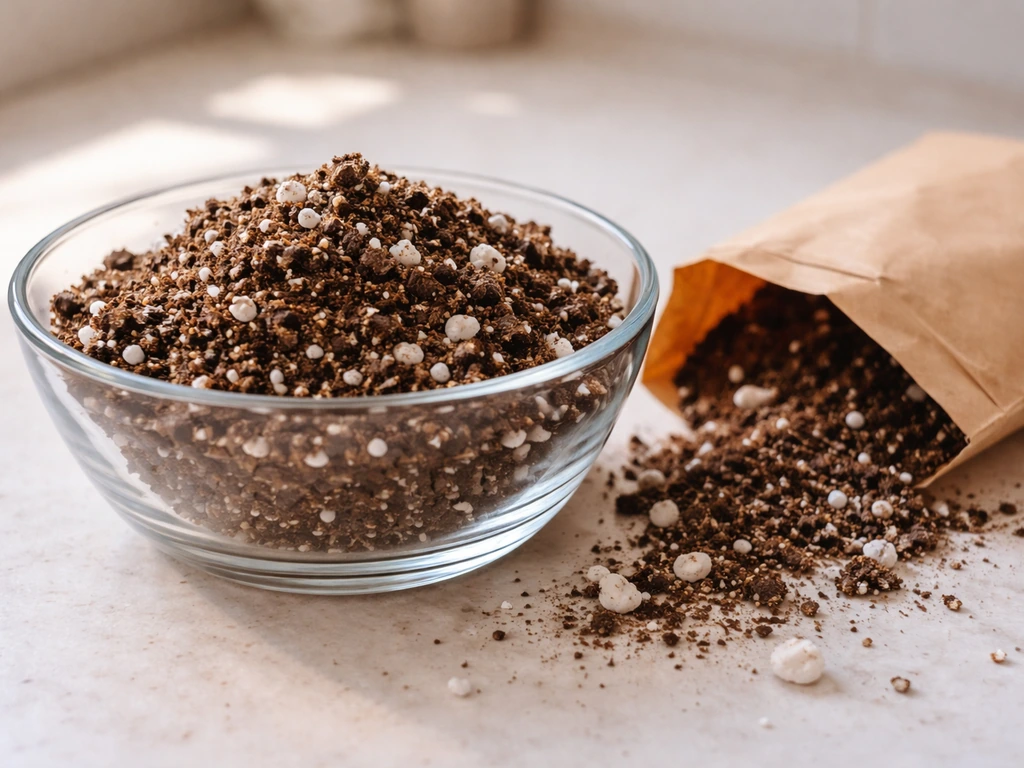
Fluxweed wants soil that drains fast and doesn't hold onto waterlogged clumps, but also has enough organic matter to deliver steady nutrients. A standard all-purpose potting mix on its own is usually a bit too dense and moisture-retentive for this plant. The fix is simple: mix your potting soil with coarse perlite or grit at roughly a 2:1 ratio (two parts potting mix to one part perlite). This opens up the structure, speeds drainage, and reduces the risk of rot in a small container where water has less soil volume to spread through.
Avoid garden soil or topsoil entirely in pots. Garden soil compacts in containers and blocks drainage, which is the opposite of what fluxweed needs. If you want to add a slow-release fertilizer granule to the mix at planting time, that's a smart move for small containers where nutrients get flushed out faster with each watering. One measured application of a balanced slow-release granule (something like a 14-14-14 formulation) at the manufacturer's recommended rate for the container size will give your plant a steady base to start from.
Watering strategy for small containers
Small pots dry out faster than large ones, full stop. In a warm summer, a 6-inch terracotta pot in partial sun might need water every one to two days. A plastic pot in the same conditions might hold moisture for two to three days. The key is to stop guessing and start checking. Push your finger about an inch into the soil. If it feels dry at that depth, water thoroughly. If it still feels moist, wait another day.
When you do water, water until it runs freely out of the drainage hole. This ensures the entire root zone gets moisture and also flushes out any salt buildup from fertilizers. Light surface watering that just wets the top half inch is one of the most common container-gardening mistakes, and it leads to shallow root development and fast wilting on hot days.
To prevent root rot, two things matter most: drainage holes (covered above) and not leaving the pot sitting in a saucer full of water. Empty saucers after watering, or use pot feet to lift the container so air circulates underneath. If you notice the soil stays wet for more than three or four days without drying out, your mix is probably too dense and needs more perlite.
- Check soil moisture daily in hot weather by sticking a finger 1 inch deep
- Water fully until it runs from the drainage hole, never just the surface
- Empty saucers after watering to prevent root rot
- In cooler or cloudy periods, reduce watering frequency and always check before adding more
- If the pot dries out completely and the soil shrinks from the edges, water slowly or submerge the pot briefly to rehydrate the mix
Light, temperature, and where to put the pot
Fluxweed prefers partial sun, which translates to about 4 to 6 hours of direct light per day. That's genuinely good news for container gardeners with limited space, because you don't need a blazing south-facing wall. An east-facing balcony or a spot that gets morning sun and afternoon shade is close to perfect. The plant handles some direct sun well, but in the peak of summer (which, as of late June right now, is exactly where we are), prolonged intense afternoon heat on a small pot can bake the roots and stress the plant fast.
If you're placing fluxweed in a spot that gets more than 6 hours of direct sun, consider using a sheer curtain, a nearby taller plant, or a simple shade cloth to filter the harshest midday and afternoon light. The goal is bright but not punishing. Think dappled light in a forest clearing, which is exactly the kind of habitat fluxweed occupies in the wild.
Temperature-wise, fluxweed is a warm-season annual that does best between roughly 65°F and 85°F (18°C to 29°C). It's not frost-tolerant at all, so if you're still getting cool nights in your area, hold off on putting it outside overnight until temperatures consistently stay above 50°F. On the flip side, if a heat wave pushes day temperatures above 90°F, move the pot to a slightly shadier, cooler spot temporarily to reduce stress.
Feeding and maintenance in small pots
Because you're working with a limited volume of soil, nutrients get depleted faster than they would in a large container or in the ground. If you started with a slow-release granule in the mix, you're covered for roughly the first 6 to 8 weeks. After that, a half-strength liquid balanced fertilizer (something like a 10-10-10 or 5-5-5 liquid) applied every two weeks through the growing season keeps the plant well-fed without overdoing it.
Overfeeding in a small pot is a real risk, especially with liquid fertilizers. Too much nitrogen pushes leafy green growth at the expense of flowers, and it can also burn roots when the soil volume is small. Stick to half the label dose and apply it after watering (not onto dry soil) to distribute it evenly. If you see leaves developing dark green, soft, lush growth with fewer blooms, you're probably overfeeding and can skip a session or two.
Pruning fluxweed in a container is minimal. Since it's an annual, you're not managing perennial growth or shaping a woody structure. What you can do is pinch back the tips of young plants when they reach about 4 to 6 inches tall to encourage branching and a bushier shape. This is especially useful in a small pot where a single leggy stem looks sparse. Just pinch the growing tip above a leaf node with your fingers. No tools needed.
Troubleshooting common small-pot problems
Wilting even after watering
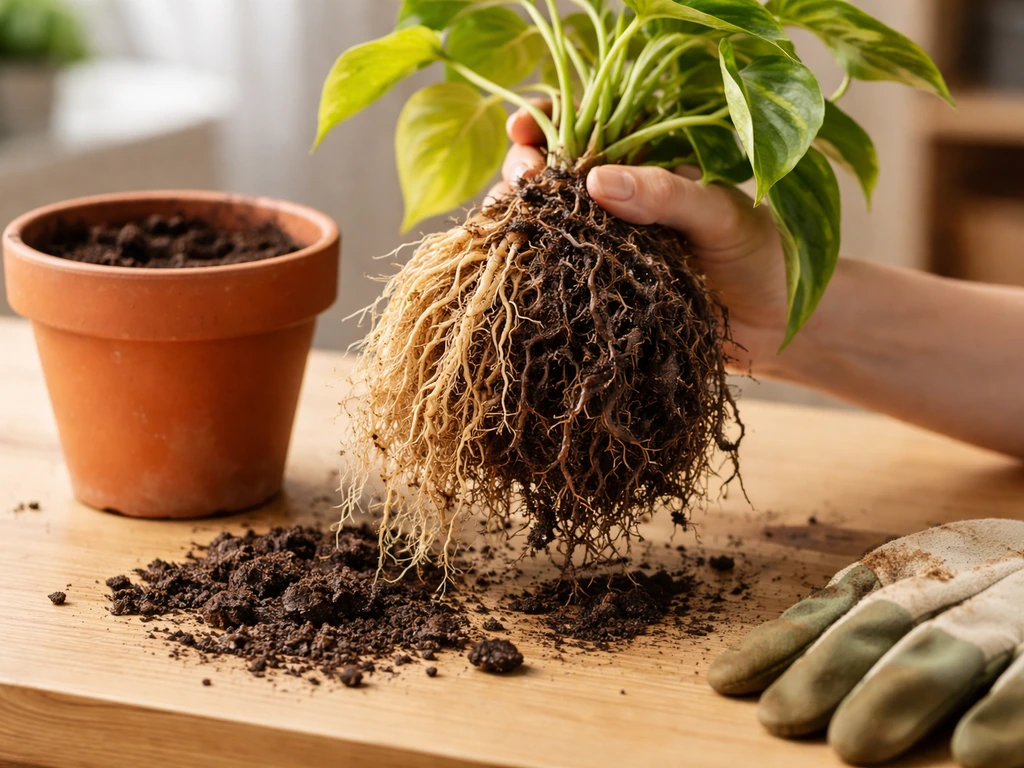
If your fluxweed wilts despite the soil feeling moist, the issue is likely root rot from overwatering or poor drainage. Check the roots by gently removing the plant from the pot. Healthy roots are white or light tan. Rotten roots are brown, mushy, and may smell. If rot has set in, trim the affected roots, let them air for 30 minutes, and repot in fresh, well-draining mix. If the soil is bone dry and the plant wilts, water immediately and move the pot to a slightly shadier spot until it recovers.
Slow or stunted growth
Slow growth in a small pot usually comes down to one of three things: not enough light, depleted soil nutrients, or a pot that's genuinely too small and has become root-bound. Check the drainage holes. If roots are visibly poking out the bottom in a dense mat, it's time to step up to the next size container. Otherwise, make sure the plant is getting its 4 to 6 hours of light and is on a regular feeding schedule.
Yellow leaves
Yellowing leaves in a container usually signal either overwatering, nutrient deficiency, or both. If the yellowing starts from lower, older leaves and works upward, it's often a nitrogen deficiency. Add a light liquid feed. If the yellowing is accompanied by soggy soil and drooping, overwatering and root rot are the likely culprits. If leaves are pale yellow-green all over, the plant may not be getting enough light.
Pests in small containers
Container plants aren't immune to pests, and small pots can make infestations worse because there's less plant material to absorb the damage. Watch for aphids on new growth (they cluster on soft shoot tips and are easy to knock off with a firm water spray), fungus gnats in the soil (a sign of overwatering), and spider mites in hot, dry spells (look for fine webbing on the undersides of leaves). For all of these, acting early is the best strategy. A neem oil spray diluted in water handles most small infestations without harsh chemicals, and it's safe to use on a balcony or windowsill.
Quick-start checklist and first-week routine
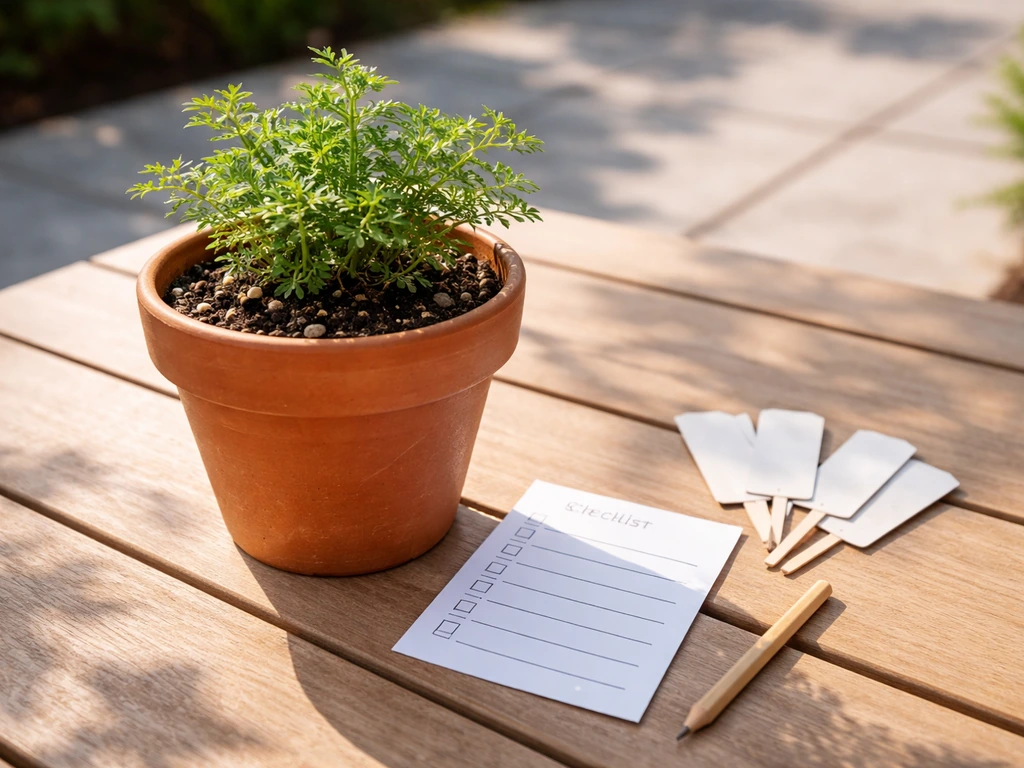
If you're starting today (and it's late June, so the timing is actually good), here's what to do right now to get your small-pot fluxweed setup going. If you want the broader steps for how to grow flowers in pots at home, this quick-start will help you build a routine.
- Pick a 6- to 10-inch container with at least one drainage hole at the bottom
- Mix potting soil with perlite at a 2: 1 ratio and fill the pot, leaving about an inch of space at the top
- Plant your fluxweed seedling or sow seeds at the surface and water gently
- Place the pot in a spot that gets 4 to 6 hours of light, ideally morning sun with afternoon shade
- Check soil moisture daily for the first week by pressing a finger 1 inch deep
- Water fully whenever the top inch feels dry, and empty the saucer after each watering
- After week one, settle into checking every day or two depending on your climate and pot material
- At week 6 to 8, begin half-strength liquid feeding every two weeks
- Pinch tips once the plant reaches 4 to 6 inches tall to encourage bushy growth
Growing something compact and native like fluxweed in a small container is a genuinely satisfying project, especially if you're working with a balcony, windowsill, or tight outdoor corner. It's the kind of plant that rewards low-intervention care rather than constant fussing. Get the drainage and light right, don't overwater, and you'll be in good shape. If you enjoy growing other compact plants in tight spaces, the same principles covered here apply well to cornflowers, small flowering annuals, and other container-friendly choices. If you want more flower options for cramped spaces, the tips in this guide on how to grow flowers in small pots will help you transfer the same approach to other varieties.
FAQ
Can I grow fluxweed in a very tiny pot (like 3 inches or smaller) without constant watering?
It’s usually not reliable. Under 4 inches across, the soil typically dries and swings in moisture fast, which can stunt growth and reduce flowering. If you must use a smaller container, choose a porous material (light terracotta), keep it in partial sun (not full afternoon heat), and plan on checking soil daily (finger test at about 1 inch down).
What is the best soil depth for fluxweed in a shallow window box?
Aim for about 6 to 8 inches of planting depth. Fluxweed can handle shallow conditions, but too little depth reduces root volume and makes watering frequency unpredictable. If your box is shallower than 6 inches, consider fewer plants and a lighter, faster-draining mix with extra perlite or grit
My pot has drainage holes, but water still sits in the bottom for days. What should I change?
That’s a sign the mix is too dense or the container is trapping water underneath. First, confirm the pot can “breathe” (use pot feet, or empty the saucer every time you water). If it still stays wet 3 to 4 days later, repot into a coarser blend (about 2 parts potting mix to 1 part perlite or grit).
How do I avoid the common mistake of only watering the top layer?
Water until it runs freely out of the drainage hole, then stop. After watering, wait for the top surface to dry and check with your finger about an inch down. If the top is dry but the deeper soil is still moist, hold off rather than giving another small splash that trains shallow roots
Should I fertilize fluxweed the whole season when it’s in a small container?
Usually no, unless you see active growth and steady flowering. A slow-release granule at planting covers the first 6 to 8 weeks. After that, use half-strength liquid fertilizer about every two weeks. If leaves become very dark green and flowers drop, skip a feeding to avoid overdoing nitrogen in limited soil volume
Can fluxweed survive indoors in winter in the same small pot?
Fluxweed is a summer annual, so it typically completes its life cycle and declines after flowering and seed set. Indoors you may keep it alive longer, but it won’t behave like a perennial. For best results, treat it as seasonal and re-sow next season once outdoor temperatures are consistently warm
What should I do if fluxweed wilts even though the soil feels a little moist?
Check for root problems. Moist soil plus wilting often points to poor drainage or early root rot. Gently lift the plant, inspect roots (healthy are light tan or white, rotten are brown and mushy), trim damaged roots, let the roots air briefly (about 30 minutes), then repot in fresh, well-draining mix
How can I tell if my pot is too small because the plant is root-bound?
Look for roots forming a dense mat or pushing out of the drainage hole. Also watch for stalling growth despite correct light and watering. If this happens, step up one size (for a single plant, move from 6 to 8 inches, or from 8 to 10 to 12 inches for more comfort)
What’s the safest way to move a small pot during a heat wave?
Don’t fully relocate it and then water heavily right away. Move it to a slightly shadier, cooler spot for stress relief, and keep watering controlled by the finger test. If the soil is still moist, wait, because heat waves plus overwatering are a fast route to root rot in small containers
Can I plant multiple fluxweed plants in one small container without spacing issues?
Yes, but keep spacing reasonable and don’t overcrowd in shallow volume. For two to three plants, a 10 to 12 inch container is a better target than clustering them in a 6 to 8 inch pot. Overcrowding increases competition for water and nutrients and can also worsen pest pressure
How do I manage pests like aphids or fungus gnats in a small pot?
Act early and fix the conditions, not just the symptoms. For aphids, knock them off with a firm water spray and repeat if needed. For fungus gnats, the key is reducing excess moisture, since their larvae thrive in consistently wet potting mix. Let the top inch dry between waterings and consider adding more drainage-friendly perlite if the mix stays wet too long
Is using grow bags always better than small rigid pots?
Grow bags can be very effective because they dry faster and improve air flow around roots. They’re especially useful if you tend to overwater. If you use a fabric bag, monitor moisture closely in full sun, since the faster drying can still lead to underwatering during hot spells