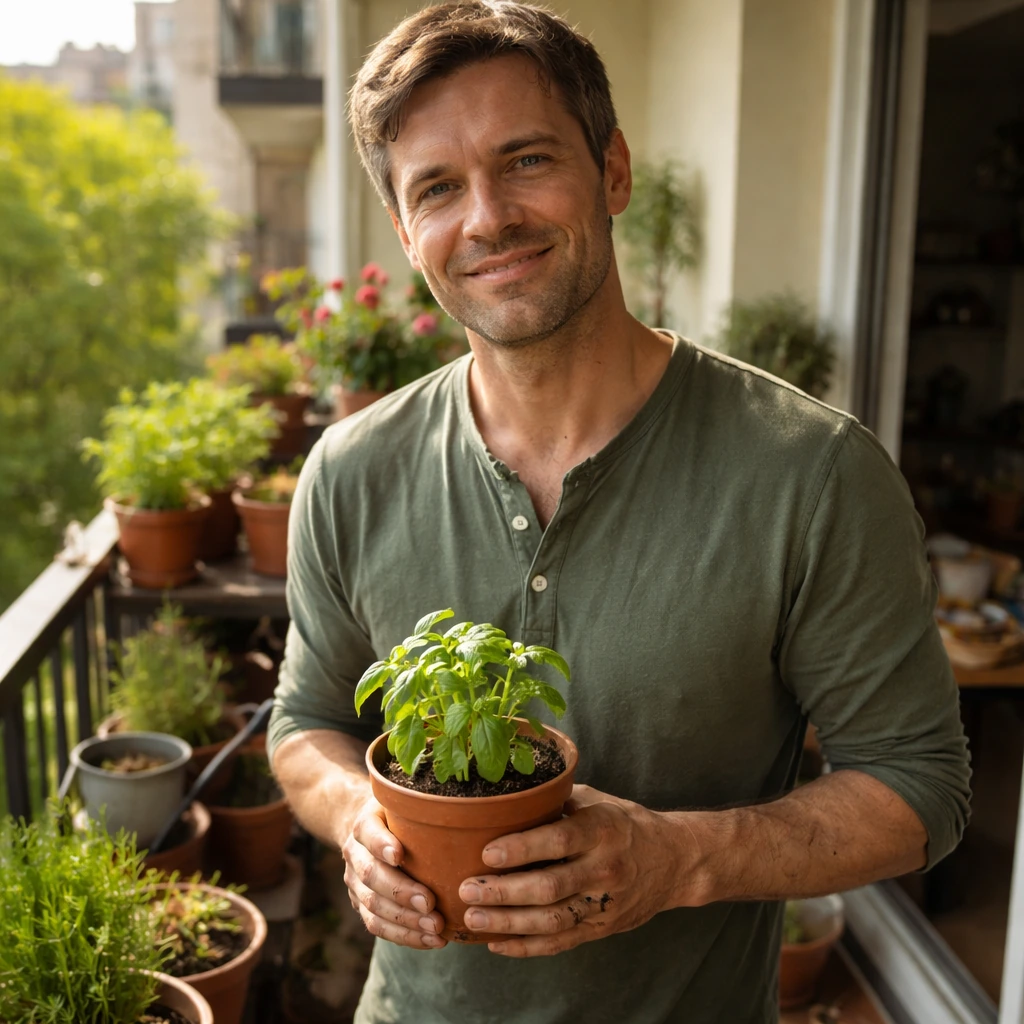
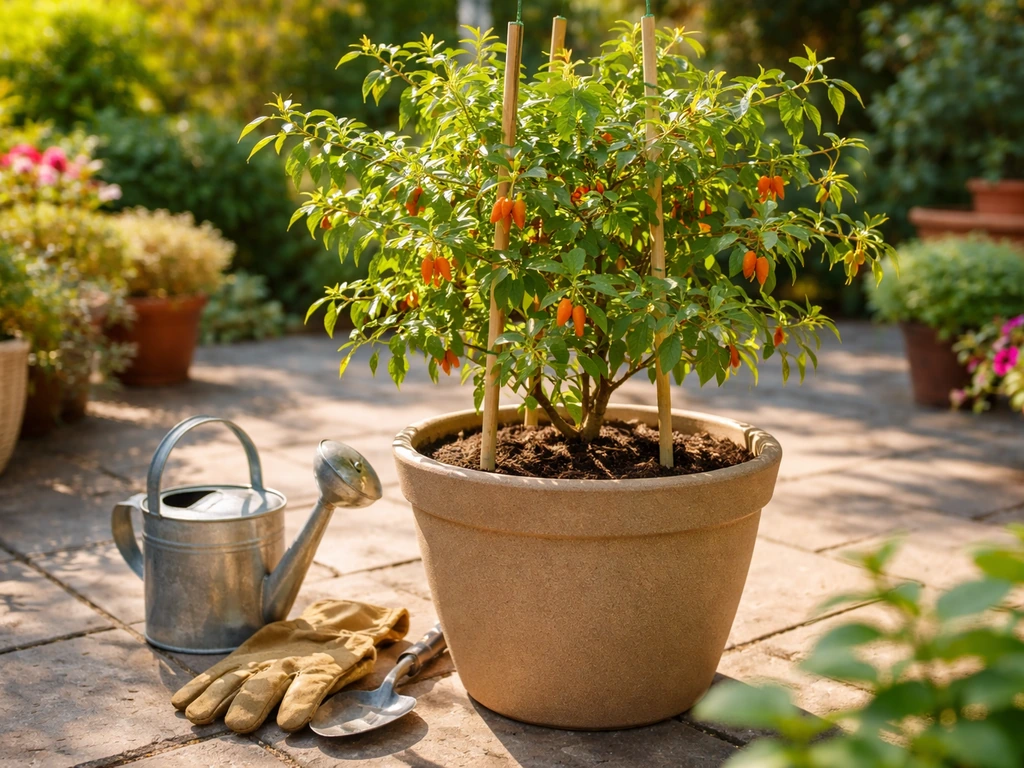
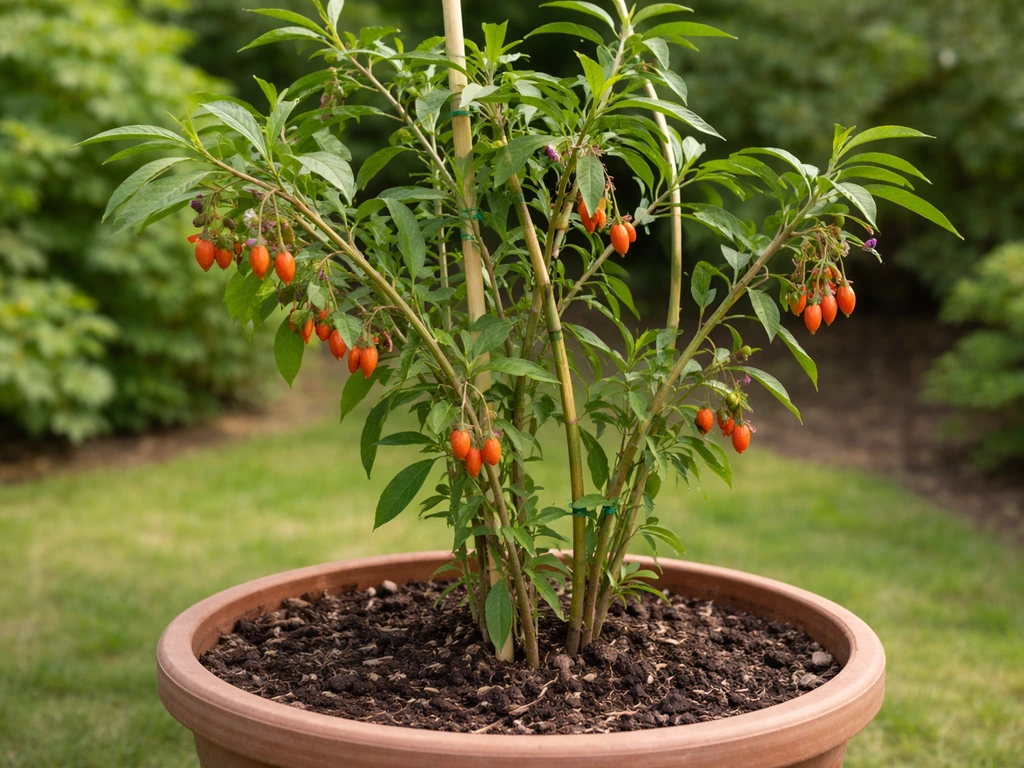
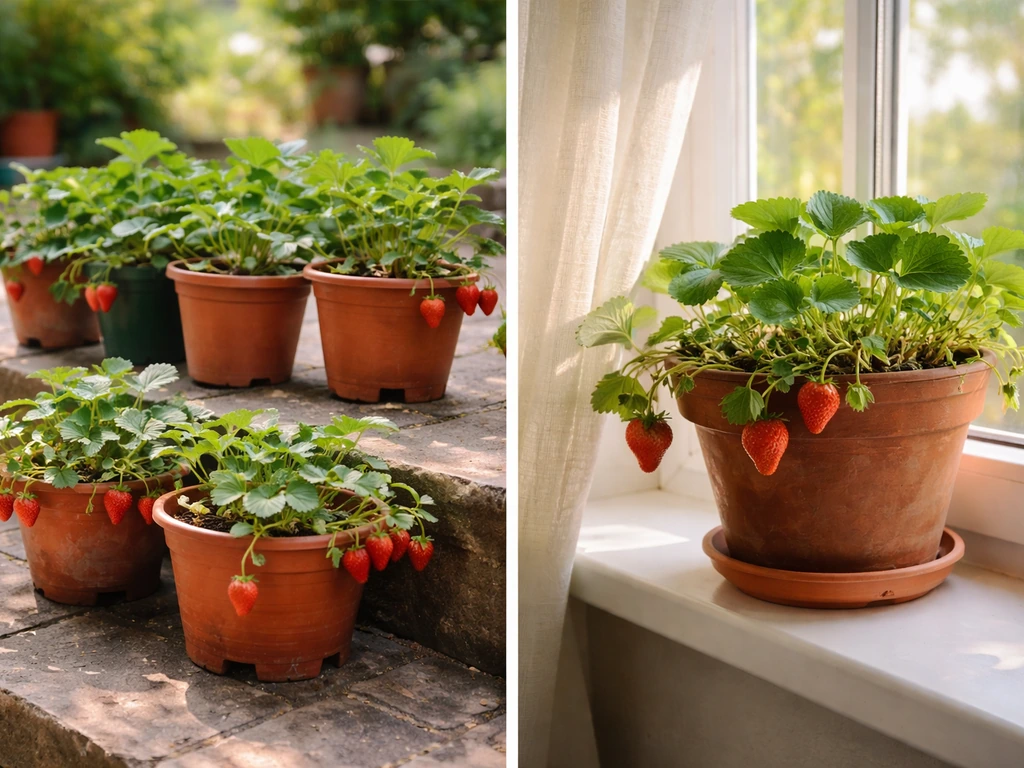
One big advantage of growing goji in a container is that you get to control the soil conditions directly. Goji prefers a neutral to slightly alkaline soil, and if your garden soil doesn't cooperate, a pot lets you dial that in exactly. Container growing also naturally keeps the plant a manageable size, which is a real bonus since goji can get quite sprawling when planted in the ground.
Picking the right pot and the best spot for it
Size matters more than anything else when choosing a pot for goji. The plant develops a deep taproot, which means shallow or small pots will stress it quickly and limit fruiting. The absolute minimum starting size is 5 gallons, but honestly, if you want a productive plant long-term, aim for a 10-gallon container as your final home for the plant. That extra root space makes a real difference in how well the shrub establishes and how many berries you eventually get.
Drainage is non-negotiable. Your pot must have drainage holes at the bottom, and there should be enough of them that water flows out freely after watering. One small hole at the bottom of a 10-gallon pot isn't going to cut it. Goji sitting in waterlogged soil is a fast track to root rot. And skip the old trick of putting a layer of gravel at the bottom of the pot, as research from NC State Extension has shown that this doesn't actually improve drainage and can actually make things worse by raising the level where water starts pooling in the soil above.
For material, terracotta pots work well because they're breathable and help prevent overwatering, but they dry out faster in hot weather and can be heavy to move. Plastic or fabric grow bags are lighter options that drain well and are easier to relocate, which matters when it comes to winter care. Whatever you pick, make sure it's wide enough to accommodate a plant that can spread 2 to 4 feet across with some training.
Location-wise, goji is a full-sun plant. It needs at least 6 to 8 hours of direct sunlight a day to flower and fruit well. A south-facing patio, balcony, or windowsill is ideal. Poor sun exposure is one of the most common reasons container goji plants grow fine but never produce many berries. If you can only offer part shade, you'll get some fruit, but don't expect a heavy crop.
Getting the soil mix right
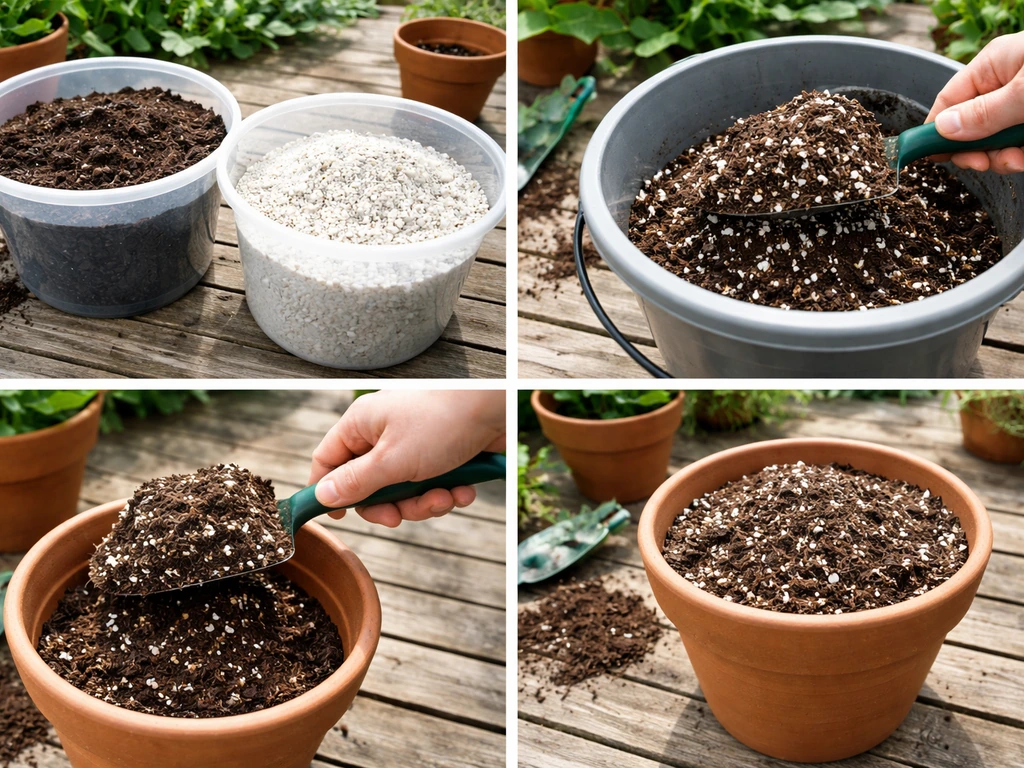
Standard potting soil from a garden center is a decent starting point, but goji needs a slightly different setup than most container plants. The key is soil pH: goji does best in a neutral to mildly alkaline environment, ideally somewhere between pH 6.8 and 8.1. Most bagged potting mixes are slightly acidic, so you'll often need to adjust.
A good mix for container goji is about two-thirds quality potting compost and one-third perlite or coarse grit. The perlite improves drainage and stops the mix from compacting over time, which is important because a dense, heavy soil in a pot restricts root growth and holds too much moisture. To nudge the pH toward the alkaline end, you can add a small amount of horticultural lime (ground limestone) when mixing. A pH testing kit from any garden center will tell you where you're starting from. Aim to land somewhere around pH 7 to 7.5.
Don't add sand as a drainage improver, as fine sand can actually make drainage worse in containers by filling in air pockets. Stick with perlite, vermiculite, or coarse horticultural grit. If you want to add extra organic matter, well-rotted compost or aged manure mixed in at planting time works well and feeds the plant slowly through the season.
Starting your goji plant: seeds, cuttings, or a nursery transplant
For most beginners, buying a young plant (also called a starter or plug plant) from a nursery is the easiest and fastest route to fruit. You skip the germination stage entirely and get a plant that's already a year or two along. Look for Lycium barbarum, the most common species, which is hardy and well-suited to container life.
Starting from seed
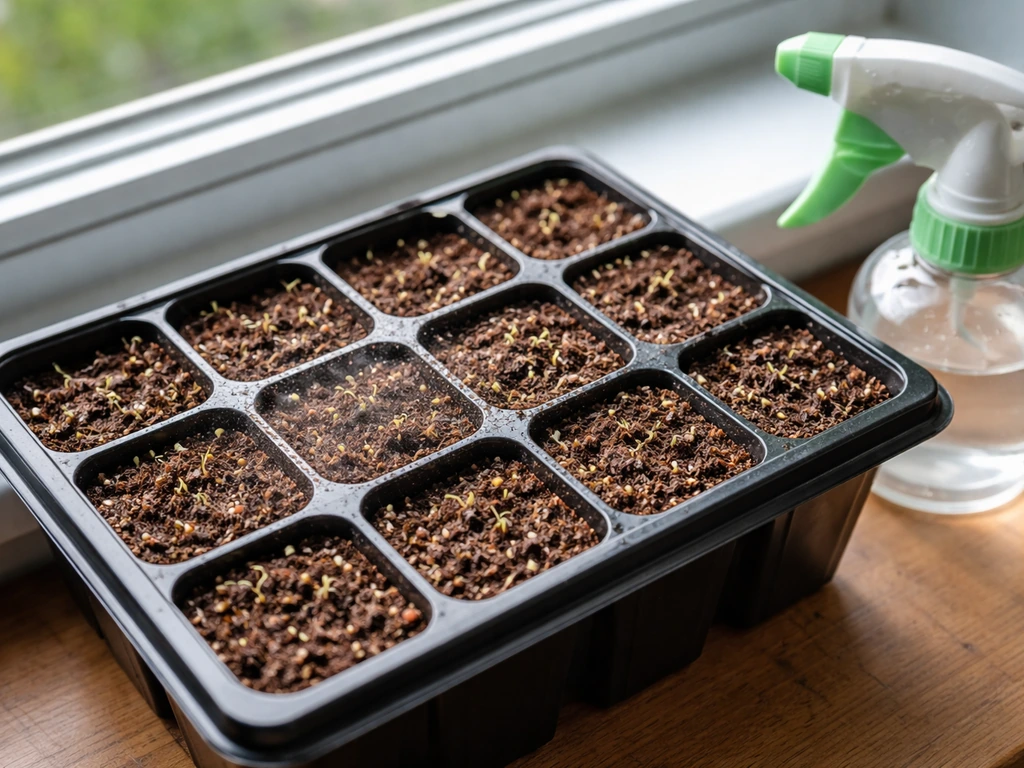
If you want to try from seed, sow indoors about 6 to 8 weeks before your last expected frost date. Use a sterilized seed-starting mix, sow seeds about 1/4 inch deep, and keep the soil consistently moist but not wet. Germination can take anywhere from 2 to 6 weeks, so don't give up on a tray that seems slow. No special pre-soaking or cold treatment is needed. Once seedlings have a couple of sets of true leaves and all frost risk has passed, they can be moved to their outdoor container.
Using cuttings
Cuttings are a great option if you know someone who already grows goji. Take a semi-hardwood cutting about 4 to 6 inches long in late spring or early summer, dip the cut end in rooting hormone powder, and push it into a small pot of damp perlite or seed-starting mix. Keep it in a warm, bright spot out of direct sun, and you should see roots forming within 4 to 6 weeks.
Transplanting into your container
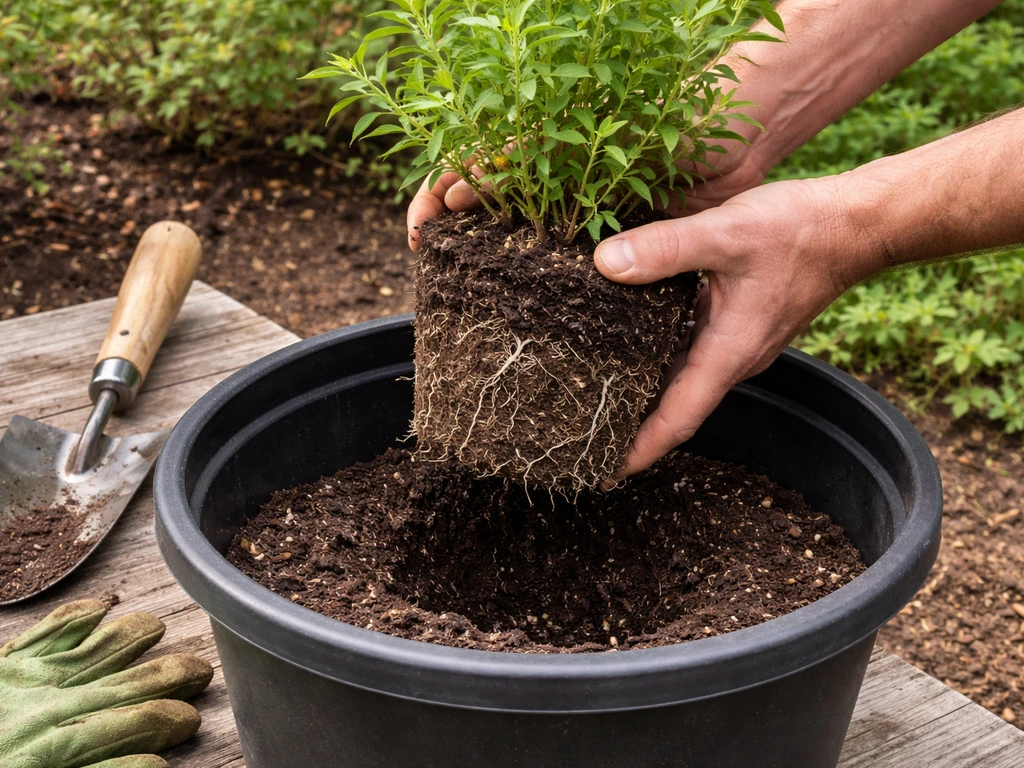
Whether you're transplanting a nursery start or moving a rooted cutting into its final container, the timing matters. Avoid doing this during a period when hard frost is expected, since the roots won't be established enough to handle a freeze. Spring, after your last frost date, is the sweet spot. When planting, dig a hole in your prepared potting mix that's twice as wide as the root ball and the same depth. Lower the plant in so the top of the root ball sits level with the surface of the mix, backfill, firm gently, and water well right away.
Watering, feeding, and keeping the sun coming
Goji is more drought-tolerant than most fruit plants, but in a container it dries out faster than it would in the ground, so you need to pay attention. The general rule is to let the top inch or two of soil dry out between waterings, then water thoroughly until it drains out the bottom. In summer, you might be watering every couple of days during a heatwave. In cooler months, once a week or even less might be plenty. Stick your finger in the soil before you water. If it still feels damp below the surface, wait.
Consistent watering becomes especially important when the plant is flowering and setting fruit. Irregular watering at that stage (going from bone dry to soaking wet) can cause flowers and small berries to drop. Try to be consistent once you see buds forming.
For feeding, goji doesn't need heavy fertilizing. A balanced slow-release granular fertilizer worked into the top of the soil in early spring is a good start. As the plant moves into flowering, switch to a fertilizer with a higher potassium content (the third number on the NPK label) to support fruiting rather than leafy growth. Liquid tomato feed, which is high in potassium, works well for this purpose and is easy to apply every two weeks during the growing season. Ease off feeding from late summer onward to let the plant slow down naturally before winter.
Pruning and training your potted goji
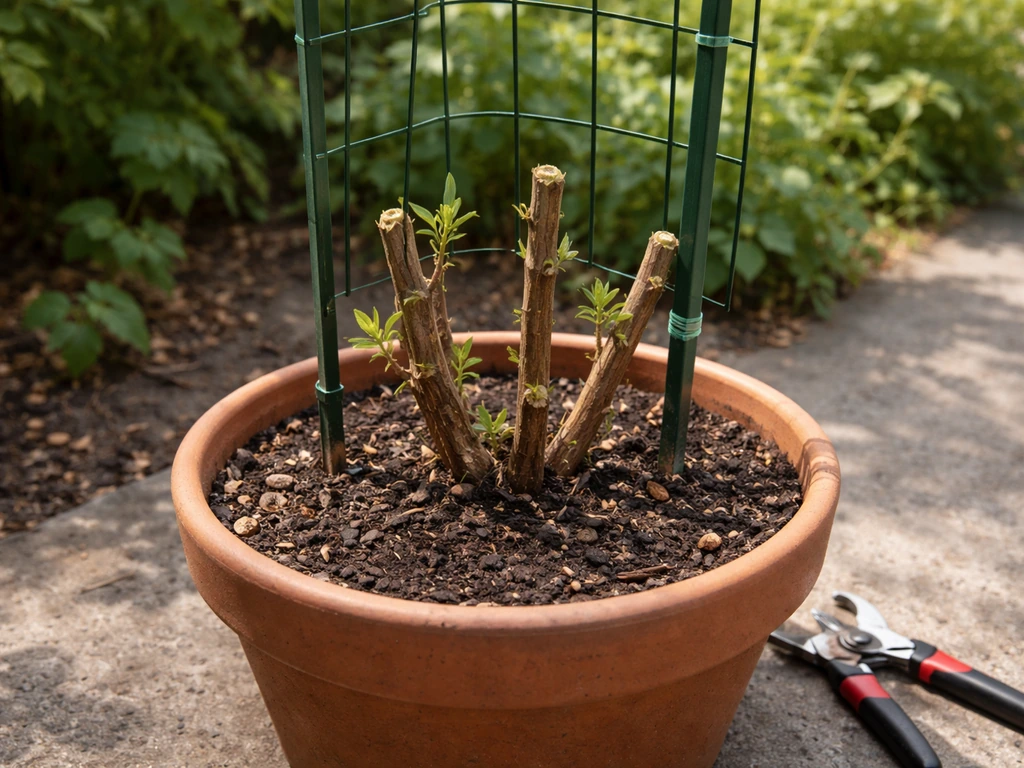
Left to itself, goji becomes a sprawling, arching shrub with long whippy stems that can easily reach 6 to 8 feet. In a pot, you don't want that. Pruning and training are how you keep the plant productive, manageable, and well-shaped for a container situation.
The key thing to understand about goji fruiting is that berries are produced on wood that grew the previous year. This means if you cut everything back hard every spring, you're removing the stems that would have fruited. The goal is to prune selectively: remove dead, weak, or crossing stems, shorten excessively long canes by about a third, and keep an open, airy structure that lets light reach the whole plant.
A simple training approach for container goji is to tie the main stems to a small trellis, bamboo canes, or a wire frame placed in the pot. This keeps the plant upright and manageable. A fan shape works well, with 3 to 5 main stems spread outward and tied in place. Sideshoots growing from these main stems are where most of your fruit will come from, so encourage them rather than removing them entirely.
The best time to do your main annual pruning is late winter or very early spring, just before new growth starts. You can also do light tidying throughout the summer, removing any stems that are getting too long or tangling into the rest of the plant.
Getting through winter and solving common container problems
Winter care for potted goji
Goji is a hardy plant and can handle cold temperatures, but container-grown plants are more vulnerable to hard freezes than those in the ground. This is because the roots in a pot are exposed to cold from all sides, not just the top. In the first few years, bring the container into a cool but frost-free space, like an unheated garage or shed, once temperatures regularly drop below freezing. The plant is dormant in winter and doesn't need light at that stage, just protection from extreme cold.
If moving the pot isn't practical, wrap it with horticultural fleece or bubble wrap to insulate the roots. You can also push the pot against a wall or fence for some shelter. An established plant (3 or more years old) in a large container will generally handle colder conditions better than a young plant in a small pot.
Troubleshooting the most common container issues
| Problem | What's causing it | What to do |
|---|
| Plant grows well but no berries | Too much shade, too much nitrogen feed, or plant is too young | Move to a sunnier spot, switch to a high-potassium feed, and be patient (fruiting often starts in year 2 or 3) |
| Yellowing leaves | Overwatering, waterlogged roots, or nutrient deficiency | Check drainage, let soil dry out more between waterings, and consider a balanced liquid feed |
| Wilting despite moist soil | Root rot from poor drainage or overwatering | Repot into fresh mix with better drainage, trim any blackened roots, and water less frequently |
| Stunted growth and root-bound plant | Pot is too small and roots have run out of space | Repot into a container one or two sizes larger in spring |
| White powder on leaves | Powdery mildew (a fungal problem, often in humid conditions) | Improve airflow around the plant, remove affected leaves, and apply a sulfur-based or potassium bicarbonate fungicide |
| Small bugs clustered on new growth | Aphids | Blast off with water, or apply insecticidal soap spray; repeat every few days until gone |
| Distorted, galled leaves | Goji gall mite (Aceria kuko) | Remove and bin affected growth, avoid spreading cuttings from affected plants; consult local extension advice for further controls |
Root crowding and repotting
Because goji develops a deep taproot, it will eventually fill even a 10-gallon container. Signs that your plant needs a bigger home include roots circling the bottom of the pot, roots poking out of the drainage holes, or noticeably slower growth despite good care. Repot in early spring before growth picks up, moving up to a pot that's 2 to 4 inches larger in diameter. Use fresh potting mix, and gently tease apart any roots that have started spiraling before placing the plant in its new container.
What to realistically expect and when
If you're starting from a young nursery plant, don't expect a huge crop in year one. Most container goji plants start producing their first berries in year 2, with a more substantial harvest in years 3 and beyond as the plant matures and fills its container. This is completely normal, and it doesn't mean you've done anything wrong. The plant is putting energy into root and stem development in those early years.
Goji berries ripen from midsummer through to autumn, turning from green to a deep orange-red when ready. Taste one before picking the whole crop: ripe goji berries are mildly sweet with a slightly herbal edge, and fully ripe ones come off the stem with a gentle tug. They don't all ripen at once, so expect to pick in batches over several weeks.
Container goji is a long-term plant. Give it a few seasons, keep the soil well-drained and slightly alkaline, prune it back sensibly each year, and it will reward you with berries for many years. If you enjoy growing roses too, see how to grow roses in pots in india. If you enjoy growing other fruits in containers, the same principles around pot size, drainage, and feeding apply to plants like strawberries, gooseberries, and can i grow blackcurrants in a pot, all of which work well in a similar container setup. Container goji is a long-term plant. Give it a few seasons, keep the soil well-drained and slightly alkaline, prune it back sensibly each year, and it will reward you with berries for many years. If you enjoy growing other fruits in containers, the same principles around pot size, drainage, and feeding apply to plants like strawberries, gooseberries, and blackcurrants, all of which work well in a similar container setup. strawberry plants how to grow in pots. how to grow gooseberries in pots how to grow gooseberries in pots. how to grow fruits in pots