Blue Glow agave is one of the best agaves you can grow in a pot. It stays compact (around 2.5 feet tall and 3 feet wide at full maturity), it's slow-growing, and it looks genuinely striking with its blue-green leaves edged in red and gold. Give it a well-draining pot, a gritty soil mix, plenty of sun, and very little water, and it will sit happily in a container for years with almost no fuss. The biggest mistake people make is overwatering it, especially in winter, so everything in this guide comes back to drainage and restraint.
How to Grow Blue Glow Agave in Pots: Step-by-Step Care
Marcus Whitley
4 Jun 2026
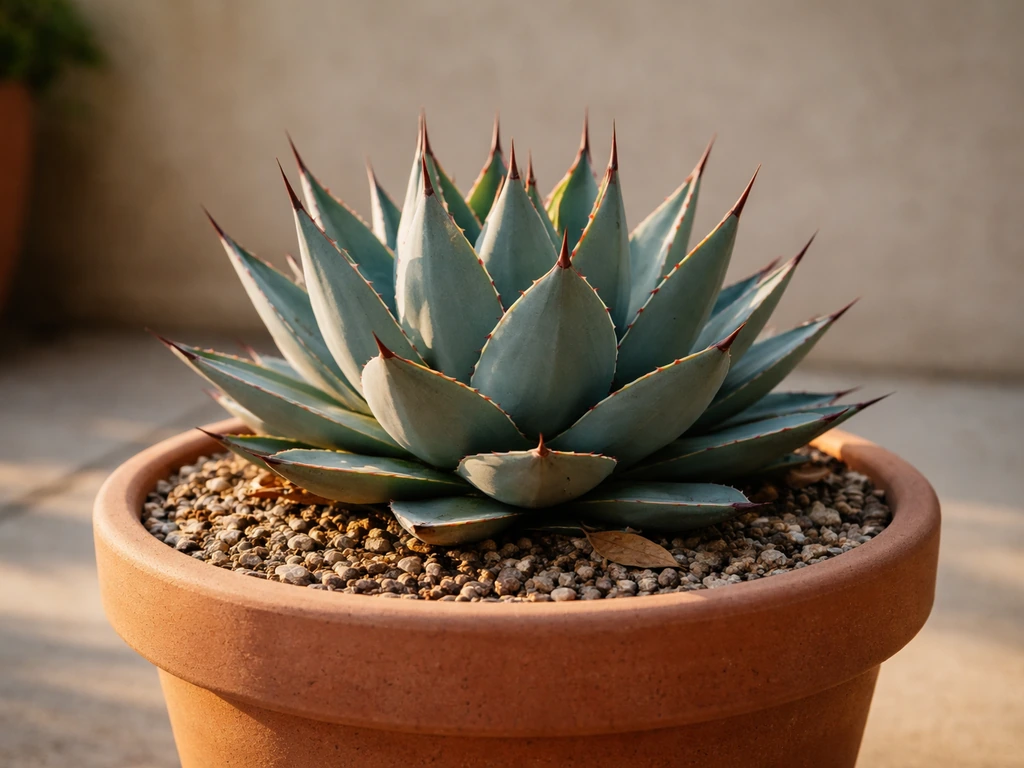
Is Blue Glow agave actually a good pot plant?
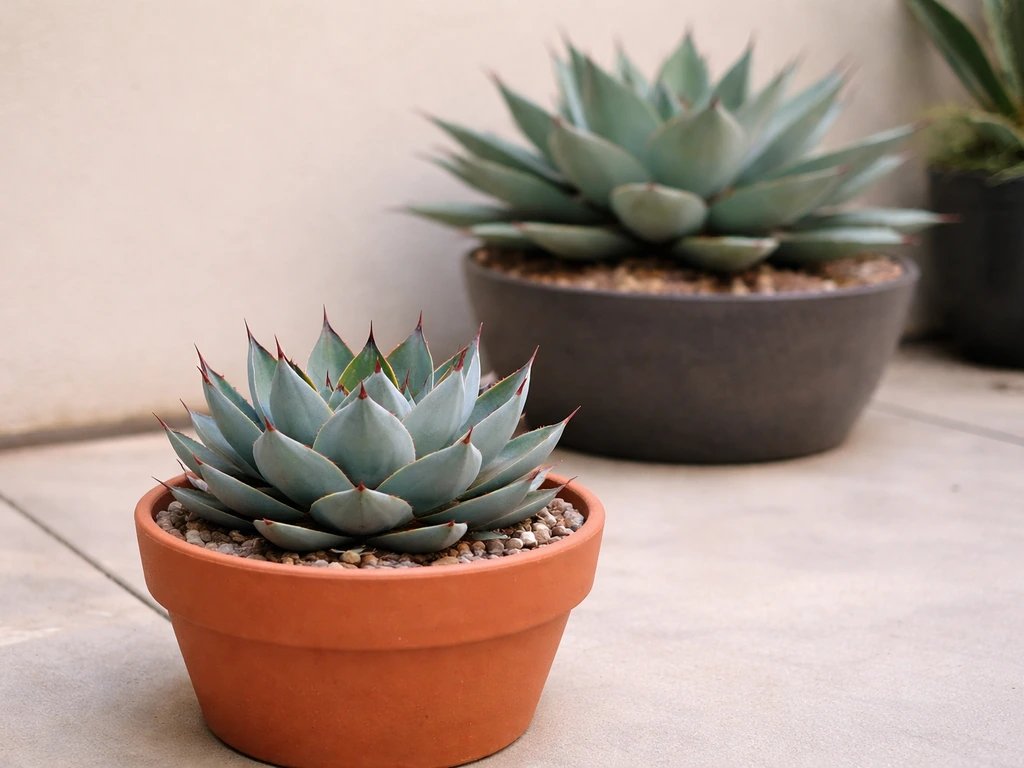
Honestly, yes. Many agaves get enormous and outgrow containers fast, but Blue Glow is a hybrid specifically valued for staying manageable. It's a slow grower, which in container terms means you won't be repotting it every season and fighting a plant that's doubled in size. It also has a naturally tidy, symmetrical rosette shape that looks good in a pot without much intervention. If you've grown aloe vera in a pot before, you already understand the general approach: gritty soil, bright light, dry spells between waterings. Blue Glow works the same way but is even more drought-tolerant and longer-lived.
One thing worth knowing upfront: most Blue Glow plants sold today are a patented cultivar that is non-offsetting, meaning it generally won't produce the 'pups' or offshoots that many other agaves send out around their base. That's actually a plus for container growing because the plant stays visually clean and doesn't get crowded. It does mean propagation is more limited, but I'll cover that later.
Choosing the right pot size and setting up drainage
For a young Blue Glow (a 1-gallon nursery plant, typically about 6 to 8 inches across), start with a pot that's roughly 10 to 12 inches in diameter. You want about 2 inches of extra space around the root ball, not much more. Oversizing the pot is a common mistake with succulents because all that extra soil stays wet long after the plant has used its water share, and that's where root rot starts.
Material matters. Terracotta is my top pick for Blue Glow because it's porous and lets excess moisture evaporate through the walls, reducing the chance of waterlogged roots. Glazed ceramic or plastic pots work too, but you'll need to be even more careful about watering frequency since those materials hold moisture longer. Whatever pot you choose, it absolutely must have drainage holes at the bottom, not just one small hole but ideally several. Agapanthus care in a pot is similar in that you must choose a container with excellent drainage and water only when the mix dries out. Water should run freely out the bottom within seconds of watering, not pool inside.
You may have heard the advice to add a layer of gravel at the bottom of the pot to 'improve drainage.' Skip it. This actually creates what's called a perched water table: the water sits just above the gravel layer instead of draining through, which keeps the root zone wetter than if you'd filled the pot uniformly with good gritty mix from the start. Just use well-draining soil throughout and let gravity do the rest.
The best soil mix and how to plant it
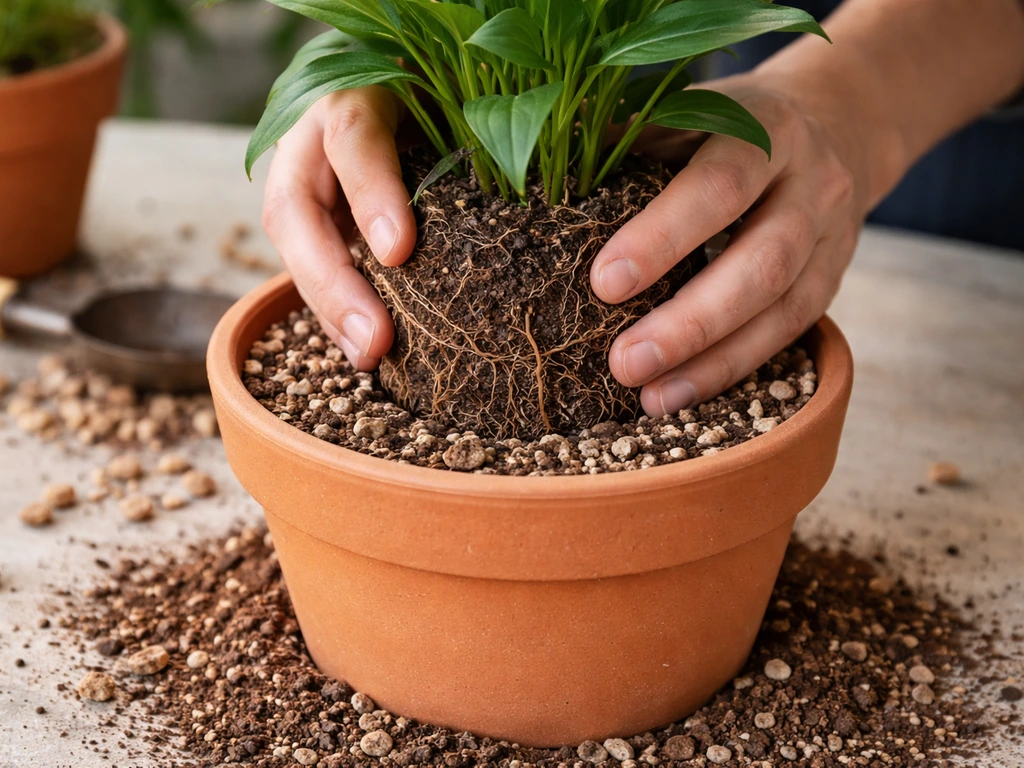
Standard potting mix on its own is too moisture-retentive for Blue Glow. You need something that drains fast and dries out between waterings. A practical container mix that works well is roughly 50% coarse mineral material (pumice, perlite, or lava rock), 25% coarse sand or horticultural grit, and 25% regular cactus or succulent potting compost. If you'd rather keep it simple, buy a bagged cactus and succulent potting mix and blend in extra perlite at about a 1:1 ratio. Either approach gives you the air-pore space and drainage speed the roots need.
To plant, fill the pot about one-third full with your mix, then set the root ball in so the base of the rosette sits just at or slightly above the pot rim (agaves don't like being buried deep). Fill in around the sides, pressing the mix gently to remove air gaps without compacting it hard. Top-dressing the surface with a thin layer of grit or small pebbles is optional but helps keep the base of the plant dry and deters pests. After planting, wait about a week before watering to let any disturbed roots settle and callus.
Light, temperature, and watering your potted Blue Glow
How much light does it need?
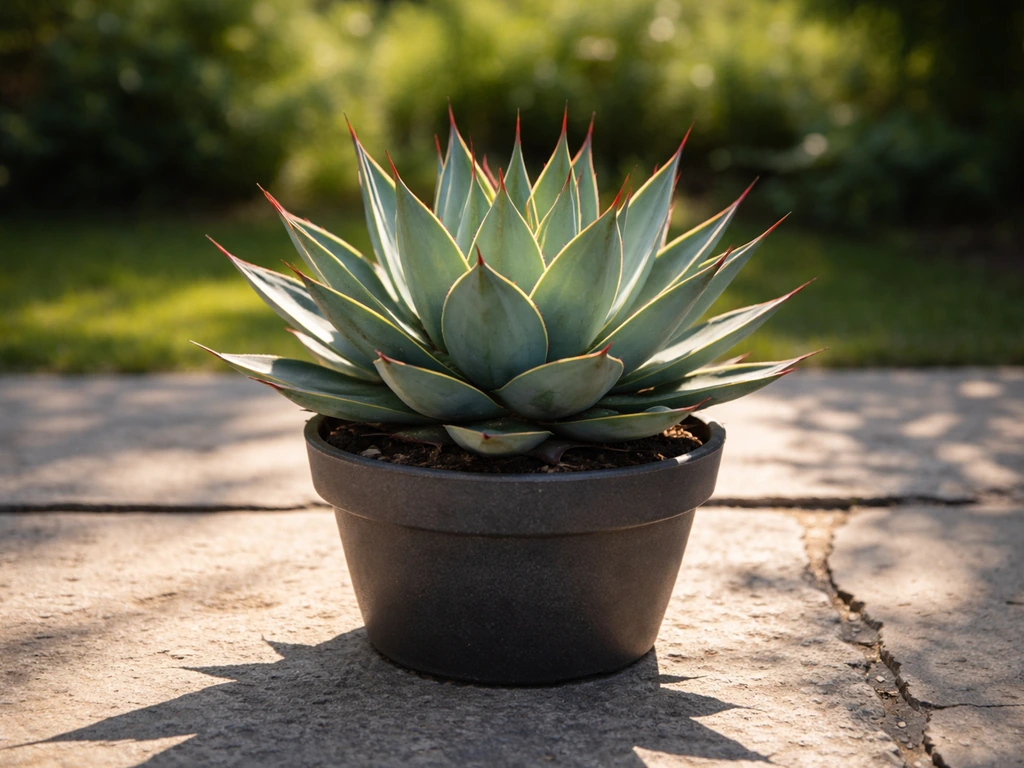
Blue Glow agave needs plenty of direct sun to look its best. Outdoors, a spot that gets at least 6 hours of full sun per day is ideal. UF/IFAS notes that Agave attenuata’s light requirement is “part shade/part sun,” which can help guide how much sun you provide. Full outdoor sunlight and great drainage are the two non-negotiables for keeping this plant healthy long-term. If you're growing it on a south or west-facing balcony or patio, you're in good shape. Some afternoon shade in the hottest part of summer (especially in climates where temperatures regularly exceed 100°F) can prevent scorching, but err on the side of more sun rather than less.
Indoors, placement in front of your brightest window is essential. Aim for 8 or more hours of direct sun a day if you can manage it. A south-facing window is best. Without enough light indoors, the plant won't die immediately, but it will slowly stretch and lose its tight, symmetrical shape, and it'll be more vulnerable to rot from slow-drying soil.
Temperature: what it can handle
Blue Glow tolerates heat well and is reasonably cold-hardy for an agave, but in a pot the roots are more exposed to temperature extremes than in the ground. Outdoors it's typically fine down to around 20 to 25°F for brief periods, but prolonged freezes will damage or kill a potted plant. The key advantage of growing it in a container is that you can move it. When overnight temperatures drop below 25°F, bring it inside or into a garage.
In winter, you want to hold it somewhere that stays above 60°F if possible. A cool, bright, unheated space (like a bright enclosed porch) is actually ideal for winter storage: cool enough to slow the plant down, bright enough that it doesn't suffer.
Watering routine by season
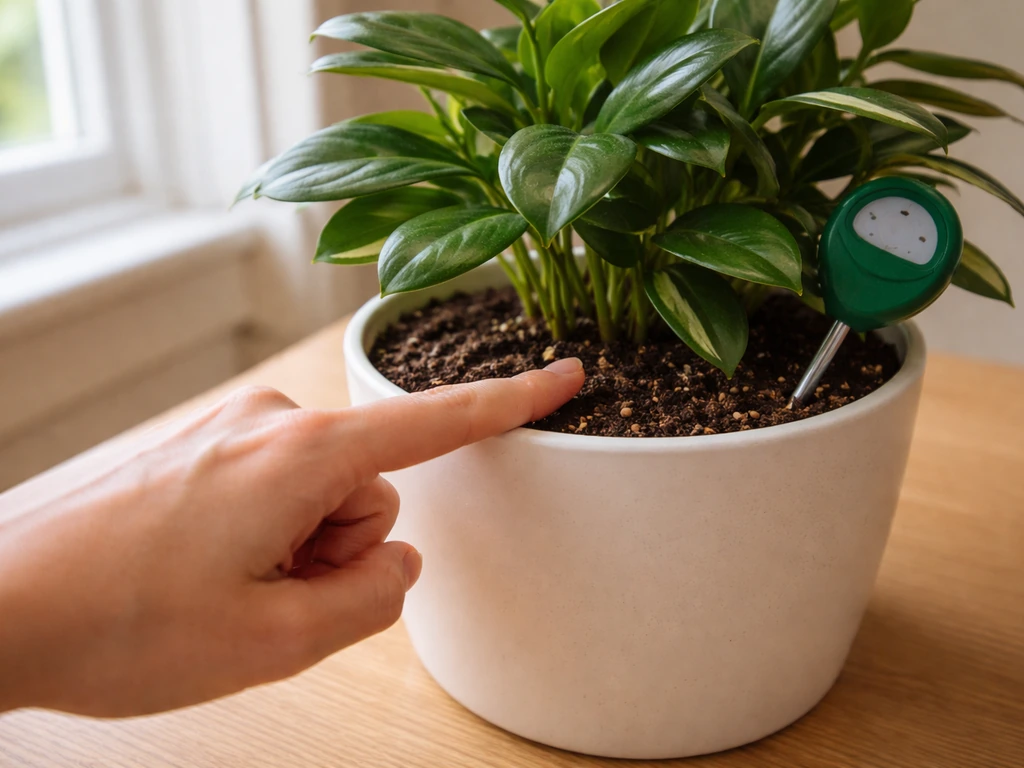
This is where most people go wrong, so I want to be really specific. Blue Glow stores water in its thick leaves, which means it can go much longer without watering than most plants you're used to. The golden rule is to let the soil dry out completely between waterings, then water deeply so it runs out the drainage holes, then leave it alone again.
| Season | Watering Frequency | Notes |
|---|---|---|
| Spring (active growth starting) | Every 10 to 14 days | Check soil is fully dry before watering; begin reducing dry periods as weather warms |
| Summer (peak growing season) | Every 7 to 14 days depending on heat | Water more in extreme heat; always check soil first; ensure pot drains freely |
| Autumn (growth slowing) | Every 3 to 4 weeks | Start tapering off as temperatures drop; let plant harden before winter |
| Winter (dormant or near-dormant) | Once a month at most, or none | If kept cool and bright, the plant may need no water for months; overwatering in winter is the #1 killer |
When you do water, water thoroughly until it drains from the bottom, then empty any saucer beneath the pot so the plant isn't sitting in standing water. Never water on a schedule without checking the soil first. Stick your finger 2 inches into the mix: if there's any dampness, wait. If it's completely dry and the leaves look firm and turgid, go ahead and water. If the leaves look slightly wrinkled and soft, the plant is thirsty and has been dry too long, so water right away.
Fertilizing and seasonal care
Blue Glow doesn't need much feeding, but a light fertilizer during the growing season does support healthy development. During spring and summer, feed with a diluted liquid fertilizer (a balanced or low-nitrogen cactus/succulent formula works well) at half strength, roughly every two weeks. A light drench at around 100 ppm nitrogen concentration is the professional grower's approach, but at home this just means a highly diluted liquid fertilizer, not a heavy dose. Stop feeding completely in autumn once growth visibly slows, and don't feed at all through winter.
For winter care in colder climates (anywhere that sees frost), move the pot under cover before the first hard freeze. A bright, unheated garage, porch, or spare room is fine as long as temperatures don't drop below 20°F and there's reasonable light. Pull the pot out of reach of winter rain if you can, since a cold, wet root zone is far more dangerous than cold temperatures alone. Resume normal watering and feeding gradually in spring when you see the plant putting out new leaf growth.
Pests, diseases, and common container problems
Root rot from overwatering
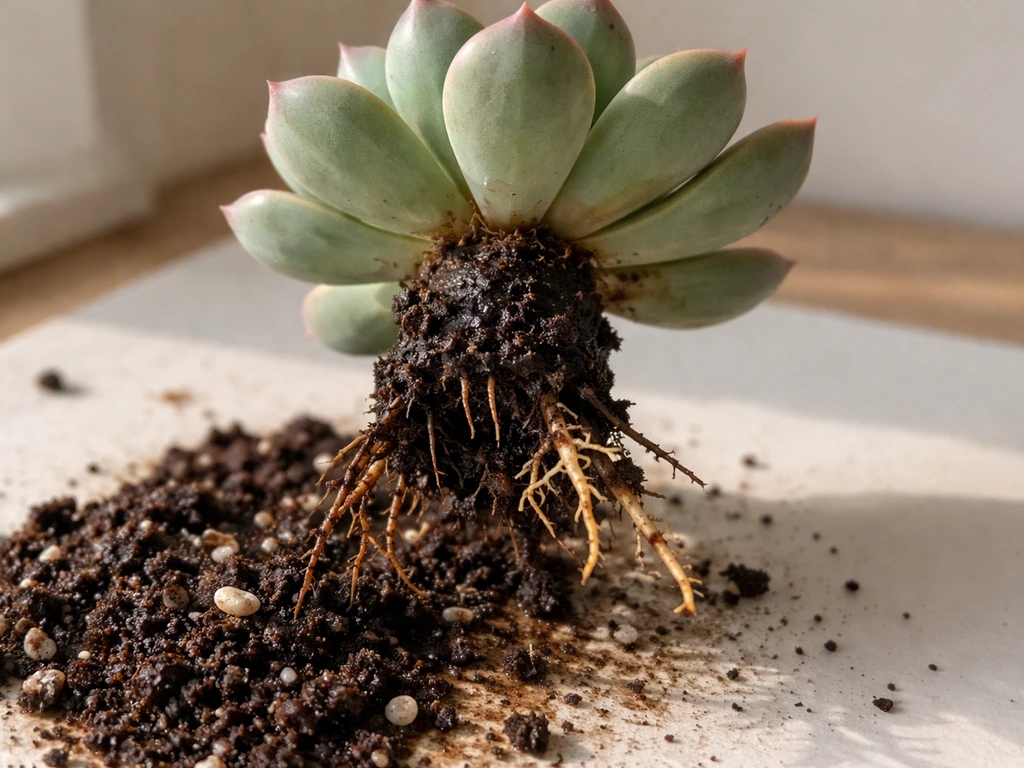
This is the most common way potted Blue Glow dies, and it almost always comes from watering too often in cool or low-light conditions, particularly indoors in winter. If you notice the leaves going soft and yellow or brown at the base, and the base of the plant feels mushy, you likely have root rot. Remove the plant from its pot, shake off the wet soil, and inspect the roots. Healthy roots are white or tan and firm.
Rotted roots are brown, black, and mushy. Cut away any rotten roots with clean scissors, let the plant dry out for a few days in a warm, bright spot, then repot in fresh dry gritty mix and hold off watering for at least a week.
Underwatering and leaf wrinkling
If the leaves look wrinkled, shriveled, or accordion-folded, the plant is too dry. This is much less common with Blue Glow than overwatering, but it does happen if you forget about it entirely during summer heat. A good deep watering will usually plump the leaves back up within a week.
Sunburn and heat stress
If you move a Blue Glow that's been indoors all winter straight into full summer sun, the tips and surfaces of the leaves can bleach out or turn tan and papery. This is sunburn, and while it won't kill the plant, the damage is permanent on those leaves. Acclimatize your plant gradually in spring by starting it in a partly shaded outdoor spot for a week or two before moving it into full sun.
Pests: mealybugs, scale, and spider mites
Agaves in containers occasionally attract mealybugs (white cottony clusters, usually at leaf bases), scale insects (small brown bumps on leaf surfaces), or spider mites (fine webbing and stippling on leaves, most common in hot, dry indoor conditions). For mealybugs and scale, insecticidal soap spray or horticultural oil applied directly to the insects is effective, but you need to make contact with the pest for it to work. Repeat the treatment every 5 to 7 days for a few weeks to catch hatching eggs. For spider mites, blank" rel="noopener noreferrer">insecticidal soap or a dilute horticultural oil spray works well. Make sure you coat the undersides of leaves where mites hide. Isolate any infested plant from others while you treat it.
Propagation and repotting schedule
Propagating Blue Glow
Here's the honest truth about propagating Blue Glow: it's tricky. The patented cultivar commonly sold today is non-offsetting, meaning it doesn't produce the basal pups or offshoots that make most agaves easy to propagate at home. If your plant does occasionally produce an offset (some individual plants do), you can remove it with a clean, sharp knife when it's at least a few inches across, let the cut end dry out and callus for a few days in a warm, shaded spot, then pot it up in dry gritty mix and wait about two weeks before watering. But don't count on it. If you want more plants, the most practical route is to buy another one from a nursery.
Seed propagation is possible but very slow and requires a mature plant that has flowered, which can take many years or even decades with Blue Glow. For most home gardeners, it's not a realistic path.
When and how to repot
Because Blue Glow is a slow grower, you won't need to repot it often. A good rule of thumb is to check the roots every two to three years in late spring. If you see roots circling the bottom of the pot or growing out of the drainage holes, it's time to move up one pot size (roughly 2 inches larger in diameter). If the roots aren't crowded but the soil looks exhausted, compacted, or you've had pest or rot issues, refreshing the soil mix in the same size pot is a better option than going bigger.
Always repot in spring or early summer when the plant is entering active growth. Use fresh gritty mix, handle the plant carefully (those leaf tips are sharp, so thick gloves are a good idea), and avoid watering for at least a week after repotting to give any disturbed roots time to recover. That's it. Do those things and Blue Glow will reward you with years of low-maintenance, architectural good looks in whatever pot you've chosen for it.
If you follow these container tips, you'll have a clear path for how to grow alyssum in pots with healthy growth and fewer problems whatever pot you've chosen for it. . If you're looking for a different kind of container plant, you can also follow this guide on how to grow alstroemeria in pots for vibrant blooms.
FAQ
How can I tell if my potting mix is draining fast enough for blue glow agave?
Use the pot as the main indicator. If you see water runoff immediately and the mix becomes noticeably light within a day or two in warm weather, the setup is likely correct. If the pot stays heavy for many days, your mix is too fine, the container is too large, or there is no real airflow at the bottom.
How do I adjust watering frequency for blue glow agave in pots during winter?
In winter, water less often and only after a full dry-down. A practical approach is to check with your finger 2 inches down and also lift the pot to gauge weight, then water only when it feels fully dry and the leaves show mild thirst. Never water if the pot feels cool and wet or if the plant is in low light.
What should I do if my blue glow rosette looks buried or the plant is unstable in the pot?
If the base rosette lifts and the plant wobbles, the root ball may be sitting too deep or the mix was compacted. Loosen and re-set the rosette so the base sits at or slightly above the rim, then top with dry grit. Avoid burying it to “stabilize,” because that increases rot risk in containers.
Can I put my blue glow outside right away in spring, or do I need to acclimate it?
Yes, but don’t rush. Move it to brighter conditions over 7 to 14 days, starting with morning sun or partial shade, then increase exposure. Sunburn damage does not reverse, so gradual acclimation is the best way to keep the leaves looking their best.
What is the correct way to treat common pests on potted blue glow agave?
For mealybugs and scale, expect repeats because eggs hatch over time. Apply insecticidal soap or horticultural oil until you see direct contact with the insects, then repeat every 5 to 7 days for several rounds. For spider mites, focus on undersides and treat during the coolest part of the day to reduce leaf stress.
In frost-prone areas, is it safe to leave a potted blue glow outside if it is covered from rain?
Yes, but choose a bright, non-rainy spot and keep the root zone dry. If rain can reach the pot while it is cold, bring the container under cover or protect it with an awning. Cold plus wet soil is the most dangerous combination for potted agaves.
When is the best time to repot blue glow agave in containers?
Avoid repotting during stress, like extreme heat, mid-winter low light, or right after a new purchase if the plant is recovering. Spring or early summer is the safest window because roots regrow faster and the plant can dry down quickly after repotting.
Why does my agave still rot even though I have a drainage hole?
Don’t rely on a single hole size, number, or “gravel layer” trick. Make sure multiple drainage holes are present, the pot is not standing in a saucer of water after watering, and your mix stays gritty throughout. If runoff is slow, repot into a faster mix and consider using a slightly larger drainage-forward setup.
How can I tell the difference between underwatering damage and root rot in potted blue glow agave?
If leaves turn brown and soft at the base and the root zone smells sour, treat as root rot. If browning is only on the outer dry tips and leaves feel firm, it may be sun or minor dehydration. The key check is base firmness and root inspection if mushiness is present.
What are realistic propagation options for blue glow agave if it rarely produces offsets?
If your blue glow offsets rarely, propagate using a purchased plant. If you do get an offset, remove it only when it is large enough to handle (several inches across), let the cut callus fully, and pot it in dry gritty mix. Wait before watering, about two weeks, so you don’t rot the fresh tissue.