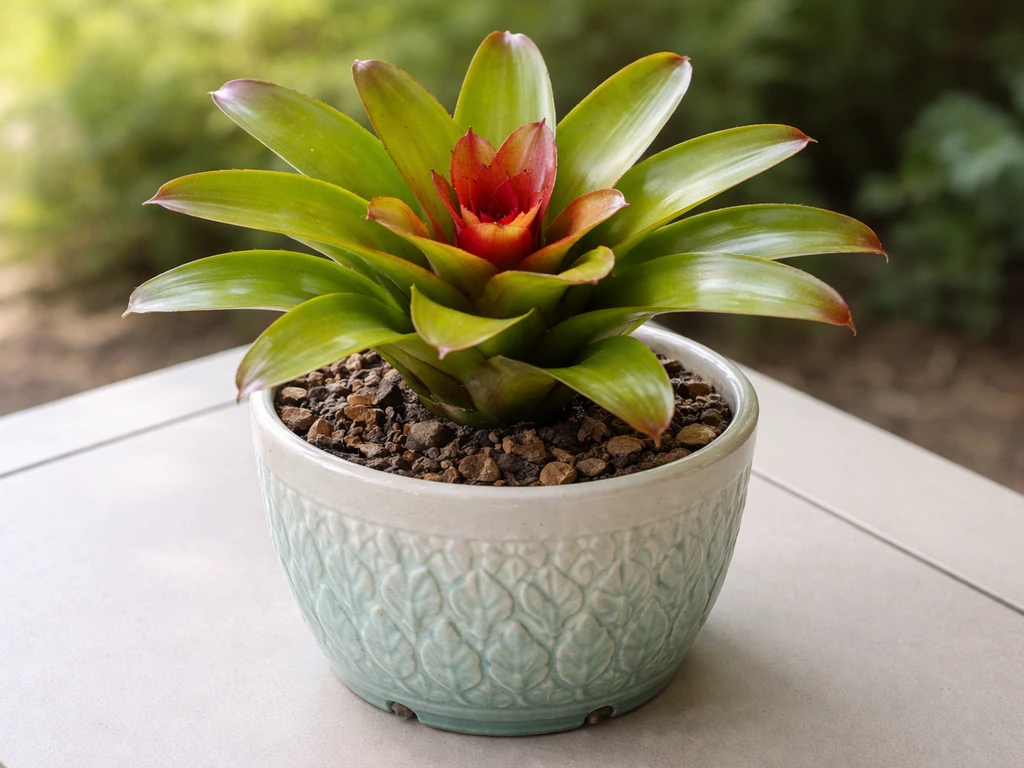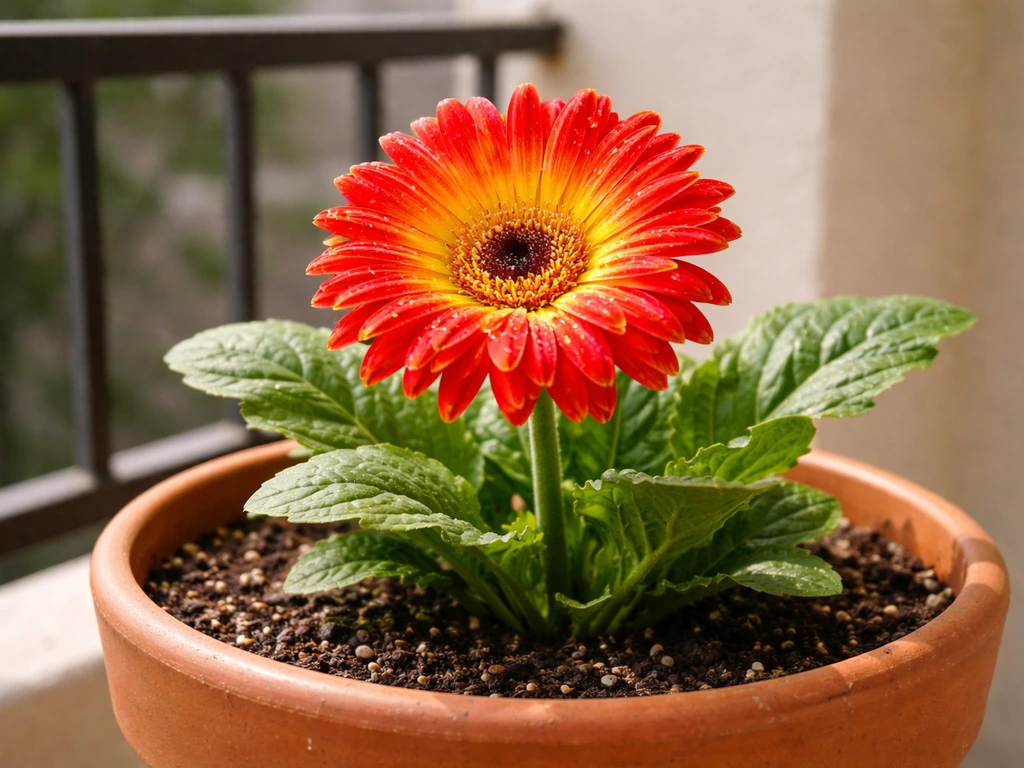
Yes, gazania grows really well in pots, and honestly it might be one of the best flowers you can pick for container gardening if you have a hot, sunny spot and you tend to forget to water. These compact, low-growing plants (usually around 6 to 12 inches tall and wide) slot neatly into pots on a balcony, patio, or windowsill, and when they're happy they pump out vivid daisy-like blooms in oranges, yellows, pinks, and reds for weeks on end. The main thing to get right is drainage and sun. If you also want an edible crop, check out how to grow pickles in a pot for a similar container setup. If you’re wondering how to grow bromeliads in pots, focus on bright light and fast-draining potting media so the roots never sit in water drainage and sun. Get those two things right, and almost everything else falls into place. If you're also wondering about planting gerbera daisies in pots, the key is choosing a well-draining mix and giving them plenty of sun.
How to Grow Gazania in Pots: Container Success Guide
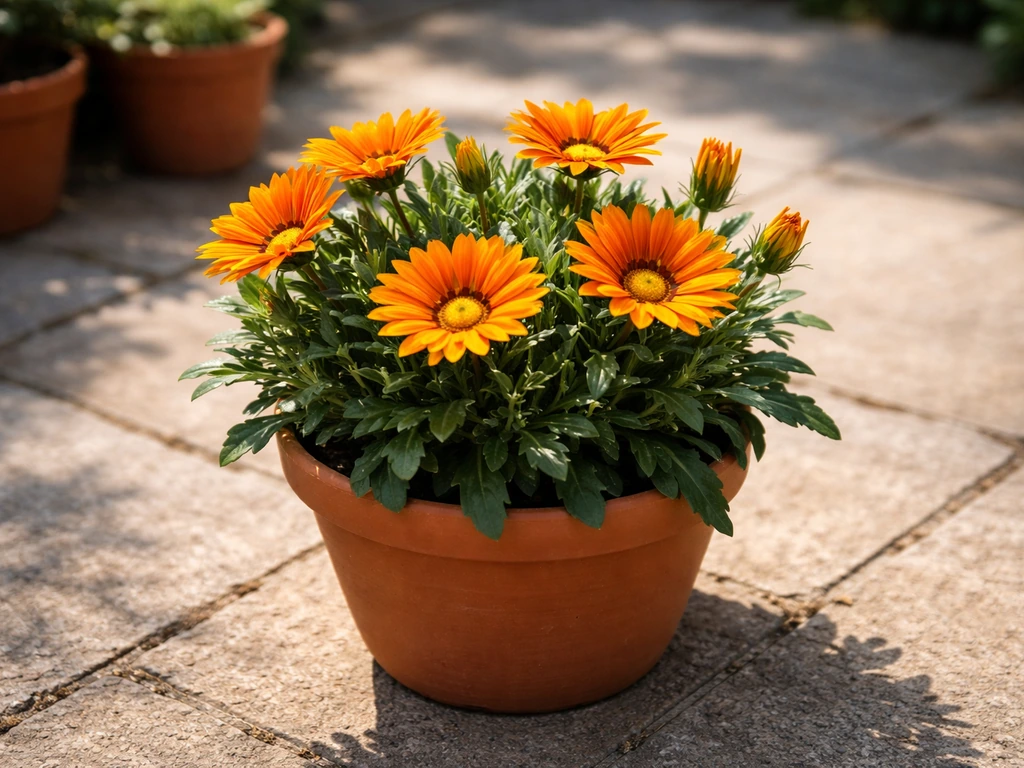
Can gazania actually grow in pots (and what to expect)
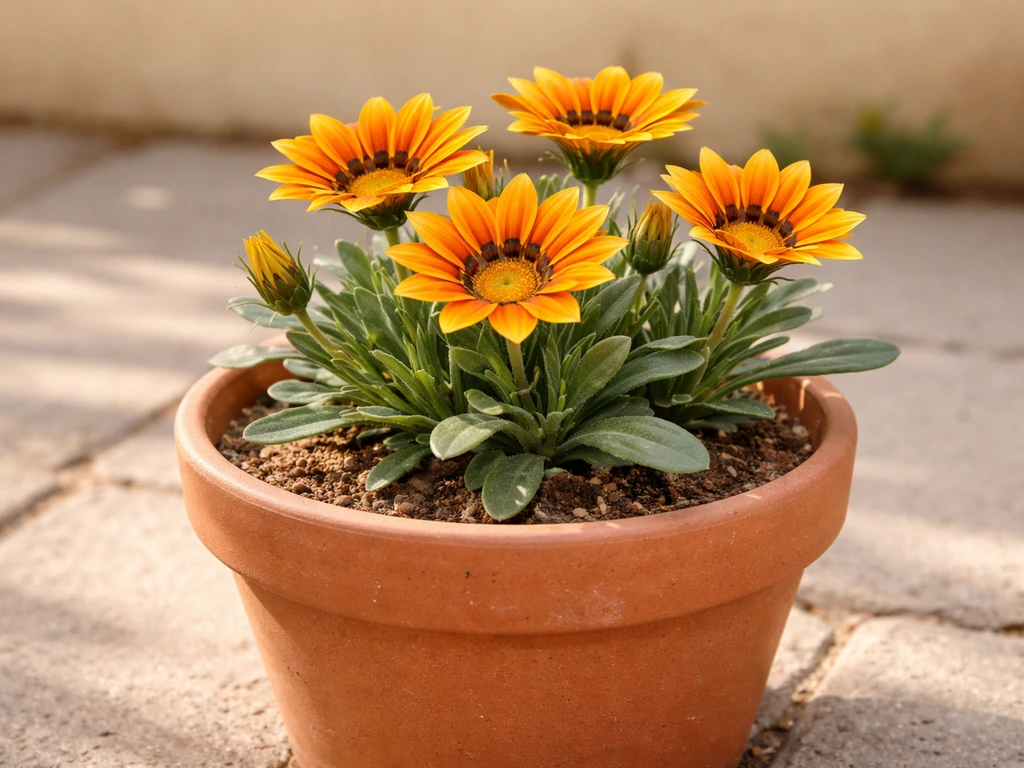
Gazania is a South African native, which tells you a lot about what it wants: baking sun, lean soil, and not much water. Extension specialists from UIUC classify it as a tender annual in most of the US, meaning outside of USDA hardiness zones 8B through 11, it won't survive a frost in the ground or in a pot outdoors. If you want a similar container-friendly guide for a different plant, you can also follow our tips on how to grow begonias in pots. In most places gardeners grow it as an annual and replant each spring, which is totally fine because it's fast-growing, inexpensive from seed or nursery packs, and flowers prolifically from early summer right through to the first cold snap.
In a container, gazania's compact size is a genuine advantage. It doesn't need a huge pot, it doesn't sprawl aggressively, and its drought tolerance means it's forgiving when you miss a watering. What it won't forgive is soggy soil. Houseplant 101 notes that for succulent-style mixes, using gritty, free-draining media and avoiding water-retentive mixes helps reduce rot risk soggy soil. That's the one thing that kills potted gazania fastest, and it's completely avoidable once you understand why it happens.
Choosing the right pot size, drainage, and container setup
For a single gazania plant, a pot that's about 8 to 10 inches in diameter is plenty. If you want to grow three or four plants together for a full, lush display, go for a 14- to 16-inch container. The rule of thumb is to give each plant roughly 8 inches of horizontal space so the roots can spread without competing too heavily.
Drainage holes are non-negotiable. At least one good-sized hole at the base lets excess water escape instead of pooling around the roots. Pooled water cuts off oxygen to roots and invites rot fast, especially in a plant that's evolved to live in dry, gritty soil. If you've got a pot you love but it has no hole, either drill one or use it as a cachepot (a decorative outer sleeve) and keep the actual plant in a plain nursery pot with holes inside it.
For pot material, terracotta or unglazed clay pots are ideal because they're porous and allow moisture to evaporate through the walls, keeping the root zone drier between waterings. Plastic and glazed ceramic hold moisture longer, which isn't ideal for a drought-loving plant like gazania. That said, plastic is fine if you're disciplined about not overwatering. One practical note: dark-colored pots in full sun heat up significantly and increase water demand, so if you're in a hot climate and using a dark pot, check the soil moisture more frequently.
Best soil mix for potted gazania
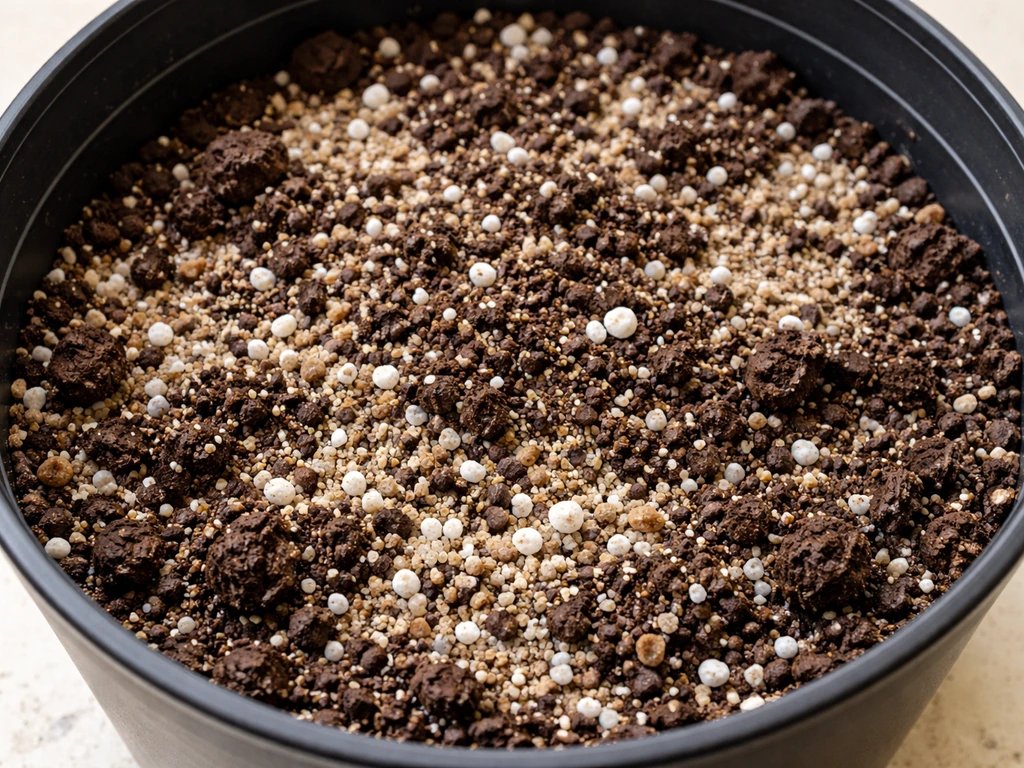
Standard peat-based potting mix straight from the bag holds too much water for gazania. It's designed to stay moist, which is great for many plants but works against you here. What you want is a fast-draining, gritty mix that lets water pass through quickly and doesn't stay wet for long.
The simplest approach is to take a standard potting soil and cut it with coarse horticultural sand and perlite. A good working ratio is roughly 50% potting soil, 30% coarse sand or grit, and 20% perlite or pumice. This creates air pockets in the mix and prevents compaction. Avoid adding vermiculite (it retains water), water-retaining crystals, or heavy amounts of peat or compost. Gazania actually does better in lower-fertility soil, so resist the temptation to enrich the mix heavily. A lean, gritty medium is genuinely what this plant prefers.
If you want to do a quick test before planting, scoop some of your mix into a container, pour water onto it, and watch how fast it drains. It should drain through in under 30 seconds. If water sits on the surface and takes a while to soak in, add more grit or perlite.
Planting gazanias in containers
You have three ways to get gazanias into pots: from seed, from divisions of an existing plant, or from purchased nursery seedlings. Nursery seedlings are the easiest option if you're a beginner and want flowers quickly. Bought plants typically start blooming within a few weeks of being potted up.
Starting from seed
If you're starting from seed, begin indoors 6 to 8 weeks before your last expected frost date. Sow seeds about 1/8 to 1/4 inch deep in small cells or a seed tray filled with a fine, moist starting mix. They germinate best with warmth (around 65 to 75°F) and usually sprout within 7 to 14 days. Once seedlings have a couple of sets of true leaves and all frost risk has passed, they're ready to move into their final container outdoors.
Transplanting seedlings or divisions
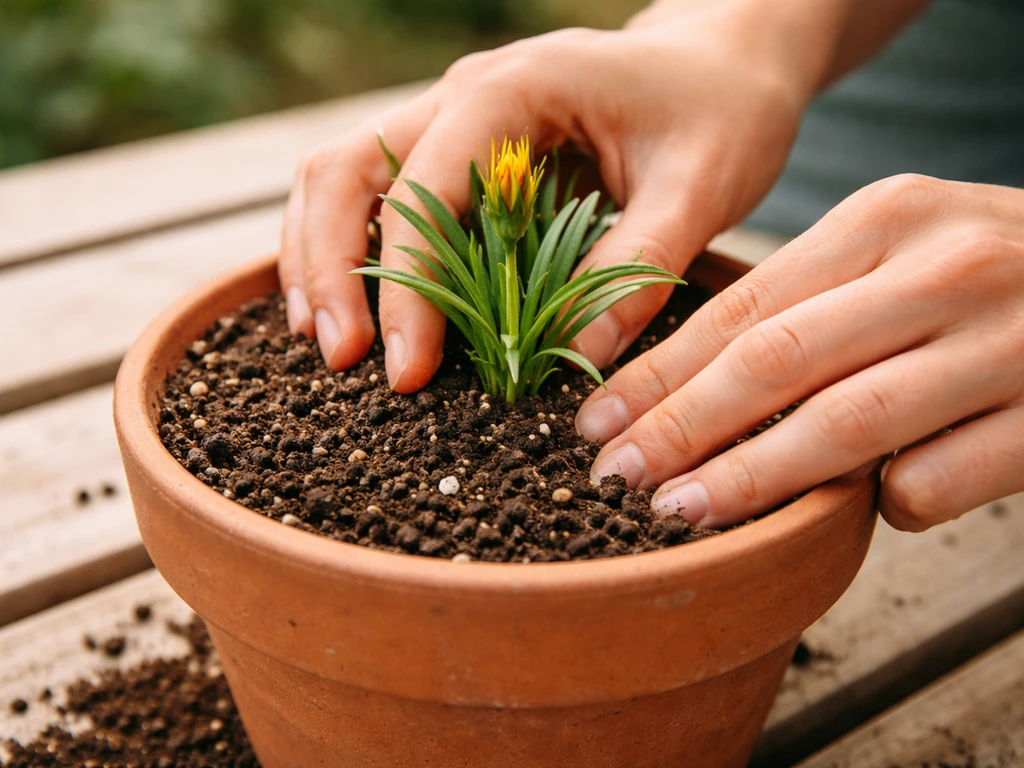
When transplanting into the pot, the single most important thing is not to bury the crown of the plant (the point where the stems meet the roots) beneath the soil surface. Crown rot is a real problem with gazania, and it starts when the crown stays damp against wet soil. Plant so the crown sits at or very slightly above the soil level, and leave an inch or so of space between the soil surface and the rim of the pot to make watering easier without splashing soil all over the crown. After planting, water in gently, and then wait until the top inch or two of soil is dry before watering again.
Sunlight, watering, and feeding schedule
Sun requirements
Gazania needs full sun, and that means at least 6 to 8 hours of direct sunlight per day. This isn't a plant that'll compromise. Poor light leads directly to poor flowering and leggy, weak stems. South or west-facing spots are ideal for container placement. One of the big advantages of growing in pots is that you can move them into the best sun position, so use that flexibility. If your blooms are sparse or your plant looks stretched and floppy, the first thing to check is whether it's getting enough direct sun.
Watering
The watering rule for potted gazania is simple: let the soil dry out between waterings. Stick your finger an inch or two into the soil. If it feels dry at that depth, water thoroughly until it runs freely from the drainage holes. Then don't water again until it dries out. In hot summer weather in a terracotta pot, that might mean watering every 2 to 3 days. In a larger plastic pot with overcast weather, it might be once a week or less. Let the soil be your guide, not a fixed schedule.
Feeding
Gazania doesn't want to be overfed. Too much nitrogen produces lush foliage but few flowers, and gazania already prefers low-fertility conditions. A light application of a balanced, slow-release granular fertilizer at planting time is a reasonable starting point. After that, a half-strength liquid fertilizer every 3 to 4 weeks during the growing season is enough to keep things going without pushing excessive leaf growth. Keep granular fertilizers away from the crown and stems when applying, as they can cause burn on contact with plant tissue.
Keeping flowers coming: deadheading and maintenance
Deadheading (removing spent, fading flowers) is one of the most effective things you can do to keep gazania blooming continuously. When a flower finishes, the plant's energy shifts toward producing seeds. By removing those spent blooms before seeds set, you redirect that energy into producing new buds. NC State Extension specifically recommends deadheading as the main maintenance technique for continuous gazania blooms.
To deadhead properly, look for flowers that are browning, wilting, or fully faded. Trace the stem down to where it meets a leaf node or branch junction and snip or pinch it off there. Don't remove buds that haven't opened yet, even if they look a bit closed up. Gazania flowers close at night and on cloudy days, which is completely normal behavior, not a sign of a dying bloom.
Beyond deadheading, give the plant a light tidy every couple of weeks. Remove any yellowing or dead leaves at the base. This improves airflow around the crown, which reduces the risk of fungal problems, and it keeps the plant looking neat in a container setting.
Common problems in pots and quick fixes
| Problem | Likely Cause | Quick Fix |
|---|---|---|
| Few or no flowers | Not enough sun, or too much nitrogen | Move pot to a sunnier spot; reduce fertilizer frequency |
| Leggy, floppy stems | Insufficient light | Relocate to full sun; trim back leggy growth |
| Yellowing lower leaves, mushy stems | Overwatering or poor drainage | Let soil dry fully; check drainage holes are clear; repot with grittier mix if needed |
| White powdery coating on leaves | Powdery mildew | Improve airflow around plant; avoid wetting foliage; remove affected leaves |
| Sticky residue, distorted new growth | Aphids | Knock off with a strong spray of water; use insecticidal soap if persistent |
| Holes in leaves, slime trails | Slugs or snails | Remove by hand in evenings; use a copper tape barrier around the pot |
| Fine webbing on undersides of leaves | Spider mites (common in hot, dry conditions) | Mist undersides of leaves; use insecticidal soap or neem oil |
The honest truth is that most problems with potted gazania come back to two things: too little sun or too much water. Before assuming something exotic is wrong, rule those out first. I've seen plants that looked half-dead perk right back up after being moved into a sunnier spot or after a week of being left to dry out properly.
Overwintering and seasonal care for potted gazania
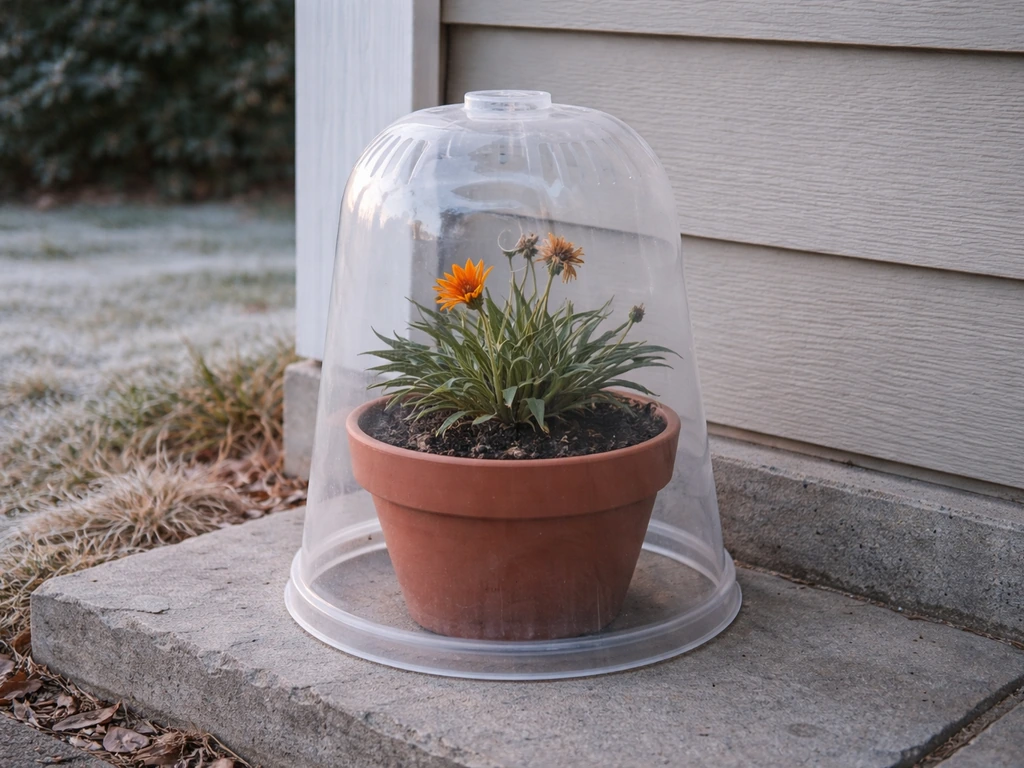
In USDA zones 9 and warmer, gazania can survive mild winters outdoors in a container if you tuck it somewhere sheltered and reduce watering significantly during the cooler months. The key through winter is to keep the soil on the dry side, since cool and damp is a quick route to crown rot. Group pots together near a wall or building for extra protection, and consider wrapping the pot itself (not the plant) with bubble wrap or horticultural fleece to insulate the root zone.
In zones 8 and colder, where frost is a real risk, you have two practical options. The first is to bring the pot indoors before the first frost into a cool but frost-free space like a garage, basement, or unheated greenhouse. Keep it near a window if possible, water very sparingly (just enough to prevent the soil from bone-dry dust), and don't feed it at all until spring growth resumes. The second option, which NC State Extension also recommends, is to take stem cuttings in late summer before temperatures drop. Root the cuttings in a small pot indoors over winter and plant them out fresh in spring. Cuttings root easily and give you identical plants to the parent without needing to store a big pot through the cold months.
Many gardeners in cooler climates simply treat gazania as an annual, buy fresh plants or start new seeds each spring, and don't overthink the winter question at all. There's nothing wrong with that approach. Start seeds indoors around late February or early March (6 to 8 weeks before your last frost), harden the seedlings off by gradually introducing them to outdoor conditions over 7 to 10 days, and pot them up once frost risk has passed. You'll have a full display going by early summer.
Your quick-start checklist
- Choose a pot at least 8 inches wide with at least one drainage hole at the base.
- Fill with a fast-draining mix: roughly 50% potting soil, 30% coarse sand or grit, 20% perlite.
- Plant seedlings so the crown sits at or just above the soil surface, not buried.
- Position the pot in the sunniest spot you have (6 to 8 hours of direct sun daily).
- Water thoroughly, then wait until the top 1 to 2 inches of soil dry out before watering again.
- Feed lightly every 3 to 4 weeks with a half-strength balanced liquid fertilizer.
- Deadhead spent flowers regularly to keep new buds coming.
- Check for aphids, spider mites, and slugs every week or two and deal with them early.
- Before the first frost, bring the pot indoors or take cuttings if you're in a colder zone.
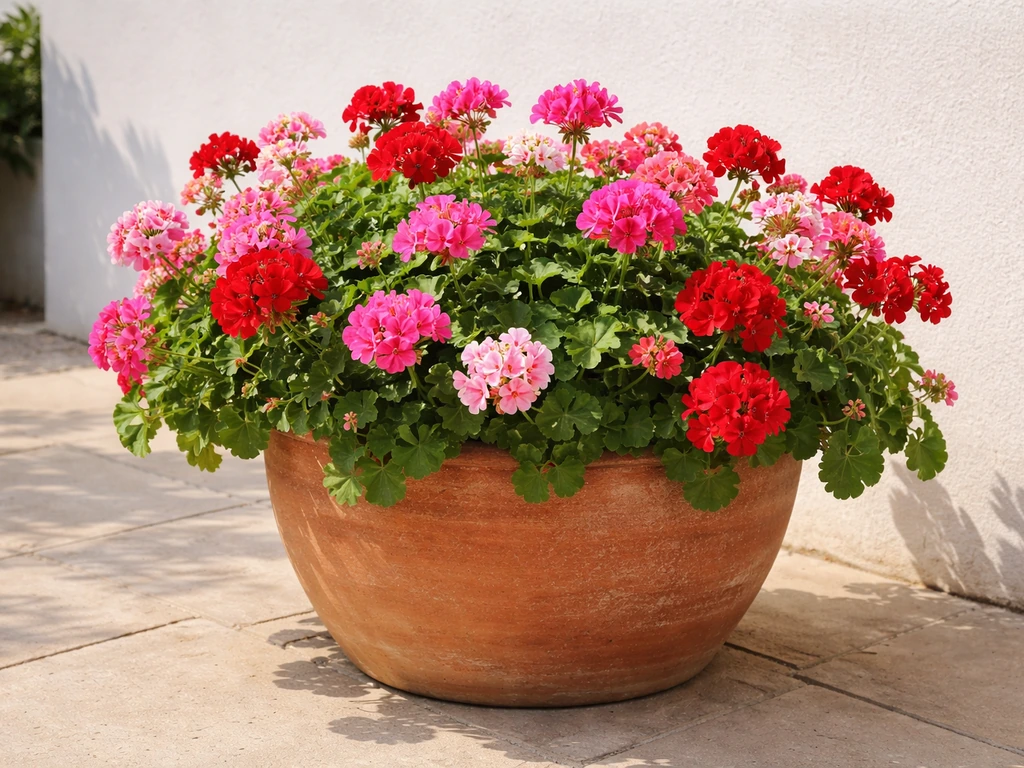
If you're already growing other sun-loving flowers in containers, gazania fits right into the same care rhythm as gerbera daisies or geraniums in pots. The main difference is that gazania is even more forgiving of dry spells, making it a great option if you're time-poor or just getting started with container gardening. Give it sun, give it sharp drainage, and it'll reward you with months of colour.
FAQ
Why are my potted gazanias not blooming even though they look healthy?
Most non-blooming in pots comes from either insufficient direct sun or excess nitrogen. Aim for 6 to 8 hours of direct light, and pause additional feeding if you used a rich fertilizer. Also check spacing and deadheading, crowded plants and seed-setting both reduce new bud production.
My gazania leaves look healthy but the crown seems soft. What should I do?
Soft or collapsing crown usually indicates crown rot from staying too wet. Stop watering immediately, move the pot to full sun, and let the mix dry back thoroughly. If the crown is already mushy, consider taking healthy side cuttings or starting over, since rot can spread quickly through the base.
Can I grow gazania in a pot with no drainage holes using a saucer?
It’s risky. If you must use a decorative cover, keep the plant in a separate nursery pot with drainage, then place that inner pot inside the outer sleeve. Empty any trapped water from the saucer after watering, and never let the crown sit in water.
How often should I water when the weather changes (hot summer vs mild spring)?
Use the dry-down method, not a calendar. Test 1 to 2 inches down, water thoroughly until it runs from the holes, then wait until that depth feels dry again. Expect terracotta in heat to dry fast, while cool or cloudy weather can stretch intervals to a week or more.
Is it better to plant one gazania per pot or multiple together?
Both work, but multiple plants require space and fast-drying soil. For containers, allow about 8 inches of horizontal space per plant and use a pot wide enough to reduce root competition. If you pack them too tightly, they dry unevenly and can struggle with airflow around the crown.
What’s the best way to deadhead gazania without damaging buds?
Remove only flowers that are fully spent or browning and trace the stem back to the leaf node where it branches. Leave closed buds alone, since they can still open later. It’s also normal for flowers to close at night or on cloudy days, so don’t remove them just because they look closed.
Should I prune leggy gazania stems?
Instead of heavy pruning, first fix the cause, usually low light. Move the pot to the brightest direct-sun spot you have. Light tidy-ups are fine, remove yellowing leaves at the base, but avoid cutting into healthy crown tissue because gazania is sensitive to staying damp around the base.
Can I take cuttings to save my potted gazania over winter indoors?
Yes, especially in climates with real frost. Take stem cuttings in late summer before cold weather, root them in a small pot indoors, and keep them just lightly moist. This avoids trying to store a wet crown through winter, and the new plants will be genetically the same as the parent.
What pot size is too small for gazania?
Very small pots can dry out too quickly and increase the risk of underwater stress or root crowding. For one plant, 8 to 10 inches in diameter is a solid target. If you want a fuller display with multiple plants, use a 14 to 16 inch pot and space them so each plant has roughly 8 inches of room.
Why do the flowers look pale or fewer than expected in summer heat?
In extreme heat, the plant may respond to stress by slowing bud set if the soil swings between too wet and too dry. Stick to thorough watering only when the top 1 to 2 inches are dry, and avoid frequent splashy waterings. A gritty mix also buffers heat swings better than straight bagged peat mix.
Is gazania drought tolerant, or can it handle missed waterings indefinitely?
It tolerates drying, but it still needs a full soak when the mix is dry at depth. If you repeatedly let the mix stay bone dry for long stretches, flowering can drop even if the plant doesn’t die. Aim for “dry between waterings,” not “never water.”