Yes, you can absolutely grow heather in pots, and it actually works really well if you get two things right from the start: the soil pH and the drainage. Heather is fussy about acidity (it wants a pH between 4.5 and 5.5) and it will not forgive sitting in waterlogged compost. Nail those two things, pick a decent-sized container, and you'll have a low-maintenance, year-round evergreen plant that rewards you with colour across the seasons.
How to Grow Heather in Pots: Beginner Step-by-Step Guide
Marcus Whitley
12 May 2026
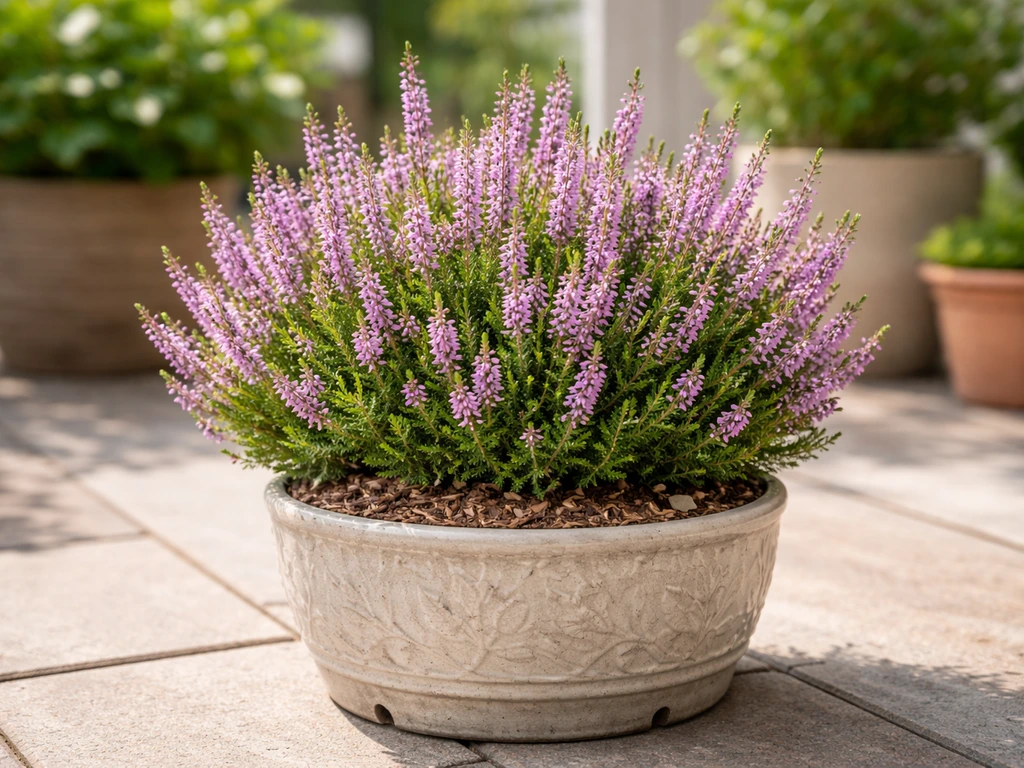
Can you grow heather in pots? (and what to expect)
Heather is a genuinely great container plant, especially if your garden soil is alkaline and you can't grow acid-loving plants in the ground. Growing in a pot lets you control the soil chemistry entirely, which is actually a big advantage. In the ground, you're fighting your natural soil; in a pot, you start fresh with exactly the right mix.
What you should realistically expect: heather in containers stays compact and tidy, flowers reliably once or twice a year depending on the variety, and stays evergreen all year round. It's not fast-growing or dramatic, but it's genuinely unfussy once established. The main ongoing job is keeping the soil acidic over time, because compost can drift toward neutral as it breaks down and gets watered. Think of it as a plant that asks for very little but does have one non-negotiable preference: acid conditions.
One honest caveat: potted heather is slightly more vulnerable in winter than in-ground heather, because the roots are exposed to freeze-thaw cycles through the pot walls rather than being insulated by the ground. That's manageable, but it's something to plan for if you're in a colder zone.
Choose the right heather variety and container setup
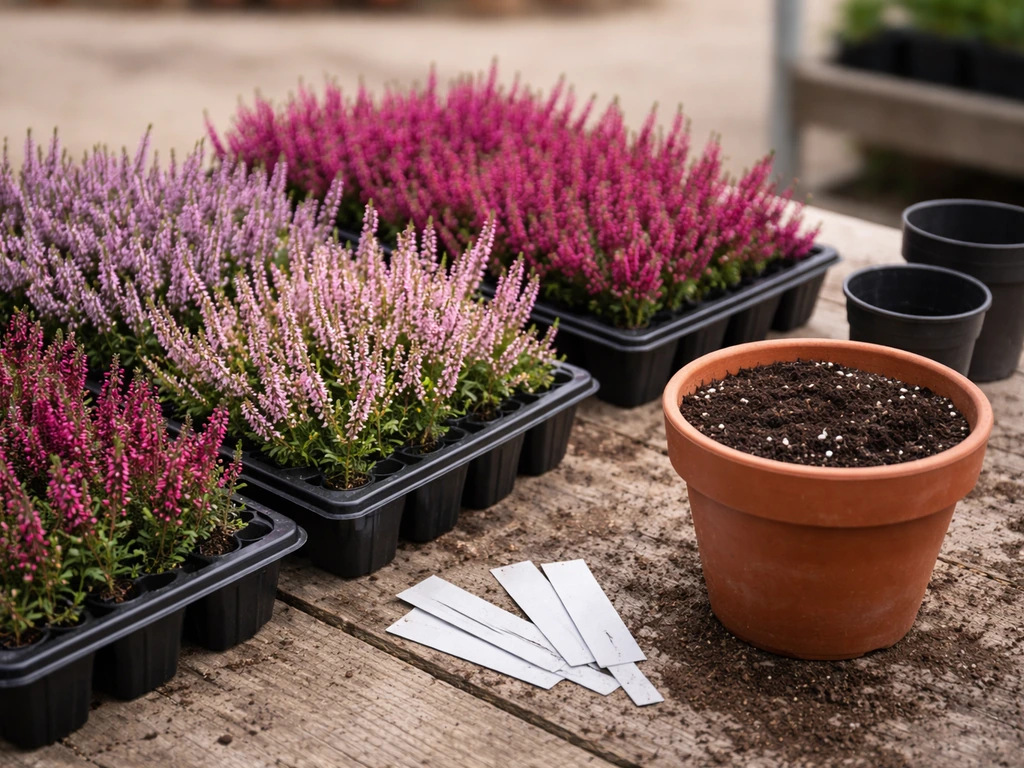
Which variety to grow
There are three main types of heather you'll come across, and they all work in pots, but they have different strengths. Calluna vulgaris (common heather or ling) blooms in late summer and autumn and is hardy to USDA Zone 4. Erica carnea (winter heather) blooms from late winter into spring and is hardy to Zone 5. Daboecia (Irish heath) is less commonly grown but also an acid-lover that does well in containers. For most home gardeners, I'd suggest starting with either Calluna or Erica carnea because they're the easiest to find and the most forgiving.
For specific varieties, Calluna vulgaris 'Silver Knight' is a great pot choice. It has silver-grey foliage that's attractive even when it's not flowering, reaches about 18 to 24 inches tall and up to 24 inches wide at maturity, and is hardy from zones 4 through to 7 or 9 depending on where you are. Erica carnea 'King George' (sometimes sold as 'Winter Beauty') is another excellent option, staying compact at around 15 inches and producing cheerful pink-red flowers from winter onward. For an urban balcony or small patio, both of these work well without outgrowing their space too quickly.
Picking the right pot
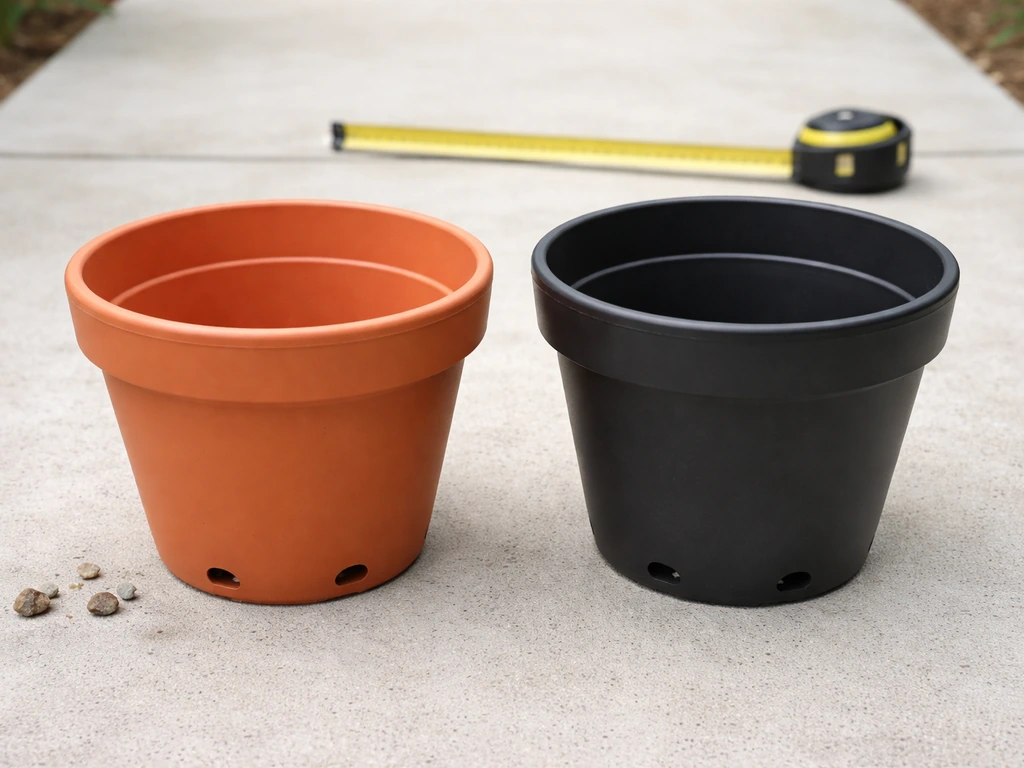
Go for a pot that's at least 30 to 35 cm (12 to 14 inches) in diameter for a single heather plant, and at least 25 to 30 cm (10 to 12 inches) deep. Wider is always better because heather tends to spread sideways as much as it grows upward, and giving roots room to spread sideways encourages a fuller, healthier plant. If you're grouping several heathers together for a display, a large trough or planter works beautifully.
Material matters too. Terracotta looks gorgeous with heather but dries out faster and can crack in hard frosts. Plastic or fibreglass pots retain moisture better and are more frost-resistant, making them a more practical choice for year-round outdoor use, especially in colder climates. Whatever you choose, the pot must have plenty of drainage holes at the base. This is not optional with heather. One or two small holes is not enough; you want multiple, generously sized holes so water drains freely every time you water.
Raise the pot off the ground using pot feet or bricks. This keeps the drainage holes clear and prevents them from getting blocked by debris or sitting on wet paving, which would defeat the purpose entirely.
Soil and pH: using ericaceous mix and keeping it acidic
This is the single most important part of growing heather in pots. Use ericaceous (acidic) potting compost, full stop. Do not use standard multi-purpose compost, which sits at roughly pH 6 to 7 and is too neutral for heather. Ericaceous compost typically sits between pH 4 and 5, which is right in heather's sweet spot of 4.5 to 5.5. You'll find ericaceous compost at any garden centre, often labelled as suitable for rhododendrons, azaleas, blueberries, and heathers.
I'd recommend mixing about 80% ericaceous compost with 20% perlite or horticultural grit. This improves drainage and stops the mix from compacting over time, which heather hates. Don't bother putting a layer of gravel at the bottom of the pot, by the way. Research from Illinois Extension confirms this doesn't actually improve drainage and can actually create a perched water table that keeps roots wetter than you want.
Check the pH of your compost before planting if you can. A simple, inexpensive soil pH meter from a garden centre will do the job. You're aiming for 4.5 to 5.5. If the mix reads higher than 5.5, you can lower it by watering with rainwater rather than tap water (tap water in many areas is alkaline and will gradually raise soil pH), or by using a small amount of sulphur chips mixed into the compost.
The tricky part of container heather is that pH can drift upward over time as the compost breaks down and tap water adds alkalinity. Check the pH every spring and correct it if needed. After two to three years, you'll likely need to refresh the compost entirely, as it will have compacted and lost its structure.
Planting and initial care (depth, spacing, timing)
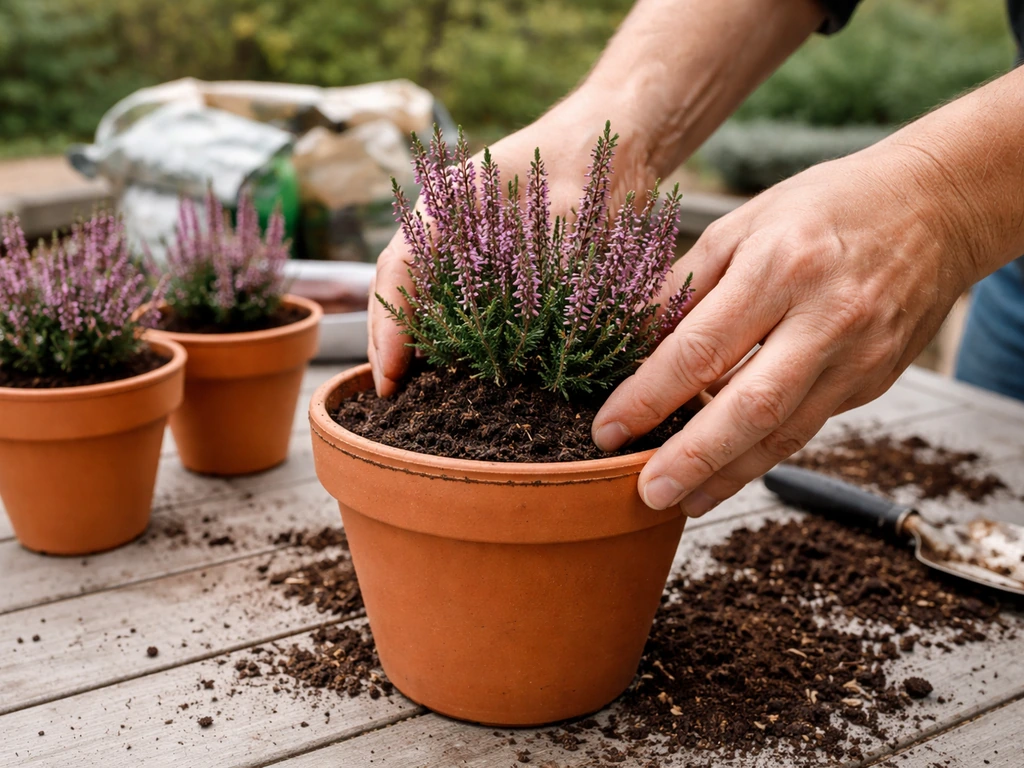
The best times to plant heather into containers are February to May or September to November. Spring planting gives the plant a full growing season to establish. Autumn planting also works well but aim to get it in before mid-September if possible, because heather needs several weeks of active growth to settle in before cold weather arrives. Late autumn planting (October onward) leaves roots with too little time to establish.
When you're planting, match the depth to where the plant sat in its nursery pot. The top of the rootball should sit at the same level in your new container as it did before. Planting too deep can rot the crown; planting too shallow leaves roots exposed. If you're putting multiple heathers in a larger container, space them 30 to 45 cm (12 to 18 inches) apart so they have room to spread without immediately crowding each other.
After planting, water thoroughly to settle the compost around the roots. Gently firm the compost around the rootball with your fingers but don't compress it heavily. Then give the pot a good look: the compost surface should sit about 2 to 3 cm below the rim of the pot, leaving space for watering without it running straight off the edges.
Light, watering, and drainage best practices in containers
Getting the light right
Heather wants as much sun as you can give it. Full sun (at least six hours a day) produces the best flowering and most compact growth. It will tolerate partial shade but expect looser, leggier plants and fewer flowers. On a balcony or patio, pick the sunniest spot you have. South or west-facing positions are ideal in the northern hemisphere.
Wind is a real problem for potted heather, particularly in winter. Heather is very prone to windburn, which turns the foliage brown and crispy. Placing the pot against a wall or fence gives useful shelter. In very exposed locations, you might need to move pots to a more sheltered spot for winter.
Watering without drowning it
Heather needs consistent moisture but absolutely cannot sit in waterlogged compost. Root rot from poor drainage (caused by Phytophthora cinnamomi) is the number one killer of potted heather, so getting your watering right is critical. UConn IPM also notes that Phytophthora root rot can be prevented by planting in areas with good drainage and by avoiding overwatering and extended wet periods Phytophthora cinnamomi) is the number one killer of potted heather. The goal is evenly moist compost, not wet, not bone dry.
A practical rule: check the compost by poking your finger about 2 cm into the surface. If it feels dry at that depth, water thoroughly until water runs freely from the drainage holes, then leave it until it dries out to that 2 cm level again. In summer heat, this might mean watering every two to three days. In cooler months, once a week or even less is often enough.
Use rainwater when you can. Once you know the basics for container planting, you can apply the same approach when you’re figuring out how to grow proteas in pots rainwater. Collected rainwater is naturally slightly acidic and won't gradually raise your soil pH the way hard tap water does. If you only have tap water, that's fine, but it's one more reason to test your soil pH each spring. In summer, you can place a saucer under the pot to catch excess water and reduce how often you water, but don't let water sit in the saucer permanently. Empty it after a few hours so the compost doesn't wick up too much moisture and turn soggy.
Feeding and maintenance throughout the seasons
Feeding
Heather is not a heavy feeder, and overfeeding can actually cause problems. Use a fertiliser designed for acid-loving plants (ericaceous liquid feed, or a slow-release granular formula for rhododendrons and azaleas) once in early spring and once in early summer. That's genuinely all you need. Feeding too often or with the wrong fertiliser (especially one containing lime or chalk) will push the soil pH up and stress the plant.
Pruning and tidying
Heather benefits from a light trim once a year to keep it bushy and encourage fresh flowering growth. Trim Calluna vulgaris in spring, just as new growth starts to show. For Erica carnea, trim lightly after it finishes flowering in spring. The aim is to remove the spent flower stalks and about a third of the previous year's growth. Never cut back into old, bare wood, as heather doesn't regenerate from old stems the way some shrubs do. Keep cuts into the green, leafy growth only.
Winter care
Heather itself is cold-hardy, but the roots in a pot are more vulnerable than roots in the ground because the pot walls offer no insulation against freeze-thaw cycles. In zones 4 to 5, move pots to a sheltered, unheated space like a garage, porch, or cold greenhouse for the coldest months. In milder zones (6 and above), the plant can stay outdoors year-round, but move it against a sheltered wall and consider wrapping the pot in bubble wrap or hessian to protect the roots from hard frosts. Winter heather (Erica carnea) is reportedly hardy to around -20°C, so severe cold is rarely the issue; it's the exposure and windburn that cause the most damage.
Seasonal maintenance at a glance
| Season | Key task |
|---|---|
| Spring | Check pH, apply ericaceous feed, prune spent flowers on winter heather, trim Calluna as growth resumes |
| Summer | Water regularly (every 2–3 days in heat), apply second light feed in early summer, check drainage holes are clear |
| Autumn | Reduce watering, plant new heathers by mid-September, move pots to sheltered spots before first frost |
| Winter | Protect roots from freeze-thaw, shield from wind, water sparingly (once every 2–3 weeks if dry) |
Troubleshooting common pot-heather problems and quick fixes
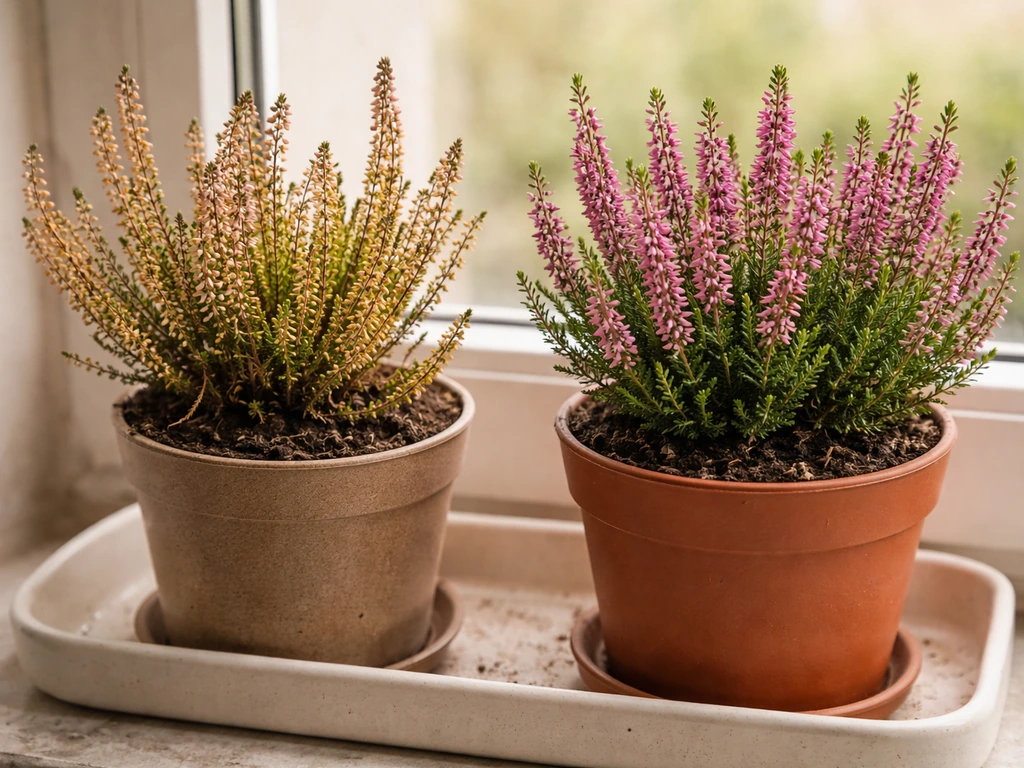
Most problems with potted heather come down to one of five things: wrong soil pH, poor drainage, wrong watering habits, wind damage, or old compost. Here's how to identify and fix each one.
- Yellowing leaves and poor flowering: This is almost always a pH problem. The compost has drifted too alkaline, and the plant can't absorb nutrients properly (called chlorosis). Test the pH. If it's above 5.5, water with rainwater, apply an ericaceous liquid feed, and mix sulphur chips into the top layer of compost. If the compost is old and compacted, repot entirely into fresh ericaceous mix.
- Wilting despite watering (or brown crispy foliage): Check the compost. If it's wet at depth, you have a drainage problem, not a drought problem. Lift the pot and check the drainage holes aren't blocked. If the compost is sodden and the plant looks collapsed, you may have root rot. Repot into fresh, well-draining ericaceous mix with added perlite, trim away any black, mushy roots, and hold off watering for a week. If the compost is dry despite watering, the rootball may have dried out so much that water is running down the sides without soaking in. Sit the pot in a shallow tray of water for 30 minutes to rehydrate the rootball, then drain.
- Leggy, sparse growth: Usually a sign of too much shade or pruning being skipped for a few years. Move the pot to a sunnier spot and give the plant a trim in spring to encourage bushy new growth from the base.
- Brown, scorched foliage in winter or exposed sites: Classic windburn. Move the pot somewhere sheltered and consider wrapping the plant loosely in fleece during the most exposed periods. This is especially common for heathers on balconies or in open gardens.
- Compost breaking down and compacting: After two to three years, ericaceous compost loses its structure and can become dense and poorly draining. If you notice water sitting on the surface rather than soaking in, it's time to repot. Spring is the best time to do this. Refresh with a new mix of ericaceous compost and perlite, and use it as an opportunity to check the roots and trim any that are circling the pot.
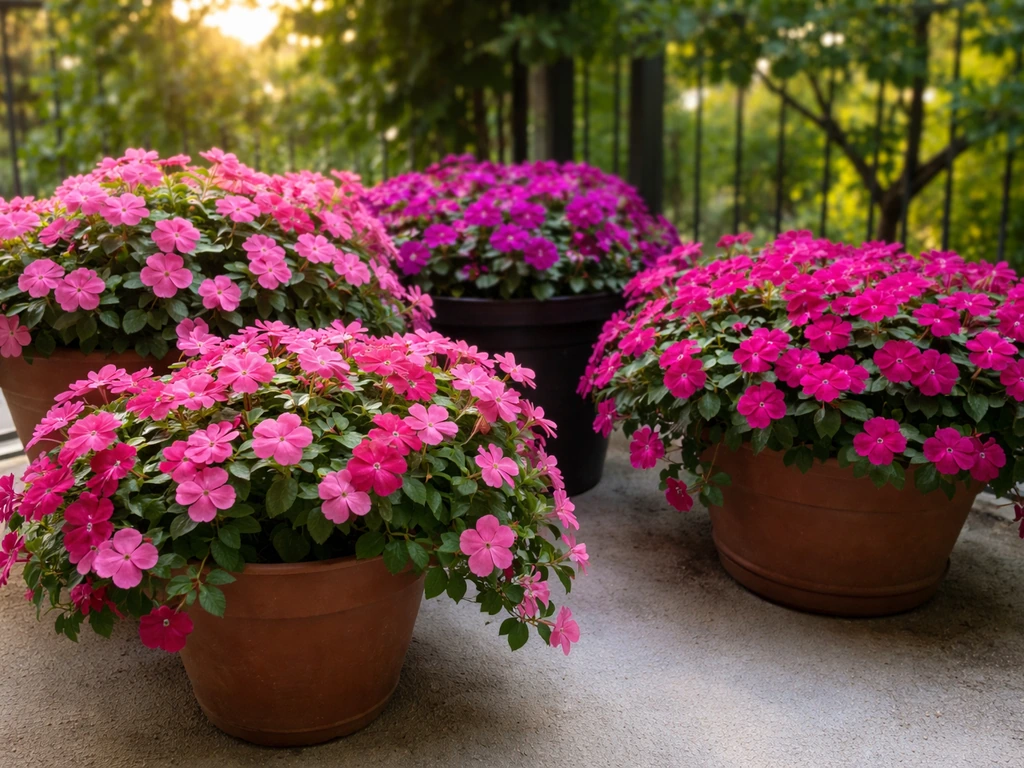
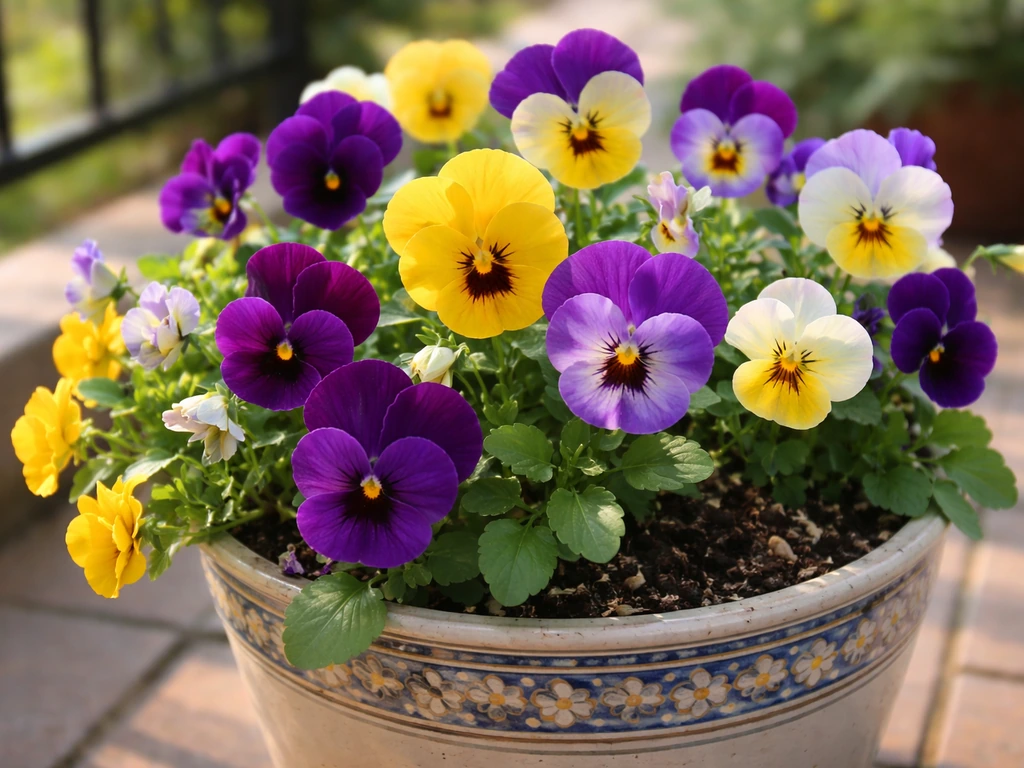
The reassuring thing about heather in pots is that once you've got the setup right (acidic compost, good drainage, a sunny spot), it really does settle into a low-maintenance routine. If you want a fuller walkthrough on how to grow impatiens in pots, you can use a similar approach with the right pot size, consistent watering, and suitable potting mix potted heather. A quick check every week in summer, a spring tidy-up, and an annual pH test are about all it takes. If you enjoy growing other container flowers like pansies or petunias, you'll find heather is actually less demanding than either of those once it's established, because it doesn't need deadheading and it stays attractive all year even when not in flower. Growing petunias in pots is a great next step, and the same container tips like good drainage and consistent watering will help them thrive. If you also want to know how to grow pansies in pots, the key is similar container care: enough sun, well-draining compost, and consistent watering potted heather.
Start with one plant, get your ericaceous compost and a pot with good drainage, and give it a season. A similar approach works for a Serenitea pot setup, as long as you use the right acidic compost and ensure excellent drainage how to grow plants in serenitea pot. Heather is more forgiving than its reputation suggests, and getting it right the first time is genuinely achievable for beginners.
FAQ
Can I grow heather in a pot using peat-free compost, and will it still stay acidic enough?
Yes, peat-free ericaceous mixes can work well, but peat-free products can vary by brand. It helps to buy a bag specifically labelled ericaceous, then test the pH of the mix after opening (or after watering once). Plan to recheck pH in spring and expect you may need to top up or refresh sooner than with some peat-based mixes.
How can I tell if my heather pot is getting too much water, before it shows rot?
Lift the pot. If it feels heavy long after watering, or if the top looks wet but the compost beneath feels soggy, drainage is failing. Also watch for sudden wilting with wet compost, then brown stems, these are often drainage and root stress signals rather than a heat issue.
Do I need a saucer under the pot, and is it safe to leave water in it?
A saucer is optional. If you use one to catch runoff, never leave water standing permanently. Empty it after a couple of hours, because heather roots will wick moisture upward and the mix can stay waterlogged even when the surface looks dry.
Should I use tap water or rainwater to keep the compost pH in range?
Rainwater is safer for pH because it is naturally less alkaline, but tap water can be used if you manage the pH. The practical approach is to use tap water initially, then measure pH each spring and correct if it drifts upward, using rainwater or a small amount of sulphur chips as needed.
How do I correct pH if my test reads above 5.5 without shocking the plant?
Make corrections gradually. Water with rainwater for a few weeks, then retest. If you choose sulphur chips, use a modest dose mixed into the top layer rather than trying to “crash” the pH all at once, and always follow the product label rates because too much can harm roots.
Can I grow multiple heathers in the same pot, or will they compete?
They can be grouped, but the container must be large enough and you must space plants properly (about 30 to 45 cm apart). Competition mostly shows up as dryness and uneven pH, so keep watering consistent across the entire pot and consider mixing in perlite or grit evenly so moisture levels stay uniform.
What size pot do I need for heather, and should I repot it after buying?
For one plant, aim for at least 30 to 35 cm diameter and 25 to 30 cm deep. If your plant came in a small nursery pot, repot soon into your final container while the rootball is still healthy. Delaying repotting can lead to faster pH drift and drier conditions than the plant was used to.
How often should I fertilise potted heather, and what should I avoid?
Feed once in early spring and again in early summer using an ericaceous fertiliser. Avoid anything with lime or chalk, those raise pH and can cause poor flowering or leaf stress. If growth looks good, resist the urge to add extra feeds mid-season.
Does heather need deadheading, or will flowers just disappear on their own?
You do not need deadheading the way you would with many bedding plants. A light trim after flowering is the key, removing spent flower stalks and some old growth, this both tidies the plant and encourages fresh flowering without constant pick-off work.
When should I prune heather in pots, and how hard is too hard?
Trim Calluna in spring when new shoots start, and trim Erica after it finishes flowering in spring. Remove spent parts and about a third of the previous year’s growth, but never cut into bare, woody stems because heather generally will not re-sprout from old wood.
Is winter protection always necessary for container heather?
It depends on exposure, not just cold temperatures. In colder zones, move pots to a sheltered unheated spot and wrap the pot if needed. Even in milder areas, windburn can be the main winter killer, so place the pot against a wall or fence to reduce gusts.
Why is my heather turning brown, is it always winter damage?
Not always. Brown, crispy foliage often points to windburn, especially after dry cold or strong exposure. If browning is paired with wet compost or a heavy pot, it can be root stress from poor drainage. Check drainage first, then confirm whether the location is windy or the compost stays wet.
Should I expect heather to bloom every year in a pot?
Most heathers will flower reliably once established, often once or twice a year depending on variety, but young plants may take a season to settle. The biggest factors are correct pH, not overwatering, and enough sun. If it does not bloom, retest pH in spring and check that the pot gets at least six hours of sun.
How long will potted heather last, and when should I refresh the compost?
With the right mix and regular pH checks, it can remain attractive for years, but compost structure breaks down over time. Plan to refresh after about two to three years, especially if the mix compacts, drainage slows, or pH becomes difficult to keep in range.