Windwheel Aster in the Serenitea Pot is a gardening seed item you plant through the in-game housing system, and yes, it absolutely grows there. You get Windwheel Aster Seeds, plant them in your Serenitea Pot's garden plots, and after the in-game growth timer runs down, you harvest the plant as a collectible item.
How to Grow Windwheel Aster in a Serenitea Pot
Marcus Whitley
15 Jun 2026
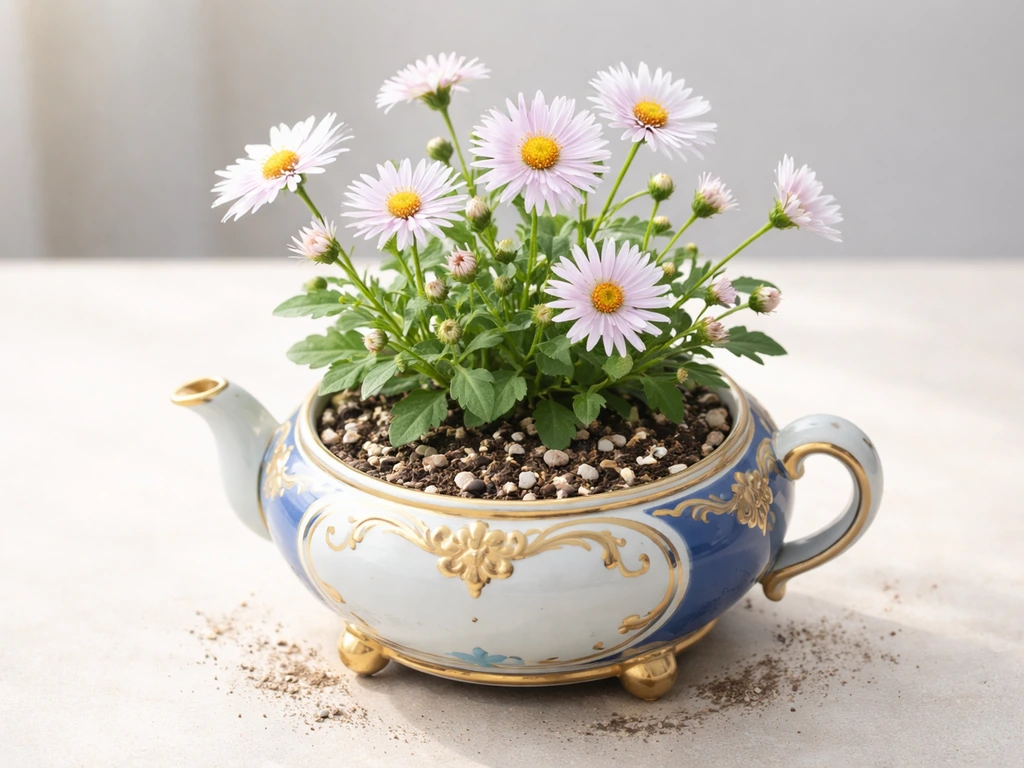
If you're also here because you want to grow a real-world aster that matches the look and feel of Genshin Impact's Windwheel Aster outside a screen, the closest match is Symphyotrichum sericeum, the Silky Aster, a compact native wildflower that grows about a foot tall, handles containers beautifully, and produces cheerful daisy-like blooms in full sun.
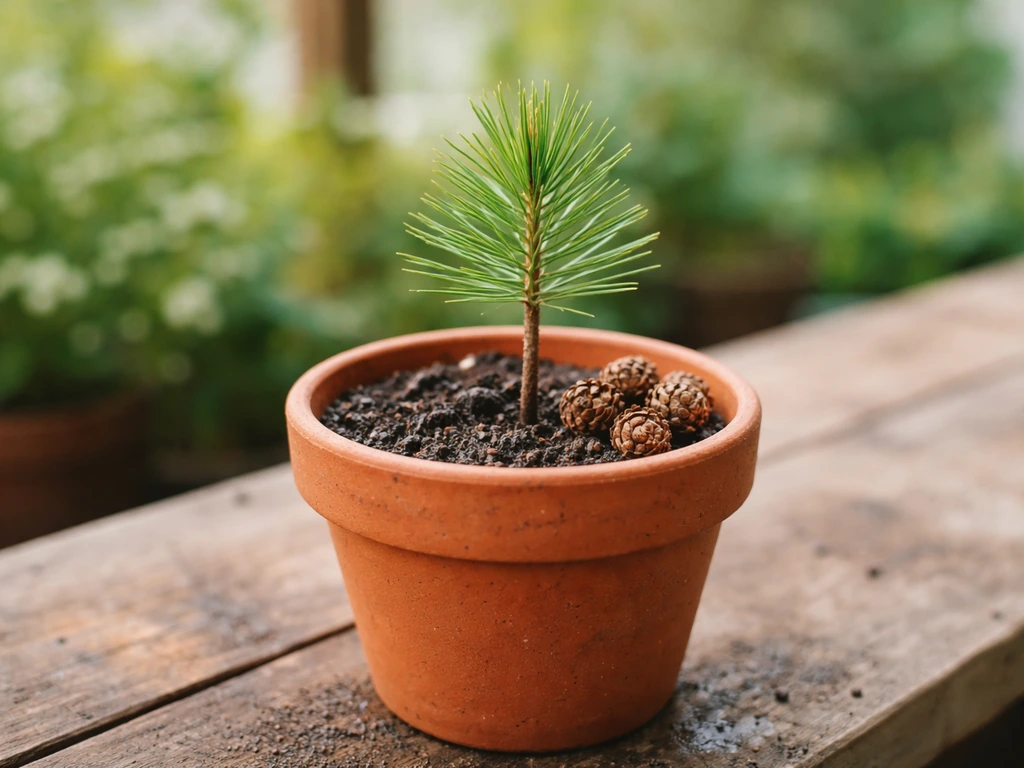
This guide covers both: how the in-game mechanic works, and how to grow the real-world equivalent in an actual pot on your windowsill, balcony, or patio. If you want the full, step-by-step pine cone container approach, see how to grow pine cones in pots for tips on timing, light, and potting mix real-world pot on your windowsill, balcony, or patio.
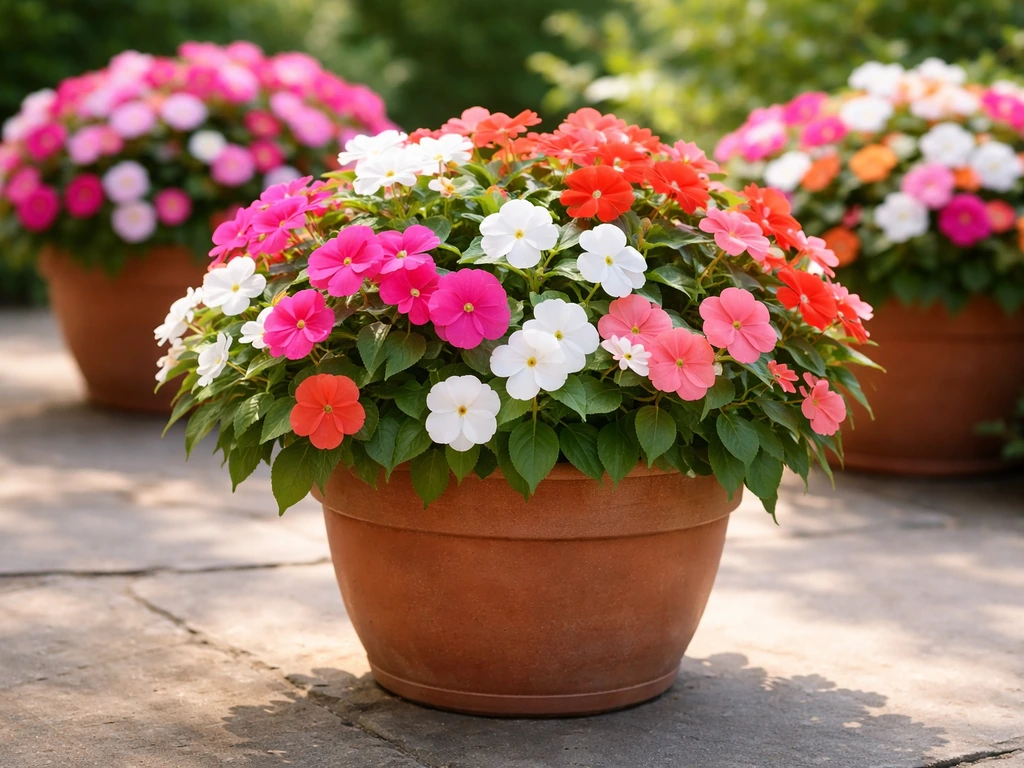
If you want the practical steps, here is how to grow sunpatiens in pots using the right light, soil, and watering hands-on real-pot advice.
Which Windwheel Aster are you actually growing?
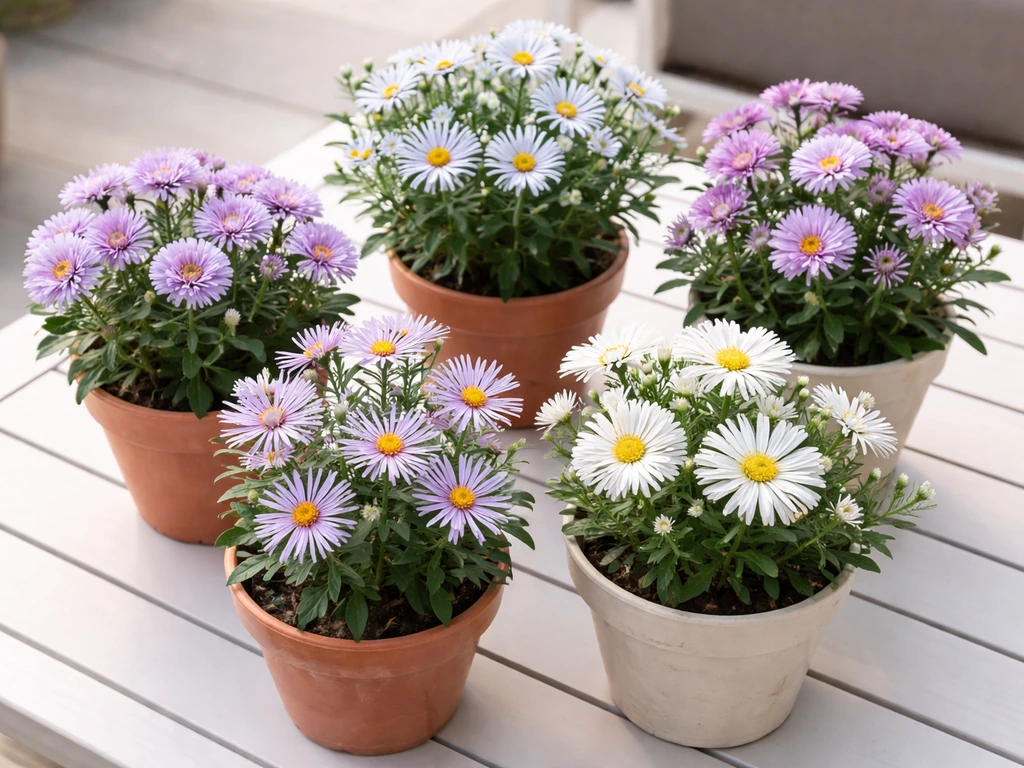
The in-game Windwheel Aster is described in Genshin Impact lore as 'a plant that adores the wind' and is tied to Mondstadt's story. The game treats it as its own fictional species and never officially maps it to a real botanical name. Players commonly refer to it as aster-like because of its visual design, but there's no confirmed genus behind it. For Serenitea Pot purposes, it functions purely as a seed item and a gardening mechanic, not a real plant.
If you're growing in real life and want something that looks and behaves like the in-game version, Symphyotrichum sericeum (Silky Aster) is your best bet. It's compact, sold at native plant nurseries, thrives in lean well-drained soil, and tops out around 12 inches tall, which is perfect for a container. Keep this distinction in mind as you read: sections marked for the in-game system are Serenitea Pot mechanics, and everything else is hands-on real-pot advice.
Light, temperature, and where to place your pot
For the in-game Serenitea Pot, you can place your garden plots anywhere in your realm layout, so this section is about the real-world container version. blank" rel="noopener noreferrer">Symphyotrichum asters like full sun to part shade, and in my experience with containers specifically, more sun is always better. Aim for at least 6 hours of direct sunlight per day. If your pot gets fewer than 4 hours, you'll end up with weak, leggy stems that flop over and produce almost no flowers. A south- or east-facing balcony or windowsill is ideal.
Temperature-wise, Silky Aster is adaptable and handles both heat and cooler nights well. In containers, the soil heats up faster than in the ground, so watch out during summer heat waves: if the pot is sitting on a black surface or directly on concrete, the roots can cook. Lifting the pot onto a wooden platform or moving it to afternoon shade during extreme heat (above 95°F or 35°C) will protect it. Spring planting when nighttime temperatures are consistently above 45°F (7°C) gives you the smoothest start.
Setting up your pot: soil mix, drainage, and spacing
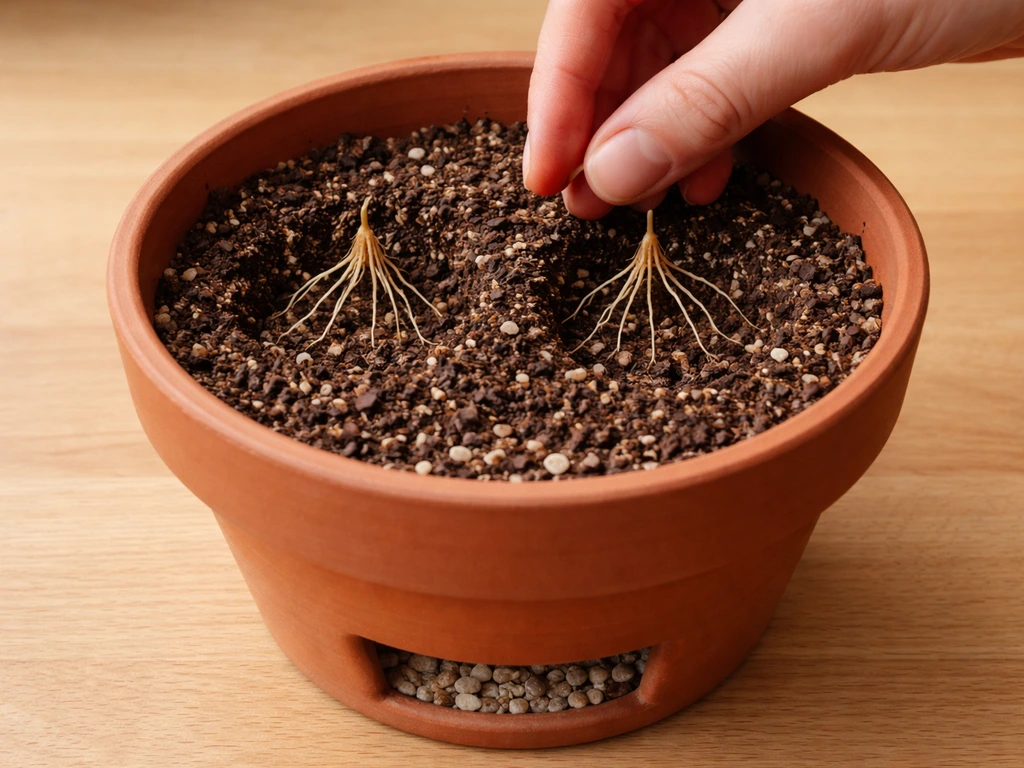
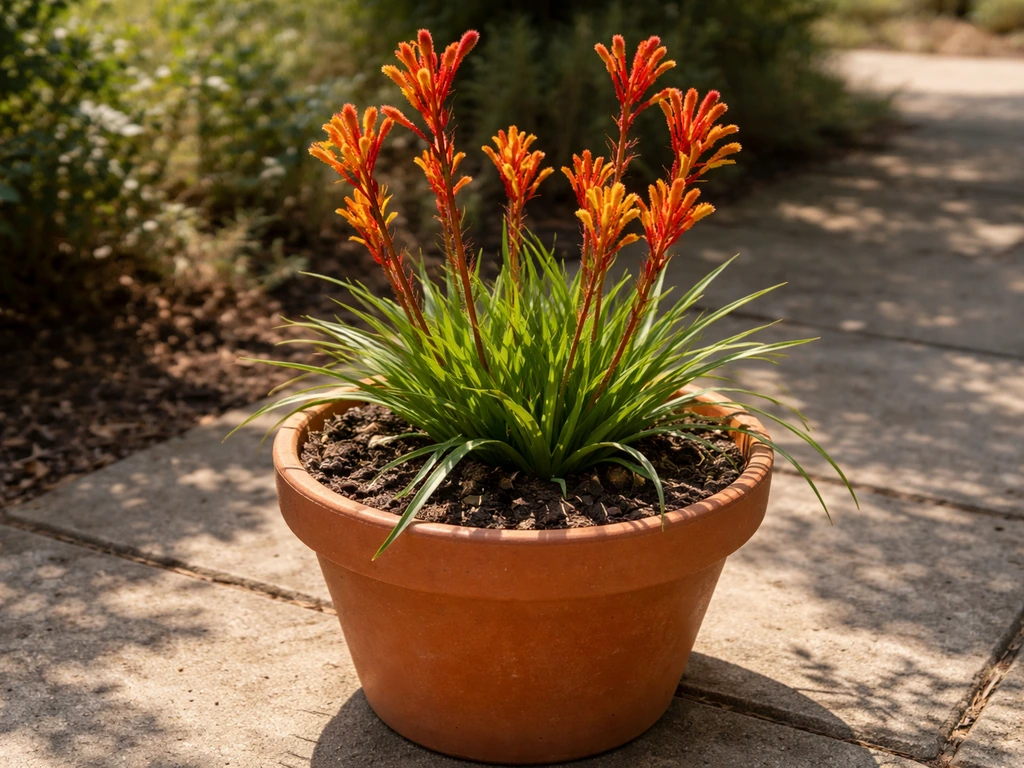
This is the part most people get wrong, and it's the single biggest reason container asters fail. Symphyotrichum asters naturally grow in lean, rocky, well-drained soil in the wild, so a rich, moisture-retaining potting mix is actually bad for them. A key soil goal for kangaroo paw is the same as with many container plants: use a fast-draining mix and avoid waterlogged roots kangaroo paw in pots. Never use straight garden soil in a container, it compacts almost immediately and cuts off the airflow roots need. NC State Extension notes that compacted growing media prevents water from draining and increases root-rot risk, so maintaining good potting-mix structure and pore space is important in containers blank" rel="noopener noreferrer">compacted growing medium.
The potting mix I'd recommend for a windwheel aster-type plant is a blend that drains fast but doesn't dry out in an hour. Mix roughly 50% standard potting mix, 30% perlite (those little white pebbles that create air pockets), and 20% coarse sand or fine grit. This keeps the soil loose, prevents compaction, and moves water through quickly.
Blooming Expert notes that the core design goal for container potting mixes is balancing fast drainage to prevent waterlogging with moisture retention for roots, plus nutrient retention and resistance to compaction fast but doesn't dry out in an hour. Avoid adding heavy compost or extra fertilizer to the mix at planting time.
Lean soil is exactly what these plants want, and over-enriched soil pushes them toward floppy stems and fewer flowers.
For drainage, your pot must have holes at the bottom, no exceptions. At least two holes for a standard 8-10 inch pot, more for larger containers. If your decorative outer pot doesn't have holes, use it as a sleeve and keep the actual growing pot inside with something underneath to catch water, but empty that saucer after every watering so the roots never sit in standing water.
A single Silky Aster transplant does well in an 8 to 10 inch pot on its own, or you can plant two or three in a 12 to 14 inch container with about 8 inches of spacing between plants. Crowding them reduces airflow and invites powdery mildew, which is one of the most common problems with asters in containers.
Planting your windwheel aster: depth, technique, and first watering
Starting from seed vs. transplant
If you're playing the Serenitea Pot in Genshin Impact, you use Windwheel Aster Seeds obtained in-game and place them in garden plots, simple as that. In real life, I strongly recommend buying a small transplant from a native plant nursery rather than starting from seed. Symphyotrichum from seed can take two growing seasons to bloom reliably, whereas a nursery transplant can flower in its first season in your pot.
How to plant
- Fill your pot about two-thirds with your prepared potting mix and press it down lightly to remove big air gaps.
- Dig a hole in the center just deep enough to match the nursery pot's root ball height. The top of the root ball should sit about half an inch below the rim of your pot.
- Gently squeeze the nursery pot to loosen the root ball and ease it out without yanking. If the roots are circling the bottom, tease them apart slightly with your fingers before planting.
- Set the plant in the hole, backfill around it with your potting mix, and firm the soil gently around the base. Don't bury the stem deeper than it was in the nursery pot.
- Water thoroughly right after planting until water runs out of the drainage holes. This settles the soil around the roots and removes air pockets. Don't water again until the top inch of soil feels dry.
Ongoing care: watering, feeding, and pruning
Watering
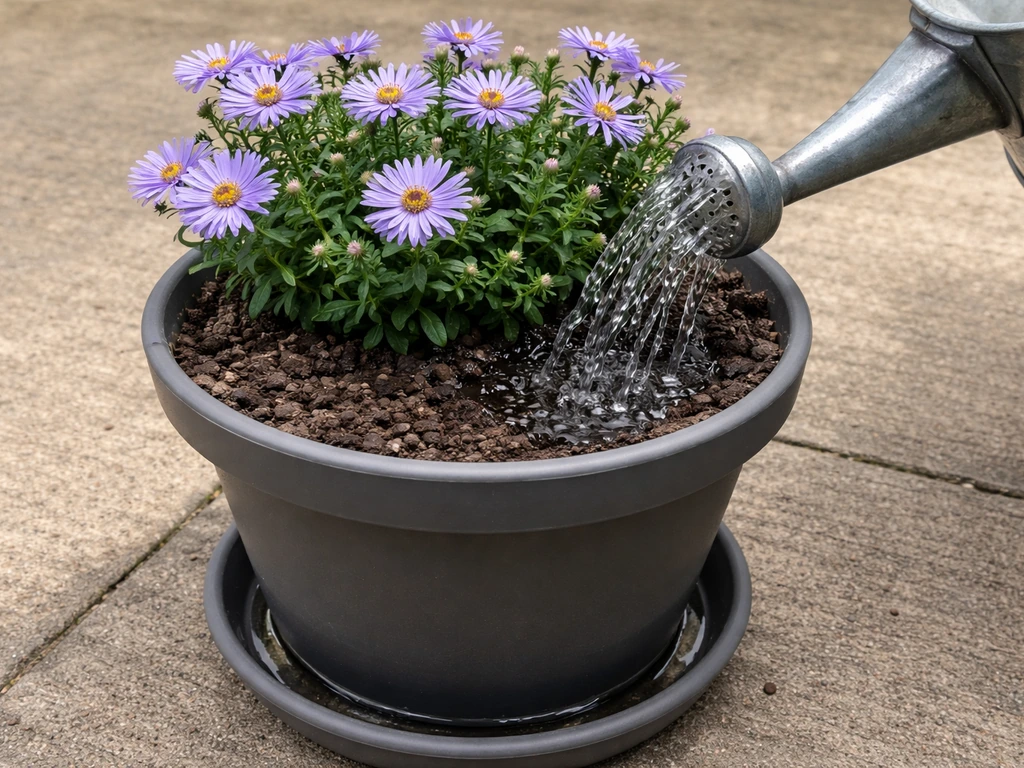
Symphyotrichum asters are drought-tolerant once established, which means the single most common mistake is overwatering. In spring when temperatures are cooler and the plant is just getting settled, water when the top inch of soil is dry, probably every 5 to 7 days depending on your climate and pot size. In summer, that might shorten to every 3 to 4 days during hot spells. Always water at the base of the plant, not over the leaves. Wet foliage sitting overnight is an invitation for powdery mildew.
Feeding
Keep fertilizing conservative. Because these asters prefer lean conditions, heavy feeding pushes lots of leafy growth but weak stems and poor flowering. I give mine one light application of water-soluble balanced fertilizer (something like a 10-10-10 formula at half the recommended strength) in early to mid-summer as buds start to form. That's usually enough to support a good bloom cycle without making the plant floppy. Skip the fertilizer in spring and fall entirely.
Pruning and deadheading
In late spring to early summer, pinch back the stem tips by about a third. This encourages the plant to branch out rather than grow straight up, giving you a bushier plant with more flower heads. Once blooms open in late summer or fall, deadhead spent flowers by snipping just below the faded bloom. This keeps the plant tidy and can extend the flowering period by a few weeks. After the first hard frost, cut the whole plant back to about 3 to 4 inches above the soil line.
Troubleshooting: no growth, weak stems, yellow leaves, and no blooms
| Problem | Most Likely Cause | Fix It By |
|---|---|---|
| No visible growth after planting | Root stress or transplant shock | Give it 2 to 3 weeks, keep soil evenly moist but not soggy, and put it in brighter light |
| Weak, leggy stems flopping over | Not enough sun or too much fertilizer | Move pot to a sunnier spot and cut back on feeding |
| Yellow leaves at the base | Overwatering or waterlogged roots | Check drainage holes are clear, let soil dry out more between waterings |
| White powdery coating on leaves | Powdery mildew from poor airflow or wet foliage | Improve air circulation, water at the base only, remove affected leaves |
| No blooms by late summer | Too much shade, too much nitrogen, or plant needs more time | Increase sun exposure and hold off fertilizer; pinch back earlier next season |
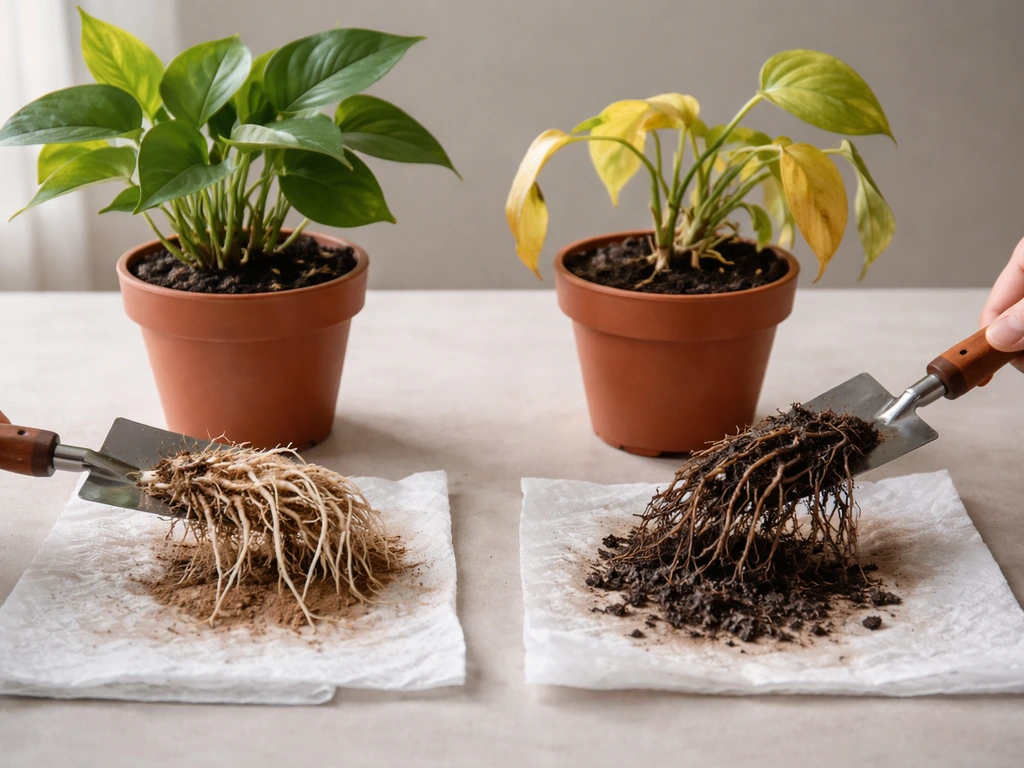
| Wilting despite moist soil | Root rot from consistent overwatering | Unpot, trim any dark mushy roots, repot in fresh mix with more perlite |
Root rot is the most serious issue and the hardest to reverse, which is why getting drainage right from the start matters so much. If you catch it early, trimming the damaged roots and repotting into a drier, airier mix can save the plant. If the roots are mostly gone, it's often easier to start fresh with a new transplant. Don't be discouraged by this, it happens to experienced gardeners too, especially in the first season when you're still learning how fast your specific pot and location dry out.
For the in-game Serenitea Pot version, if your Windwheel Aster isn't progressing through its growth stages, double-check that you placed the seed in an active garden plot (not just the decorative area of your realm), that the plot is unlocked for the correct seed type, and that you've checked back after the required in-game time has elapsed.
How long until blooms, and what to do next
A nursery transplant of Symphyotrichum sericeum planted in spring will typically establish its root system over the first 4 to 8 weeks. You should see active new growth within the first month if conditions are right. Blooms usually appear in late summer to early fall, roughly 3 to 5 months after planting, depending on when in spring you started. If you miss the bloom window in the first year because you planted late or the plant spent too much energy establishing, don't worry. Year two is almost always much more impressive.
For propagation, the easiest method with container asters is division. In early spring, before new growth gets going, lift the whole root ball out of the pot and use a sharp knife or trowel to slice it into sections, making sure each piece has some shoots and some roots attached. Pot each section up individually in fresh mix, water them in, and treat them like new transplants. This both multiplies your plants and rejuvenates an older clump that's starting to get crowded and bloom less.
Your week-by-week monitoring checklist
- Weeks 1 to 2: Check soil moisture every 2 days. The plant may look a little droopy from transplant stress, which is normal. Keep it in bright light and resist the urge to overwater.
- Weeks 3 to 4: Look for new leaf growth as a sign the roots are establishing. If nothing is happening by week 4, reassess light levels and drainage.
- Month 2: Pinch back stem tips to encourage branching. Check for early signs of powdery mildew on lower leaves.
- Month 3 onward (summer): Apply a half-strength fertilizer dose once. Watch for buds forming. Keep watering discipline steady.
- Late summer to fall: Enjoy the blooms, deadhead spent flowers regularly, and avoid heavy watering as temperatures drop.
- After first frost: Cut back to 3 to 4 inches, stop fertilizing, and reduce watering significantly until spring.
If you enjoy growing compact flowering plants in containers, asters pair nicely with other sun-loving pot plants that share similar care needs. Penstemons are another great option for a sunny container garden with a similar upright habit, and kangaroo paw brings a completely different texture but thrives in the same lean, well-drained mix philosophy. Starting with one container and getting comfortable with the watering rhythm before expanding is always the smartest move, and Symphyotrichum asters are forgiving enough to be a great first experiment with flowering perennials in pots.
FAQ
Can I grow Windwheel Aster in a Serenitea Pot plot that looks decorative but is not an active garden plot?
No. Windwheel Aster Seeds only progress when planted in an actual active garden plot that is unlocked for that seed type. If the plant status never advances after the correct in-game time, remove doubt by checking the plot category and seed compatibility, not just that the plant exists in the layout.
How often should I check on the in-game Windwheel Aster after planting?
Check only after the required in-game growth timer has run down, not repeatedly in between. Frequent early checks can lead to confusion about “stuck” progress that is actually normal waiting time.
What’s the fastest way to get blooms in a real pot, seed or nursery transplant?
A nursery transplant is usually faster. Starting from seed often takes two growing seasons to bloom reliably, while many Symphyotrichum transplants can bloom in the first season in a container if planted in spring and given enough sun.
My container aster keeps growing but won’t flower. What’s the most likely cause?
Overly rich soil or too much fertilizer. These asters want lean conditions, and heavy feeding or compost-heavy mixes can produce lots of foliage with weak stems and few flower heads. Also confirm you are getting at least 6 hours of direct sun.
Why are my stems flopping even though I’m watering correctly?
The fix is usually soil and feeding, not just watering. If the mix holds moisture too long or you added extra compost or strong fertilizer, stems weaken. Use the fast-draining blend and apply only a light, early-to-mid-summer fertilizer dose when buds start forming.
How do I prevent powdery mildew in a container aster?
Increase airflow and avoid wet leaves. Don’t crowd plants, pinch stem tips for branching, water at the base, and try to keep foliage dry overnight. If mildew starts, improve spacing and light exposure before it spreads.
What should I do if I accidentally used garden soil in my container?
Plan on replacing it. Garden soil compacts quickly in pots and reduces airflow to roots, which increases rot risk. Repot into a fast-draining mix using perlite and sand or grit, and then resume watering based on when the top inch dries.
Can I use a decorative outer pot without drainage holes?
Yes, but only as a sleeve. Keep the actual growing pot with drainage holes inside the decorative one, then empty any water from the saucer after each watering so the roots never sit in standing water.
Is it better to water on a schedule or by soil dryness for a potted Windwheel-aster-like plant?
By soil dryness. Containers vary a lot, so use the top-inch rule (water when that layer is dry). In spring it may be weekly, in summer it can become every few days during heat, especially with small pots.
How should I handle extreme heat when the pot is on concrete or a dark surface?
Move it or protect the roots. Heat can over-warm container soil, leading to stress and potential root damage. Lift the pot off concrete, use afternoon shade during heat waves (above about 95°F or 35°C), and consider insulating the pot from direct surface heating.
When and how should I pinch a container aster for more flowers?
Pinch in late spring to early summer by removing about a third of the stem tips. This encourages branching, leading to a bushier plant and more flower heads. If you pinch too late into summer, you can reduce how much time the plant has to set buds.
Should I deadhead every bloom, and does it really extend flowering?
Yes, snip spent flowers just below the faded bloom. Deadheading keeps the plant tidy and can extend the flowering period by a few weeks, especially when you still have warm, sunny conditions.
What’s the best way to recover from root rot in a container?
Act fast, check the roots, and repot into a drier, airier mix. Trim damaged roots, refresh the potting mix, and ensure drainage holes and airflow are excellent. If the roots are largely gone, starting fresh with a new transplant is often more reliable than trying to nurse it back.
How many plants can I fit in one pot without causing mildew or weak growth?
For multiple plants, follow spacing to maintain airflow. In a 12 to 14 inch container, plant two to three with roughly 8 inches between plants. Crowding commonly leads to mildew and poor flowering even if sunlight and watering look fine.
When should I divide my container aster, and what’s the easiest method?
Divide in early spring before strong new growth starts. Lift the whole root ball, slice it with a sharp tool, ensure each section has shoots and roots, then repot each section with fresh mix and treat it like a new transplant.
Why is my plant slow to show new growth after repotting or buying it?
Containers can take 4 to 8 weeks to establish roots, especially in the first season. Expect active new growth within the first month if light, drainage, and watering are correct. If nothing happens after that, re-check mix drainage and whether the pot gets enough direct sun.